Western Europe
Central & Eastern Europe
Asia & Middle East
Americas
Oceania & Africa
Expat Topics
🏙️ Living in South Korea · 2026
Seoul.
25 million people, 23 metro lines, and Asia's most dynamic city - the K-culture epicenter
Best For
Digital nomads, professionals, K-culture enthusiasts
Monthly Budget
$2,000–$3,500
Population
9.9M city / 25M metro area
Verified August 13, 2026
Can you actually move to Seoul?
We research your nationality, income and timeline against the law as it stands, and tell you whether Seoul works and what it takes.

The Seoul you’ll actually live in
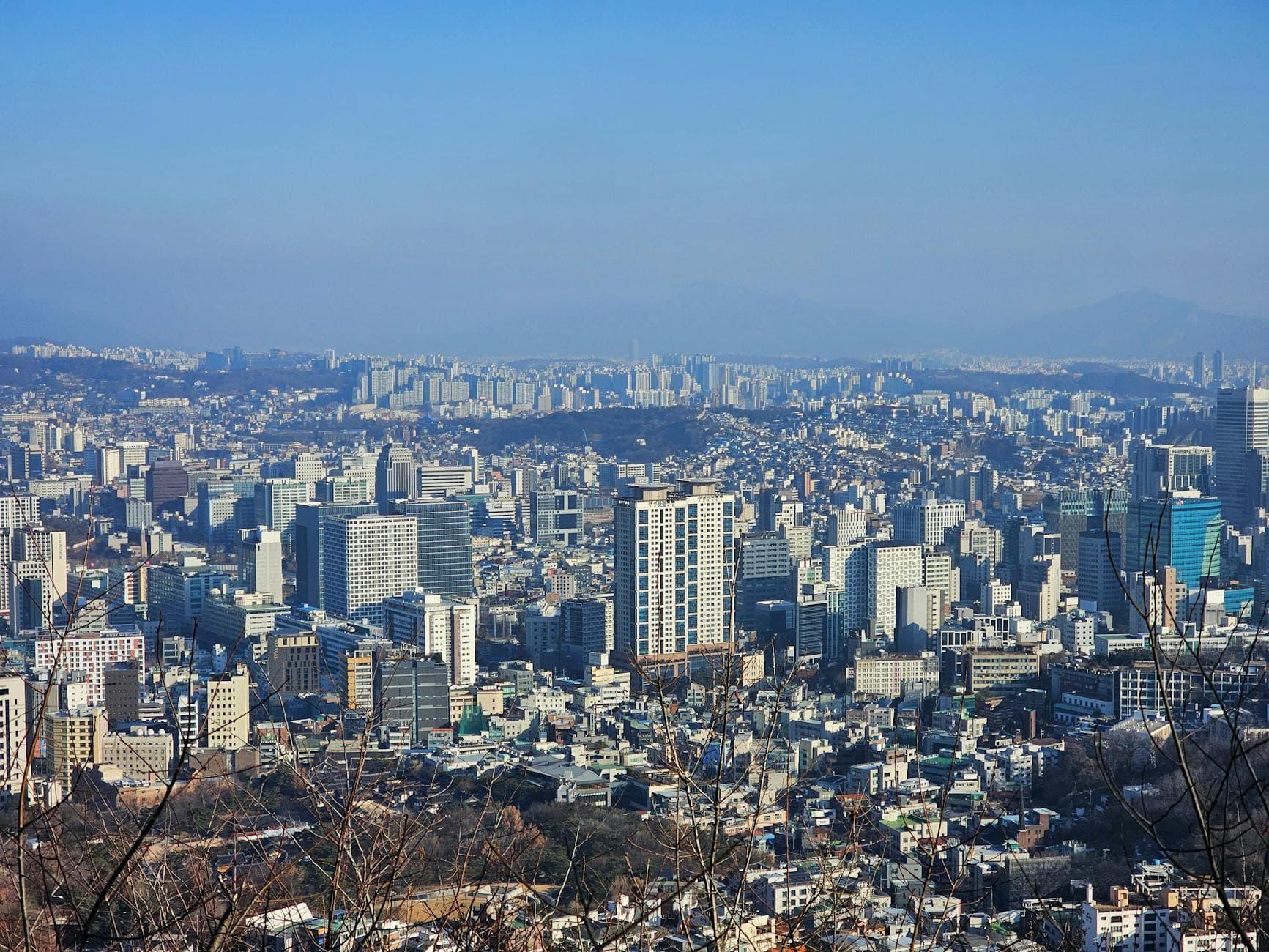
Seoul is one of the world's great megacities - 25 million in the metro area - yet manages to feel both intensely modern and deeply traditional. The Han River divides a city of neighborhoods with distinct characters: Gangnam's gleaming skyscrapers and luxury shopping; Hongdae's indie music scene and youth culture; Itaewon's international restaurants and diverse community; Insadong's antique markets and tea houses; Bukchon's preserved hanok villages. It's a city that never sleeps - 24-hour jjimjilbangs, 4am pojangmacha tents, and all-night norebang (karaoke). The metro is its arteries: 23 lines, air-conditioned carriages in summer, heated in winter.
The Seoul basics
The full picture - 7 key numbers covering budget, internet, English level, beach access, and airport reach.
Best For
Digital nomads, professionals, K-culture enthusiasts
Monthly Budget
$2,000–$3,500
1-BR Rent (Gangnam)
₩1.2–2.0M/month (~$900–$1,500)
1-BR Rent (Mapo/Hongdae)
₩800K–1.4M/month (~$600–$1,050)
Internet Speed
~270 Mbps (world's fastest)
English Level
Good in expat areas; limited elsewhere
Airport
Incheon (ICN) - 180+ direct routes
Is Seoul actually your best option?
This page tells you what Seoul is like. It cannot tell you whether it beats the four other countries you should be looking at, because that answer changes with your passport. Income thresholds, tax treaties and citizenship timelines are all nationality specific, and the general rule is often not the rule that applies to you.
A Personal Relocation Assessment answers it for your case. You tell us your nationality, income, household and timeline, and we our expert researches it against the law as it stands: which countries you actually qualify for, the route, the current threshold with the instrument it comes from, and what is most likely to go wrong in a position like yours.
Food culture
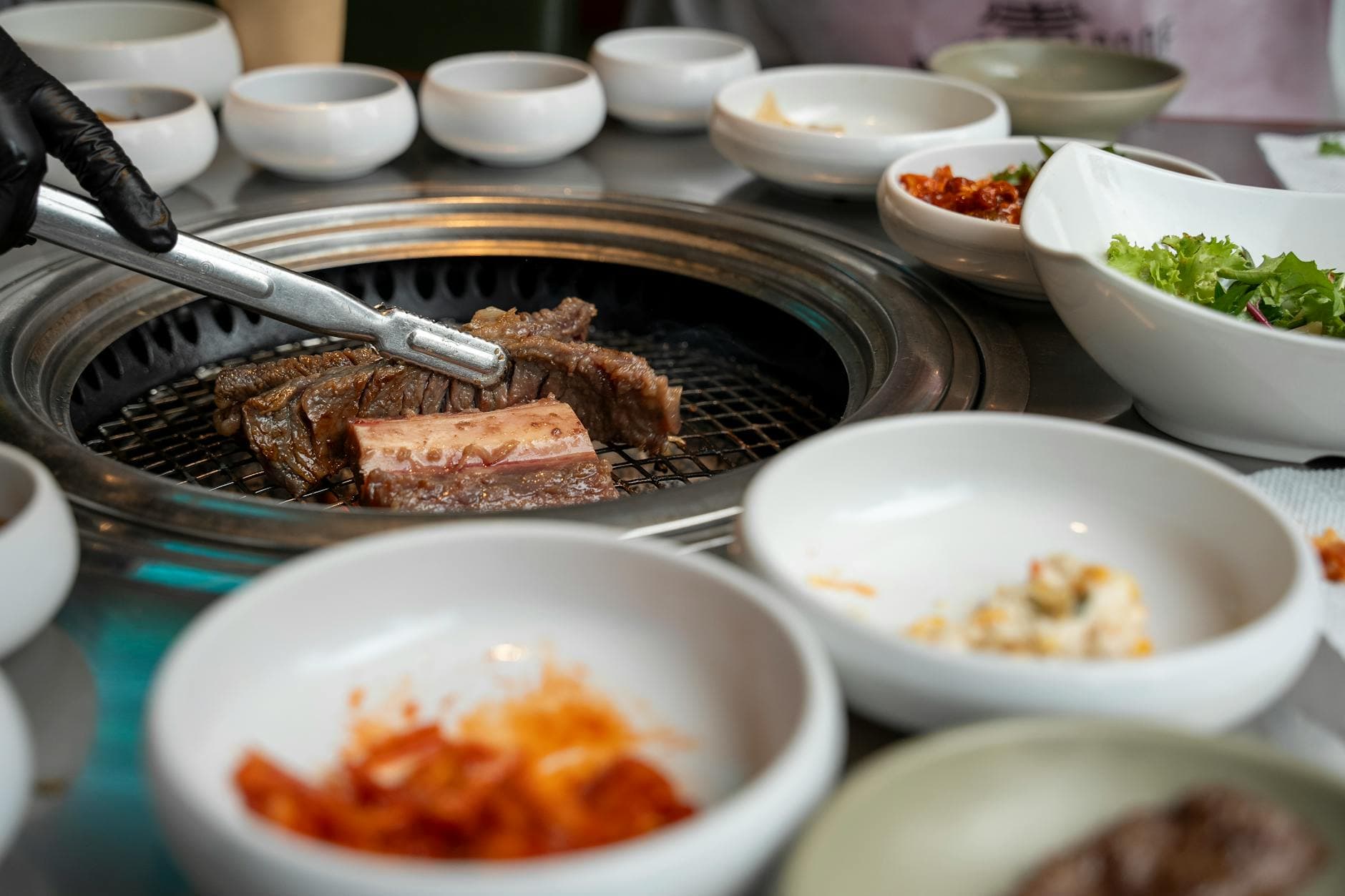
Korean BBQ, bulgogi, pojangmacha - Hongdae's late-night street food scene
Explore

Green spaces
Seoul Forest + Han River parks - Seoul's central greens and riverside bike paths
Explore

Markets
Gwangjang Market + Namdaemun - Seoul's 600-year-old covered food markets
Explore

Nightlife
Hongdae + Itaewon - Seoul's indie, K-pop club, and foreign-friendly bar districts
Explore
What a month actually costs
No padding, no underestimates. Real expat numbers - central neighborhood, comfortable lifestyle, eating out a few times a week.
All-in monthly
$2,000–$3,200 USD equiv.
Single expat, comfortable lifestyle, central area.
Rent (1-BR, Gangnam/Mapo)
₩1,000K–1,600K
Full breakdown
Rent (1-BR, Gangnam/Mapo)
₩1,000K–1,600K
Rent (1-BR, outer districts)
₩500K–900K
Groceries
₩300K–500K
Transport (T-money monthly)
₩60K–100K
Utilities (electricity, gas, internet)
₩150K–300K
NHIS premium (approx.)
₩80K–150K
Dining out (3–4×/week)
₩200K–400K
Entertainment & misc.
₩100K–200K
Total (comfortable, central Seoul)
$2,000–$3,200 USD equiv.
Where to actually live
4 neighborhoods, 4 different versions of Seoul.

Gangnam / Seocho
Finance & luxury - Samsung HQ, COEX Mall, high-end restaurants. Korea's most prestigious address. Excellent English.
Best for: Corporate expats, multinational employees, and those seeking premium infrastructure.
Rent ₩1,500,000–3,000,000/month ($1,120–$2,240) for a modern 1-BR officetel or apartment

Mapo-gu (Hongdae / Hapjeong)
Young expat & creative - Hongik University arts scene, hundreds of cafes, amazing nightlife, foreigner-friendly. Most popular area for foreign residents.
Best for: Digital nomads and expats under 40 who want energy, community, and great metro access.
Rent ₩700,000–1,400,000/month ($520–$1,045) for a 1-BR officetel or apartment

Yongsan (Itaewon / Hannam-dong)
International hub - most diverse neighborhood, halal restaurants, LGBTQ+ venues, global cuisine, Hannam-dong embassies.
Best for: Those wanting the most international environment; Hannam-dong for upscale residential.
Rent ₩1,000,000–2,200,000/month ($745–$1,640) for a 1-BR apartment (Hannam-dong higher end)
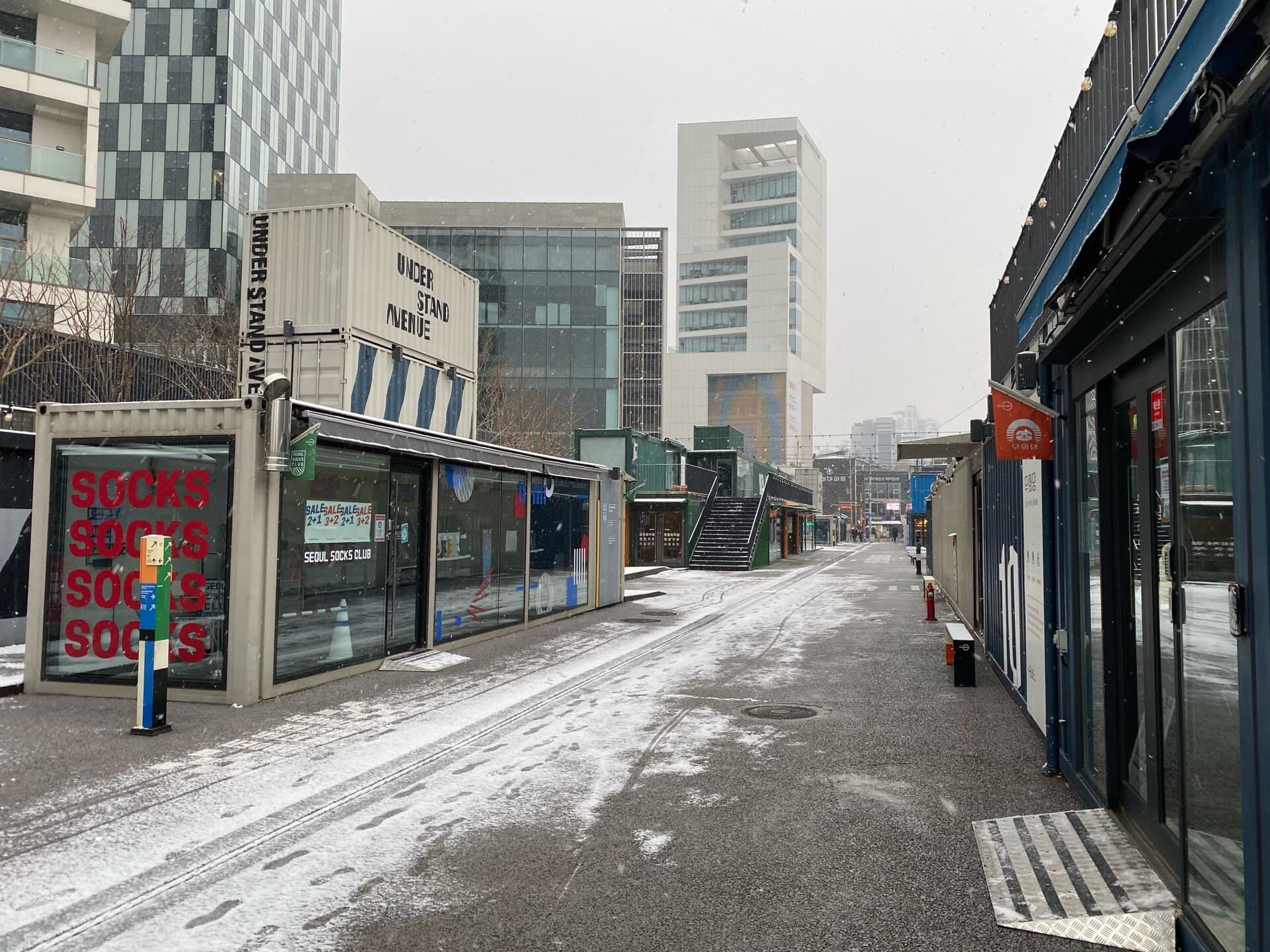
Seongsu-dong
Seoul's Brooklyn - converted factories, specialty coffee, independent design studios, trending restaurants. The city's coolest emerging neighborhood.
Best for: Creatives and design-focused expats who want to be ahead of the curve.
Rent ₩800,000–1,500,000/month ($600–$1,120) for a 1-BR apartment or loft
The truth about Seoul
The bits the brochures skip - what expats love, and what tests their patience.
What you’ll love
- 01World-class metro covering virtually the entire city (23 lines)
- 02World's fastest internet at $25/month for gigabit fiber
- 03Enormous international food scene in Itaewon and Hongdae
- 0424/7 convenience store culture - GS25, CU on every block
- 05K-pop concerts, film festivals, and cultural events year-round
- 06Cherry blossom season (April, Yeouido) is spectacular
What might bug you
- 01Air quality (PM2.5 from Chinese pollution) occasionally poor March–May
- 02Language barrier significant outside expat neighborhoods
- 03More expensive than most of Korea
- 04Intense local work culture can affect social dynamics
- 05Summers are hot and very humid (July–August)
Where to plug in
Hand-picked coworking spaces - premium business addresses, community hubs, and budget-friendly options.
FastFive (Gangnam)
Korea's largest coworking chain; 50+ locations; excellent facilities
WeWork Seoul (multiple)
Global standard; multiple locations including Gangnam and Yeouido
Heyground (Seongsu)
Design-forward; Seongsu district; strong creative community
Peerspace (various)
Flexible hourly/daily space booking across the city
How Seoul moves
Metro, buses, walkability - what works, what to avoid, and how much you'll actually spend.
- 01
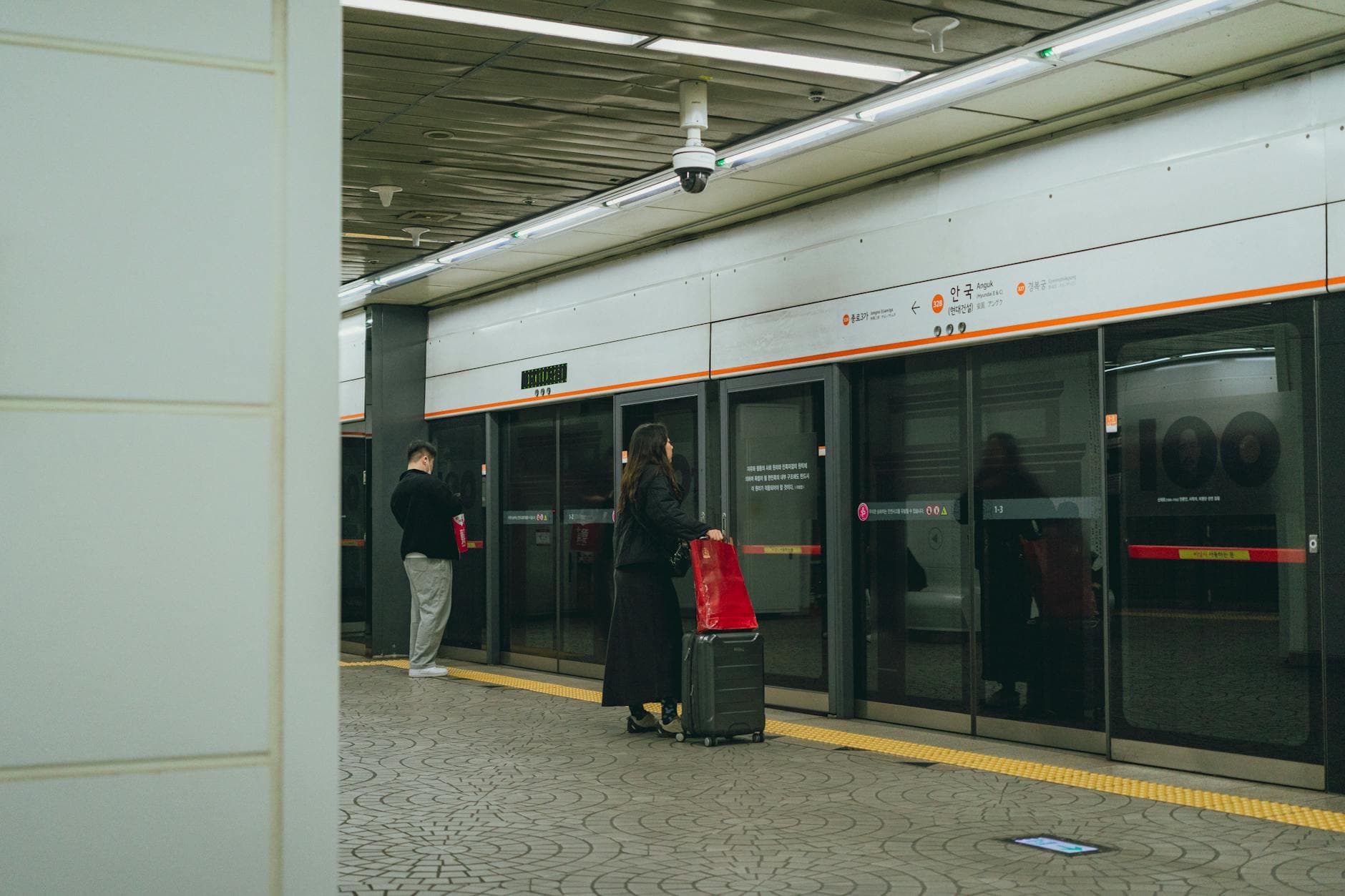
Metro: 23 lines, 700+ stations; T-money card ₩1,300–1,500/ride; runs 5:30am–midnight (24/7 on weekends)
- 02
Buses: extensive network; same T-money card; free transfer within 30 min
- 03
Kakao Taxi / UT: app-based taxis; English destination input; widely available
- 04
KTX (high-speed rail): Seoul to Busan 2.5 hrs from Seoul Station; Suseo Station for southern routes
- 05
Rental bikes: Seoul Bike (따릉이) - ₩1,000/hour; stations throughout city
- 06
Airport: AREX express train from Incheon to Seoul Station - 43 min, ₩9,500
Key takeaways
If you only remember five things about Seoul, make it these.
Budget
$2,000–$3,200 USD equiv./mo · rent from ₩1,000K–1,600K
Where to live
Gangnam / Seocho, Mapo-gu (Hongdae / Hapjeong), Yongsan (Itaewon / Hannam-dong)
Top advantage
World-class metro covering virtually the entire city (23 lines)
Watch out
Air quality (PM2.5 from Chinese pollution) occasionally poor March–May
Remote work
4+ coworking spaces, from ₩300K–500K/mo
More on South Korea
Drill into the country-level guides - visa rules, healthcare, schools, taxes, and more.
Tools to plan your move to Seoul
Practical tools to turn an idea into a real plan - pick a season, time your visa, build a budget, even live a day before you go.
Seoul cost of living
Full monthly budget breakdown - rent, food, transport, utilities
Best time to move to South Korea
Season-by-season - weather, visa timing, rental markets
Country match quiz
Eight quick questions, AI-matched country shortlist
Visa finder
Search visa options by nationality, budget, and stay length
A day in Seoul
Live a perfect day with AI - real cafés, costs, and routes
Relocation plan
Step-by-step AI moving timeline tailored to you
Seoul vs other cities
See how Seoul stacks up against other popular expat cities - cost, lifestyle, neighborhoods.
City rankings
See where Seoul sits in our independent expat city rankings.
Cheapest Cities for Digital Nomads
Ranked list of the most affordable cities for digital nomads in 2026. Budget, internet speed, English level, and coworking info for each city.
Cities With the Fastest Internet
Ranked list of cities with the fastest broadband internet for remote workers and digital nomads. Speed, cost of living, and English level for each city.
Best Cities for English Speakers
Cities where English is widely spoken - ranked by cost of living. Perfect for expats who want to settle abroad without a language barrier.
Most Affordable Cities in Europe
Cheapest European cities for expats ranked by monthly cost of living. Budget breakdowns, internet speeds, and English levels for each city.
Best Cities in Southeast Asia for Expats
Top cities in Southeast Asia for expats and digital nomads. Ranked by budget with internet speed, English level, and lifestyle highlights.
Best Cities in Latin America for Expats
Top Latin American cities for expats and digital nomads. Ranked by budget with internet speed, English level, and lifestyle highlights.
Also in South Korea
2 other cities worth a look - each with its own rhythm, costs, and character.
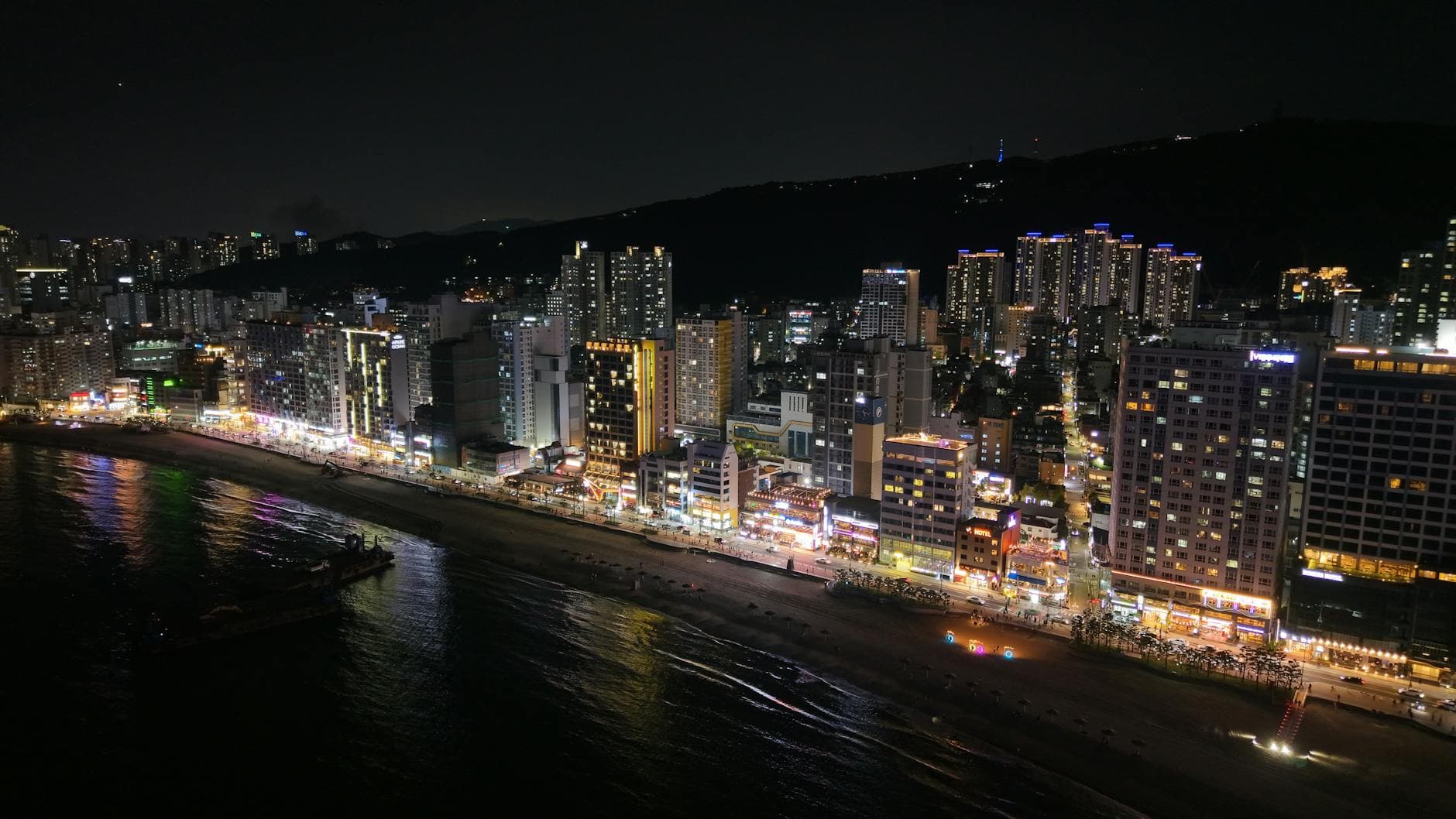
Busan
Korea's coastal city - beaches, seafood markets, film festivals, and 30–40% cheaper than Seoul
$1,400–$2,500 /mo
Read guide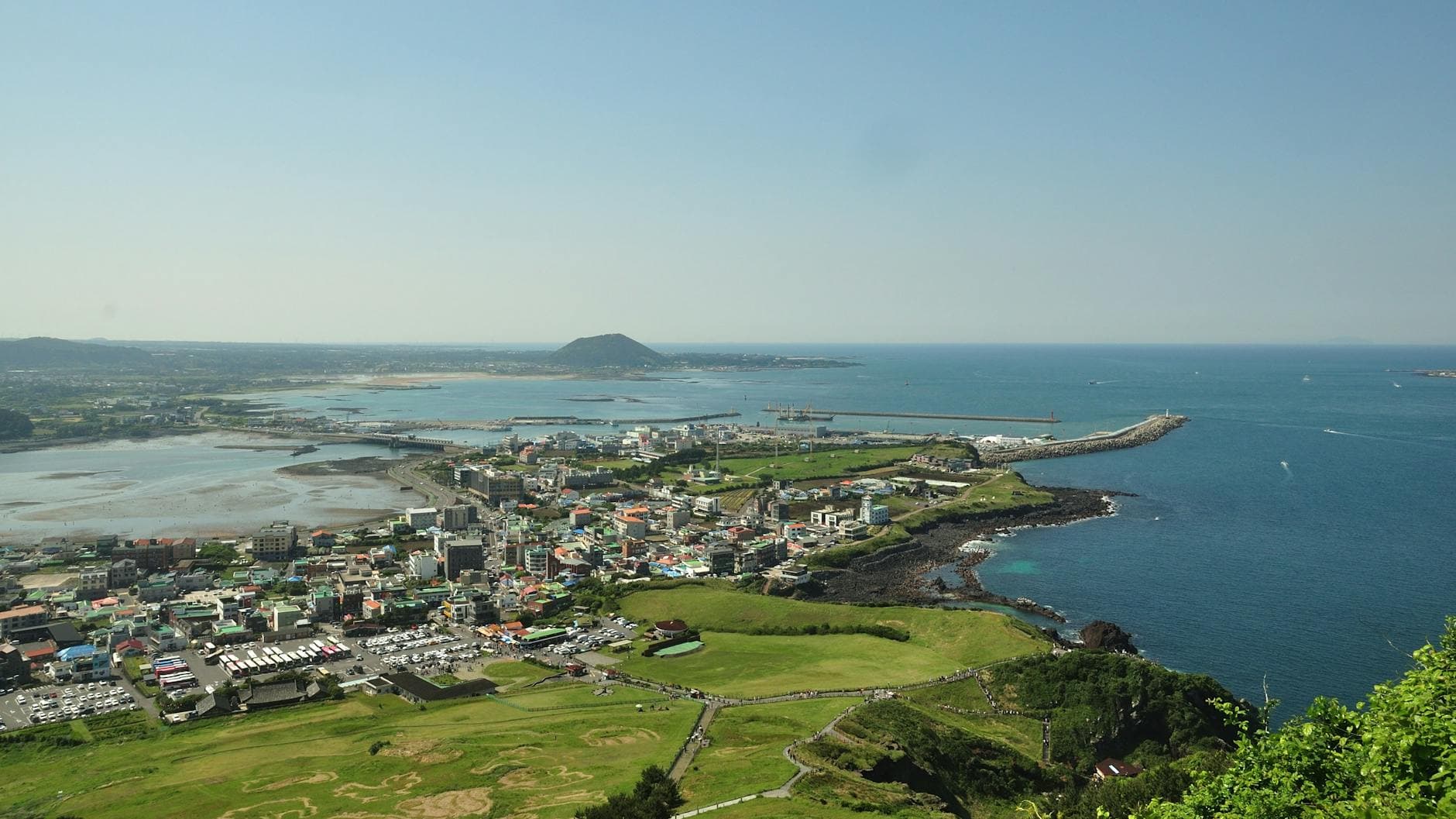
Jeju Island
South Korea's tropical escape - volcanic island paradise, digital nomad retreat, and visa-free entry
₩1,500,000–2,500,000 ($1,100–$1,860) /mo
Read guideCommon questions
Honest answers about life in Seoul.
How much does it cost to live in Seoul per month?
What are the best neighborhoods in Seoul for expats?
Is Seoul good for digital nomads?
What are the pros and cons of living in Seoul?
How do you get around in Seoul?
Can you actually move to Seoul?
Everything above is general. This is not. Our relocation expert researches your nationality, income, household and timeline against the law as it stands today, names the instrument behind every figure, and tells you where you actually qualify.
What you’ll get
Where you qualify
Routes open to your passport, today
The real numbers
Current thresholds, fees and timelines
The paperwork
What you must prove, and how
What goes wrong
The three risks for a case like yours
Sources named
Every figure traced to its instrument
Written by an expert. Delivered in 3 working days.
Is Seoul right for you?
Eight quick questions, an AI-matched shortlist of countries and cities for your budget and lifestyle.
Take the free quizExpat Insights, weekly
Cost-of-living shifts, visa updates, real expat stories from Seoul and beyond.