Western Europe
Central & Eastern Europe
Asia & Middle East
Americas
Oceania & Africa
Expat Topics
🇵🇱 The expat guide · 2026
Poland.
EU access, booming tech scene, rich history - at Central European prices that won't break the bank.
Monthly Budget (Warsaw)
from €1,400
PLN 6,000-9,000. Warsaw 1BR center avg PLN 4,200 (~€965). Expat zones (Mokotów/Wilanów/Śródmieście): PLN 5,500-9,000 furnished.
Min Wage (2026)
PLN 4,806/mo gross
Net: ~PLN 3,606. Hourly: PLN 31.40. +3% from 2025.
Income Tax
12% / 32%
PLN 30K tax-free. Flat 19% for B2B. Ryczalt 8.5% IT. IP Box 5%.
EU Blue Card
PLN 13,355.34/mo
Updated 2026 (150% of avg national wage); retroactive to 1 Jan 2026; PLN 160,264.08/yr cumulative for in-year applications
Safety
GPI ~#28 / Level 1
US State Dept Level 1. 850K+ tech professionals. 14 unicorns.
Cohabitation Politics
Pres. Nawrocki vs PM Tusk
Karol Nawrocki (right-wing populist) took office 6 Aug 2025 after narrow Jun 1 win; political friction over abortion, judiciary, EU/migration
Verified August 13, 2026
See 4 more figuresCan you actually move to Poland?
We research your nationality, income and timeline against Poland's current rules, and tell you whether you qualify and what it actually costs.
Why move to Poland?
Poland combines EU/Schengen access with costs 50-65% below Western Europe. **Major 2026 immigration overhaul**: labor market test ABOLISHED (Jun 2025), work permit fees QUADRUPLED (Dec 2025) - residence permit PLN 100 → PLN 400, posted-worker PLN 800, D-type consular €200, C-type Schengen €90. **MOS 2.0 e-portal MANDATORY from 27 April 2026** for all residence-permit filings; paper applications received after 26 Apr 2026 left without consideration. Min wage: PLN 4,806/mo (~€1,124, +3% from 2025; PLN 31.40/hr). EU Blue Card threshold PLN 12,272.58/mo (raised Feb 2025; salary must be paid in zloty through Polish payroll). No digital nomad visa - use Type D, JDG, or Schengen 90-day. 850K+ tech workers, 14 unicorns, 45K IT grads/year. €1 ≈ 4.27 PLN. VAT exemption raised to PLN 240K. Ukrainian refugee benefits reduced Mar 2026. GPI ~#28. ETIAS coming Q4 2026.
The rest of the Poland numbers
The figures that did not fit in the summary above.
| Figure | Detail |
|---|---|
| Ukraine Refugee BenefitsReduced after 5 Mar 2026 | Temporary protection beneficiaries face cuts to family benefits, healthcare, accommodation |
| Temp Stay Income Floor€920/mo | Up from €870/mo for 2026; required to support Temporary Stay Visa |
| Solidarity Levy+4% above PLN 1M | Additional 4% on income exceeding PLN 1,000,000/yr; layered on top of 12/32% PIT |
| PIT Under-26 ExemptionPLN 85,528/yr tax-free | Gross wages up to PLN 85,528/yr for workers under 26 exempt from PIT (in force since Aug 2019, still applies 2026) |
The Poland basics
11 essentials every expat should know - from the practical to the political.
Is Poland actually your best option?
This page tells you what Poland is like. It cannot tell you whether it beats the four other countries you should be looking at, because that answer changes with your passport. Income thresholds, tax treaties and citizenship timelines are all nationality specific, and the general rule is often not the rule that applies to you.
A Personal Relocation Assessment answers it for your case. You tell us your nationality, income, household and timeline, and we our expert researches it against the law as it stands: which countries you actually qualify for, the route, the current threshold with the instrument it comes from, and what is most likely to go wrong in a position like yours.

Food culture
Pierogi, bigos, żurek, zapiekanka - Krakow leads Poland's hearty comfort food scene
Explore
Festivals & traditions
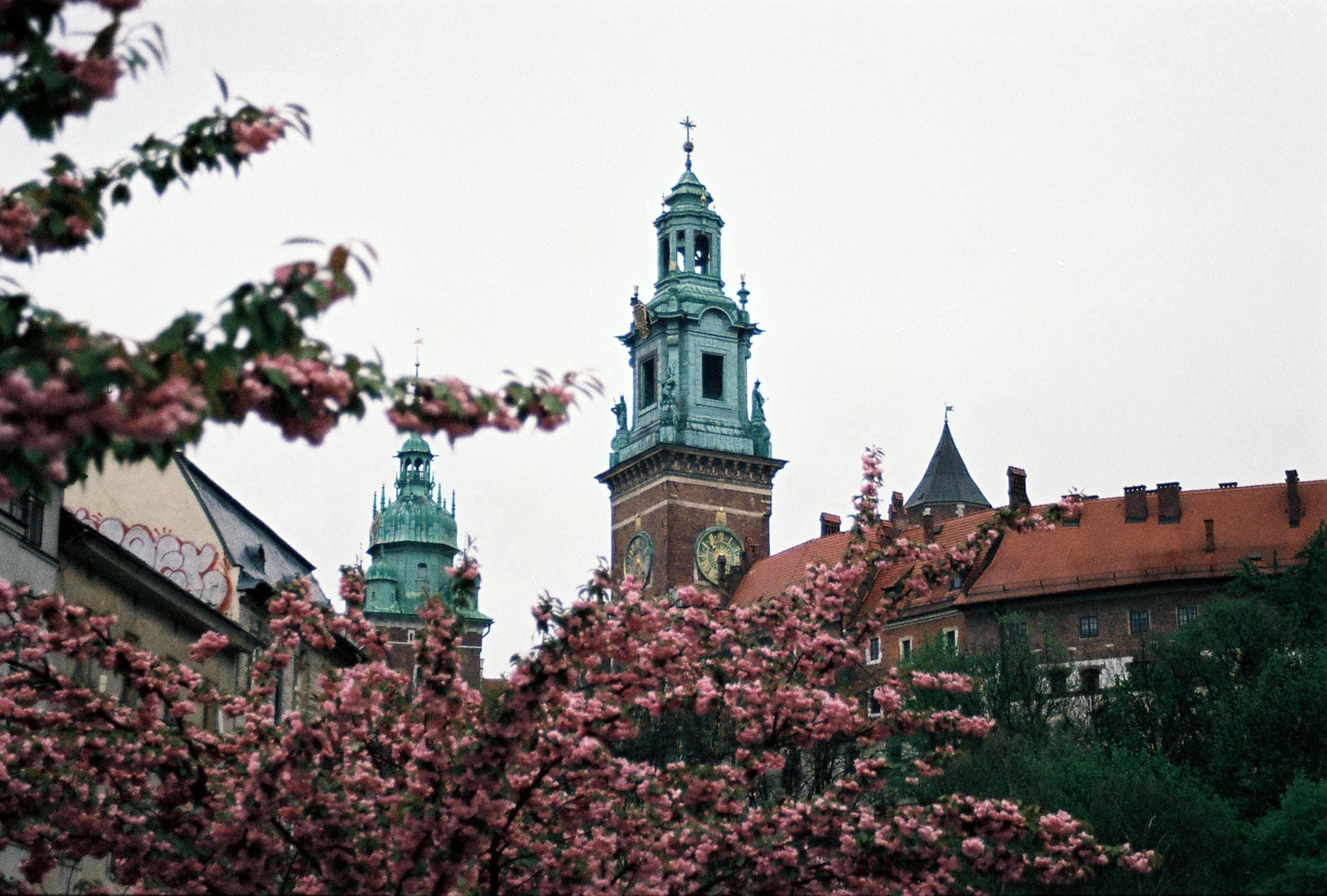
Wawel Castle, Cloth Hall, Chopin, folk traditions - Poland's 1,000-year cultural heritage
Explore

Coast & nature
Tatra Mountains, Baltic coast, Mazury lakes - Poland's peaks-to-sea landscapes
Explore
Heritage & landmarks
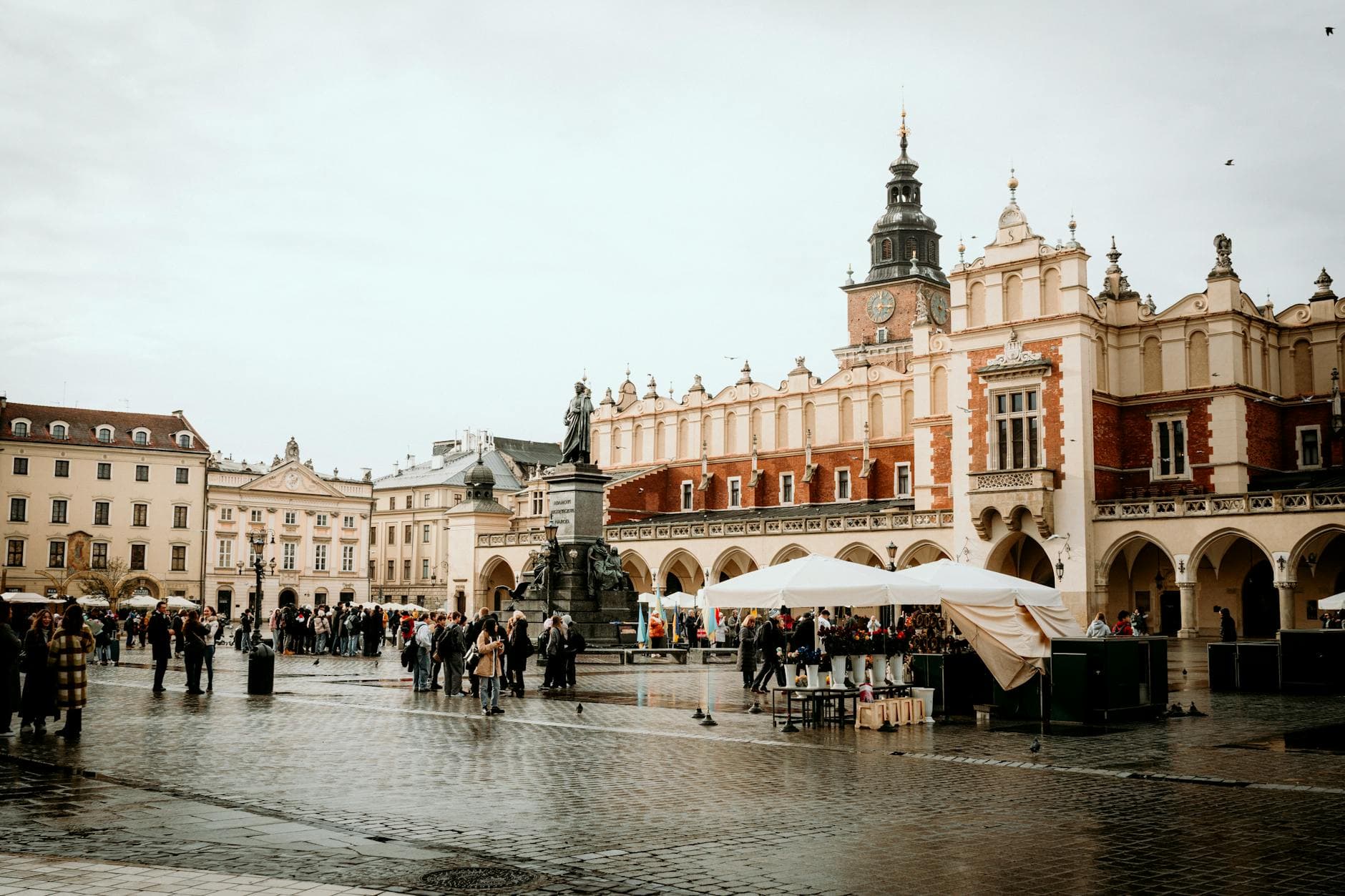
Warsaw Old Town, Wawel, Gdansk Long Market - Poland's rebuilt and historic icons
Explore
6 reasons people stay longer than they planned
The pull of Poland isn't one big thing - it's a stack of small ones, each compounding the others.
EU access at unbeatable prices
EU membership grants unrestricted travel and business access to 26 other countries, yet Polish living costs run 50–65% below Western Europe. A restaurant meal costs €7–15, a monthly transport pass €31, and a pint of craft beer €3–4. Warsaw is among the cheapest EU capitals for expats.
Booming tech hub with fast internet
Poland is Central Europe's largest tech market. Google, Microsoft, Samsung, and hundreds of startups operate in Warsaw and Krakow. Fibre internet at 300–500 Mbps costs €10–15/month. Coworking spaces start from €90/month - and Google Campus Warsaw is free.
Rich history and stunning architecture
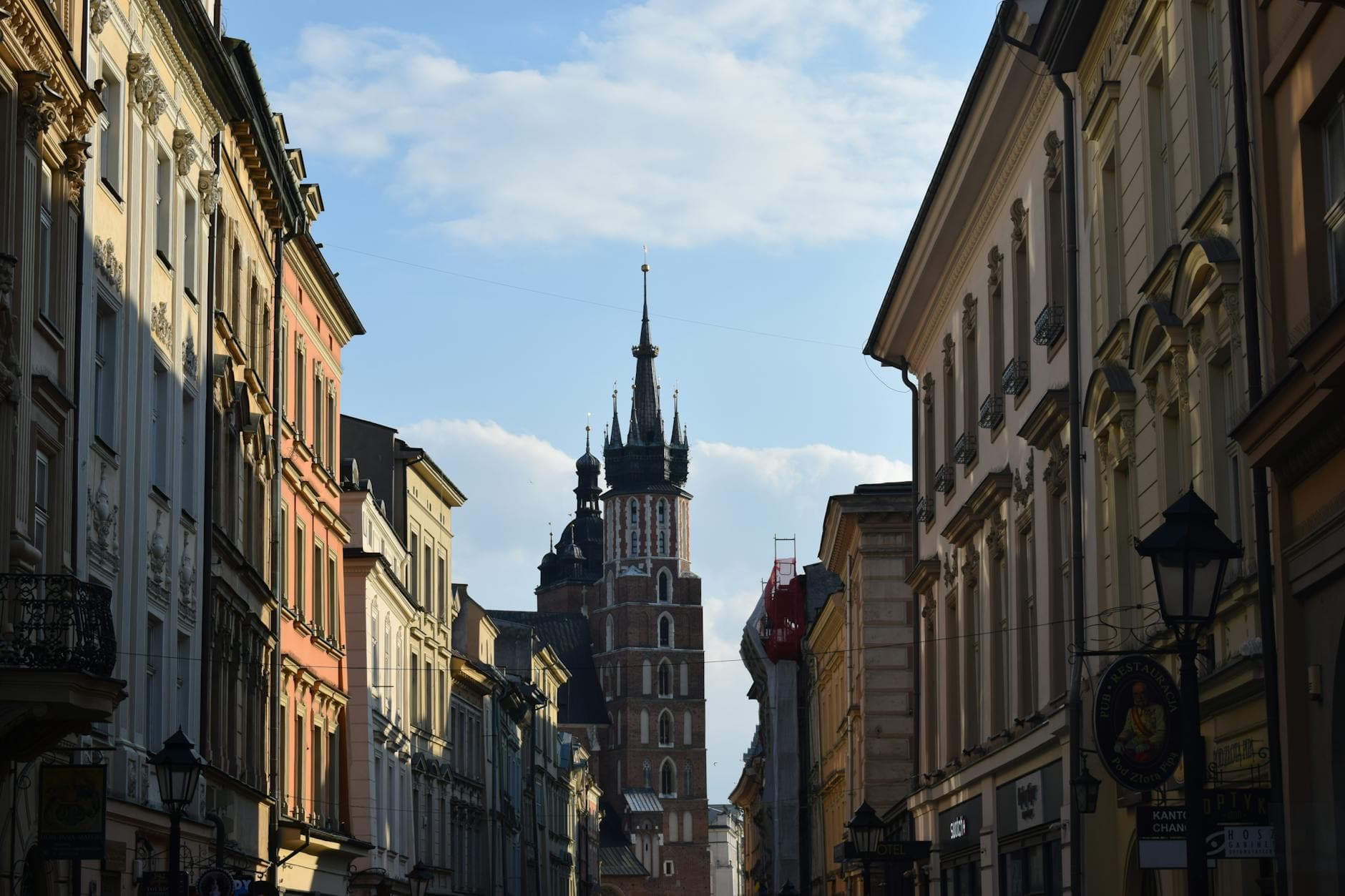
From Warsaw's meticulously rebuilt Old Town (UNESCO) to Krakow's Wawel Castle and Wroclaw's 100+ bridges, Poland delivers world-class culture. The Tatra Mountains are 2 hours from Krakow, the Baltic Sea coast offers summer escapes, and the Mazury Lakes are Central Europe's sailing paradise.
Perfect base for European travel
Warsaw sits at the crossroads of Europe. Berlin is 5.5 hours by train, Prague 5 hours, Budapest 6 hours. LOT Polish Airlines, Ryanair, and Wizz Air connect Warsaw Chopin Airport (WAW) and Krakow Balice (KRK) to 150+ European destinations at budget prices.
Incredible food culture
Polish cuisine is hearty and affordable: pierogi (dumplings), bigos (hunter's stew), żurek (sour rye soup), and oscypek (smoked cheese) are national staples. Weekly groceries run €30–50. The craft beer and specialty coffee scenes in Warsaw and Krakow rival any Western European city.
Very safe with welcoming expat communities
Poland holds a US State Department Level 1 travel advisory. Violent crime is rare and cities are walkable at night. Warsaw and Krakow have large international expat communities with active InterNations chapters, Meetup groups, and English-language social events.
4 cities, 4 different lives
Pick the rhythm that fits - capital buzz, beach mornings, or a slow-living escape.
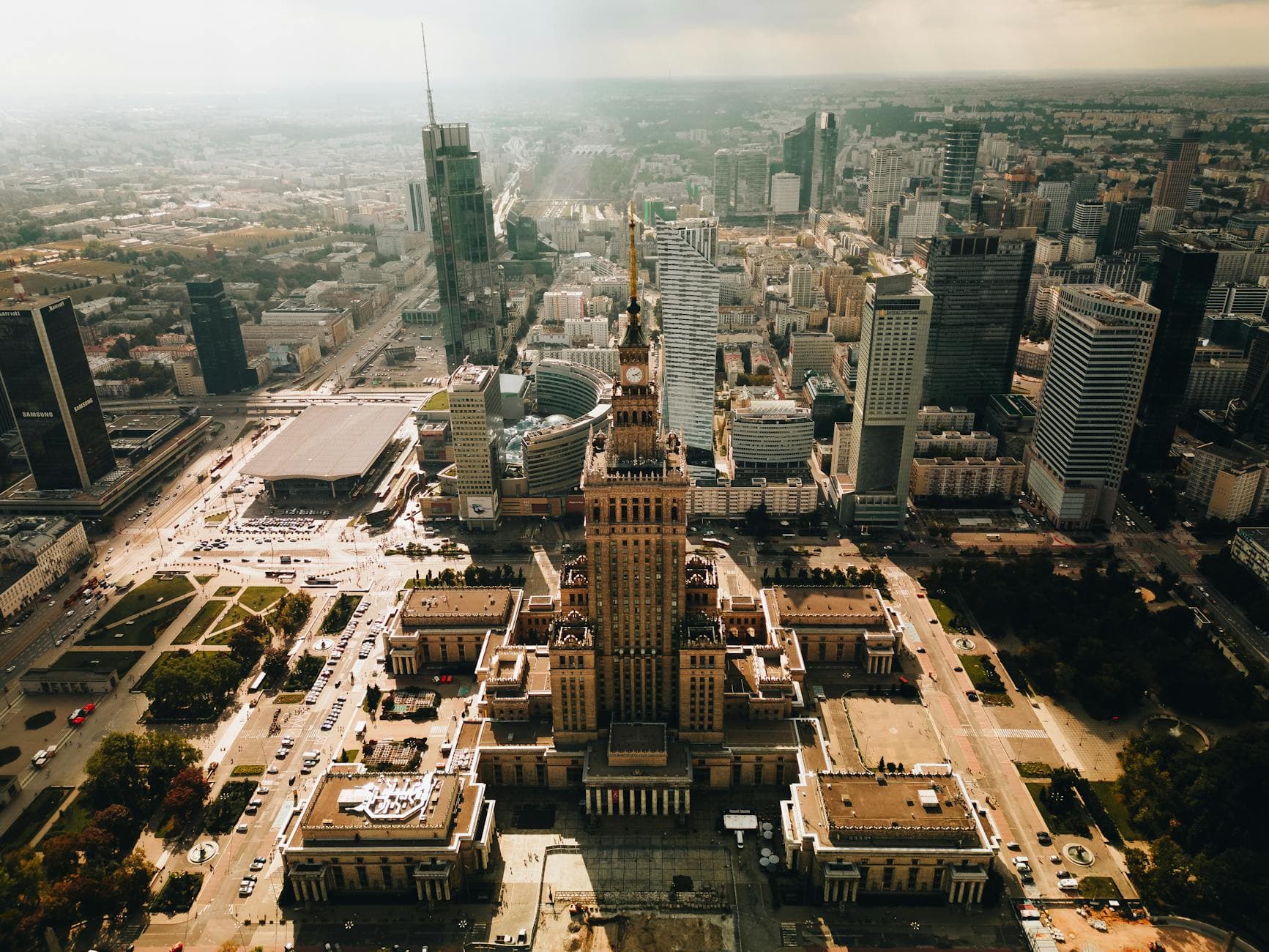
Warsaw
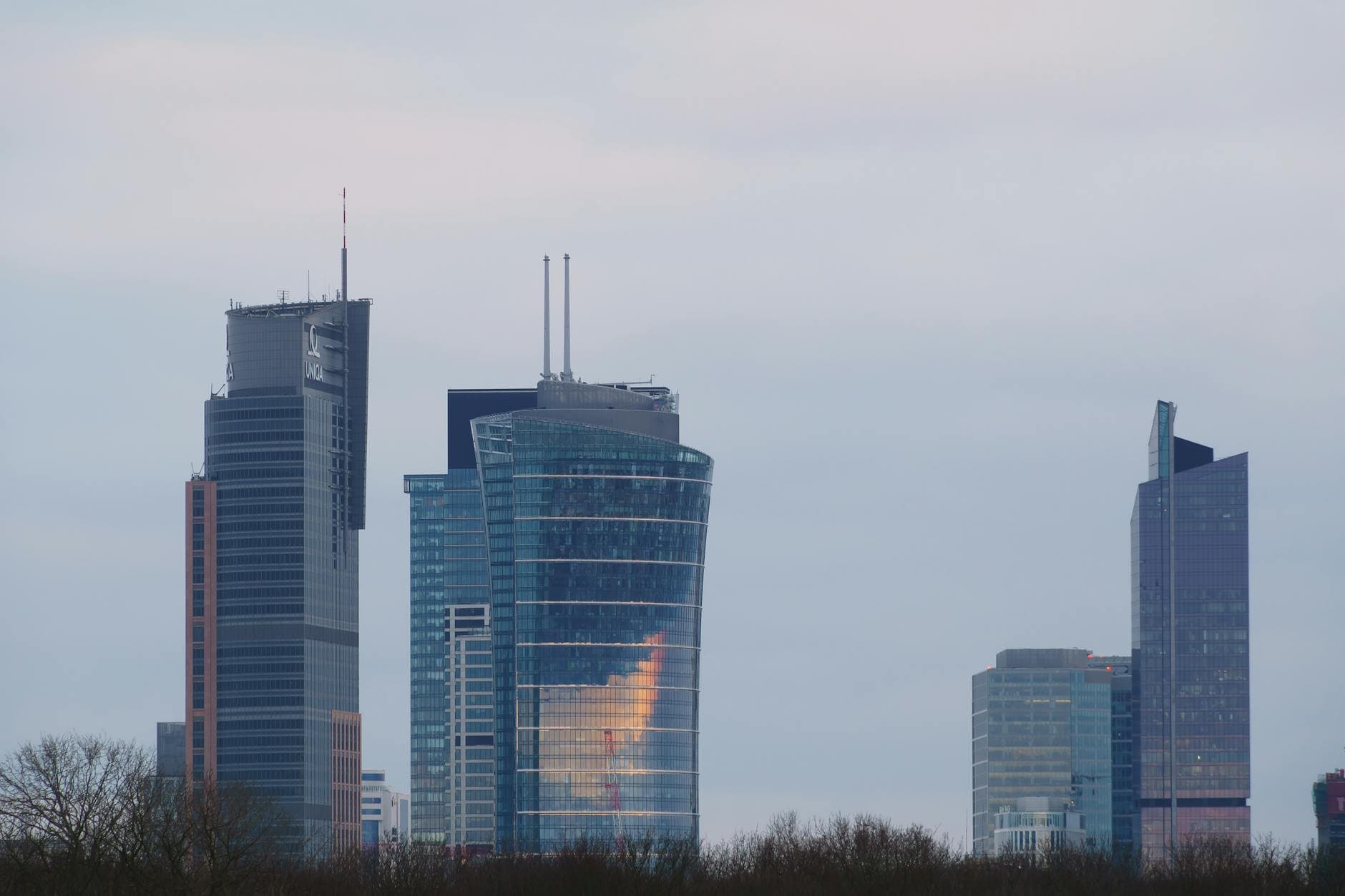
Poland's dynamic capital - skyscrapers, startups, and a rebuilt soul.
€1,400–€2,000 /mo
Tech professionals, entrepreneurs, young professionals
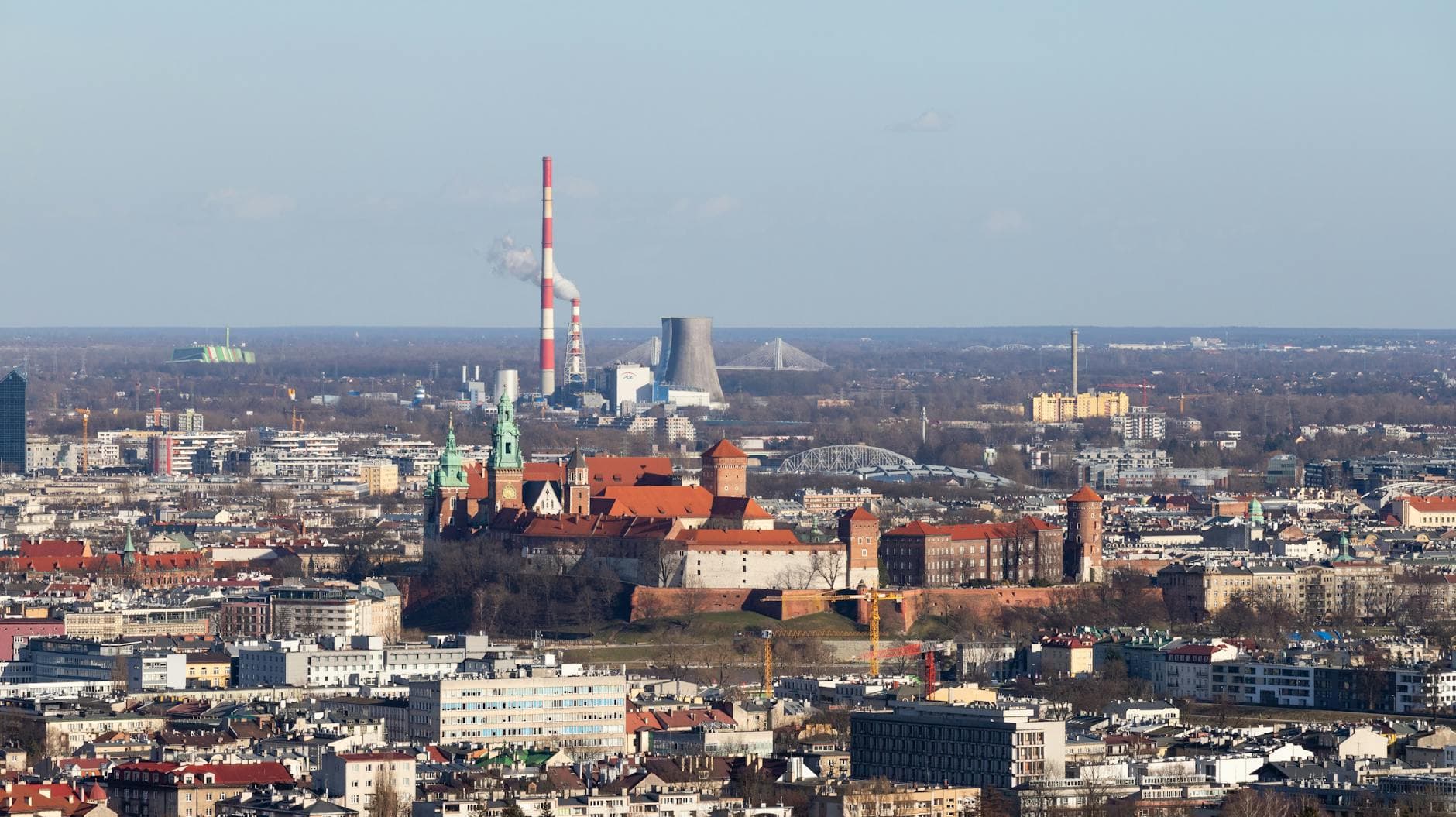
Krakow
Medieval magic meets modern outsourcing hub - Poland's cultural capital.
€1,100–€1,600 /mo
Students, digital nomads, history lovers
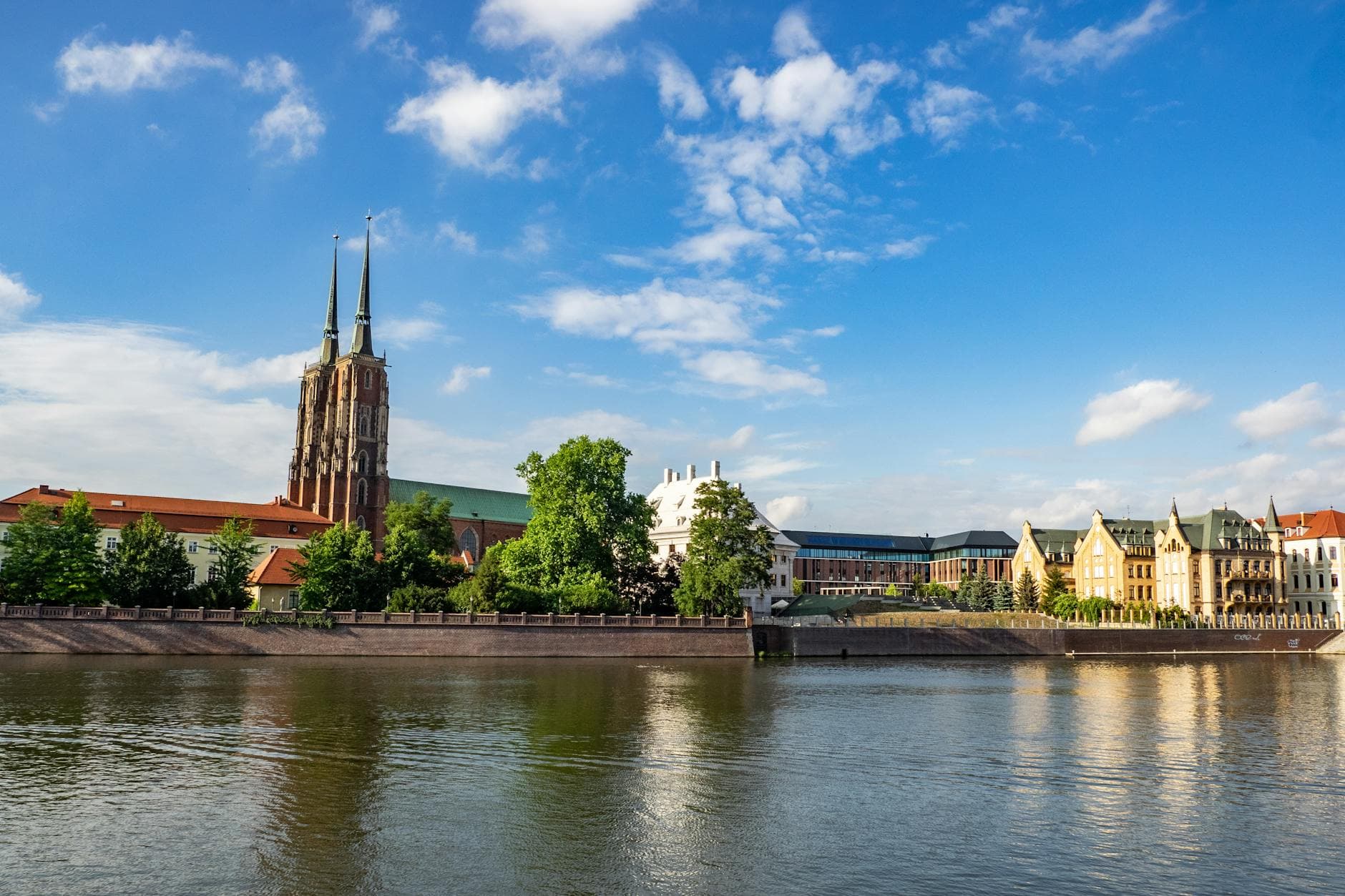
Wroclaw
The city of 100 bridges - creative, affordable, and increasingly international.
€1,000–€1,500 /mo
Students, tech workers, families
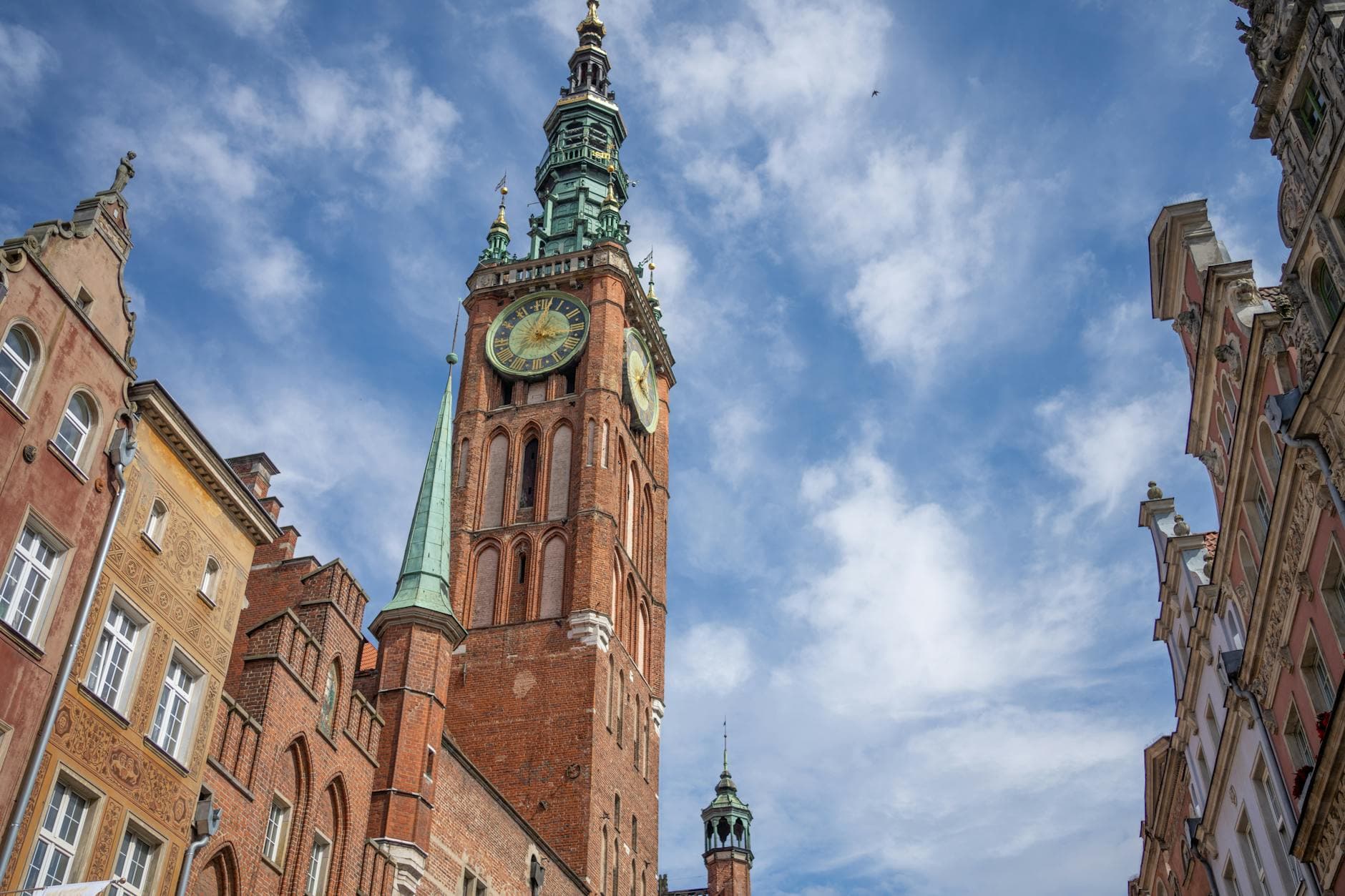
Gdańsk
Poland's Baltic jewel - rebuilt Gothic old town, booming tech scene, and coastal living at €600/month
€1,200–€1,800 /mo
Tech workers, maritime professionals, Scandinavian expats, history lovers
Everything, in plain words
Visa rules, healthcare, schools, taxes - written like a friend would explain it, not like a brochure.
Visa & Residency
Schengen Zone member - 90 days visa-free for US/UK/CA/AU/NZ. Major 2025-2026 immigration reform: labor market test ABOLISHED (Jun 2025, replaced by National Occupational Priority for IT, healthcare, green energy, construction). **MOS 2.0 e-portal MANDATORY from 27 April 2026** for all residence-permit filings - paper applications received after 26 Apr 2026 left without consideration. **Fees quadrupled Dec 2025**: residence permit PLN 100 → PLN 400; posted-worker PLN 800; D-type consular visa €200; Schengen C-type €90. EU Blue Card: PLN 12,272.58/mo (raised Feb 2025; no labor market test). No digital nomad visa. JDG sole proprietorship: register in 24hr via CEIDG. Temp Residence: up to 3yr. Permanent: 5yr (Blue Card: 21-33mo). Citizenship: 3yr after PR. Dual citizenship allowed.
Read 🏥Healthcare
Poland has a public healthcare system (NFZ - Narodowy Fundusz Zdrowia) funded by a mandatory 9% health contribution. While public healthcare is comprehensive and free at the point of use for contributors, wait times can be long for specialist care. Most expats complement NFZ coverage with private health insurance (€300–800/year) to access Poland's excellent private clinic networks: Medicover, LuxMed, and Enel-Med. Private consultations cost €30–60, specialists €40–80. Pharmacies are abundant and medications affordable by European standards.
Read 💰Cost of Living
Poland's tax system offers surprising flexibility for expats. Progressive personal income tax runs 12%/32% with a generous 30,000 PLN tax-free allowance. Self-employed JDG owners can choose flat 19% business tax or lump sum (ryczałt) at 8.5–15% on revenue. Corporate tax is just 9% for small companies. Social security (ZUS) contributions are significant but include health insurance. The banking system is modern, with excellent mobile banking apps, and Revolut/Wise are widely accepted.
Read 🏠Housing
Poland's rental market is dynamic and increasingly expat-friendly. Warsaw leads with the highest rents (central 1-BR €700–1,100/mo), followed by Krakow (€500–800) and Wroclaw (€450–700). Property purchase is accessible to EU citizens and non-EU nationals (with some restrictions). The main platforms are otodom.pl, olx.pl, and Facebook groups. Rental contracts are typically 12 months with 1-month deposit. Annual rent increases of 3–6% are expected in 2026.
Read 💼Work & Business
Poland's job market is booming, particularly in IT, shared services, and finance (850K+ tech workers, 14 unicorns). Warsaw is the business capital; Krakow is a major outsourcing/tech hub. Min wage: PLN 4,806/mo gross (2026). Labor market test ABOLISHED Jun 2025 - replaced by National Occupational Priority (IT, healthcare, green energy, construction). Work permit fees quadrupled Dec 2025. JDG registration via CEIDG in 24hr. CIT: 9% for small companies (revenue <EUR 2M), 19% standard.
Read 🌆Daily Life
Daily life in Poland combines European convenience with remarkably low costs. Public transport is excellent and cheap (Warsaw monthly pass ~130 PLN/€31), internet is among the fastest in Europe (300–500 Mbps fibre for €10–15/mo), and grocery shopping costs 50–65% less than Western Europe. Warsaw and Krakow have large expat communities with active social groups. Polish people are warm once you break through the initial reserve, and younger generations speak English well.
Read ✈️Moving Guide
Moving to Poland is relatively straightforward compared to many EU countries. The bureaucracy is manageable, shipping costs are moderate, and the expat infrastructure is well-developed. Key steps: secure accommodation, obtain a PESEL number, register with ZUS (if working), and set up banking. Most expats can be fully operational within 2–3 weeks of arrival.
Read 📚Education
Poland offers a strong educational system at all levels. International schools in Warsaw provide British, American, and IB curricula (48,500–126,400 PLN/year). Polish public schools are free and of good quality but operate entirely in Polish. University tuition for international students is remarkably affordable at €2,000–6,000/year. Poland is home to several world-ranked universities including the University of Warsaw and Jagiellonian University in Krakow.
Read 🌅Lifestyle
Poland offers a rich lifestyle combining centuries of history, stunning natural landscapes, vibrant nightlife, and an increasingly cosmopolitan cultural scene. The continental climate brings hot summers and cold winters. Weekend trips to the Tatra Mountains, Baltic coast, or neighbouring capitals (Berlin, Prague, Budapest) are easy and affordable. Warsaw and Krakow have world-class nightlife, café culture, and a booming craft beer scene.
Read 📈Investing
Everything expats need to know about investing in Poland - from property and stocks to tax-efficient strategies, brokerage access, and building wealth abroad.
ReadTools to plan your move to Poland
Practical tools to turn an idea into a real plan - pick a season, time your visa, build a budget, even live a day before you go.
Best time to move to Poland
Season-by-season - weather, visa timing, rental markets, and expert tips
Warsaw cost of living
Full monthly budget breakdown - rent, food, transport, utilities
Country match quiz
Eight quick questions, AI-matched country shortlist for your lifestyle
Visa finder
Search visa options by nationality, budget, and stay length
A day in Poland
Live a perfect day with AI - real cafés, costs, and routes
Relocation plan
Step-by-step AI moving timeline tailored to your situation
Poland vs the rest
See how Poland stacks up against other popular expat destinations.
Where Poland ranks
See where Poland sits in our independent expat rankings - cost, safety, healthcare, and more.
Cheapest Countries for Expats
Ranked list of the most affordable countries for expats in 2026. Monthly budget, cost of living, internet speed, and city guides for each destination.
Countries Under $1,500/Month Cost of Living
Complete list of countries where a single expat can live comfortably on under $1,500 per month. Budget breakdowns, internet speeds, and city guides included.
Countries Where $2,000/Month Is Enough
All countries where a single expat can live well on $2,000 per month or less. Ranked by cost of living with budget details, internet, and English proficiency.
Best Countries for Remote Workers
Top countries for remote workers ranked by internet speed, cost of living, and English proficiency. Find your ideal work-from-anywhere destination in 2026.
Countries With the Fastest Internet
Ranked list of countries with the fastest broadband internet speeds for expats. Average Mbps, cost of living, and city guides for each destination.
Best Countries for Retirement Abroad
Warm-climate countries where one person can live on $2,500/month, ranked safest first by Global Peace Index. Portugal leads, then Malaysia and the Maldives. 2026.
Honest answers
The questions everyone asks before they pack a single box.
How much does it cost to live in Poland as an expat?
What visa do I need to move to Poland?
What is healthcare like in Poland for expats?
What are the best cities to live in Poland as an expat?
Is Poland a good place to live as an expat in 2026?
Personal Relocation Assessment
Can you actually move to Poland?
This page is general. Your case is not. Our relocation expert researches your nationality, income and timeline against the law as it stands, names the instrument behind every figure, and tells you where you actually qualify.
Get my assessmentExpat Insights, weekly
Visa updates, cost-of-living shifts, and real expat stories from Poland - straight to your inbox.
Which country is right for you?
Answer 6 quick questions about your budget, lifestyle, and priorities. Our AI ranks 122 countries and builds a personalised relocation plan.