
Western Europe
Central & Eastern Europe
Asia & Middle East
Americas
Oceania & Africa
Expat Topics
🇫🇷 The expat guide · 2026
France.
The art of living - world-class healthcare, culture, cuisine, and one of Europe's most structured residency paths
Global Safety Rank
#99
2026 Global Peace Index (fell from #74, driven by safety and security scores, not conflict)
2026 Finance Act
Brackets +0.9%
Signed 19 Feb 2026 (Lecornu PM); CDHR keeps top earners ≥20% effective (RFR >€250K single/€500K couple)
Talent Corporate Officer
€5,601.06/mo
Talent Passport for corporate officers, 3× SMIC floor (June 2026 SMIC)
Impatriate Regime
8 years
Up to 30% of salary exempt + IFI partial; foreign-recruit eligibility 2022 reform still active
Healthcare Rank
#1
WHO World Health Report
Monthly Budget
from €2,000
Single expat, Lyon
Verified August 13, 2026
See 9 more figuresCan you actually move to France?
We research your nationality, income and timeline against France's current rules, and tell you whether you qualify and what it actually costs.
Why move to France?
France offers expats an unmatched quality of life anchored in culture, cuisine, and a comprehensive social safety net. From Parisian boulevards to the sun-drenched Côte d'Azur and the gastronomic capital of Lyon, France rewards those who invest in integration. The French bureaucracy is famously demanding, but those who navigate it gain access to universal healthcare, generous labor protections, excellent public education, and a country that genuinely values the good life.
The rest of the France numbers
The figures that did not fit in the summary above.
| Figure | Detail |
|---|---|
| SMIC 2026€12.31/hr / €1,867.02/mo gross | +2.41% from 1 June 2026 (net ~€1,478/mo for 35h week) |
| Visitor Visa Income~€1,478/mo | Net SMIC-based (June 2026) |
| Talent Permit (renamed)'Passport' dropped 2026 | Categories grouped under single 'Talent' name on residence permit; eligibility unchanged |
| Residency Fees (May 2026)€150 issuance + up to €350 | +€25 stamp duty; long-stay visa €99; new fee schedule from 1 May 2026 |
| Years to Citizenship5 years | B2 French + 40-MCQ civic exam (80% pass) from 1 Jan 2026 |
| Pension Reform SuspendedOct 2025 → 2027 | Lecornu suspended Macron 62→64 pension reform after Oct 2025 no-confidence votes; costs €400M in 2026, €1.8B in 2027 |
| Inactive-resident health chargeIn law, NOT yet collected | LFSS 2026 (LOI 2025-1403, art. 53) created art. L.160-1-1 CSS, in force 31 Dec 2025, requiring a 'participation financiere' for PUMa. The AMOUNT IS NOT SET IN LAW and is left to a decret en Conseil d'Etat which was still unpublished as of mid-2026, so nothing is being charged yet. Widely quoted '€300-600/yr' figures are press speculation, not official |
| Who the health charge hitsInactive residents, incl. US retirees | Scope is NOT limited to 'visiteur' visa holders. It targets any stable legal resident who does not work in France and is exempt from CSG/CRDS by virtue of an international convention. NATIONALITY TRAP: France has a bilateral social-security agreement with the US, but that does NOT exempt Americans - being treaty-exempt from CSG/CRDS is precisely the trigger. Genuinely exempt: EU/EEA/Swiss, S1 holders, UK Withdrawal Agreement card holders, and anyone working or paying CSG/CRDS. Final scope settles only when the decree lands |
| Blue Card / Talent Salary€59,373 / €39,582 | EU Blue Card €59,373/yr; Qualified Employee Talent Passport €39,582/yr for 2026 |
The France basics
10 essentials every expat should know - from the practical to the political.
Is France actually your best option?
This page tells you what France is like. It cannot tell you whether it beats the four other countries you should be looking at, because that answer changes with your passport. Income thresholds, tax treaties and citizenship timelines are all nationality specific, and the general rule is often not the rule that applies to you.
A Personal Relocation Assessment answers it for your case. You tell us your nationality, income, household and timeline, and we our expert researches it against the law as it stands: which countries you actually qualify for, the route, the current threshold with the instrument it comes from, and what is most likely to go wrong in a position like yours.

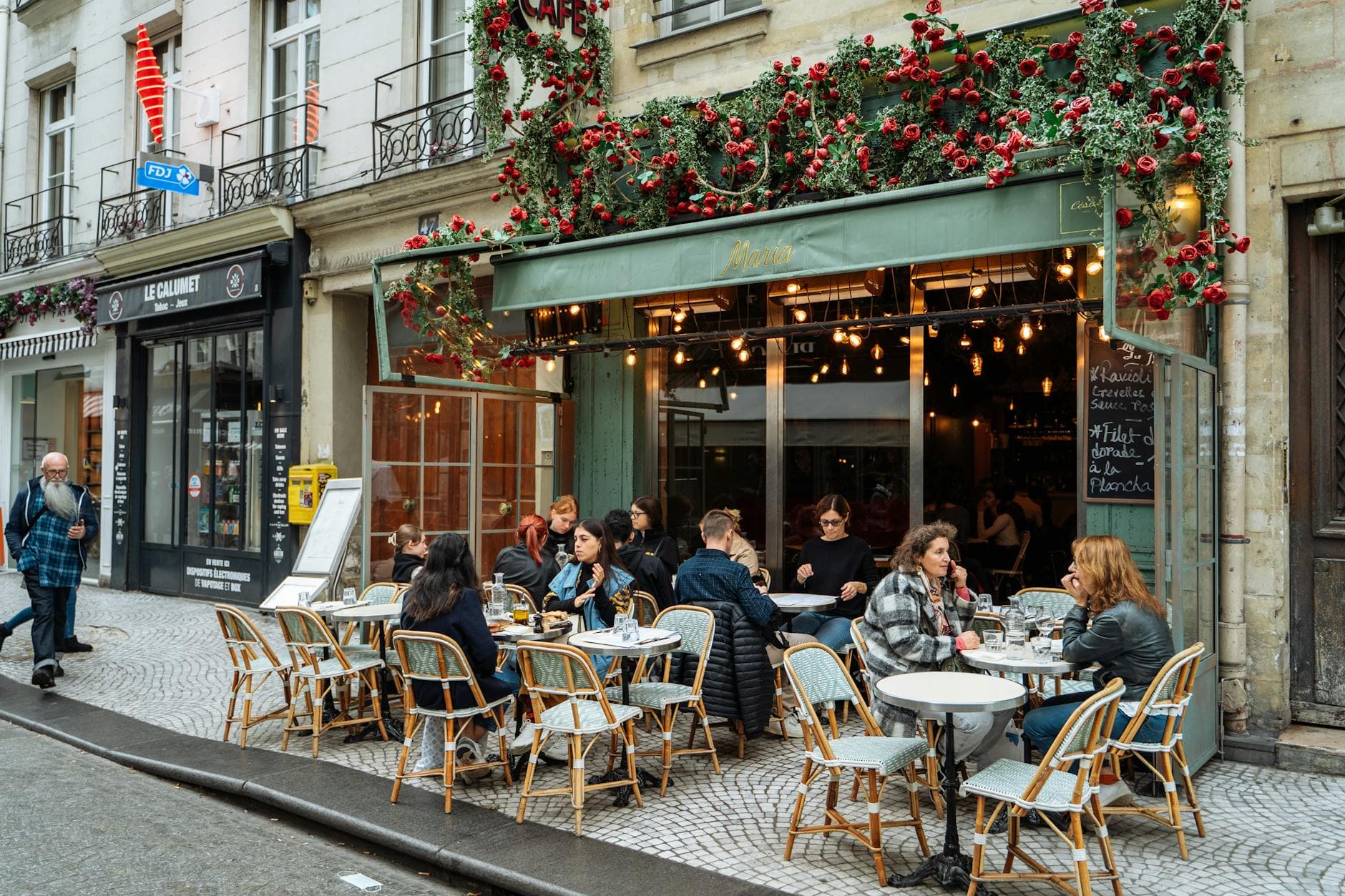
Food culture
Bouchons, quenelles, praline, Paul Bocuse - Lyon is France's gastronomic capital
Explore

Festivals & traditions
Louvre, Musée d'Orsay, Picasso - the world's cultural capital lives in Paris
Explore
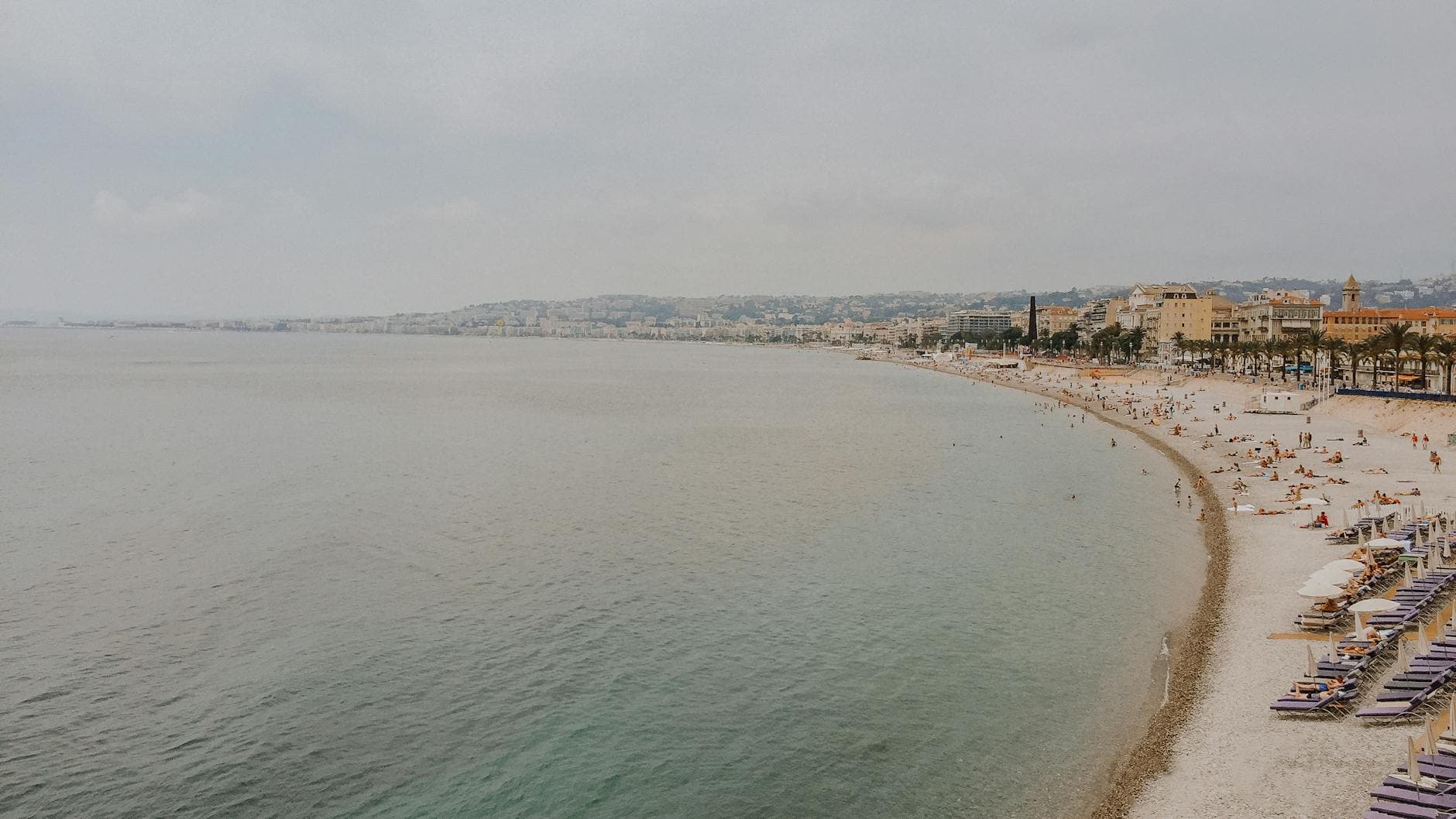
Coast & nature
French Riviera, Promenade des Anglais, Mediterranean blues - Nice and the Côte d'Azur
Explore

Heritage & landmarks
Eiffel Tower, Notre Dame, Sacré-Cœur - Paris is a city of monuments
Explore
9 reasons people stay longer than they planned
The pull of France isn't one big thing - it's a stack of small ones, each compounding the others.
World's #1 Healthcare System
The WHO ranks France's healthcare system first globally. Assurance Maladie reimburses 70–100% of medical costs. The carte vitale gives you seamless access to GPs, specialists, hospitals, and pharmacies.
Unrivalled Food & Wine Culture
France has more Michelin-starred restaurants than any country. Fresh baguettes, local markets, artisan cheese, and world-class wine are integrated into everyday life - not a luxury add-on.
Extraordinary Geographic Diversity
Ski in the Alps, surf in Biarritz, sail from Nice, hike Corsica, or walk Bordeaux's vineyards. France packs more geographic variety into one country than almost anywhere else in the world.
Strong Worker Protections
The 35-hour work week, 5 weeks of mandatory paid vacation, and robust labor contracts (CDI) make France one of the world's most worker-friendly countries for employed expats.
Elite Education System
France offers virtually free university education (public tuition under €1,000/year) and world-renowned grandes écoles. Children in public schools receive a rigorous, structured education at no cost.
Best Train Network in Europe
The TGV high-speed rail connects Paris to Lyon in 2 hours, Nice in 5.5 hours, and Brussels in 1.5 hours. Intercity travel is fast, comfortable, and often cheaper than flying.
Gateway to All of Europe
Paris CDG is Europe's second busiest airport with direct routes to 350+ destinations. France borders 8 countries - weekend trips to Spain, Italy, Switzerland, Germany, or Belgium are effortless.
Culture Without Compromise
200+ national museums (many free on the first Sunday), a UNESCO-protected gastronomy, world-class cinema, fashion, literature, and art - France takes culture seriously as a national identity.
Structured Path to Residency
France offers clear visa categories: VLS-TS for employed workers, Talent Passport for entrepreneurs and skilled professionals, and auto-entrepreneur status for freelancers. After 5 years: permanent residency and a path to citizenship.
7 cities, 7 different lives
Pick the rhythm that fits - capital buzz, beach mornings, or a slow-living escape.
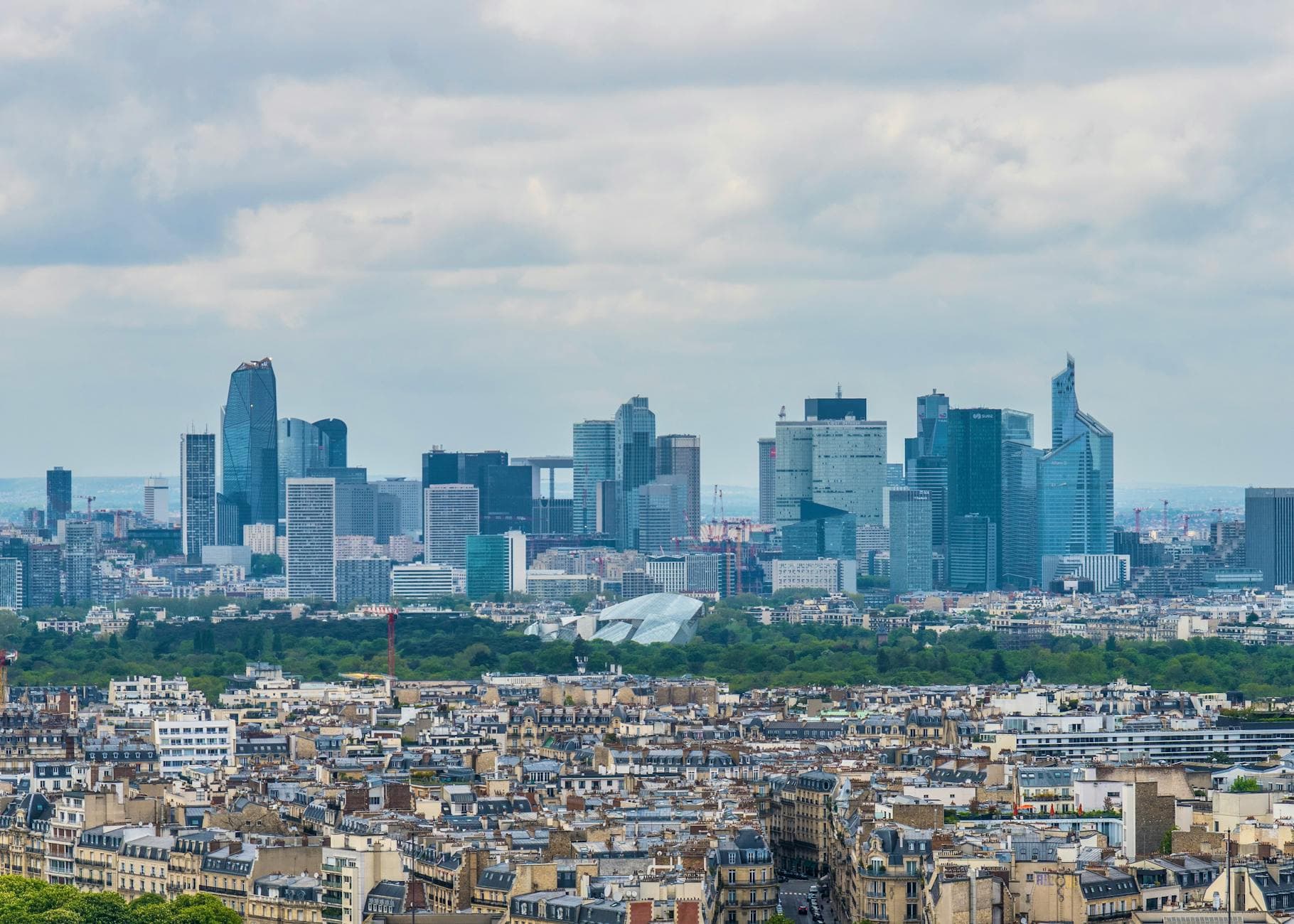
Paris
The City of Light - cultural capital of the world, demanding but endlessly rewarding
€2,500–€3,500 /mo
Finance, tech, fashion, diplomacy, academia
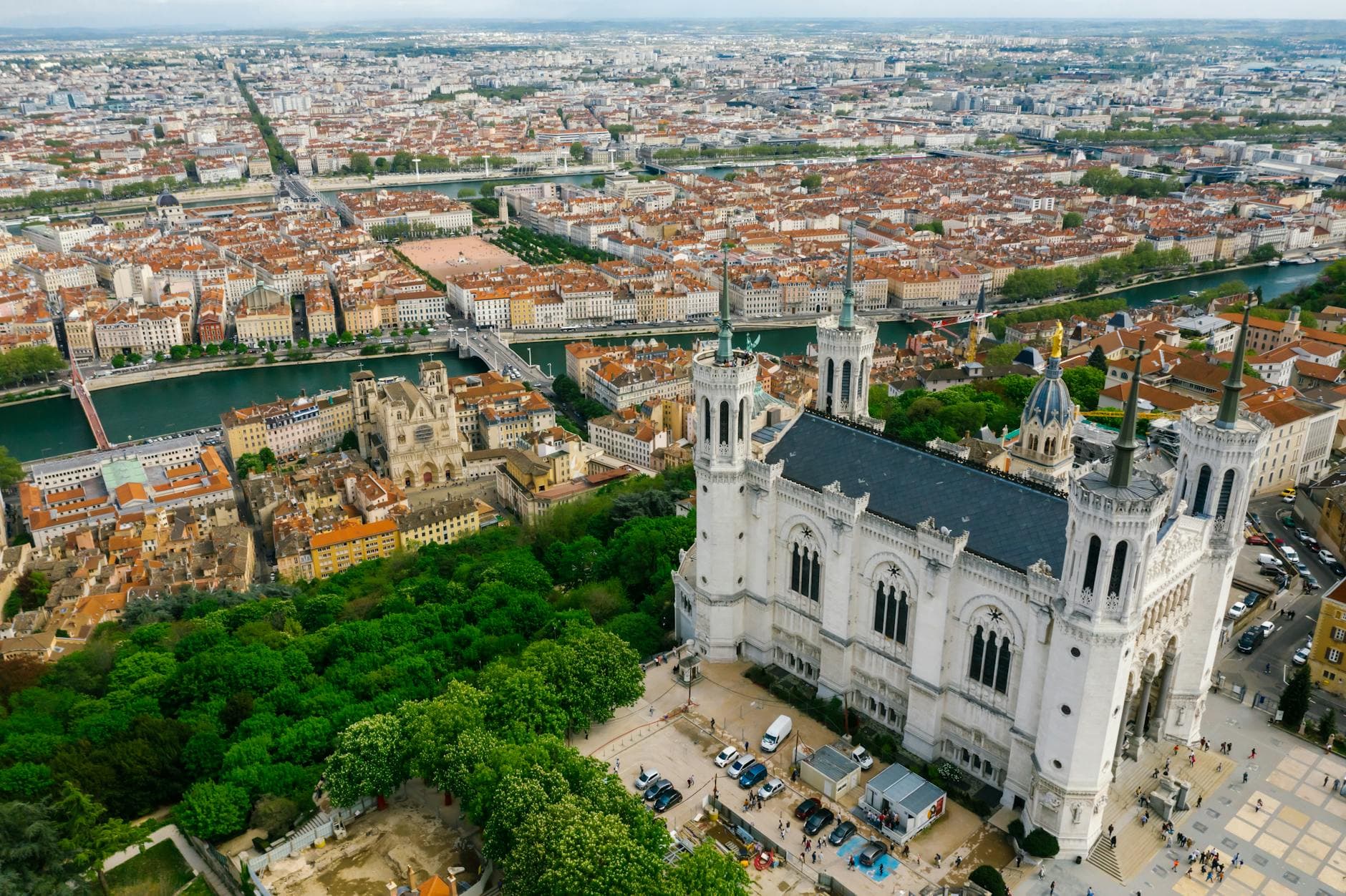
Lyon
France's gastronomic capital - livable, affordable, and underrated by expats
€1,800–€2,500 /mo
Pharma, biotech, finance, food industry, families

Nice
The Riviera lifestyle - Mediterranean sun, Italian influence, and 300 days of blue sky
€2,000–€2,800 /mo
Remote workers, retirees, tourism industry
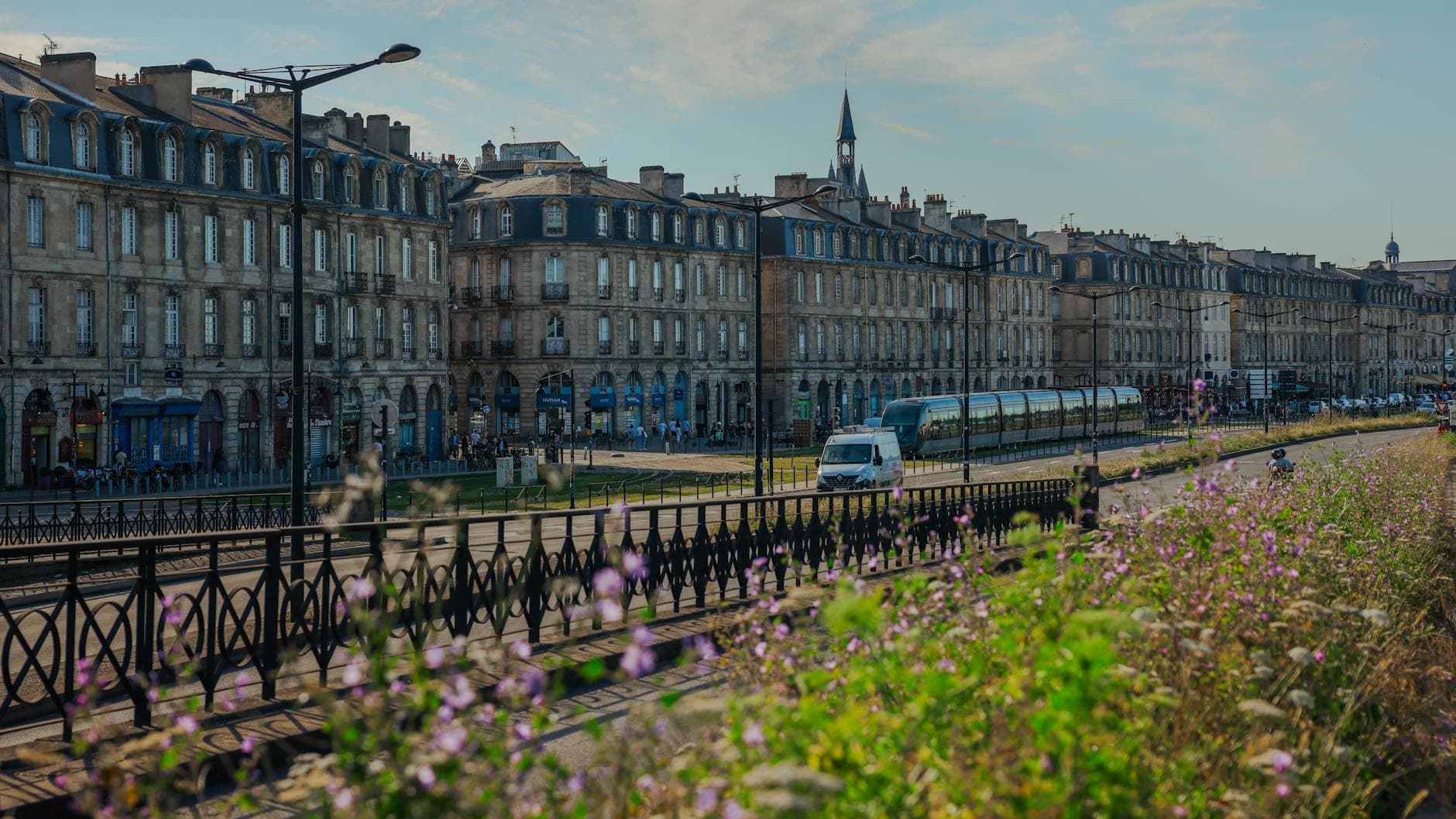
Bordeaux
France's wine capital reborn - tech boom, UNESCO beauty, and 40% cheaper than Paris
€1,600–€2,400 /mo
Wine lovers, tech workers, families, creative professionals
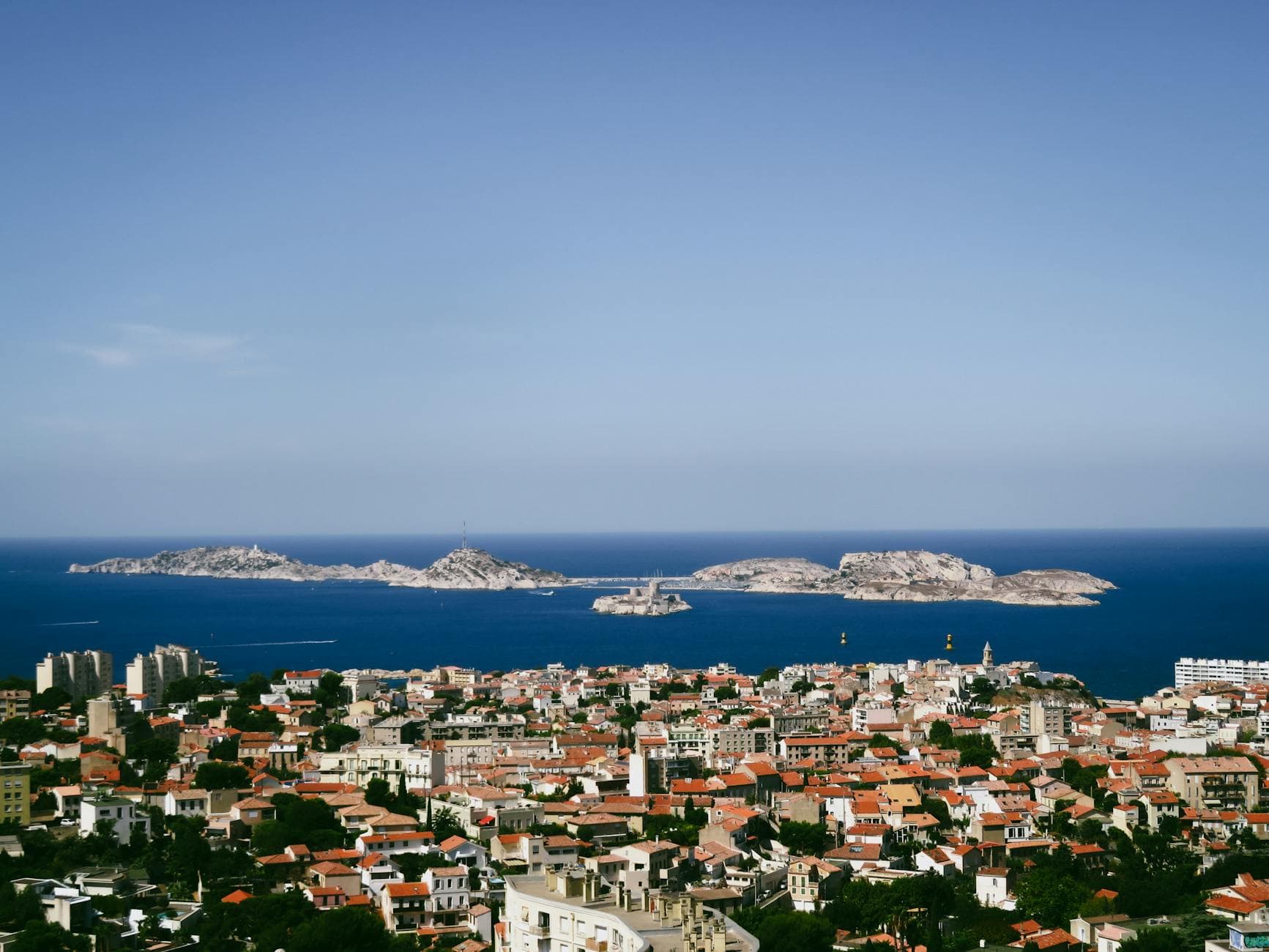
Marseille
France's Mediterranean melting pot - gritty, diverse, 40% cheaper than Paris, and fiercely authentic
€1,400–€2,100 /mo
Budget-conscious expats, culture seekers, adventurous professionals
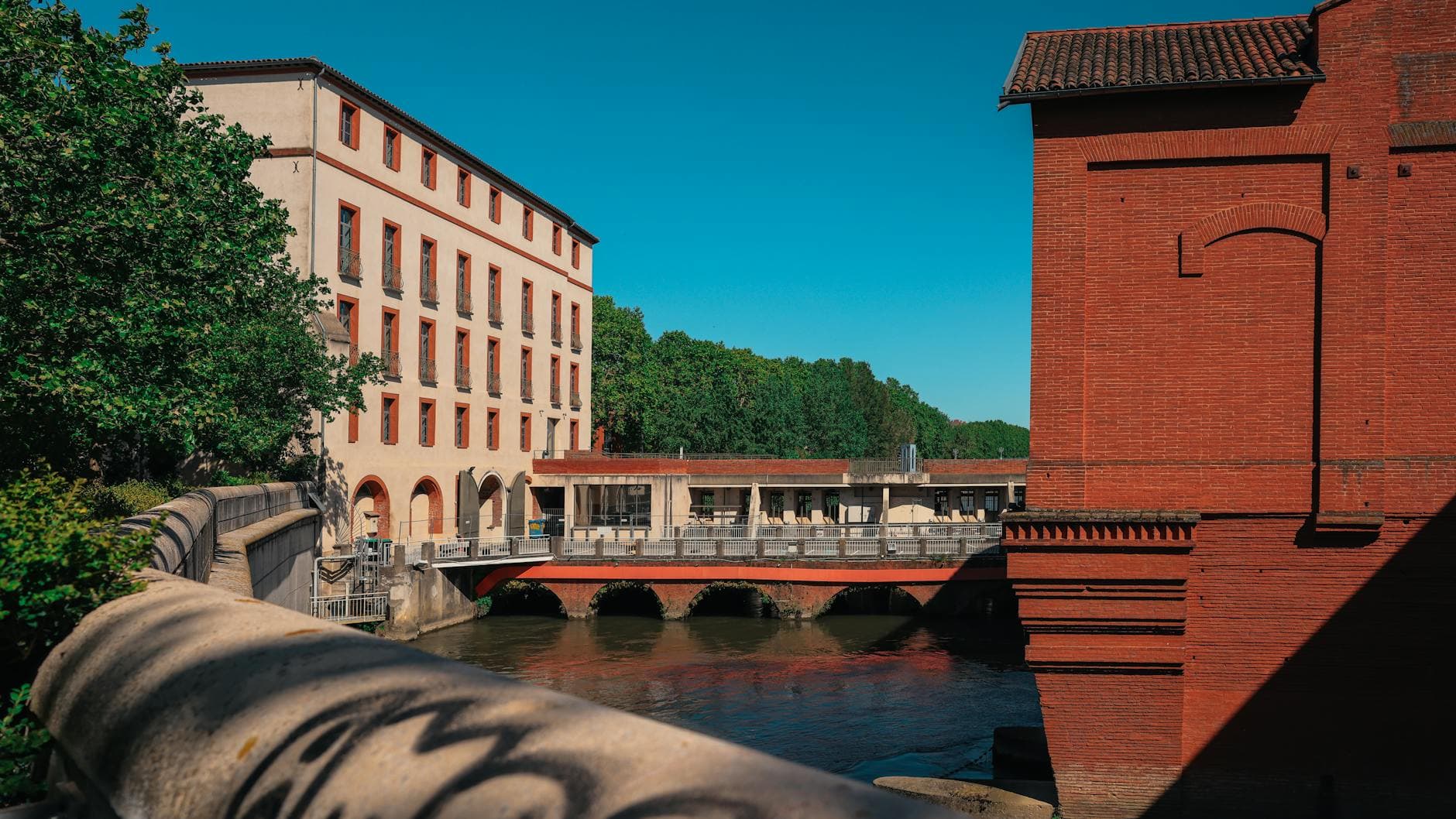
Toulouse
Europe's aerospace capital - Airbus HQ, pink-brick beauty, and 40% cheaper than Paris
€1,400–€2,000 /mo
Engineers, aerospace professionals, students, families
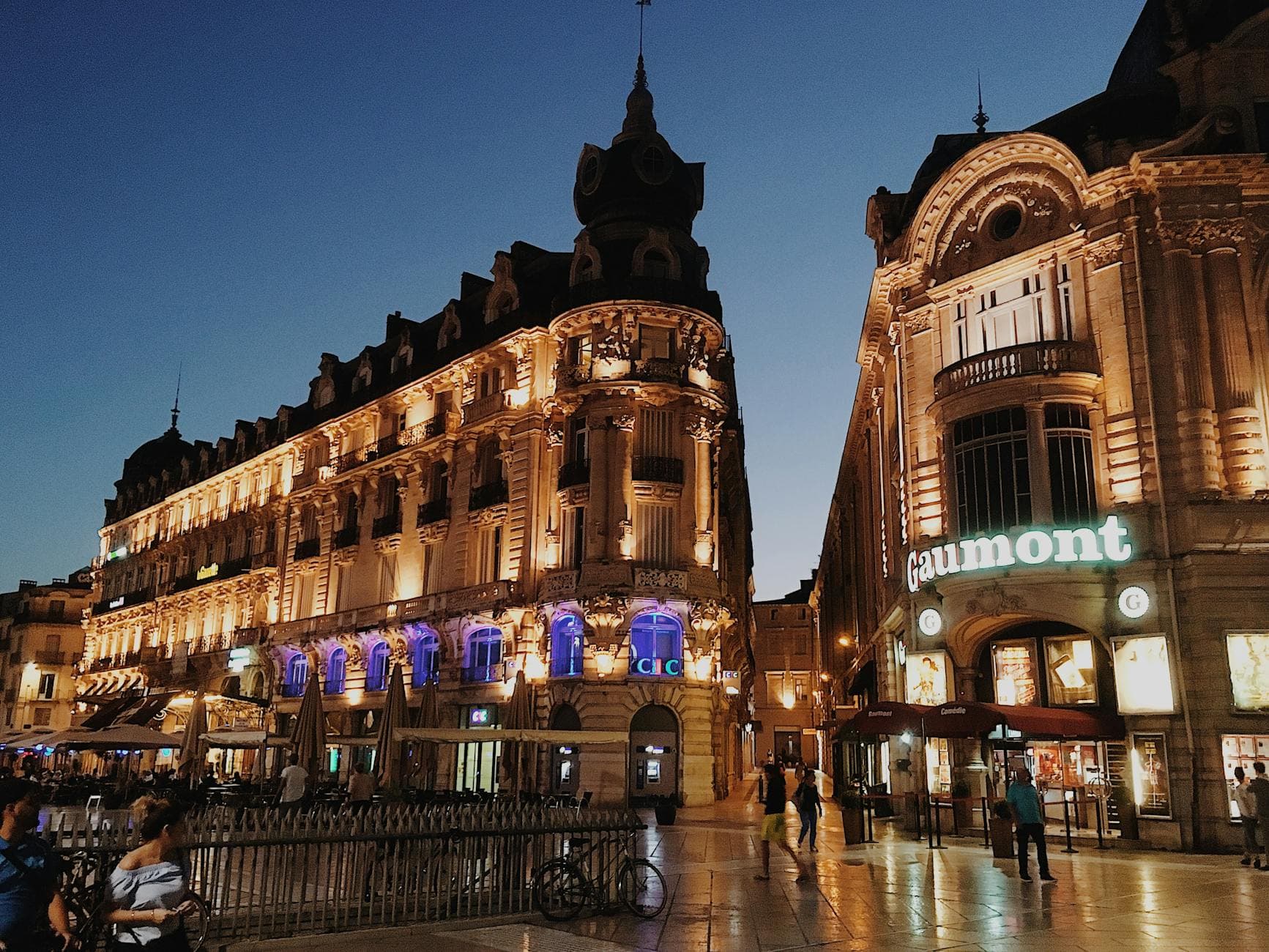
Montpellier
France's sunniest city - Mediterranean student energy, tech startups, and 60% cheaper than Paris
€1,300–€1,900 /mo
Students, digital nomads, young professionals, retirees
Everything, in plain words
Visa rules, healthcare, schools, taxes - written like a friend would explain it, not like a brochure.
Visa & Residency
France offers a structured long-stay visa system through its VLS-TS (Visa Long Séjour valant Titre de Séjour). Most non-EU expats enter on a VLS-TS and then validate or convert it to a Carte de Séjour. The Talent Passport (Passeport Talent) is France's premier immigration track for skilled professionals, entrepreneurs, and researchers. French immigration requires patience and meticulous documentation, but the pathways to permanent residency and citizenship are well-defined.
Read 🏥Healthcare
France's healthcare system is ranked first in the world by the WHO and remains one of the most comprehensive anywhere. All legal residents are entitled to join Assurance Maladie, which reimburses 70–100% of healthcare costs. The système de soins combines public and private providers, and the carte vitale (green health card) gives you seamless access to GPs, specialists, hospitals, labs, and pharmacies. Supplementary private insurance (mutuelle) tops up reimbursements to near 100% coverage.
Read 💰Cost of Living
France is a high-tax, high-service country. You pay more than in the US, UK, or most of Southeast Asia - but in return you get universal healthcare, high-quality public education, excellent infrastructure, and generous social protections. Understanding French taxes, the cost of living differences between cities, and how to open a French bank account are essential first steps for any expat.
Read 🏠Housing
Finding housing in France - especially Paris - is one of the most challenging aspects of expat life. The French rental market is heavily regulated in favor of tenants (once housed), but landlords have compensated by demanding extensive documentation from prospective tenants. Understanding the dossier de location requirements, knowing your rights under French tenancy law, and finding furnished vs. unfurnished options are the keys to navigating the French rental market.
Read 💼Work & Business
Working in France means operating within one of the world's most regulated and protected labor markets. The 35-hour work week, 5 weeks of mandatory paid vacation, CDI permanent contracts, and robust union rights define the landscape. For expats, navigating the distinction between CDI and CDD contracts, understanding auto-entrepreneur status for freelancers, and adapting to French workplace culture are the key challenges - and opportunities.
Read 🌆Daily Life
Daily life in France is built around quality - quality food, quality time, quality conversation, and quality of experience. The baguette, the café crème, the Sunday market, the five-week vacation, the two-hour lunch - these are not clichés, they are genuine cultural values. For expats, adapting to French rhythms of life takes time and language, but the reward is a life more deeply connected to pleasure, culture, and community than most countries offer.
Read ✈️Moving Guide
Moving to France requires careful preparation in the months before departure and disciplined execution in the first weeks after arrival. The administrative system (prefecture, CPAM, CAF, tax office) demands documents and patience. But France's relocation infrastructure - especially for intra-EU moves - is well-developed, and the reward for getting the paperwork right is access to one of the world's most comprehensive social support systems.
Read 📚Education
France has one of the world's most rigorous and prestigious education systems. Public education is free from age 3 (maternelle/kindergarten) through university, and the French grandes écoles - Sciences Po, HEC, Polytechnique, CentraleSupélec - are ranked among the world's best. For expat families, understanding the French school system, international school options, and university pathways is essential.
Read 🌅Lifestyle
France's lifestyle is its greatest export and its most tangible daily reality. The 'art de vivre' - the art of living - is not a marketing phrase but a genuine cultural framework: prioritizing quality over quantity, pleasure over productivity, and human connection over digital distraction. For expats, adapting to French lifestyle rhythms takes time but yields a life that most describe as deeply satisfying in ways difficult to articulate until you've lived it.
Read 📈Investing
Everything expats need to know about investing in France - from property and stocks to tax-efficient strategies, brokerage access, and building wealth abroad.
ReadTools to plan your move to France
Practical tools to turn an idea into a real plan - pick a season, time your visa, build a budget, even live a day before you go.
Best time to move to France
Season-by-season - weather, visa timing, rental markets, and expert tips
Paris cost of living
Full monthly budget breakdown - rent, food, transport, utilities
Country match quiz
Eight quick questions, AI-matched country shortlist for your lifestyle
Visa finder
Search visa options by nationality, budget, and stay length
A day in France
Live a perfect day with AI - real cafés, costs, and routes
Relocation plan
Step-by-step AI moving timeline tailored to your situation
France vs the rest
See how France stacks up against other popular expat destinations.
France vs Spain
Cost · Visa · Lifestyle
France vs Germany
Cost · Visa · Lifestyle
France vs Spain
Cost · Visa · Lifestyle
France vs Portugal
Cost · Visa · Lifestyle
France vs Italy
Cost · Visa · Lifestyle
France vs United Kingdom
Cost · Visa · Lifestyle
Where France ranks
See where France sits in our independent expat rankings - cost, safety, healthcare, and more.
Cheapest Countries for Expats
Ranked list of the most affordable countries for expats in 2026. Monthly budget, cost of living, internet speed, and city guides for each destination.
Countries Under $1,500/Month Cost of Living
Complete list of countries where a single expat can live comfortably on under $1,500 per month. Budget breakdowns, internet speeds, and city guides included.
Countries Where $2,000/Month Is Enough
All countries where a single expat can live well on $2,000 per month or less. Ranked by cost of living with budget details, internet, and English proficiency.
Best Countries for Remote Workers
Top countries for remote workers ranked by internet speed, cost of living, and English proficiency. Find your ideal work-from-anywhere destination in 2026.
Countries With the Fastest Internet
Ranked list of countries with the fastest broadband internet speeds for expats. Average Mbps, cost of living, and city guides for each destination.
Best Countries for Retirement Abroad
Warm-climate countries where one person can live on $2,500/month, ranked safest first by Global Peace Index. Portugal leads, then Malaysia and the Maldives. 2026.
Honest answers
The questions everyone asks before they pack a single box.
How much does it cost to live in France as an expat?
What visa do I need to move to France?
What is healthcare like in France for expats?
What are the best cities to live in France as an expat?
Is France a good place to live as an expat in 2026?
Personal Relocation Assessment
Can you actually move to France?
This page is general. Your case is not. Our relocation expert researches your nationality, income and timeline against the law as it stands, names the instrument behind every figure, and tells you where you actually qualify.
Get my assessmentExpat Insights, weekly
Visa updates, cost-of-living shifts, and real expat stories from France - straight to your inbox.
Which country is right for you?
Answer 6 quick questions about your budget, lifestyle, and priorities. Our AI ranks 122 countries and builds a personalised relocation plan.
The Complete France Expat Guide
Everything on this site about France plus more, organized into one professionally designed PDF you can read offline, print, and keep. Updated for 2026 with figures checked against official sources.
- Visa & residency options, step by step
- Cost of living with real monthly budgets
- Neighborhood-by-neighborhood city guides
- Healthcare, banking, tax, and housing
- Moving checklist from decision to arrival
Free, with an account so you can find it again. We republish every month when figures move, and your link always serves the newest edition.
This guide is general, written for everyone moving to France. If you want your own case checked against the law as it stands, that is what the assessment is for.