
Western Europe
Central & Eastern Europe
Asia & Middle East
Americas
Oceania & Africa
Expat Topics
🇮🇩 The expat guide · 2026
Indonesia.
Tropical archipelago paradise - volcanic landscapes, ancient temples, world-class surf, and a Bali digital nomad scene unlike anywhere else
Bali Monthly Budget
from $1,000/mo
Rp 15.8M - comfortable nomad lifestyle
E33G Remote Worker Visa
$60K income/yr + $2K balance
1-year ITAS + $2,000 live-funds proof; cannot be renewed in-country (max ~2 yrs consecutive); >183 days = Indonesian tax resident
Min Wage 2026 UMP
Jakarta Rp 5,729,876 / Bali Rp 3,207,459
+6.17% Jakarta / +7.04% Bali; new formula (inflation + growth × alpha 0.5-0.9), Prabowo decree
Second Home Visa
5 or 10 years
Rp 2 billion (~$112,000) deposit or property purchase
Golden Visa (E28C)
5yr $350K / 10yr $700K
Or $1M residential apartment for 10-yr. Online application, no interview, no presence required.
Bali Crackdown 2026
62 deported May 2026
Dharma Dewata Task Force; sponsored content/brand collabs/free villa stays = work even without cash
Verified August 13, 2026
See 7 more figuresCan you actually move to Indonesia?
We research your nationality, income and timeline against Indonesia's current rules, and tell you whether you qualify and what it actually costs.

Why move to Indonesia?
Indonesia is the world's largest archipelago nation, spanning 17,000+ islands between the Indian and Pacific Oceans. Bali alone draws over 100,000 long-term expats and digital nomads, lured by a magical blend of Hindu culture, lush rice terraces, affordable living, and a thriving creative community. Jakarta, the sprawling capital, offers a full metropolitan lifestyle with an established expat corporate scene. Yogyakarta, nestled near the volcanic Mount Merapi, is one of Southeast Asia's most affordable and culturally rich cities. From a $1 bowl of nasi goreng to a $3,000/month luxury villa with a private pool, Indonesia accommodates every lifestyle and budget. The Second Home Visa (2022) opened a formal 5–10 year residency pathway, finally giving long-term expats a legal framework to match the lifestyle they had already chosen.
The rest of the Indonesia numbers
The figures that did not fit in the summary above.
| Figure | Detail |
|---|---|
| Bali Tourist TaxIDR 150,000 ($10) | Per international visitor, since Feb 2024. Pay via Love Bali app. |
| Tax on Foreign Income0% for 4 years | Skilled expat territorial tax incentive |
| GCI Diaspora Visa$1,500/mo or $15K/yr | Global Citizen of Indonesia - early 2026 launch; for former Indonesian-nationality diaspora |
| Coretax / NPWP 16-digitMandatory 2026 | Coretax fully operational 2026; NIK-NPWP integration to 16-digit format binding |
| Retirement KITAS (E33F)Age 55+, $1,500/mo | 1 year, renewable annually to 5 years, then KITAP. Requires bank balance never below $2,000 over the prior 3 months, 12-month health insurance (coverage commonly cited at IDR 25M), a 12-month lease, a LICENSED AGENT SPONSOR (mandatory), and employing at least one Indonesian national. No work or business permitted. Basis: Permenkumham 22/2023 as amended by 11/2024 |
| Silver Hair Visa (E33E)Age 60+, $3,000/mo | The other retirement route, and the reason sources disagree about Indonesia. Runs 5 years, needs a $50,000 deposit in a state-owned Indonesian bank, but requires NO agent sponsor and no domestic-worker condition. Guides quoting '60+' or '$3,000' for the E33F have conflated these two visas |
| Retiree healthcare accessNo BPJS - private only | Retirement-KITAS holders are generally not eligible for the BPJS public scheme, which is limited to work, investor and spouse ITAS. Private cover is effectively mandatory, and serious cases are routinely evacuated to Singapore or Malaysia, so evacuation cover matters |
The Indonesia basics
10 essentials every expat should know - from the practical to the political.
Is Indonesia actually your best option?
This page tells you what Indonesia is like. It cannot tell you whether it beats the four other countries you should be looking at, because that answer changes with your passport. Income thresholds, tax treaties and citizenship timelines are all nationality specific, and the general rule is often not the rule that applies to you.
A Personal Relocation Assessment answers it for your case. You tell us your nationality, income, household and timeline, and we our expert researches it against the law as it stands: which countries you actually qualify for, the route, the current threshold with the instrument it comes from, and what is most likely to go wrong in a position like yours.

Food culture
Nasi goreng, satay, rendang, warung - Bali's food scene is Indonesia in one island
Explore
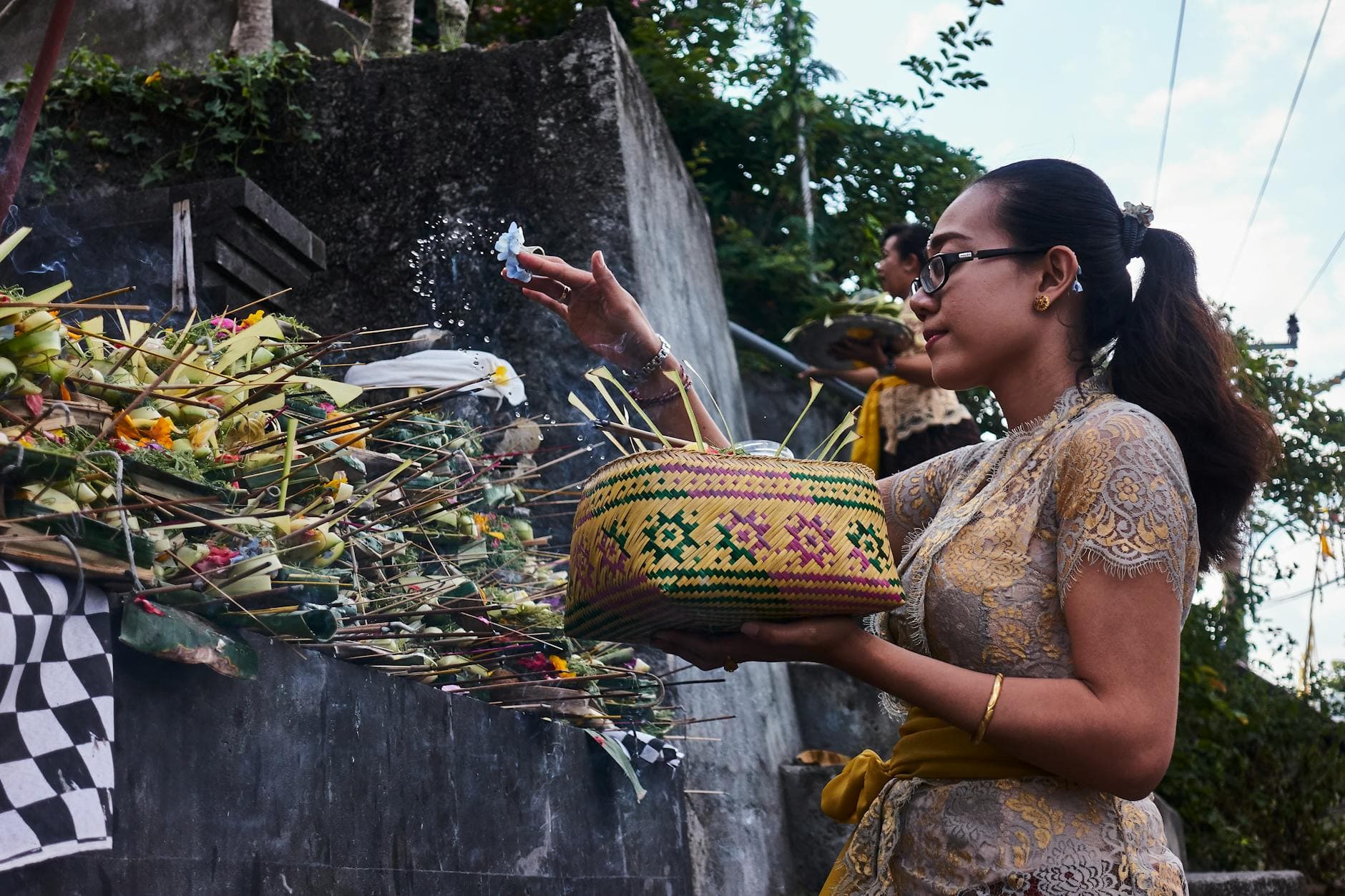
Festivals & traditions
Borobudur, batik, gamelan, wayang - Yogyakarta is Java's cultural heart
Explore
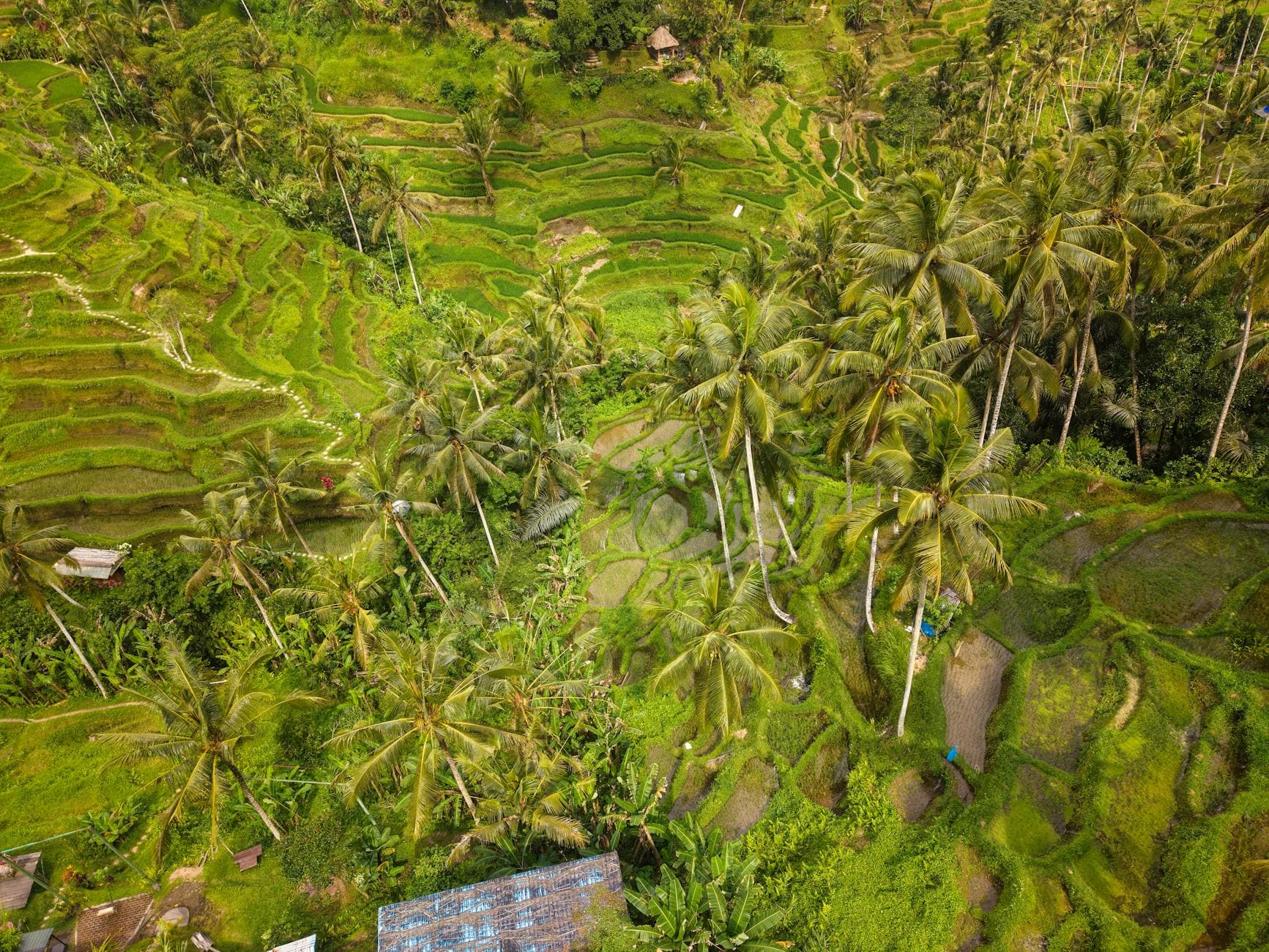
Coast & nature
Gili Islands, Komodo, Raja Ampat - Indonesia's 17,000 islands and turquoise reefs
Explore

Heritage & landmarks
Tanah Lot, Uluwatu, Tegallalang terraces - Bali's iconic temple and rice-field landmarks
Explore
8 reasons people stay longer than they planned
The pull of Indonesia isn't one big thing - it's a stack of small ones, each compounding the others.
Bali - The Nomad Capital of Asia
Canggu, Seminyak, and Ubud form one of the world's most established digital nomad ecosystems. Dozens of coworking spaces, a huge international community, year-round warm weather, and a cost of living starting at $800/month make Bali unlike anywhere else on Earth.
Exceptional Value for Money
A comfortable expat life in Bali costs $800–$1,500/month. Jakarta runs $1,200–$2,000. A private villa with a pool in Canggu can be rented for $800–$1,500/month. Street food meals cost Rp 15,000–45,000 ($1–$3). Your money goes extraordinarily far.
World-Class Surf & Nature
Bali's Uluwatu and Canggu beaches host some of the world's best surf breaks. Beyond surf, Indonesia offers Mount Bromo sunrises, Komodo dragons, Raja Ampat diving, and Borneo rainforests - all within a short flight of your home base.
Deep Culture & Spirituality
Bali's Hindu culture permeates daily life - daily flower offerings, temple ceremonies, and the Balinese calendar create a spiritual rhythm unlike any other expat destination. Yogyakarta offers Borobudur and Prambanan, UNESCO World Heritage temples of extraordinary beauty.
E33G Remote Worker Visa & Second Home Visa
Indonesia's E33G Remote Worker Visa is a 1-year ITAS for remote workers earning $60K+/yr - the first legal digital nomad visa. The Second Home Visa grants 5-10 year residency via Rp 2 billion (~$112,000) deposit. The Golden Visa (from $350K) offers 5-10 year residency for investors. Working remotely on tourist/visit visas is no longer tolerated.
Incredible Food at Every Price
From $0.50 nasi goreng at a roadside warung to $30 tasting menus at Seminyak's top restaurants, Indonesian food is diverse, delicious, and absurdly affordable. Ubud's healthy café scene, Bali's international restaurant clusters, and Java's street food traditions all shine.
Improving Private Healthcare
BIMC Hospital Bali and Siloam Hospitals provide internationally-standard private care. A GP consultation costs $5–$30. Serious cases typically warrant medical evacuation to Singapore, making expat health insurance with evacuation cover essential.
Gateway to Southeast Asia
Bali's Ngurah Rai airport and Jakarta's Soekarno-Hatta connect to Bangkok, Singapore, Tokyo, Sydney, and beyond for $30–$150. Indonesia's position at the crossroads of Asia and Australia makes it an ideal hub for regional travel.
4 cities, 4 different lives
Pick the rhythm that fits - capital buzz, beach mornings, or a slow-living escape.
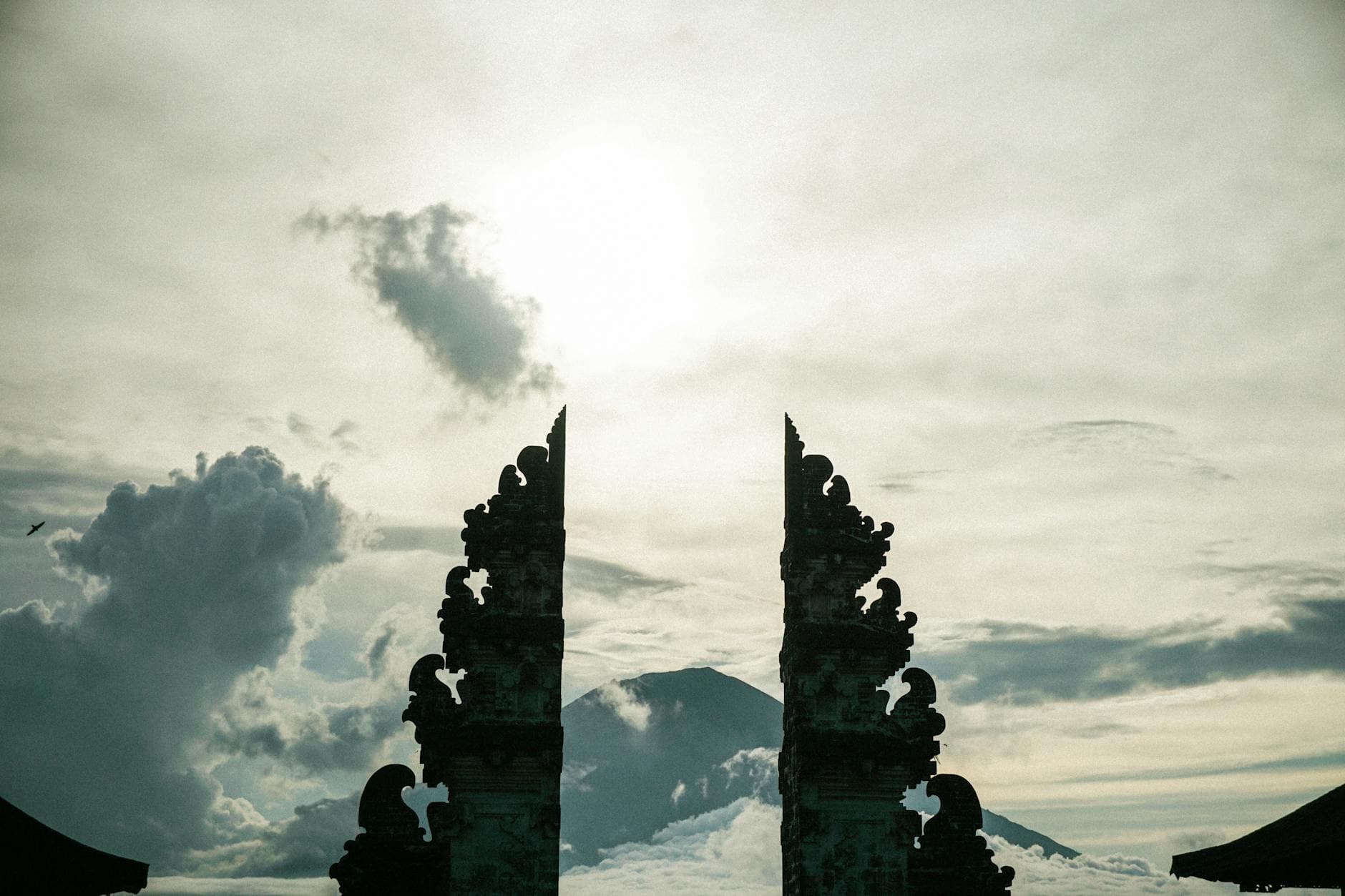
Bali
The world's digital nomad capital - tropical magic, rice terraces, surf, and a creative international community
$1,000–$1,800 (Rp 15.8M–Rp 28.4M) /mo
Digital nomads, creatives, wellness seekers, surfers
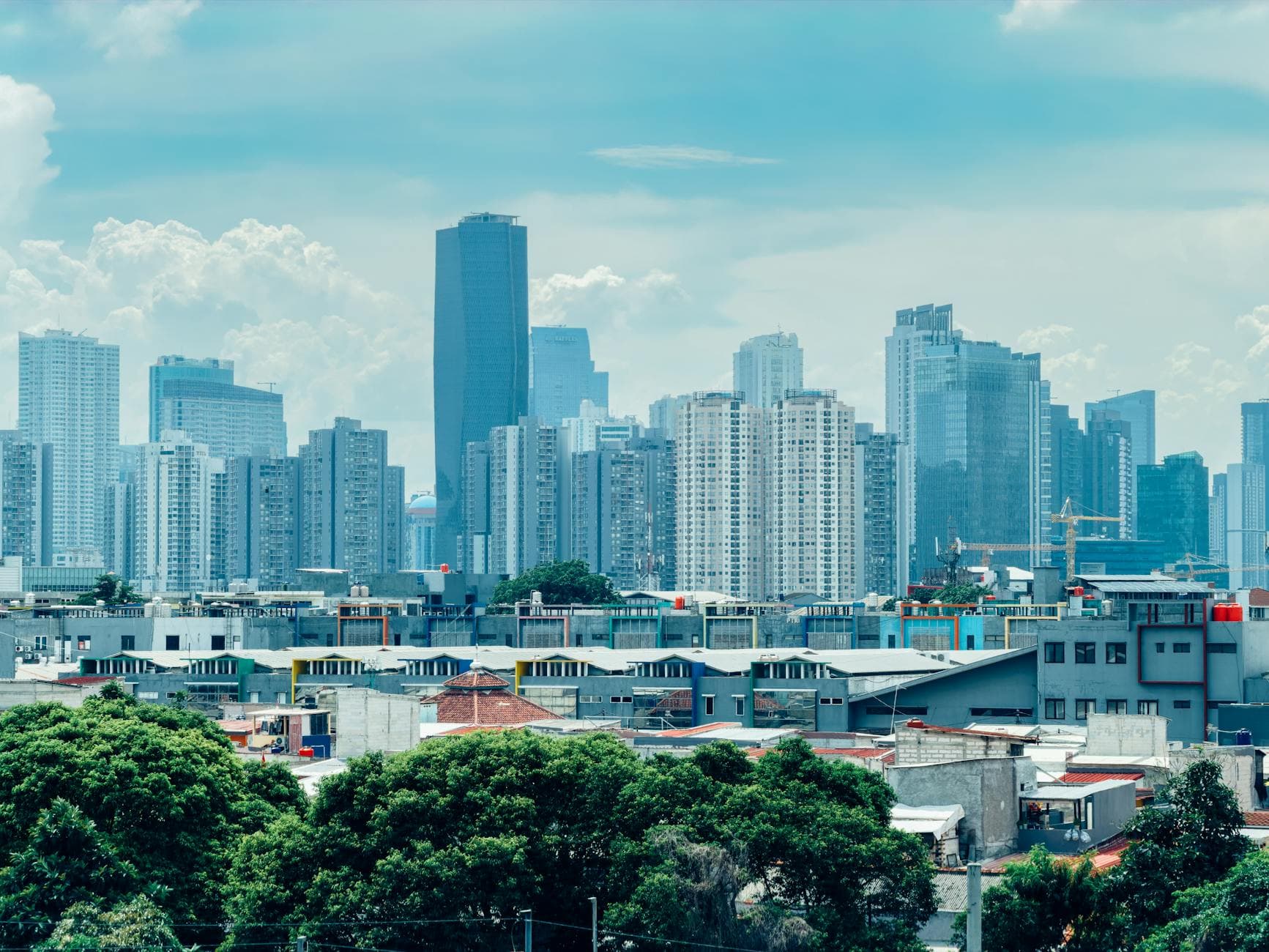
Jakarta
Indonesia's powerhouse capital - a sprawling megacity of business, culture, and growing expat sophistication
$1,200–$2,500 (Rp 19M–Rp 39.5M) /mo
Corporate expats, entrepreneurs, diplomats, NGO workers
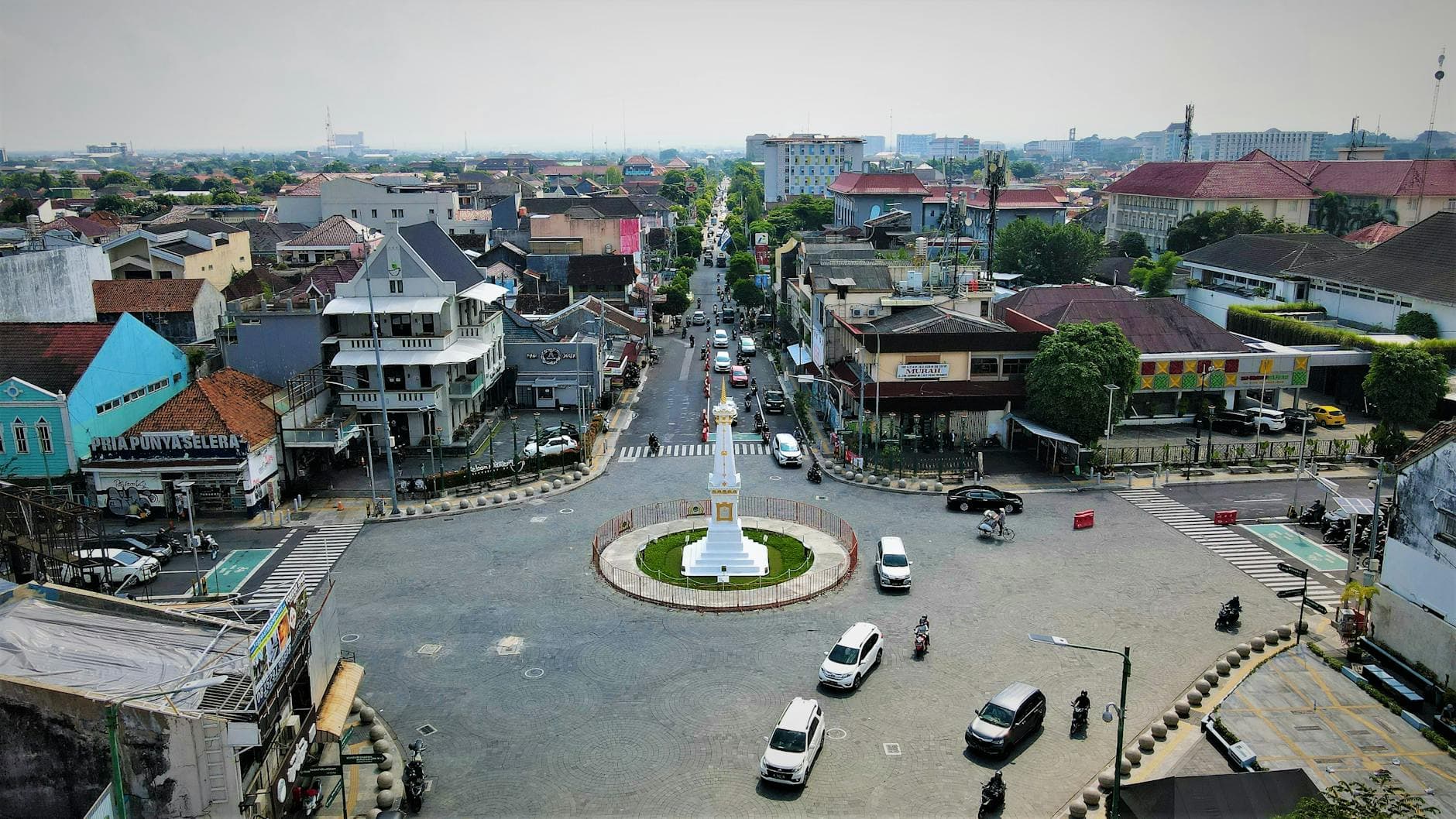
Yogyakarta
Java's cultural soul - ancient temples, volcanic landscapes, traditional arts, and Indonesia's most affordable expat life
$400–$700 (Rp 6.3M–Rp 11M) /mo
Artists, academics, budget expats, culture seekers
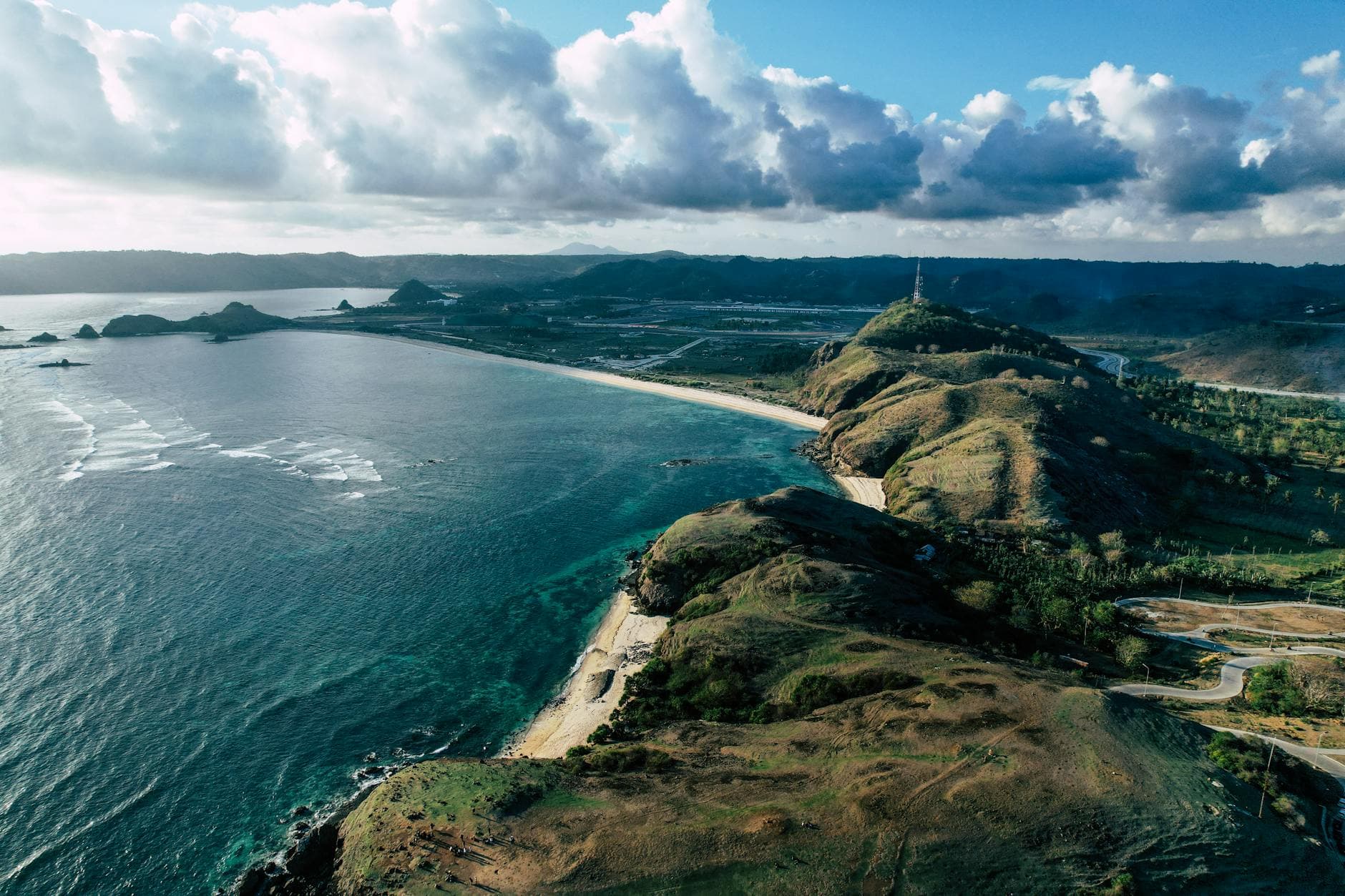
Lombok
The next Bali - pristine beaches, world-class surf, and island living before the crowds arrive
IDR 8–15M ($500–$950) /mo
Surfers, digital nomads, budget travelers, nature lovers
Everything, in plain words
Visa rules, healthcare, schools, taxes - written like a friend would explain it, not like a brochure.
Visa & Residency
Indonesia's visa landscape transformed in 2026 with the launch of the E33G Remote Worker Visa - a dedicated digital nomad visa requiring $60,000/yr income. The B211A gray area for remote work has officially closed. The Second Home Visa (Rp 2 billion (~$112,000) deposit) offers 5-10 year residency. Tax residents enjoy 0% on foreign income for 4 years under the territorial tax incentive. Indonesia's immigration is now linked with tax via the One-Data System, making compliance more important than ever.
Read 🏥Healthcare
Indonesia's healthcare system spans from basic Puskesmas (public community health centres) at near-zero cost to internationally-accredited private hospitals in Bali and Jakarta. For expats, private insurance with emergency evacuation coverage is essential - while Bali's BIMC and Siloam hospitals handle most routine needs, complex cases are routinely evacuated to Singapore. A GP consultation at a private clinic costs $5–$30. Dental care is excellent value. The national BPJS Kesehatan insurance is technically available to KITAS holders at Rp 35,000–150,000/month.
Read 💰Cost of Living
Indonesia offers an extraordinary cost advantage over Western countries. Bali's digital nomad lifestyle runs $1,000–$1,800/month in 2026 (up from $800–$1,500 due to Canggu/Seminyak rent inflation); Jakarta's professional expat life costs $1,200–$2,500/month; Yogyakarta is remarkably affordable at $400–$700/month. The Indonesian Rupiah (IDR) trades at approximately 17,800 IDR per USD (August 2026; weakened from 15,800 a year ago, good for USD earners). While the banking system has improved, expats typically keep accounts in their home country and use Wise for international transfers. Indonesian ATMs accept foreign cards with fees of Rp 25,000–75,000 per withdrawal.
Read 🏠Housing
Indonesia's rental market varies dramatically by location. Bali's villa culture offers exceptional value - a private pool villa in Canggu for $800–$1,500/month is a real possibility. Jakarta's apartment market mirrors other Asian megacities - modern high-rise condos in the CBD start at $600/month. Yogyakarta is extraordinarily affordable with decent 1-BR apartments from $150–$300/month. Foreigners cannot own freehold property but can lease long-term and hold Hak Pakai on KITAS/KITAP.
Read 💼Work & Business
Working legally in Indonesia requires a KITAS (temporary stay permit) and, for employment by Indonesian companies, an IMTA work permit. Remote workers for foreign employers occupy a legal grey area - tolerated but not officially sanctioned. Indonesia's Omnibus Law (2020) liberalised some employment rules for foreign investors. Entrepreneurs can establish a PT PMA (foreign investment company) to operate legally. The Second Home Visa (2022) allows self-employment and investment activities. Indonesia's economy is growing at 5%+ annually, offering real business opportunities.
Read 🌆Daily Life
Daily life in Indonesia varies enormously between its expat hubs. Bali offers a magical combination of tropical beauty, cheap street food, yoga culture, and a vast international community. Jakarta is a modern megalopolis with every amenity imaginable alongside legendary traffic and pollution. Yogyakarta is a gentle, culturally-rich city where time moves slowly and the simplest pleasures - a bowl of gudeg, a batik workshop, a temple sunrise - define the rhythm of life. Bahasa Indonesia is the unifying language but English suffices in most expat areas.
Read ✈️Moving Guide
Moving to Indonesia requires careful planning around visa timing, shipping logistics, and the practical realities of arriving in a country where bureaucracy can be challenging. Most expats arrive with carry-on luggage and ship or buy everything else locally - Indonesian furniture and homewares are excellent quality and low cost. Bali particularly has a well-developed ecosystem of relocation agents, furnished villas, and expat Facebook groups that make the first weeks manageable.
Read 📚Education
Indonesia's international school landscape is strongest in Jakarta and Bali. Jakarta hosts world-class international schools (Jakarta International School, British School Jakarta) serving the large diplomatic and corporate expat community. Bali's Green School is globally celebrated for its innovative eco-curriculum and draws families specifically for the educational experience. Fees range from $6,000 to $35,000/year. State universities in Yogyakarta (Universitas Gadjah Mada) are highly regarded for those seeking Indonesian higher education. Learning Bahasa Indonesia formally accelerates integration enormously.
Read 🌅Lifestyle
Indonesia offers one of the world's most diverse lifestyle portfolios. Bali delivers surf, yoga, beach clubs, volcanic hiking, and creative community in a compact tropical island. Jakarta offers the full megacity experience - fine dining, live music, art galleries, rooftop bars, and a buzzing underground scene. Yogyakarta provides deep cultural immersion - ancient temples, traditional arts, volcano treks, and batik workshops at extraordinary affordability. The natural world is ever-present: Indonesia sits within the Coral Triangle (world's richest marine biodiversity) and hosts dozens of active volcanoes, UNESCO rainforests, and some of the planet's last truly wild frontiers.
Read 📈Investing
Everything expats need to know about investing in Indonesia - from property and stocks to tax-efficient strategies, brokerage access, and building wealth abroad.
ReadTools to plan your move to Indonesia
Practical tools to turn an idea into a real plan - pick a season, time your visa, build a budget, even live a day before you go.
Best time to move to Indonesia
Season-by-season - weather, visa timing, rental markets, and expert tips
Bali cost of living
Full monthly budget breakdown - rent, food, transport, utilities
Country match quiz
Eight quick questions, AI-matched country shortlist for your lifestyle
Visa finder
Search visa options by nationality, budget, and stay length
A day in Indonesia
Live a perfect day with AI - real cafés, costs, and routes
Relocation plan
Step-by-step AI moving timeline tailored to your situation
Indonesia vs the rest
See how Indonesia stacks up against other popular expat destinations.
Indonesia vs Thailand
Cost · Visa · Lifestyle
Indonesia vs Thailand
Cost · Visa · Lifestyle
Indonesia vs Vietnam
Cost · Visa · Lifestyle
Indonesia vs Malaysia
Cost · Visa · Lifestyle
Indonesia vs India
Cost · Visa · Lifestyle
Where Indonesia ranks
See where Indonesia sits in our independent expat rankings - cost, safety, healthcare, and more.
Cheapest Countries for Expats
Ranked list of the most affordable countries for expats in 2026. Monthly budget, cost of living, internet speed, and city guides for each destination.
Countries Under $1,500/Month Cost of Living
Complete list of countries where a single expat can live comfortably on under $1,500 per month. Budget breakdowns, internet speeds, and city guides included.
Countries Where $2,000/Month Is Enough
All countries where a single expat can live well on $2,000 per month or less. Ranked by cost of living with budget details, internet, and English proficiency.
Best Countries for Remote Workers
Top countries for remote workers ranked by internet speed, cost of living, and English proficiency. Find your ideal work-from-anywhere destination in 2026.
Countries With the Fastest Internet
Ranked list of countries with the fastest broadband internet speeds for expats. Average Mbps, cost of living, and city guides for each destination.
Best Countries for Retirement Abroad
Warm-climate countries where one person can live on $2,500/month, ranked safest first by Global Peace Index. Portugal leads, then Malaysia and the Maldives. 2026.
Honest answers
The questions everyone asks before they pack a single box.
How much does it cost to live in Indonesia as an expat?
What visa do I need to move to Indonesia?
What is healthcare like in Indonesia for expats?
What are the best cities to live in Indonesia as an expat?
Is Indonesia a good place to live as an expat in 2026?
Personal Relocation Assessment
Can you actually move to Indonesia?
This page is general. Your case is not. Our relocation expert researches your nationality, income and timeline against the law as it stands, names the instrument behind every figure, and tells you where you actually qualify.
Get my assessmentExpat Insights, weekly
Visa updates, cost-of-living shifts, and real expat stories from Indonesia - straight to your inbox.
Which country is right for you?
Answer 6 quick questions about your budget, lifestyle, and priorities. Our AI ranks 122 countries and builds a personalised relocation plan.
The Complete Indonesia Expat Guide
Everything on this site about Indonesia plus more, organized into one professionally designed PDF you can read offline, print, and keep. Updated for 2026 with figures checked against official sources.
- Visa & residency options, step by step
- Cost of living with real monthly budgets
- Neighborhood-by-neighborhood city guides
- Healthcare, banking, tax, and housing
- Moving checklist from decision to arrival
Free, with an account so you can find it again. We republish every month when figures move, and your link always serves the newest edition.
This guide is general, written for everyone moving to Indonesia. If you want your own case checked against the law as it stands, that is what the assessment is for.