Western Europe
Central & Eastern Europe
Asia & Middle East
Americas
Oceania & Africa
Expat Topics
🇨🇭 The expat guide · 2026
Switzerland.
The world's wealthiest, safest, and most orderly nation - exceptional salaries, pristine alpine landscapes, and a quality of life that justifies every Swiss franc
Monthly Budget
from CHF 5,000
Single expat, Zurich. Geneva similar. Basel/Bern slightly less.
GPI Safety
#3 globally
2026 Global Peace Index. Behind only Iceland and New Zealand.
Federal Tax Floor
0.77–11.5%
Single CHF 18,500 / married CHF 33,000 = no federal tax; tops 11.5%
Individual Taxation Vote
8 Mar 2026
Referendum on per-spouse income/wealth taxation; if passed, implementation ~2032; ~46% relief to retirees
Pillar 3a
CHF 7,258 / 36,288
Employee max / self-employed max; NEW retroactive top-up up to 10 yrs from 2026 fiscal year
Health Insurance
CHF 393.30/mo avg
Mandatory KVG/LAMal +4.4% in 2026. Zug lowest CHF 317; Geneva highest ~CHF 562. Franchise: CHF 300–2,500.
Verified August 13, 2026
See 4 more figuresCan you actually move to Switzerland?
We research your nationality, income and timeline against Switzerland's current rules, and tell you whether you qualify and what it actually costs.

Why move to Switzerland?
Switzerland: GPI #3 globally, world-class salaries (avg CHF 80K+), and stunning alpine landscapes. Key 2025-2026: Bilaterals III signed Mar 2, 2026 (landmark EU deal); mandatory health insurance avg CHF 393.30/mo (+4.4%; Zug lowest CHF 317, Geneva highest ~CHF 562); Pillar 3a 2026 max contribution CHF 7,258 (employee) / CHF 36,288 (self-employed) - NEW retroactive top-up for up to 10 years from 2026 fiscal year (gaps from 2025 onwards). Zurich cantonal tax multiplier cut 98%→95% (biggest in 20yr). Non-EU work permits: 8,500 quota (4,500 B + 4,000 L). Lump-sum taxation min CHF 435,000 (was CHF 434,700 in 2025). No digital nomad visa. Housing vacancy ~1.0% - Zurich 1-BR centre CHF 2,856; Geneva ~CHF 3,000. Cantonal min wages: Geneva CHF 24.59/hr (world's highest); Neuchâtel CHF 21.35/hr; no national rate. Dual citizenship allowed.
The rest of the Switzerland numbers
The figures that did not fit in the summary above.
| Figure | Detail |
|---|---|
| Tax (Zug/Schwyz)~22% total | Lowest cantons. Zurich: ~40%. Geneva: ~43%. Lump-sum 2026: CHF 435,000 min (was 434,700 in 2025). Pillar 3a: CHF 7,258 employee / CHF 36,288 self-employed; NEW 10-year retroactive top-up. |
| Work Permits (non-EU)8,500 quota | 4,500 B + 4,000 L permits. Employer-sponsored. Labour market test. |
| Citizenship10 years (C permit) | 5yr for EU/well-integrated. Dual allowed. B1 oral local language. |
| Median Wage 2026~CHF 6,800/mo full-time | Swiss median gross full-time salary ~CHF 6,800/mo (2026 estimate); 2024 median CHF 7,024/mo; used as base for many benchmarks |
The Switzerland basics
10 essentials every expat should know - from the practical to the political.
Is Switzerland actually your best option?
This page tells you what Switzerland is like. It cannot tell you whether it beats the four other countries you should be looking at, because that answer changes with your passport. Income thresholds, tax treaties and citizenship timelines are all nationality specific, and the general rule is often not the rule that applies to you.
A Personal Relocation Assessment answers it for your case. You tell us your nationality, income, household and timeline, and we our expert researches it against the law as it stands: which countries you actually qualify for, the route, the current threshold with the instrument it comes from, and what is most likely to go wrong in a position like yours.

Food culture
Fondue, raclette, rösti, Swiss chocolate - Switzerland's hearty alpine cuisine
Explore

Festivals & traditions
Watchmaking, banking, alphorns, Heidi country - Switzerland's quiet precision and tradition
Explore
Coast & nature
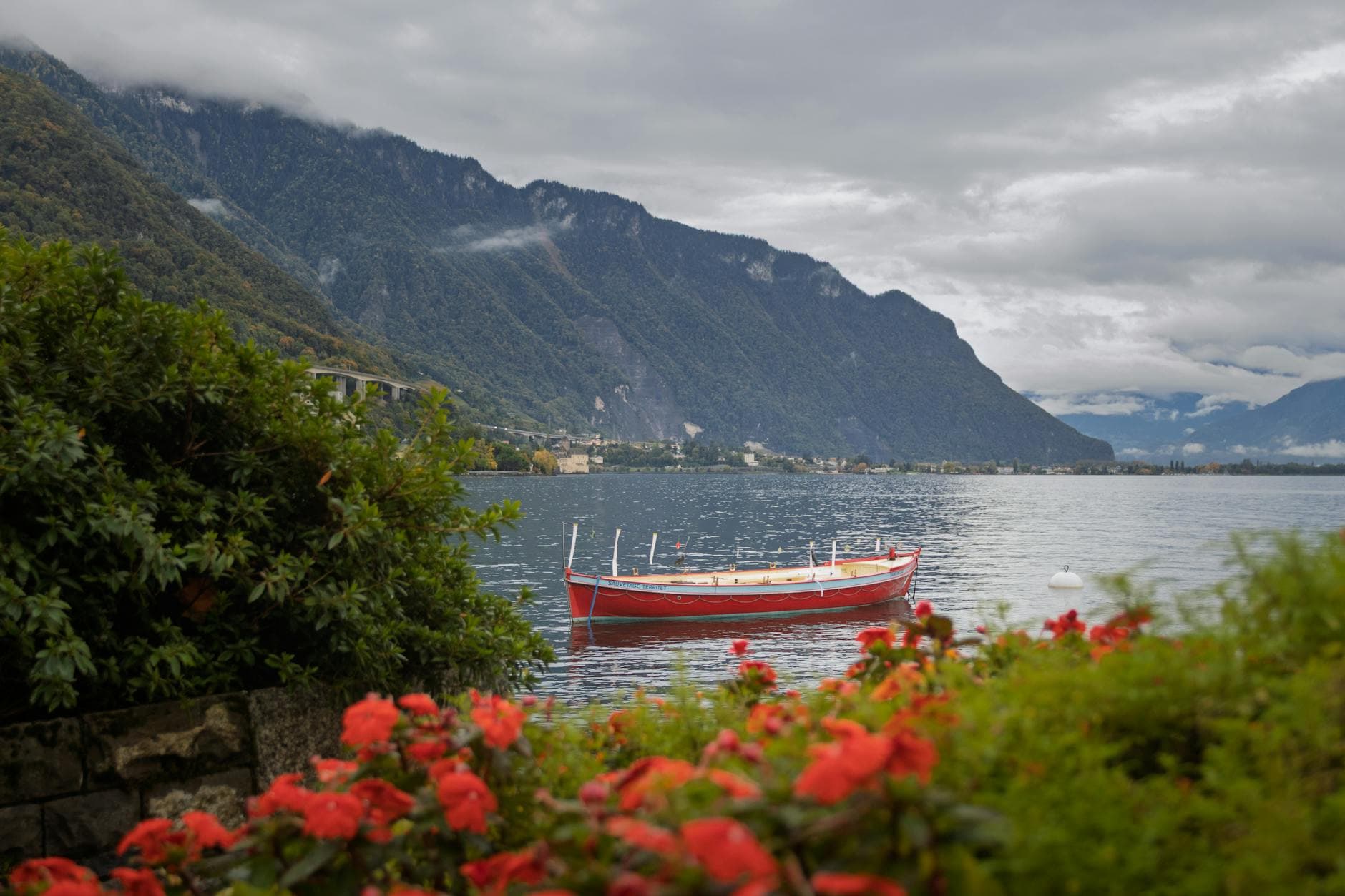
Lake Geneva, Lake Zurich, Lake Lucerne - Switzerland's pristine alpine lakes
Explore

Heritage & landmarks
Matterhorn, Jungfrau, Chapel Bridge - Switzerland's iconic alpine landmarks
Explore
8 reasons people stay longer than they planned
The pull of Switzerland isn't one big thing - it's a stack of small ones, each compounding the others.
World-Class Salaries and Low-Tax Cantons
Swiss gross salaries are among the highest in the world - the average is CHF 80,000 in Zurich. Combined with a strategic choice of canton (Zug or Schwyz at ~22% total tax), your after-tax income can dramatically exceed equivalent roles in London, Paris, or New York.
#3 Safest Country on Earth
Switzerland ranks #3 on the Global Peace Index 2026, behind only Iceland and New Zealand. Over a century of political neutrality, extremely low crime rates, robust democratic institutions. One of the most stable and secure societies in the world.
Unmatched Natural Beauty and Outdoor Life
From the Bernese Oberland to the Matterhorn, Switzerland's alpine landscape is extraordinary. Skiing, hiking, cycling, paragliding, and lake swimming are all within reach of every major city - a lifestyle that simply cannot be replicated elsewhere in Europe.
The World's Best Public Transport System
Switzerland's SBB rail network is the most punctual and extensive in the world. Trains run every 15–30 minutes between cities, and a Half-Fare Card (CHF 170/year) cuts all ticket prices in half. Cities like Zurich and Geneva have flawless metro, tram, and bus networks.
World-Class Private Healthcare
Switzerland's mandatory private health insurance (LAMal/KVG) system delivers outstanding care. You choose your own provider, deductible level, and model. While premiums are CHF 300–600/month, the quality of care - short wait times, modern facilities, multilingual staff - is exceptional.
International Hub with a Global Workforce
Around 27% of Switzerland's population are foreign nationals. Geneva hosts over 40 international organisations including the UN, WHO, WTO, and Red Cross. Zurich is home to major banks, pharmaceutical giants, and Google's largest engineering office outside the US.
Top-Ranked Universities and International Schools
ETH Zurich consistently ranks in the global top 10 and is a world leader in science, engineering, and technology. EPFL in Lausanne is equally prestigious. International schools abound in both Zurich and Geneva for expat families.
Central European Location
From Zurich you can be in Munich in 3.5 hours, Milan in 3.5 hours, and Paris in 4 hours by train. Zurich Airport (ZRH) and Geneva Airport (GVA) connect to 180+ destinations. Switzerland's central position makes it a superb base for European travel.
2 cities, 2 different lives
Pick the rhythm that fits - capital buzz, beach mornings, or a slow-living escape.
Zurich
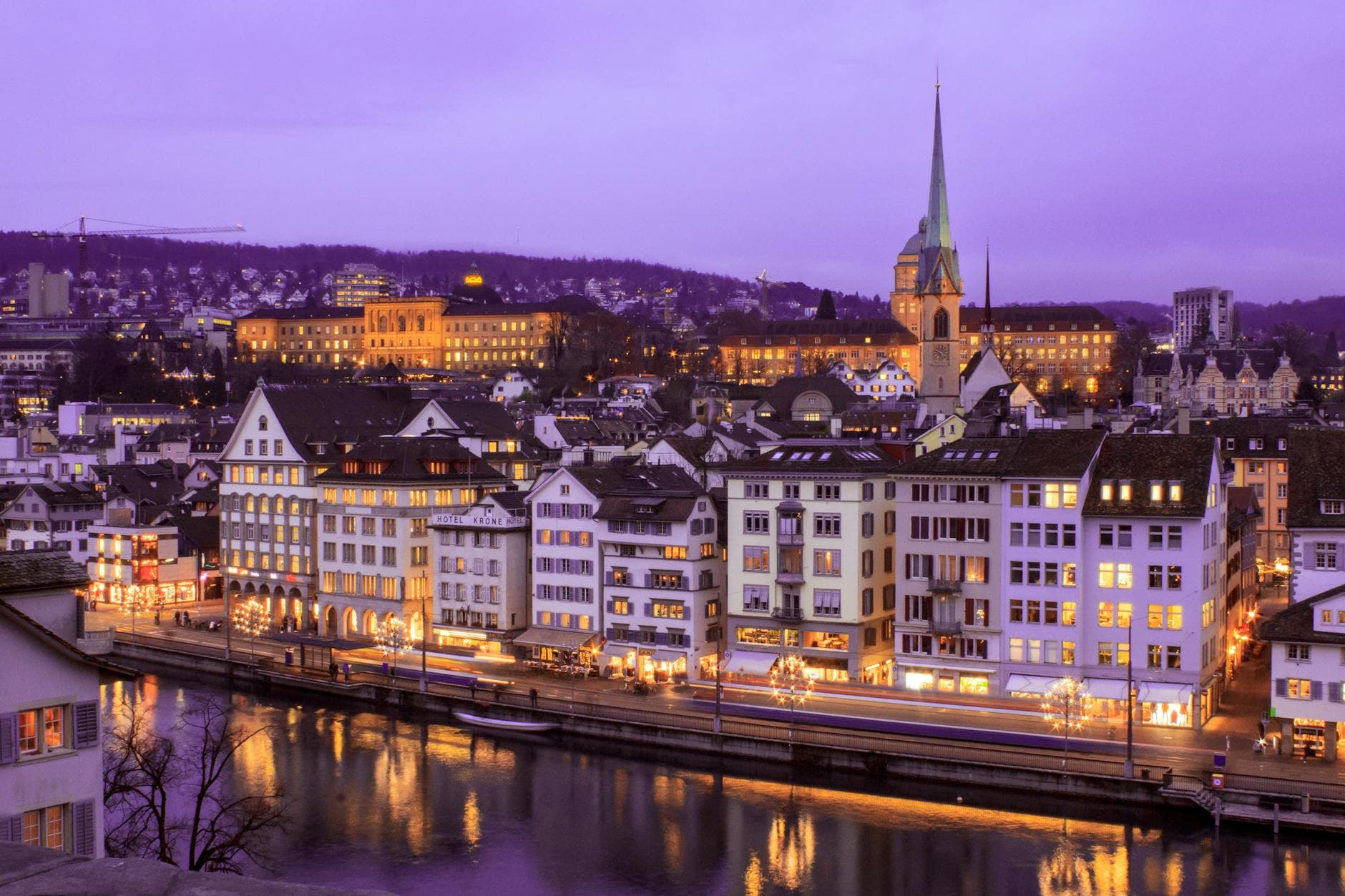
Switzerland's financial and tech capital - consistently #1 for quality of life globally, with world-class salaries to match world-class costs
CHF 6,000–9,000 /mo
Finance, tech, pharma professionals; expat families
Geneva
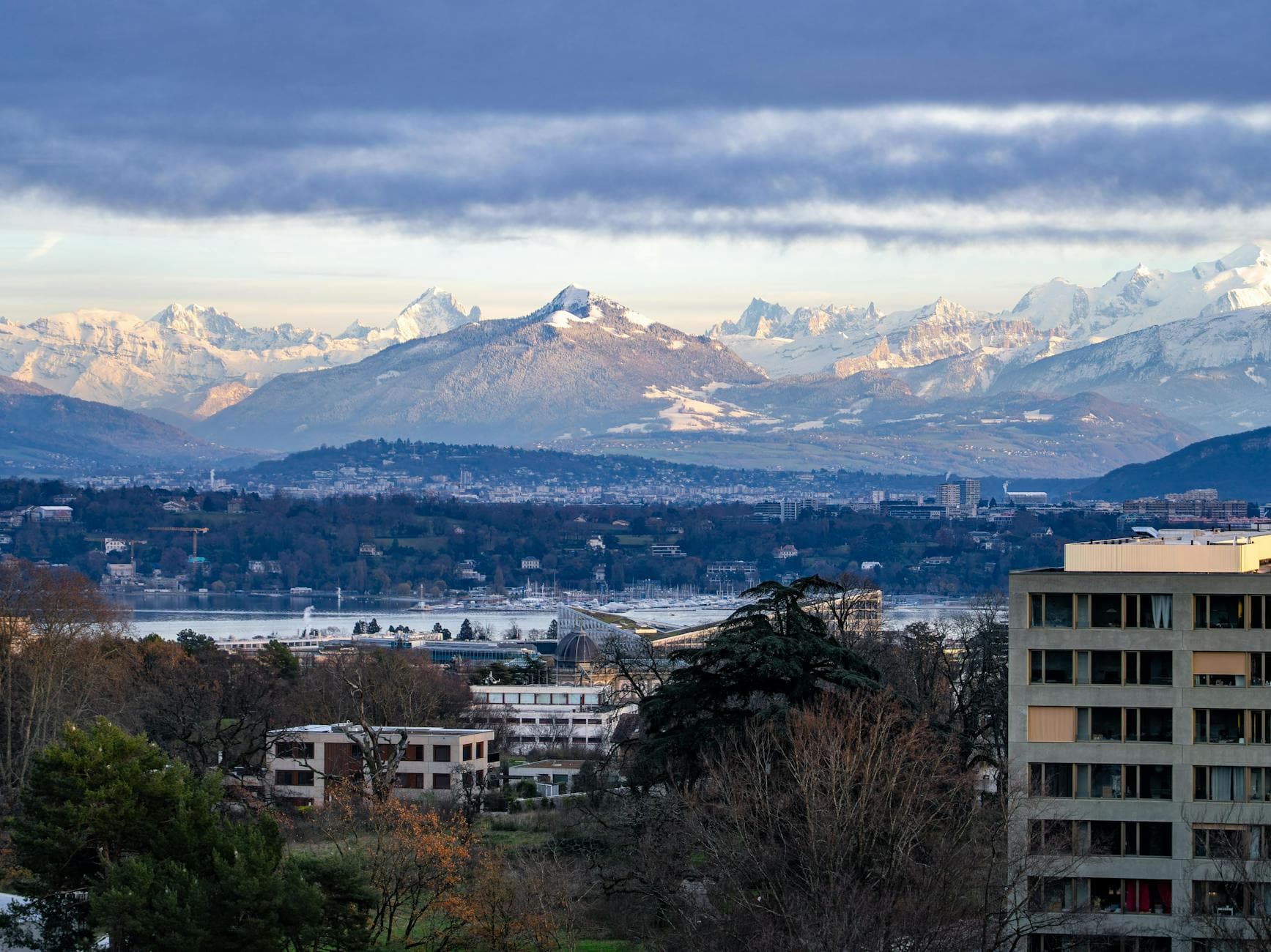
The diplomatic capital of the world - home to the UN, WHO, Red Cross, and 40+ international organisations in a stunning lakeside setting
CHF 7,000–11,000 /mo
International organisations, NGOs, finance, diplomats
Everything, in plain words
Visa rules, healthcare, schools, taxes - written like a friend would explain it, not like a brochure.
Visa & Residency
Switzerland has no dedicated digital nomad visa. Immigration is structured around formal residence permits tied to employment, self-employment, or financial independence. The system is highly decentralised across 26 cantons and strictly enforced. EU/EFTA nationals enjoy relative freedom of movement; non-EU citizens face a tightly quota-controlled work permit system that requires employer sponsorship and proof that no Swiss or EU candidate could fill the role.
Read 🏥Healthcare
Switzerland operates a mandatory private health insurance system known as LAMal (Loi sur l'assurance-maladie) in French or KVG (Krankenversicherungsgesetz) in German. Every resident must purchase basic health insurance within 3 months of arriving in Switzerland. The system delivers world-class medical care with short wait times, state-of-the-art facilities, and multilingual staff - but the premiums are substantial. The government subsidizes premiums for low-income residents, and a voluntary supplementary insurance (Zusatzversicherung) layer allows for private rooms, dental care, and alternative medicine.
Read 💰Cost of Living
Switzerland is one of the most expensive countries in the world but also one of the highest-paying. Zurich and Geneva consistently rank in the top three most expensive cities globally, yet Swiss salaries are commensurate - average gross income in Zurich exceeds CHF 80,000/year. The cantonal tax system is the most important financial variable for expats: total income tax ranges from ~20% in Schwyz or Zug to over 43% in Geneva, making your choice of canton potentially worth tens of thousands of CHF annually. Switzerland has no capital gains tax on private assets and no inheritance tax for direct heirs - a significant advantage for wealth holders.
Read 🏠Housing
Swiss housing markets - particularly in Zurich and Geneva - are among the most competitive and expensive in the world. Over 60% of Swiss people rent rather than own, and rental apartments are passed between tenants through personal networks as much as through official channels. Vacancy rates in Zurich hover below 0.5%, and in Geneva below 0.3%, making the search for a flat a serious undertaking that should begin 3–6 months before your intended arrival. Buying property is possible but heavily restricted for non-residents.
Read 💼Work & Business
Switzerland offers some of the world's highest salaries in finance, pharmaceuticals, technology, engineering, and international organisations. Zurich is Europe's top tech hub outside London, with Google, Microsoft, IBM, and hundreds of fintech and biotech companies. Geneva hosts the headquarters of major international organisations offering UN-scale salaries with diplomatic benefits. The labour market is highly skilled and competitive, with strong employment protection laws, typically 4–5 weeks paid holiday, and a working culture that values precision, reliability, and punctuality.
Read 🌆Daily Life
Daily life in Switzerland is characterized by extraordinary order, cleanliness, safety, and precision. Public services function impeccably. The outdoors - lakes, mountains, cycling paths, and forests - are central to the Swiss lifestyle year-round. Four national languages create a fascinating cultural mosaic. The main challenge for expats is the high cost of everyday living: groceries, restaurants, and childcare are significantly more expensive than elsewhere in Europe, requiring adjustment and planning.
Read ✈️Moving Guide
Moving to Switzerland involves a sequence of mandatory administrative steps, most of which must be completed within specific deadlines. The Swiss bureaucratic system is thorough, well-organized, and highly digitized in most cantons. Your most urgent tasks upon arrival are registering with the Einwohnerkontrolle (residents' registration office), enrolling in health insurance, and - if applicable - registering your vehicle. The employer typically manages the work permit process before your arrival.
Read 📚Education
Switzerland's education system is consistently ranked among the best in the world. ETH Zurich and EPFL (Lausanne) are global top-10 universities in science and technology. The public school system is free, multilingual, and high-quality, with instruction in the cantonal language. A well-developed international school ecosystem in both Zurich and Geneva caters to the large expat community. Switzerland's dual-track system - academic gymnasium plus the Berufslehre vocational pathway - is world-renowned for producing skilled graduates.
Read 🌅Lifestyle
Switzerland offers a lifestyle that combines urban sophistication with extraordinary access to nature. Zurich's lakeside cafe culture and world-class arts scene contrast with Geneva's cosmopolitan diplomatic milieu and easy access to the French Alps. Both cities offer exceptional safety, a clean environment, world-class restaurants, and a level of public infrastructure that becomes quickly addictive. The Swiss concept of work-life balance (Ausgeglichenheit) is genuine - evenings and weekends are protected, and the mountains are never far.
Read 📈Investing
Everything expats need to know about investing in Switzerland - from property and stocks to tax-efficient strategies, brokerage access, and building wealth abroad.
ReadTools to plan your move to Switzerland
Practical tools to turn an idea into a real plan - pick a season, time your visa, build a budget, even live a day before you go.
Best time to move to Switzerland
Season-by-season - weather, visa timing, rental markets, and expert tips
Zurich cost of living
Full monthly budget breakdown - rent, food, transport, utilities
Country match quiz
Eight quick questions, AI-matched country shortlist for your lifestyle
Visa finder
Search visa options by nationality, budget, and stay length
A day in Switzerland
Live a perfect day with AI - real cafés, costs, and routes
Relocation plan
Step-by-step AI moving timeline tailored to your situation
Switzerland vs the rest
See how Switzerland stacks up against other popular expat destinations.
Where Switzerland ranks
See where Switzerland sits in our independent expat rankings - cost, safety, healthcare, and more.
Cheapest Countries for Expats
Ranked list of the most affordable countries for expats in 2026. Monthly budget, cost of living, internet speed, and city guides for each destination.
Countries Under $1,500/Month Cost of Living
Complete list of countries where a single expat can live comfortably on under $1,500 per month. Budget breakdowns, internet speeds, and city guides included.
Countries Where $2,000/Month Is Enough
All countries where a single expat can live well on $2,000 per month or less. Ranked by cost of living with budget details, internet, and English proficiency.
Best Countries for Remote Workers
Top countries for remote workers ranked by internet speed, cost of living, and English proficiency. Find your ideal work-from-anywhere destination in 2026.
Countries With the Fastest Internet
Ranked list of countries with the fastest broadband internet speeds for expats. Average Mbps, cost of living, and city guides for each destination.
Best Countries for Retirement Abroad
Warm-climate countries where one person can live on $2,500/month, ranked safest first by Global Peace Index. Portugal leads, then Malaysia and the Maldives. 2026.
Honest answers
The questions everyone asks before they pack a single box.
How much does it cost to live in Switzerland as an expat?
What visa do I need to move to Switzerland?
What is healthcare like in Switzerland for expats?
What are the best cities to live in Switzerland as an expat?
Is Switzerland a good place to live as an expat in 2026?
Personal Relocation Assessment
Can you actually move to Switzerland?
This page is general. Your case is not. Our relocation expert researches your nationality, income and timeline against the law as it stands, names the instrument behind every figure, and tells you where you actually qualify.
Get my assessmentExpat Insights, weekly
Visa updates, cost-of-living shifts, and real expat stories from Switzerland - straight to your inbox.
Which country is right for you?
Answer 6 quick questions about your budget, lifestyle, and priorities. Our AI ranks 122 countries and builds a personalised relocation plan.
The Complete Switzerland Expat Guide
Everything on this site about Switzerland plus more, organized into one professionally designed PDF you can read offline, print, and keep. Updated for 2026 with figures checked against official sources.
- Visa & residency options, step by step
- Cost of living with real monthly budgets
- Neighborhood-by-neighborhood city guides
- Healthcare, banking, tax, and housing
- Moving checklist from decision to arrival
Free, with an account so you can find it again. We republish every month when figures move, and your link always serves the newest edition.
This guide is general, written for everyone moving to Switzerland. If you want your own case checked against the law as it stands, that is what the assessment is for.