Western Europe
Central & Eastern Europe
Asia & Middle East
Americas
Oceania & Africa
Expat Topics
🇭🇷 The expat guide · 2026
Croatia.
EU's Adriatic gem - digital nomad visa, Mediterranean lifestyle, and eurozone living at half the Western European price
Digital Nomad Visa
Up to 18 mo
Tax-free on foreign income
Monthly Budget
from €1,200
Single expat, Zagreb
DN Visa Income Req.
€3,622.50/mo
2.5× previous year's avg net Croatian salary (€1,449/mo); +10% of that average per family member; savings alternative €43,470 (12 mo) / €65,205 (18 mo)
Min Wage 2026
€1,050 gross
+8.25% from €970 (2025); govt to cover €80 difference for SMEs first 3 months; PM Plenković targets €1,600 net avg by 2026
Tourism Q1 2026
+9% arrivals
1.1M arrivals, 3M overnight stays; foreign tourism revenue €15.3B in 2025
Sunshine Hours
2,715/yr
Split & Dalmatian coast
Verified August 13, 2026
See 4 more figuresCan you actually move to Croatia?
We research your nationality, income and timeline against Croatia's current rules, and tell you whether you qualify and what it actually costs.
Why move to Croatia?
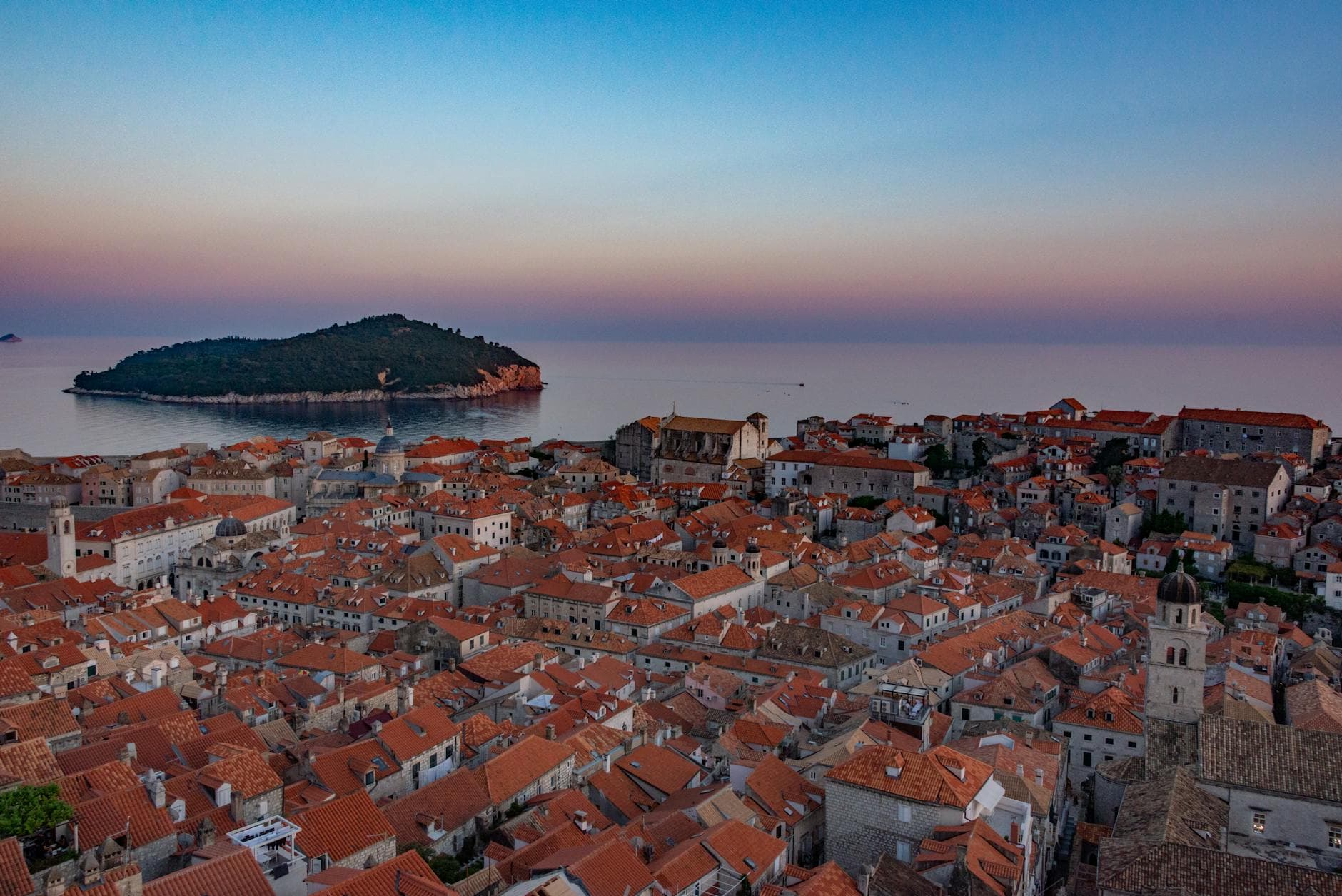
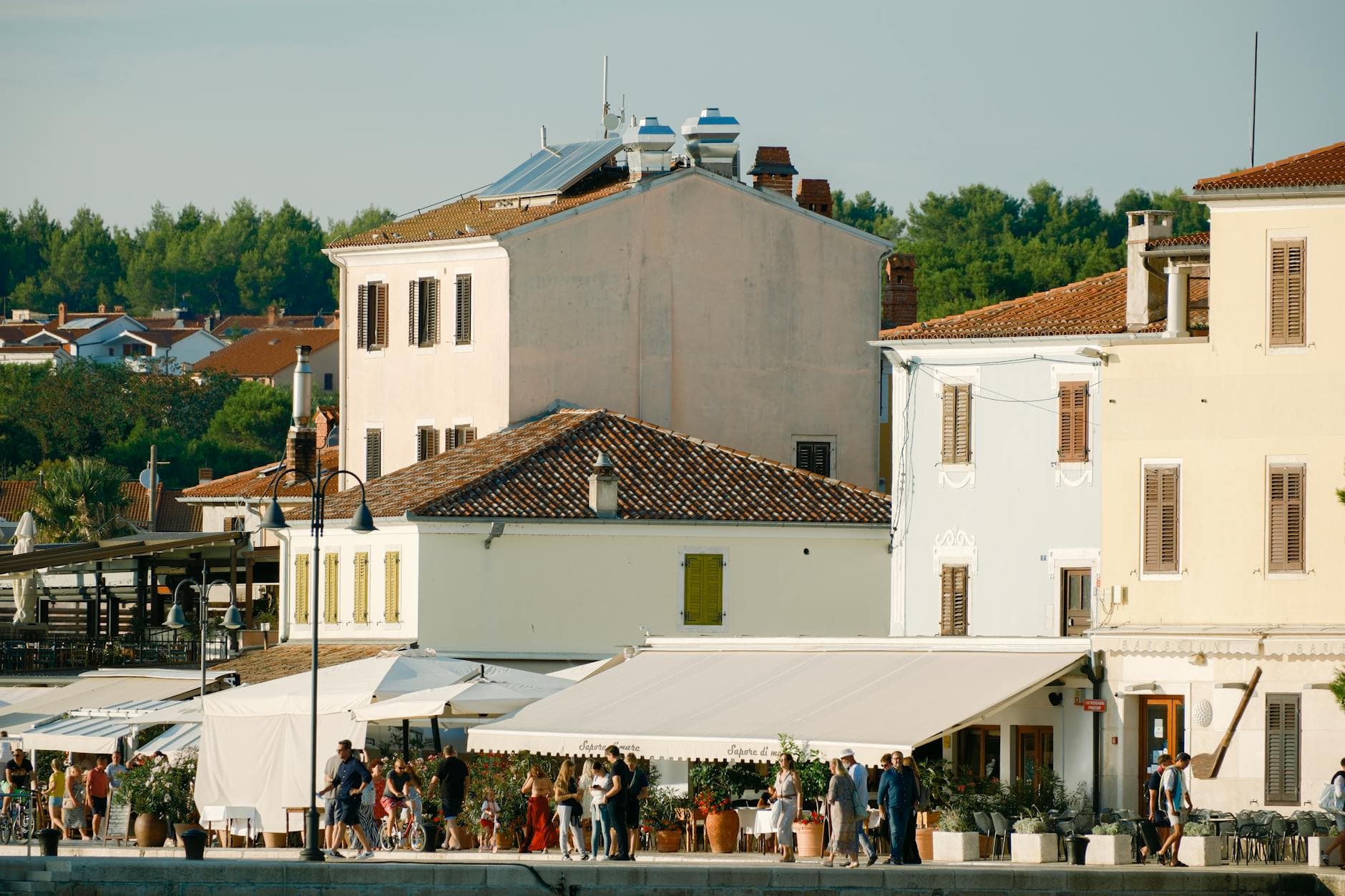
Croatia has transformed from a summer holiday destination into one of Europe's most compelling places to live. Since joining the eurozone in January 2023, the country offers the stability of the euro combined with a cost of living still 40-50% below Western Europe. The 2021 Digital Nomad Visa - one of Europe's first - grants up to 18 months of tax-free remote work residency. With 1,244 islands, 1,777 km of coastline, 2,715 hours of sunshine per year, EU membership, and a safety rating of Level 1 (lowest risk), Croatia delivers a Mediterranean lifestyle that rivals Italy or Spain at a fraction of the cost. Zagreb is a growing tech and startup hub; Split combines ancient Roman history with a booming nomad scene; and Dubrovnik offers one of the world's most photogenic coastal settings. English is widely spoken in cities and tourist areas, healthcare is affordable and competent, and the country's central European location makes it a gateway to both Western and Eastern Europe.
The rest of the Croatia numbers
The figures that did not fit in the summary above.
| Figure | Detail |
|---|---|
| Safety RatingLevel 1 | Lowest risk — FCDO & State Dept |
| Path to Citizenship8 years | 5 yr temp + 3 yr permanent |
| Tourism Ceiling22M / 110M nights | Plenković: sector has hit realistic capacity; 2026 focus shifts to pricing discipline, higher-value travel; total tourism revenue ~€15.5B |
| PIT Local Surtax15–33% effective | Base 20/30% plus municipal surtax (varies by locality) — DN visa holders exempt on foreign income even after 183 days |
The Croatia basics
10 essentials every expat should know - from the practical to the political.
Is Croatia actually your best option?
This page tells you what Croatia is like. It cannot tell you whether it beats the four other countries you should be looking at, because that answer changes with your passport. Income thresholds, tax treaties and citizenship timelines are all nationality specific, and the general rule is often not the rule that applies to you.
A Personal Relocation Assessment answers it for your case. You tell us your nationality, income, household and timeline, and we our expert researches it against the law as it stands: which countries you actually qualify for, the route, the current threshold with the instrument it comes from, and what is most likely to go wrong in a position like yours.
Food culture
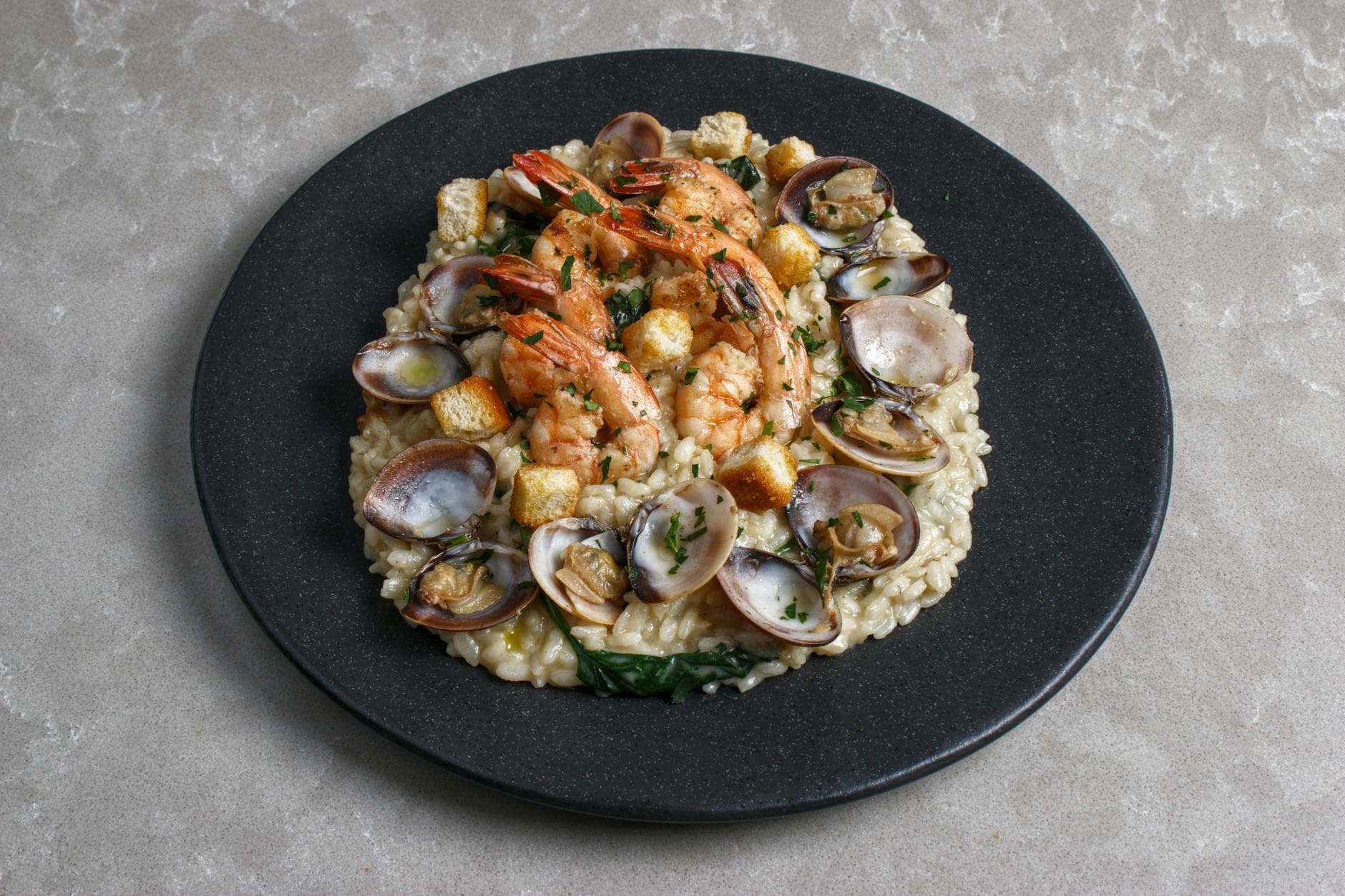
Black risotto, peka, Dalmatian seafood, Plavac Mali - Croatia's coastal cuisine
Explore
Festivals & traditions
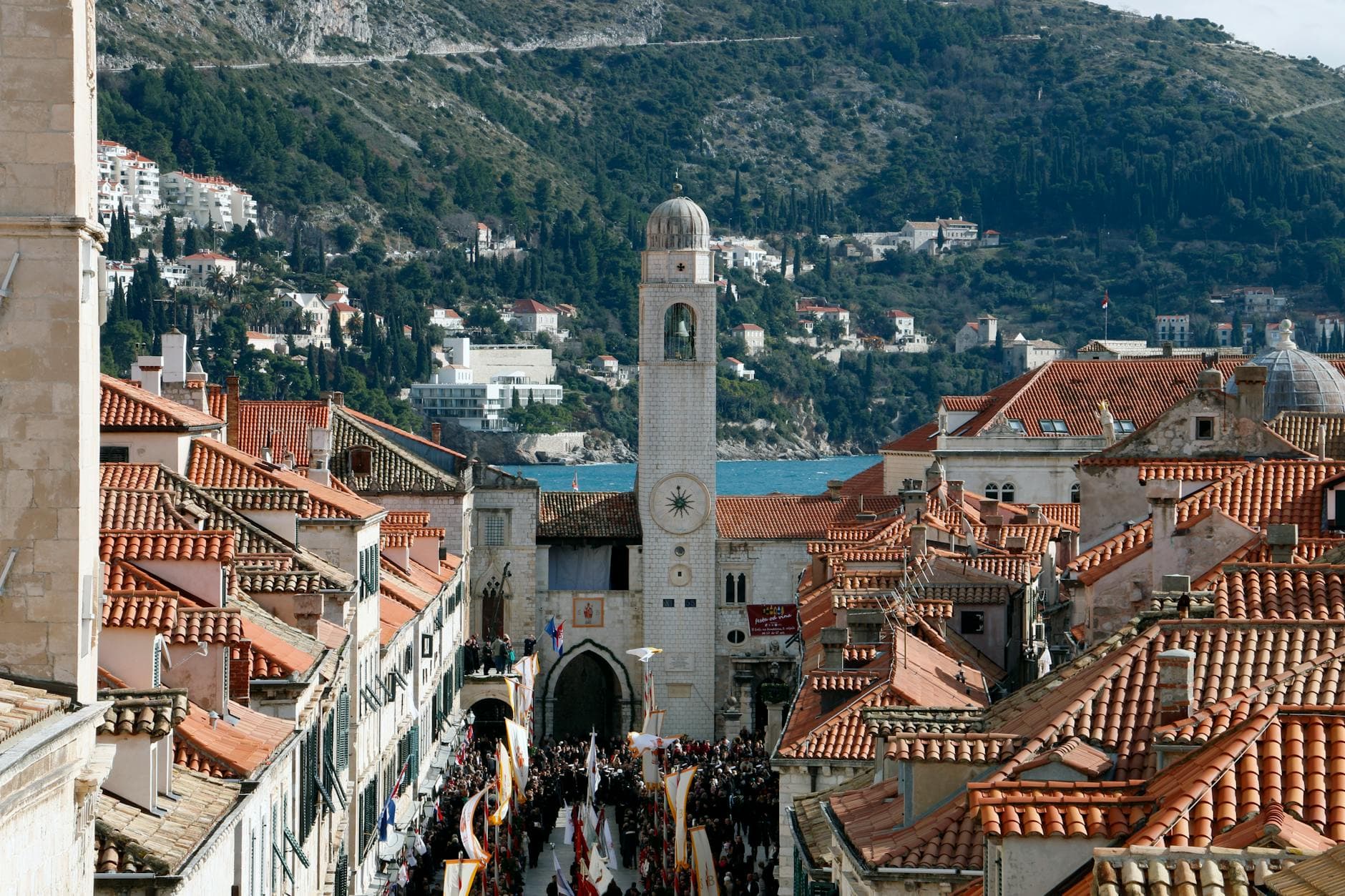
Klapa singing, Game of Thrones filming sites, walled cities - Croatian culture lives on the coast
Explore
Coast & nature
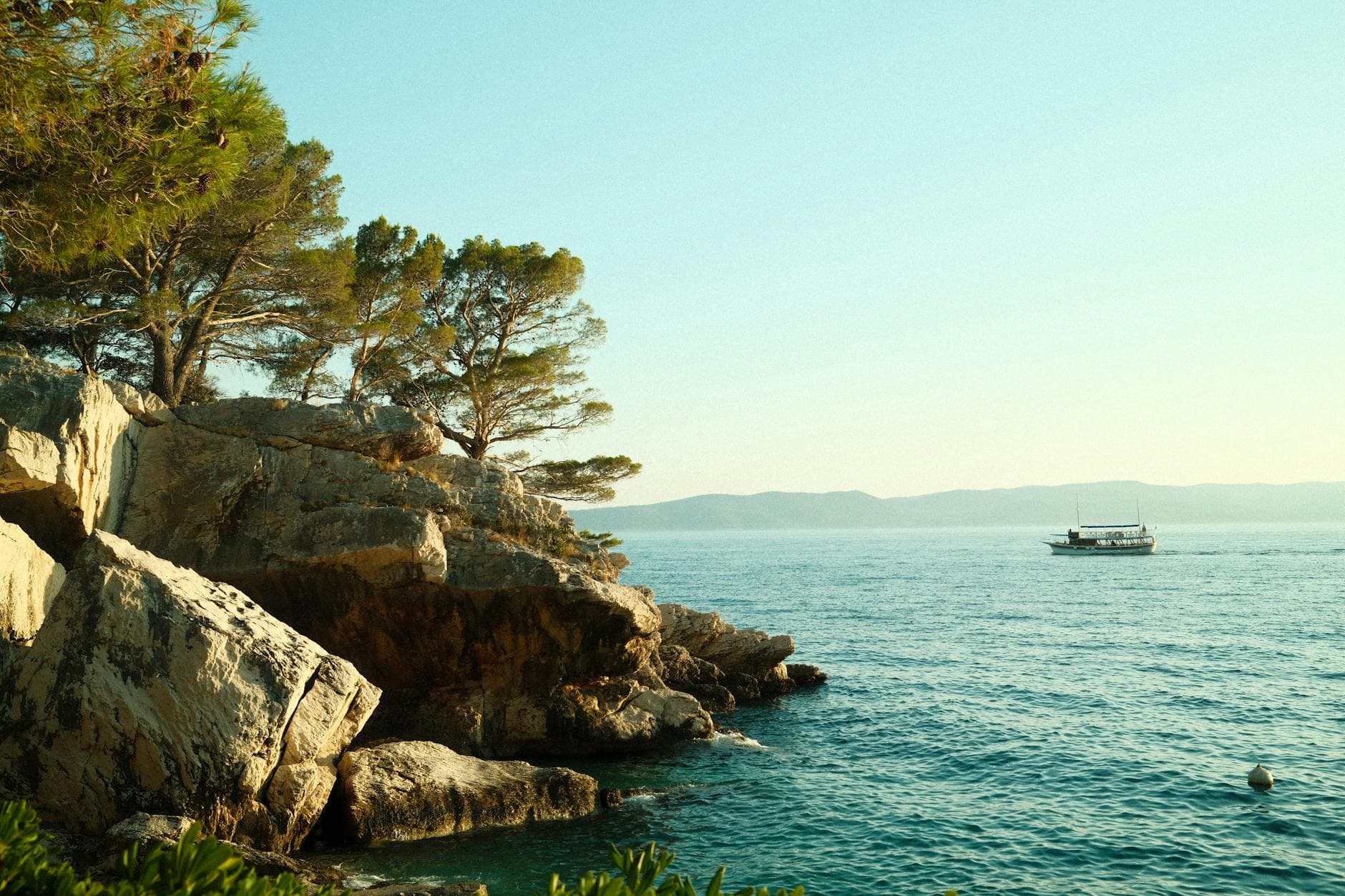
1,200 islands, Hvar, Brač, Adriatic turquoise - Croatia's mainland-to-island coast
Explore

Heritage & landmarks
Diocletian's Palace, Dubrovnik walls, Plitvice Lakes - Croatia's UNESCO icons
Explore
9 reasons people stay longer than they planned
The pull of Croatia isn't one big thing - it's a stack of small ones, each compounding the others.
Digital Nomad Visa — Tax-Free Remote Work
Croatia's Digital Nomad Visa grants 12–18 months of legal residency for remote workers earning €3,622.50+/month from foreign clients. The key benefit: you pay zero Croatian income tax on foreign-sourced earnings. The visa is renewable and doesn't require a local employer or company registration. It's one of Europe's most attractive nomad permits.
1,244 Islands & 1,777 km of Coastline
The Adriatic coast rivals anything in Italy or Greece — crystal-clear turquoise water, dramatic cliffs, medieval walled towns, and over a thousand islands. From Dubrovnik's Old Town to Hvar's lavender fields to Vis's hidden beaches, Croatia's coastline is one of Europe's greatest natural assets.
40–50% Cheaper Than Western Europe
A comfortable expat life in Zagreb costs €1,200–€1,800/month. Split runs €1,400–€2,000. Groceries are roughly 35% cheaper than Germany or France. A restaurant meal with wine costs €15–25. You get Mediterranean quality at Central European prices — now with the convenience of paying in euros.
EU + Eurozone + Schengen
Croatia joined the EU in 2013, adopted the euro in January 2023, and entered the Schengen Area the same month. This triple membership means no currency exchange hassle, free movement across 27 EU countries, and access to EU healthcare, banking, and consumer protections. For expats, it's the full European package.
2,715 Hours of Sunshine Per Year
The Dalmatian coast gets more sunshine than most of Southern France or coastal Spain. Split averages 2,715 sunshine hours annually. Even Zagreb, further inland, enjoys warm summers (25–30°C) and a pleasant spring/autumn. Winter on the coast is mild — rarely below 8°C.
Affordable, Competent Healthcare
Croatia's public healthcare system (HZZO) covers residents at low cost. Supplementary insurance (dopunsko) is cheap and eliminates copayments. Private clinics in Zagreb and Split offer excellent care at prices far below Western Europe — a GP visit costs €30–60, a specialist €50–100. Dental tourism is a major industry.
One of Europe's Safest Countries
Croatia consistently receives Level 1 safety ratings from the US State Department and UK FCDO — the lowest risk category. Violent crime is rare. Police are professional and often English-speaking in tourist areas. Solo travelers, families, and women consistently rate Croatia as one of Europe's safest destinations.
Exceptional Food, Wine & Culture
Istrian truffles, Dalmatian seafood, Slavonian kulen sausage, Pag cheese — Croatian cuisine is a hidden gem. The wine regions (Istria, Peljesac, Hvar) produce world-class wines that are just beginning to get international recognition. Add 10 UNESCO World Heritage Sites, Game of Thrones filming locations, and a café culture that rivals Vienna.
Central European Gateway
Zagreb is 90 minutes by air from Vienna, Munich, Milan, and Rome. Budget carriers (Ryanair, Wizz Air, easyJet) connect Croatia to 100+ European destinations. The new Peljesac Bridge links Dubrovnik to the rest of Croatia by road. From Croatia, all of Europe is a short, cheap flight away.
4 cities, 4 different lives
Pick the rhythm that fits - capital buzz, beach mornings, or a slow-living escape.

Zagreb
Croatia's underrated capital — affordable, cultured, and emerging as a Central European tech hub
€1,200–€1,800 /mo
Digital nomads, tech workers, couples, budget expats
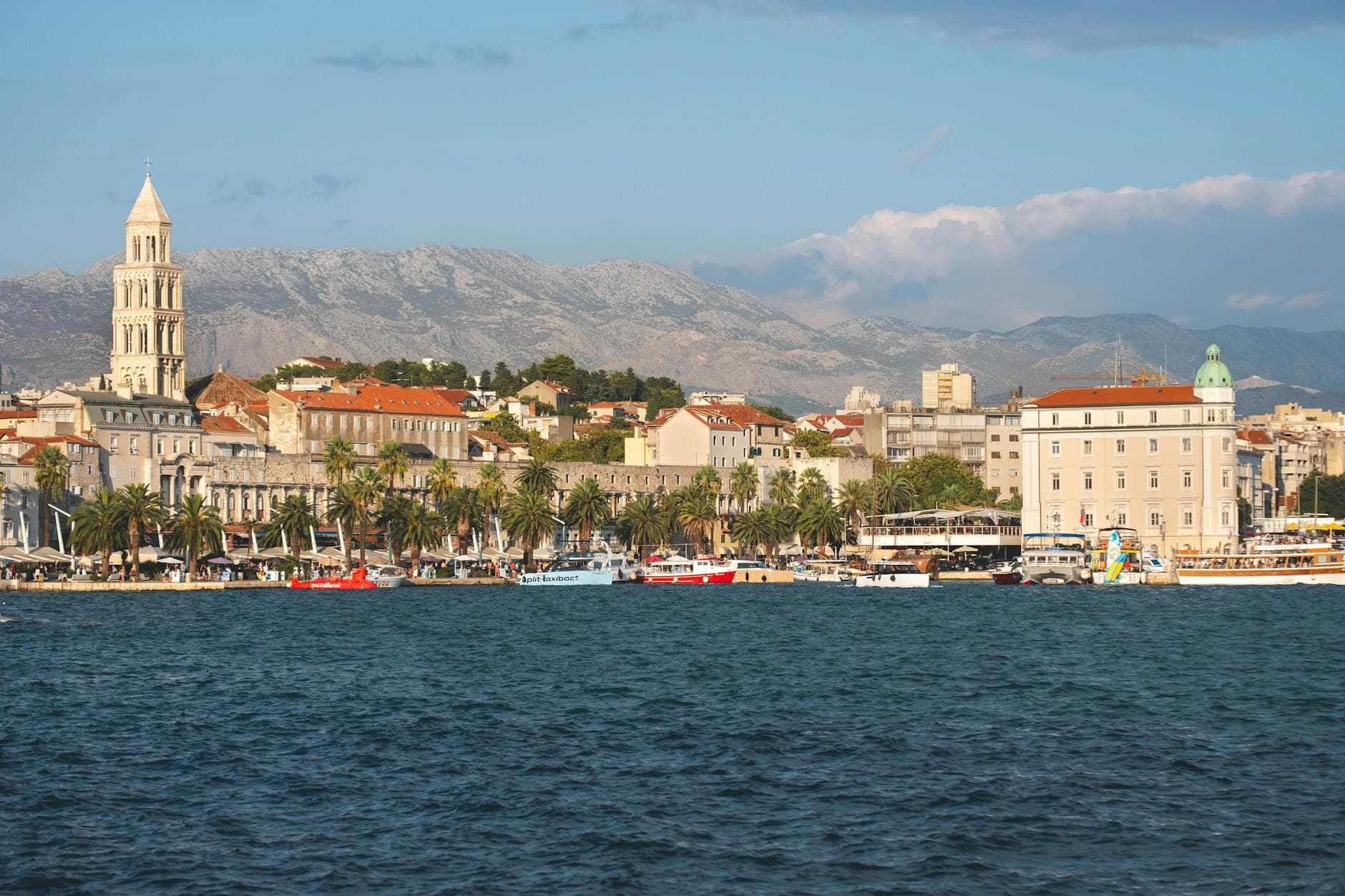
Split
Ancient Roman palace meets Mediterranean beach life — Croatia's coastal nomad hub
€1,400–€2,000 /mo
Nomads, beach lovers, couples, retirees
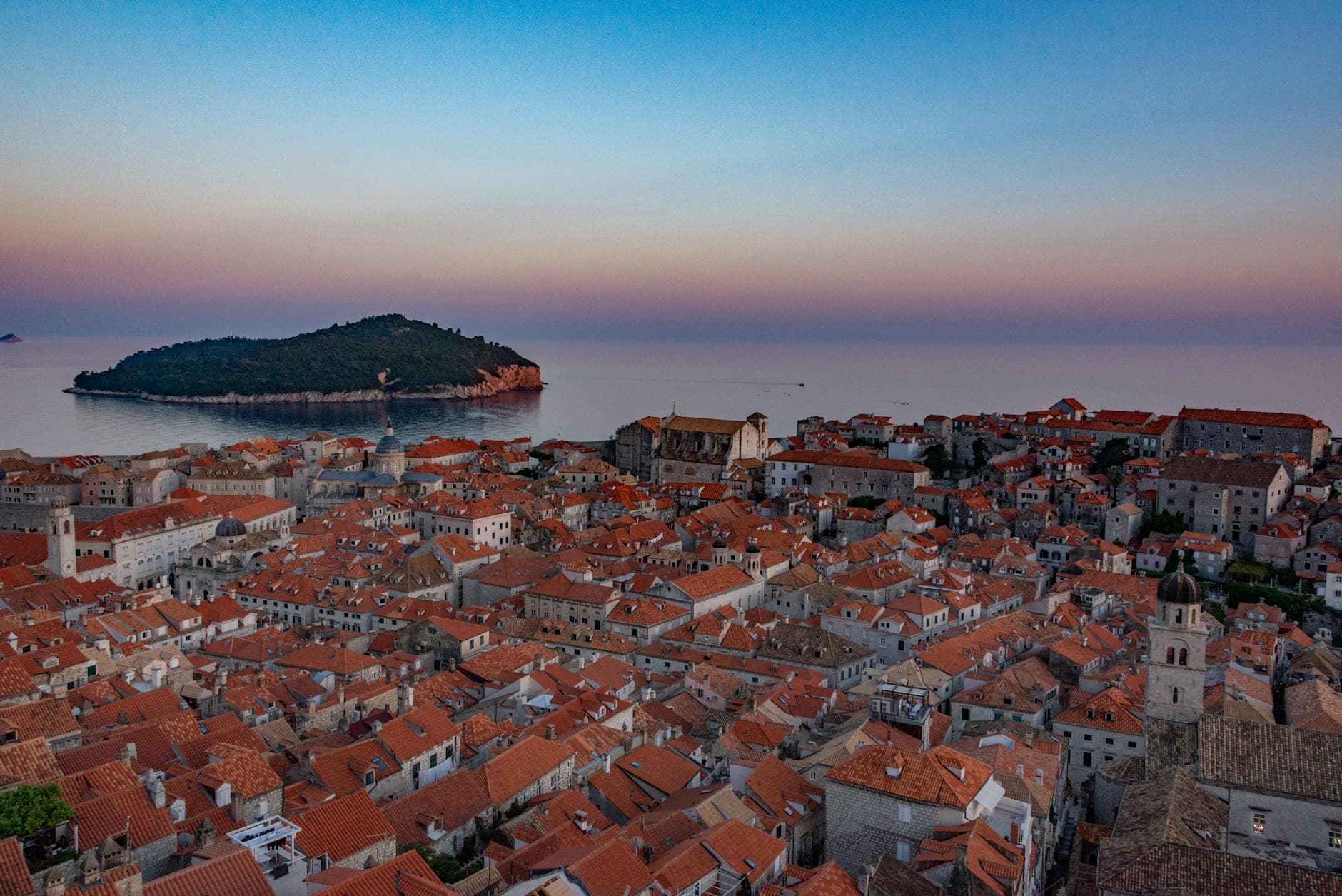
Dubrovnik
The Pearl of the Adriatic — UNESCO walls, turquoise waters, and one of the world's most photogenic cities
€1,600–€2,500 /mo
Retirees, writers, remote workers, luxury seekers
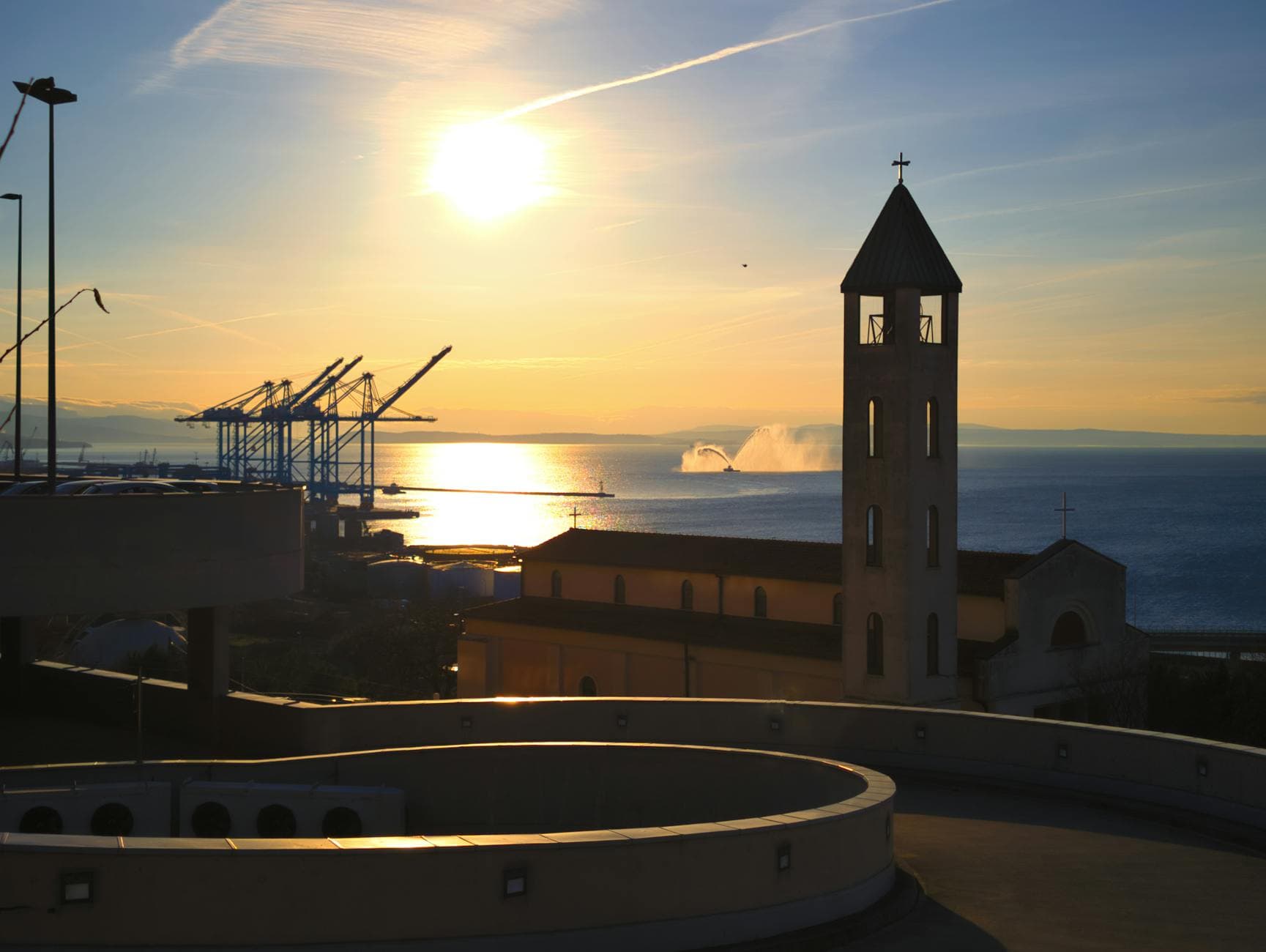
Rijeka
Croatia's hidden gem - Adriatic port city, emerging nomad hub, and 40% cheaper than Split or Dubrovnik
€1,200–€1,800 /mo
Digital nomads, budget expats, culture seekers
Everything, in plain words
Visa rules, healthcare, schools, taxes - written like a friend would explain it, not like a brochure.
Visa & Residency
Croatia offers one of Europe's most attractive digital nomad visas — up to 18 months of tax-free residency for remote workers. EU/EEA citizens can live and work freely. Non-EU nationals have multiple pathways: the Digital Nomad Visa, work permits, EU Blue Card for skilled workers, and a path to permanent residency after 5 years and citizenship after 8.
Read 🏥Healthcare
Croatia's healthcare system combines mandatory public insurance (HZZO) with affordable supplementary plans and growing private clinics. EU citizens can use their EHIC card. Expats with residency access the public system through employer contributions or voluntary enrollment. Private health insurance is affordable and eliminates copayments. Croatia is also a major dental tourism destination.
Read 💰Cost of Living
Croatia adopted the euro in January 2023. Cost of living 40-50% below Western Europe but rising fast since eurozone entry (+25% property prices). A comfortable budget: €1,200–€2,000/month. Tax reform 2024: municipal surtax (prirez) abolished - rates now set by municipalities within 15-23% / 25-33% bands; 13 local self-government units changed rates for 2026. Capital gains/dividends: 12% flat (raised from 10% in 2024). DN Visa holders pay 0% Croatian tax on foreign income. Min wage 2026: €1,050/mo (+8.2% from €970). NEW 2026 incentive: 5-year 100% income tax exemption for Croatian emigrants returning after 2+ years abroad. B2B e-invoicing mandatory from Jan 2026.
Read 🏠Housing
Croatia's rental market is split between year-round residential lettings and the dominant summer Airbnb/tourist rental industry. In coastal cities (Split, Dubrovnik), many landlords convert to short-term tourist rentals from June–September, making year-round leases harder to find but cheaper off-season. Zagreb has a more stable, year-round market. Property prices have risen ~25% in two years, driven by EU/Schengen entry, eurozone adoption, and strong tourism demand.
Read 💼Work & Business
Croatia's economy is growing, driven by tourism, IT, and EU funding. The tech scene in Zagreb is booming — Infobip, Rimac Automobili, Nanobit, and Photomath are Croatian unicorns. Remote workers benefit from the tax-free Digital Nomad Visa. For local employment, salaries are lower than Western Europe but rising fast. The startup ecosystem is supported by government grants and EU structural funds.
Read 🌆Daily Life
Daily life in Croatia moves at a relaxed Mediterranean pace on the coast and a lively Central European rhythm in Zagreb. Café culture is sacred — Croatians spend hours on terraces. The food scene blends Italian, Hungarian, and Balkan influences into something unique. Public transport works well in cities. English is widely spoken, especially among younger generations and in tourist areas.
Read ✈️Moving Guide
Moving to Croatia is straightforward for EU citizens (automatic right of residence) and increasingly accessible for non-EU nationals through the Digital Nomad Visa or work permits. The key steps involve securing your visa/permit, obtaining an OIB (personal ID number), finding accommodation, and registering with local authorities. The biggest practical challenge is the seasonal rental market on the coast.
Read 📚Education
Croatia's education system is free for residents and improving steadily with EU investment. International schools in Zagreb and Split offer IB, British, American, and German curricula. The University of Zagreb is the country's top institution. For expat families, the main choice is between international schools (English-medium, €5,000–€15,000/year) and the Croatian public system (free, Croatian-medium).
Read 🌅Lifestyle
Croatia offers an enviable lifestyle that blends Mediterranean beach culture, Central European sophistication, and Balkan warmth. The Adriatic coast provides world-class sailing, diving, and island-hopping. Zagreb delivers the cultural depth of a European capital. The country has 10 UNESCO World Heritage Sites, a wine culture rivaling Tuscany, and a festival calendar that runs from spring to autumn. All of this at prices that still feel like a bargain.
Read 📈Investing
Everything expats need to know about investing in Croatia - from property and stocks to tax-efficient strategies, brokerage access, and building wealth abroad.
ReadTools to plan your move to Croatia
Practical tools to turn an idea into a real plan - pick a season, time your visa, build a budget, even live a day before you go.
Best time to move to Croatia
Season-by-season - weather, visa timing, rental markets, and expert tips
Zagreb cost of living
Full monthly budget breakdown - rent, food, transport, utilities
Country match quiz
Eight quick questions, AI-matched country shortlist for your lifestyle
Visa finder
Search visa options by nationality, budget, and stay length
A day in Croatia
Live a perfect day with AI - real cafés, costs, and routes
Relocation plan
Step-by-step AI moving timeline tailored to your situation
Croatia vs the rest
See how Croatia stacks up against other popular expat destinations.
Croatia vs Portugal
Cost · Visa · Lifestyle
Croatia vs Portugal
Cost · Visa · Lifestyle
Croatia vs Montenegro
Cost · Visa · Lifestyle
Croatia vs Spain
Cost · Visa · Lifestyle
Croatia vs Greece
Cost · Visa · Lifestyle
Croatia vs Slovenia
Cost · Visa · Lifestyle
Where Croatia ranks
See where Croatia sits in our independent expat rankings - cost, safety, healthcare, and more.
Cheapest Countries for Expats
Ranked list of the most affordable countries for expats in 2026. Monthly budget, cost of living, internet speed, and city guides for each destination.
Countries Under $1,500/Month Cost of Living
Complete list of countries where a single expat can live comfortably on under $1,500 per month. Budget breakdowns, internet speeds, and city guides included.
Countries Where $2,000/Month Is Enough
All countries where a single expat can live well on $2,000 per month or less. Ranked by cost of living with budget details, internet, and English proficiency.
Best Countries for Remote Workers
Top countries for remote workers ranked by internet speed, cost of living, and English proficiency. Find your ideal work-from-anywhere destination in 2026.
Countries With the Fastest Internet
Ranked list of countries with the fastest broadband internet speeds for expats. Average Mbps, cost of living, and city guides for each destination.
Best Countries for Retirement Abroad
Warm-climate countries where one person can live on $2,500/month, ranked safest first by Global Peace Index. Portugal leads, then Malaysia and the Maldives. 2026.
Honest answers
The questions everyone asks before they pack a single box.
How much does it cost to live in Croatia as an expat?
What visa do I need to move to Croatia?
What is healthcare like in Croatia for expats?
What are the best cities to live in Croatia as an expat?
Is Croatia a good place to live as an expat in 2026?
Personal Relocation Assessment
Can you actually move to Croatia?
This page is general. Your case is not. Our relocation expert researches your nationality, income and timeline against the law as it stands, names the instrument behind every figure, and tells you where you actually qualify.
Get my assessmentExpat Insights, weekly
Visa updates, cost-of-living shifts, and real expat stories from Croatia - straight to your inbox.
Which country is right for you?
Answer 6 quick questions about your budget, lifestyle, and priorities. Our AI ranks 122 countries and builds a personalised relocation plan.
The Complete Croatia Expat Guide
Everything on this site about Croatia plus more, organized into one professionally designed PDF you can read offline, print, and keep. Updated for 2026 with figures checked against official sources.
- Visa & residency options, step by step
- Cost of living with real monthly budgets
- Neighborhood-by-neighborhood city guides
- Healthcare, banking, tax, and housing
- Moving checklist from decision to arrival
Free, with an account so you can find it again. We republish every month when figures move, and your link always serves the newest edition.
This guide is general, written for everyone moving to Croatia. If you want your own case checked against the law as it stands, that is what the assessment is for.