Western Europe
Central & Eastern Europe
Asia & Middle East
Americas
Oceania & Africa
Expat Topics
🏛️ Living in Croatia · 2026
Zagreb.
Croatia's underrated capital — affordable, cultured, and emerging as a Central European tech hub
Best For
Digital nomads, tech workers, couples, budget expats
Monthly Budget
€1,200–€1,800
Population
810,000
Verified August 13, 2026
Can you actually move to Zagreb?
We research your nationality, income and timeline against the law as it stands, and tell you whether Zagreb works and what it takes.
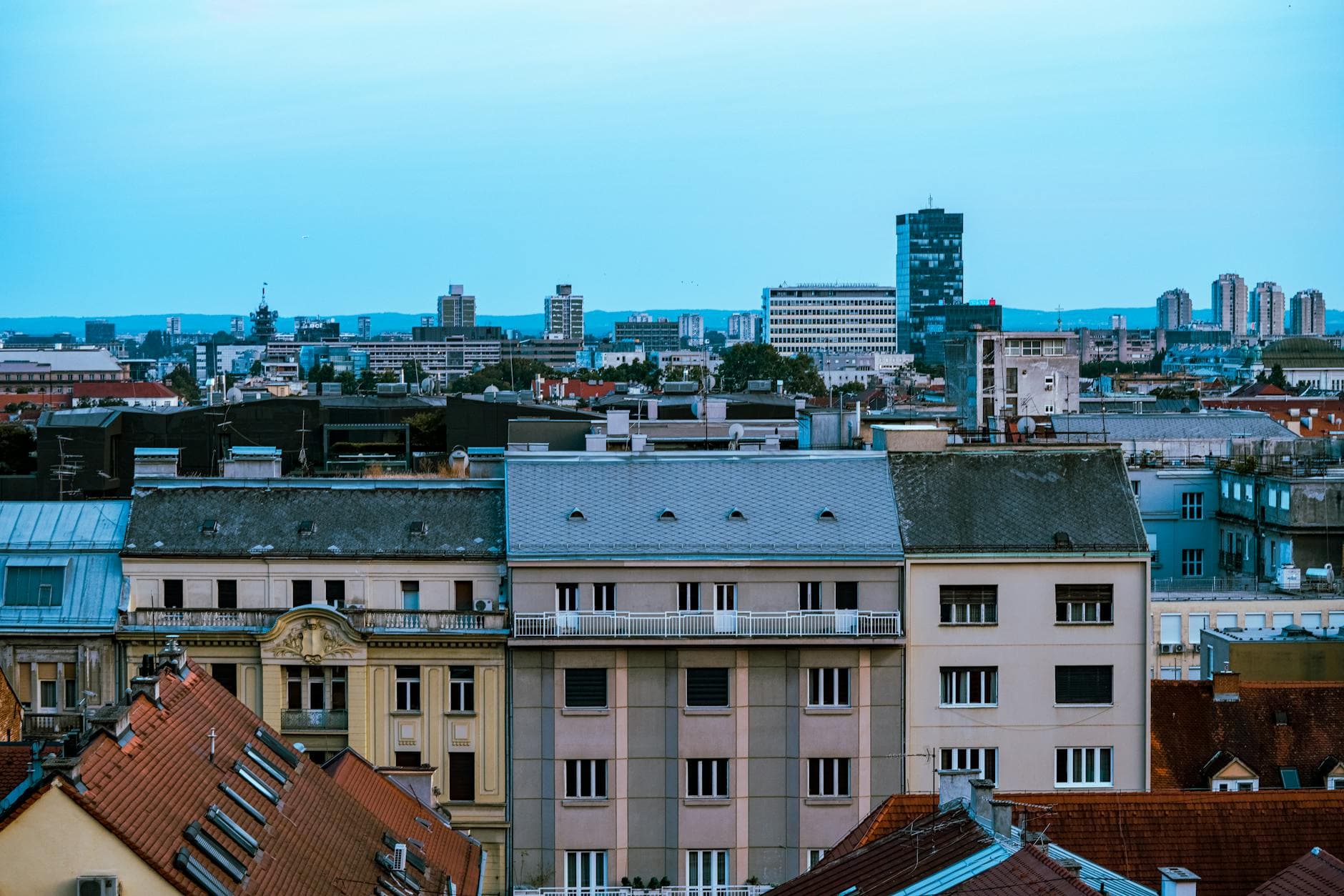
The Zagreb you’ll actually live in
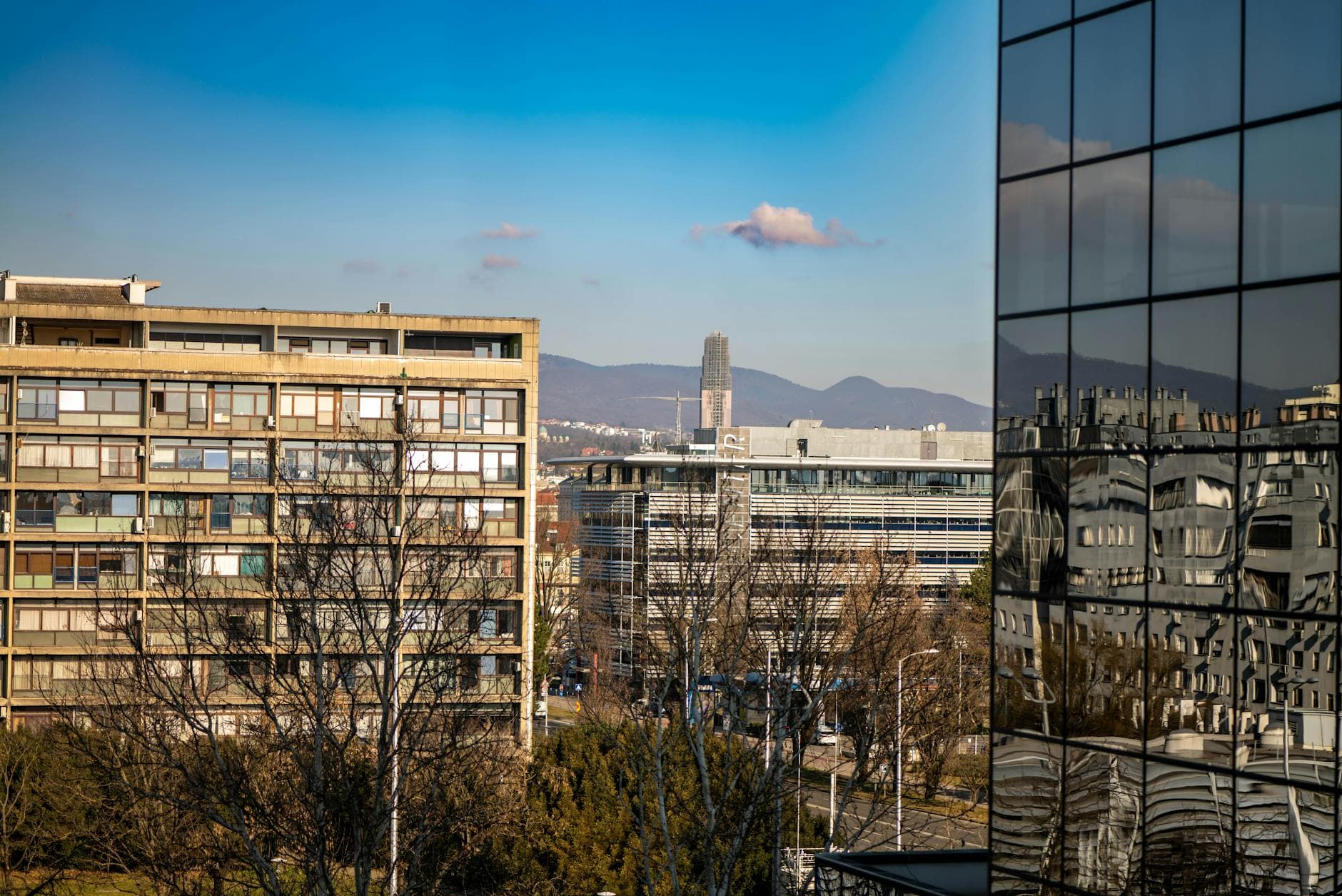
Zagreb is the kind of European capital that still feels like a secret. With under a million people, it has the infrastructure and culture of a much larger city — world-class museums, a thriving café scene, excellent public transport, and a growing tech startup ecosystem — without the crowds or prices. Digital nomads are discovering Zagreb for its affordability (comfortable life from €1,200/month), fast fiber internet, excellent coworking spaces, and a location that puts Vienna, Budapest, and the Adriatic coast all within 2–3 hours. The Upper Town (Gornji Grad) is postcard-perfect; the Lower Town (Donji Grad) is the beating heart of daily life; and neighborhoods like Jarun and Maksimir offer green, spacious living at remarkably low rents.
The Zagreb basics
The full picture - 7 key numbers covering budget, internet, English level, beach access, and airport reach.
Best For
Digital nomads, tech workers, couples, budget expats
Monthly Budget
€1,200–€1,800
1-BR Center Rent
€600–€1,000/mo
Internet Speed
~76–100 Mbps (fiber available)
English Level
Good — especially among younger residents
Airport
ZAG — Franjo Tuđman, 100+ routes
Beach Access
Adriatic coast ~2.5 hrs by car
Is Zagreb actually your best option?
This page tells you what Zagreb is like. It cannot tell you whether it beats the four other countries you should be looking at, because that answer changes with your passport. Income thresholds, tax treaties and citizenship timelines are all nationality specific, and the general rule is often not the rule that applies to you.
A Personal Relocation Assessment answers it for your case. You tell us your nationality, income, household and timeline, and we our expert researches it against the law as it stands: which countries you actually qualify for, the route, the current threshold with the instrument it comes from, and what is most likely to go wrong in a position like yours.
Food culture
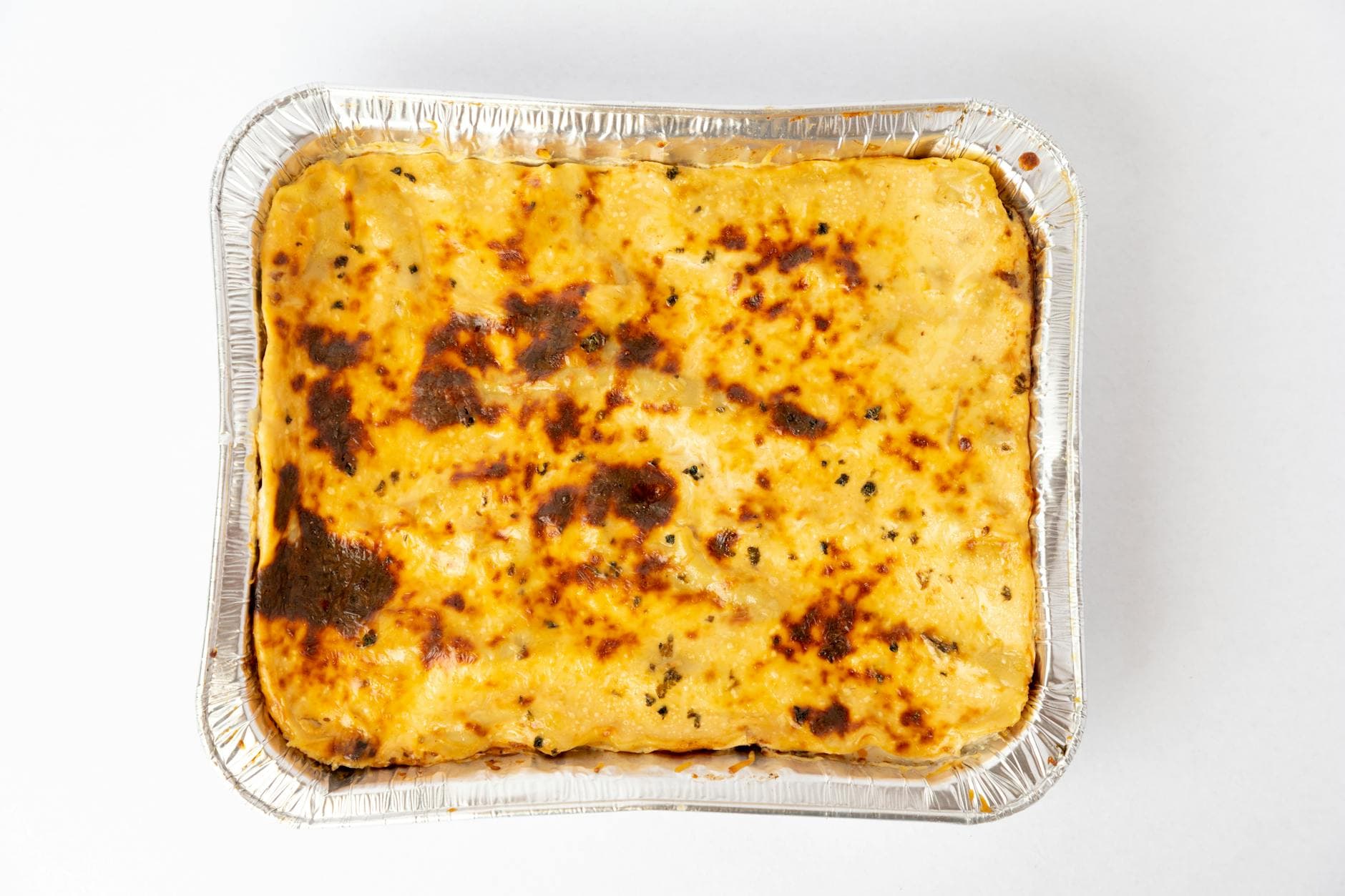
Štrukli, sarma, fresh Adriatic fish - Donji Grad's restaurants and konobas
Explore
Green spaces
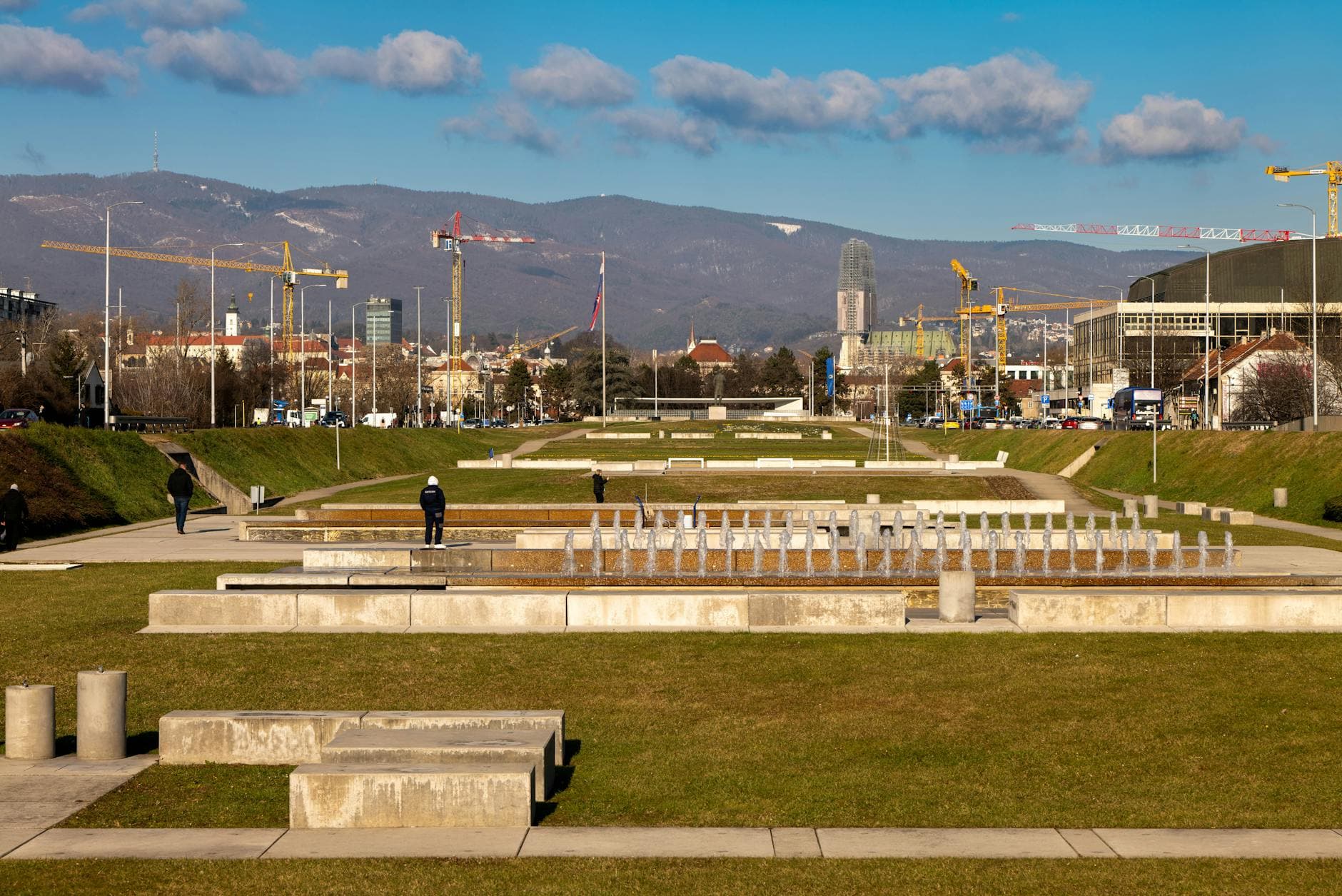
Maksimir Park - Zagreb's 18th-century English-style park with the city zoo
Explore
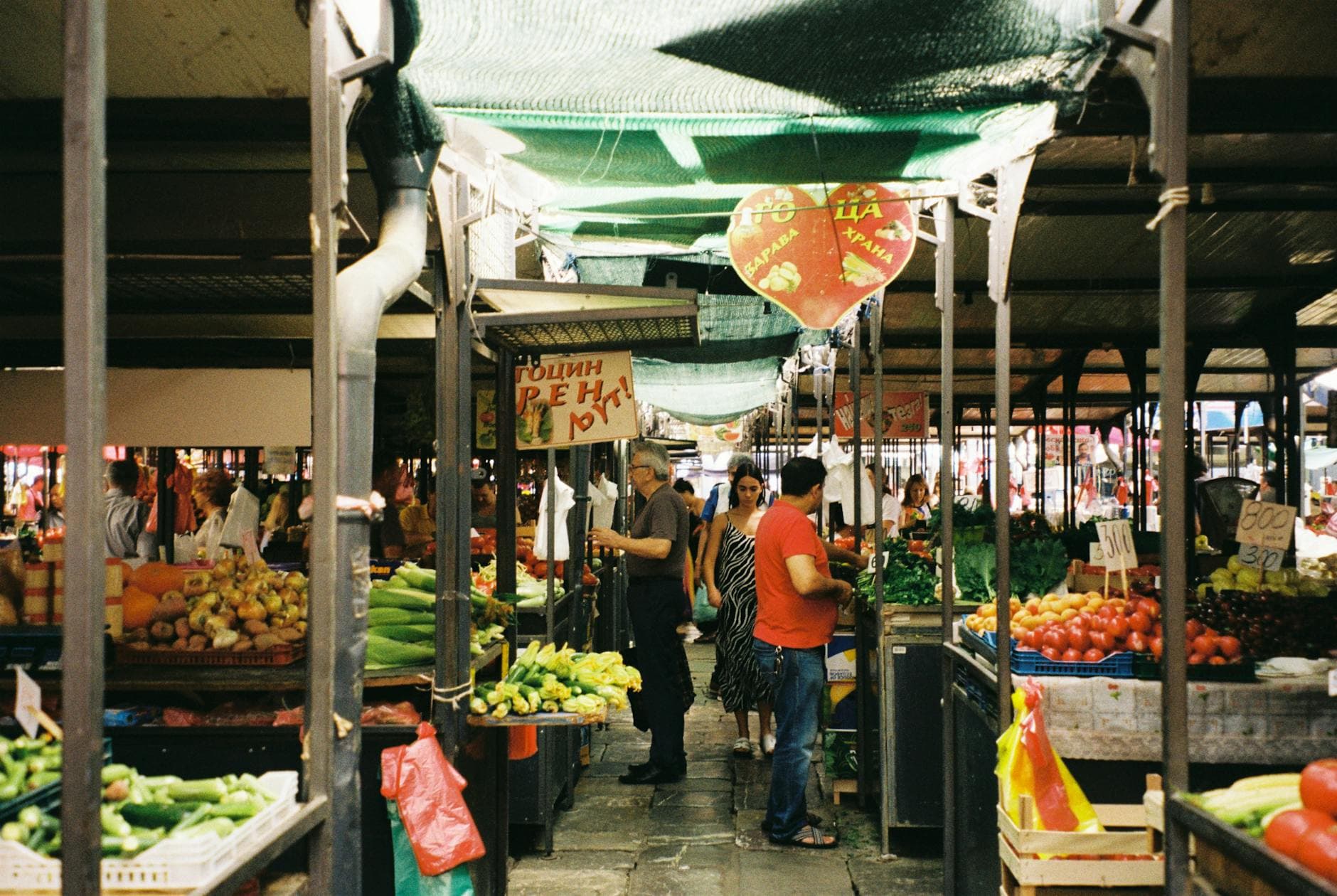
Markets
Dolac Market - Zagreb's iconic open-air farmers market just off Ban Jelačić Square
Explore
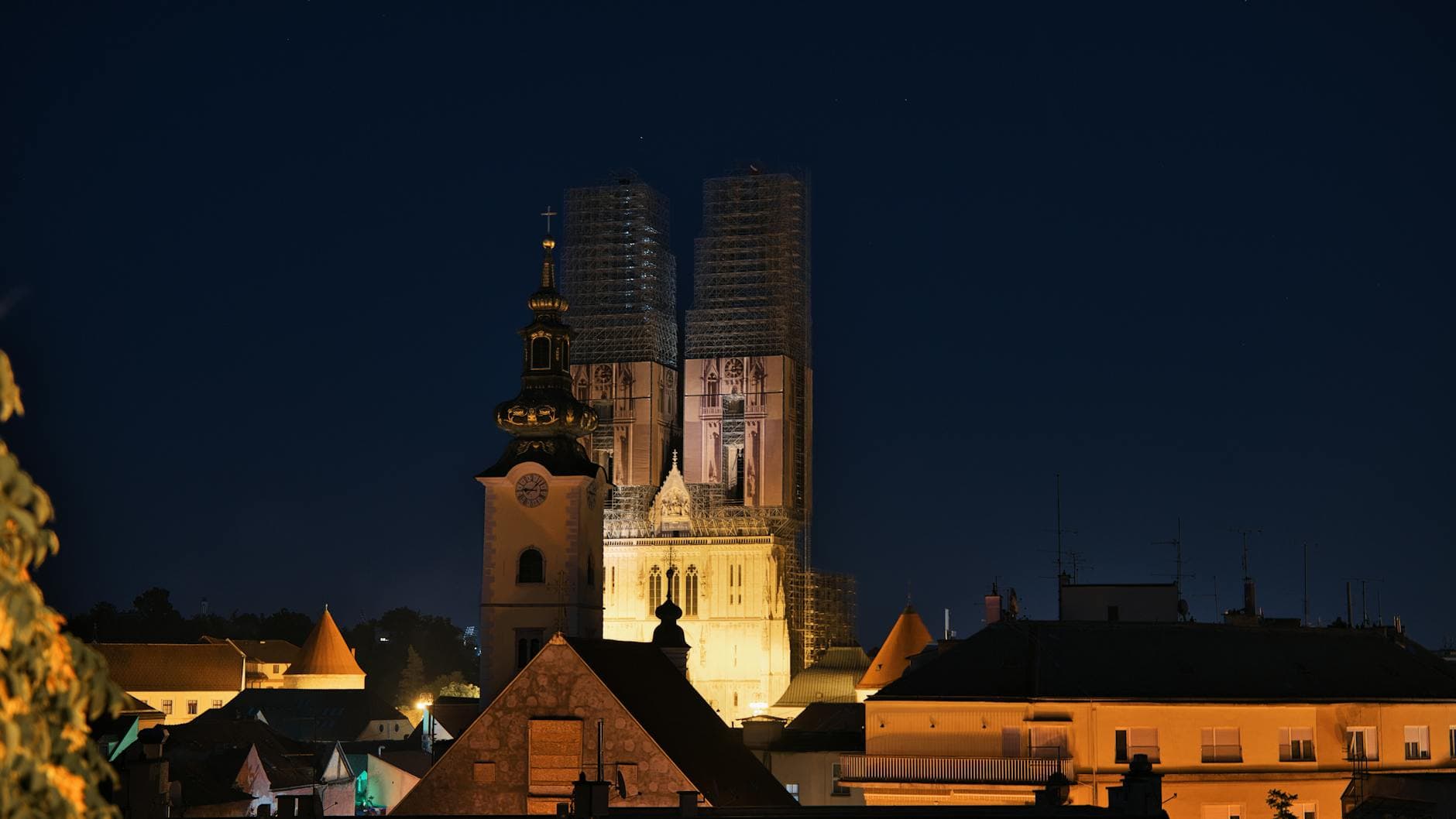
Nightlife
Tkalčićeva Street + Donji Grad - Zagreb's main café and late-night strip
Explore
What a month actually costs
No padding, no underestimates. Real expat numbers - central neighborhood, comfortable lifestyle, eating out a few times a week.
All-in monthly
€1,200–€1,800
Single expat, comfortable lifestyle, central area.
Rent (1-BR, city center)
€600–€1,000
Full breakdown
Rent (1-BR, city center)
€600–€1,000
Rent (1-BR, Jarun/Maksimir)
€400–€650
Groceries
€250–€350
Transport (ZET monthly pass)
€40
Utilities (electricity, heating, water, internet)
€150–€220
Private health insurance
€50–€100
Dining out (2–3×/week)
€120–€180
Entertainment & misc.
€80–€150
Total (comfortable, central Zagreb)
€1,200–€1,800
Where to actually live
6 neighborhoods, 6 different versions of Zagreb.
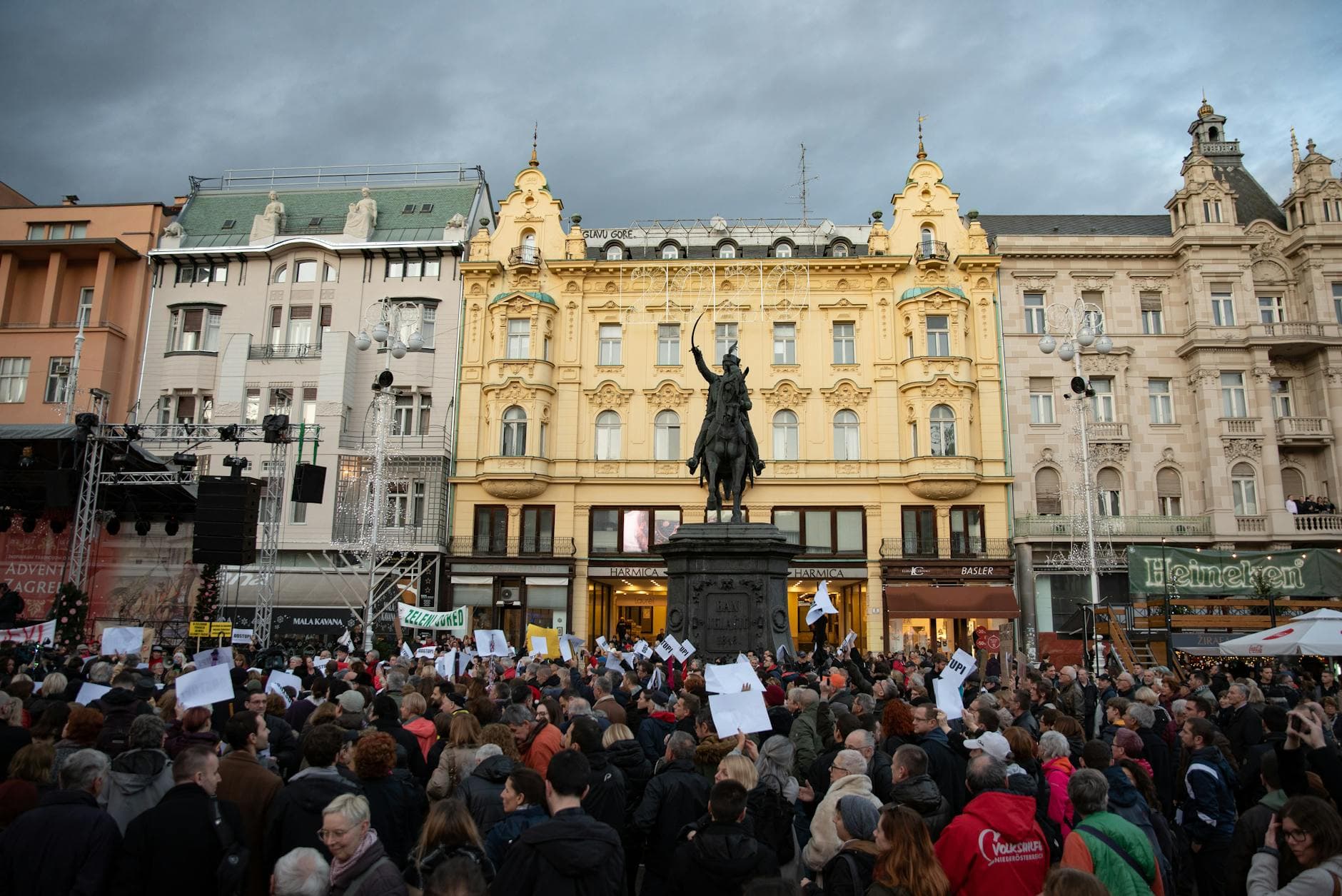
Donji Grad (Lower Town)
The city center — grand Austro-Hungarian architecture, Ban Jelačić Square, museums, theatres, and the best café terraces. Zagreb's cultural and social heart.
Best for: Expats who want walkable city living with everything at their doorstep.
Rent €700–€1,100/month for 1-BR
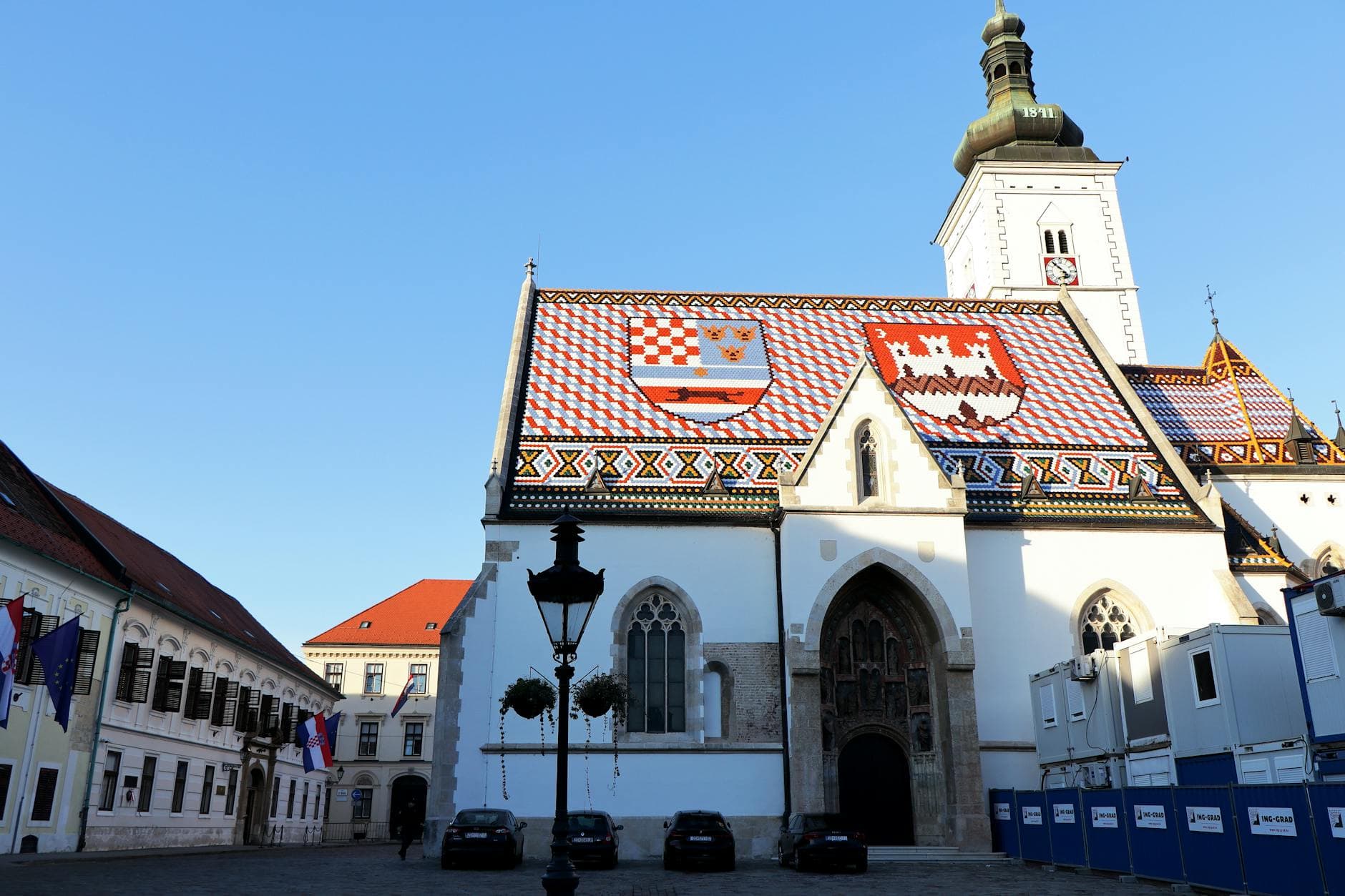
Gornji Grad (Upper Town)
Medieval cobblestone streets, St. Mark's Church, the Lotrščak Tower. Quiet, charming, and photogenic — Zagreb's oldest quarter.
Best for: History lovers and couples seeking atmosphere over nightlife.
Rent €650–€1,000/month for 1-BR
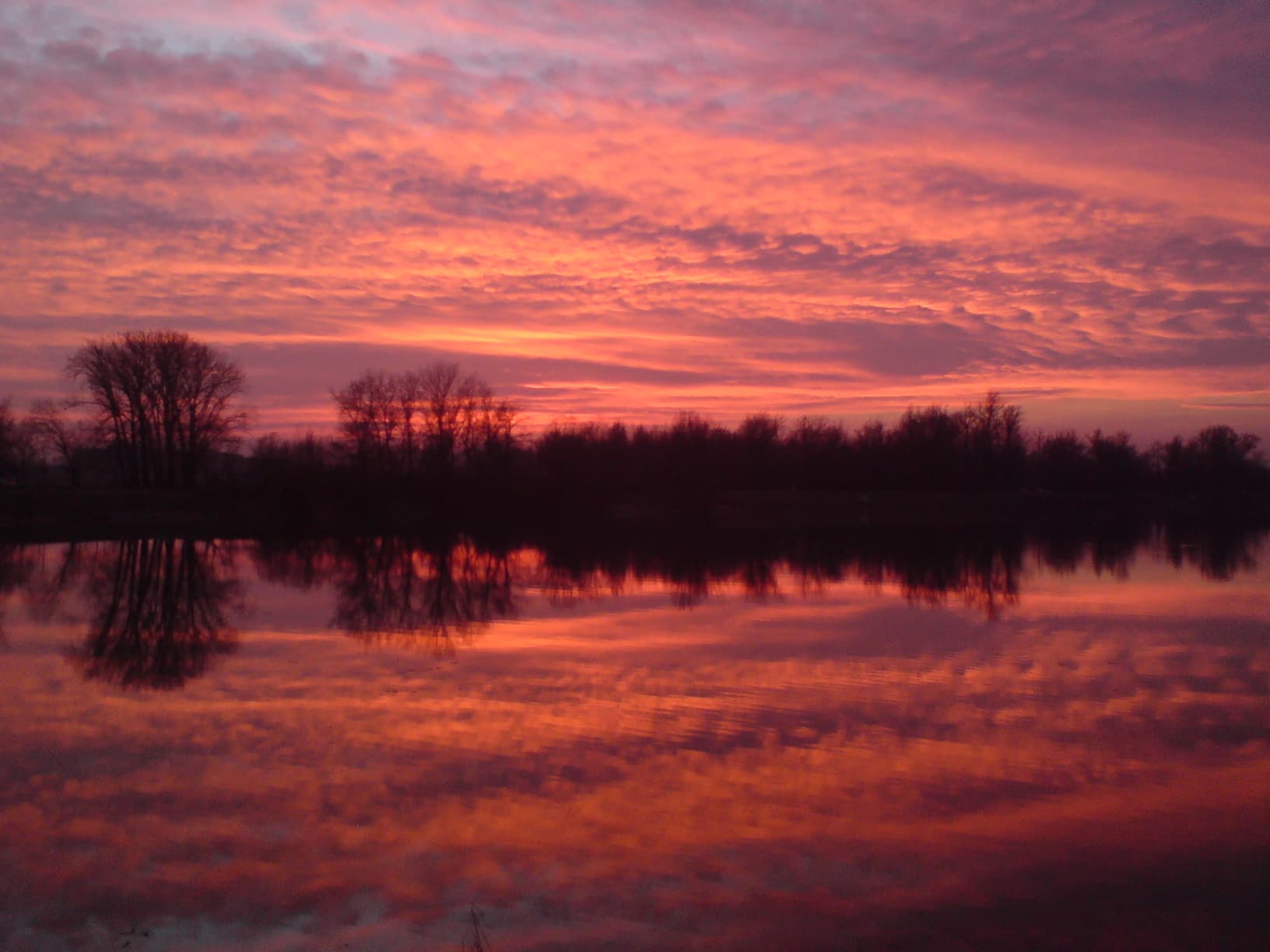
Jarun
Lake district — two artificial lakes, jogging paths, beach bars in summer, rowing clubs. Younger, more relaxed vibe with excellent outdoor lifestyle.
Best for: Active expats, runners, cyclists, and young professionals wanting green space and affordable rent.
Rent €450–€700/month for 1-BR

Maksimir
Named after Zagreb's largest park (316 hectares). Residential, family-friendly, close to the football stadium and zoo. Leafy streets, quiet mornings.
Best for: Families and nature lovers who want space, parks, and reasonable rents.
Rent €450–€700/month for 1-BR
Trnje / Novi Zagreb
Modern residential area south of the Sava River. Soviet-era apartment blocks alongside new developments. Excellent tram connections, very affordable.
Best for: Budget-conscious expats and students who prioritize low rent and good transport links.
Rent €350–€550/month for 1-BR

Trešnjevka
Zagreb's most diverse and lively neighborhood. A huge daily market (Trešnjevka Market), multicultural restaurants, street art, and a young creative scene.
Best for: Creatives, foodies, and budget nomads who want authentic local Zagreb life.
Rent €400–€650/month for 1-BR
The truth about Zagreb
The bits the brochures skip - what expats love, and what tests their patience.
What you’ll love
- 01One of Europe's most affordable capitals — comfortable life from €1,200/month
- 02Growing digital nomad community with dedicated city support (digitalnomads.infozagreb.hr)
- 03Excellent tram network — €40/month unlimited; reaches most neighborhoods
- 0490 minutes by air to Vienna, Munich, Milan — perfect Central European base
- 05Rich café culture — outdoor terraces year-round, coffee is a social ritual
- 06Very safe — walkable at all hours, low crime rate across all neighborhoods
What might bug you
- 01No beach — Adriatic coast is 2.5–3 hours away by car
- 02Winters are cold and grey (Nov–Mar: 0–5°C, frequent fog)
- 03Bureaucracy can be slow — government offices often require Croatian language
- 04Internet speeds lag behind top European cities (76–100 Mbps vs 200+ elsewhere)
- 05Nightlife is modest compared to Berlin, Barcelona, or Prague
- 06Fewer international direct flights than major European hubs
Where to plug in
Hand-picked coworking spaces - premium business addresses, community hubs, and budget-friendly options.
HUB385
Zagreb's most established coworking — modern space, community events, fast WiFi, meeting rooms
Impact Hub Zagreb
Global Impact Hub network — social enterprise focus, great community, central location
Beehive
Affordable, reliable — popular with freelancers and remote workers
ZICER Tech Park
Part of Zagreb Innovation Centre — ideal for tech startups and developers
How Zagreb moves
Metro, buses, walkability - what works, what to avoid, and how much you'll actually spend.
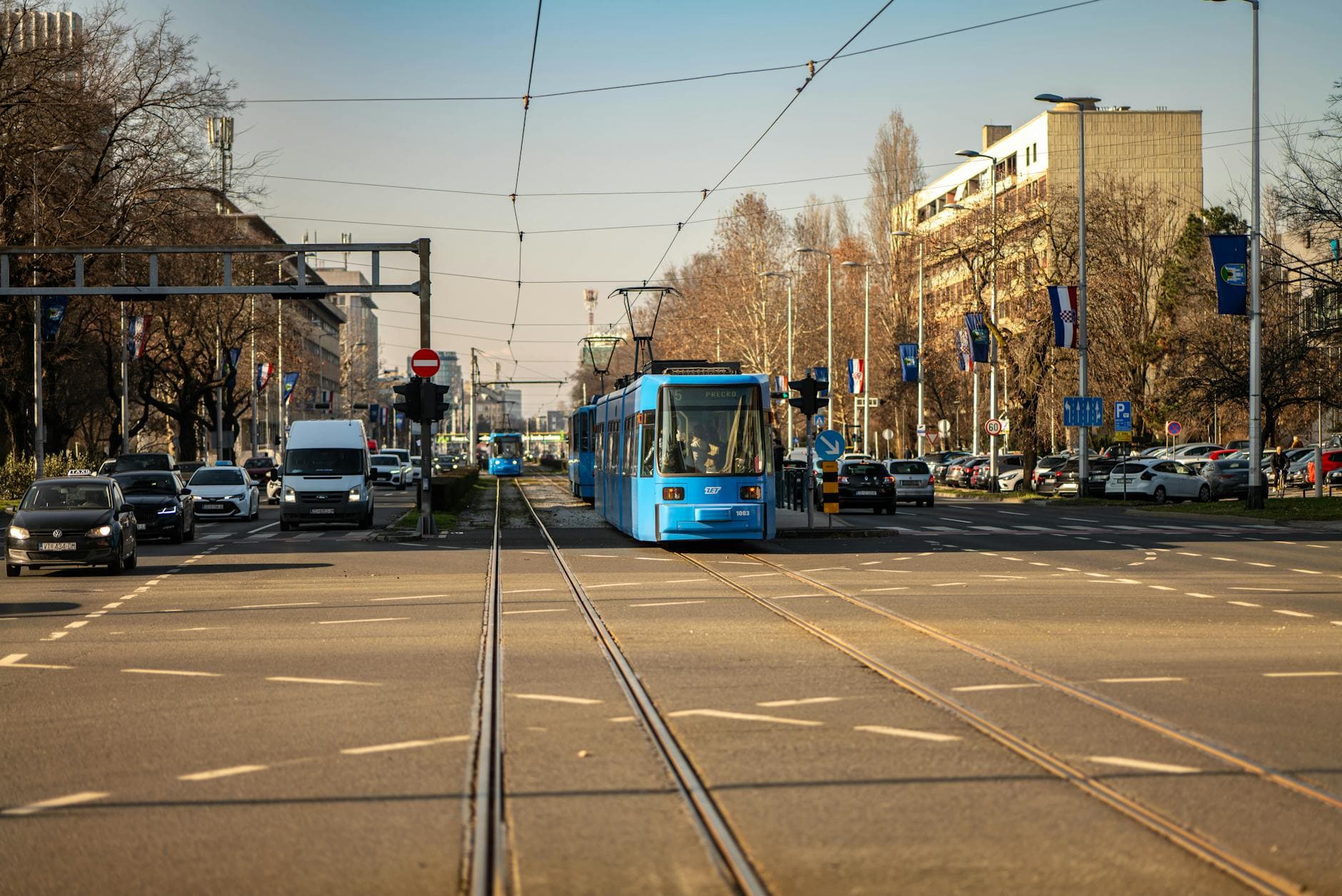
- 01
Tram (ZET): 15 lines covering the city — €40/month unlimited pass; runs 4am–midnight
- 02
Bus (ZET): supplements tram network, reaching outer neighborhoods and suburbs
- 03
Cycling: growing network of bike lanes; NextBike public bike-share €25/year
- 04
Walking: city center is very compact and walkable — most errands on foot
- 05
Uber/Bolt: widely available, affordable — cross-city trip €5–8
- 06
Car: not needed in the city; useful for weekend Adriatic coast trips
Key takeaways
If you only remember five things about Zagreb, make it these.
Budget
€1,200–€1,800/mo · rent from €600–€1,000
Where to live
Donji Grad (Lower Town), Gornji Grad (Upper Town), Jarun
Top advantage
One of Europe's most affordable capitals — comfortable life from €1,200/month
Watch out
No beach — Adriatic coast is 2.5–3 hours away by car
Remote work
4+ coworking spaces, from €180/mo
More on Croatia
Drill into the country-level guides - visa rules, healthcare, schools, taxes, and more.
Tools to plan your move to Zagreb
Practical tools to turn an idea into a real plan - pick a season, time your visa, build a budget, even live a day before you go.
Zagreb cost of living
Full monthly budget breakdown - rent, food, transport, utilities
Best time to move to Croatia
Season-by-season - weather, visa timing, rental markets
Country match quiz
Eight quick questions, AI-matched country shortlist
Visa finder
Search visa options by nationality, budget, and stay length
A day in Zagreb
Live a perfect day with AI - real cafés, costs, and routes
Relocation plan
Step-by-step AI moving timeline tailored to you
Zagreb vs other cities
See how Zagreb stacks up against other popular expat cities - cost, lifestyle, neighborhoods.
City rankings
See where Zagreb sits in our independent expat city rankings.
Cheapest Cities for Digital Nomads
Ranked list of the most affordable cities for digital nomads in 2026. Budget, internet speed, English level, and coworking info for each city.
Cities With the Fastest Internet
Ranked list of cities with the fastest broadband internet for remote workers and digital nomads. Speed, cost of living, and English level for each city.
Best Cities for English Speakers
Cities where English is widely spoken - ranked by cost of living. Perfect for expats who want to settle abroad without a language barrier.
Most Affordable Cities in Europe
Cheapest European cities for expats ranked by monthly cost of living. Budget breakdowns, internet speeds, and English levels for each city.
Best Cities in Southeast Asia for Expats
Top cities in Southeast Asia for expats and digital nomads. Ranked by budget with internet speed, English level, and lifestyle highlights.
Best Cities in Latin America for Expats
Top Latin American cities for expats and digital nomads. Ranked by budget with internet speed, English level, and lifestyle highlights.
Also in Croatia
3 other cities worth a look - each with its own rhythm, costs, and character.
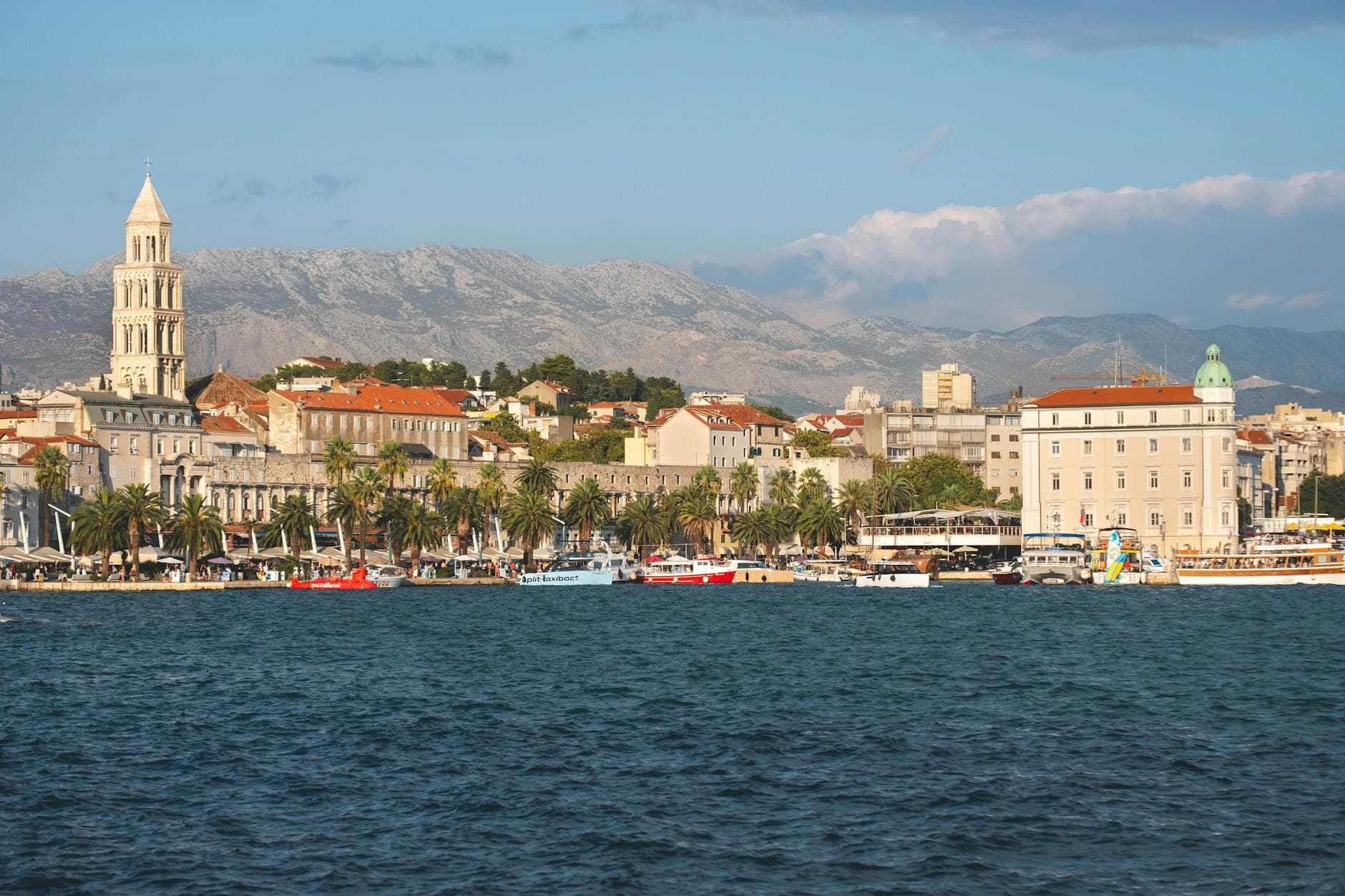
Split
Ancient Roman palace meets Mediterranean beach life — Croatia's coastal nomad hub
€1,400–€2,000 /mo
Read guide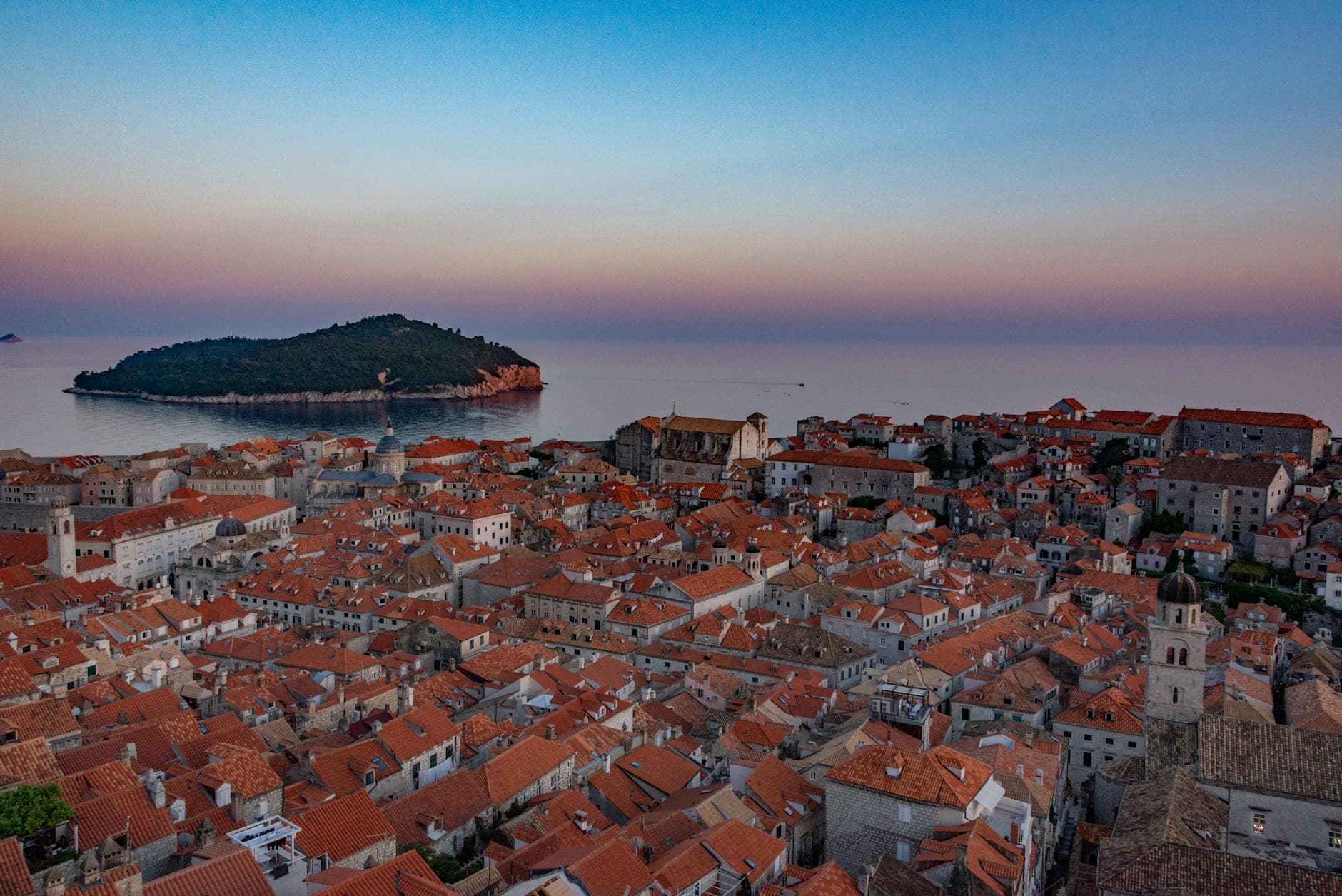
Dubrovnik
The Pearl of the Adriatic — UNESCO walls, turquoise waters, and one of the world's most photogenic cities
€1,600–€2,500 /mo
Read guide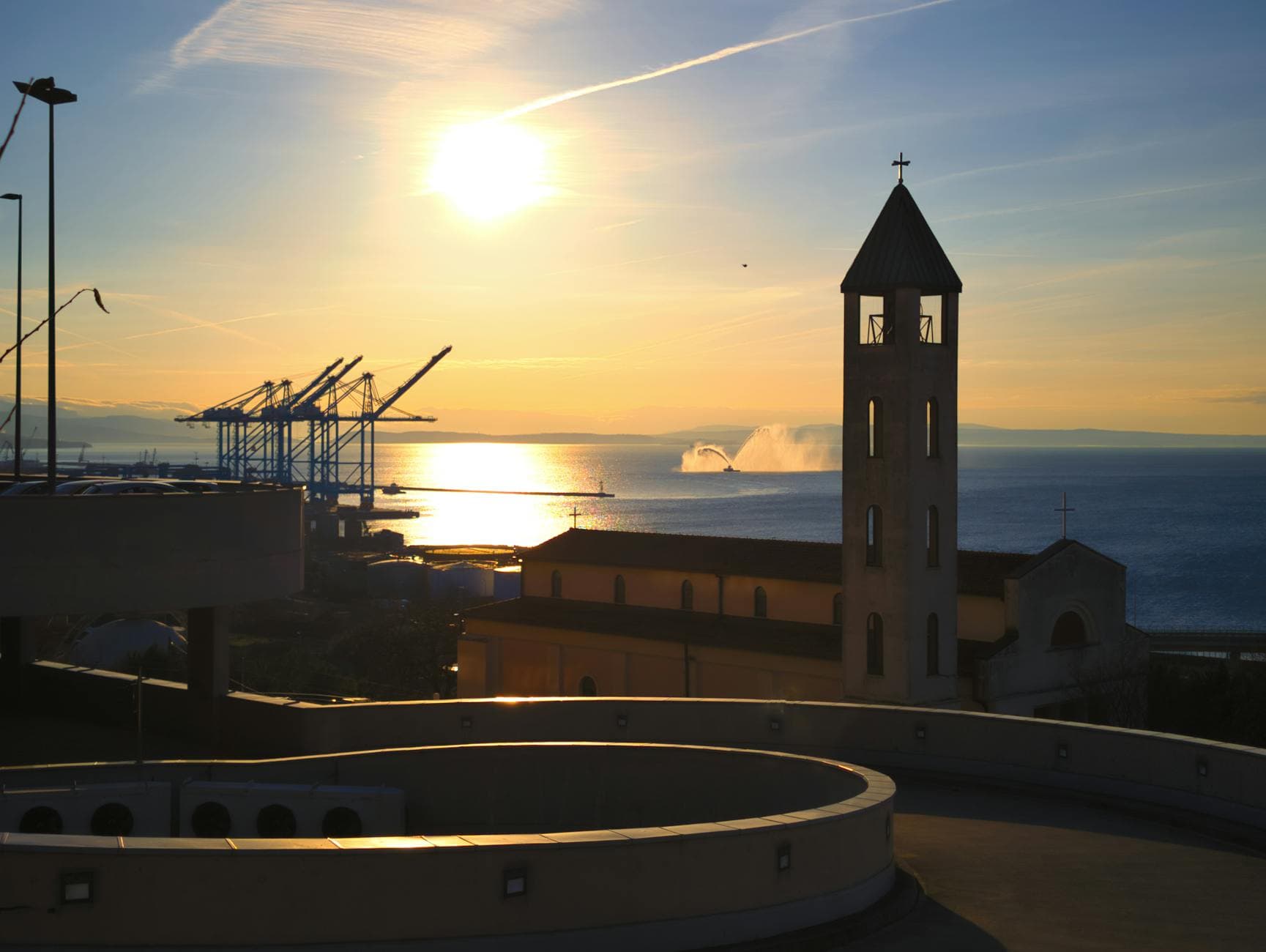
Rijeka
Croatia's hidden gem - Adriatic port city, emerging nomad hub, and 40% cheaper than Split or Dubrovnik
€1,200–€1,800 /mo
Read guideCommon questions
Honest answers about life in Zagreb.
How much does it cost to live in Zagreb per month?
What are the best neighborhoods in Zagreb for expats?
Is Zagreb good for digital nomads?
What are the pros and cons of living in Zagreb?
How do you get around in Zagreb?
Can you actually move to Zagreb?
Everything above is general. This is not. Our relocation expert researches your nationality, income, household and timeline against the law as it stands today, names the instrument behind every figure, and tells you where you actually qualify.
What you’ll get
Where you qualify
Routes open to your passport, today
The real numbers
Current thresholds, fees and timelines
The paperwork
What you must prove, and how
What goes wrong
The three risks for a case like yours
Sources named
Every figure traced to its instrument
Written by an expert. Delivered in 3 working days.
Is Zagreb right for you?
Eight quick questions, an AI-matched shortlist of countries and cities for your budget and lifestyle.
Take the free quizExpat Insights, weekly
Cost-of-living shifts, visa updates, real expat stories from Zagreb and beyond.