
Western Europe
Central & Eastern Europe
Asia & Middle East
Americas
Oceania & Africa
Expat Topics
🇮🇪 The expat guide · 2026
Ireland.
English-speaking EU hub with world-class tech salaries, Atlantic coastal charm, and a clear path to an EU passport
Global Safety
GPI #5 globally
2026 Global Peace Index, behind Iceland, NZ, Switzerland, Slovenia. One of world's safest countries.
Budget 2026 USC Cut
2% band +€1,318
Bands 0.5%/2%/3%/8%; 2% threshold raised to €28,700 to protect min-wage earners
Top PIT Threshold
€44K (single)
20% up to €44,000 / 40% above; no Budget 2026 changes to band/rate
Corporate Tax
12.5% / 15%
12.5% standard. Pillar Two 15% for large MNEs (EUR 750M+ revenue).
CSEP Salary
€40,904/yr
Critical Skills Permit (Mar 2026). Graduates: €36,848. GEP: €36,605. High-earner route (any role, off-list): €68,911.
SARP Extension
To 31 Dec 2030
Special Assignee Relief Programme extended 5 more yrs; 30% exempt on income >€125K (up to €1M cap); USC/PRSI still apply
Verified August 13, 2026
All figures, with the law each one comes fromCan you actually move to Ireland?
We research your nationality, income and timeline against Ireland's current rules, and tell you whether you qualify and what it actually costs.

Why move to Ireland?
Ireland is the English-speaking gateway to the EU - Google, Meta, Apple, LinkedIn, and 1,000+ multinationals have European HQs here. GPI #5 globally (2026 Global Peace Index). Key 2025-2026 changes: RPZ system DISMANTLED 28 Feb 2026, replaced by national rent control (CPI or 2% cap) effective 1 Mar 2026; new 6-year Tenancies of Minimum Duration (TMD) and no-fault evictions abolished for larger landlords. SARP extended to 2030 with min salary raised €100K → €125K (1 Jan 2026). FED extended to 2030, income cap €35K → €50K (added Philippines + Turkey). PRSI rising further +0.15% from 1 Oct 2026 (employee Class A reaches ~4.35%). Pillar Two 15% for large MNEs. CGT entrepreneur relief raised to €1.5M. Housing crisis severe - rents rose a record 4.4% in Q1 2026 after the reforms; ~2,400 rental listings nationwide (May 2026, up from a Feb 2026 record low of under 1,800); Dublin 2-BR avg ~€2,300. CSEP salary €40,904/yr from 1 Mar 2026 (+7.66%); graduate threshold €36,848. Min wage €14.15/hr (Jan 2026, +4.8%). IIP investment visa closed Feb 2023. No digital nomad visa - Stamp 0 is the workaround.
Where the Ireland numbers come from
Most relocation figures online carry no source and no date, which is why so many are quietly out of order. Each of these was read from the instrument that sets it. Last full pass: 21 August 2026.
| Figure | Set by |
|---|---|
| Digital nomad or remote work visaDoes not existThis is the single most misunderstood thing about moving to Ireland. English-speaking and in the EU makes it look like an obvious choice for remote workers, and there is no route. | Ireland operates no general remote work immigration route. Employment permits require an Irish employer |
| De facto partner, qualifying period2 years of cohabitation | Immigration Service Delivery de facto partner policy, assessed under the Policy Document on Non-EEA Family Reunification |
| Who can sponsor a de facto partnerStamp 1, 4 or 5 holdersThe catch: Stamp 1 requires an Irish employment permit, so a remote worker for a foreign employer cannot become an eligible sponsor. However strong the relationship evidence, the sequence never starts. | An eligible sponsor must be an Irish or UK national living in Ireland, or a non-EEA national holding Stamp 1, Stamp 4 or Stamp 5 |
| Stamp 0, persons of independent meansWork prohibitedWhich rules it out for anyone intending to keep a job abroad. | Stamp 0 conditions expressly prohibit working or engaging in any business, trade or profession |
Every figure names the law that sets it, so you can check it rather than take our word for it. That is the only honest way to publish a number that changes.
See this applied to one person →The Ireland basics
12 essentials every expat should know - from the practical to the political.
Is Ireland actually your best option?
This page tells you what Ireland is like. It cannot tell you whether it beats the four other countries you should be looking at, because that answer changes with your passport. Income thresholds, tax treaties and citizenship timelines are all nationality specific, and the general rule is often not the rule that applies to you.
A Personal Relocation Assessment answers it for your case. You tell us your nationality, income, household and timeline, and we our expert researches it against the law as it stands: which countries you actually qualify for, the route, the current threshold with the instrument it comes from, and what is most likely to go wrong in a position like yours.
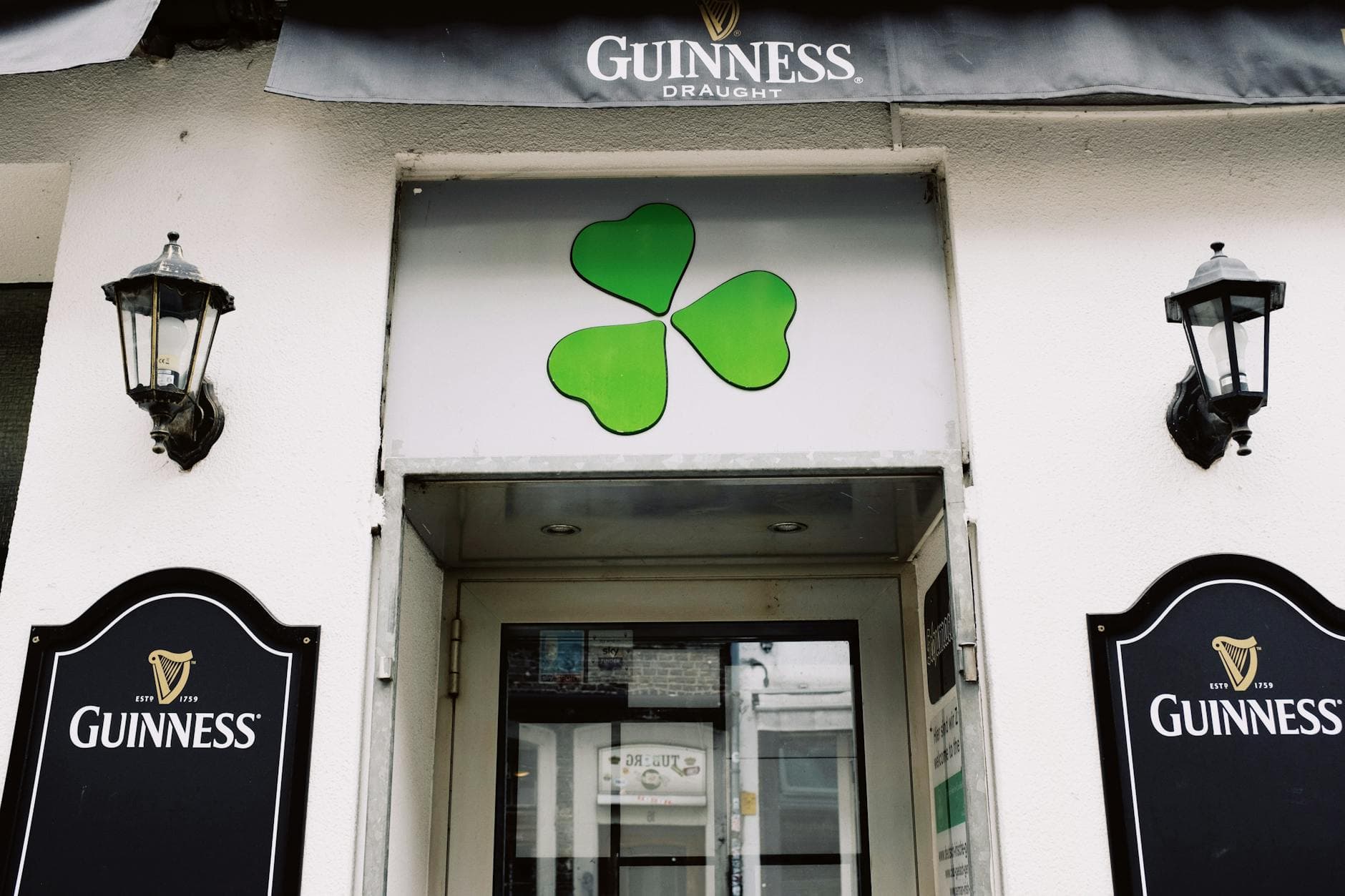
Food culture
Irish stew, soda bread, Guinness, fresh oysters - Dublin's pub-and-gastropub scene
Explore

Festivals & traditions
Joyce, Yeats, traditional sessions, Guinness Storehouse - Dublin is the literary capital
Explore
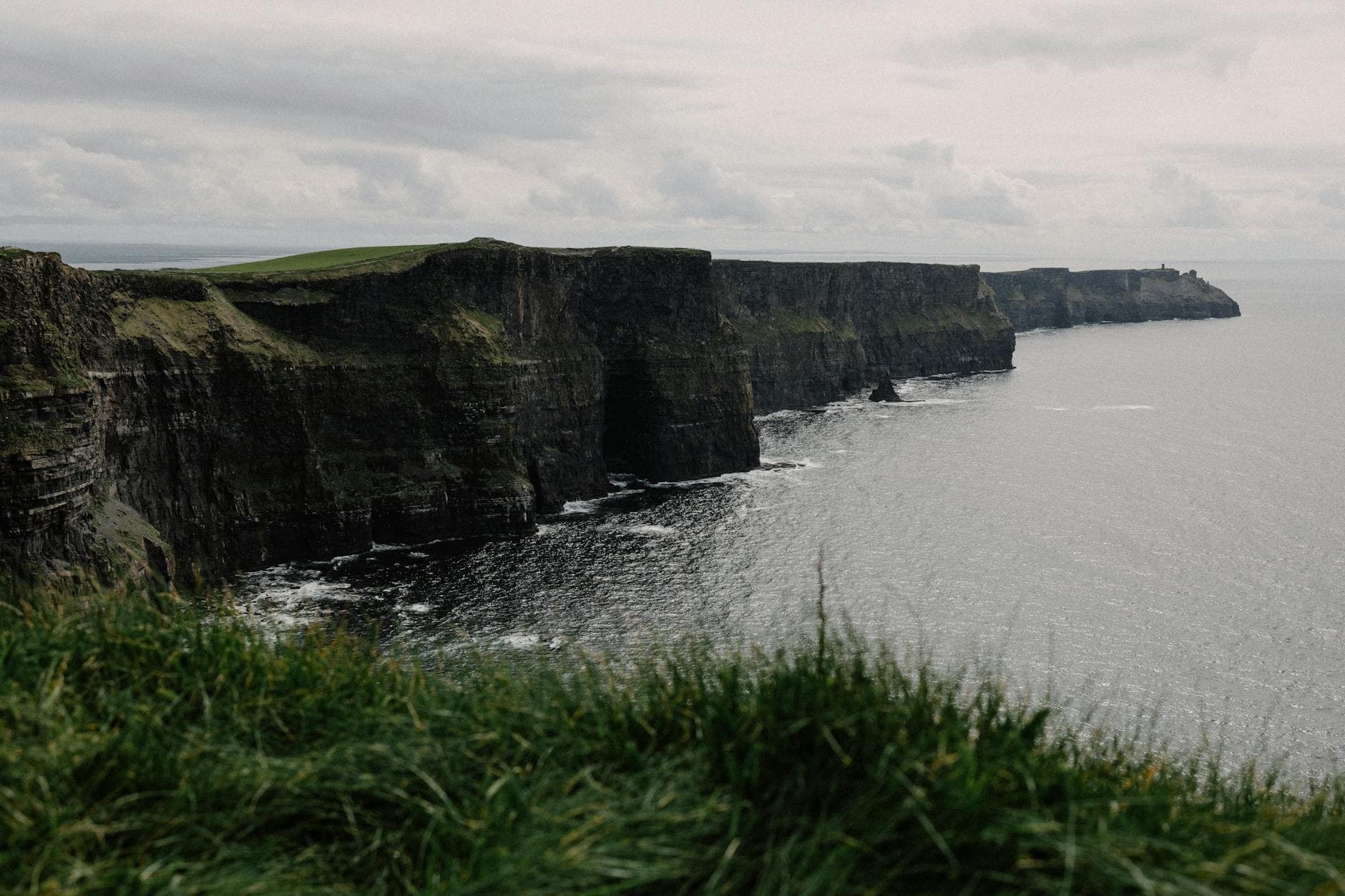
Coast & nature
Cliffs of Moher, Wild Atlantic Way, Ring of Kerry - Ireland's wild western coast
Explore

Heritage & landmarks
Trinity College, Temple Bar, Christ Church - Dublin's Georgian heart
Explore
8 reasons people stay longer than they planned
The pull of Ireland isn't one big thing - it's a stack of small ones, each compounding the others.
English-Speaking EU Country
Ireland is one of only two predominantly English-speaking countries in the European Union, making it the natural landing point for globally mobile professionals who want EU residency, an EU passport, and a full career in English. There is no language barrier in business, healthcare, or daily life.
Global Tech and Pharma Hub
Google, Meta, Apple, LinkedIn, Twitter, Pfizer, Johnson & Johnson, and over 1,000 other multinationals have their European HQs in Ireland. The result is an extraordinary density of senior, well-paid roles in technology, finance, life sciences, and professional services - particularly in Dublin and Cork.
EU Passport After Five Years
Irish citizenship - achieved after five years of reckonable residence - confers one of the world's most powerful passports, with visa-free access to 190+ countries including the USA, Canada, and the entire EU/Schengen area. Dual citizenship is fully permitted; Ireland does not require you to renounce your existing nationality.
Common Travel Area with the UK
Ireland's Common Travel Area with the United Kingdom predates both the EU and Brexit. Irish residents can live, work, and travel freely to the UK without visas or border formalities - providing access to two of the world's strongest English-speaking job markets within one permission.
Two-Tier Healthcare with Private Options
All residents can access Ireland's HSE public system, while private health insurance (VHI, Laya Healthcare, Irish Life Health) provides rapid specialist access, private rooms, and choice of consultant. Many multinational employers subsidise private health insurance as a standard benefit, making private care accessible from day one.
World-Ranked Universities
Trinity College Dublin and University College Dublin rank in the global top 200 and are magnets for international students and researchers. Ireland's graduate visa and post-study work pathways make it a compelling destination for international students seeking EU career opportunities after graduation.
Extraordinary Landscape and Quality of Life
Beyond Dublin's urban energy, Ireland offers the Wild Atlantic Way, Ring of Kerry, Connemara, and the Aran Islands within easy reach of every city. A genuine pub culture, world-class literature and music heritage, and a warm social character make day-to-day life rewarding - despite the weather.
Stable, Pro-Business Economy
Ireland's 12.5% corporate tax rate underpins a remarkably stable, open economy. Strong FDI, one of the EU's highest GDP-per-capita figures, and consistent growth throughout recent global disruptions give expat workers and entrepreneurs a genuinely secure economic foundation.
3 cities, 3 different lives
Pick the rhythm that fits - capital buzz, beach mornings, or a slow-living escape.
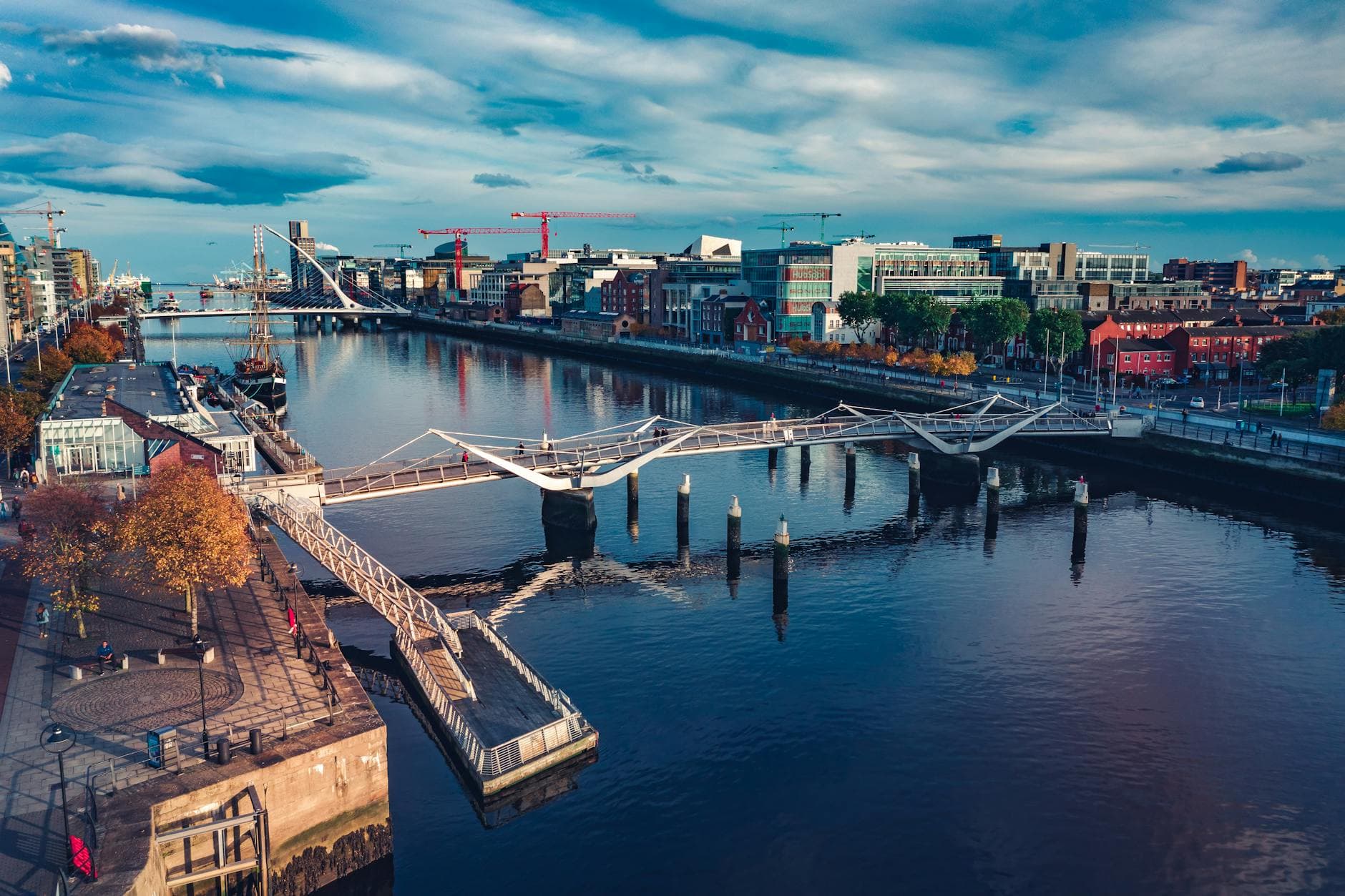
Dublin
Europe's English-speaking tech capital - where Silicon Valley meets Georgian architecture and pub culture
€2,500–€3,500 /mo
Tech professionals, young professionals, families
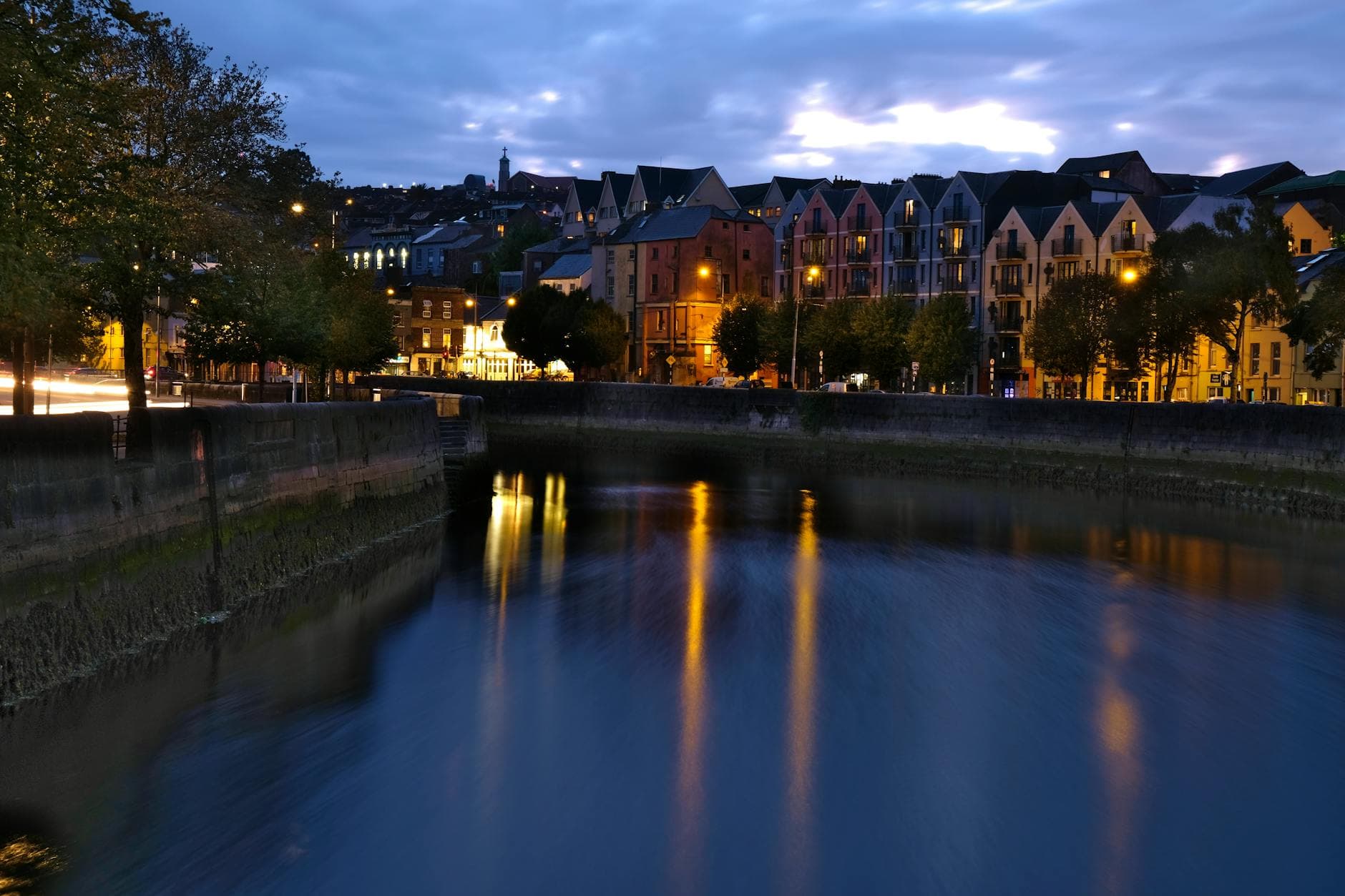
Cork
Ireland's rebel second city - food capital, pharma hub, and a more affordable, slower-paced alternative to Dublin
€1,800–€2,500 /mo
Families, professionals, food lovers
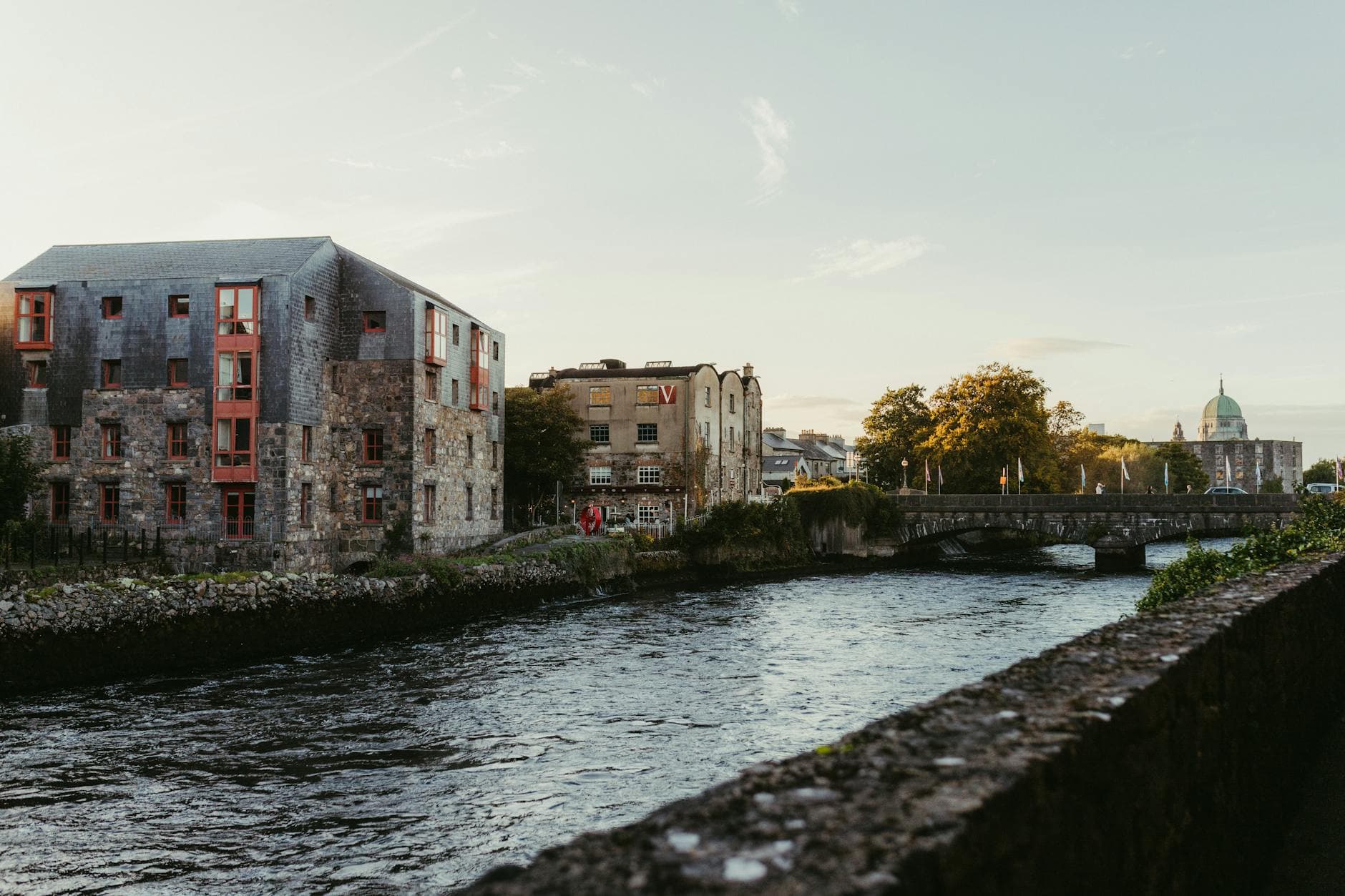
Galway
Atlantic arts city - medical device capital, world-famous arts festival, and Ireland's liveliest small city
€1,600–€2,200 /mo
Creatives, students, nature lovers
Everything, in plain words
Visa rules, healthcare, schools, taxes - written like a friend would explain it, not like a brochure.
Visa & Residency
EU/EEA citizens move to Ireland freely with no permits required. Non-EU nationals must obtain an employment permit - most commonly the Critical Skills Employment Permit (CSEP) for in-demand professional roles - combined with an Irish entry visa if required. After 21 months on a CSEP, workers qualify for Stamp 4, which removes the need for any future employment permit.
Read 🏥Healthcare
Ireland operates a two-tier healthcare system. The public HSE (Health Service Executive) provides universal access but faces significant waiting list pressures. Most expats - and most working Irish people - supplement with private health insurance from VHI, Laya Healthcare, or Irish Life Health, which provides rapid specialist access, private hospital rooms, and choice of consultant. Some visa categories require private insurance as a condition of residency.
Read 💰Cost of Living
Ireland has one of Europe's highest cost-of-living ratings, driven primarily by Dublin's severe housing shortage. Salaries at multinational firms are strong, particularly in tech, pharma, and finance, but effective tax rates of 40–52% at higher incomes mean net take-home is lower than gross figures suggest. Cork and Galway offer a significantly more affordable lifestyle at 25–35% lower rents than Dublin.
Read 🏠Housing
Ireland is in the grip of a severe and well-documented housing crisis. Rental availability nationally fell to a record low of under 1,800 listings in February 2026, recovering only to about 2,400 by May 2026, and rents rose a record 4.4% in Q1 2026. Competition for quality rentals is intense, especially in Dublin. New arrivals should expect to move quickly, have documents ready, and consider temporary accommodation while searching.
Read 💼Work & Business
Ireland's job market is dominated by multinational tech, pharma, and financial services companies. Dublin's Silicon Docks hosts the European headquarters of virtually every major US tech company, creating exceptional demand for experienced professionals. Salaries are among Europe's highest in these sectors, though the effective tax rate significantly reduces take-home pay. Cork is the European heart of the pharmaceutical industry; Galway is a medical device hub.
Read 🌆Daily Life
Daily life in Ireland is shaped by its small scale, social warmth, pub culture, extraordinary literary and musical heritage, and the dramatic natural landscape that is always within reach. English as the native language removes the integration barrier expats face in non-English-speaking countries, and Ireland's large multinational expat community makes newcomers feel welcome quickly.
Read ✈️Moving Guide
Moving to Ireland involves securing your employment permit (if non-EU), registering with immigration, obtaining your PPS number, setting up banking, and navigating a competitive housing market. Careful preparation and sequencing of these steps will make your first weeks significantly smoother.
Read 📚Education
Ireland's education system is well-regarded internationally, with Trinity College Dublin and University College Dublin ranked in the global top 200. The state school system is free for resident children, with a mix of denominational (largely Catholic), multi-denominational (Educate Together), and Irish-language schools. International schools exist in Dublin for expat families who prefer the IB curriculum.
Read 🌅Lifestyle
Ireland offers a lifestyle anchored in natural beauty, cultural depth, and social warmth. The Wild Atlantic Way, world-class literary heritage, live traditional music, and a thriving food and arts scene make daily life genuinely rewarding. For outdoor enthusiasts, athletes, and culture-seekers alike, Ireland offers more than its compact size suggests.
Read 📈Investing
Everything expats need to know about investing in Ireland - from property and stocks to tax-efficient strategies, brokerage access, and building wealth abroad.
ReadTools to plan your move to Ireland
Practical tools to turn an idea into a real plan - pick a season, time your visa, build a budget, even live a day before you go.
Best time to move to Ireland
Season-by-season - weather, visa timing, rental markets, and expert tips
Dublin cost of living
Full monthly budget breakdown - rent, food, transport, utilities
Country match quiz
Eight quick questions, AI-matched country shortlist for your lifestyle
Visa finder
Search visa options by nationality, budget, and stay length
A day in Ireland
Live a perfect day with AI - real cafés, costs, and routes
Relocation plan
Step-by-step AI moving timeline tailored to your situation
Ireland vs the rest
See how Ireland stacks up against other popular expat destinations.
Where Ireland ranks
See where Ireland sits in our independent expat rankings - cost, safety, healthcare, and more.
Cheapest Countries for Expats
Ranked list of the most affordable countries for expats in 2026. Monthly budget, cost of living, internet speed, and city guides for each destination.
Countries Under $1,500/Month Cost of Living
Complete list of countries where a single expat can live comfortably on under $1,500 per month. Budget breakdowns, internet speeds, and city guides included.
Countries Where $2,000/Month Is Enough
All countries where a single expat can live well on $2,000 per month or less. Ranked by cost of living with budget details, internet, and English proficiency.
Best Countries for Remote Workers
Top countries for remote workers ranked by internet speed, cost of living, and English proficiency. Find your ideal work-from-anywhere destination in 2026.
Countries With the Fastest Internet
Ranked list of countries with the fastest broadband internet speeds for expats. Average Mbps, cost of living, and city guides for each destination.
Best Countries for Retirement Abroad
Warm-climate countries where one person can live on $2,500/month, ranked safest first by Global Peace Index. Portugal leads, then Malaysia and the Maldives. 2026.
Honest answers
The questions everyone asks before they pack a single box.
How much does it cost to live in Ireland as an expat?
What visa do I need to move to Ireland?
What is healthcare like in Ireland for expats?
What are the best cities to live in Ireland as an expat?
Is Ireland a good place to live as an expat in 2026?
Personal Relocation Assessment
Can you actually move to Ireland?
This page is general. Your case is not. Our relocation expert researches your nationality, income and timeline against the law as it stands, names the instrument behind every figure, and tells you where you actually qualify.
Get my assessmentExpat Insights, weekly
Visa updates, cost-of-living shifts, and real expat stories from Ireland - straight to your inbox.
Which country is right for you?
Answer 6 quick questions about your budget, lifestyle, and priorities. Our AI ranks 122 countries and builds a personalised relocation plan.
The Complete Ireland Expat Guide
Everything on this site about Ireland plus more, organized into one professionally designed PDF you can read offline, print, and keep. Updated for 2026 with figures checked against official sources.
- Visa & residency options, step by step
- Cost of living with real monthly budgets
- Neighborhood-by-neighborhood city guides
- Healthcare, banking, tax, and housing
- Moving checklist from decision to arrival
Free, with an account so you can find it again. We republish every month when figures move, and your link always serves the newest edition.
This guide is general, written for everyone moving to Ireland. If you want your own case checked against the law as it stands, that is what the assessment is for.