Western Europe
Central & Eastern Europe
Asia & Middle East
Americas
Oceania & Africa
Expat Topics
🌿 Living in Ireland · 2026
Cork.
Ireland's rebel second city - food capital, pharma hub, and a more affordable, slower-paced alternative to Dublin
Monthly Budget
€1,800–€2,500
Best For
Families, professionals, food lovers
Population
220,000
Verified August 13, 2026
Can you actually move to Cork?
We research your nationality, income and timeline against the law as it stands, and tell you whether Cork works and what it takes.
The Cork you’ll actually live in
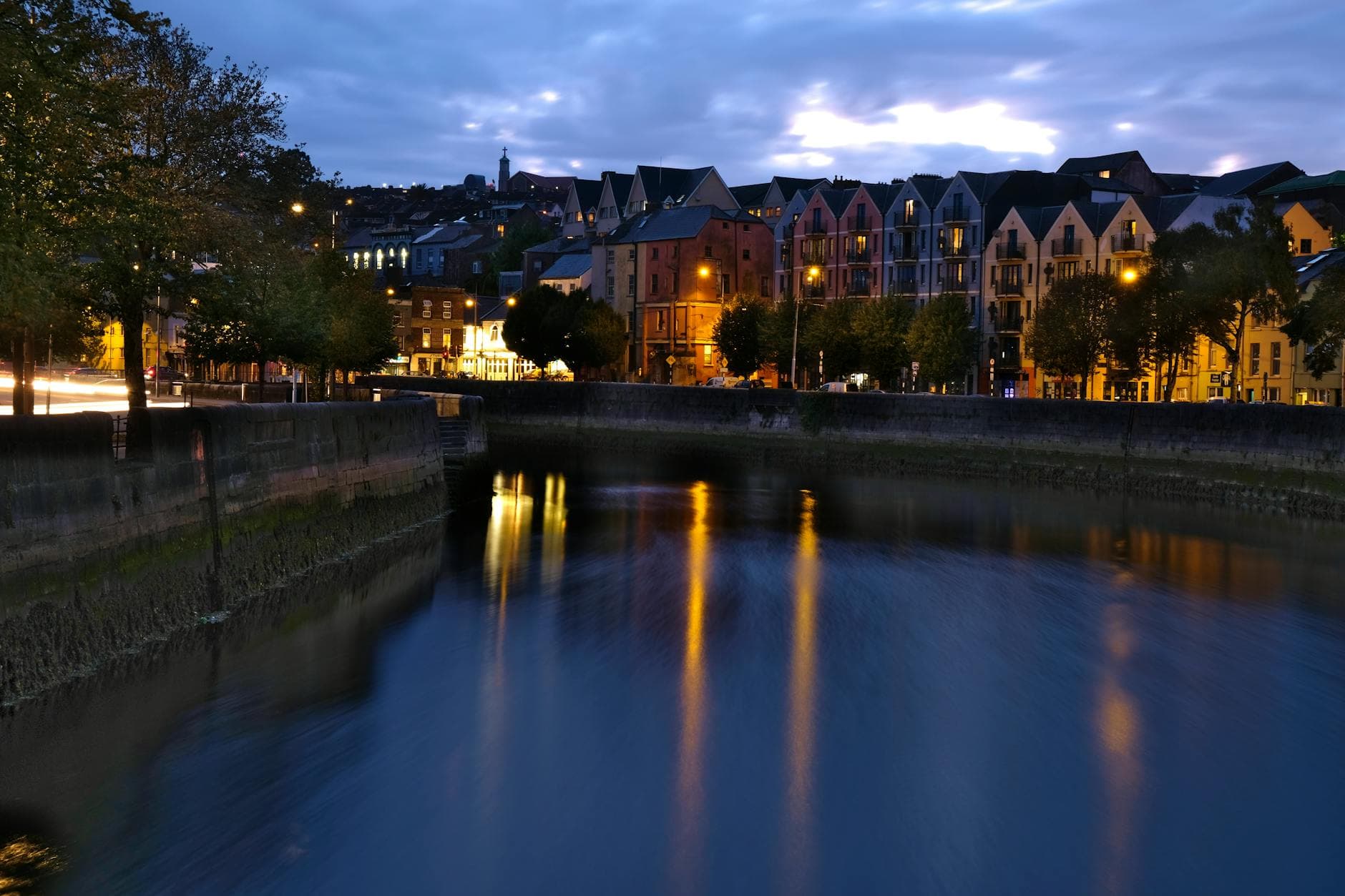
Cork wears the 'rebel city' tag with pride. Ireland's second-largest city - set on an island between two channels of the River Lee - has a distinct identity, a fierce civic pride, and a quality of life that Dublin residents regularly envy. Apple's EMEA headquarters employs thousands here; Pfizer, Johnson & Johnson, and Eli Lilly anchor a world-class pharmaceutical cluster. Cork's English Market (open since 1788) is a testament to the city's food culture, and the restaurant scene punches far above its 220,000-person weight. Rents run 25–35% below Dublin's - making Cork increasingly attractive to professionals who want multinational careers without the capital's housing crisis severity.
The Cork basics
The full picture - 9 key numbers covering budget, internet, English level, beach access, and airport reach.
Monthly Budget
€1,800–€2,500
Best For
Families, professionals, food lovers
Internet Speed
~90 Mbps avg.
English Level
Excellent (native)
Major Employers
Apple EMEA HQ, Pfizer, Johnson & Johnson, Dell, Amazon, Eli Lilly
Transport
Bus Éireann city buses; Cork Airport (ORK) 6km from centre
University
University College Cork (UCC) - 22,000 students
Climate
Wetter than Dublin; mild; Ireland's sunniest southern coast
Train to Dublin
~2h 30min (Cork Kent Station to Dublin Heuston)
Is Cork actually your best option?
This page tells you what Cork is like. It cannot tell you whether it beats the four other countries you should be looking at, because that answer changes with your passport. Income thresholds, tax treaties and citizenship timelines are all nationality specific, and the general rule is often not the rule that applies to you.
A Personal Relocation Assessment answers it for your case. You tell us your nationality, income, household and timeline, and we our expert researches it against the law as it stands: which countries you actually qualify for, the route, the current threshold with the instrument it comes from, and what is most likely to go wrong in a position like yours.

Food culture
Cork drisheen, fresh fish, Irish stew - City Centre's gastropubs and pubs
Explore
Green spaces
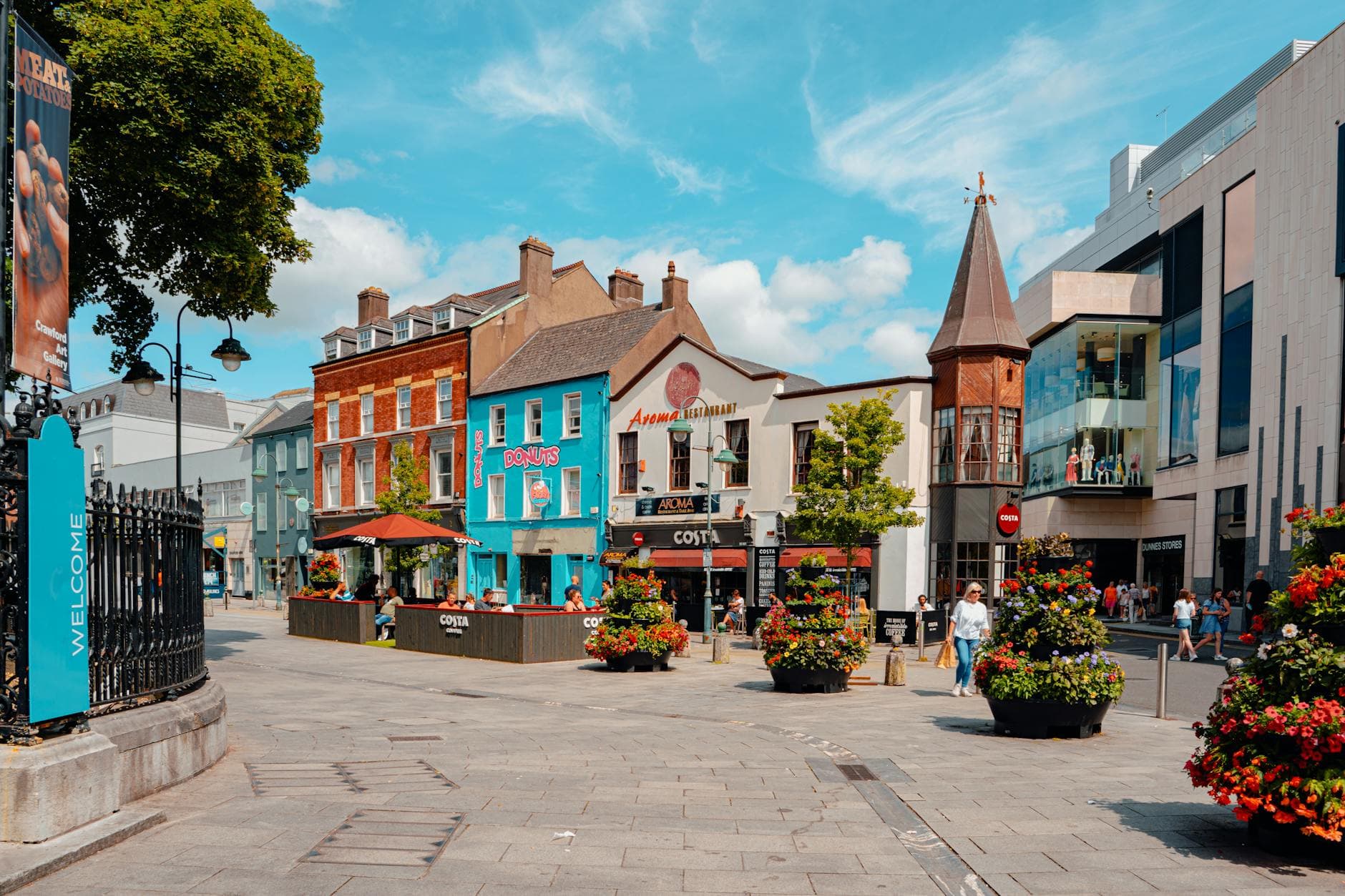
Fitzgerald Park + Marina Walk - Cork's central greens along the Lee
Explore
Markets
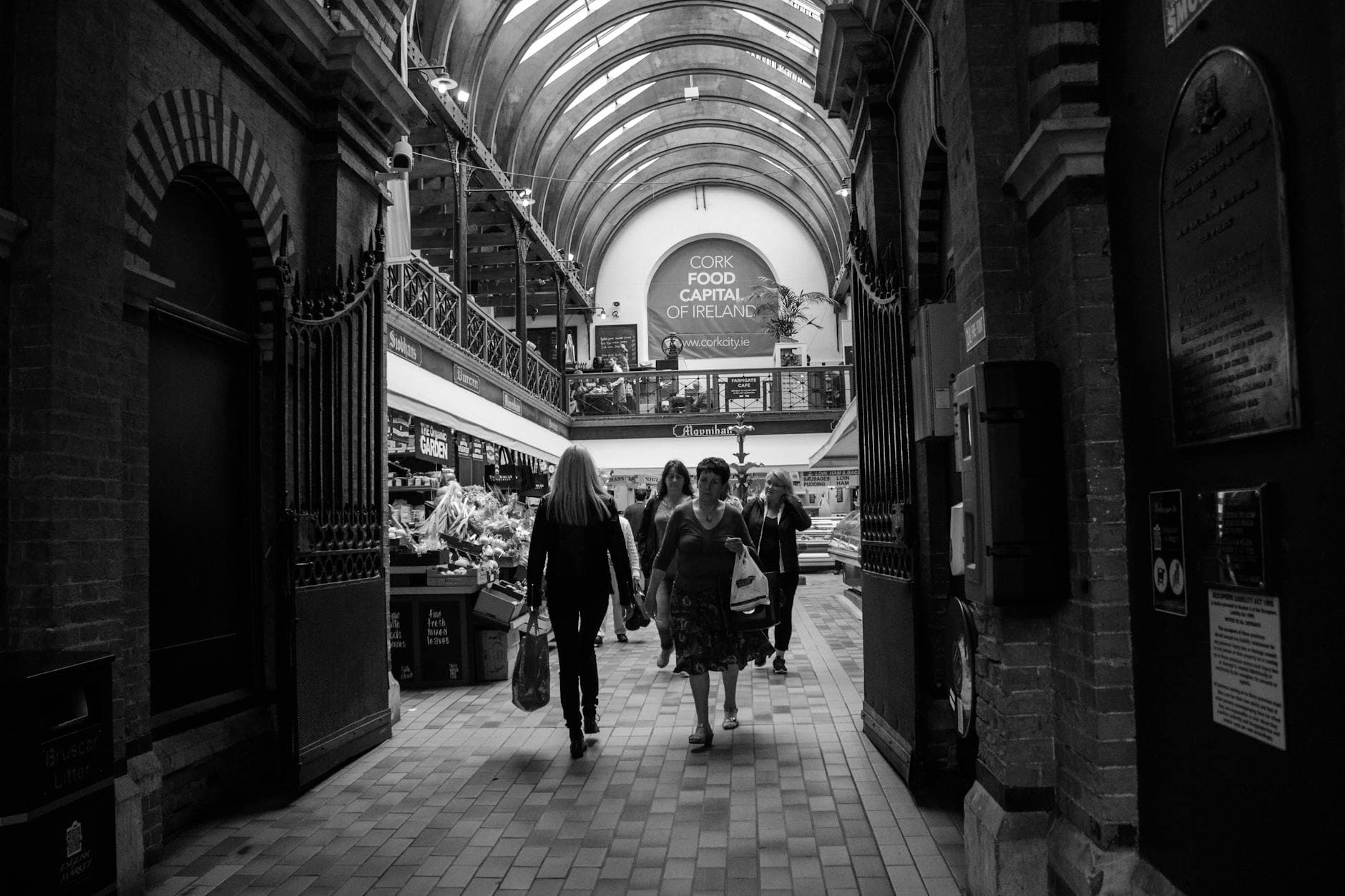
English Market - Cork's iconic 18th-century covered food market
Explore
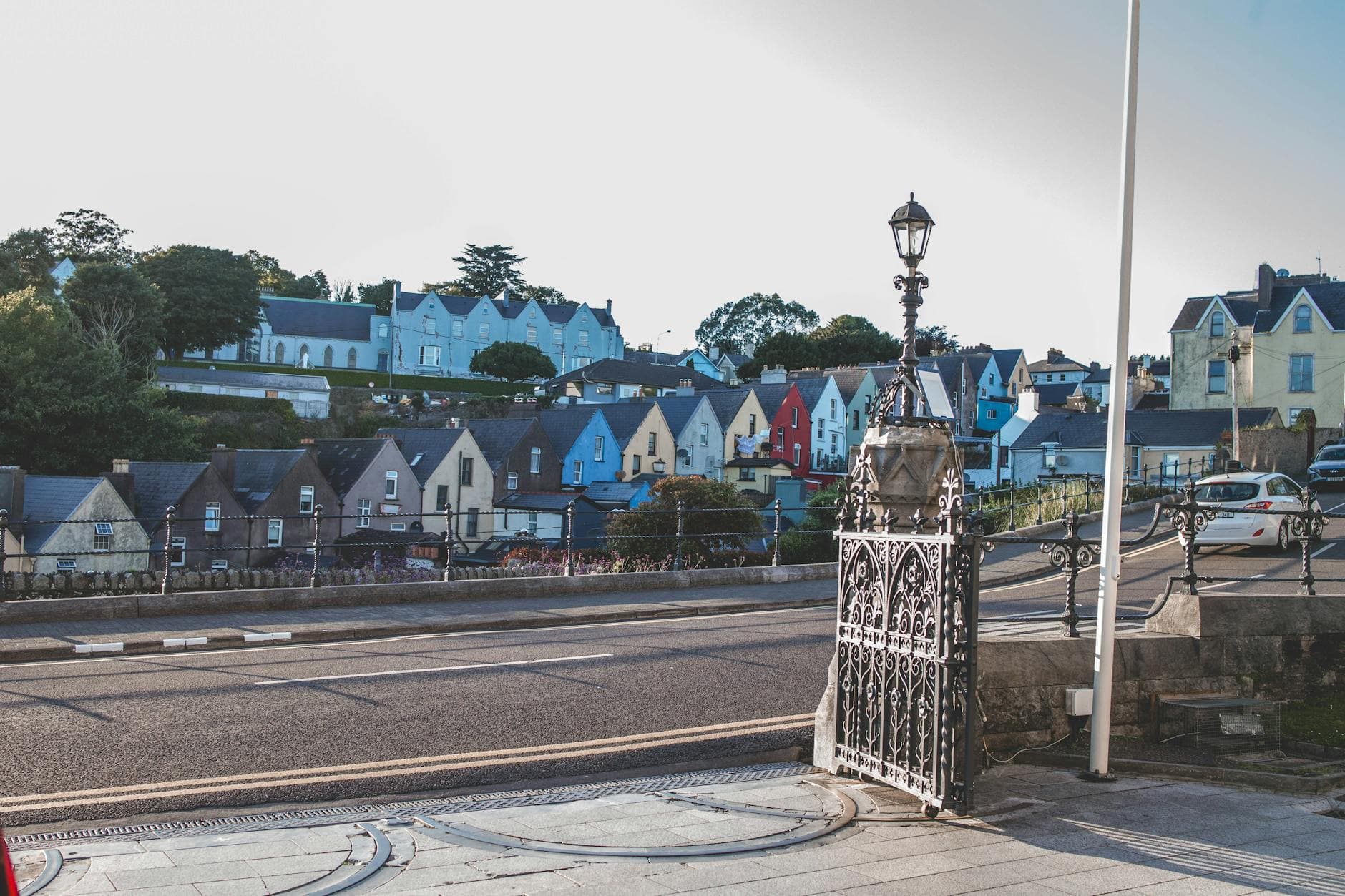
Nightlife
Oliver Plunkett Street + Coal Quay - Cork's pub mile and late-night zone
Explore
What a month actually costs
No padding, no underestimates. Real expat numbers - central neighborhood, comfortable lifestyle, eating out a few times a week.
All-in monthly
€2,100–€3,000
Single expat, comfortable lifestyle, central area.
Full breakdown
1BR Apartment (City Centre)
€1,300–€1,800
1BR Apartment (Suburbs)
€1,000–€1,400
Shared Room
€600–€1,000
Groceries
€300–€450
Transport
City bus or car; cycling popular
€80–€120
Utilities (1BR)
€130–€220
Eating Out (2×/week)
€100–€160
Total (mid-range)
€2,100–€3,000
Where to actually live
4 neighborhoods, 4 different versions of Cork.
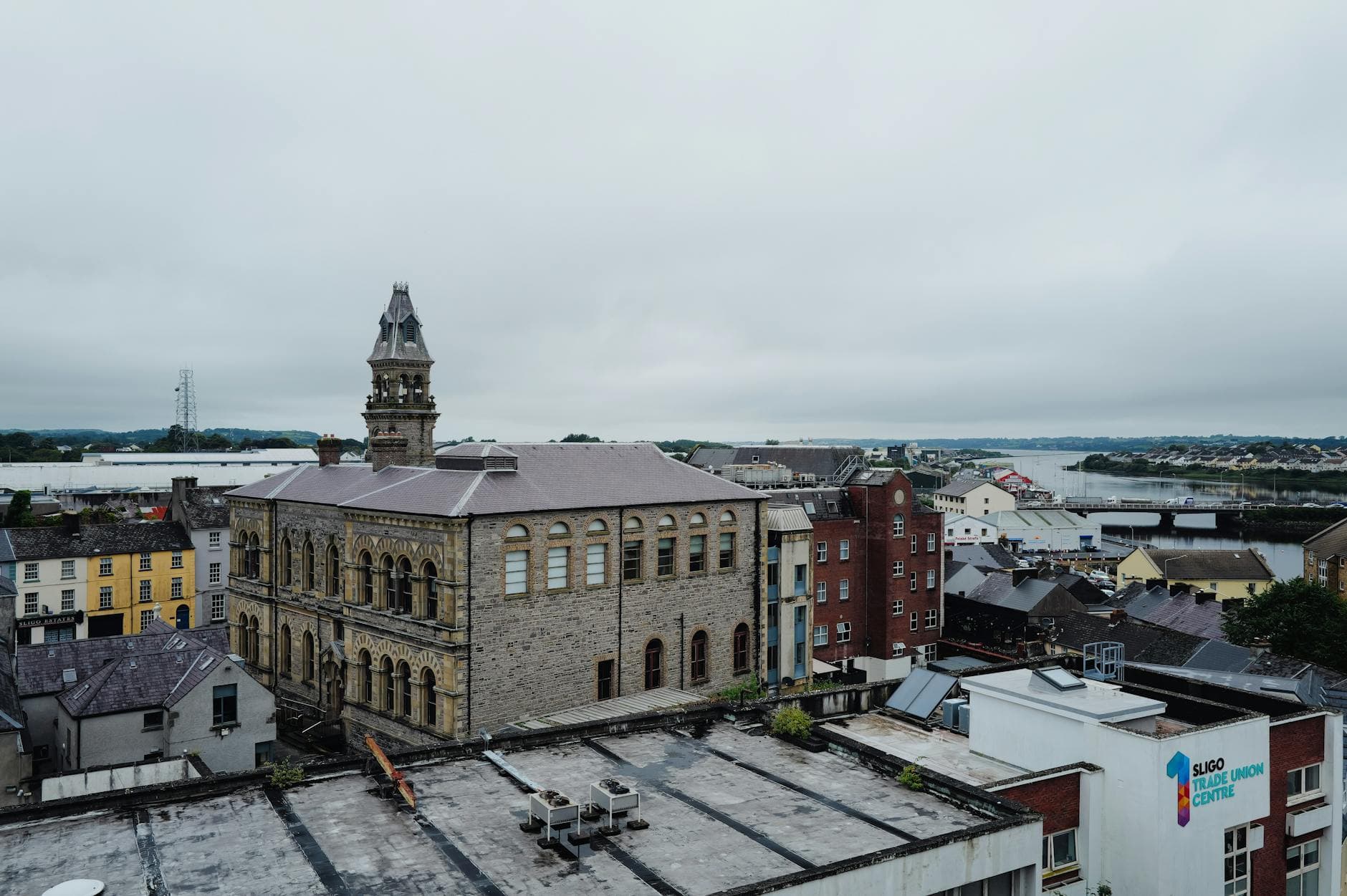
City Centre / South Mall
Historic, commercial, walkable - Patrick Street, the English Market, and the River Lee on both sides
Best for: Professionals who want to walk to work and to restaurants; those prioritising convenience
Rent €1,400–€2,000/month for 1-BR
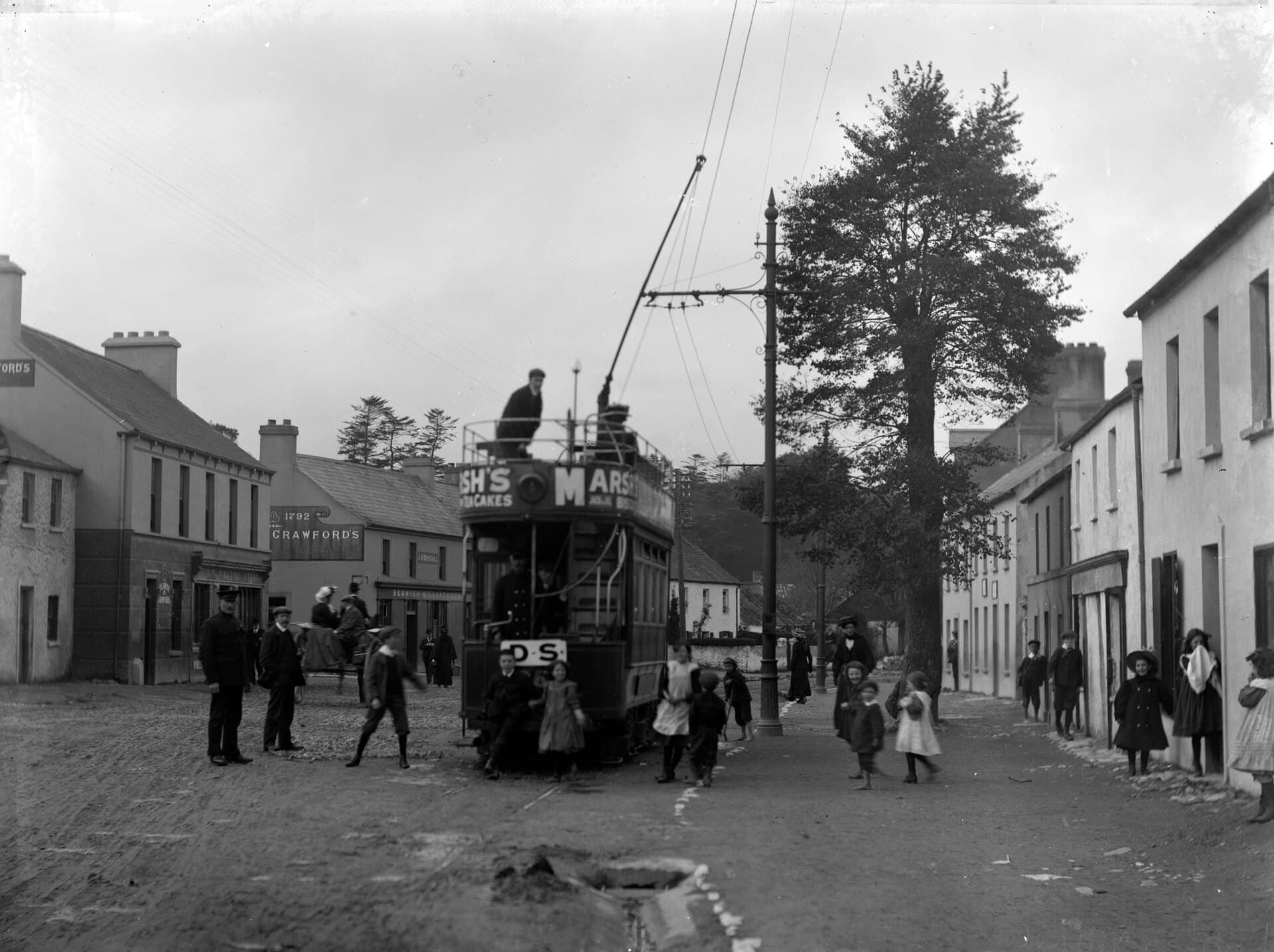
Douglas / Rochestown
Affluent southside suburb - families, good schools, green spaces, quieter pace; 15-minute commute to centre
Best for: Families and senior professionals wanting space, quiet, and good schools
Rent €1,500–€2,200/month for 1-BR
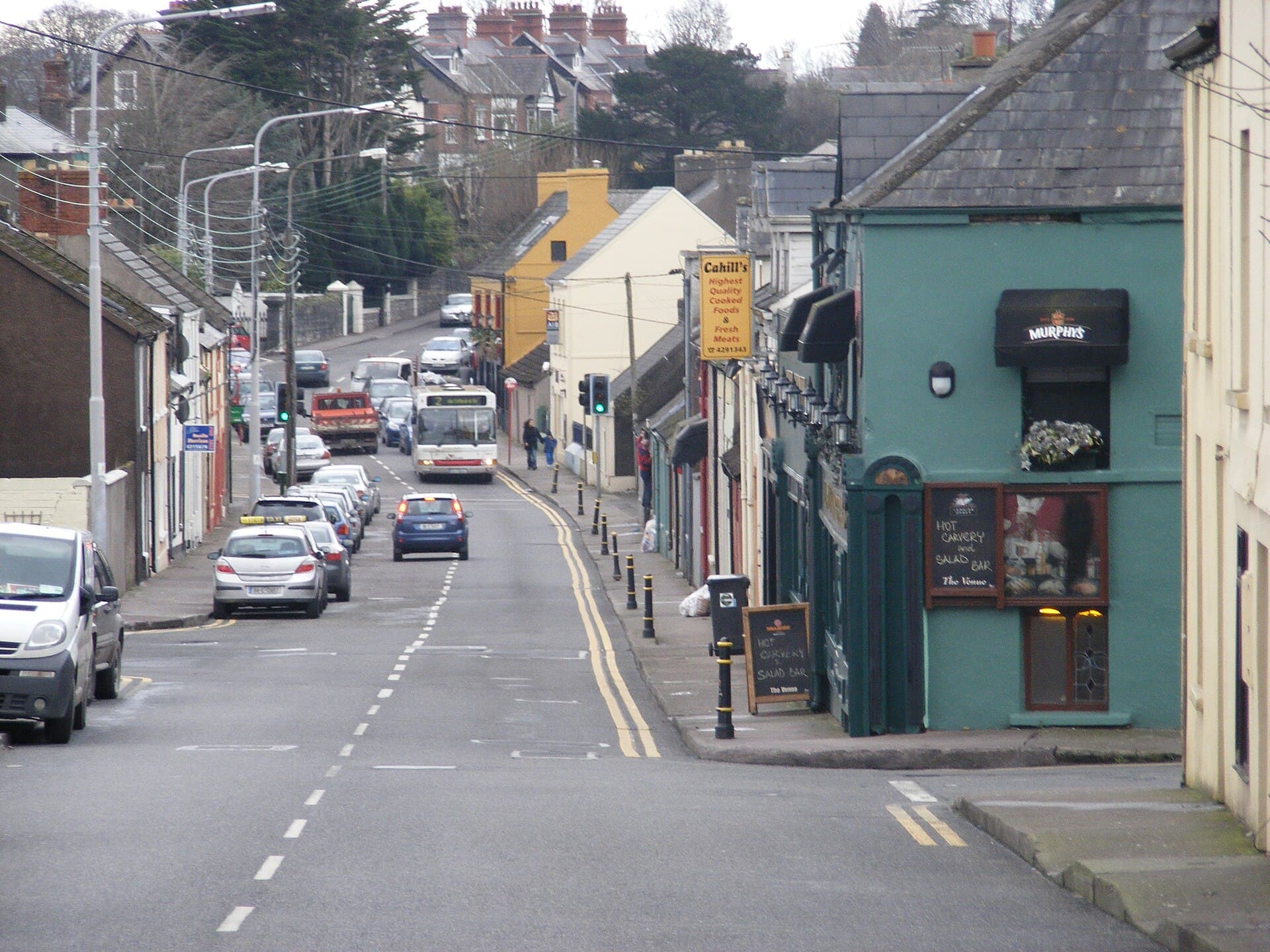
Ballintemple / Blackrock
Coastal village feel on the south channel; excellent restaurants, relaxed pace, strong community
Best for: Couples and small families wanting coastal lifestyle near city
Rent €1,500–€2,100/month for 1-BR
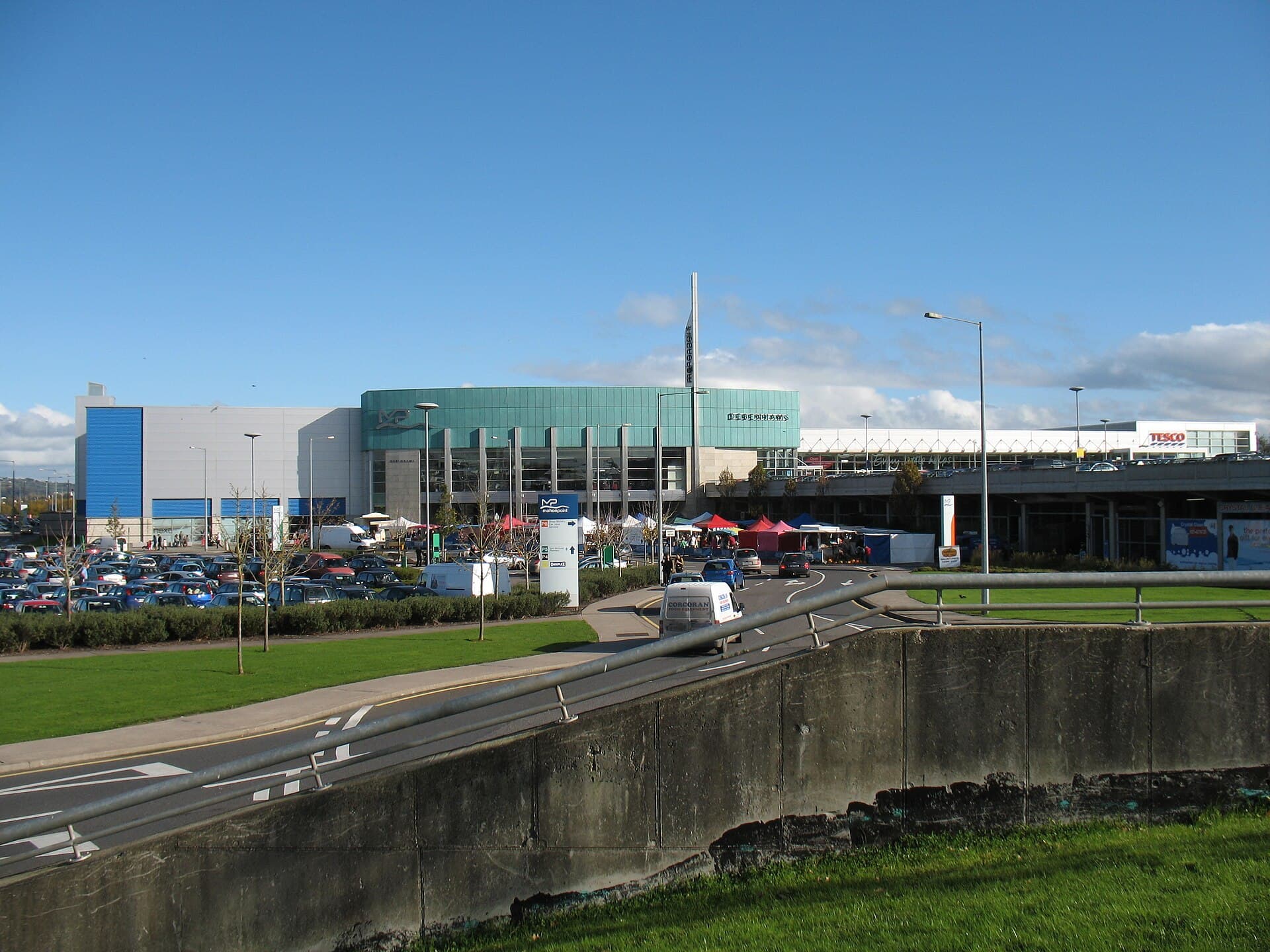
Mahon / Doughcloyne
Tech and pharma belt suburbs near Mahon Point; modern apartments; close to Apple HQ and business parks
Best for: Tech and pharma workers who want short commutes to business parks without city-centre prices
Rent €1,200–€1,800/month for 1-BR
The truth about Cork
The bits the brochures skip - what expats love, and what tests their patience.
What you’ll love
- 0125–35% lower rent than Dublin with comparable multinational salaries
- 02Outstanding food and restaurant scene - genuine food capital of Ireland
- 03Compact and walkable city with genuine character and strong local identity
- 04Strong pharma and tech employment base - Apple, Pfizer, J&J all major employers
- 05Access to West Cork's stunning coastline and countryside within 30–60 minutes
- 06UCC creates a young, international, energetic population year-round
What might bug you
- 01Smaller job market than Dublin - fewer options outside pharma, tech, and education
- 02Public transport weaker than Dublin - car often needed for suburbs and rural areas
- 03Rental supply tightening: rents up 7.5% year-on-year as of 2026
- 04Social life slightly smaller scale - less variety than Dublin for nightlife
- 05Cork Airport's international route network smaller than Dublin
- 06Can feel insular to outsiders initially - Cork identity is strong and distinct
Where to plug in
Hand-picked coworking spaces - premium business addresses, community hubs, and budget-friendly options.
Republic of Work
Premier Cork coworking hub; strong community; city centre
Glandore Cork
Premium serviced offices; South Mall business district
The Rubicon Centre (UCC)
UCC-linked innovation hub; good for tech startups and researchers
How Cork moves
Metro, buses, walkability - what works, what to avoid, and how much you'll actually spend.
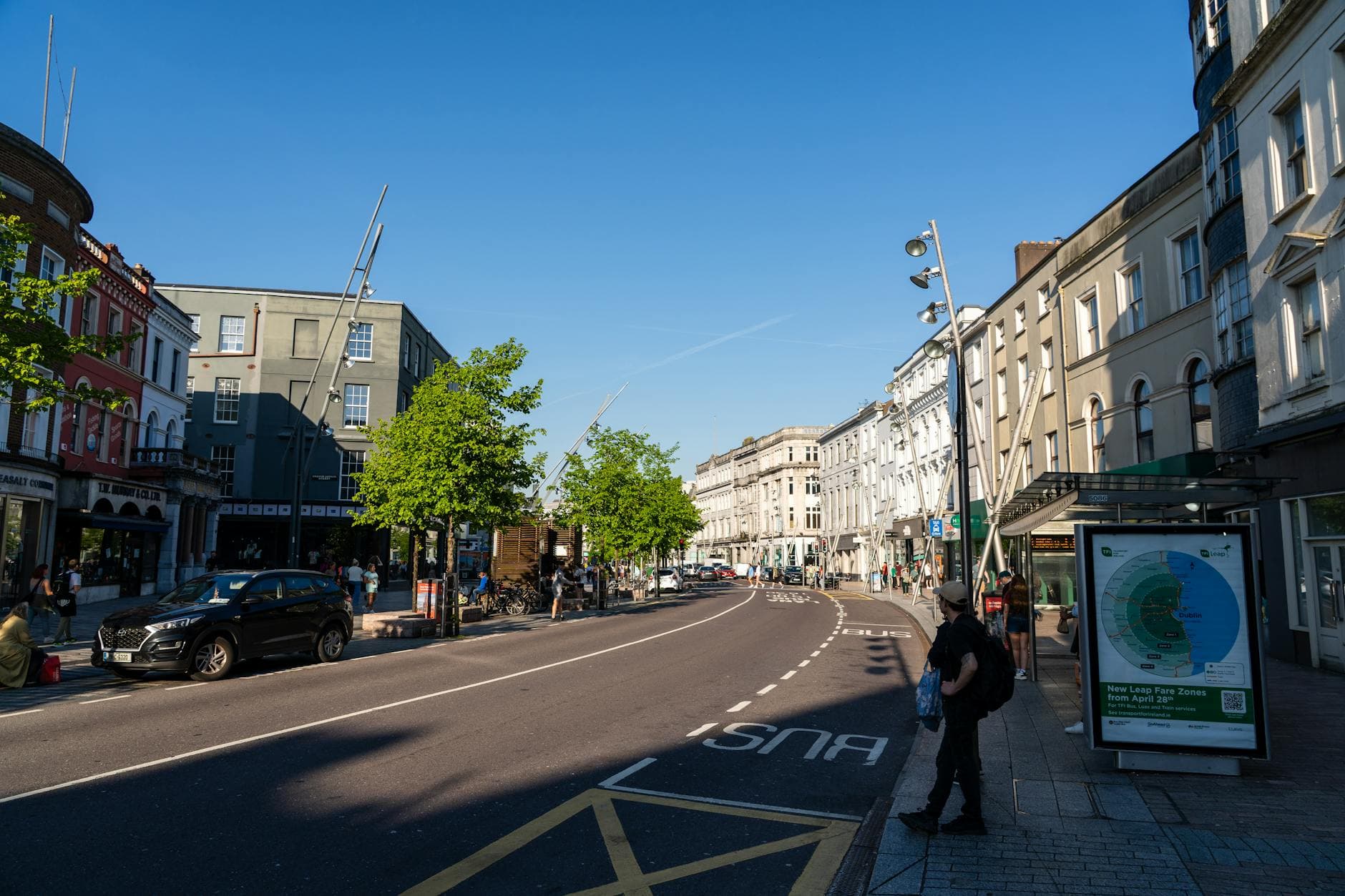
- 01
Bus Éireann city bus network: covers main residential areas; Leap Card accepted; service improving but less comprehensive than Dublin
- 02
Cycling: Cork city centre is flat and compact - excellent for cycling; growing cycle lane infrastructure
- 03
Car: near-essential for suburbs and surrounding county; M8 motorway to Dublin; parking cheaper than Dublin
- 04
Cork Airport (ORK): 6km south of city centre; Ryanair and Aer Lingus routes to UK and Europe; taxi ~€20 to city
- 05
Cork Kent Station: Intercity Rail to Dublin (2.5hrs), Cobh, Mallow, Limerick Junction
- 06
Walking: city centre very compact - most key destinations within 20 minutes on foot from Patrick Street
Key takeaways
If you only remember five things about Cork, make it these.
Budget
€2,100–€3,000/mo
Where to live
City Centre / South Mall, Douglas / Rochestown, Ballintemple / Blackrock
Top advantage
25–35% lower rent than Dublin with comparable multinational salaries
Watch out
Smaller job market than Dublin - fewer options outside pharma, tech, and education
Remote work
3+ coworking spaces, from €250/mo
More on Ireland
Drill into the country-level guides - visa rules, healthcare, schools, taxes, and more.
Tools to plan your move to Cork
Practical tools to turn an idea into a real plan - pick a season, time your visa, build a budget, even live a day before you go.
Cork cost of living
Full monthly budget breakdown - rent, food, transport, utilities
Best time to move to Ireland
Season-by-season - weather, visa timing, rental markets
Country match quiz
Eight quick questions, AI-matched country shortlist
Visa finder
Search visa options by nationality, budget, and stay length
A day in Cork
Live a perfect day with AI - real cafés, costs, and routes
Relocation plan
Step-by-step AI moving timeline tailored to you
Cork vs other cities
See how Cork stacks up against other popular expat cities - cost, lifestyle, neighborhoods.
City rankings
See where Cork sits in our independent expat city rankings.
Cheapest Cities for Digital Nomads
Ranked list of the most affordable cities for digital nomads in 2026. Budget, internet speed, English level, and coworking info for each city.
Cities With the Fastest Internet
Ranked list of cities with the fastest broadband internet for remote workers and digital nomads. Speed, cost of living, and English level for each city.
Best Cities for English Speakers
Cities where English is widely spoken - ranked by cost of living. Perfect for expats who want to settle abroad without a language barrier.
Most Affordable Cities in Europe
Cheapest European cities for expats ranked by monthly cost of living. Budget breakdowns, internet speeds, and English levels for each city.
Best Cities in Southeast Asia for Expats
Top cities in Southeast Asia for expats and digital nomads. Ranked by budget with internet speed, English level, and lifestyle highlights.
Best Cities in Latin America for Expats
Top Latin American cities for expats and digital nomads. Ranked by budget with internet speed, English level, and lifestyle highlights.
Also in Ireland
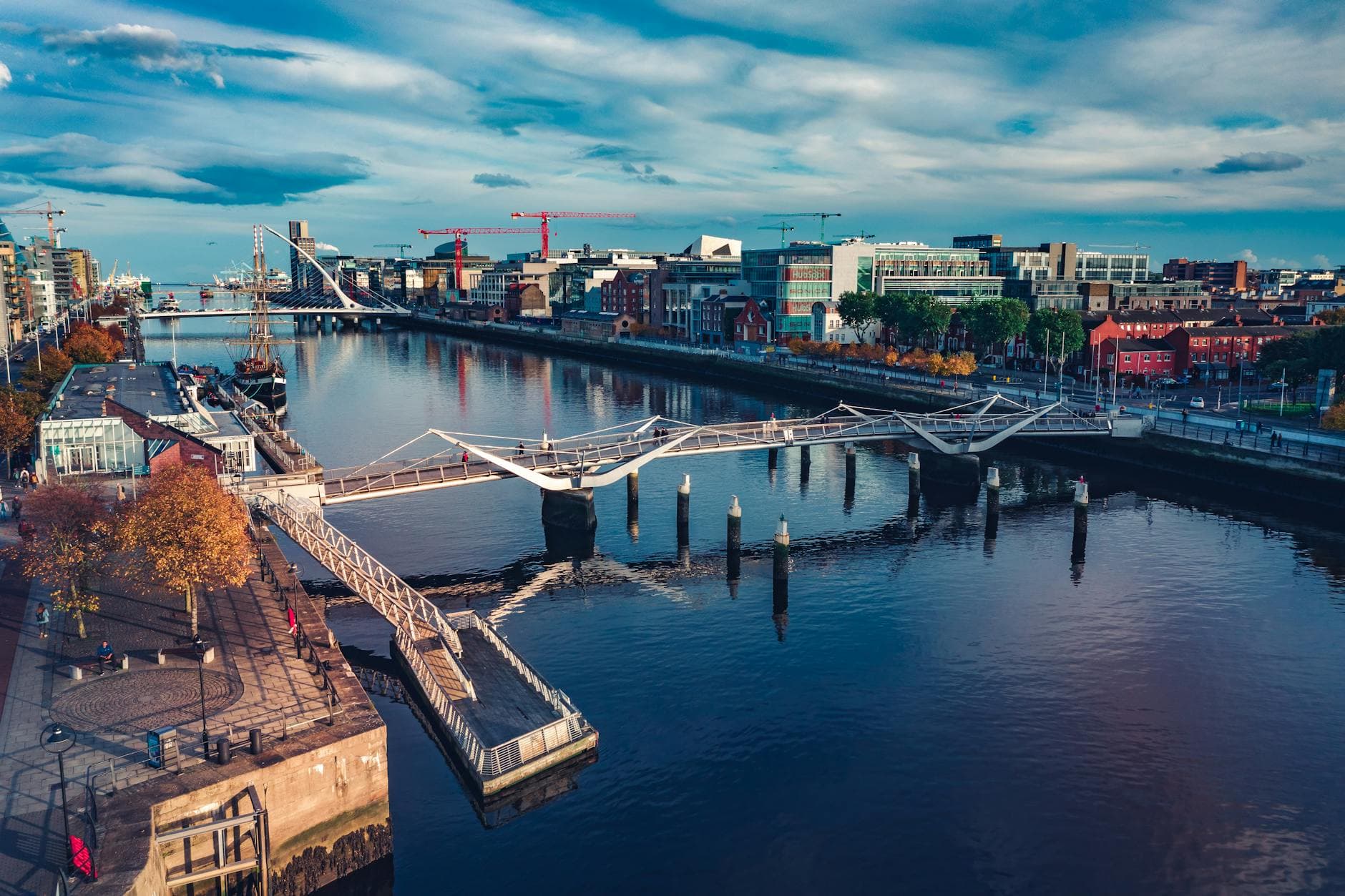
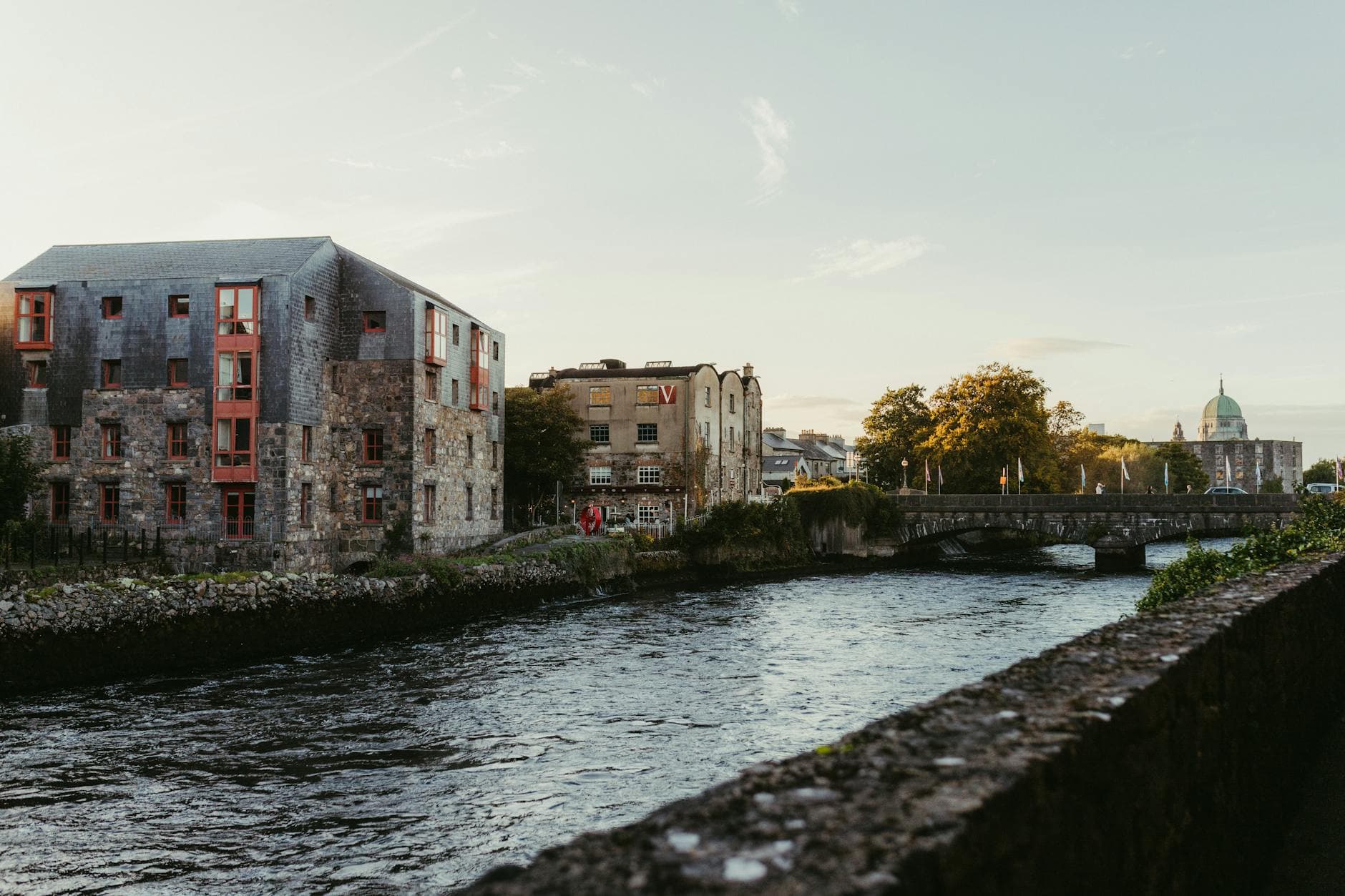
2 other cities worth a look - each with its own rhythm, costs, and character.
Common questions
Honest answers about life in Cork.
How much does it cost to live in Cork per month?
What are the best neighborhoods in Cork for expats?
Is Cork good for digital nomads?
What are the pros and cons of living in Cork?
How do you get around in Cork?
Can you actually move to Cork?
Everything above is general. This is not. Our relocation expert researches your nationality, income, household and timeline against the law as it stands today, names the instrument behind every figure, and tells you where you actually qualify.
What you’ll get
Where you qualify
Routes open to your passport, today
The real numbers
Current thresholds, fees and timelines
The paperwork
What you must prove, and how
What goes wrong
The three risks for a case like yours
Sources named
Every figure traced to its instrument
Written by an expert. Delivered in 3 working days.
Is Cork right for you?
Eight quick questions, an AI-matched shortlist of countries and cities for your budget and lifestyle.
Take the free quizExpat Insights, weekly
Cost-of-living shifts, visa updates, real expat stories from Cork and beyond.