Western Europe
Central & Eastern Europe
Asia & Middle East
Americas
Oceania & Africa
Expat Topics
🇧🇬 The expat guide · 2026
Bulgaria.
The EU's lowest taxes - 10% flat income and corporate tax, euro adopted in 2026, Schengen member, and home to Europe's cheapest digital nomad hub in Bansko
Income & Corporate Tax
10% flat
Lowest rate in the EU for both personal and corporate
Digital Nomad Permit
1 yr + 1 yr renewal
Apps opened 20 Dec 2025; income €31,010/yr (50× monthly min wage); non-EU employers only
Inflation Post-Euro
3.5% → 2.1% (Feb 2026)
Moderating trend; ECB says limited overall price impact; dual price display required Aug 2025 – Aug 2026
Monthly Budget (Bansko)
from €600
Europe's cheapest digital nomad hub
Monthly Budget (Sofia)
from €1,300
EU capital at Balkan prices
EU & Schengen
Full member
Schengen since 2025; euro adopted Jan 1, 2026
Verified August 13, 2026
See 3 more figuresCan you actually move to Bulgaria?
We research your nationality, income and timeline against Bulgaria's current rules, and tell you whether you qualify and what it actually costs.

Why move to Bulgaria?
Bulgaria holds one of the most compelling combinations in the EU: 10% flat income and corporate tax, 5% dividend tax (EOOD effective rate ~14.5%), full Schengen since 2025, and euro adopted January 1, 2026. The DN Permit (Dec 2025) requires €31,000/yr from non-EU employers. WARNING: euro adoption triggered 20-50% price increases in many services - Sofia 1-BR centre now €600-900 (was €410). Min wage: EUR 620/mo. Dividend tax increase to 10% or 16% is under discussion. GPI: #29. Bansko remains Europe's cheapest nomad hub (€600-900 all-in). Internet: 4th globally for mobile speed, €10-15/mo fiber. Sofia budget: from €1,300.
The rest of the Bulgaria numbers
The figures that did not fit in the summary above.
| Figure | Detail |
|---|---|
| EOOD Effective Rate~14.5% | 10% CIT + 5% dividend - lowest in EU |
| Min Wage (Jan 2026)€620.20/mo | Raised from €550.66; workers pay 10% PIT + 13.78% social/health on gross up to €2,300/mo cap |
| Dual-Currency DisplayThrough Aug 2026 | Mandatory BGN + EUR pricing during euro-adoption transition; ends after Aug 2026 |
The Bulgaria basics
10 essentials every expat should know - from the practical to the political.
Is Bulgaria actually your best option?
This page tells you what Bulgaria is like. It cannot tell you whether it beats the four other countries you should be looking at, because that answer changes with your passport. Income thresholds, tax treaties and citizenship timelines are all nationality specific, and the general rule is often not the rule that applies to you.
A Personal Relocation Assessment answers it for your case. You tell us your nationality, income, household and timeline, and we our expert researches it against the law as it stands: which countries you actually qualify for, the route, the current threshold with the instrument it comes from, and what is most likely to go wrong in a position like yours.

Food culture
Shopska salad, banitsa pastry, kavarma stew, rakia (national spirit), yogurt - Bulgaria's hearty Balkan-Mediterranean plate
Explore

Festivals & traditions
Plovdiv Old Town (one of Europe's oldest continuously inhabited cities), Rila Monastery (UNESCO), Cyrillic alphabet origin, rose-valley heritage
Explore

Coast & nature
Black Sea coast (Sunny Beach, Varna, Burgas), Rila + Pirin mountains, Bansko ski resort, Seven Rila Lakes
Explore

Heritage & landmarks
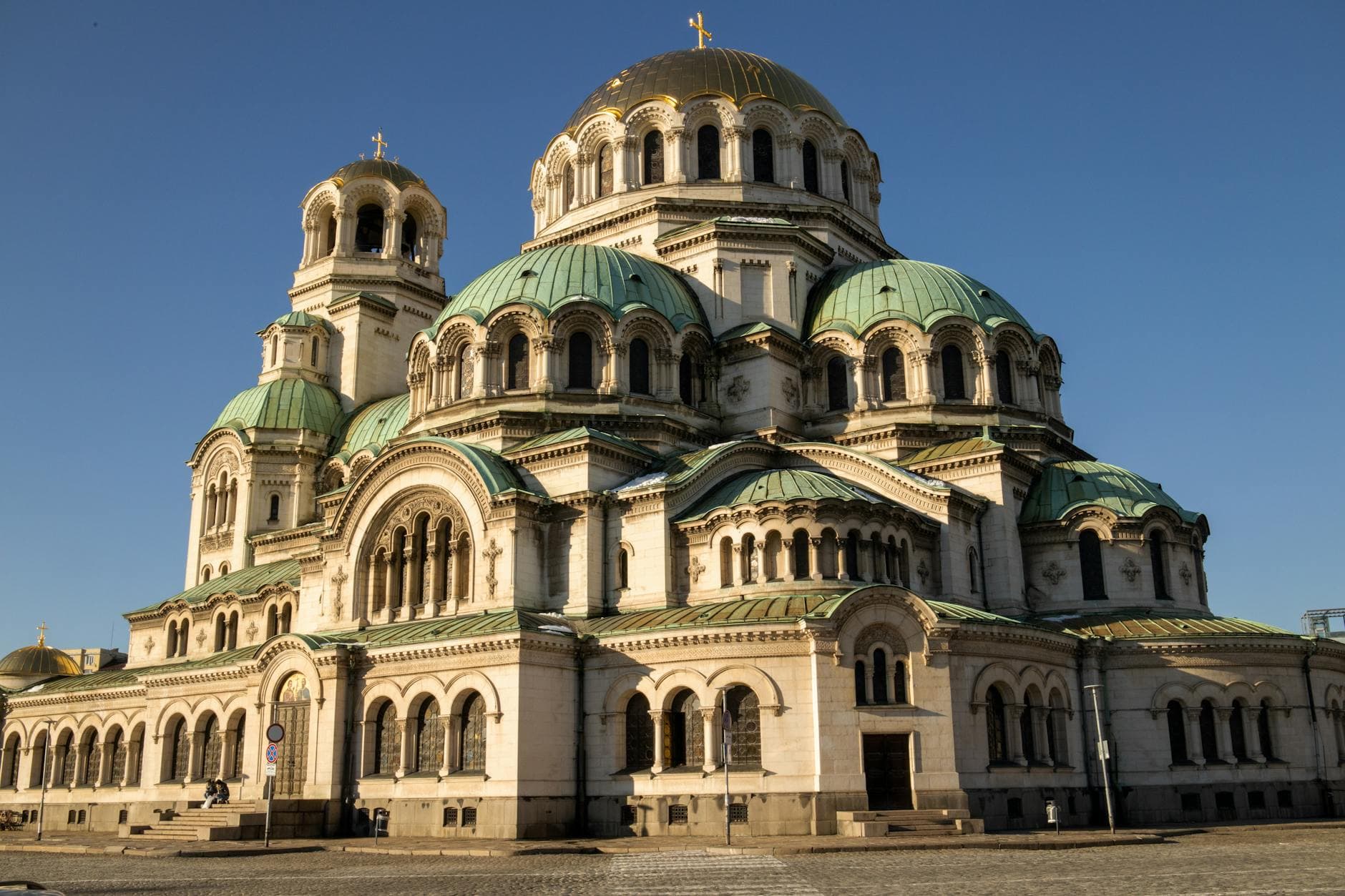
Alexander Nevsky Cathedral (Sofia), Rila Monastery (UNESCO), Plovdiv Roman Amphitheatre, Tsarevets Veliko Tarnovo
Explore
9 reasons people stay longer than they planned
The pull of Bulgaria isn't one big thing - it's a stack of small ones, each compounding the others.
EU's Lowest Taxes - 10% Flat on Everything
Bulgaria has the lowest personal income tax and the lowest corporate income tax in the European Union - both a flat 10%. There are no progressive brackets, no wealth tax, and no gift tax. Dividend tax is just 5%. For a self-employed person using an EOOD (single-member LLC) structure: pay 10% corporate tax on profits, then 5% dividend tax on distributions - a combined effective rate of approximately 14.5% on distributed earnings. Freelancers taxed directly also benefit: the 10% rate applies to only 75% of gross revenue (25% statutory expense deduction). Bulgaria has 70+ double-taxation treaties.
Full EU Rights, Schengen Travel, and the Euro - All Since 2025–2026
Bulgaria entered the Schengen Area in 2025, ending border controls with EU neighbours and giving residents frictionless movement across 27 countries. On January 1, 2026, Bulgaria adopted the euro (fixed at 1 EUR = 1.95583 BGN), eliminating currency risk for European expats and making banking across the EU seamless. EU membership since 2007 means EU citizens can live and work with no visa required and have full EU legal protections. These three integrations together make 2026 the most advantageous time in Bulgarian history to be an expat there.
Bansko - Europe's Most Celebrated Digital Nomad Hub
Bansko is a Bulgarian ski resort village in the Pirin Mountains that has become the most-cited digital nomad destination in Europe. Coworking Bansko (founded 2016) catalysed a global community - nomads arrive for a week and stay for months. All-in monthly costs run €600–€900 - less than rent alone in most Western European cities. Fast fibre internet, cafés and coworking spaces packed with international remote workers, excellent local food, and access to world-class skiing (December–March) and mountain hiking (April–October) make Bansko a unique combination of affordability, nature, and community.
Sofia: Underrated EU Capital at Balkan Prices
Sofia is one of the most underrated capitals in Europe. As an EU city with international flights, a growing tech ecosystem, good English proficiency, and 1-bedroom apartments from €410/month in the centre, it offers EU quality of life at a fraction of the cost of Prague, Warsaw, or Lisbon. The Vitosha Mountain - a national park - is visible from the city centre and reachable in 30 minutes. The Alexander Nevsky Cathedral is one of Europe's largest Orthodox churches. The food and café scene has improved dramatically since 2015. Sofia is where expats come for infrastructure and community; Bansko is where they come for lifestyle.
New Digital Nomad Visa - Launched December 2025
Bulgaria's Digital Nomad Residence Permit formally launched on December 20, 2025, following amendments to the Law on Foreigners. The permit is for non-EU nationals who earn at least €31,000/year from non-EU employers or clients. It's valid for 1 year and renewable once. Bulgaria's Schengen membership makes this permit particularly powerful: digital nomad permit holders can travel freely across all 27 Schengen countries with no border controls.
Mountains, Black Sea, and Three UNESCO Old Towns
Bulgaria's geography punches above its weight. The Pirin, Rila, and Balkan mountain ranges offer world-class skiing at Bansko and Borovets, and some of the best hiking in the Balkans. Rila Monastery (UNESCO) is one of the most stunning religious complexes in Europe. The Black Sea coast (Varna, Burgas, Nessebar) provides a genuine beach summer. Three of Bulgaria's cities have UNESCO-listed old towns: Plovdiv, Nessebar, and Sozopol. The country is extraordinarily diverse for its size - 500 km from mountains to sea.
Europe's Fastest and Cheapest Internet
Bulgaria consistently ranks among the top 3–5 countries in Europe for fixed broadband speed. Fibre optic internet at 100–300 Mbps costs just €13–€15/month - a fraction of equivalent speeds in Germany, France, or the UK. This is not an accident: Bulgaria has invested heavily in telecommunications infrastructure since the early 2000s. The combination of fast, cheap internet and low cost of living is a primary draw for digital nomads choosing between Bansko, Sofia, or Plovdiv as their base.
Medical Tourism and Private Healthcare at EU Standards
Bulgaria has developed a significant medical tourism industry, particularly for dental care, cosmetic procedures, and complex surgeries. Sofia private hospitals (City Clinic Group, Tokuda Hospital) are modern, English-speaking, and well-equipped. A private consultation costs €30–€50 - a fraction of Western European equivalents. Dental procedures (crowns, implants) attract patients from Germany, UK, and Austria specifically because of the price differential. The public system is functional but underfunded; private care is the recommended route for expats.
Ancient History, Thracian Treasures, and Orthodox Cultural Heritage
Bulgaria has one of the richest and least-known archaeological heritages in Europe. Thracian gold treasures (Panagyurishte and Varna hordes) date to 4,000 BCE. Roman emperors were born in what is now Bulgaria (Constantine the Great's birthplace is modern Niš - nearby). The Rila Monastery murals are among Europe's greatest works of Orthodox art. Plovdiv's old town is a preserved National Revival-era Bulgarian town. Plovdiv was European Capital of Culture in 2019. The history here runs 6,000 years deep.
3 cities, 3 different lives
Pick the rhythm that fits - capital buzz, beach mornings, or a slow-living escape.

Sofia
EU capital at Balkan prices - 10% flat tax, Schengen access, Vitosha Mountain at the city's edge, and all-in living from €1,300/month
€1,300–€1,800 /mo
Remote workers, tech professionals, entrepreneurs, families

Bansko
Europe's most famous digital nomad hub - €600–€900/month all-in, world-class skiing, and a tight-knit international community in the Pirin Mountains
€600–€900 all-in /mo
Digital nomads, solo travellers, ski lovers, budget-focused remote workers

Plovdiv
Europe's oldest living city - cultural capital, digital nomad haven, and apartments from €300/month
€700–€1,200 /mo
Digital nomads, artists, budget expats, culture lovers
Everything, in plain words
Visa rules, healthcare, schools, taxes - written like a friend would explain it, not like a brochure.
Visa & Residency
Bulgaria's Digital Nomad Residence Permit formally launched on December 20, 2025, following amendments to the Law on Foreigners. It targets non-EU nationals earning at least €31,000/year from non-EU employers or clients. EU/EEA/Swiss citizens require no visa and can live and work in Bulgaria with no restrictions. Bulgaria joined the Schengen Area in 2025, giving permit holders frictionless travel across 27 countries. The permit is valid for 1 year, renewable once, and requires 183 days/year of Bulgarian presence to maintain.
Read 🏥Healthcare
Bulgaria's public healthcare system (NHIF) is functional but underfunded - Bulgaria spends only 4–5% of GDP on healthcare, the lowest or among the lowest in the EU. Private healthcare in Sofia is modern, affordable, and English-speaking, and is the strongly preferred route for expats. Bulgaria has become a notable medical tourism destination, particularly for dental care, cosmetic procedures, and orthopaedics. Healthcare in Bansko and rural areas is very limited - Sofia is required for specialist care.
Read 💰Cost of Living
Bulgaria has the lowest personal income tax and lowest corporate income tax in the European Union - both a flat 10%. The dividend tax is just 5%. For a company-owner structure (EOOD), the combined effective rate on distributed profits is approximately 14.5%. Freelancers benefit from a 25% statutory expense deduction. Bansko all-in living costs €600–€900/month; Sofia €1,300–€1,800/month. Bulgaria adopted the euro on January 1, 2026, eliminating currency conversion costs for European expats.
Read 🏠Housing
Housing in Bulgaria is affordable by EU standards. Sofia 1-bedroom apartments average €600–€900/month in the city centre and €323–€437/month outside it. Bansko year-round leases run €250–€400/month - but short-term ski season rentals spike sharply. Property prices have risen 30–50% since 2020 but remain well below comparable EU cities. Bulgarian property law is accessible to foreign nationals, including non-EU citizens.
Read 💼Work & Business
Bulgaria has a growing and internationally engaged tech sector, anchored in Sofia by companies like Telerik (Progress Software), Acronis (HQ in Sofia), and numerous outsourcing and product companies. The EOOD (LLC) structure with 10%/5% tax is the go-to for digital nomads and entrepreneurs. Bansko's Coworking Bansko is one of Europe's most community-driven coworking spaces. Internet infrastructure is among the EU's best and cheapest.
Read 🌆Daily Life
Daily life in Bulgaria blends Slavic warmth, Ottoman culinary heritage, European infrastructure, and extraordinary natural diversity. Sofia is a city of contrasts - Soviet-era monuments and Roman ruins next to EU-funded boulevards and specialty coffee shops. Bansko is a tight-knit mountain community where the nomad scene has become woven into the fabric of the village. Bulgarians are initially reserved but deeply hospitable once a connection forms. The food and drink culture is excellent and cheap.
Read ✈️Moving Guide
Moving to Bulgaria is well-trodden for EU citizens - no visa needed, just register with the local municipality within 3 months. For non-EU nationals, the Digital Nomad Permit process takes 3+ months (Type D visa + residence permit). Shipping from Western Europe is practical by road freight. The main pre-arrival tasks are securing health insurance, opening a bank account, and finding accommodation before the lease search.
Read 📚Education
Sofia has a developing international school sector with US, IB, and British curriculum options. The Bulgarian state school system has a strong tradition in science and mathematics. Technical University of Sofia and Sofia University produce significant tech and engineering talent. For expats in Bansko, children's education typically requires online schooling or commuting to Blagoevgrad.
Read 🌅Lifestyle
Life in Bulgaria is one of Europe's best-kept secrets for expats who discover it. The combination of EU infrastructure and rights, extraordinarily low taxes, world-class skiing and hiking, three UNESCO old towns, a Black Sea coast, and prices that feel Balkan rather than EU creates a quality of life that is genuinely remarkable. Bansko is a social experiment in what happens when a village of 10,000 becomes home to a global remote worker community - and the result is surprisingly harmonious.
Read 📈Investing
Everything expats need to know about investing in Bulgaria - from property and stocks to tax-efficient strategies, brokerage access, and building wealth abroad.
ReadTools to plan your move to Bulgaria
Practical tools to turn an idea into a real plan - pick a season, time your visa, build a budget, even live a day before you go.
Best time to move to Bulgaria
Season-by-season - weather, visa timing, rental markets, and expert tips
Sofia cost of living
Full monthly budget breakdown - rent, food, transport, utilities
Country match quiz
Eight quick questions, AI-matched country shortlist for your lifestyle
Visa finder
Search visa options by nationality, budget, and stay length
A day in Bulgaria
Live a perfect day with AI - real cafés, costs, and routes
Relocation plan
Step-by-step AI moving timeline tailored to your situation
Bulgaria vs the rest
See how Bulgaria stacks up against other popular expat destinations.
Where Bulgaria ranks
See where Bulgaria sits in our independent expat rankings - cost, safety, healthcare, and more.
Cheapest Countries for Expats
Ranked list of the most affordable countries for expats in 2026. Monthly budget, cost of living, internet speed, and city guides for each destination.
Countries Under $1,500/Month Cost of Living
Complete list of countries where a single expat can live comfortably on under $1,500 per month. Budget breakdowns, internet speeds, and city guides included.
Countries Where $2,000/Month Is Enough
All countries where a single expat can live well on $2,000 per month or less. Ranked by cost of living with budget details, internet, and English proficiency.
Best Countries for Remote Workers
Top countries for remote workers ranked by internet speed, cost of living, and English proficiency. Find your ideal work-from-anywhere destination in 2026.
Countries With the Fastest Internet
Ranked list of countries with the fastest broadband internet speeds for expats. Average Mbps, cost of living, and city guides for each destination.
Best Countries for Retirement Abroad
Warm-climate countries where one person can live on $2,500/month, ranked safest first by Global Peace Index. Portugal leads, then Malaysia and the Maldives. 2026.
Honest answers
The questions everyone asks before they pack a single box.
How much does it cost to live in Bulgaria as an expat?
What visa do I need to move to Bulgaria?
What is healthcare like in Bulgaria for expats?
What are the best cities to live in Bulgaria as an expat?
Is Bulgaria a good place to live as an expat in 2026?
Personal Relocation Assessment
Can you actually move to Bulgaria?
This page is general. Your case is not. Our relocation expert researches your nationality, income and timeline against the law as it stands, names the instrument behind every figure, and tells you where you actually qualify.
Get my assessmentExpat Insights, weekly
Visa updates, cost-of-living shifts, and real expat stories from Bulgaria - straight to your inbox.
Which country is right for you?
Answer 6 quick questions about your budget, lifestyle, and priorities. Our AI ranks 122 countries and builds a personalised relocation plan.