
Western Europe
Central & Eastern Europe
Asia & Middle East
Americas
Oceania & Africa
Expat Topics
🇿🇦 The expat guide · 2026
South Africa.
World-class scenery, African warmth, and first-world amenities at emerging-market prices.
Minimum Wage
R30.23/hr
From 1 March 2026 (+5% from R28.79); ~$1.68/hr; ~R5,260/mo full-time
1-BR Rent (Expat)
R15,000–30,000/mo
$835-$1,670 in expat areas (Cape Town/Joburg). Studios from R6,500 ($360). Cape Town premium 15-25% over Joburg.
Remote Work Visa
$3,500/mo income
ZAR 650,796/yr threshold (2025)
Global Peace Index
#118
2026 GPI ranking
PIT 2026/27
18–45% (7 bands)
+3.4% bracket creep adj 1 Mar 2026; first inflation index since 2023/24; 18% to R245,100; 45% above R1,878,600
Primary Rebate
R17,820
Tax-free threshold (<65) R99,000; raised from R17,235 / R95,750
Verified August 13, 2026
See 5 more figuresCan you actually move to South Africa?
We research your nationality, income and timeline against South Africa's current rules, and tell you whether you qualify and what it actually costs.

Why move to South Africa?
South Africa delivers a first-world lifestyle at a fraction of Western costs - mountain trails, wine estates, pristine beaches, and Big Five safaris all within a few hours of any major city. The rand trades around R18 to the dollar (May 2026), making Cape Town and Johannesburg genuinely affordable for dollar or euro earners. **Load shedding is effectively over** - 341 consecutive outage-free days as of April 2026 (Kusile reached full capacity); Eskom forecasts NO load shedding for the 2026 winter season (1 Apr – 31 Aug). National minimum wage rose to **R30.23/hr from 1 March 2026** (+5%, ~$1.68/hr). A brand-new Remote Work Visa launched March 2025, and the Critical Skills/General Work Visa was overhauled to a transparent **points-based system** in October 2024 (100-point threshold; jobs on the Critical Skills List automatically award 100 points). South Africa also boasts Africa's best healthcare infrastructure, world-ranking universities, and constitutional protections including LGBTQ+ rights and same-sex marriage since 2006.
The rest of the South Africa numbers
The figures that did not fit in the summary above.
| Figure | Detail |
|---|---|
| CIT / VAT27% / 15% | Headline rates unchanged in Budget 2026 |
| Cost of Living$1,500–2,500/mo | Cape Town, comfortable expat lifestyle |
| Load SheddingZero — 400+ consecutive days | By late Jun 2026 SA hit 406+ consecutive days without load shedding since 16 May 2025; Eskom Winter Outlook 1 Apr–31 Aug 2026 held with no shedding through end of winter |
| Retirement Fund Cap RaisedR430K/yr from Mar 2026 | Pension/provident/retirement annuity contribution cap raised to R430,000/yr (from R350,000) — first adjustment since 2016; deductibility still capped at 27.5% of remuneration or taxable income |
| Critical Skills 2026 UpdateSAQA-pending accepted | Critical Skills Visa now accepts applications with SAQA evaluation still pending — DHA issues 1-yr visa extendable to full 5 yrs once SAQA certificate arrives; list dates 12 Aug 2022 + 2024 amendments (still in force 2026) |
The South Africa basics
12 essentials every expat should know - from the practical to the political.
Is South Africa actually your best option?
This page tells you what South Africa is like. It cannot tell you whether it beats the four other countries you should be looking at, because that answer changes with your passport. Income thresholds, tax treaties and citizenship timelines are all nationality specific, and the general rule is often not the rule that applies to you.
A Personal Relocation Assessment answers it for your case. You tell us your nationality, income, household and timeline, and we our expert researches it against the law as it stands: which countries you actually qualify for, the route, the current threshold with the instrument it comes from, and what is most likely to go wrong in a position like yours.

Food culture
Braai, bunny chow, biltong, Cape Malay - South Africa's multicultural food traditions
Explore

Festivals & traditions
Zulu, Xhosa, Cape Malay, Mandela's legacy - the Rainbow Nation's living heritage
Explore
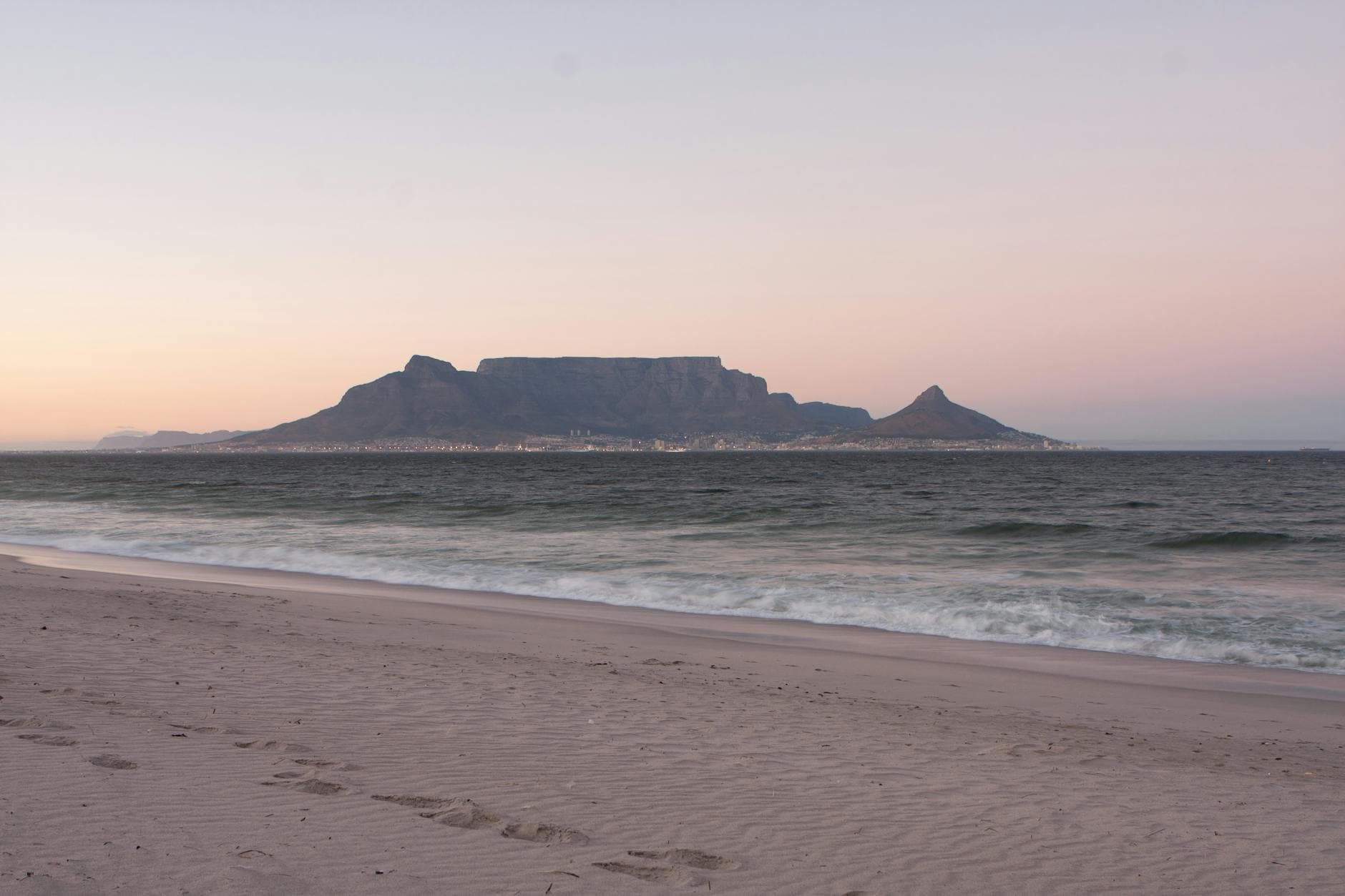
Coast & nature
Cape Point, Garden Route, Durban beaches - 2,800 km of dramatic Atlantic-Indian coastline
Explore

Heritage & landmarks
Table Mountain, Kruger National Park, Drakensberg - South Africa's iconic landscapes
Explore
6 reasons people stay longer than they planned
The pull of South Africa isn't one big thing - it's a stack of small ones, each compounding the others.
Dollar stretches far
At R16+ to the dollar, a $2,000/month budget affords a sea-view apartment, private healthcare, restaurant meals, and weekend wine-farm trips - a lifestyle that would cost $6,000+ in London or Sydney.
Extraordinary natural setting
Table Mountain, Kruger National Park, the Garden Route, whale-watching in Hermanus, shark diving in Gansbaai - South Africa packs more diverse natural experiences per square mile than almost any country on Earth.
First-world private healthcare
South Africa's private hospital networks - Netcare, Mediclinic, Life Healthcare - are JCI-accredited and deliver care comparable to Western Europe, at 30–60% lower cost than the USA.
World-class wine and food
Stellenbosch and Franschhoek produce internationally award-winning wines from R80 a bottle ($5). Cape Malay cuisine, braai culture, peri-peri, and bobotie add up to one of Africa's richest food scenes.
English-speaking Africa hub
English is universal in business and daily life. South Africa is the continent's wealthiest economy and a gateway to broader African business - many multinationals base their African HQ in Johannesburg.
Progressive rights and warm culture
Same-sex marriage has been legal since 2006 - the fifth country in the world to legalise it. The constitution is among the most progressive globally. Locals are famously welcoming to newcomers.
5 cities, 5 different lives
Pick the rhythm that fits - capital buzz, beach mornings, or a slow-living escape.
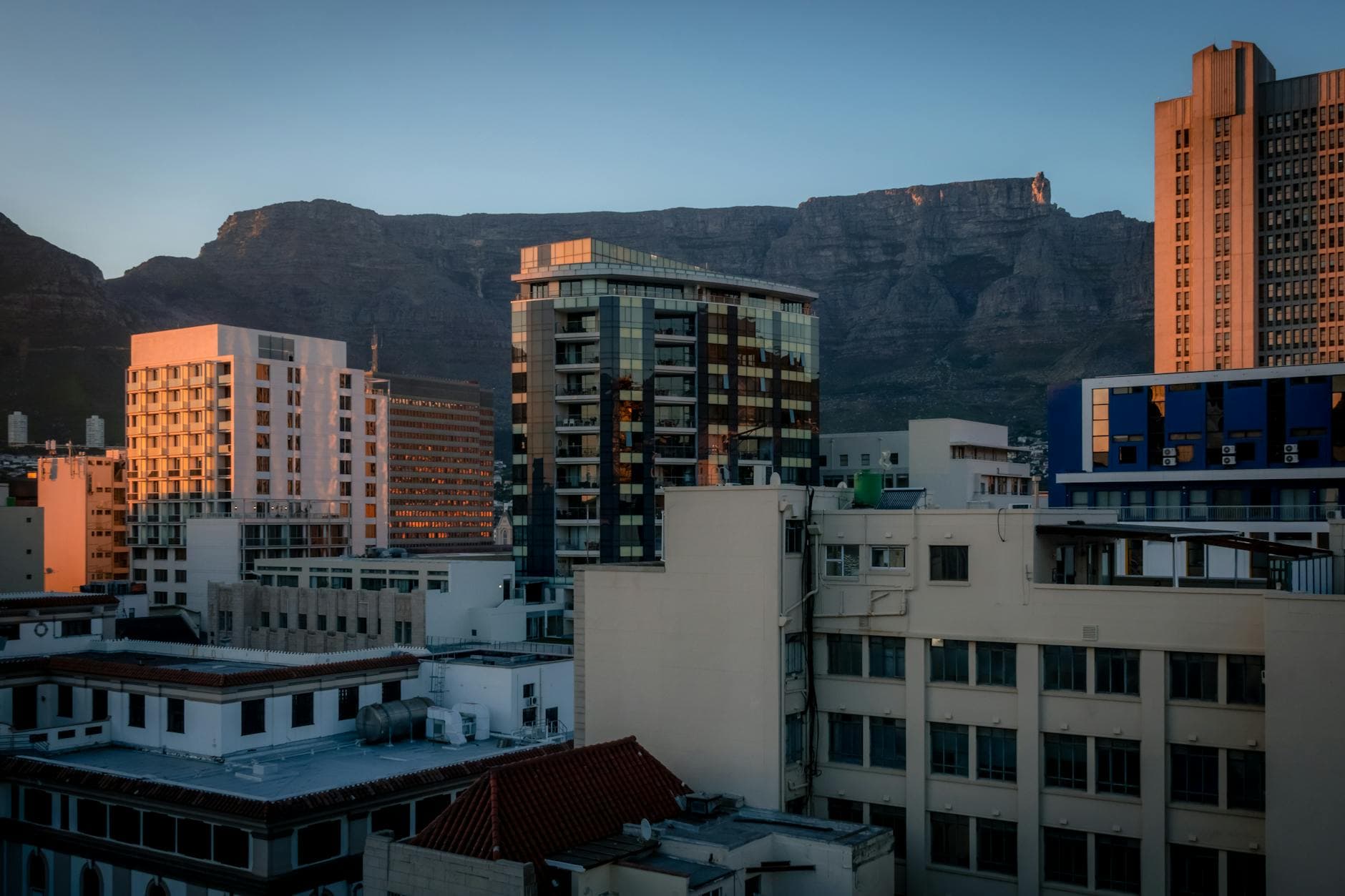
Cape Town
Where Table Mountain meets the Atlantic - Africa's most beautiful city.
R18,000–R28,000 /mo
Digital nomads, entrepreneurs, nature lovers

Johannesburg
Africa's economic heartbeat - where business gets done on a continental scale.
10–15% cheaper /mo
Professionals, entrepreneurs, business expats

Durban
Africa's surf capital meets vibrant Indian-influenced culture on the warm Indian Ocean.
R14,000–R22,000 /mo
Beach lovers, families, retirees
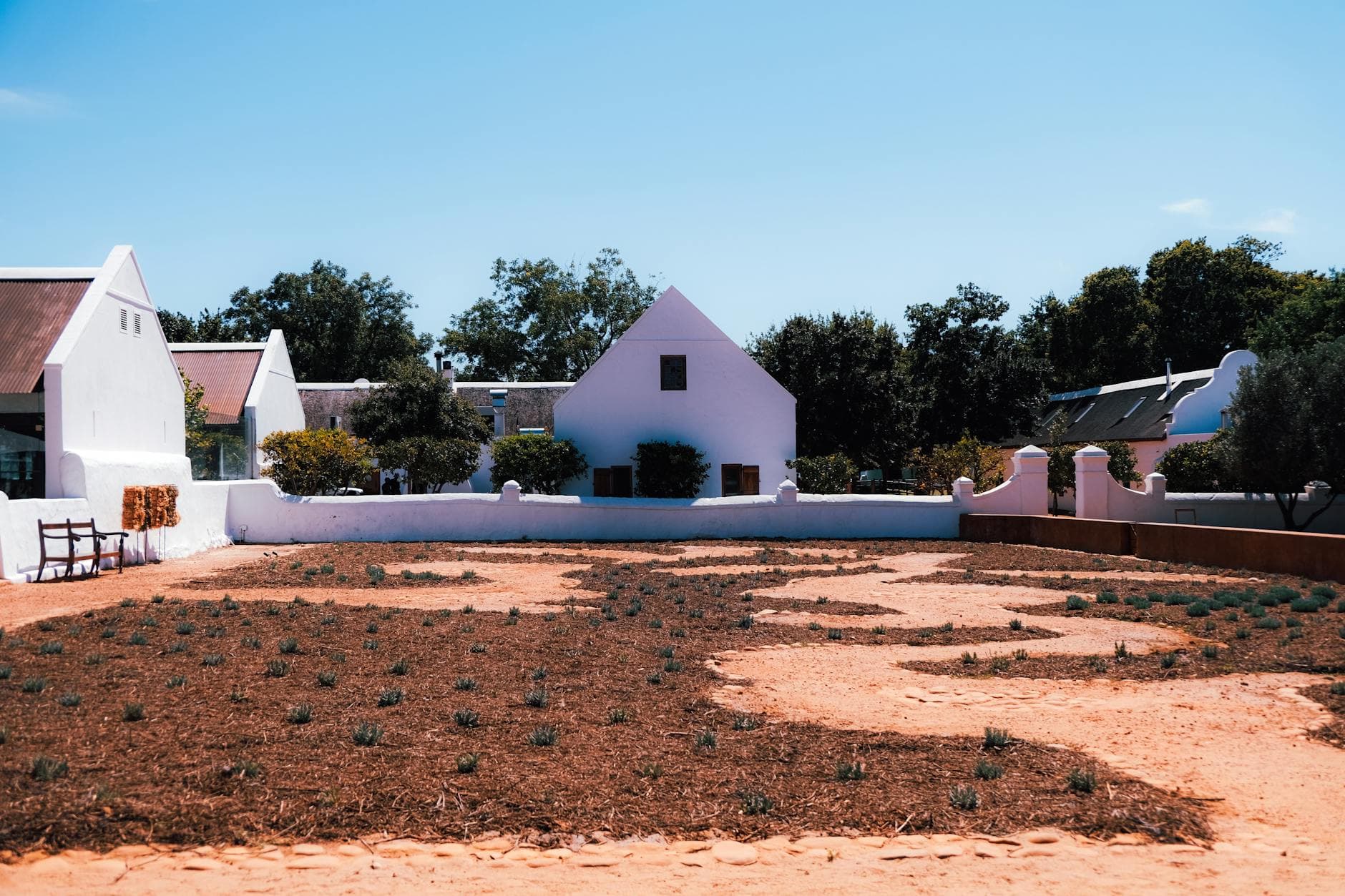
Stellenbosch
South Africa's wine capital - Winelands beauty, Silicon Cape tech hub, and university town charm
ZAR 15,000–25,000 ($830–$1,390) /mo
Wine lovers, tech workers, academics, families

Pretoria
South Africa's administrative capital - Jacaranda city, government hub, and 30% cheaper than Cape Town
ZAR 12,000–20,000 ($665–$1,110) /mo
Diplomats, academics, government workers, families, researchers
Everything, in plain words
Visa rules, healthcare, schools, taxes - written like a friend would explain it, not like a brochure.
Visa & Residency
South Africa introduced a Remote Work Visa in March 2025 and overhauled the Critical Skills Visa to a points-based system in October 2024, making it one of the most improved immigration frameworks in Africa. Citizens of the USA, UK, EU, Australia, New Zealand, and Canada enter visa-free for 90 days. Long-stay options range from a Retired Person Permit (ZAR 37,000/month income) to Financially Independent Permanent Residency (ZAR 12 million net worth).
Read 🏥Healthcare
South Africa operates a two-tier healthcare system: a heavily strained public sector used by ~85% of the population, and a world-class private sector used by expats. Private hospitals operated by Netcare, Mediclinic, and Life Healthcare are JCI-accredited and compare favourably to European institutions. Discovery Health is the dominant medical aid (health insurance) scheme, with entry plans from R1,350/month (~$82). The National Health Insurance (NHI) bill has been suspended pending a Constitutional Court challenge and has no practical impact on expats in the foreseeable future.
Read 💰Cost of Living
South Africa's rand (ZAR) trades at approximately R16.47 per US dollar in March 2026 - strengthened ~9% over the prior 12 months. For foreign-income earners, South Africa is genuinely affordable: a comfortable Cape Town lifestyle costs $1,500–$2,500/month. Income tax rates run 18–45% on South African-source income; most expats on foreign income qualify for the Foreign Employment Tax Exemption on the first ZAR 1.25 million earned. VAT is 15%, and there is no wealth tax or estate duty for non-residents.
Read 🏠Housing
South Africa offers excellent housing value for foreign-income earners. Cape Town's Sea Point and Green Point fetch R12,000–R18,000/month for a furnished 1BR ($730–$1,094); Johannesburg's Sandton commands R10,000–R18,000/month for similar. Most expats rent in gated estates or secure apartment complexes in city-centre neighbourhoods, which include 24-hour security, controlled access, and often a pool. Leases typically run 12 months with a 1–2 month security deposit. Short-term furnished rentals are plentiful on Airbnb, and Property24/Private Property are the main platforms for long-term leases.
Read 💼Work & Business
South Africa is sub-Saharan Africa's largest economy and the only African member of the G20. Johannesburg is the continent's premier financial and corporate hub, housing African headquarters of multinationals including Unilever, Google, Deloitte, and Volkswagen. Cape Town is a fast-growing tech and startup ecosystem, with Naspers/Prosus (one of the world's largest tech investors) headquartered here. The 2024 Critical Skills Visa overhaul makes it easier than ever for ICT professionals, engineers, and healthcare workers to qualify. Local salaries are low in rand but competitive globally when earned offshore.
Read 🌆Daily Life
Daily life in South Africa blends first-world infrastructure with African warmth and spectacular natural scenery. Supermarkets (Woolworths Food, Pick n Pay, Checkers) stock excellent produce and international brands. Uber and Bolt operate extensively in all cities. The restaurant and café scene in Cape Town rivals European capitals. Safety requires awareness and sensible habits, but most expats in established neighbourhoods find the lifestyle deeply rewarding. Load shedding - the decade-long electricity crisis - is effectively resolved after 231 consecutive outage-free days in 2025.
Read ✈️Moving Guide
Moving to South Africa is relatively straightforward. Citizens of major Western countries enjoy 90-day visa-free entry, which allows time to find accommodation and sort logistics before applying for a longer-stay visa. Pets from the USA, UK, and EU face no quarantine - only documentation requirements. Household goods can be imported duty-free as 'used personal effects' for visa holders. Sea freight from the USA takes 5–8 weeks; from the UK 3–4 weeks. The biggest admin tasks are obtaining your visa, opening a bank account, and registering with medical aid.
Read 📚Education
South Africa has Africa's highest-ranked universities, led by the University of Cape Town (UCT, 164th globally in THE 2026 rankings) and Stellenbosch University. The English-medium instruction is a major advantage. International schools are plentiful and well-established - GEMS, The American International School of Johannesburg, and Deutsche Schule are among dozens of accredited options in Cape Town and Johannesburg. Fees range from R80,000–R250,000/year ($4,900–$15,200). The public school system varies enormously by area and is generally not recommended for expat children.
Read 🌅Lifestyle
South Africa's lifestyle proposition is exceptional for outdoor enthusiasts, wine lovers, and anyone seeking extraordinary natural beauty without European or Australian price tags. Hiking Table Mountain at sunrise, whale watching from Hermanus, driving the Garden Route, and Big Five safaris in Kruger are all within reach of daily life. The local wine scene - Stellenbosch and Franschhoek - is world-class. The food culture is deeply social, centred around the braai. Cape Town's art, music, and festival scene rivals cities three times its size.
Read 📈Investing
Everything expats need to know about investing in South Africa - from property and stocks to tax-efficient strategies, brokerage access, and building wealth abroad.
ReadTools to plan your move to South Africa
Practical tools to turn an idea into a real plan - pick a season, time your visa, build a budget, even live a day before you go.
Best time to move to South Africa
Season-by-season - weather, visa timing, rental markets, and expert tips
Cape Town cost of living
Full monthly budget breakdown - rent, food, transport, utilities
Country match quiz
Eight quick questions, AI-matched country shortlist for your lifestyle
Visa finder
Search visa options by nationality, budget, and stay length
A day in South Africa
Live a perfect day with AI - real cafés, costs, and routes
Relocation plan
Step-by-step AI moving timeline tailored to your situation
South Africa vs the rest
See how South Africa stacks up against other popular expat destinations.
Where South Africa ranks
See where South Africa sits in our independent expat rankings - cost, safety, healthcare, and more.
Cheapest Countries for Expats
Ranked list of the most affordable countries for expats in 2026. Monthly budget, cost of living, internet speed, and city guides for each destination.
Countries Under $1,500/Month Cost of Living
Complete list of countries where a single expat can live comfortably on under $1,500 per month. Budget breakdowns, internet speeds, and city guides included.
Countries Where $2,000/Month Is Enough
All countries where a single expat can live well on $2,000 per month or less. Ranked by cost of living with budget details, internet, and English proficiency.
Best Countries for Remote Workers
Top countries for remote workers ranked by internet speed, cost of living, and English proficiency. Find your ideal work-from-anywhere destination in 2026.
Countries With the Fastest Internet
Ranked list of countries with the fastest broadband internet speeds for expats. Average Mbps, cost of living, and city guides for each destination.
Best Countries for Retirement Abroad
Warm-climate countries where one person can live on $2,500/month, ranked safest first by Global Peace Index. Portugal leads, then Malaysia and the Maldives. 2026.
Honest answers
The questions everyone asks before they pack a single box.
How much does it cost to live in South Africa as an expat?
What visa do I need to move to South Africa?
What is healthcare like in South Africa for expats?
What are the best cities to live in South Africa as an expat?
Is South Africa a good place to live as an expat in 2026?
Personal Relocation Assessment
Can you actually move to South Africa?
This page is general. Your case is not. Our relocation expert researches your nationality, income and timeline against the law as it stands, names the instrument behind every figure, and tells you where you actually qualify.
Get my assessmentExpat Insights, weekly
Visa updates, cost-of-living shifts, and real expat stories from South Africa - straight to your inbox.
Which country is right for you?
Answer 6 quick questions about your budget, lifestyle, and priorities. Our AI ranks 122 countries and builds a personalised relocation plan.