
Western Europe
Central & Eastern Europe
Asia & Middle East
Americas
Oceania & Africa
Expat Topics
🌊 Living in South Africa · 2026
Durban.
Africa's surf capital meets vibrant Indian-influenced culture on the warm Indian Ocean.
Monthly Budget
R14,000–R22,000
Best For
Beach lovers, families, retirees
Population
3.9 million
Verified August 13, 2026
Can you actually move to Durban?
We research your nationality, income and timeline against the law as it stands, and tell you whether Durban works and what it takes.
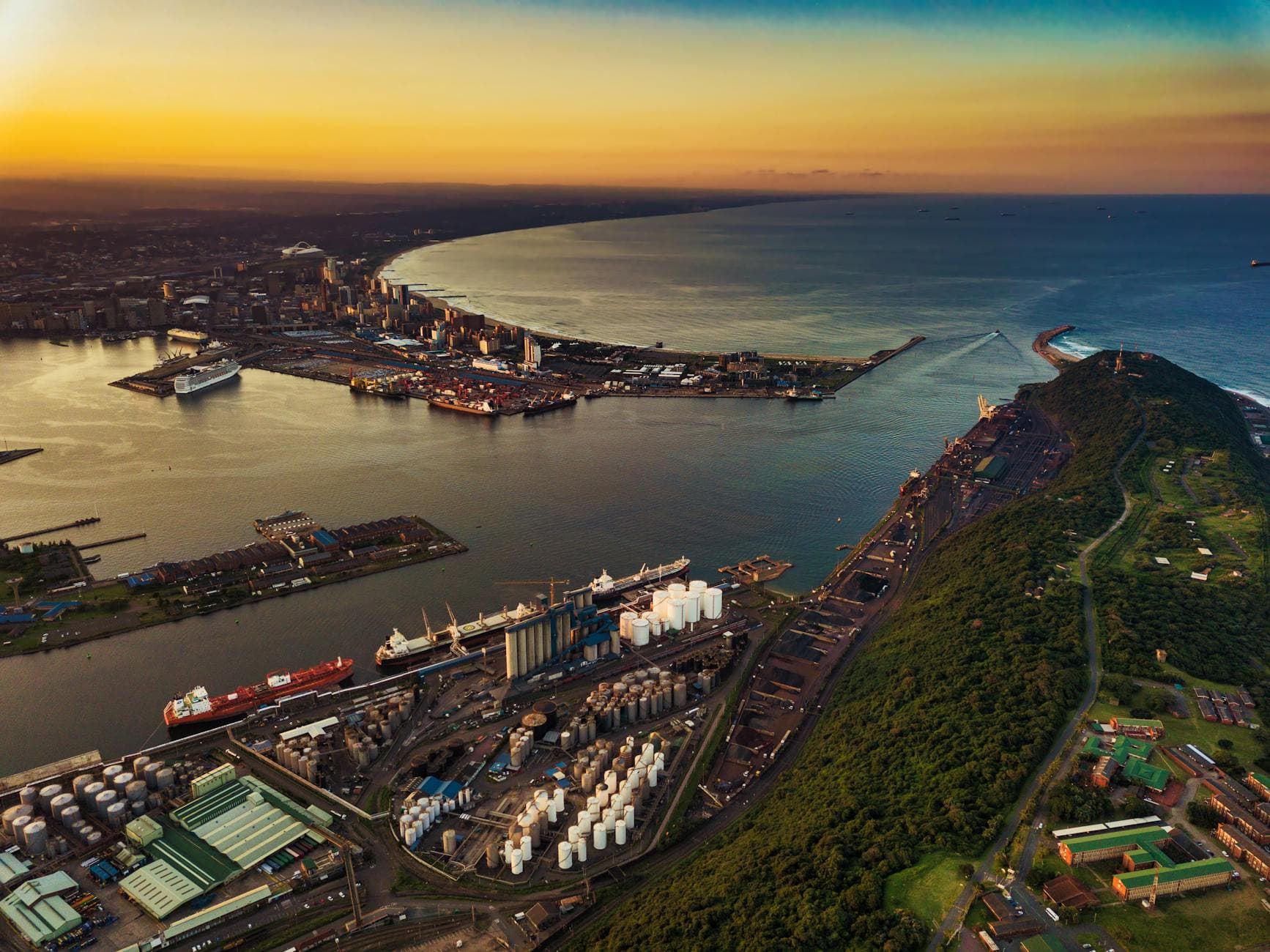
The Durban you’ll actually live in
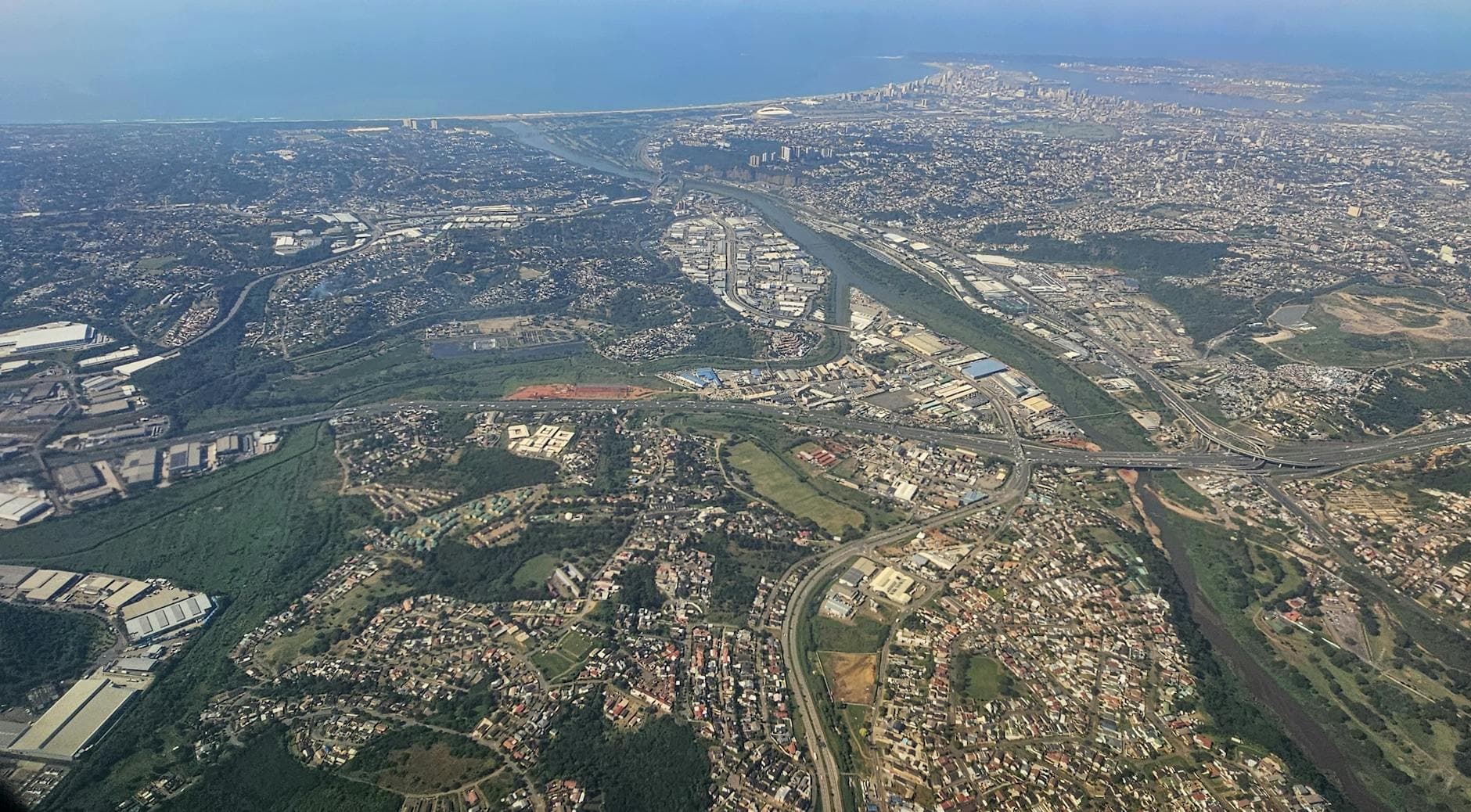
Durban is South Africa's third-largest city and the continent's busiest port. Its warm Indian Ocean waters, year-round subtropical climate, and rich blend of Zulu, Indian, and English cultures create a uniquely vibrant and affordable lifestyle. Umhlanga Rocks to the north is the expat hub - a modern, secure suburb with excellent beaches, world-class hospitals, and growing digital infrastructure. Durban is 20–30% cheaper than Cape Town while offering a genuinely pleasant lifestyle.
The Durban basics
The full picture - 10 key numbers covering budget, internet, English level, beach access, and airport reach.
Monthly Budget
R14,000–R22,000
Best For
Beach lovers, families, retirees
Internet Speed
~30 Mbps avg.
English Level
Very good
1BR Rent (Umhlanga)
R7,000–R12,000/mo ($425–$729)
Climate
Subtropical; warm year-round (18–30°C)
Beach
Warm Indian Ocean; swimming Oct–April
Savings vs Cape Town
20–30% cheaper
Port: Africa's Busiest
900+ vessels/year; trade hub
Curry
Bunny chow (hollowed bread bowl curry) - R60–R100
Is Durban actually your best option?
This page tells you what Durban is like. It cannot tell you whether it beats the four other countries you should be looking at, because that answer changes with your passport. Income thresholds, tax treaties and citizenship timelines are all nationality specific, and the general rule is often not the rule that applies to you.
A Personal Relocation Assessment answers it for your case. You tell us your nationality, income, household and timeline, and we our expert researches it against the law as it stands: which countries you actually qualify for, the route, the current threshold with the instrument it comes from, and what is most likely to go wrong in a position like yours.
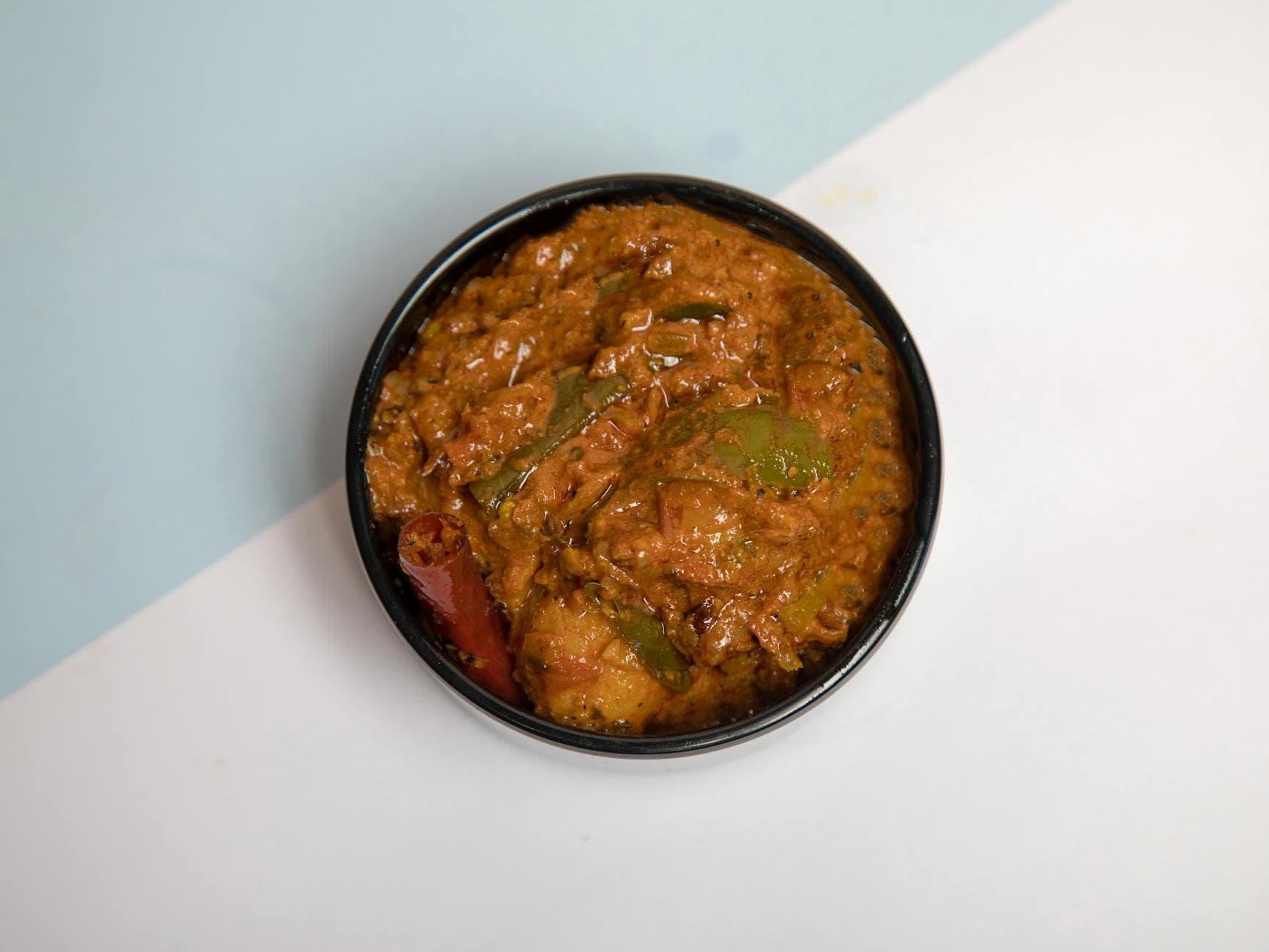
Food culture
Bunny chow, biryani, curry - Durban's South African Indian cuisine capital
Explore
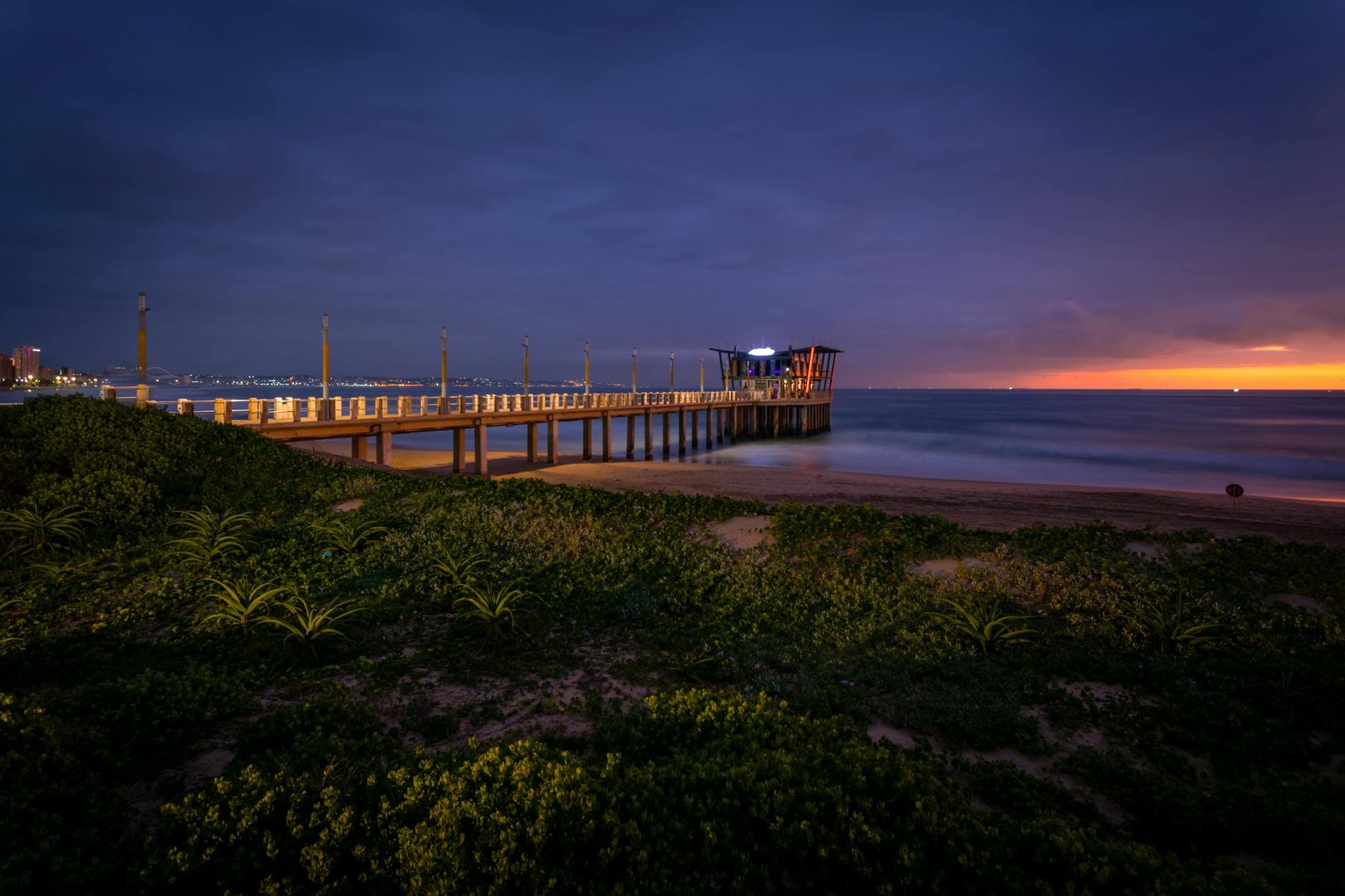
Green spaces
Durban Botanic Gardens + North Beach promenade - Durban's green and coastal lungs
Explore
Markets
Victoria Street Market + I Heart Market - Durban's spice bazaar and craft markets
Explore
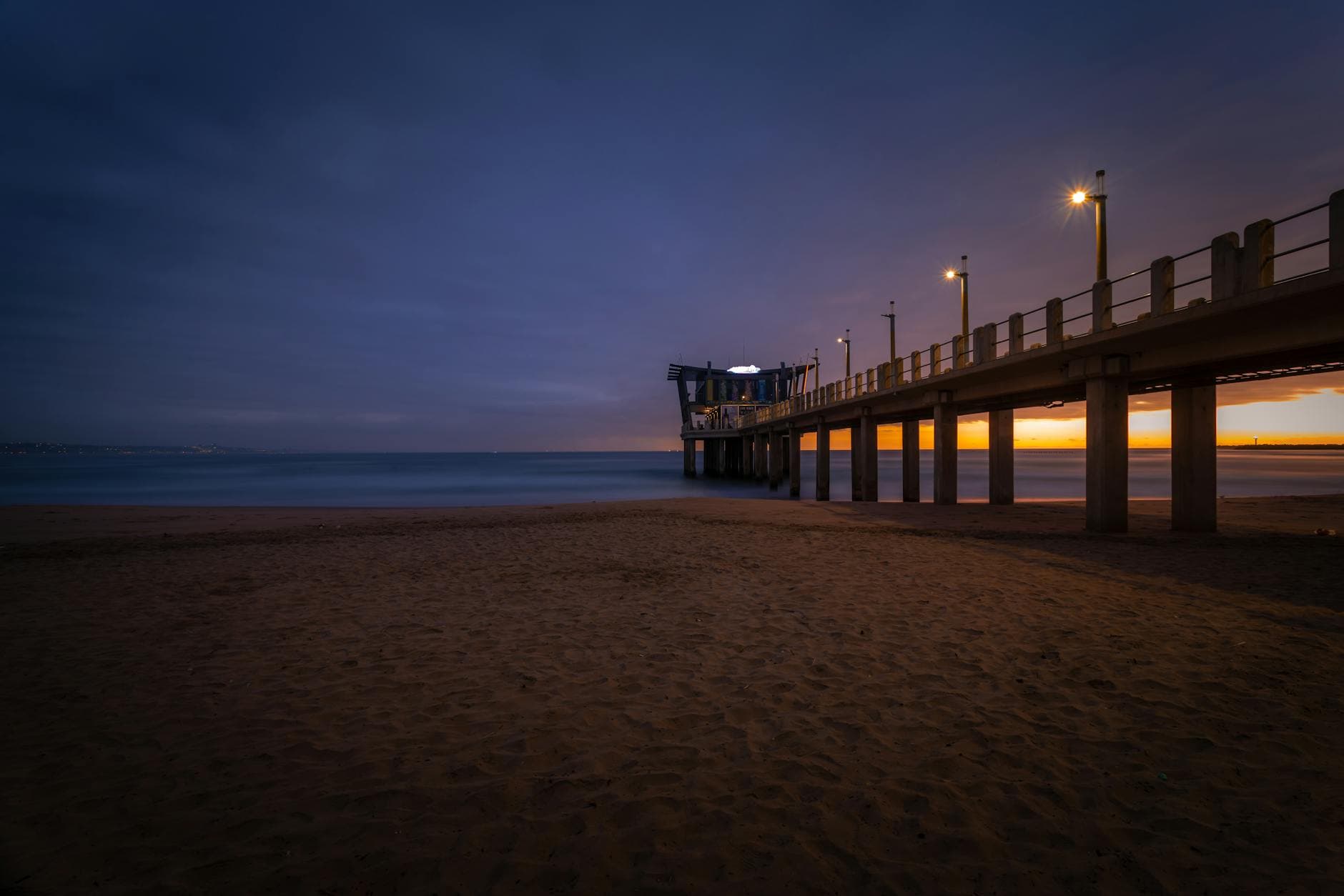
Nightlife
Florida Road + Umhlanga Pearls - Durban's tree-lined bar strip and beach nightlife
Explore
What a month actually costs
No padding, no underestimates. Real expat numbers - central neighborhood, comfortable lifestyle, eating out a few times a week.
All-in monthly
~R22,500/mo (~$1,367)
Single expat, comfortable lifestyle, central area.
Full breakdown
1BR Apartment (Umhlanga)
Good furnished flat; secure complex
R9,000
Groceries
Slightly cheaper than Cape Town
R2,500
Utilities
Electricity; lower air-con cost than inland
R900
Internet (uncapped fibre)
100 Mbps; fibre available in Umhlanga
R700
Medical Aid
Same national pricing as other cities
R4,600
Transport (Uber + occasional car)
More compact than Joburg; Uber manageable
R1,800
Dining & Entertainment
Durban's food scene is excellent; Indian cuisine especially
R3,000
Total
~R22,500/mo (~$1,367)
Where to actually live
4 neighborhoods, 4 different versions of Durban.
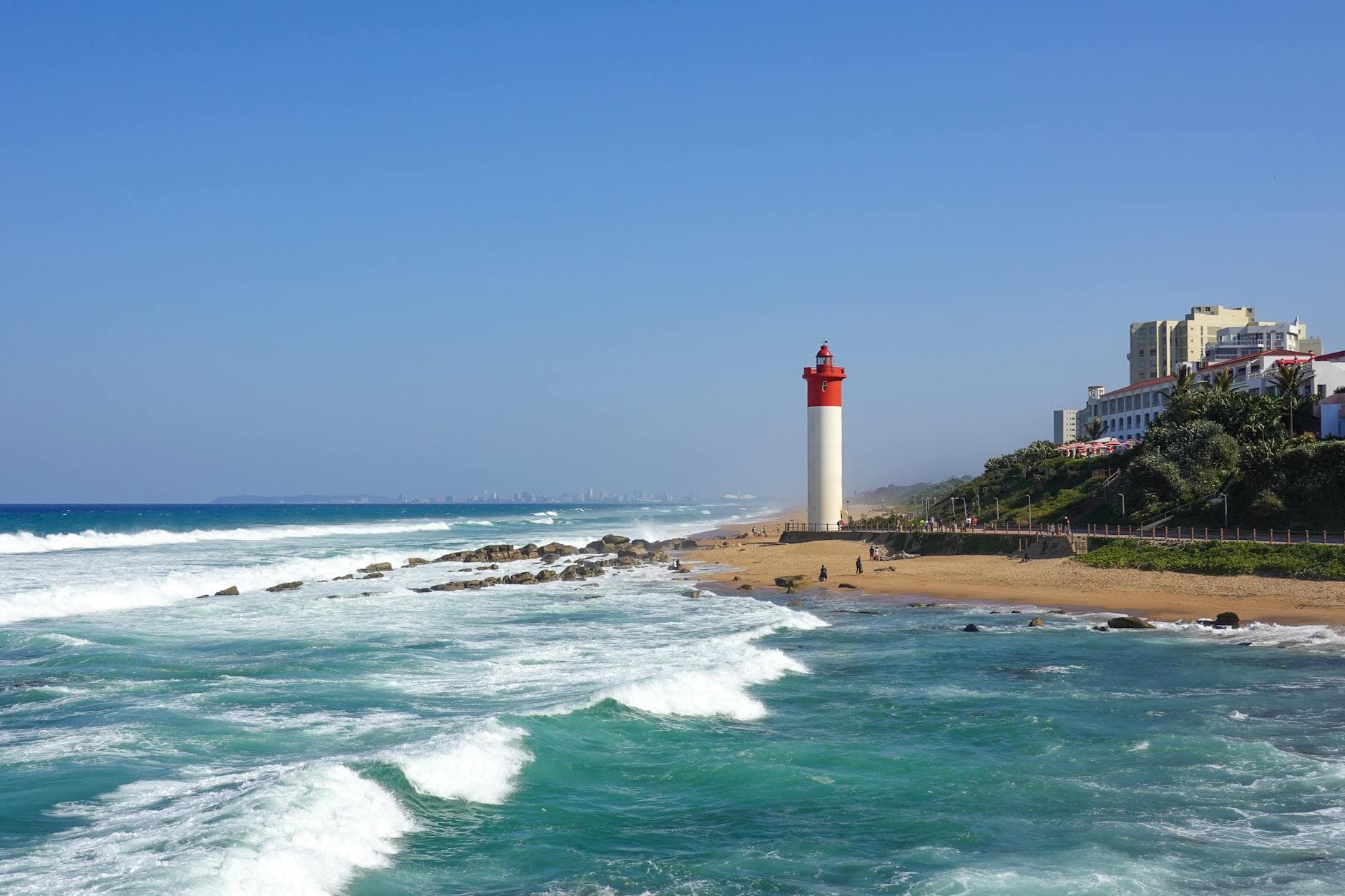
Umhlanga Rocks
Modern, beachfront, expat hub
Best for: Most expats - new development, secure, beach access, excellent hospitals
Rent ZAR 9,000–16,000/month ($500–$890 USD) for 1-BR
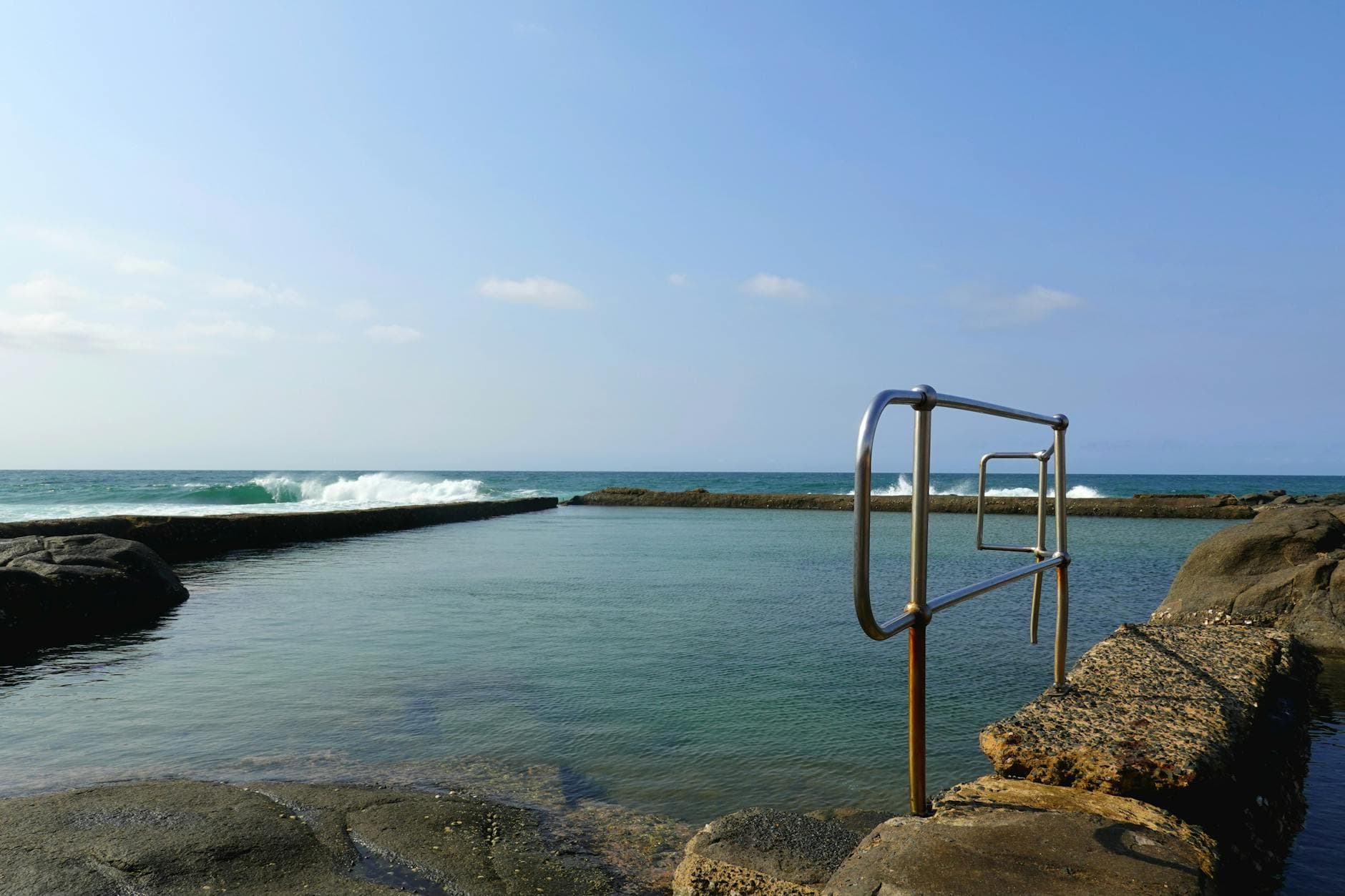
Ballito
Quieter, coastal village, growing
Best for: Families; those wanting a slower pace 40 min north of Durban
Rent ZAR 7,000–12,000/month ($390–$665 USD) for 1-BR
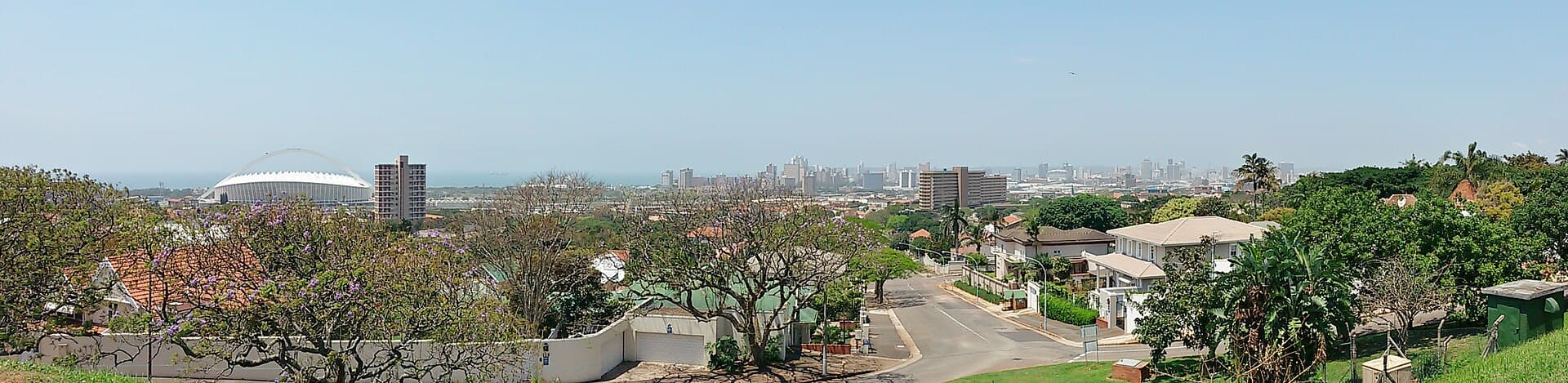
Morningside
Central, restaurant strip, mixed
Best for: Young professionals; good value near Durban CBD
Rent ZAR 6,000–10,000/month ($335–$555 USD) for 1-BR
La Lucia
Upmarket residential, near Umhlanga
Best for: Families and professionals wanting slightly lower cost than Umhlanga
Rent ZAR 8,000–13,000/month ($445–$720 USD) for 1-BR
The truth about Durban
The bits the brochures skip - what expats love, and what tests their patience.
What you’ll love
- 01Warm subtropical climate year-round - no cold winters unlike Cape Town and Joburg
- 0220–30% cheaper than Cape Town for equivalent lifestyle
- 03World-class surfing - Durban's beaches are warm (Indian Ocean); surfing year-round
- 04Extraordinary food culture - South Africa's Indian population (largest outside India) creates a phenomenal curry scene
- 05Umhlanga is compact and manageable - Uber-able in a way Joburg is not
- 06Netcare St Augustine's Hospital and other private hospitals at world-class level
- 07Less tourist traffic than Cape Town - more authentic local experience
What might bug you
- 01Smaller international business scene than Cape Town or Joburg - career options more limited
- 02Humidity in summer (Dec–Feb) can be intense - 80–90% relative humidity
- 03Durban CBD is rough and not expat-friendly; expats stay firmly in Umhlanga and northern suburbs
- 04Fewer international schools than Cape Town or Joburg - verify school options for your children's ages
- 05Direct international flights limited - usually requires connection through Joburg or Cape Town
- 06Flooding: Durban has experienced severe flash flooding events in recent years (April 2022 disaster); climate risk real
Where to plug in
Hand-picked coworking spaces - premium business addresses, community hubs, and budget-friendly options.
The Workspace (Umhlanga)
Most expat-accessible; good fibre; sea views
Workshop17 (Gateway)
Located in Gateway Theatre mall; professional environment
Durban StartUp Hub
Central Durban; tech startup community
How Durban moves
Metro, buses, walkability - what works, what to avoid, and how much you'll actually spend.

- 01
Uber/Bolt: reliable in Umhlanga and northern suburbs; essential for getting around safely
- 02
Car: advisable for greater freedom, especially for trips to Ballito, Drakensberg, and Valley of a Thousand Hills
- 03
King Shaka International Airport: 35 minutes from Umhlanga; Uber costs R250–R350
- 04
Buses: limited public bus service; not recommended for expats in most circumstances
- 05
Cycling: beach promenade is excellent for cycling; recreational only - not for commuting
Key takeaways
If you only remember five things about Durban, make it these.
Budget
~R22,500/mo (~$1,367)/mo
Where to live
Umhlanga Rocks, Ballito, Morningside
Top advantage
Warm subtropical climate year-round - no cold winters unlike Cape Town and Joburg
Watch out
Smaller international business scene than Cape Town or Joburg - career options more limited
Remote work
3+ coworking spaces, from R2,000/mo
More on South Africa
Drill into the country-level guides - visa rules, healthcare, schools, taxes, and more.
Tools to plan your move to Durban
Practical tools to turn an idea into a real plan - pick a season, time your visa, build a budget, even live a day before you go.
Durban cost of living
Full monthly budget breakdown - rent, food, transport, utilities
Best time to move to South Africa
Season-by-season - weather, visa timing, rental markets
Country match quiz
Eight quick questions, AI-matched country shortlist
Visa finder
Search visa options by nationality, budget, and stay length
A day in Durban
Live a perfect day with AI - real cafés, costs, and routes
Relocation plan
Step-by-step AI moving timeline tailored to you
City rankings
See where Durban sits in our independent expat city rankings.
Cheapest Cities for Digital Nomads
Ranked list of the most affordable cities for digital nomads in 2026. Budget, internet speed, English level, and coworking info for each city.
Cities With the Fastest Internet
Ranked list of cities with the fastest broadband internet for remote workers and digital nomads. Speed, cost of living, and English level for each city.
Best Cities for English Speakers
Cities where English is widely spoken - ranked by cost of living. Perfect for expats who want to settle abroad without a language barrier.
Most Affordable Cities in Europe
Cheapest European cities for expats ranked by monthly cost of living. Budget breakdowns, internet speeds, and English levels for each city.
Best Cities in Southeast Asia for Expats
Top cities in Southeast Asia for expats and digital nomads. Ranked by budget with internet speed, English level, and lifestyle highlights.
Best Cities in Latin America for Expats
Top Latin American cities for expats and digital nomads. Ranked by budget with internet speed, English level, and lifestyle highlights.
Also in South Africa
4 other cities worth a look - each with its own rhythm, costs, and character.
Cape Town
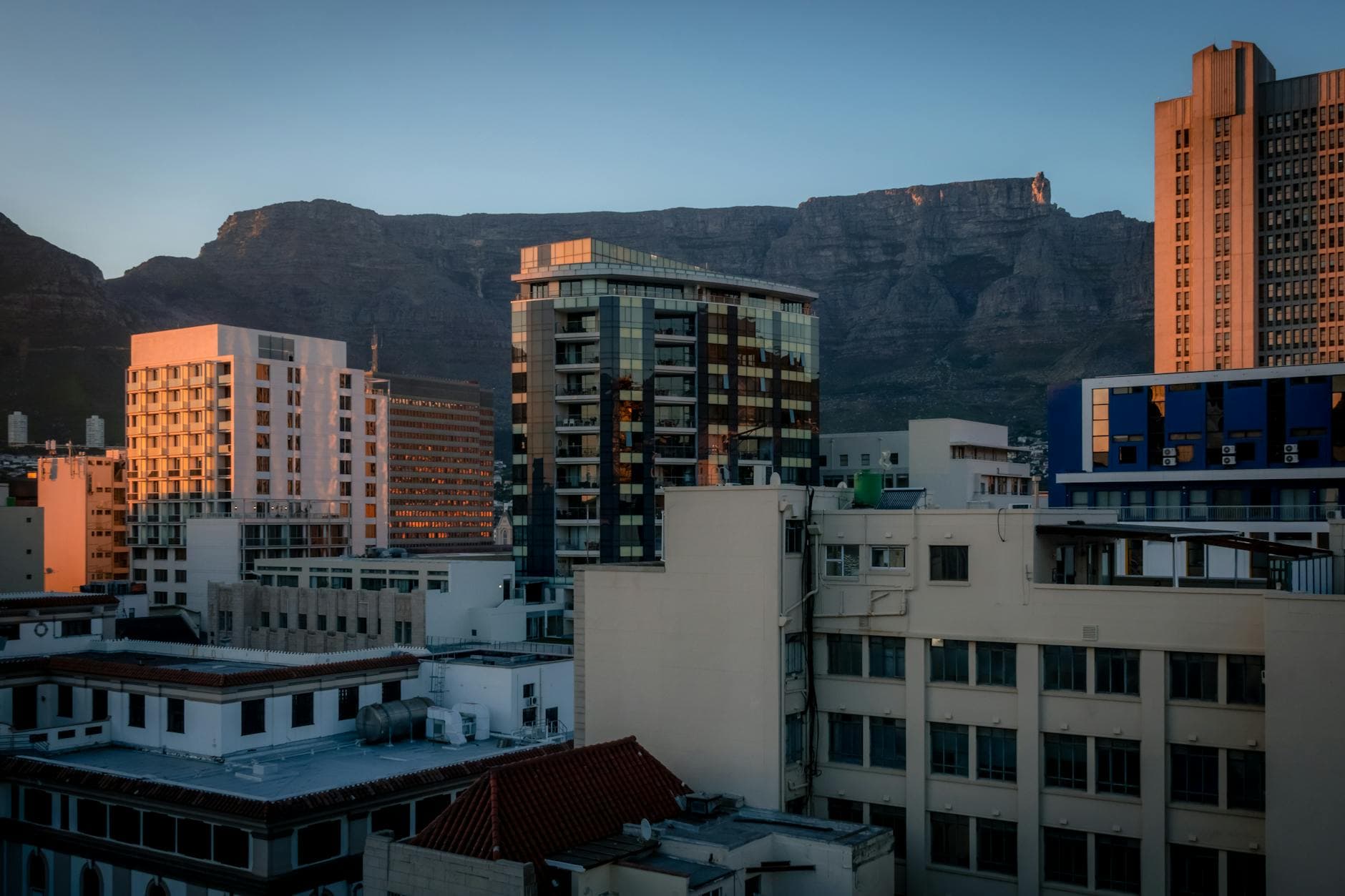
Where Table Mountain meets the Atlantic - Africa's most beautiful city.
R18,000–R28,000 /mo
Read guide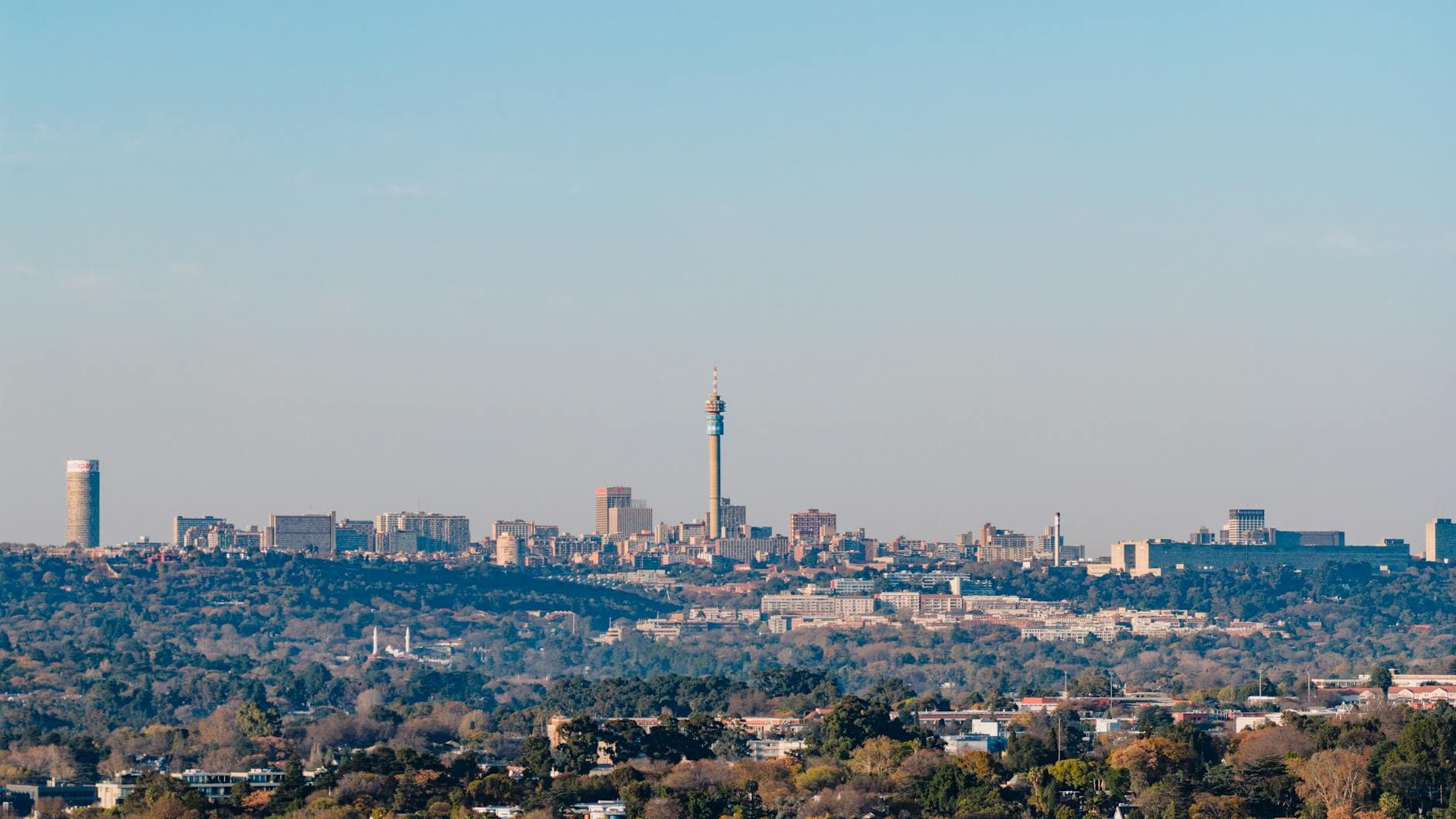
Johannesburg
Africa's economic heartbeat - where business gets done on a continental scale.
10–15% cheaper /mo
Read guide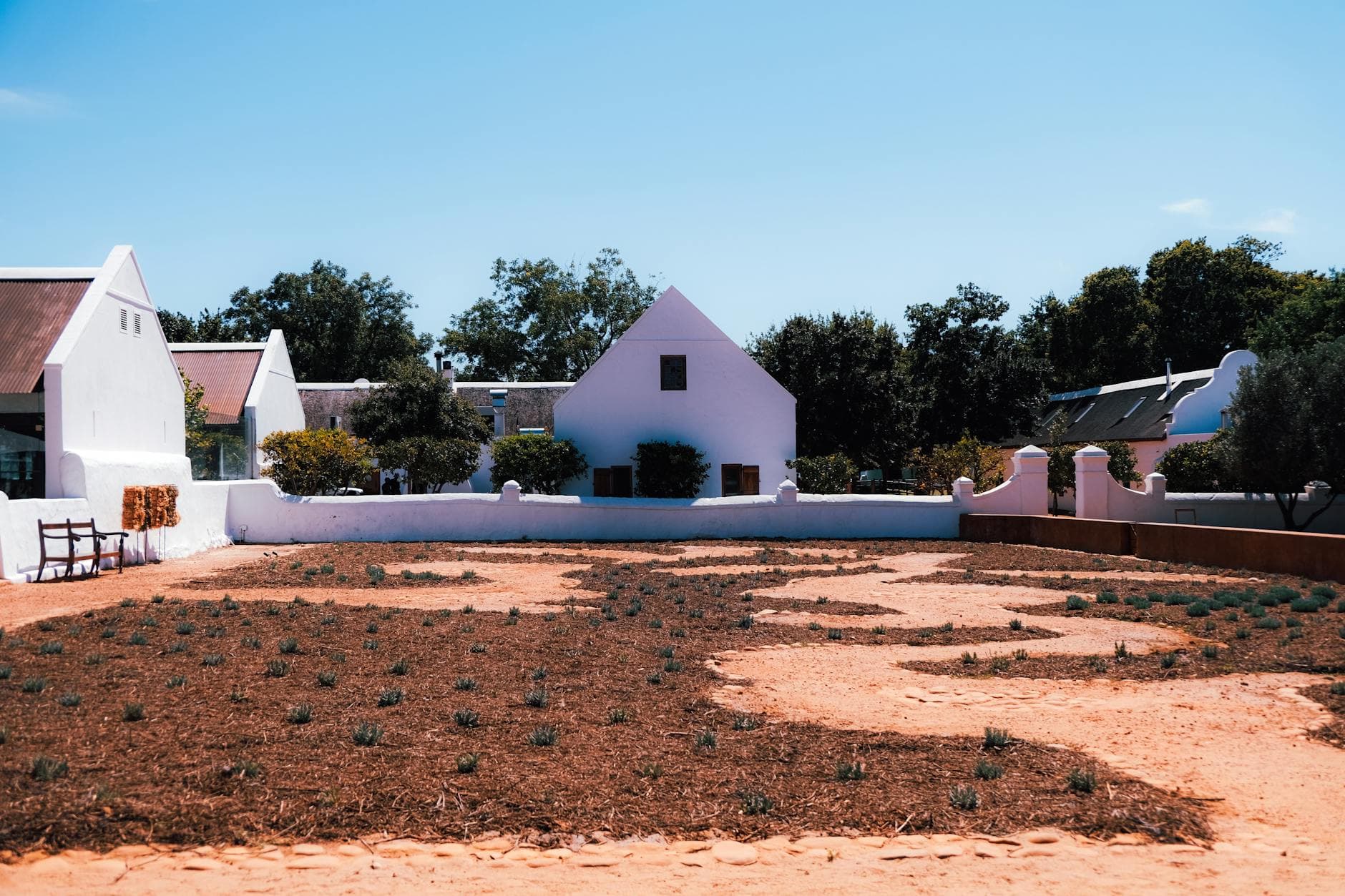
Stellenbosch
South Africa's wine capital - Winelands beauty, Silicon Cape tech hub, and university town charm
ZAR 15,000–25,000 ($830–$1,390) /mo
Read guide
Pretoria
South Africa's administrative capital - Jacaranda city, government hub, and 30% cheaper than Cape Town
ZAR 12,000–20,000 ($665–$1,110) /mo
Read guideCommon questions
Honest answers about life in Durban.
How much does it cost to live in Durban per month?
What are the best neighborhoods in Durban for expats?
Is Durban good for digital nomads?
What are the pros and cons of living in Durban?
How do you get around in Durban?
Can you actually move to Durban?
Everything above is general. This is not. Our relocation expert researches your nationality, income, household and timeline against the law as it stands today, names the instrument behind every figure, and tells you where you actually qualify.
What you’ll get
Where you qualify
Routes open to your passport, today
The real numbers
Current thresholds, fees and timelines
The paperwork
What you must prove, and how
What goes wrong
The three risks for a case like yours
Sources named
Every figure traced to its instrument
Written by an expert. Delivered in 3 working days.
Is Durban right for you?
Eight quick questions, an AI-matched shortlist of countries and cities for your budget and lifestyle.
Take the free quizExpat Insights, weekly
Cost-of-living shifts, visa updates, real expat stories from Durban and beyond.