Western Europe
Central & Eastern Europe
Asia & Middle East
Americas
Oceania & Africa
Expat Topics
🇵🇭 The expat guide · 2026
Philippines.
English is the official language, 7,641 islands to explore, and a brand new digital nomad visa - Southeast Asia's most welcoming archipelago
NCR Minimum Wage
PHP 695/day
Wage Order NCR-26 (18 Jul 2025); ~$340/mo at PHP 60.7/$
Digital Nomad Visa
Since June 2025
12 months, no Philippine income tax
SRRV Restructure (Sep 2025)
$50K deposit non-pensioner
Min age 40 (was 35); $1,500 app fee; SRRV Smile/Human Touch ABOLISHED; only Classic + Courtesy remain
SRRV Tiers (Classic)
Age 50+: $15K/$30K
Pensioner $15K / non-pensioner $30K; Age 40-49 doubled: $25K / $50K
Manila 1BR Rent
$600–$1,200/mo
BGC ₱50K–75K ($800–1,200); Makati CBD ₱25K–50K ($400–800)
Active SRRV Holders
~60,000 (Jul 2025)
Mostly from China, South Korea, India, USA
Verified August 13, 2026
See 6 more figuresCan you actually move to Philippines?
We research your nationality, income and timeline against Philippines's current rules, and tell you whether you qualify and what it actually costs.
Why move to Philippines?
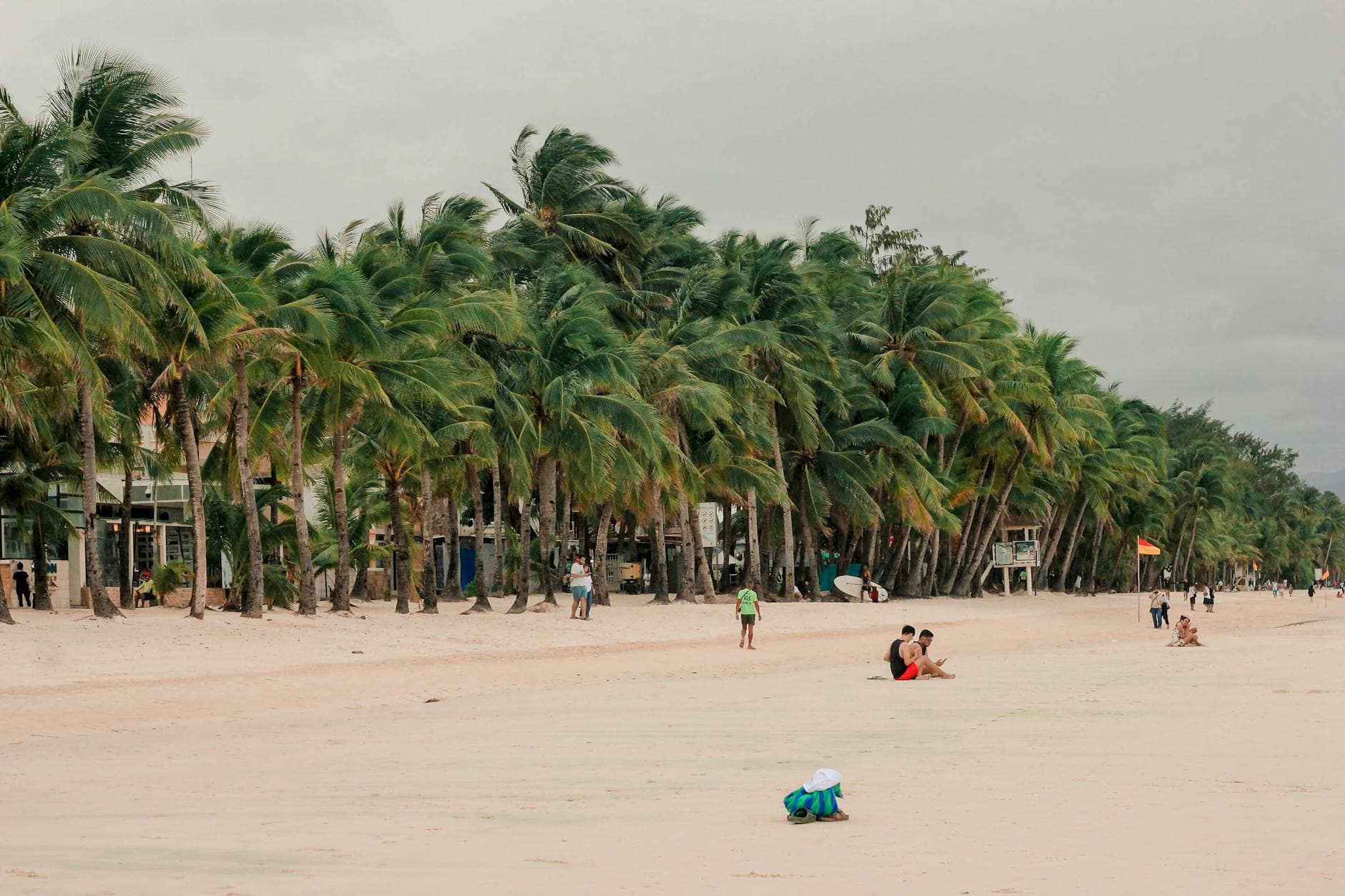
The Philippines is Southeast Asia's most English-friendly country - English is an official language, used in government, education, media, and business. Over 116 million people speak it fluently, making the Philippines the only country in Asia where a Western expat can navigate daily life, visit hospitals, handle bureaucracy, and make friends entirely in English. A brand new Digital Nomad Visa launched in June 2025 offers 12 months with no Philippine income tax. The country's extraordinary island diversity - 7,641 islands spanning turquoise lagoons, world-class dive sites, and UNESCO rice terraces - means lifestyle choices are extraordinary. Live in Manila's gleaming BGC financial district, work from Cebu's IT Park, surf every day from Siargao, or settle in Dumaguete - consistently ranked the Philippines' safest and most liveable city.
The rest of the Philippines numbers
The figures that did not fit in the summary above.
| Figure | Detail |
|---|---|
| Global Peace Index#115 | 2026 GPI ranking |
| PIT (TRAIN)0–35% | 0% to PHP 250K/yr; tops 35% above PHP 8M; minimum-wage earners exempt |
| VAT12% standard | Registration threshold PHP 3M annual gross sales/receipts |
| DN Visa Income$24,000/yr | $2,000/mo equivalent; 12-mo permit; no Philippine income tax |
| PIT Reform Push (SONA 2026)Tax-free ceiling PHP 250K → 350K | Marcos SONA 5 called on Congress to raise PIT tax-exempt ceiling to PHP 350K/yr; Sotto bill targets 2027; ~3M workers benefit; saves up to PHP 15K/yr |
| MSME Tax CutMin CIT scrapped for smaller firms | SONA 2026 pledge: smaller MSMEs to be exempted from Minimum Corporate Income Tax; expected to support hiring + recovery |
The Philippines basics
10 essentials every expat should know - from the practical to the political.
Is Philippines actually your best option?
This page tells you what Philippines is like. It cannot tell you whether it beats the four other countries you should be looking at, because that answer changes with your passport. Income thresholds, tax treaties and citizenship timelines are all nationality specific, and the general rule is often not the rule that applies to you.
A Personal Relocation Assessment answers it for your case. You tell us your nationality, income, household and timeline, and we our expert researches it against the law as it stands: which countries you actually qualify for, the route, the current threshold with the instrument it comes from, and what is most likely to go wrong in a position like yours.
Food culture
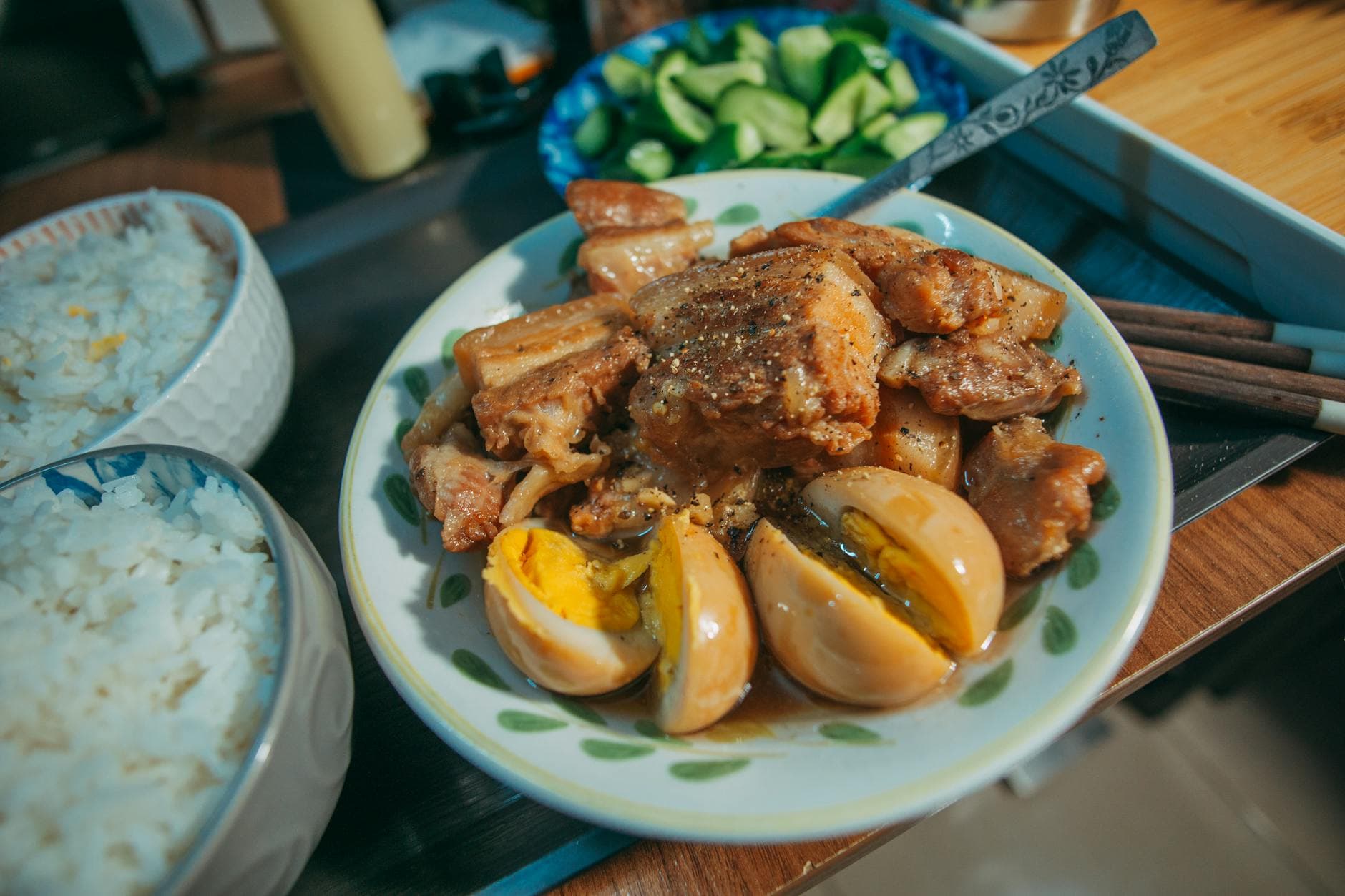
Lechon, adobo, halo-halo, lumpia - Cebu leads the Philippines' bold food scene
Explore
Festivals & traditions
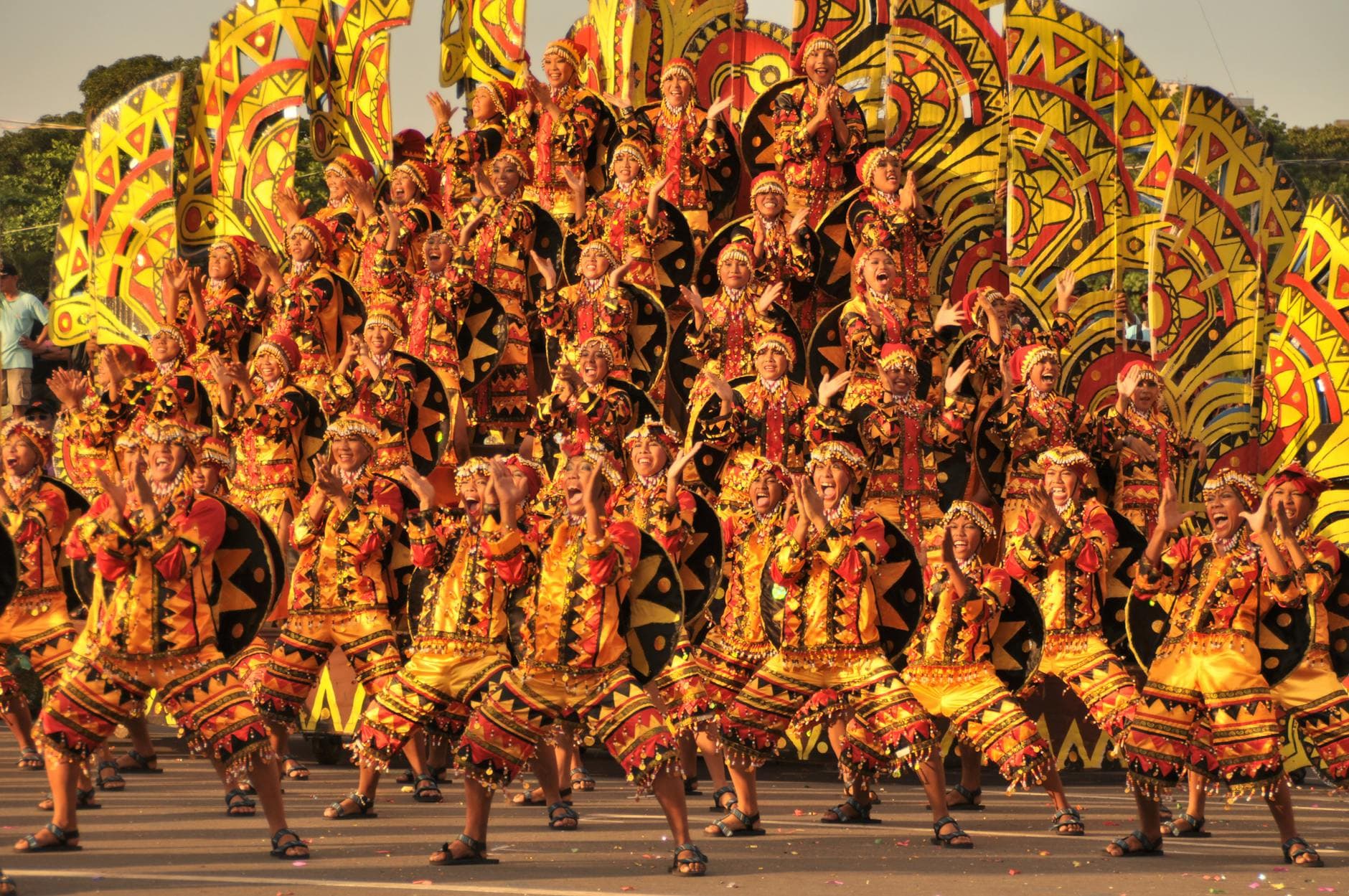
Fiestas, jeepneys, Spanish-American-Asian blend - Manila's living culture
Explore
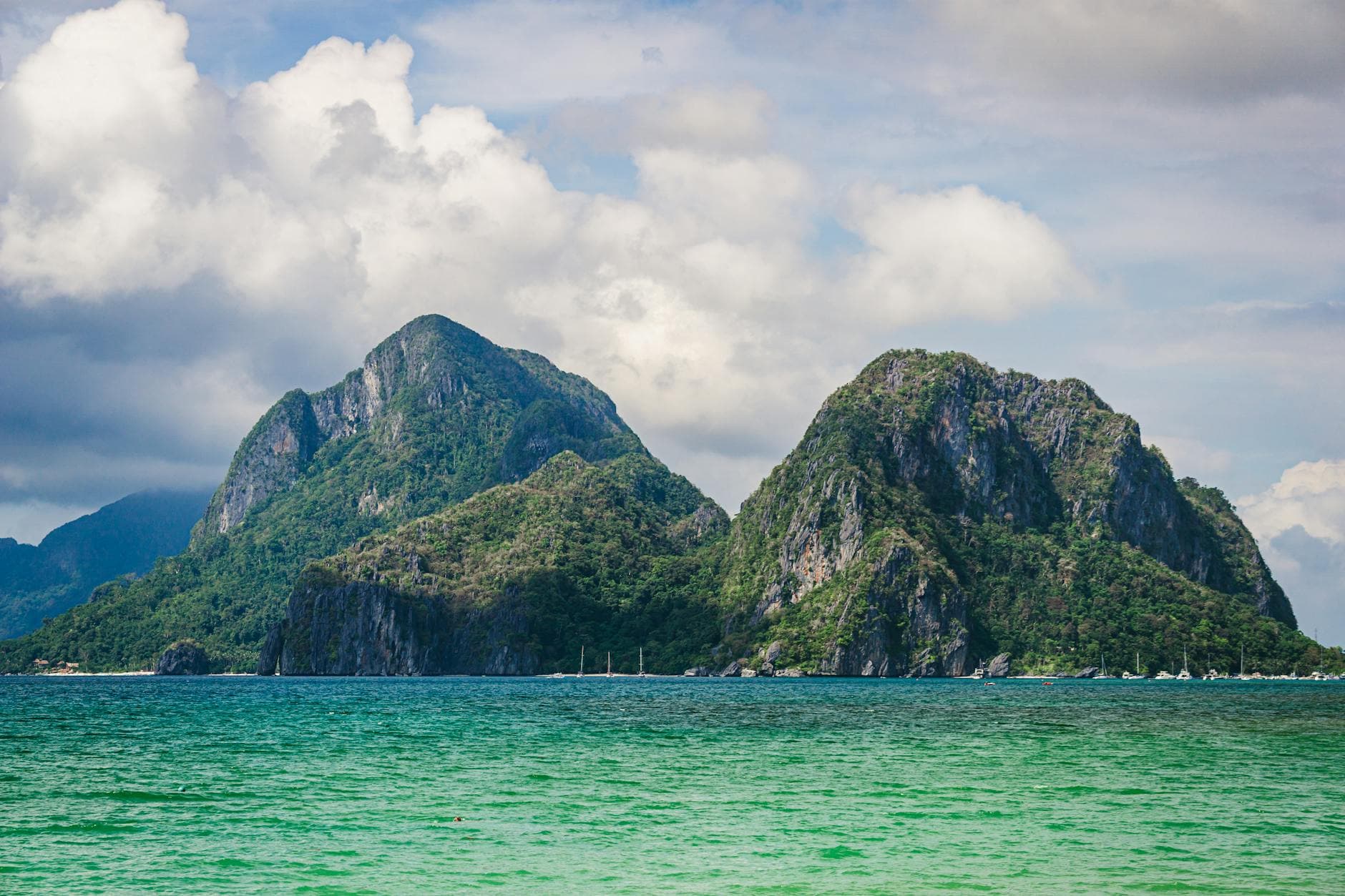
Coast & nature
Palawan, Boracay, Apo Island - 7,641 islands of turquoise coast
Explore
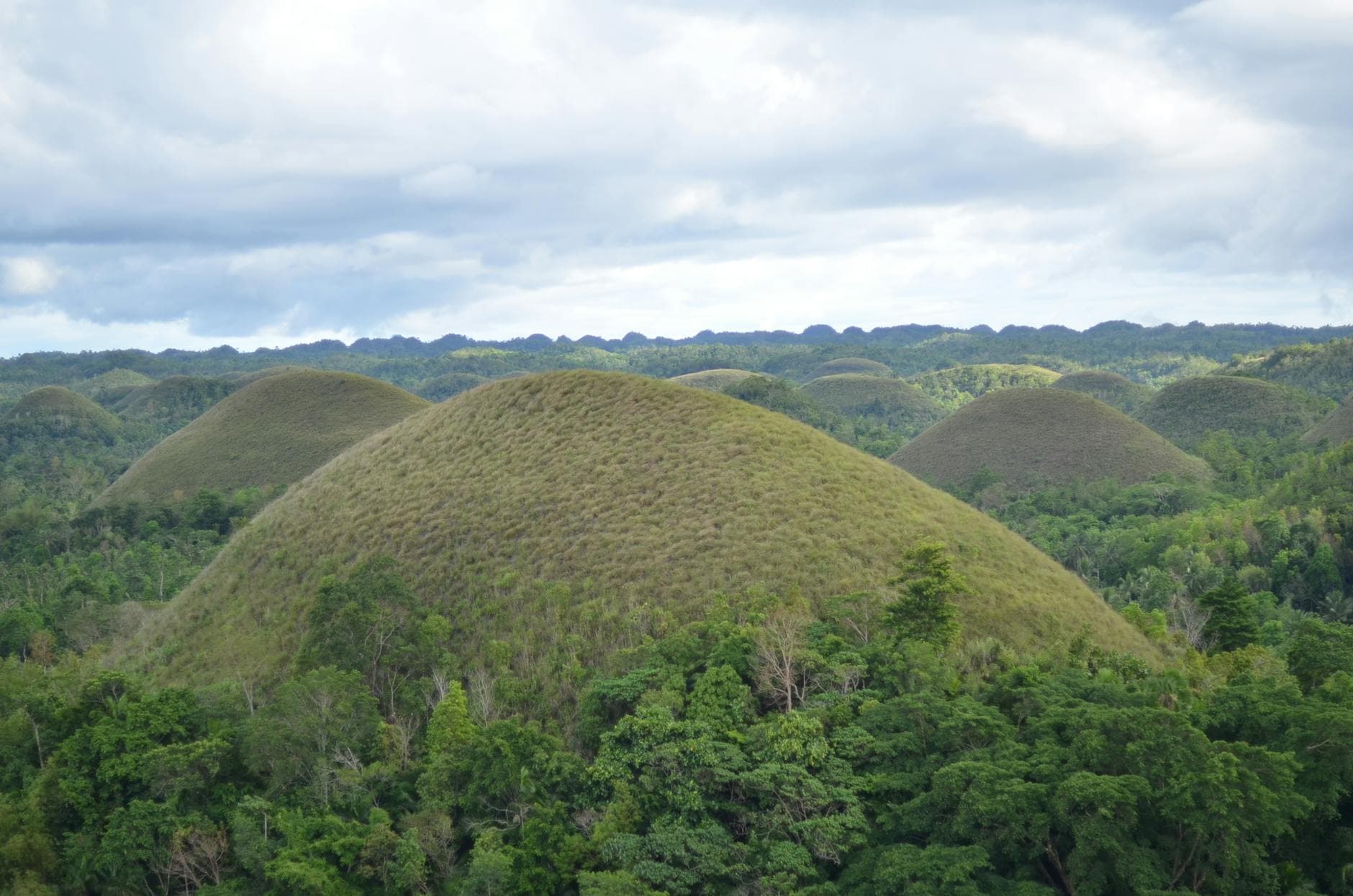
Heritage & landmarks
Chocolate Hills, Banaue Rice Terraces, Mayon Volcano - the archipelago's icons
Explore
8 reasons people stay longer than they planned
The pull of Philippines isn't one big thing - it's a stack of small ones, each compounding the others.
English is the Official Language
English is not just widely spoken in the Philippines - it's a co-official language alongside Filipino. Government, courts, education, healthcare, and business all operate in English. You can sign a lease, see a doctor, open a bank account, and make friends entirely in English from day one. Nowhere else in Asia offers this.
7,641 Islands - Endless Lifestyle Options
No other expat destination offers geographic diversity like this. BGC Manila's Manhattan-style skyline; Cebu's dive-from-shore coral reefs; Siargao's perfect surfing barrels; El Nido's limestone karst lagoons; Bohol's Chocolate Hills. Choose your paradise and live it year-round.
Ultra-Affordable Outside Manila
Dumaguete, Cebu suburbs, and provincial cities offer comfortable expat lives from $600–$1,000/month. Even in BGC Manila - the most expensive area - $1,400–$2,000 covers a very comfortable lifestyle. Local restaurant meals cost $2–$4; fresh seafood from the market is cheaper per kilogram than almost anywhere in the world.
Brand New Digital Nomad Visa (June 2025)
The Philippines launched its Digital Nomad Visa in June 2025. It requires $24,000/year remote income and grants 12 months with no Philippine income tax obligation. Holders are not considered Philippine tax residents - your foreign income stays tax-free here.
World's Most Welcoming People
Filipinos consistently top global friendliness surveys. The Filipino concept of 'bayanihan' (communal unity) and genuine warmth toward foreigners makes integration fast and natural. You'll be invited to parties, family events, and fiestas within weeks of arriving in any city.
World-Class Diving and Marine Life
The Philippines sits at the heart of the Coral Triangle - the most biodiverse marine zone on Earth. Tubbataha Reef, Apo Island, and Moalboal are among the world's best dive sites. Sardine runs, whale shark encounters, and manta ray cleaning stations are accessible from multiple coastal cities.
Excellent Private Hospitals
Major private hospitals in Manila and Cebu (St. Luke's, Makati Medical Center, The Medical City, Chong Hua Hospital Cebu) are modern, accredited, and staffed with English-speaking doctors many of whom trained in the US. Costs are 60–80% below American rates.
Ideal Time Zone for US Remote Workers
UTC+8 works surprisingly well for US-based remote workers - evening hours in the US (5–9PM EST) are morning hours in Manila (6–10AM next day). Many Filipino-based remote workers handle US client calls in the morning, then have their whole afternoon free. Freelancers serving Australian clients find it perfect.
3 cities, 3 different lives
Pick the rhythm that fits - capital buzz, beach mornings, or a slow-living escape.
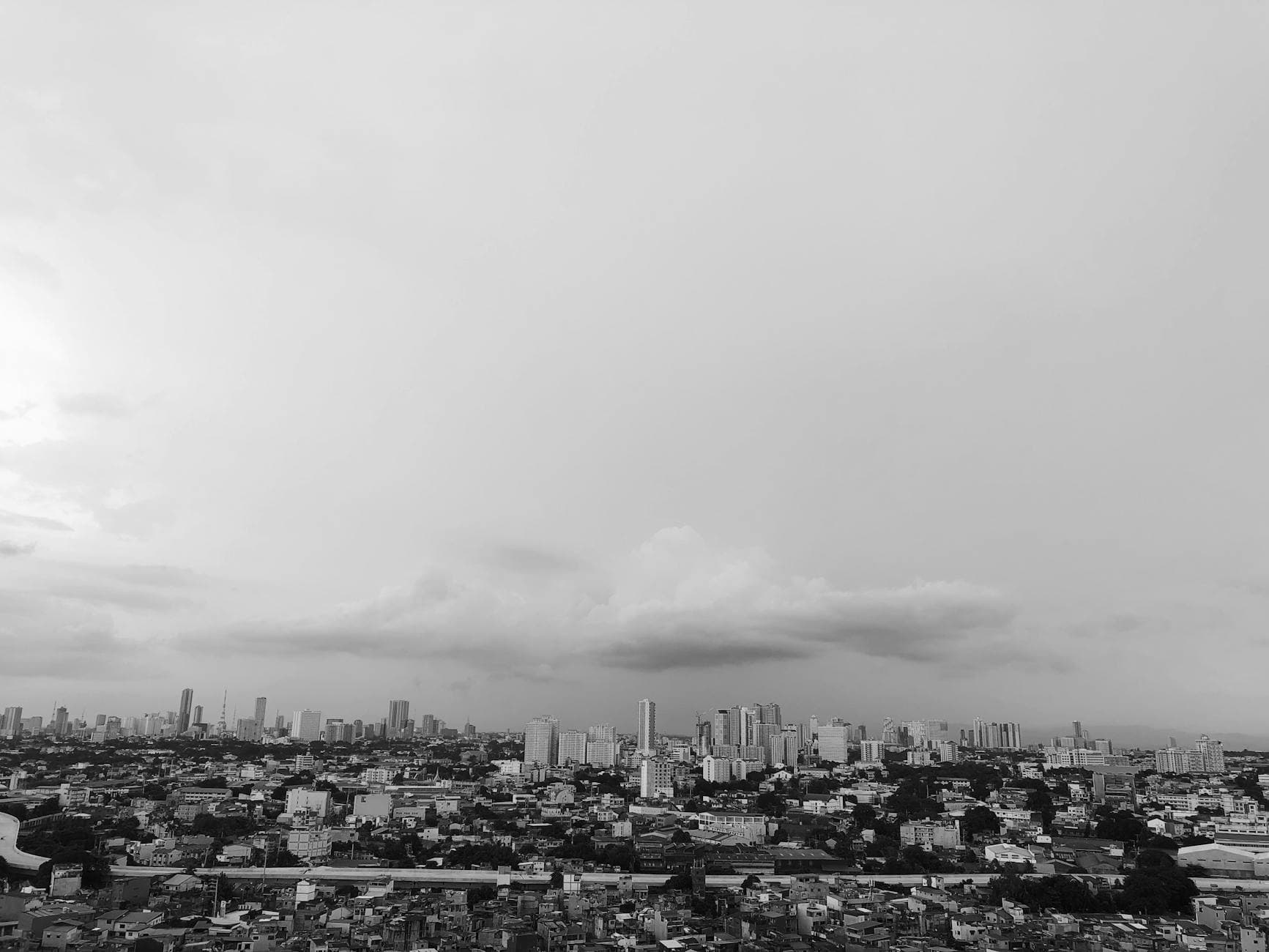
Manila (BGC)
Southeast Asia's most modern financial district - Manhattan ambitions, Filipino warmth, tropical prices
$1,800–$2,800 /mo
Corporate expats, families, well-paid remote workers
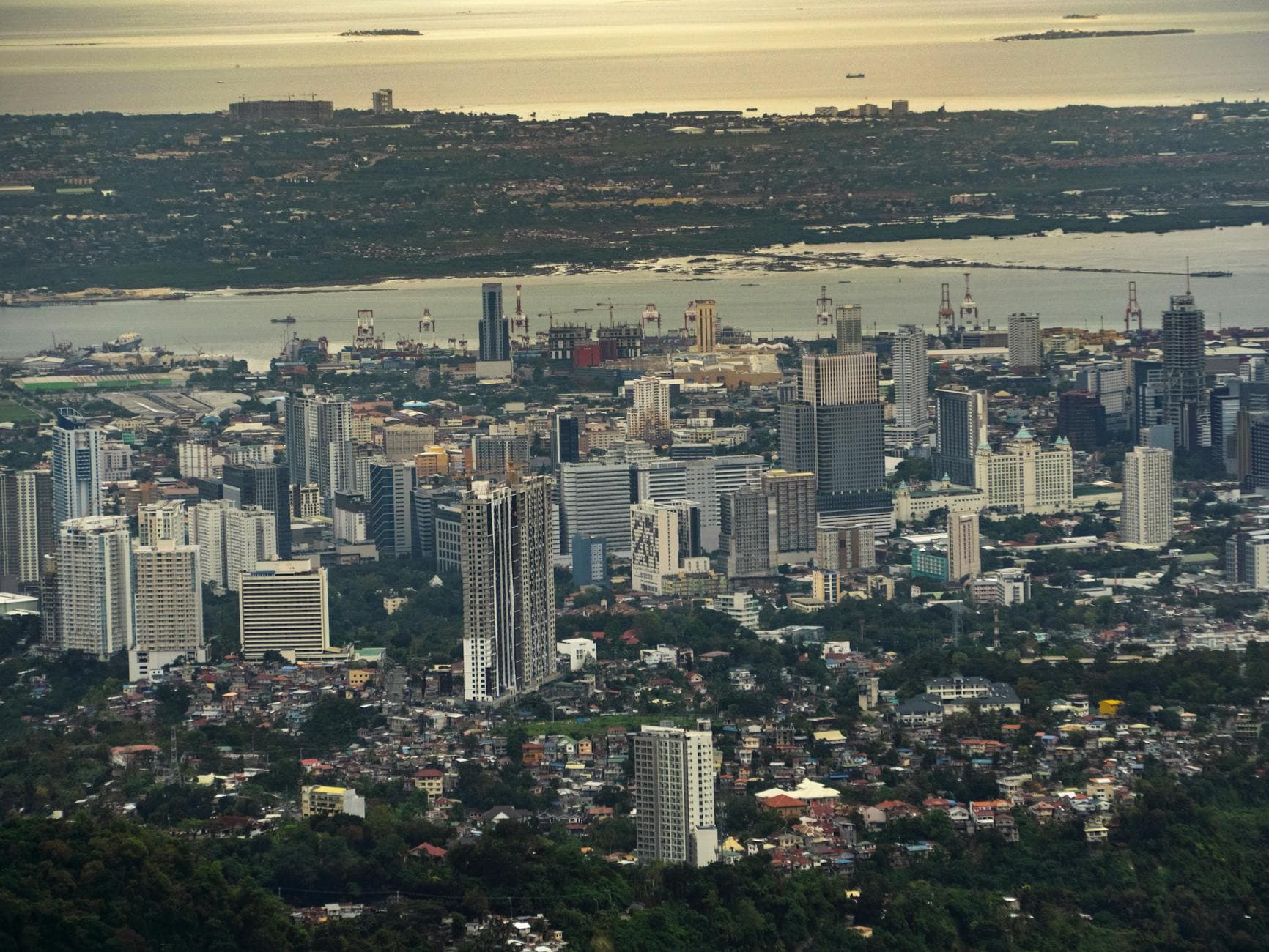
Cebu City
The Queen City of the South - booming tech hub, world-class diving, and a vibrant expat scene at half Manila's price
$800–$1,400 /mo
Digital nomads, divers, value-seekers
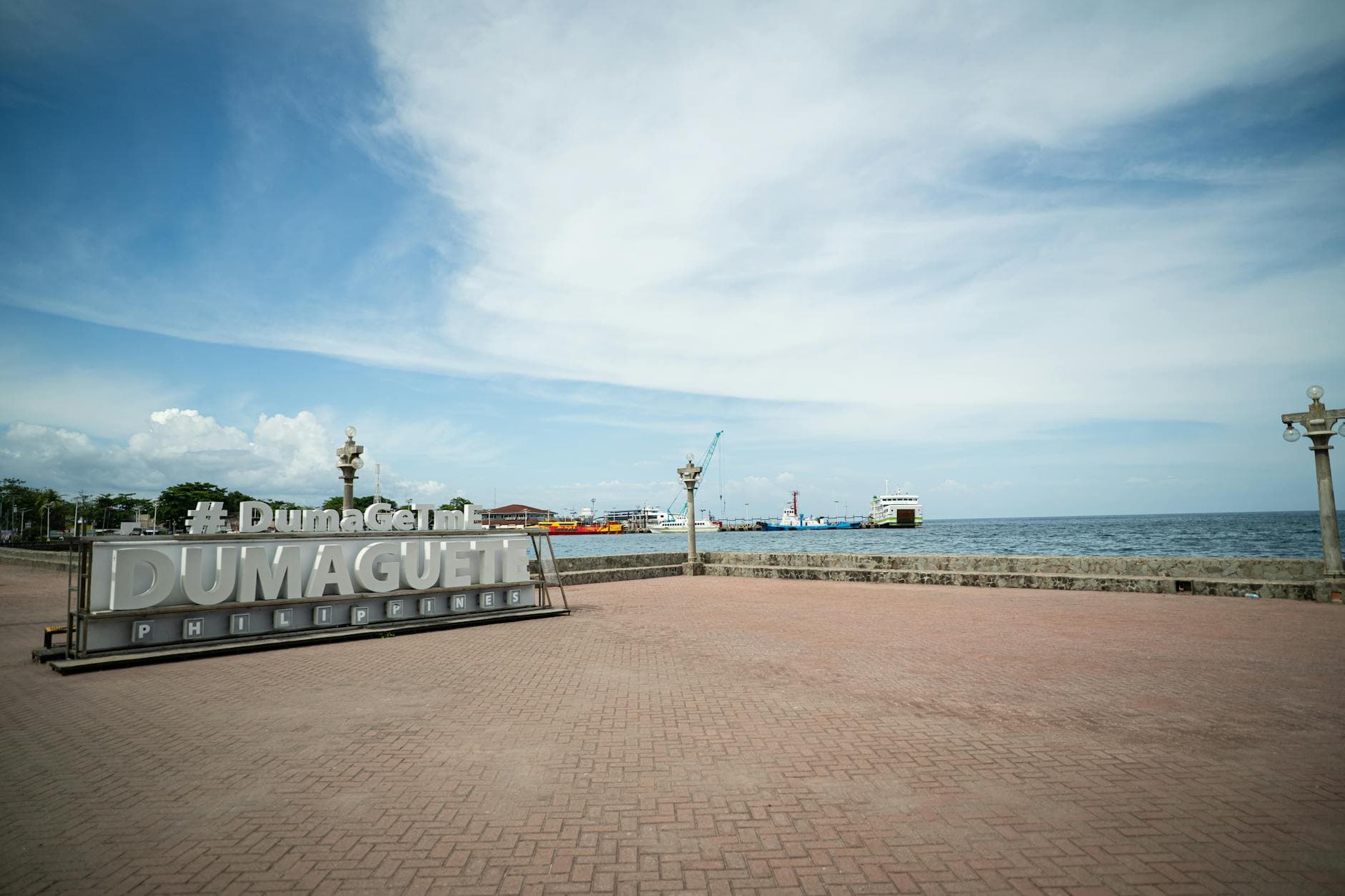
Dumaguete
The Philippines' most liveable city - university town, safest in the country, and Apo Island diving at your doorstep
$600–$1,000 /mo
Retirees, digital nomads, budget expats, divers
Everything, in plain words
Visa rules, healthcare, schools, taxes - written like a friend would explain it, not like a brochure.
Visa & Residency
The Philippines launched a dedicated Digital Nomad Visa in June 2025 requiring $24,000/year remote income. Long-term stays are also manageable via tourist visa extensions, the SRRV retirement visa, and the existing tourist-extension system that allows stays of up to 36 months.
Read 🏥Healthcare
The Philippines has excellent private hospitals in Manila and Cebu - English-speaking doctors, many US-trained, at 60–80% below American prices. Outside major cities, facilities are limited. International health insurance is strongly recommended for all expats.
Read 💰Cost of Living
The Philippines offers dramatically different cost realities depending on location. BGC Manila rivals some European cities; Dumaguete rivals Southeast Asia's cheapest destinations. The peso is stable against the dollar, banking is accessible, and remittance infrastructure is world-class.
Read 🏠Housing
Philippine housing ranges from ultra-affordable provincial rentals to luxury BGC condominiums. The condo-heavy Manila market is well-developed; provincial markets like Dumaguete have more traditional house rentals. Foreigners can rent freely; property ownership has restrictions on land.
Read 💼Work & Business
The Philippines is a natural for English-language remote work - zero language barrier means serving US, UK, and Australian clients is effortless. The Digital Nomad Visa makes it legal. Local employment requires a work permit and Philippine companies must have a minimum ratio of Filipino workers.
Read 🌆Daily Life
Philippine daily life is warm, chaotic, festive, and deeply social. The Filipino concept of bayanihan (communal spirit) means neighbors, coworkers, and even strangers offer help naturally. The fiesta culture - every barangay (neighborhood) has a patron saint festival - means there's always a celebration happening.
Read ✈️Moving Guide
Moving to the Philippines is logistically accessible - direct flights from most major hubs, English everywhere simplifies setup, and the expat community is enormous. Main tasks: visa planning, health insurance, and finding accommodation in your chosen city.
Read 📚Education
The Philippines has extensive international school options, especially in Metro Manila and Cebu. The unique advantage: instruction is in English at every level, from local public schools to top international institutions. Cost: significantly lower than Singapore, Hong Kong, or Bangkok.
Read 🌅Lifestyle
The Philippines offers some of the world's most diverse and beautiful natural environments - tying them all together with an English-speaking, welcoming, fiesta-loving culture that makes integration easier than any other Asian country.
Read 📈Investing
Everything expats need to know about investing in Philippines - from property and stocks to tax-efficient strategies, brokerage access, and building wealth abroad.
ReadTools to plan your move to Philippines
Practical tools to turn an idea into a real plan - pick a season, time your visa, build a budget, even live a day before you go.
Best time to move to Philippines
Season-by-season - weather, visa timing, rental markets, and expert tips
Manila (BGC) cost of living
Full monthly budget breakdown - rent, food, transport, utilities
Country match quiz
Eight quick questions, AI-matched country shortlist for your lifestyle
Visa finder
Search visa options by nationality, budget, and stay length
A day in Philippines
Live a perfect day with AI - real cafés, costs, and routes
Relocation plan
Step-by-step AI moving timeline tailored to your situation
Philippines vs the rest
See how Philippines stacks up against other popular expat destinations.
Where Philippines ranks
See where Philippines sits in our independent expat rankings - cost, safety, healthcare, and more.
Cheapest Countries for Expats
Ranked list of the most affordable countries for expats in 2026. Monthly budget, cost of living, internet speed, and city guides for each destination.
Countries Under $1,500/Month Cost of Living
Complete list of countries where a single expat can live comfortably on under $1,500 per month. Budget breakdowns, internet speeds, and city guides included.
Countries Where $2,000/Month Is Enough
All countries where a single expat can live well on $2,000 per month or less. Ranked by cost of living with budget details, internet, and English proficiency.
Best Countries for Remote Workers
Top countries for remote workers ranked by internet speed, cost of living, and English proficiency. Find your ideal work-from-anywhere destination in 2026.
Countries With the Fastest Internet
Ranked list of countries with the fastest broadband internet speeds for expats. Average Mbps, cost of living, and city guides for each destination.
Best Countries for Retirement Abroad
Warm-climate countries where one person can live on $2,500/month, ranked safest first by Global Peace Index. Portugal leads, then Malaysia and the Maldives. 2026.
Honest answers
The questions everyone asks before they pack a single box.
How much does it cost to live in Philippines as an expat?
What visa do I need to move to Philippines?
What is healthcare like in Philippines for expats?
What are the best cities to live in Philippines as an expat?
Is Philippines a good place to live as an expat in 2026?
Personal Relocation Assessment
Can you actually move to Philippines?
This page is general. Your case is not. Our relocation expert researches your nationality, income and timeline against the law as it stands, names the instrument behind every figure, and tells you where you actually qualify.
Get my assessmentExpat Insights, weekly
Visa updates, cost-of-living shifts, and real expat stories from Philippines - straight to your inbox.
Which country is right for you?
Answer 6 quick questions about your budget, lifestyle, and priorities. Our AI ranks 122 countries and builds a personalised relocation plan.