NEWMoving abroad? Get your case researched against the law as it stands, not a two year old blog postTry it
EXPATLIFE.AI
GuidesAssessmentCompareBlog
🌆

🇧🇬 Bulgaria

Daily Life

Daily life in Bulgaria blends Slavic warmth, Ottoman culinary heritage, European infrastructure, and extraordinary natural diversity. Sofia is a city of contrasts - Soviet-era monuments and Roman ruins next to EU-funded boulevards and specialty coffee shops.

Data verified August 13, 2026

Generally Safe

Safety

Low violent crime; normal urban vigilance in Sofia

Good and improving

Coffee Culture

Specialty coffee scene growing in Sofia; €1–€2/espresso

€8–€15

Restaurant Meal (Sofia)

Mid-range with a drink; mehana meals cheaper

Continental

Climate (Sofia)

Cold winters (−5 to 5°C); hot summers (30–35°C)

Dec–Mar

Ski Season (Bansko)

70 km pistes; lift pass €35–€40/day

Moderate

Language Barrier

Cyrillic script; good English among under-40s in Sofia

Overview

Daily life in Bulgaria blends Slavic warmth, Ottoman culinary heritage, European infrastructure, and extraordinary natural diversity. Sofia is a city of contrasts - Soviet-era monuments and Roman ruins next to EU-funded boulevards and specialty coffee shops. Bansko is a tight-knit mountain community where the nomad scene has become woven into the fabric of the village. Bulgarians are initially reserved but deeply hospitable once a connection forms. The food and drink culture is excellent and cheap.

Key Takeaways

  • Shopska salata: the national dish - tomatoes, cucumber, peppers, and white sirene cheese (like feta); €2–€4 everywhere
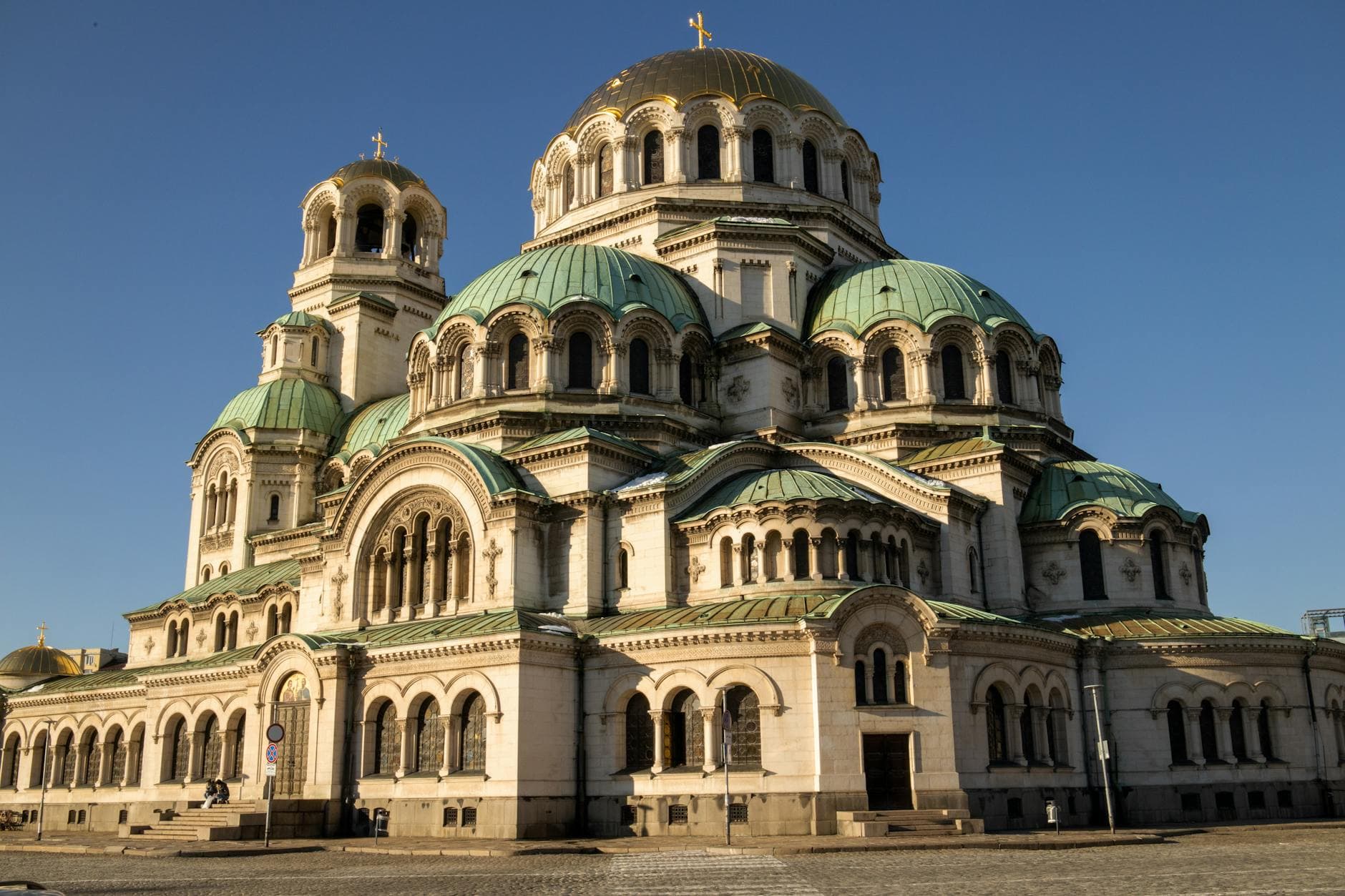
  • Alexander Nevsky Cathedral (Sofia): one of Europe's largest Orthodox cathedrals; free entry; spectacular interior frescoes
  • Violent crime targeting foreigners: rare; Bulgaria is among the safer EU countries for expats
  • Bansko ski resort: 70 km of groomed pistes; gondola from the town base; modern lifts; ski season December–March; lift pass €35–€40/day - fraction of Austrian or Swiss prices
1

Food and Drink Culture',

Bulgarian cuisine is a Balkan-Mediterranean hybrid with strong Ottoman influence - hearty, flavourful, and very affordable.

  • Shopska salata: the national dish - tomatoes, cucumber, peppers, and white sirene cheese (like feta); €2–€4 everywhere
  • Banitsa: flaky filo pastry with white cheese or spinach; the quintessential Bulgarian breakfast/snack; €0.80–€1.50
  • Shkembe chorba: tripe soup eaten as a hangover cure or winter warmth; acquired taste but culturally significant
  • Mehanas (traditional taverns): the heart of Bulgarian social dining; long tables, grilled meats, Shopska salata, local wine; meals for €5–€10/person
  • Bulgarian wine: excellent and very cheap; Mavrud, Melnik, and Rubin reds; Misket and Chardonnay whites; restaurant bottle €5–€12
  • Rakia: Bulgaria's fruit brandy (grape, plum, apricot) - always home-produced, always potent, and never refused by a Bulgarian host
  • Sofia specialty coffee: third-wave coffee culture has arrived - several excellent roasters in Lozenets and the centre
2

Culture, Social Life, and Community',

Bulgaria has rich cultural heritage, a growing arts scene in Sofia, and the extraordinary Bansko nomad community.

  • Alexander Nevsky Cathedral (Sofia): one of Europe's largest Orthodox cathedrals; free entry; spectacular interior frescoes
  • Plovdiv Old Town (UNESCO candidate): beautifully preserved Bulgarian National Revival architecture; art galleries, craft shops, and the Roman Theatre of Philippopolis visible from the hill
  • Rila Monastery (UNESCO): 10th-century monastery in the Rila Mountains, 2 hours from Sofia; Bulgaria's most visited cultural site
  • Sofia Expats (sofiaexpats.com): largest English-language expat platform in Bulgaria; events, housing, social groups
  • Bansko nomad community: weekly events at Coworking Bansko; ski days, hikes, dinners, skill-shares; one of Europe's most tight-knit nomad communities
  • Plovdiv Kapana District: Sofia equivalent of Savamala - creative arts district with galleries, indie cafés, and artisan workshops
  • Sofia's nightlife: developing but not comparable to Belgrade or Bucharest; the Studentski Grad area has club culture; city generally quieter than its Balkan neighbours
3

Safety and Security',

Bulgaria is generally safe for expats, with some caveats for urban areas.

  • Violent crime targeting foreigners: rare; Bulgaria is among the safer EU countries for expats
  • Petty theft: pickpocketing possible in Sofia city centre, on public transport, and at tourist sites - use normal urban vigilance
  • Traffic: Sofia road conditions and driving style can be aggressive; pedestrians should be careful
  • Corruption: exists at various levels; for day-to-day expat life it rarely surfaces; EU anti-corruption pressure has improved the situation since accession in 2007
  • Emergency: 112 (universal); 150 (ambulance); 166 (police); 160 (fire)
  • Air quality: Sofia sits in a valley that traps winter pollution from coal heating and traffic - one of the EU's most polluted cities in winter; invest in a quality air purifier
  • Bansko: very safe; small community; extremely low crime; the most common 'security' issue is icy mountain roads in winter
4

Outdoors, Nature, and Skiing',

Bulgaria's natural landscape is one of its greatest assets - four mountain ranges, a Black Sea coast, and extraordinary national parks.

  • Bansko ski resort: 70 km of groomed pistes; gondola from the town base; modern lifts; ski season December–March; lift pass €35–€40/day - fraction of Austrian or Swiss prices
  • Pirin National Park (UNESCO): surrounding Bansko; world-class hiking; glacial lakes; rare Bosnian pine forests
  • Rila Mountains: Bulgaria's highest range; Musala Peak (2,925 m, highest in the Balkans outside Caucasus); Rila Monastery; Seven Rila Lakes
  • Vitosha National Park: Sofia's mountain - accessible within 30 minutes from the city centre; day hikes, winter sledging, summer picnics
  • Black Sea coast: Varna, Nessebar (UNESCO), Sozopol - beach season June–September; more affordable than Greek or Turkish alternatives
  • Plovdiv - Kapana and old town: European Capital of Culture 2019; second city and cultural heart; excellent base for wine country day trips (Thracian Valley)
FAQs

Common Questions - Daily Life in Bulgaria

Personal Relocation Assessment

Can you actually move to Bulgaria?

This page is general. A Personal Relocation Assessment is not: our relocation expert researches your nationality, income and timeline against the law as it stands and names the instrument behind every figure.

Get my assessment

Find Your Perfect City with AI

Describe your lifestyle and our AI matches you to the best expat cities - then simulates a full day there.

Take the Free Quiz

Expat Insights, Weekly

Visa updates, cost-of-living data, and expat stories from Bulgaria in your inbox.

More Bulgaria Guides

🇧🇬

Ready to explore Bulgaria?

Browse our city guides to find the perfect base for your expat life in Bulgaria.

Ask about living in Bulgaria...