Western Europe
Central & Eastern Europe
Asia & Middle East
Americas
Oceania & Africa
Expat Topics
🌊 Living in South Korea · 2026
Busan.
Korea's coastal city - beaches, seafood markets, film festivals, and 30–40% cheaper than Seoul
English Level
Moderate
Best For
Beach lovers, retirees, budget-conscious expats
Population
3.4 million
Verified August 13, 2026
Can you actually move to Busan?
We research your nationality, income and timeline against the law as it stands, and tell you whether Busan works and what it takes.

The Busan you’ll actually live in
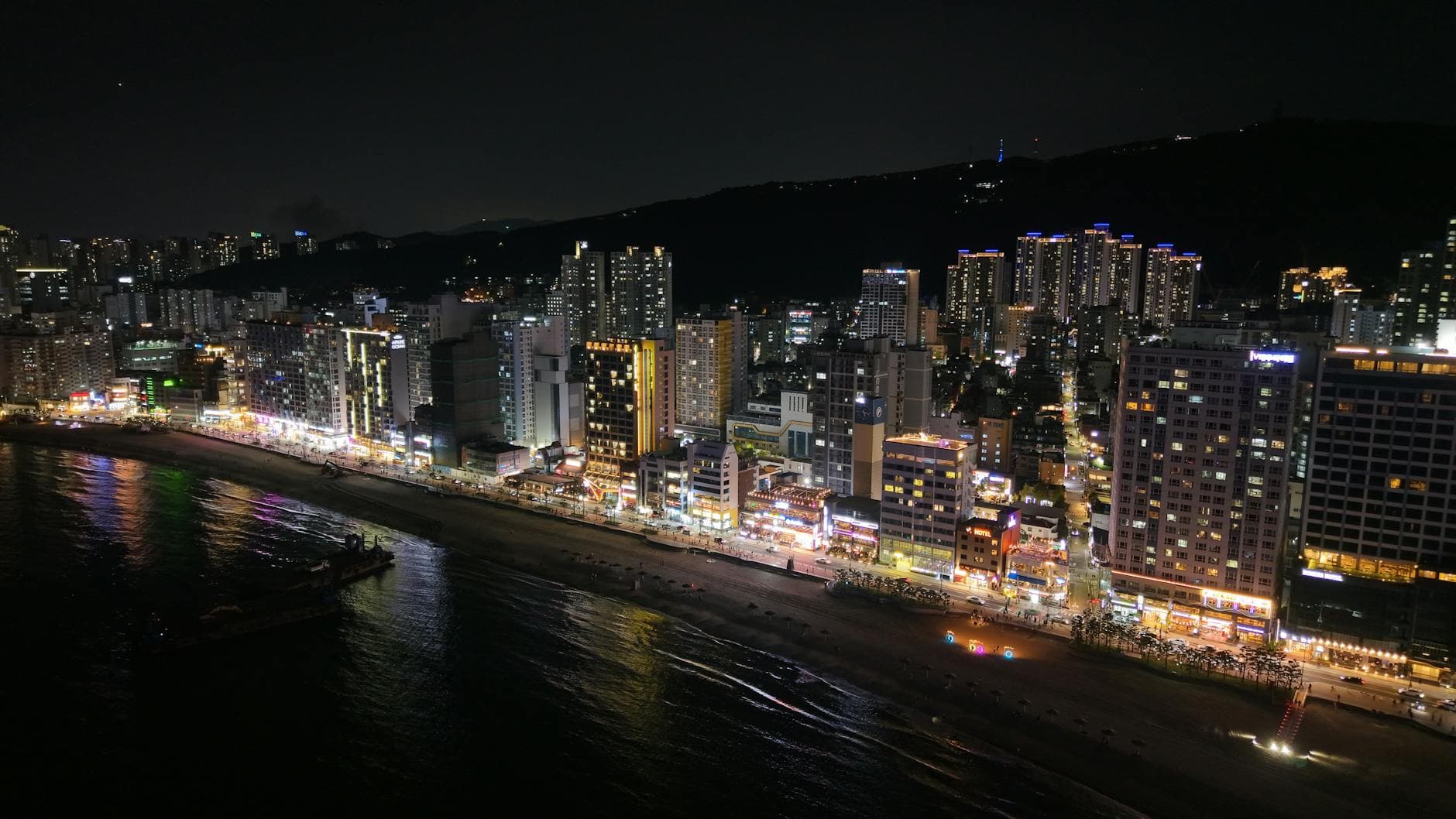
Busan is Korea's second city and its most underrated by expats. A coastal metropolis of 3.4 million on the southeastern tip of the Korean peninsula, it combines urban convenience with the relaxed energy of a beach city. Haeundae Beach is one of Asia's most visited; the Jagalchi Fish Market is one of the world's great seafood markets; the Gamcheon Culture Village is Busan's most photographed landmark. KTX puts Seoul 2.5 hours away, making Busan the perfect base for exploring Korea while avoiding Seoul's pace and cost - rentals run 30–40% cheaper than equivalent Seoul neighborhoods.
The Busan basics
The full picture - 8 key numbers covering budget, internet, English level, beach access, and airport reach.
English Level
Moderate
Best For
Beach lovers, retirees, budget-conscious expats
Monthly Budget
$1,400–$2,500
1-BR Rent (Haeundae)
₩700K–1.2M/month (~$520–$900)
1-BR Rent (city center)
₩400K–750K/month (~$300–$560)
Internet Speed
~250 Mbps (near Seoul levels)
Beach Access
Haeundae & Gwangalli - in-city
Airport
Gimhae (PUS) - direct to Tokyo, Osaka, Shanghai
Is Busan actually your best option?
This page tells you what Busan is like. It cannot tell you whether it beats the four other countries you should be looking at, because that answer changes with your passport. Income thresholds, tax treaties and citizenship timelines are all nationality specific, and the general rule is often not the rule that applies to you.
A Personal Relocation Assessment answers it for your case. You tell us your nationality, income, household and timeline, and we our expert researches it against the law as it stands: which countries you actually qualify for, the route, the current threshold with the instrument it comes from, and what is most likely to go wrong in a position like yours.

Food culture
Raw fish, ssiat hotteok, hoe - Busan's legendary Jagalchi seafood scene
Explore

Green spaces
Haeundae Beach + Dongbaek Park - Busan's most iconic coast and coastal walk
Explore

Markets
Jagalchi Fish Market + Gukje Market - Busan's iconic fish and goods markets
Explore

Nightlife
Gwangalli Beach + Gwangan Bridge lights - Busan's premier seafront nightlife
Explore
What a month actually costs
No padding, no underestimates. Real expat numbers - central neighborhood, comfortable lifestyle, eating out a few times a week.
All-in monthly
$1,400–$2,300 USD equiv.
Single expat, comfortable lifestyle, central area.
Rent (1-BR, Haeundae / Gwangalli)
₩600K–1,200K
Full breakdown
Rent (1-BR, Haeundae / Gwangalli)
₩600K–1,200K
Rent (1-BR, city center)
₩400K–750K
Groceries
₩250K–400K
Transport (metro + bus)
₩50K–80K
Utilities (electricity, gas, internet)
₩130K–250K
NHIS premium (approx.)
₩80K–150K
Dining out (seafood focus)
₩150K–300K
Entertainment & misc.
₩80K–150K
Total (comfortable, Busan)
$1,400–$2,300 USD equiv.
Where to actually live
3 neighborhoods, 3 different versions of Busan.
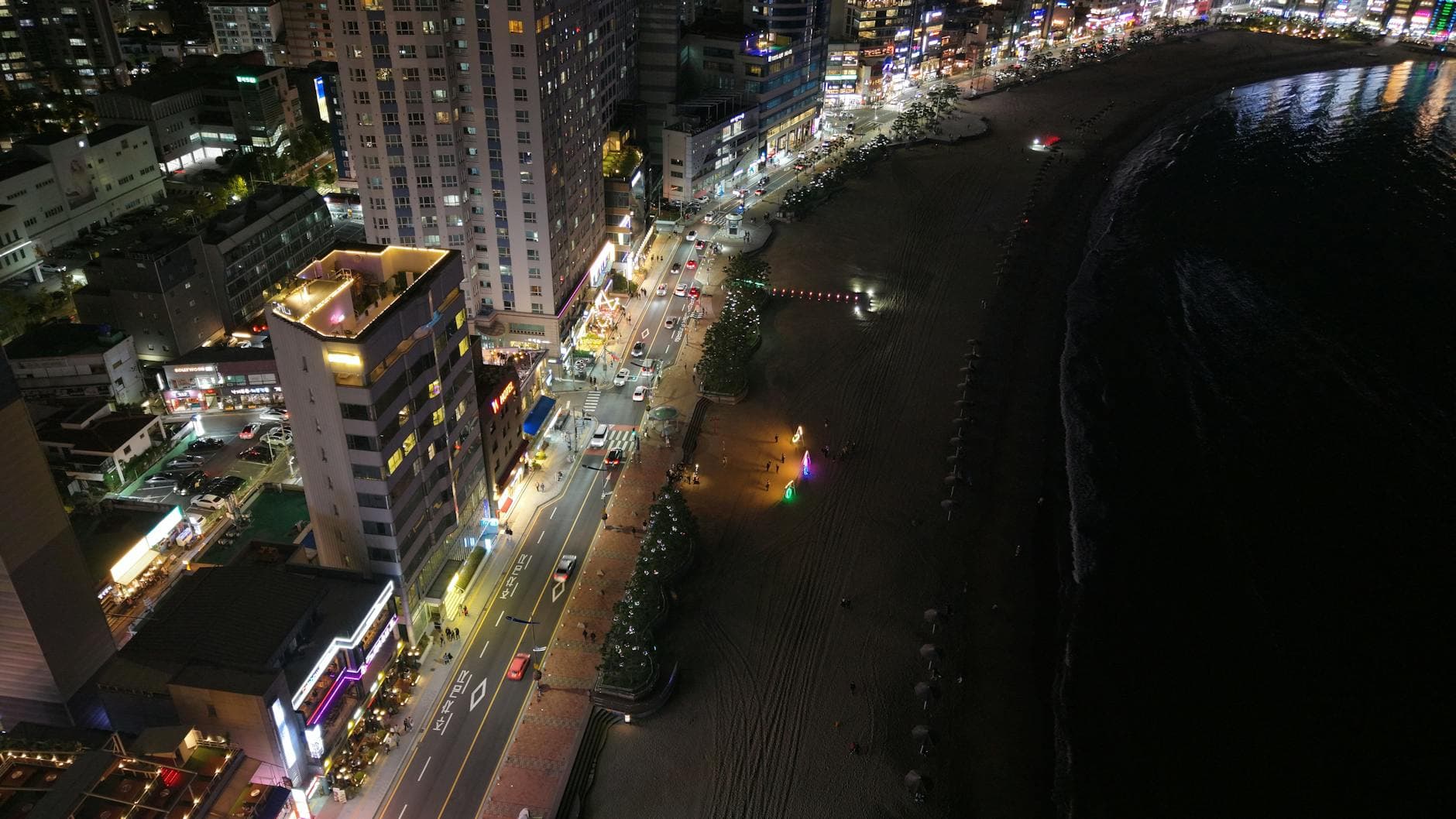
Haeundae
Beach & luxury - Korea's premier resort area; Centum City shopping (world's largest Shinsegae dept store); popular with long-stay retirees and tourism workers.
Best for: Those who want beach lifestyle with full urban amenities; popular with retirees and families.
Rent ₩700,000–1,500,000/month ($520–$1,120) for a modern 1-BR apartment or officetel
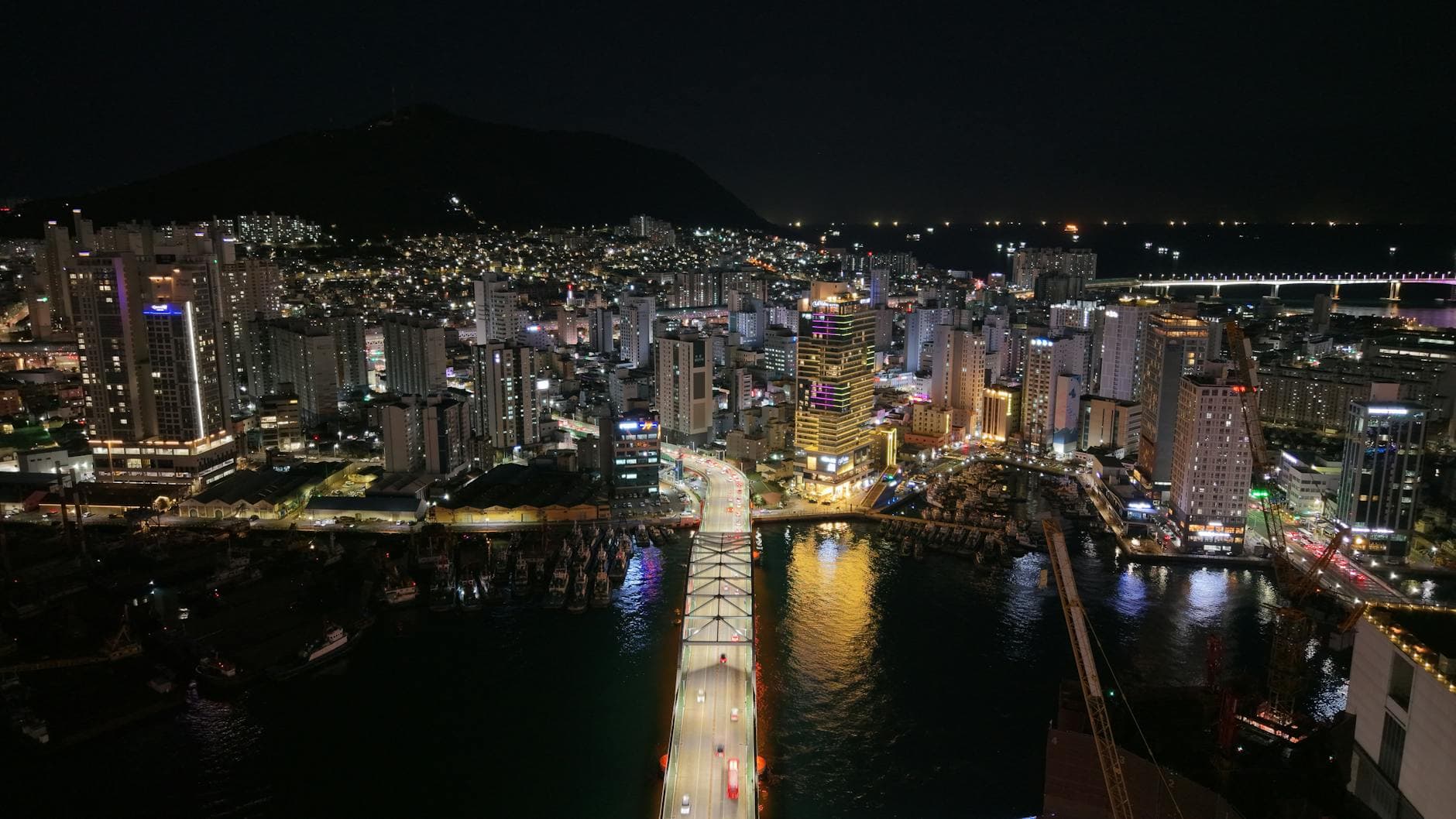
Gwangalli / Nam-gu
Young & vibrant - Gwangalli Beach with iconic bridge backdrop; strip of cafes, bars, restaurants; less touristic than Haeundae.
Best for: Younger expats and digital nomads who want beach access and a lively social scene.
Rent ₩500,000–1,000,000/month ($370–$745) for a 1-BR apartment or officetel

Seomyeon (Jung-gu)
Urban core - Busan's commercial center; underground shopping, department stores, excellent transport hub. No beach but central to everything.
Best for: Those prioritizing urban convenience and easy transit access over beach proximity.
Rent ₩400,000–800,000/month ($300–$600) for a 1-BR officetel or apartment
The truth about Busan
The bits the brochures skip - what expats love, and what tests their patience.
What you’ll love
- 01Haeundae Beach and Gwangalli Beach - both world-class urban beaches
- 02Jagalchi Fish Market - exceptional live seafood at very low prices
- 0330–40% cheaper than Seoul for accommodation and daily life
- 04More relaxed pace with genuine beach-city energy
- 05Direct flights to Tokyo, Osaka, Shanghai, and major Asian cities
- 06BIFF (Busan International Film Festival) - Asia's premier film festival each October
What might bug you
- 01Smaller English-speaking expat community than Seoul
- 02Fewer multinational job opportunities
- 03Very hot and humid summers (July–August)
- 04Less English signage than Seoul outside tourist areas
- 05Limited direct routes to Western destinations (transit via Seoul or Incheon)
Where to plug in
Hand-picked coworking spaces - premium business addresses, community hubs, and budget-friendly options.
FastFive Seomyeon
Central location; Busan's most popular coworking
Space Haeundae
Beach-adjacent; popular with freelancers and remote workers
Sandbox Network Busan
Startup-focused; good community networking
How Busan moves
Metro, buses, walkability - what works, what to avoid, and how much you'll actually spend.

- 01
Metro: 4 lines; T-money card; runs 5:30am–midnight; covers Haeundae, Seomyeon, Nampo-dong
- 02
Buses: comprehensive city-wide network; same T-money card used
- 03
KTX: Seoul to Busan 2.5 hours from Busan Station (Seobu for western routes)
- 04
Kakao Taxi: app-based; English destination input; reliable throughout city
- 05
Gimhae Airport: 30 min from city center by bus/taxi; direct Asian routes
- 06
Water taxi: seasonal service connecting Haeundae, Gwangalli, and Songdo beaches
Key takeaways
If you only remember five things about Busan, make it these.
Budget
$1,400–$2,300 USD equiv./mo · rent from ₩600K–1,200K
Where to live
Haeundae, Gwangalli / Nam-gu, Seomyeon (Jung-gu)
Top advantage
Haeundae Beach and Gwangalli Beach - both world-class urban beaches
Watch out
Smaller English-speaking expat community than Seoul
Remote work
3+ coworking spaces, from ₩250K–400K/mo
More on South Korea
Drill into the country-level guides - visa rules, healthcare, schools, taxes, and more.
Tools to plan your move to Busan
Practical tools to turn an idea into a real plan - pick a season, time your visa, build a budget, even live a day before you go.
Busan cost of living
Full monthly budget breakdown - rent, food, transport, utilities
Best time to move to South Korea
Season-by-season - weather, visa timing, rental markets
Country match quiz
Eight quick questions, AI-matched country shortlist
Visa finder
Search visa options by nationality, budget, and stay length
A day in Busan
Live a perfect day with AI - real cafés, costs, and routes
Relocation plan
Step-by-step AI moving timeline tailored to you
Busan vs other cities
See how Busan stacks up against other popular expat cities - cost, lifestyle, neighborhoods.
City rankings
See where Busan sits in our independent expat city rankings.
Cheapest Cities for Digital Nomads
Ranked list of the most affordable cities for digital nomads in 2026. Budget, internet speed, English level, and coworking info for each city.
Cities With the Fastest Internet
Ranked list of cities with the fastest broadband internet for remote workers and digital nomads. Speed, cost of living, and English level for each city.
Best Cities for English Speakers
Cities where English is widely spoken - ranked by cost of living. Perfect for expats who want to settle abroad without a language barrier.
Most Affordable Cities in Europe
Cheapest European cities for expats ranked by monthly cost of living. Budget breakdowns, internet speeds, and English levels for each city.
Best Cities in Southeast Asia for Expats
Top cities in Southeast Asia for expats and digital nomads. Ranked by budget with internet speed, English level, and lifestyle highlights.
Best Cities in Latin America for Expats
Top Latin American cities for expats and digital nomads. Ranked by budget with internet speed, English level, and lifestyle highlights.
Also in South Korea
2 other cities worth a look - each with its own rhythm, costs, and character.
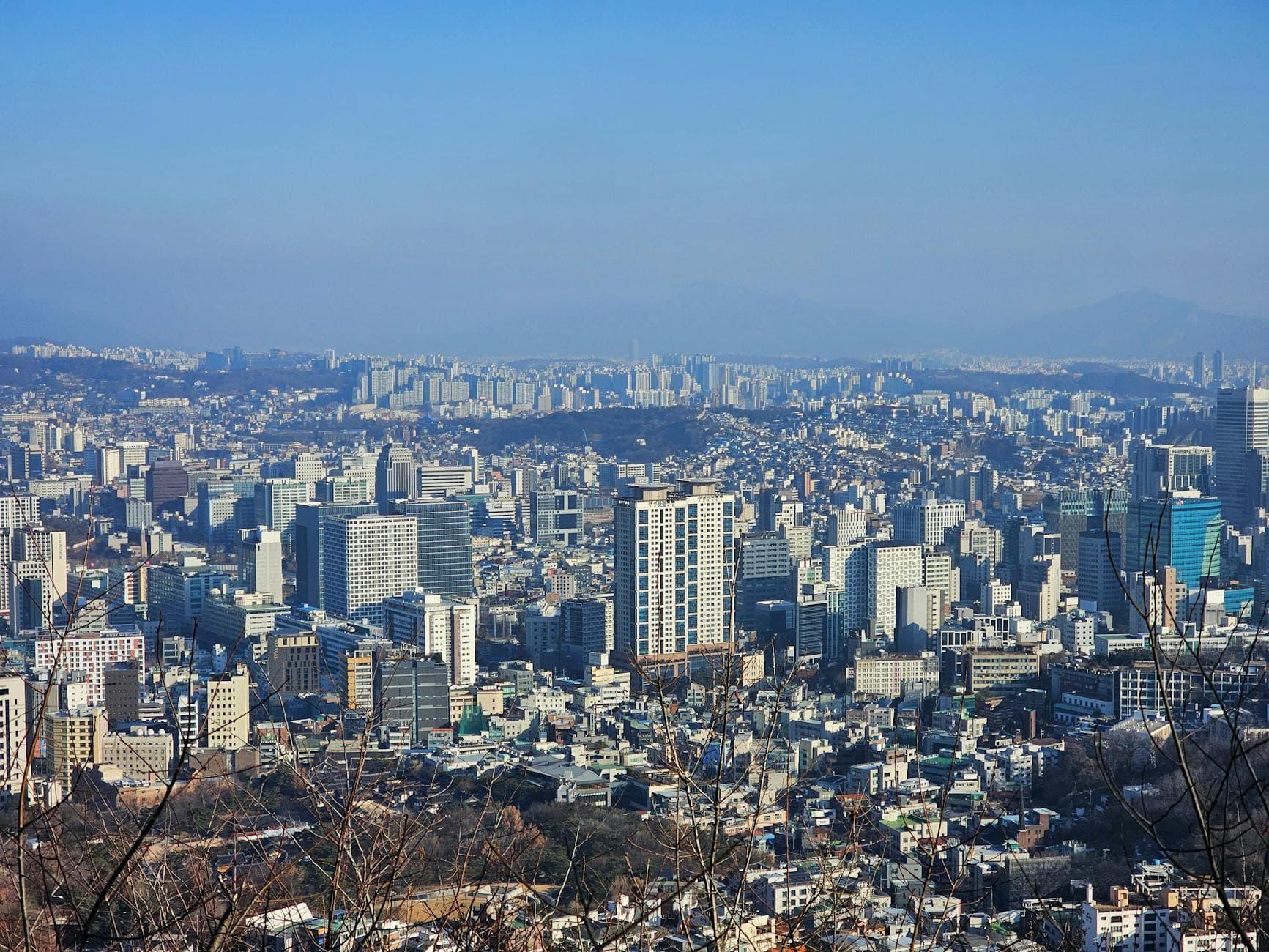
Seoul
25 million people, 23 metro lines, and Asia's most dynamic city - the K-culture epicenter
$2,000–$3,500 /mo
Read guide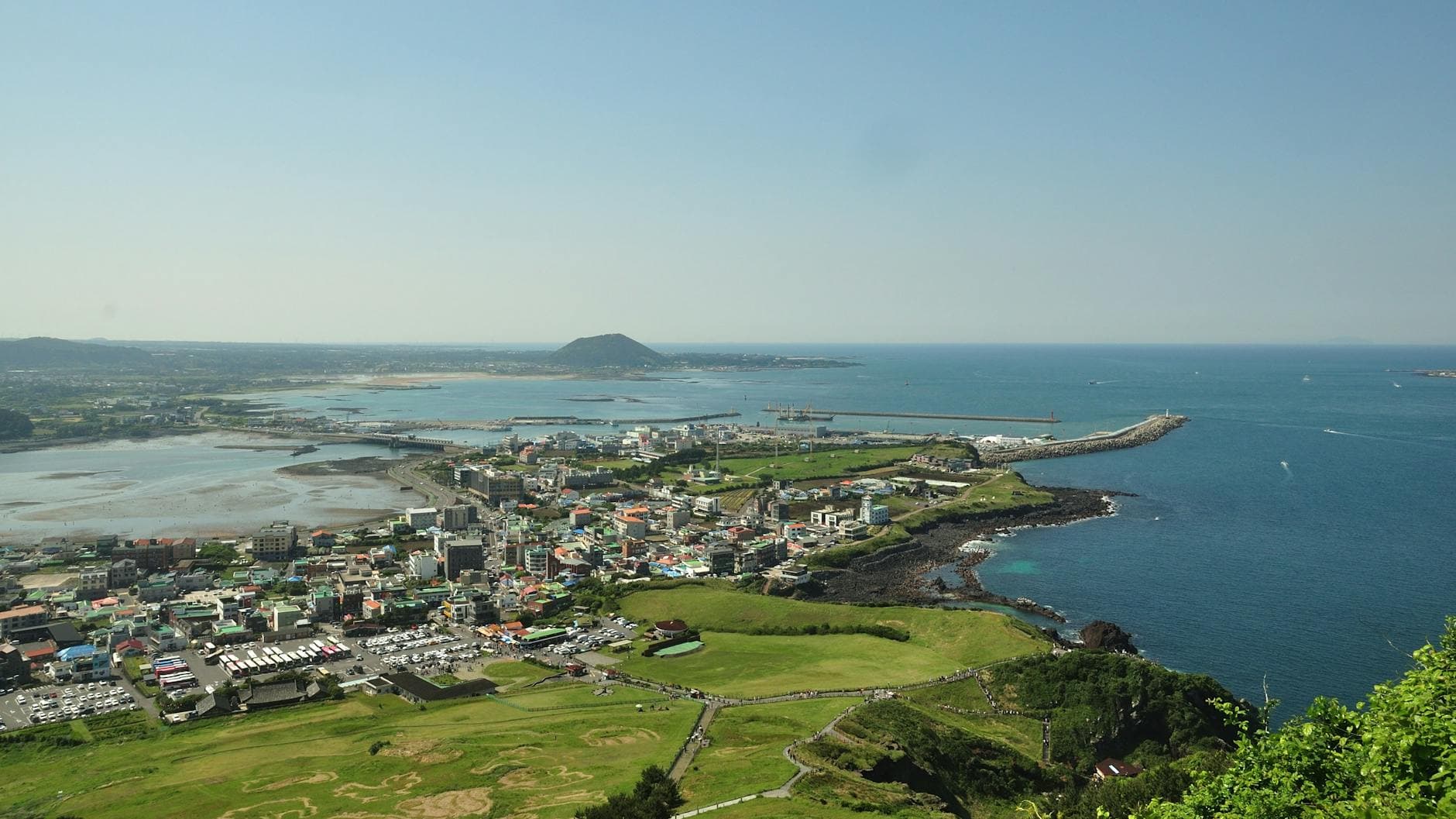
Jeju Island
South Korea's tropical escape - volcanic island paradise, digital nomad retreat, and visa-free entry
₩1,500,000–2,500,000 ($1,100–$1,860) /mo
Read guideCommon questions
Honest answers about life in Busan.
How much does it cost to live in Busan per month?
What are the best neighborhoods in Busan for expats?
Is Busan good for digital nomads?
What are the pros and cons of living in Busan?
How do you get around in Busan?
Can you actually move to Busan?
Everything above is general. This is not. Our relocation expert researches your nationality, income, household and timeline against the law as it stands today, names the instrument behind every figure, and tells you where you actually qualify.
What you’ll get
Where you qualify
Routes open to your passport, today
The real numbers
Current thresholds, fees and timelines
The paperwork
What you must prove, and how
What goes wrong
The three risks for a case like yours
Sources named
Every figure traced to its instrument
Written by an expert. Delivered in 3 working days.
Is Busan right for you?
Eight quick questions, an AI-matched shortlist of countries and cities for your budget and lifestyle.
Take the free quizExpat Insights, weekly
Cost-of-living shifts, visa updates, real expat stories from Busan and beyond.