Western Europe
Central & Eastern Europe
Asia & Middle East
Americas
Oceania & Africa
Expat Topics
Valletta
Malta · ~5,700 (city proper); Greater Valletta metro ~400,000
Europe's smallest capital - UNESCO World Heritage city, Baroque architecture, and a thriving arts scene
Data verified August 13, 2026
Last updated September 2026
Very good (official language)
English Level
Culture seekers, history lovers, remote workers, retirees, couples
Best For
€1,500–€2,400
Monthly Budget
€1,000–€1,500/mo
1-BR Centre Rent
€750–€1,050/mo
1-BR Nearby (Floriana/Pietà)
100–200 Mbps; fibre available in renovated buildings
Internet Speed
Entire city is World Heritage Site since 1980
UNESCO Status
Can you actually move to Valletta?
We research your nationality, income and timeline against the law as it stands, and tell you whether Valletta works and what it takes.
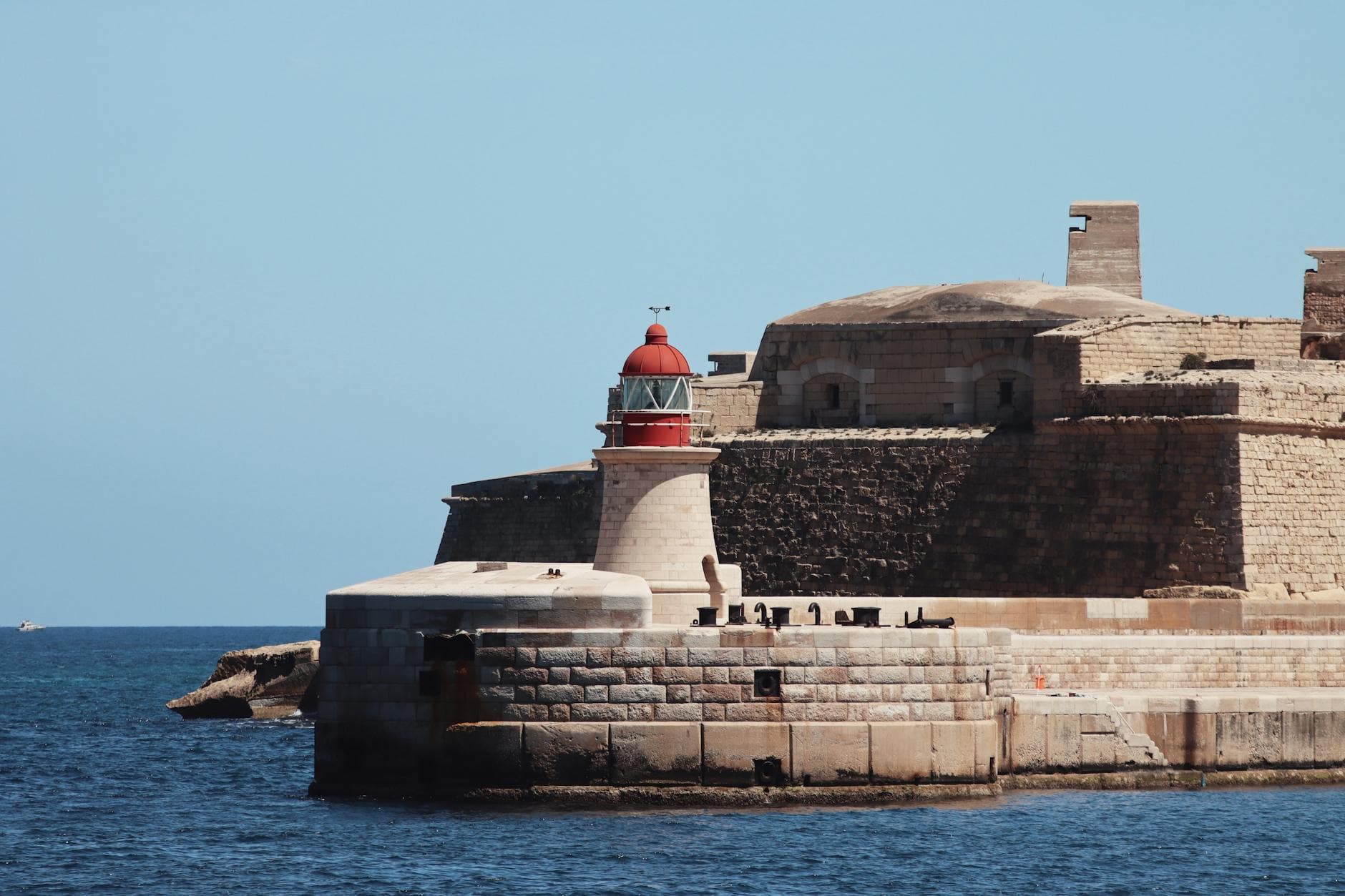
Valletta is Europe's smallest capital city and one of its most extraordinary. Built by the Knights of St John in the 16th century, the entire city is a UNESCO World Heritage Site - every street is a lesson in Baroque and medieval architecture. A 2018 designation as European Capital of Culture transformed Valletta from a government hub into a vibrant creative and cultural centre, with independent restaurants, galleries, boutique hotels, and a year-round events calendar. For expats, Valletta offers a deeply authentic Maltese experience: rents are slightly lower than Sliema (1-BR from €1,000–€1,500), the community is smaller and more local, and the city is perfectly positioned between the historic Three Cities and the northern expat belt. The MUZA national arts museum, Grandmaster's Palace, and St John's Co-Cathedral are daily backdrops.
€1,500–€2,400/mo
Monthly Budget
3
Neighborhoods
2+
Coworking Spaces
💰 Monthly Budget in Valletta
| Expense | Monthly Cost |
|---|---|
| 1-BR apt (Valletta, converted townhouse) | €1,000–€1,500 |
| 1-BR apt (Floriana / Pietà)(5-min walk to Valletta gate; 20–30% cheaper) | €750–€1,050 |
| Groceries (local market + Carrefour) | €200–€320 |
| Dining out (3–4×/week) | €120–€220 |
| Monthly bus pass (whole island) | €26 |
| Utilities (electricity, water, internet) | €90–€160 |
| Private health insurance | €25–€60 |
| Total (comfortable)(Single expat, all-in) | €1,500–€2,400/mo |
Best Neighborhoods in Valletta
Where expats actually live - with honest assessments of vibe, cost, and who each area suits.
Valletta Centre (Republic Street / Merchants Street)
Mid-rangeThe historic grid - 16th-century townhouses converted into boutique apartments; church bells, Baroque facades, and the island's best restaurants. 1-BR €1,100–€1,500. Car-free zone; pure walking lifestyle.
Best for: Culture seekers, writers, creatives, and couples wanting the most unique living experience in Malta
View full neighborhood guide →
Valletta Waterfront / Grand Harbour View
Higher-endApartments with direct views over the Grand Harbour - one of the world's great natural harbours. 1-BR €1,300–€1,800. Premium addresses close to the ferry terminal and the Barrakka Gardens lift.
Best for: Professionals wanting premium views and proximity to Sliema ferry commute
View full neighborhood guide →
Floriana
BudgetValletta's quiet suburb just outside the city walls - grand 19th-century buildings, the Argotti Gardens, and a residential calm that Valletta proper lacks. 1-BR €750–€1,000. 5-min walk to Valletta gates.
Best for: Long-term residents, retirees, and those wanting Valletta access without tourist-area pricing and noise
View full neighborhood guide →
Pros & Cons of Living in Valletta
What Expats Love
- Living inside a UNESCO World Heritage city - 16th-century Baroque architecture as your daily backdrop
- Malta's most vibrant restaurant and arts scene - independent venues outnumber chains
- 10-minute ferry to Sliema; direct bus to the airport (30 min); whole-island connectivity
- Car-free city centre - genuinely walkable, low-traffic, and quiet compared to Sliema
- Year-round events: Malta International Arts Festival, Valletta Baroque Festival, Notte Bianca
- Rents slightly lower than Sliema - authentic Maltese experience with all the lifestyle advantages
- Barrakka Gardens: best view in Malta - overlooking the Grand Harbour from a Baroque terrace
Watch Out For
- Very small city - permanent population of ~5,700; limited supermarket options within the walls
- No private car parking inside the city walls - car ownership is impractical for Valletta residents
- Tourist crowds during cruise ship days (Oct–April) and festival weekends can be overwhelming
- Some apartment buildings are older converted townhouses - insulation, noise, and plumbing vary widely
- Limited flat ground - Valletta is hilly and entirely paved; nearest beach requires a bus or Bolt
- August heat in a densely packed stone city with no green space feels particularly intense
Coworking Spaces in Valletta
Best options for remote workers, digital nomads, and freelancers.
HUB Valletta
Central historic location; government-backed innovation space; strong creative/startup vibe
Valletta Boutique Cafés
Many independent cafés in the city are laptop-friendly; Caffe Cordina is iconic
Getting Around Valletta
- 1Walking: Valletta is entirely walkable within the walls - most residents walk everywhere inside
- 2Buses: Valletta Bus Terminus is Malta's main hub; all routes originate here; €26/month island-wide pass
- 3Sliema Ferry: 10-min harbour crossing from Grand Harbour ferry terminal to Sliema; €1.50; runs all day
- 4Barrakka Lift: free historic lift from the Upper Barrakka Gardens to the waterfront; saves a long walk
- 5Bolt/taxis: easily available outside the city walls at the bus terminus; airport ~€18–€25
- 6Airport bus: direct X4 bus Valletta–Airport (~30 min); included in monthly pass
- 7No car: Valletta is effectively car-free within the walls; park in Floriana (paid) and walk in
Valletta Cost of Living
Full monthly budget breakdown - rent, food, transport & lifestyle costs
Best Time to Move to Malta
Season-by-season guide - weather, visa timing & rental market tips
Valletta Expat Guides by Topic
City Rankings
Cheapest Cities for Digital Nomads
Ranked list of the most affordable cities for digital nomads in 2026. Budget, internet speed, English level, and coworking info for each city.
Cities With the Fastest Internet
Ranked list of cities with the fastest broadband internet for remote workers and digital nomads. Speed, cost of living, and English level for each city.
Best Cities for English Speakers
Cities where English is widely spoken - ranked by cost of living. Perfect for expats who want to settle abroad without a language barrier.
Most Affordable Cities in Europe
Cheapest European cities for expats ranked by monthly cost of living. Budget breakdowns, internet speeds, and English levels for each city.
Best Cities in Southeast Asia for Expats
Top cities in Southeast Asia for expats and digital nomads. Ranked by budget with internet speed, English level, and lifestyle highlights.
Best Cities in Latin America for Expats
Top Latin American cities for expats and digital nomads. Ranked by budget with internet speed, English level, and lifestyle highlights.
Also Explore in Malta
Key Takeaways: Living in Valletta
- 1Budget: A comfortable lifestyle costs €1,500–€2,400/mo/month.
- 2Best areas: Valletta Centre (Republic Street / Merchants Street), Valletta Waterfront / Grand Harbour View, Floriana are the most popular neighborhoods for expats.
- 3Top advantage: Living inside a UNESCO World Heritage city - 16th-century Baroque architecture as your daily backdrop
- 4Watch out: Very small city - permanent population of ~5,700; limited supermarket options within the walls
- 5Remote work: 2+ coworking spaces available, from /mo.
Frequently Asked Questions About Living in Valletta
How much does it cost to live in Valletta per month?
A comfortable monthly budget in Valletta is €1,500–€2,400/mo. This includes rent, groceries, transport, utilities, dining out, and entertainment.
What are the best neighborhoods in Valletta for expats?
The most popular neighborhoods for expats in Valletta are Valletta Centre (Republic Street / Merchants Street), Valletta Waterfront / Grand Harbour View, Floriana. Valletta Centre (Republic Street / Merchants Street) is known for: The historic grid - 16th-century townhouses converted into boutique apartments; church bells, Baroque facades, and the i
Is Valletta good for digital nomads?
Living inside a UNESCO World Heritage city - 16th-century Baroque architecture as your daily backdrop There are 2+ coworking spaces, with monthly memberships from €200/month.
What are the pros and cons of living in Valletta?
Key advantages: Living inside a UNESCO World Heritage city - 16th-century Baroque architecture as your daily backdrop. Malta's most vibrant restaurant and arts scene - independent venues outnumber chains. Main drawbacks: Very small city - permanent population of ~5,700; limited supermarket options within the walls. No private car parking inside the city walls - car ownership is impractical for Valletta residents.
How do you get around in Valletta?
Walking: Valletta is entirely walkable within the walls - most residents walk everywhere inside Buses: Valletta Bus Terminus is Malta's main hub; all routes originate here; €26/month island-wide pass Sliema Ferry: 10-min harbour crossing from Grand Harbour ferry terminal to Sliema; €1.50; runs all day
Live a day in Valletta before you move
Our AI simulates your perfect day - real cafes, actual costs in local currency, mapped routes on Google Maps, and insider tips. Hour by hour, personalized to you.
Is Valletta right for you?
Answer a few quick questions and our AI matches you with the best countries and cities for your lifestyle, budget, and priorities.
Take the Free QuizExpat Insights, Weekly
Visa updates, cost-of-living data, and real expat stories from Valletta and beyond.