🌅

🇲🇹 Malta

Lifestyle

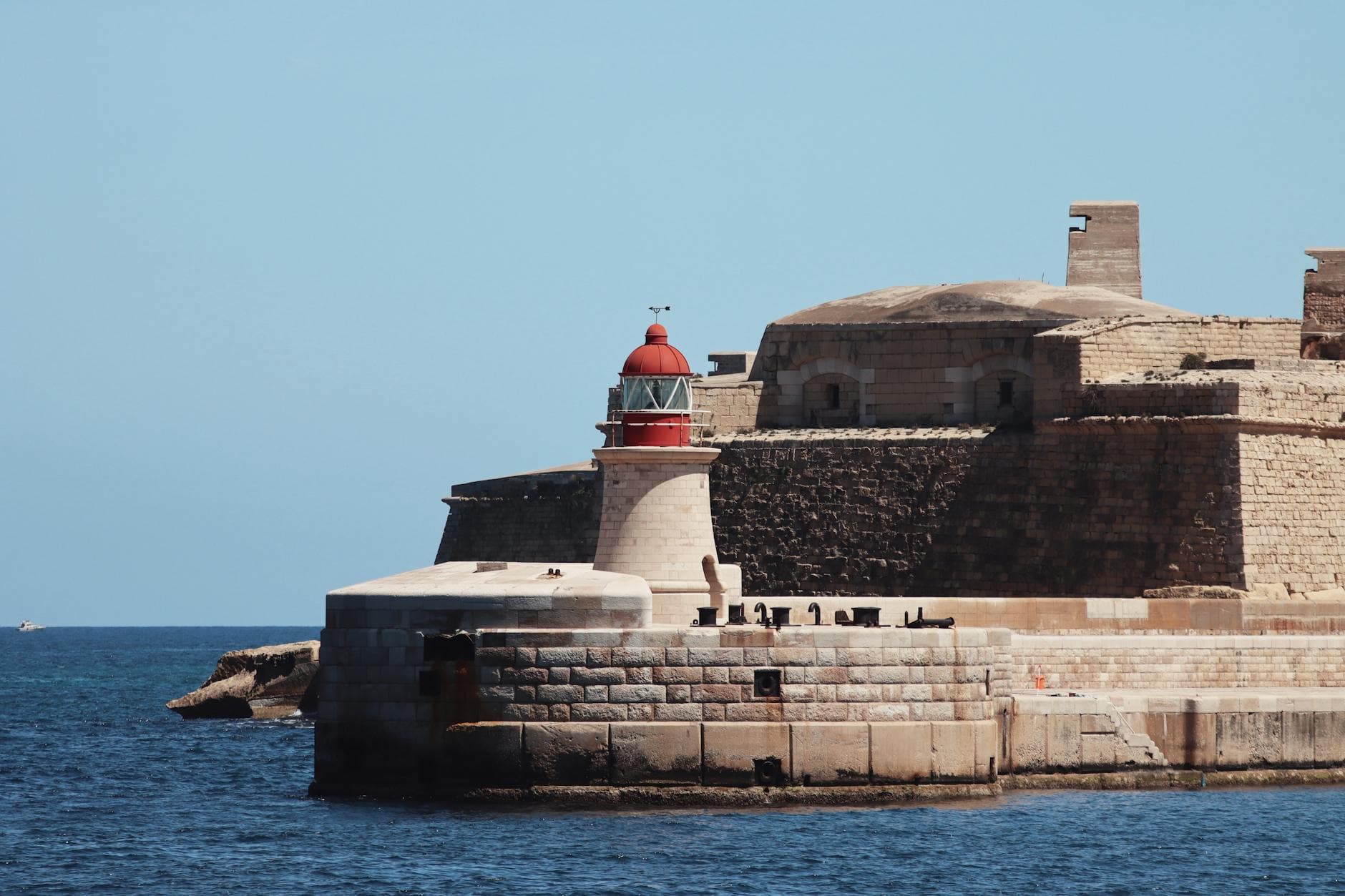
Malta offers a Mediterranean lifestyle that is uniquely English in execution — the festivals are Catholic, the driving is British, the cafés are Italian-influenced, and the conversation is in English. The island punches far above its size for culture: Valletta is a Baroque UNESCO city that was European Capital of Culture 2018; the Three Cities (Vittoriosa, Senglea, Cospicua) are equally historic but far less touristy; and Gozo is a rural island retreat that feels like stepping back 50 years.

300+

Annual Sunny Days

Europe's sunniest countries; sea swimmable May–November

26–28°C

Sea Temperature Peak

August–September; warm enough for year-round swimming for many

3

UNESCO World Heritage Sites

Valletta, Megalithic Temples (7,000+ years old), Hal Saflieni Hypogeum

Top 10 in EU

ILGA-Europe Rights Rank

Same-sex marriage since 2017; consistently pro-LGBTQ+ legislation

Times of Malta, MaltaToday

English Media

Major English-language newspapers; all broadcasting in English available

50+ destinations

Flights from Malta Airport

Direct routes to UK, Europe, North Africa; Air Malta/SkyMalta + Ryanair/easyJet

Overview

Malta offers a Mediterranean lifestyle that is uniquely English in execution — the festivals are Catholic, the driving is British, the cafés are Italian-influenced, and the conversation is in English. The island punches far above its size for culture: Valletta is a Baroque UNESCO city that was European Capital of Culture 2018; the Three Cities (Vittoriosa, Senglea, Cospicua) are equally historic but far less touristy; and Gozo is a rural island retreat that feels like stepping back 50 years. The sea is warm enough to swim from May to November, the diving is world-class, and the Schengen membership means a quick flight to anywhere in Europe is always an option when island life feels too small.

Key Takeaways

  • Summer (June–September): 28–38°C; hot and mostly dry; sea 24–28°C; beaches packed July–August
  • UNESCO World Heritage Sites: Valletta (entire city, since 1980); Megalithic Temples of Ggantija, Hagar Qim, Mnajdra, Tarxien (prehistoric, 3,600–2,500 BC); Hal Saflieni Hypogeum (underground mortuary temple, 4,000 BC)
1

Climate and Outdoor Life

Malta has one of the best climates in Europe for year-round outdoor living. Summer is hot and dry; winters are mild with occasional rain. The sea stays swimmable from May through November — longer than almost anywhere else in the EU. The island's rocky coastline offers world-class snorkelling and scuba diving, with the famous Blue Lagoon (Comino), Gozo's Azure Window remnants (now an underwater arch), and dozens of WWII wrecks.

  • Summer (June–September): 28–38°C; hot and mostly dry; sea 24–28°C; beaches packed July–August
  • Autumn (October–November): 18–26°C; arguably the best season — warm, quieter, sea still swimmable at 20–22°C
  • Winter (December–February): 10–16°C; mild and sometimes rainy; coldest month is January; sea 14–16°C (cool but swimmable with a wetsuit)
  • Spring (March–May): 16–24°C; wildflowers, fewer tourists, ideal for hiking and sightseeing
  • Beaches: Blue Lagoon (Comino) — arguably the most beautiful beach in the EU; Golden Bay, Mellieha Bay, Gnejna Bay, Ramla Bay (Gozo — red sand) — all accessible by bus or Bolt
  • Diving: Malta is a top-10 European dive destination — clear water (visibility up to 30m), WWII wrecks (HMS Maori, Um El Faroud), caves, and drift dives; Blue Lagoon Comino snorkelling is world-famous
  • Hiking: Dingli Cliffs (highest point in Malta at 253m; dramatic Mediterranean views), Victoria Lines (WWII fortifications), and all of Gozo — 5–10 km marked walking routes throughout
2

Culture, History, and Expat Community

Malta has more history per square kilometre than almost anywhere on Earth. The Megalithic Temples (3,600 BC) predate both Stonehenge and the Egyptian pyramids. Valletta's Baroque architecture was built by the Knights of St John. The WWII George Cross (awarded to the entire island) is a point of immense national pride. Alongside this ancient layer, Malta has a vibrant contemporary arts scene, excellent international restaurants, and a tolerant, welcoming culture.

  • UNESCO World Heritage Sites: Valletta (entire city, since 1980); Megalithic Temples of Ggantija, Hagar Qim, Mnajdra, Tarxien (prehistoric, 3,600–2,500 BC); Hal Saflieni Hypogeum (underground mortuary temple, 4,000 BC)
  • Valletta European Capital of Culture 2018: completely transformed the city's cultural offer; MUZA (national arts museum), Valletta Contemporary gallery, and dozens of new venues
  • Village Festas: the beating heart of Maltese culture; 350+ patron saint celebrations per year across 68 villages; brass bands, fireworks, processions; typically July–September
  • Carnival (February): Valletta Carnival is Malta's most colourful festival — elaborate floats, masks, and street performances over 5 days before Lent
  • Isle of MTV Malta (July): Malta hosts one of Europe's largest free open-air pop concerts; 60,000+ attendees; major international headliners
  • LGBTQ+: Malta scores consistently in Europe's top 10 for LGBTQ+ rights (ILGA-Europe); same-sex marriage since 2017; Pride events in Valletta every September
  • Expat communities: Facebook groups ('Expats in Malta', 'Malta Nomads', 'British Expats Malta'); iGaming industry social networks; Malta AI & Blockchain Summit networking; Internations Malta chapter; InterNations monthly events in Sliema
FAQs

Common Questions — Lifestyle in Malta

Find Your Perfect City with AI

Describe your lifestyle and our AI matches you to the best expat cities — then simulates a full day there.

Take the Free Quiz

Expat Insights, Weekly

Visa updates, cost-of-living data, and expat stories from Malta in your inbox.

More Malta Guides

🇲🇹

Ready to explore Malta?

Browse our city guides to find the perfect base for your expat life in Malta.