Western Europe
Central & Eastern Europe
Asia & Middle East
Americas
Oceania & Africa
Expat Topics
Living in Fiji
Expat Guide 2026
A tropical South Pacific paradise with English as an official language, affordable island living from $1,200/month, investor-friendly visas, and 330 islands offering the ultimate expat escape
Data verified August 13, 2026
FJD 5/hr
Minimum Wage
Since 1 Apr 2025 (+11%); ~$455/mo at FJD 2.20/USD; unchanged for 2026
FJD 50,000
Investor Permit (3-yr)
~$22K via Section 9(2)(c) Immigration Act 2003
FJD 250,000
Investor Permit (7-yr)
~$110K via Section 39 Immigration Regulation 2007
5 yrs in 10
Citizenship Path
Must reside 5 of past 10 years; no CBI program
$300–$500/mo
1-BR Rent (Suva)
Central Suva area
~#55
Peace Index
Global Peace Index 2026
0–20%
Income Tax
First FJD 30,000 tax-free; progressive to 20% above FJD 50,000
12.5%
VAT
Cut from 15% in 2025 budget; corporate income tax 25%
None official
Digital Nomad Visa
Tourist visa 4 mo visa-free for most Western nationals; no dedicated DN visa as of 2026
5% from 1 Sep 2026
Tourism Services Tax
NEW under 2026-27 Budget: 5% tax on licensed hotels + tour operators with annual turnover >FJ$2M
FJD 500,000
Investor Permit (Alt)
Third permit tier alternative to FJD 50K (3-yr) / 250K (7-yr) routes
Can you actually move to Fiji?
We research your nationality, income and timeline against Fiji's current rules, and tell you whether you qualify and what it actually costs.
Fiji is a stunning archipelago of 330 islands in the South Pacific - a 18,274 km² nation straddling the International Date Line with a population of around 930,000. English is one of three official languages (alongside Fijian and Fiji Hindi), making daily life, banking, and bureaucracy accessible for Anglophone expats. The cost of living runs 40–50% lower than the US, with comfortable expat budgets starting around $1,200–$1,800/month in Suva or Nadi. Broadband speeds average 25–35 Mbps via Vodafone and Digicel's expanding 4G networks, while investor permits start at just FJD 50,000 (~$22,000 USD) for a 3-year visa. With year-round tropical warmth of 26–31°C, world-famous coral reefs, a welcoming 'Bula spirit' culture, and growing expat communities in Suva and the Nadi–Denarau corridor, Fiji is emerging as one of the Pacific's most attractive destinations for retirees, entrepreneurs, and remote workers alike.
Why Expats Choose Fiji
330 Islands of Tropical Paradise
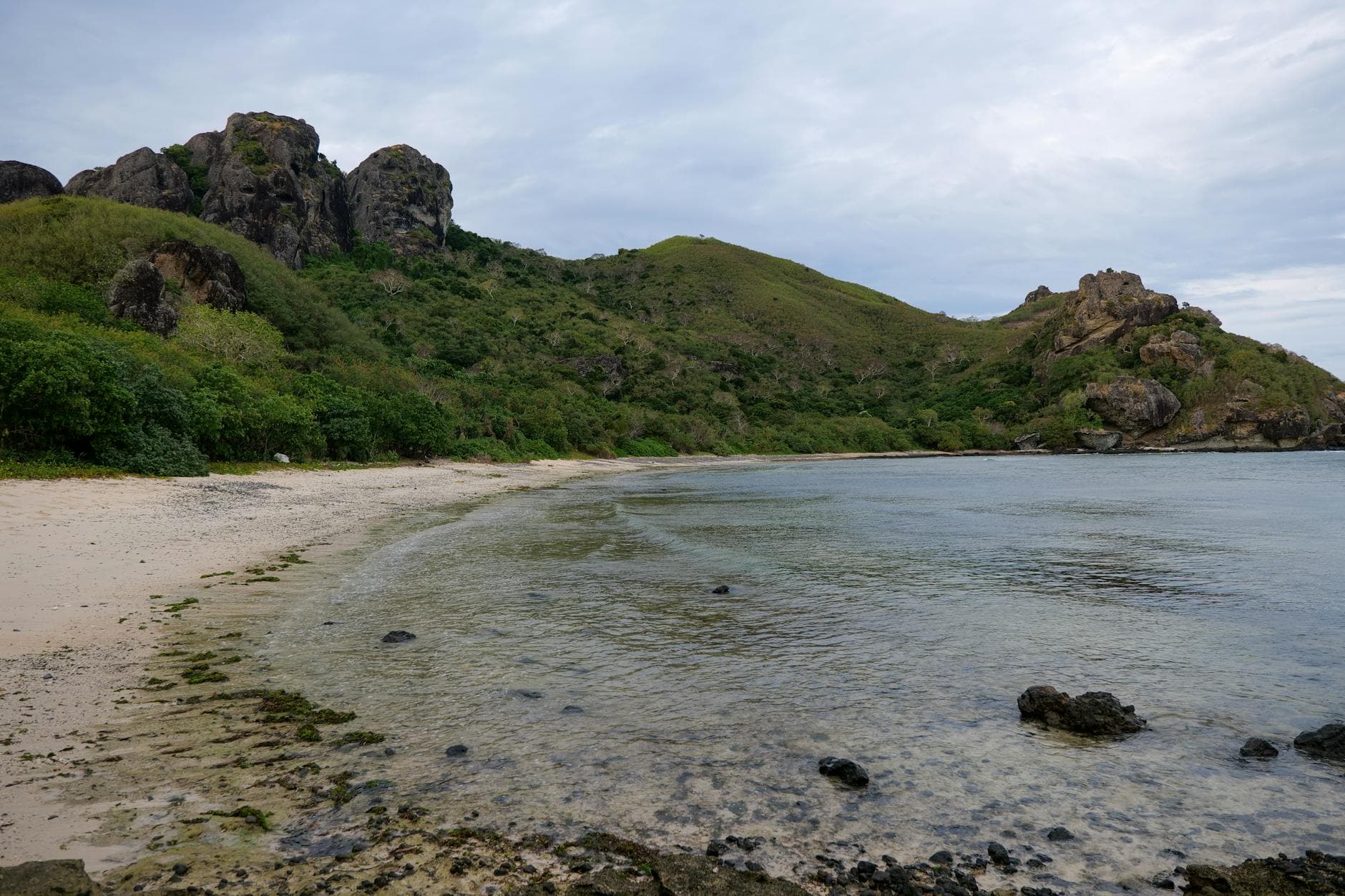
Fiji's 330 islands offer everything from pristine white-sand beaches and world-class coral reefs to lush rainforest-covered mountains. The Mamanuca and Yasawa island chains are among the South Pacific's most stunning, with crystal-clear lagoons, manta ray encounters, and surf breaks ranked in the global top 10.
English-Speaking - Zero Language Barrier
English is one of Fiji's three official languages and the primary language of government, education, business, and media. All legal documents, banking, healthcare, and everyday transactions operate in English, making the transition seamless for Anglophone expats without any need for language courses.
Affordable Tropical Living
Fiji's cost of living runs 40–50% lower than the US, with a comfortable single expat budget starting at $1,200–$1,800/month. A two-bedroom apartment in a good Suva neighborhood costs FJD 1,500–3,000/month ($660–$1,320 USD), local market produce is remarkably cheap, and a restaurant meal costs just $4–$8 at local eateries.
Investor-Friendly Visa System
Fiji's investor permit starts at just FJD 50,000 (~$22,000 USD) for a 3-year visa, with a 7-year option at FJD 500,000. Tourist visas allow stays of up to 4 months, and work permits are available for employer-sponsored positions. The investor pathway offers one of the Pacific's lowest entry points for long-term residency.
Year-Round Tropical Climate
Average temperatures hover between 26–31°C (79–88°F) throughout the year, with cooling southeast trade winds providing natural relief. The dry season from May to October offers near-perfect weather with low humidity and minimal rainfall, making Fiji a reliable warm-weather destination every month of the year.
Legendary Bula Spirit & Welcoming Culture
Fiji is consistently ranked among the friendliest nations on Earth. The famous 'Bula!' greeting reflects a genuinely warm, communal culture where visitors and expats are embraced as part of the community. Fijians' natural hospitality, combined with a relaxed Pacific Island pace of life, creates an atmosphere that expats describe as instantly stress-reducing.
Improving Healthcare with Regional Backup
Private hospitals like Oceania Hospital and Pacific Specialist Healthcare in Suva offer modern facilities with CT scanning, cardiology, and laboratory services. International health insurance from $55–$225/month covers private care, and medical evacuations to Australia (3.5 hours) or New Zealand (3 hours) provide a safety net for complex procedures.
Best Cities for Expats
Detailed guides for the top Fiji expat destinations
Suva
~95,000
Fiji's bustling capital - the South Pacific's largest city with colonial architecture, vibrant markets, embassy district, and the country's best healthcare and coworking scene
$1,500–$2,500
25–40 Mbps (Vodafone fiber)
Nadi
~70,000
Fiji's gateway city - international airport hub with Denarau Island resort living, sunny climate, and 20–30% lower rents than Suva
$1,200–$2,200
25–35 Mbps (Digicel 4G/Vodafone)
Everything You Need to Know
In-depth guides on every aspect of expat life in Fiji
Visa & Residency
Fiji offers several pathways for expats to live and work in the islands - from 4-month tourist visas and employer-sponsored work permits to investor permits starting at FJD 50,000. While Fiji does not yet have a dedicated digital nomad visa, its generous tourist entry and relatively accessible investor permit make it one of the Pacific's most approachable destinations for long-term stays.
Healthcare
Fiji's healthcare system is developing but adequate for basic and intermediate care, with private hospitals in Suva offering modern facilities. The public system provides free care to Fijian citizens through 25 hospitals and a network of health centres, while expats rely on private facilities and international health insurance. For complex procedures, medical evacuation to Australia or New Zealand (3–3.5 hours by air) is the standard backup plan.
Cost of Living
Fiji offers one of the Pacific's most tax-friendly environments for expats - the first FJD 30,000 of annual income is completely tax-free, with progressive rates topping at 20% above FJD 50,000. There is no capital gains tax on personal investments, VAT was reduced to 12.5% in 2025, and the Fijian dollar provides relatively stable purchasing power. Banking is accessible in English with ANZ, BSP, Westpac, and HFC all serving the expat market.
Housing
Fiji's housing market offers everything from basic local apartments at FJD 500/month to luxury Denarau Island villas at FJD 10,000+/month. The expat market is concentrated in Suva (Domain, Tamavua, Lami) and the Nadi–Denarau corridor (Martintar, Denarau, Wailoaloa). Most expat rentals include basic furnishing, and finding housing through local agents and word-of-mouth is standard practice.
Work & Business
Fiji's economy is driven by tourism, agriculture, sugar, and a growing services sector. The job market for expats centers on tourism management, international organizations (based in Suva), NGOs, education, and business investment. Remote work is increasingly popular, though dedicated coworking infrastructure is still developing. The minimum wage is FJD 4.00/hour, and the work culture blends Pacific Island warmth with British colonial business traditions.
Daily Life
Daily life in Fiji revolves around the warmth of community, fresh tropical produce, and a relaxed Pacific Island pace. English is spoken everywhere, making daily transactions seamless. Suva offers urban amenities with markets, restaurants, and cultural events, while Nadi provides a sun-drenched resort lifestyle. The 'Bula spirit' means expats are welcomed warmly, and the multicultural mix of indigenous Fijian, Indo-Fijian, and international communities creates a rich cultural tapestry.
Moving Guide
Moving to Fiji requires planning for shipping logistics across the Pacific, understanding customs regulations, finding housing (often through local agents and expat networks), and adapting to island infrastructure. The process is smoother than many Pacific destinations thanks to English-speaking bureaucracy, established shipping routes from Australia/NZ/US, and a welcoming expat community ready to share advice.
Education
Fiji has a well-established education system for the Pacific region, with English as the primary language of instruction. International schools in Suva serve the diplomatic and expat community, while the University of the South Pacific (USP) is the region's premier tertiary institution. The education system follows a British-influenced structure with 8 years of primary school and 5 years of secondary school.
Lifestyle
Fiji offers an unmatched lifestyle for nature lovers, water sports enthusiasts, and those seeking a slower, more connected way of life. World-class diving and snorkeling, stunning island-hopping opportunities, traditional kava ceremonies, and a warm communal culture define daily life. The expat social scene revolves around beach clubs, sports (rugby is a national obsession), sailing, and the close-knit international community in Suva and Nadi.
Investing
Everything expats need to know about investing in Fiji - from property and stocks to tax-efficient strategies, brokerage access, and building wealth abroad.
Fiji at a Glance
Capital
Suva (pop. ~95,000; largest city and economic hub)
Population
~930,000
Currency
Fijian Dollar (FJD) - 1 USD ≈ 2.27 FJD
Official Languages
English, Fijian (iTaukei), Fiji Hindi
English Level
Official language - used in government, business, education, and media
Time Zone
UTC+12 (Fiji Time - 17 hours ahead of US Pacific)
Climate
Tropical oceanic - 26–31°C year-round; wet season Nov–Apr, dry season May–Oct
Avg. Internet Speed
~25 Mbps fixed (Vodafone fiber); ~34 Mbps mobile (Digicel 4G)
Emergency Number
911 (police, fire, ambulance)
Major Airports
Nadi International (NAN) - main gateway; Nausori (SUV) - domestic/regional near Suva
Plan Your Move to Fiji
Fiji vs Other Countries
See how Fiji stacks up against other popular expat destinations
Where Does Fiji Rank?
Cheapest Countries for Expats
Ranked list of the most affordable countries for expats in 2026. Monthly budget, cost of living, internet speed, and city guides for each destination.
Countries Under $1,500/Month Cost of Living
Complete list of countries where a single expat can live comfortably on under $1,500 per month. Budget breakdowns, internet speeds, and city guides included.
Countries Where $2,000/Month Is Enough
All countries where a single expat can live well on $2,000 per month or less. Ranked by cost of living with budget details, internet, and English proficiency.
Best Countries for Remote Workers
Top countries for remote workers ranked by internet speed, cost of living, and English proficiency. Find your ideal work-from-anywhere destination in 2026.
Countries With the Fastest Internet
Ranked list of countries with the fastest broadband internet speeds for expats. Average Mbps, cost of living, and city guides for each destination.
Best Countries for Retirement Abroad
Warm-climate countries where one person can live on $2,500/month, ranked safest first by Global Peace Index. Portugal leads, then Malaysia and the Maldives. 2026.
Frequently Asked Questions About Fiji
How much does it cost to live in Fiji as an expat?
What visa do I need to move to Fiji?
What is healthcare like in Fiji for expats?
What are the best cities to live in Fiji as an expat?
Is Fiji a good place to live as an expat in 2026?
Is Fiji right for you?
Answer a few quick questions about your budget, lifestyle, and priorities. Our AI matches you with the best countries and builds a personalised relocation plan.
Expat Insights, Weekly
Get the latest visa updates, cost-of-living data, and expat stories from Fiji straight to your inbox.
Free: The Ultimate Expat Checklist
Everything you need to prepare before moving abroad - visa, finances, healthcare, housing, and more.