Western Europe
Central & Eastern Europe
Asia & Middle East
Americas
Oceania & Africa
Expat Topics
🇱🇰 The expat guide · 2026
Sri Lanka.
The Pearl of the Indian Ocean - a brand-new Digital Nomad Visa (Feb 2026), ultra-affordable tropical living, world-class surf, and extraordinary variety packed into one small island
Minimum Wage
LKR 30,000/mo
+72% from Jan 2026; ~$95-$100; LKR 1,200/day
1-BR Rent (Colombo)
$400–$800/mo
Colombo 3/7 expat areas
Global Peace Index
#87
2026 GPI ranking
APIT 2025/26
0–36% (6 bands)
Personal relief LKR 1.8M raised from LKR 1.2M; 12% bracket scrapped; top 36% above LKR 4.3M
Foreign-Source Income Tax
15% (Apr 2025+)
On services to overseas clients with FX remitted via banking system
DN Tax Status
Tax reg from yr 2
Renewal after first year requires Sri Lankan tax registration; 183-day rule = worldwide income
Verified August 13, 2026
See 8 more figuresCan you actually move to Sri Lanka?
We research your nationality, income and timeline against Sri Lanka's current rules, and tell you whether you qualify and what it actually costs.

Why move to Sri Lanka?
Sri Lanka is emerging as one of South Asia's most compelling expat destinations in 2026. The island **officially launched its Digital Nomad Visa in February 2026** - the first in the region - offering one-year renewable stays for remote workers earning $2,000/month from foreign sources (+$500 for each dependent beyond 2). A new **180-day tourist visa** also debuted in Feb 2026 (doubled from 90 days). On 7 May 2026, Parliament approved **free ETA visas for 40 countries** (implementation date TBD). Post-crisis economic recovery is firmly underway: the IMF stabilization program is progressing, **LKR has steadied at ~300 per USD**, and tourism and foreign investment are rebounding strongly. **Minimum wage raised to LKR 30,000/mo from 1 Jan 2026** (~$95-$100 USD), or LKR 1,200/day. Colombo's expat neighborhoods (Colombo 3, Colombo 7) combine modern apartments, international restaurants, and fiber internet with costs 60-70% below Western Europe. South coast surf towns Weligama and Mirissa have exploded as digital nomad hubs. English widely spoken (British colonial legacy). Inflation 5.4% (April 2026, up from 2.2% in March).
The rest of the Sri Lanka numbers
The figures that did not fit in the summary above.
| Figure | Detail |
|---|---|
| Digital Nomad Visa€425/year fee | Launched Feb 2026; requires $2,000/mo income; 1-yr renewable annually |
| 180-Day Tourist VisaLaunched Feb 2026 | Doubled from previous 90-day limit |
| Free ETA for 40 countriesApproved 7 May 2026 | Implementation date TBD |
| IRA Amendment Act 11/2026Certified 3 Jun 2026 | 5% WHT on service fees extended (>LKR 100K/mo) to IT, translators, artists, coaches, dentists, etc.; SET requirement abolished; overseas contractors (1+ yr with unrelated employer) NOT tax-resident; Investor Category Residence Visa holders excluded from tax residency |
| IMF Fiscal Anchor 20262.5% primary surplus | Dissanayake Budget 2026 targets 2.5% of GDP primary surplus and ~15% revenue/GDP under IMF programme (post-Nov 2025 amendment period) |
| EPF/ETF Contributions12% + 3% employer | Employers contribute 12% to EPF + 3% to ETF; standard on salaried employment |
| Exchange Rate~300 LKR/USD | Stabilized post-2022/23 IMF programme |
| Internet (Colombo)50–80 Mbps | Fiber available; variable on south coast |
The Sri Lanka basics
8 essentials every expat should know - from the practical to the political.
Is Sri Lanka actually your best option?
This page tells you what Sri Lanka is like. It cannot tell you whether it beats the four other countries you should be looking at, because that answer changes with your passport. Income thresholds, tax treaties and citizenship timelines are all nationality specific, and the general rule is often not the rule that applies to you.
A Personal Relocation Assessment answers it for your case. You tell us your nationality, income, household and timeline, and we our expert researches it against the law as it stands: which countries you actually qualify for, the route, the current threshold with the instrument it comes from, and what is most likely to go wrong in a position like yours.

Food culture
Rice-and-curry, hoppers (appa), kottu roti, fresh seafood, real Ceylon black tea - Sri Lanka's distinct spice-driven cuisine
Explore

Festivals & traditions
Temple of the Tooth (Kandy), Sigiriya Lion Rock, Esala Perahera procession, Theravada Buddhism - 2,500 years of unbroken cultural continuity
Explore

Coast & nature
South-coast surf belt (Weligama, Mirissa, Hiriketiya, Arugam Bay), stilt fishermen at Koggala, whale watching Mirissa, Trincomalee beaches
Explore

Heritage & landmarks
Galle Fort (UNESCO Dutch colonial walled city), Sigiriya rock fortress, Polonnaruwa ruins, Adam's Peak pilgrimage, Anuradhapura - Sri Lanka's icons
Explore
8 reasons people stay longer than they planned
The pull of Sri Lanka isn't one big thing - it's a stack of small ones, each compounding the others.
Official Digital Nomad Visa (2026)
Sri Lanka launched its Digital Nomad Visa in February 2026 - the first dedicated remote-work visa in South Asia. For $500/year, remote workers earning $2,000/month or more can legally reside for 12 months, renewable annually. Dependents can be added (with a $500/dependent income increase), and holders gain the right to open local bank accounts and enroll children in international schools.
Exceptional Affordability for USD/EUR Earners
With the LKR at ~300/USD, a comfortable single expat lifestyle in Colombo runs $800–$1,500/month. On the south coast (Weligama, Mirissa), you can live well for $600–$1,000/month. A 1-bedroom furnished apartment in a desirable Colombo neighborhood costs $400–$800, street food meals are $1–$3, and a tuk-tuk across town is under $2. Costs are 60–70% lower than Western Europe.
World-Class Surf & Digital Nomad Coast
Weligama and Mirissa on the south coast have become iconic digital nomad hubs. Coworking cafés with 100–600 Mbps WiFi sit minutes from surf breaks suitable for all levels. The community of remote workers, entrepreneurs, and travelers creates a vibrant social scene year-round, with regular meetups, yoga, and surf lessons woven into the daily routine.
English Widely Spoken
Sri Lanka's British colonial history left a lasting legacy of English proficiency. In Colombo, English is common in business, government, and daily life. In tourist areas and expat hubs on the coast, English-only living is entirely feasible. Signs, menus, and bureaucratic forms are routinely available in English, dramatically lowering the friction of daily life.
Extraordinary Natural Variety
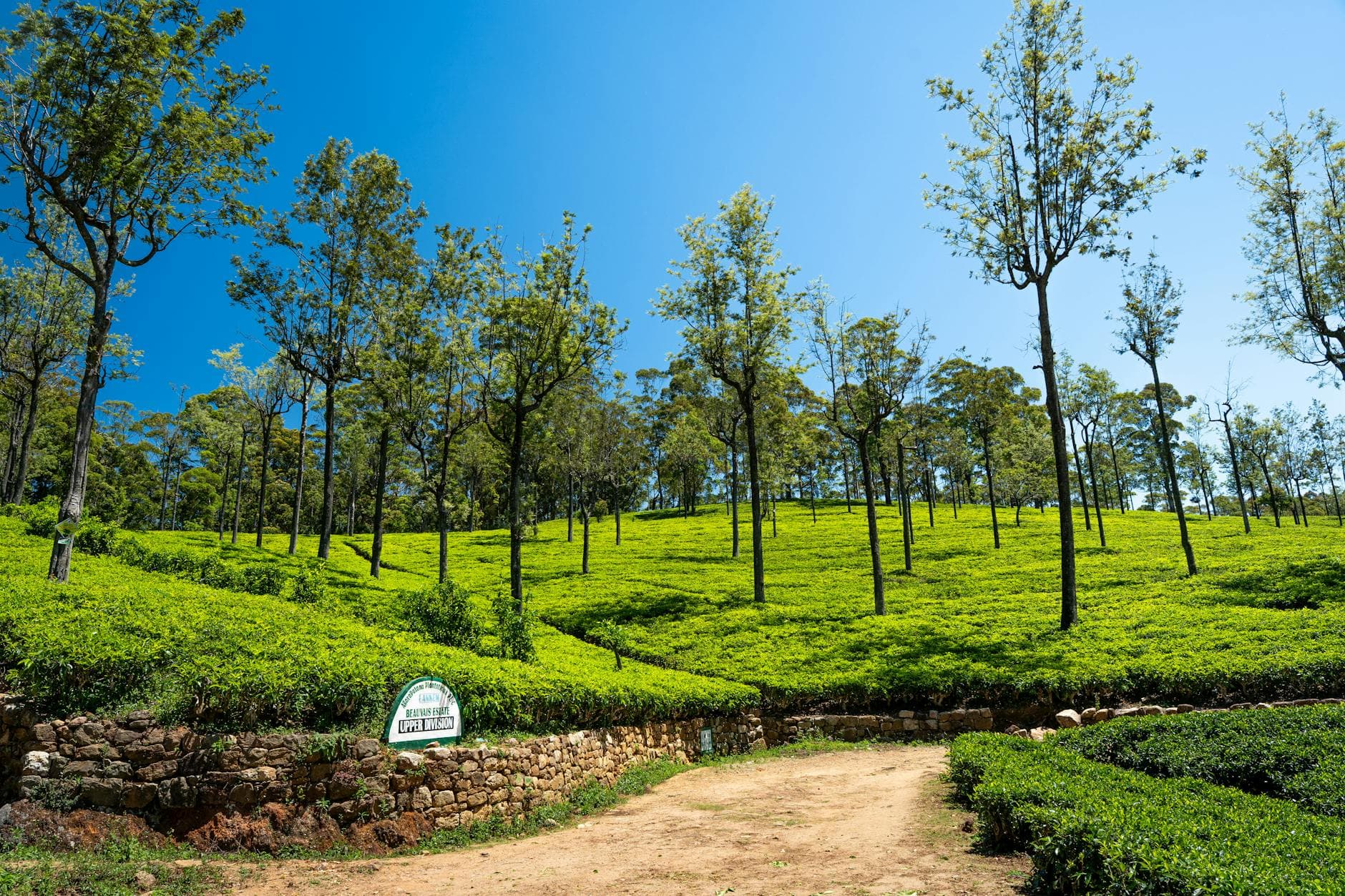
Sri Lanka packs remarkable diversity into a small island: palm-fringed beaches, misty tea highland estates in Nuwara Eliya, ancient rock fortress cities (Sigiriya), leopard-rich national parks (Yala), and elephant orphanages. Weekend trips from Colombo can include surf mornings, temple visits, whale watching, and highland train journeys - all within a 4-hour radius.
Rich Buddhist Culture & Slow Living
Sri Lanka's Theravada Buddhist culture infuses daily life with a sense of calm, ritual, and hospitality. Poya days (full moon public holidays) close shops and create a reflective pause each month. The pace of life outside Colombo is genuinely unhurried - ideal for those fleeing burnout, seeking creative headspace, or simply wanting to live more deliberately.
Well-Connected Hub
Bandaranaike International Airport (CMB) in Negombo connects Sri Lanka to the Middle East (Dubai, Doha), South and Southeast Asia (India, Singapore, Bangkok, KL), and increasingly to Europe. A growing number of budget airlines serve regional routes. Colombo is a 4-hour flight from Dubai and 3.5 hours from Singapore, making it an efficient base for regional travel.
Post-Crisis Recovery Momentum
After the 2022 economic crisis, Sri Lanka is firmly on a recovery path in 2026. The IMF Extended Fund Facility is progressing, foreign reserves have rebuilt, and tourist arrivals are hitting new records. Investment in infrastructure, digital connectivity, and the startup ecosystem is accelerating. Early movers who establish themselves now benefit from low prices before the inevitable surge.
3 cities, 3 different lives
Pick the rhythm that fits - capital buzz, beach mornings, or a slow-living escape.

Colombo
Sri Lanka's commercial capital - a rapidly modernizing tropical city with strong expat infrastructure, fiber internet, and the best healthcare on the island
$1,000–$1,600 /mo
Professionals, families, business expats, digital nomads

Weligama
Sri Lanka's digital nomad surf capital - world-class waves, a buzzing coworking café scene, and a laid-back community of remote workers on the sun-drenched south coast
$600–$1,000 /mo
Digital nomads, surfers, remote workers, slow travelers

Galle
Sri Lanka's colonial jewel - UNESCO Dutch Fort, surf beaches, and Indian Ocean living from $500/month
$500–$1,000 /mo
Digital nomads, surfers, heritage lovers, creative professionals
Everything, in plain words
Visa rules, healthcare, schools, taxes - written like a friend would explain it, not like a brochure.
Visa & Residency
Sri Lanka **officially launched its Digital Nomad Visa in February 2026** - the first of its kind in South Asia - offering a clear legal framework for remote workers to live and work for up to one year (annually renewable). A new **180-day tourist visa also debuted in Feb 2026** (doubled from the previous 90-day cap). On **7 May 2026, Parliament approved FREE ETA visas for 40 countries** (implementation date pending). Standard ETA still applies for non-listed nationals. The DN visa requires $2,000/month remote income (+$500 per additional dependent beyond 2) and a $500 application fee, but unlocks bank account access, school enrollment for dependents, and legal status that the tourist visa cannot provide.
Read 🏥Healthcare
Healthcare in Sri Lanka operates on a two-tier system: an extensive free public system and a growing private sector. For expats, private hospitals in Colombo - particularly Apollo, Asiri, and Durdans - offer internationally accredited care with English-speaking doctors at a fraction of Western costs. Outside Colombo, private healthcare quality drops significantly; expats on the south coast or in hill country should have a plan for transferring to Colombo for serious conditions. Private health insurance is essential and a mandatory requirement for the Digital Nomad Visa.
Read 💰Cost of Living
Sri Lanka offers excellent value for USD and EUR earners in 2026. The LKR stabilized at approximately 300 per USD following the 2022–2023 crisis and IMF-supported recovery. Daily life costs are 60–70% below Western Europe. Monthly budgets start at $800 for a comfortable single lifestyle in Colombo and can be as low as $600 in beach towns. Tax treatment for foreign-income earners is favorable: non-residents (under 183 days) are taxed only on Sri Lankan-source income, and foreign-currency remittances are largely exempt. The Digital Nomad Visa unlocks the right to open a local bank account.
Read 🏠Housing
Sri Lanka's rental market offers excellent value for expats, particularly in Colombo's established expat neighborhoods and along the south coast. The market is landlord-friendly - most leases are informal by Western standards, deposits are negotiable, and furnished apartments with AC are the norm in expat areas. The Digital Nomad Visa's 12-month stay enables longer-term leases, which unlock meaningful discounts. Colombo 3, Colombo 7, and Colombo 4 are the primary expat housing clusters; Weligama and Ahangama dominate the south coast nomad market.
Read 💼Work & Business
Sri Lanka is rapidly improving its infrastructure for remote workers and entrepreneurs. The 2026 Digital Nomad Visa creates the legal framework for remote work; Colombo has a growing coworking and startup ecosystem; and the south coast has some of the most creatively energizing coworking cafés in South Asia. Working locally for a Sri Lankan company requires an employment visa with a local sponsor. Business formation is possible but foreign ownership restrictions apply in some sectors. Internet is excellent in Colombo and at dedicated coworking spots on the coast.
Read 🌆Daily Life
Daily life in Sri Lanka as an expat combines the convenience of English-speaking services, affordable food and transport, a deeply welcoming culture, and an extraordinary natural backdrop. Colombo is a functional, increasingly modern city with good supermarkets, international dining, and improving road infrastructure. The south coast is a more laid-back tropical paradise where tuk-tuks, fresh seafood, and morning surf define the rhythm. Both lifestyles coexist on an island small enough that you can sample both within a weekend.
Read ✈️Moving Guide
Moving to Sri Lanka in 2026 is straightforward for most Western nationalities - the ETA process is fast, the Digital Nomad Visa application is manageable, and the country is accustomed to receiving foreign residents. Importing household goods is complex due to customs duties; most expats arrive with luggage and rent fully furnished apartments. The main practical tasks on arrival are securing accommodation, getting a local SIM, registering for the DNV, and opening a bank account.
Read 📚Education
Sri Lanka's education system has a strong foundation rooted in the British model, resulting in high literacy rates and English instruction in most private schools. Colombo has a range of international schools offering British, IB, Cambridge, and American curricula - well-regarded but significantly cheaper than equivalent schools in Singapore or Dubai. University education is primarily in Sinhalese, though private universities offer some English-medium programs. Digital Nomad Visa holders are explicitly permitted to enroll dependent children in private and international schools.
Read 🌅Lifestyle
Sri Lanka delivers one of the world's most varied expat lifestyles in a remarkably compact geography. Within a 4-hour radius of anywhere on the island, you can move between world-class surf breaks, ancient Buddhist temples, misty tea estates, leopard safaris, and whale watching expeditions. The slower pace of life, genuinely warm people, extraordinarily good food, and tropical climate combine to create a quality of life that USD/EUR earners can achieve at a fraction of the cost of equivalent living in Europe or Australia.
Read 📈Investing
Everything expats need to know about investing in Sri Lanka - from property and stocks to tax-efficient strategies, brokerage access, and building wealth abroad.
ReadTools to plan your move to Sri Lanka
Practical tools to turn an idea into a real plan - pick a season, time your visa, build a budget, even live a day before you go.
Best time to move to Sri Lanka
Season-by-season - weather, visa timing, rental markets, and expert tips
Colombo cost of living
Full monthly budget breakdown - rent, food, transport, utilities
Country match quiz
Eight quick questions, AI-matched country shortlist for your lifestyle
Visa finder
Search visa options by nationality, budget, and stay length
A day in Sri Lanka
Live a perfect day with AI - real cafés, costs, and routes
Relocation plan
Step-by-step AI moving timeline tailored to your situation
Sri Lanka vs the rest
See how Sri Lanka stacks up against other popular expat destinations.
Where Sri Lanka ranks
See where Sri Lanka sits in our independent expat rankings - cost, safety, healthcare, and more.
Cheapest Countries for Expats
Ranked list of the most affordable countries for expats in 2026. Monthly budget, cost of living, internet speed, and city guides for each destination.
Countries Under $1,500/Month Cost of Living
Complete list of countries where a single expat can live comfortably on under $1,500 per month. Budget breakdowns, internet speeds, and city guides included.
Countries Where $2,000/Month Is Enough
All countries where a single expat can live well on $2,000 per month or less. Ranked by cost of living with budget details, internet, and English proficiency.
Best Countries for Remote Workers
Top countries for remote workers ranked by internet speed, cost of living, and English proficiency. Find your ideal work-from-anywhere destination in 2026.
Countries With the Fastest Internet
Ranked list of countries with the fastest broadband internet speeds for expats. Average Mbps, cost of living, and city guides for each destination.
Best Countries for Retirement Abroad
Warm-climate countries where one person can live on $2,500/month, ranked safest first by Global Peace Index. Portugal leads, then Malaysia and the Maldives. 2026.
Honest answers
The questions everyone asks before they pack a single box.
How much does it cost to live in Sri Lanka as an expat?
What visa do I need to move to Sri Lanka?
What is healthcare like in Sri Lanka for expats?
What are the best cities to live in Sri Lanka as an expat?
Is Sri Lanka a good place to live as an expat in 2026?
Personal Relocation Assessment
Can you actually move to Sri Lanka?
This page is general. Your case is not. Our relocation expert researches your nationality, income and timeline against the law as it stands, names the instrument behind every figure, and tells you where you actually qualify.
Get my assessmentExpat Insights, weekly
Visa updates, cost-of-living shifts, and real expat stories from Sri Lanka - straight to your inbox.
Which country is right for you?
Answer 6 quick questions about your budget, lifestyle, and priorities. Our AI ranks 122 countries and builds a personalised relocation plan.