🌆

🇱🇰 Sri Lanka

Daily Life

Daily life in Sri Lanka as an expat combines the convenience of English-speaking services, affordable food and transport, a deeply welcoming culture, and an extraordinary natural backdrop. Colombo is a functional, increasingly modern city with good supermarkets, international dining, and improving road infrastructure.

$1–$3

Street Food Meal

Rice and curry, kottu roti

$5–$15

Mid-Range Restaurant

Per person, Colombo

$0.50–$2

Tuk-Tuk Ride

Short urban journey

Good

English Proficiency

Cities and tourist areas

Generally safe

Safety

Low violent crime; standard precautions apply

Overview

Daily life in Sri Lanka as an expat combines the convenience of English-speaking services, affordable food and transport, a deeply welcoming culture, and an extraordinary natural backdrop. Colombo is a functional, increasingly modern city with good supermarkets, international dining, and improving road infrastructure. The south coast is a more laid-back tropical paradise where tuk-tuks, fresh seafood, and morning surf define the rhythm. Both lifestyles coexist on an island small enough that you can sample both within a weekend.

Key Takeaways

  • Rice and curry (the national staple): $1–$3 at local 'hotel' (Sri Lankan word for basic restaurant); a full plate includes rice, 3–5 curries, and sambol
  • PickMe (local app, like Uber): dominant in Colombo; shows tuk-tuk, car, and bike options; no fare negotiation needed
  • Poya days (full moon public holidays) occur monthly — government offices, many shops close; Buddhist temples fill with worshippers; plan around these dates
  • Overall safety: low violent crime rate; Colombo and south coast tourist areas are safe for solo travelers including women
1

Food & Dining

Sri Lankan cuisine is one of the most distinctive and flavorful in Asia — a coconut-milk and spice-based tradition that influences every meal. Colombo has an impressive international dining scene; the coast offers fresh seafood at astonishing prices.

  • Rice and curry (the national staple): $1–$3 at local 'hotel' (Sri Lankan word for basic restaurant); a full plate includes rice, 3–5 curries, and sambol
  • Kottu roti (chopped flatbread stir-fried with vegetables and egg or meat): $2–$4; one of the most popular street foods
  • Fresh seafood on the south coast: grilled tuna, lobster, prawn; $5–$15 per dish at beachside restaurants
  • Colombo restaurant scene: Sri Lankan, South Indian, Chinese, Italian, Japanese, Lebanese, and American options; main expat areas (Colombo 3, 7) have a strong café culture
  • Supermarkets: Keells Super, Cargills Food City, Arpico carry local and imported products; imported Western goods are available at 2–3x home prices
  • Fresh tropical fruit (mango, papaya, rambutan, mangosteen, king coconut): $0.50–$2/kg at local markets — extraordinary quality
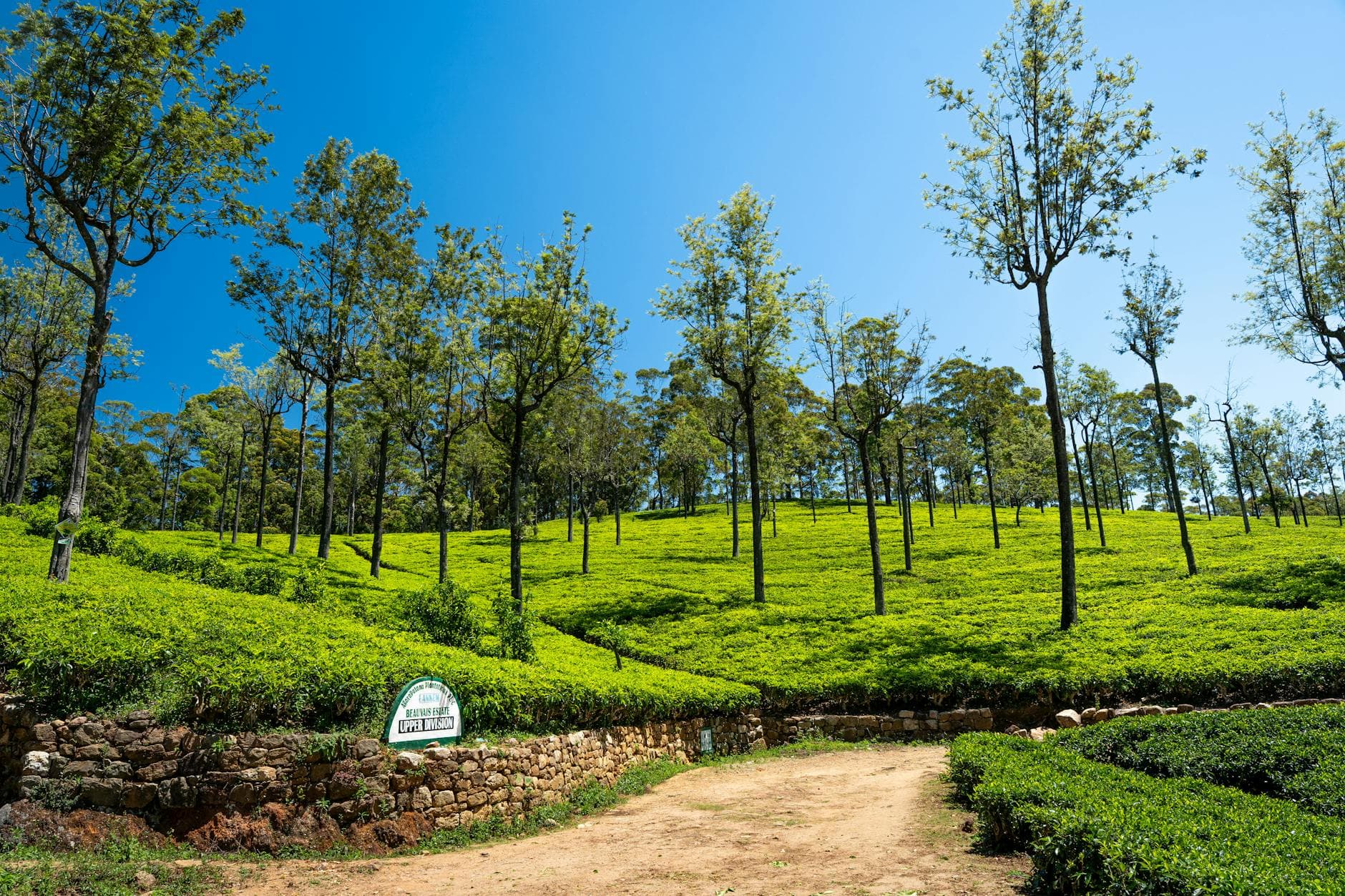
  • Ceylon tea: the world's finest; buy directly from tea shops in Colombo or from estates in Nuwara Eliya; $3–$8 per 100g for premium leaves
  • Alcohol is available but taxed heavily: a local Lion Lager beer is $2–$4; imported wine $8–$20/bottle; spirits are proportionally expensive
2

Transport & Getting Around

Sri Lanka's internal transport system serves expats well once you understand the options. Tuk-tuks and ride-hailing apps dominate in cities; trains offer scenic routes; and scooters are the default on the south coast.

  • PickMe (local app, like Uber): dominant in Colombo; shows tuk-tuk, car, and bike options; no fare negotiation needed
  • Uber operates in Colombo alongside PickMe; use both apps to compare fares
  • Tuk-tuks: cheap ($0.50–$3 for short rides) but negotiate the fare beforehand if not using an app
  • Train network: Colombo to Galle (2 hrs, $1–$3 in 2nd class — one of Asia's most scenic rail journeys); Colombo to Kandy (2.5 hrs); Colombo to Negombo (1 hr)
  • Intercity buses: AC express buses cover Colombo–Galle in 1.5 hrs via Southern Expressway for $3–$5; reliable and comfortable
  • Scooter/motorbike rental on the south coast: $5–$8/day; the best way to explore the coastline independently
  • Car rental: expensive due to import duties; international driving license accepted; driving is on the left (British legacy); traffic in Colombo is chaotic
  • Internal flights: FitsAir and other small carriers connect Colombo to Trincomalee, Jaffna, and Batticaloa — useful for northeast coast exploration
3

Culture & Social Life

Sri Lanka's Theravada Buddhist culture is gentle, hospitable, and deeply integrated into daily life. Expats who respect local customs find a genuinely welcoming society. The expat community is active and social, particularly in Colombo and Weligama.

  • Poya days (full moon public holidays) occur monthly — government offices, many shops close; Buddhist temples fill with worshippers; plan around these dates
  • Dress modestly when visiting temples and religious sites: cover shoulders and knees; remove shoes at temple entrances
  • Sri Lankans are warm and curious about foreigners; English greetings are warmly received and conversations are easy to start
  • Expat communities in Colombo: InterNations Colombo holds regular events; Facebook groups ('Expats in Sri Lanka', 'Digital Nomads Sri Lanka') are active
  • South coast nomad community: organic social scene with regular beach gatherings, surf sessions, and café meetups — newcomers integrate quickly
  • Nightlife: Colombo has a genuine nightlife scene (Sky Lounge, Kingsbury rooftop bar, Ministry of Crab area) active Thursday–Saturday; the coast is more relaxed
  • Cricket is a national obsession — attending an international match at the R. Premadasa Stadium in Colombo is an unforgettable local experience
4

Safety & Practical Considerations

Sri Lanka is one of the safer destinations in South and Southeast Asia for expats. Violent crime against foreigners is rare; petty theft and scams are the main concerns.

  • Overall safety: low violent crime rate; Colombo and south coast tourist areas are safe for solo travelers including women
  • Petty theft: keep watch on bags in crowded markets and buses; beach theft from unattended belongings is the most common issue
  • Scams: tourist tuk-tuk drivers overcharging is the main one — use PickMe app to avoid fare disputes
  • Stray dogs: common throughout Sri Lanka; avoid approaching strays; carry rabies vaccination proof
  • Traffic: road safety is a genuine concern — driving standards are erratic; wear a helmet on scooters; use seat belts in cars
  • Political stability: Sri Lanka has emerged from the 2022 crisis and is politically more stable in 2026; the post-crisis reform process continues; check travel advisories before arrival
  • Emergency numbers: 119 (police), 110 (ambulance/fire), 1990 (Suwa Seriya ambulance service)
  • Natural hazards: tsunamis (low but possible on the coast), seasonal flooding in the rainy season; standard travel insurance covers these risks
FAQs

Common Questions — Daily Life in Sri Lanka

Find Your Perfect City with AI

Describe your lifestyle and our AI matches you to the best expat cities — then simulates a full day there.

Take the Free Quiz

Expat Insights, Weekly

Visa updates, cost-of-living data, and expat stories from Sri Lanka in your inbox.

More Sri Lanka Guides

🇱🇰

Ready to explore Sri Lanka?

Browse our city guides to find the perfect base for your expat life in Sri Lanka.