Western Europe
Central & Eastern Europe
Asia & Middle East
Americas
Oceania & Africa
Expat Topics
🎭 Living in India · 2026
Chennai.
India's cultural capital - classical arts, IT powerhouse, and South India's gateway to the world
Best For
IT professionals, culture enthusiasts, families, healthcare seekers
Monthly Budget
₹25,000–50,000 ($300–$600)
Population
7,100,000
Verified August 13, 2026
Can you actually move to Chennai?
We research your nationality, income and timeline against the law as it stands, and tell you whether Chennai works and what it takes.
The Chennai you’ll actually live in
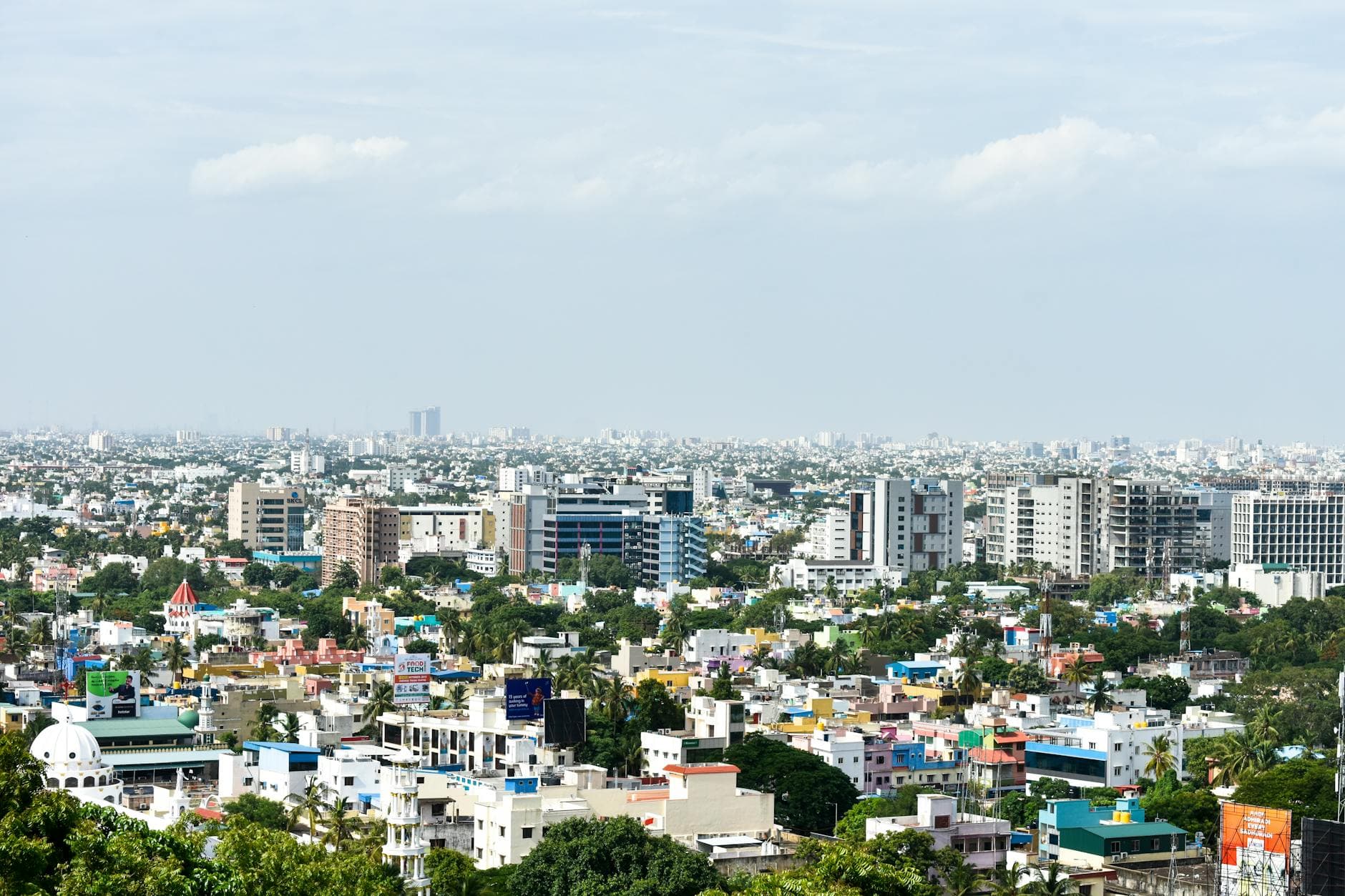
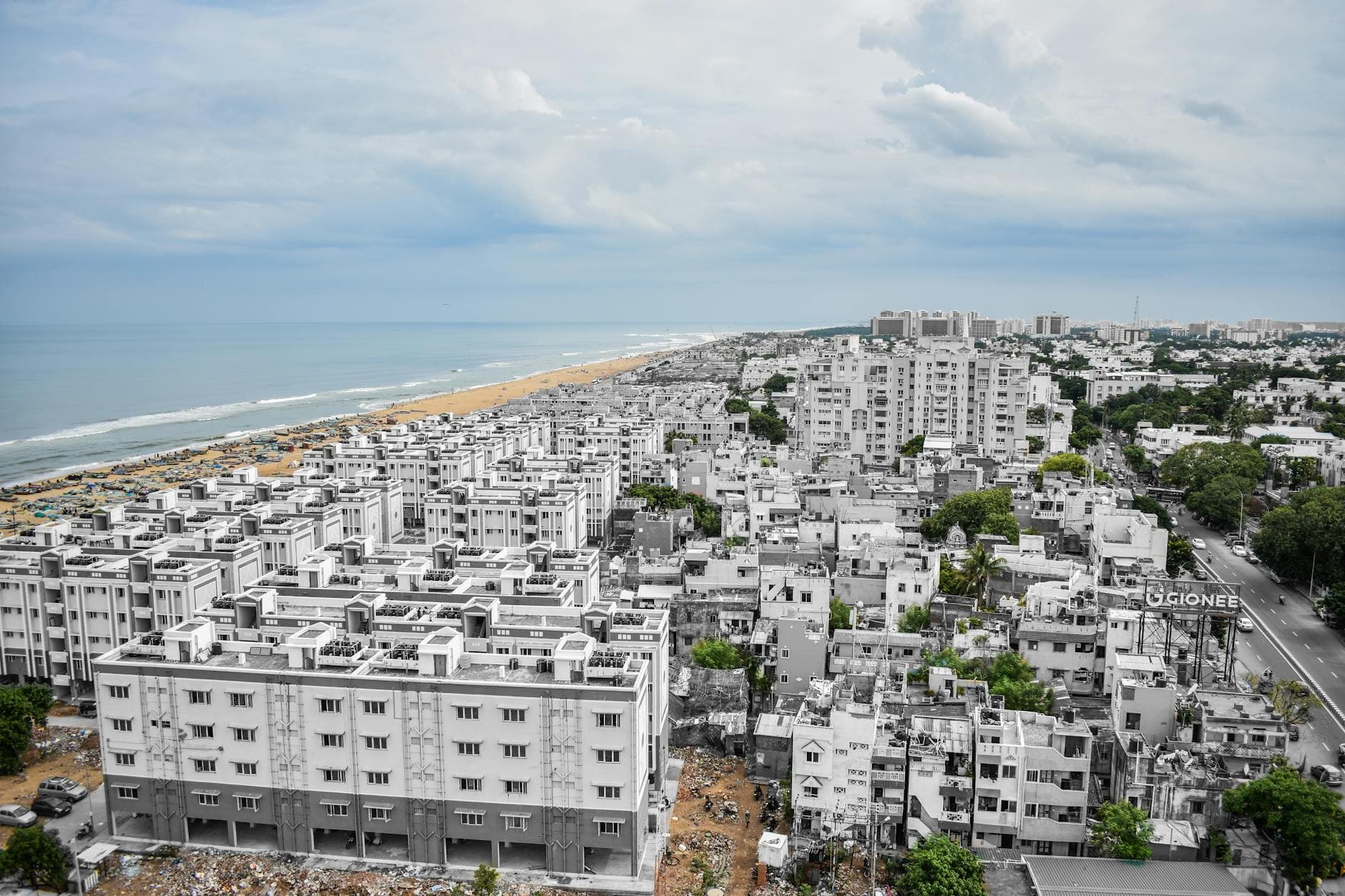
Chennai is the capital of Tamil Nadu and the cultural heartbeat of South India - a city where ancient Bharatanatyam dance, Carnatic music, and Dravidian temple architecture coexist with a massive IT industry and automotive manufacturing hub. The metro area of 11 million people offers significantly lower costs than Bangalore or Mumbai, with monthly budgets of ₹25,000–50,000 ($300–$600) and one-bedroom rents from ₹12,000–30,000 ($145–$360). Marina Beach, one of the world's longest urban beaches, anchors a city that is simultaneously traditional and rapidly modernizing.
The Chennai basics
The full picture - 8 key numbers covering budget, internet, English level, beach access, and airport reach.
Best For
IT professionals, culture enthusiasts, families, healthcare seekers
Monthly Budget
₹25,000–50,000 ($300–$600)
1-BR Apartment Rent
₹12,000–30,000/mo ($145–$360)
Internet Speed
~50–80 Mbps (fiber in IT corridors)
English Level
Good - widely spoken in business and education
Climate
Hot and humid year-round - avg. 30°C; monsoon Oct–Dec
Airport
MAA (Chennai Intl) - direct flights to SE Asia, Middle East, Europe
Visa
e-Tourist, Employment Visa, Business Visa
Is Chennai actually your best option?
This page tells you what Chennai is like. It cannot tell you whether it beats the four other countries you should be looking at, because that answer changes with your passport. Income thresholds, tax treaties and citizenship timelines are all nationality specific, and the general rule is often not the rule that applies to you.
A Personal Relocation Assessment answers it for your case. You tell us your nationality, income, household and timeline, and we our expert researches it against the law as it stands: which countries you actually qualify for, the route, the current threshold with the instrument it comes from, and what is most likely to go wrong in a position like yours.

Food culture
Idli, dosa, filter coffee, Chettinad curries - Chennai's South Indian culinary tradition
Explore

Green spaces
Marina Beach + Elliot's Beach - Chennai's 13-km urban beach and seaside promenade
Explore
Markets
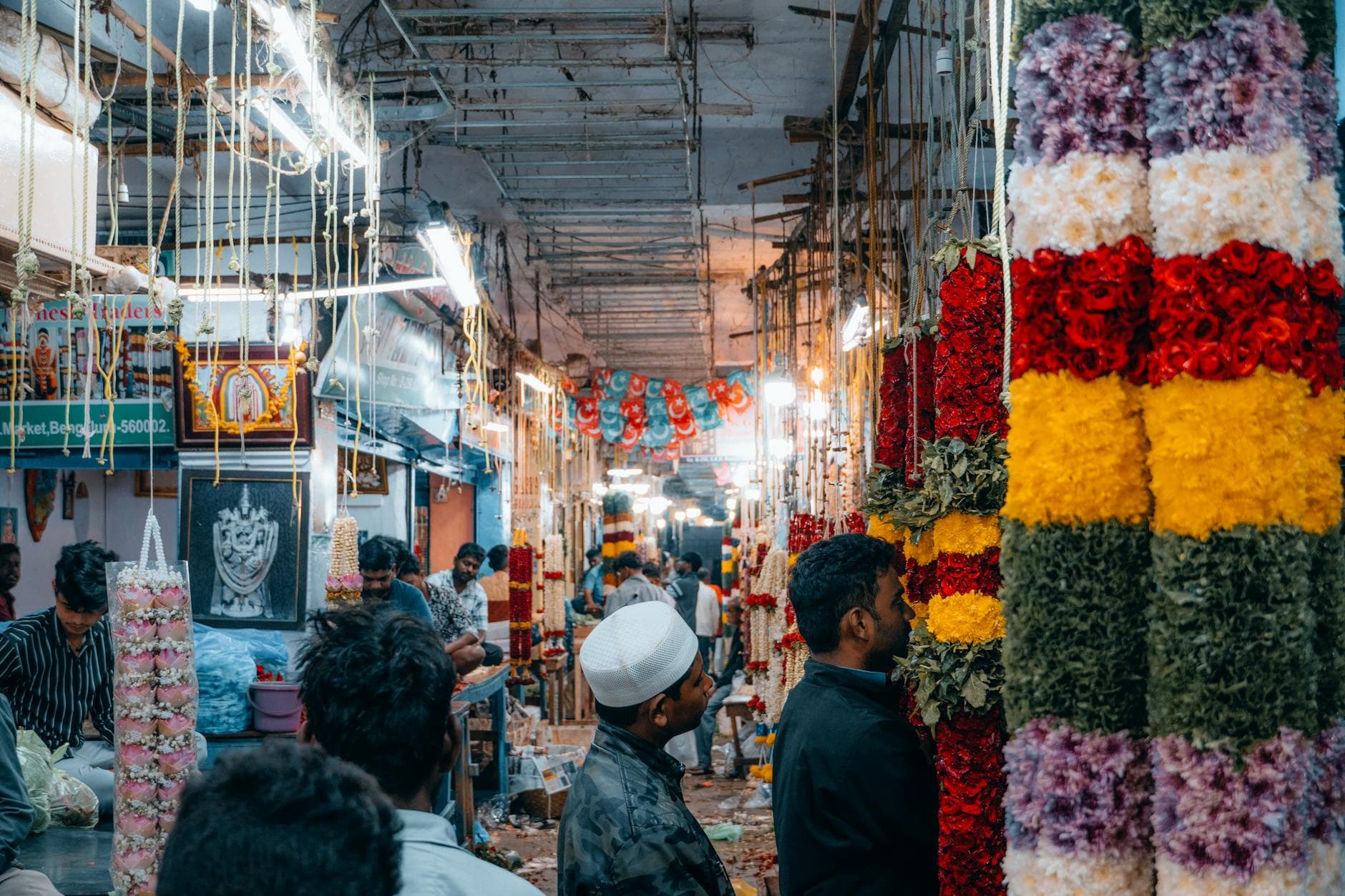
Pondy Bazaar + T Nagar silk shops - Chennai's textile and gold shopping capital
Explore
Nightlife
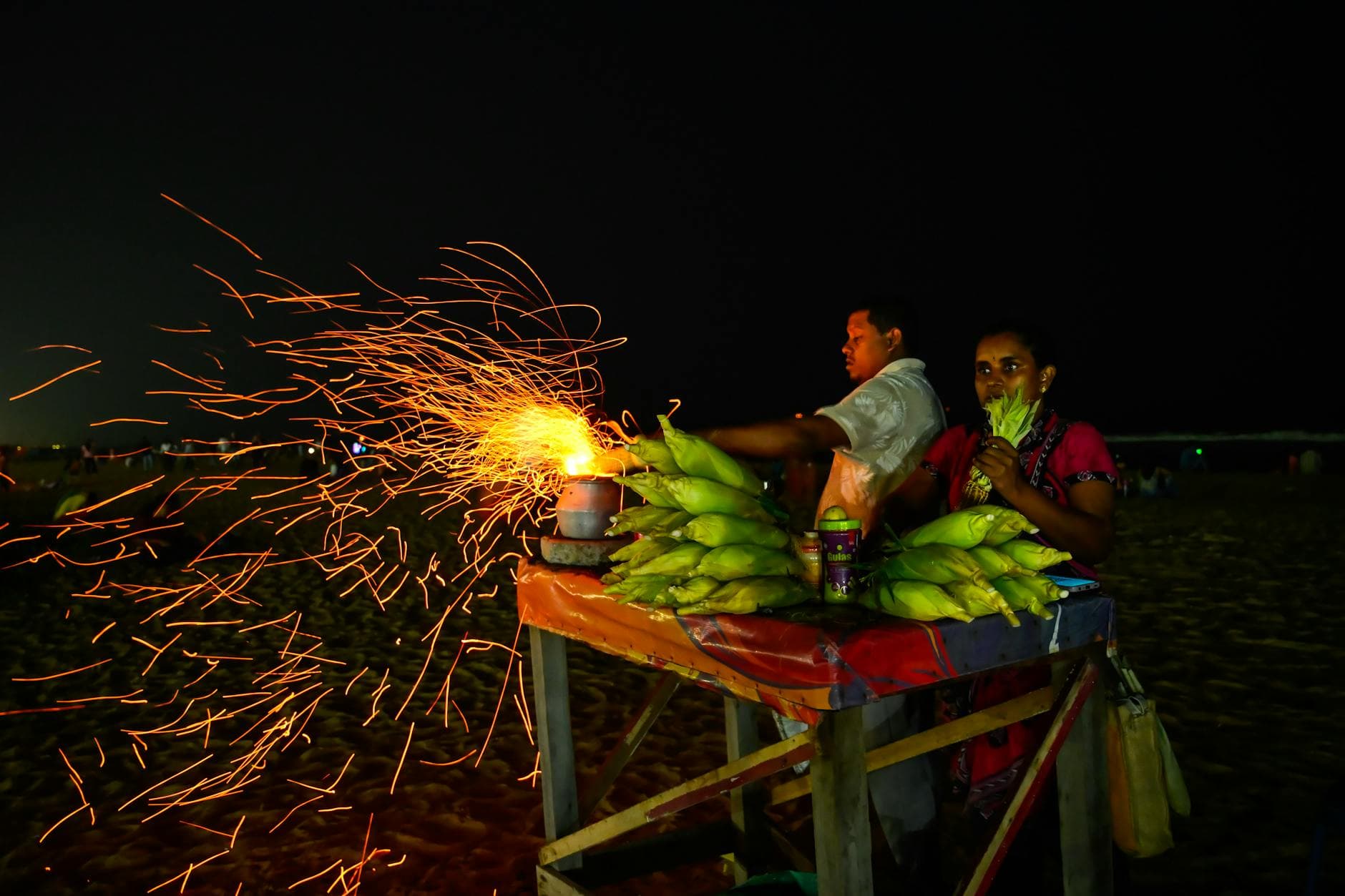
Adyar + Besant Nagar + Anna Nagar - Chennai's café culture and live-music venues
Explore
What a month actually costs
No padding, no underestimates. Real expat numbers - central neighborhood, comfortable lifestyle, eating out a few times a week.
All-in monthly
₹30,000–50,000 ($360–$600)
Single expat, comfortable lifestyle, central area.
Rent (1-BR, Adyar/T. Nagar)
₹15,000–30,000 ($180–$360)
Full breakdown
Rent (1-BR, Adyar/T. Nagar)
₹15,000–30,000 ($180–$360)
Rent (1-BR, Velachery/Porur)
₹10,000–18,000 ($120–$215)
Groceries (local markets + supermarket)
₹4,000–7,000 ($48–$84)
Auto-rickshaw / Metro
₹1,500–3,000 ($18–$36)
Utilities (electricity, water, internet)
₹2,500–4,500 ($30–$54)
Health insurance
₹1,500–4,000 ($18–$48)
Dining out (mix local + restaurants)
₹3,000–7,000 ($36–$84)
Entertainment & misc.
₹2,000–5,000 ($24–$60)
Total (comfortable mid-range)
₹30,000–50,000 ($360–$600)
Where to actually live
6 neighborhoods, 6 different versions of Chennai.
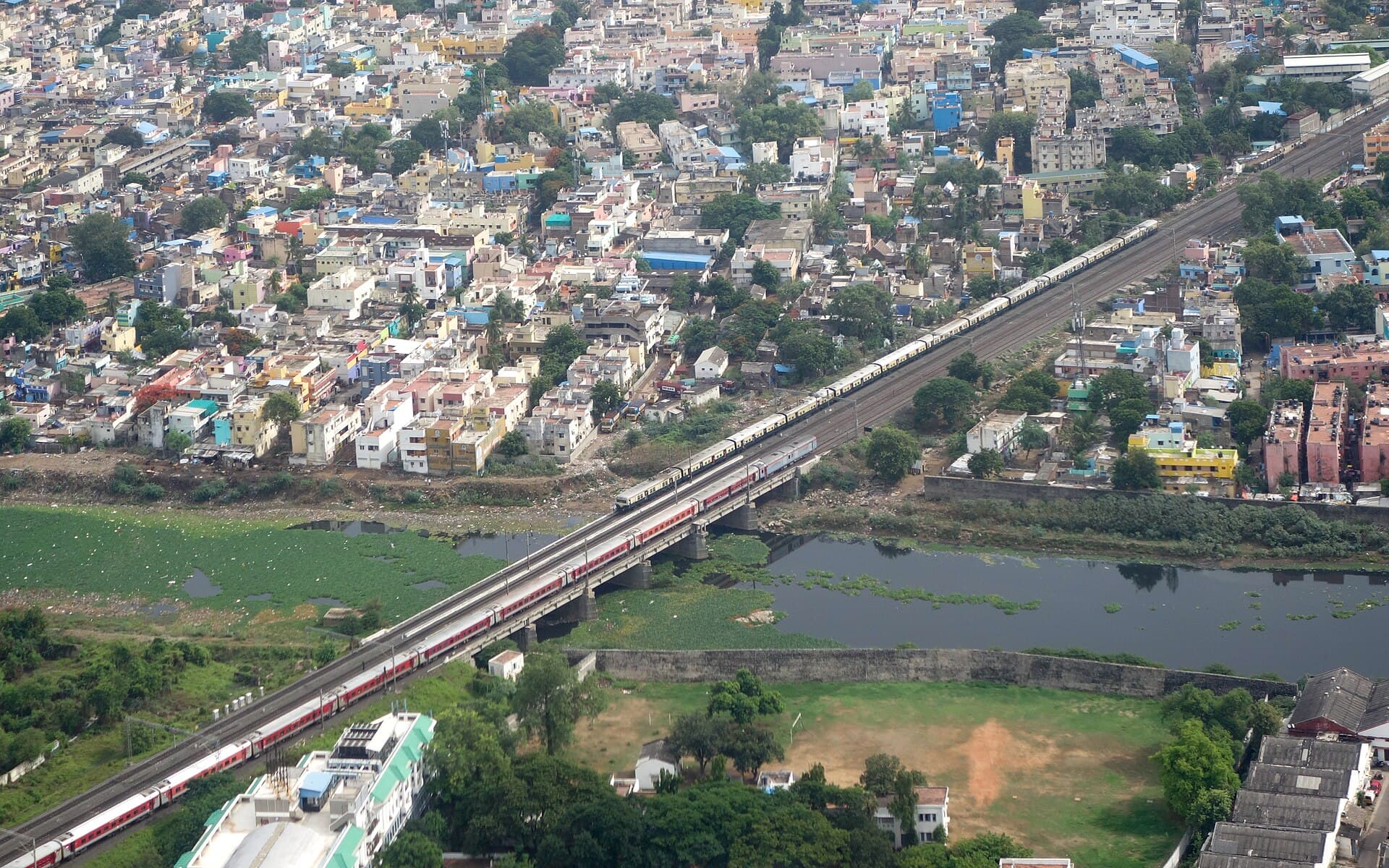
Adyar
Upscale residential area near IIT Madras and the Theosophical Society - tree-lined streets, academic atmosphere, and excellent schools.
Best for: Academics, families, and professionals who want a leafy, prestigious neighborhood with cultural institutions nearby.
Rent ₹20,000–₹40,000/month for 1-BR ($240–$480)
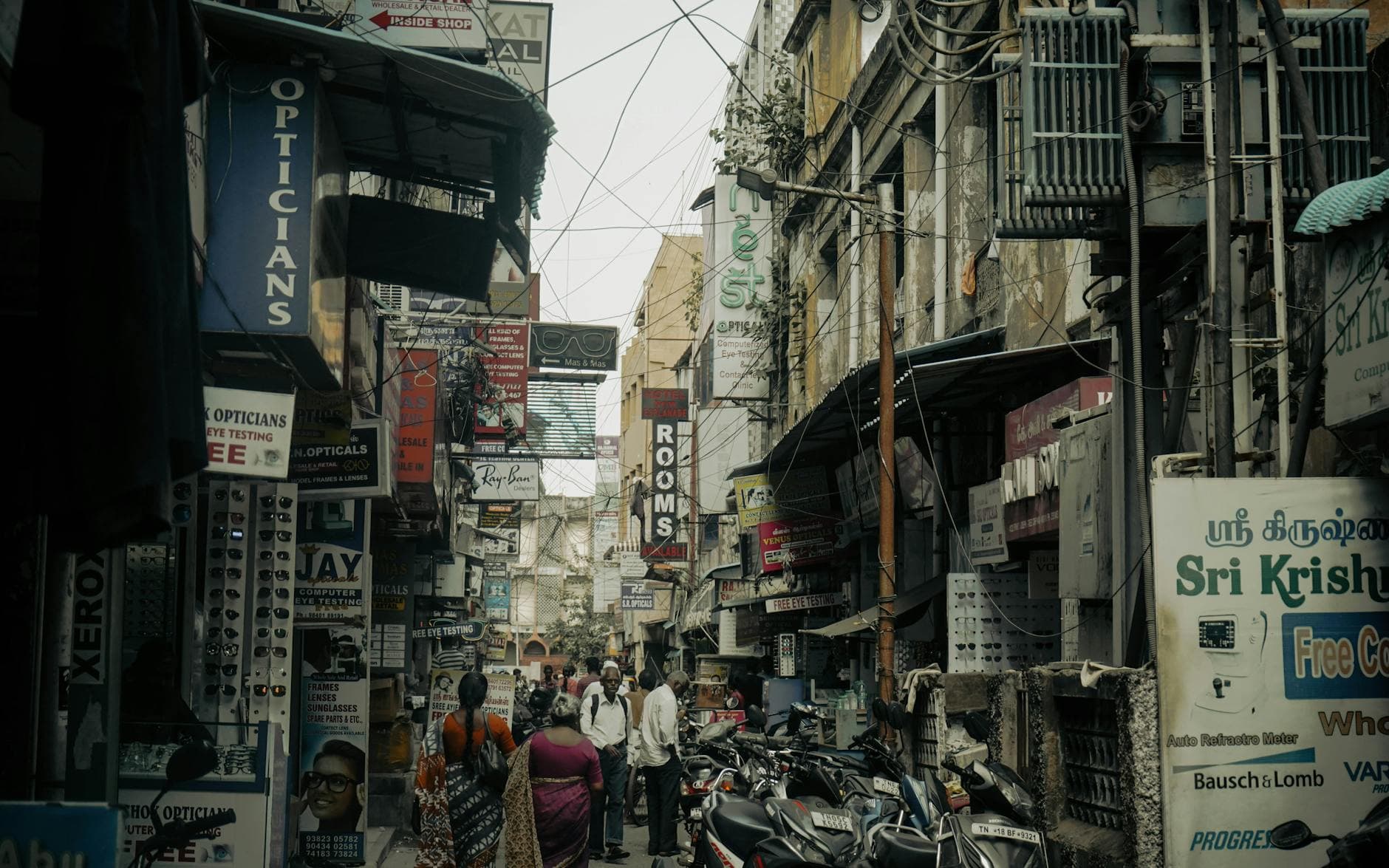
T. Nagar
Chennai's ultimate shopping district - Ranganathan Street's silk sarees, gold jewelers, street food, and the city's most vibrant commercial energy.
Best for: Expats who want to live in the heart of Tamil culture with every shopping need within walking distance.
Rent ₹14,000–₹28,000/month for 1-BR ($170–$335)
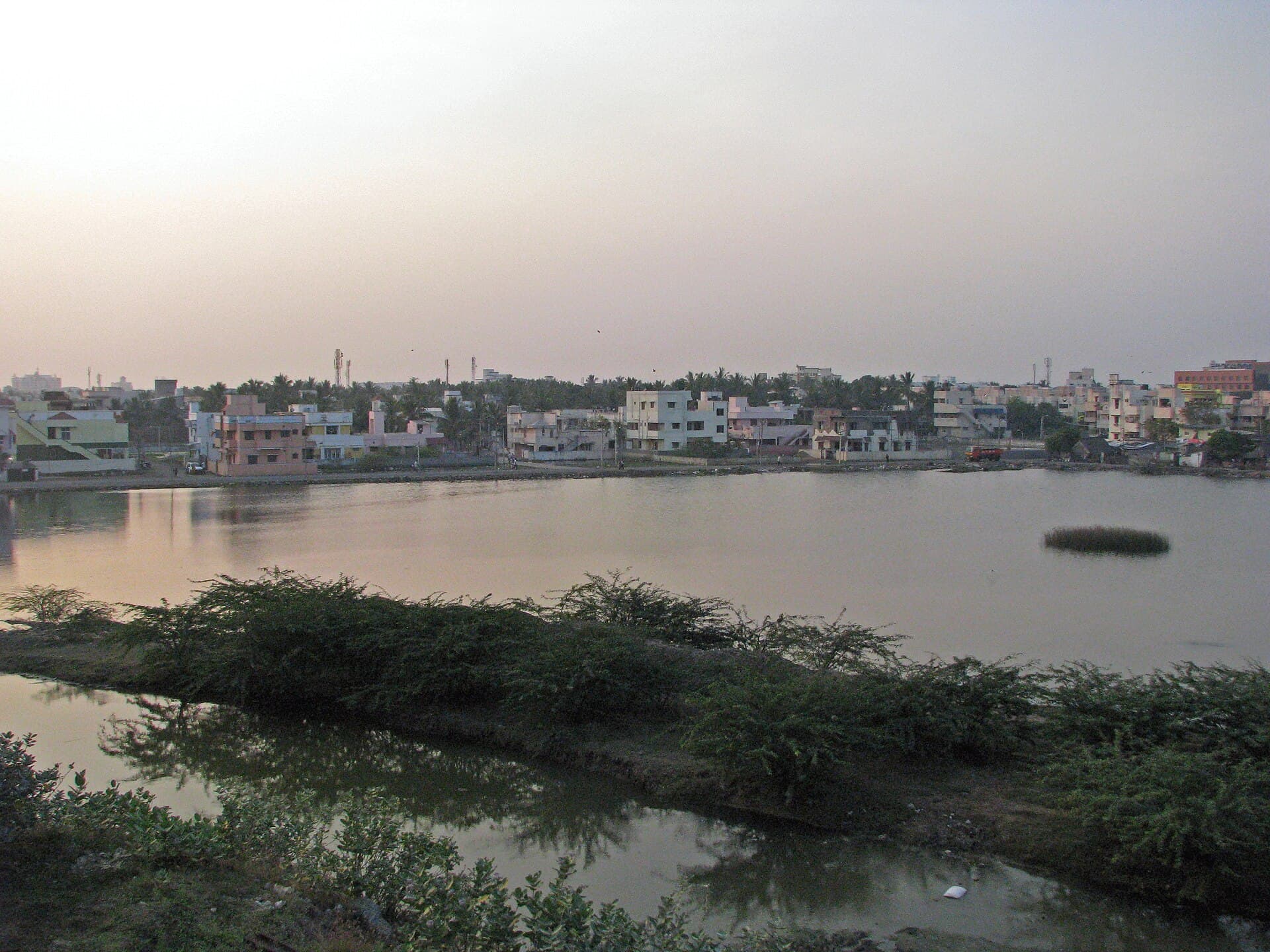
Velachery
IT corridor hub with Metro connectivity, modern apartments, malls, and a young professional demographic. Rapidly developing infrastructure.
Best for: IT professionals and young expats who want affordable modern living near tech parks and Metro stations.
Rent ₹12,000–₹22,000/month for 1-BR ($145–$265)
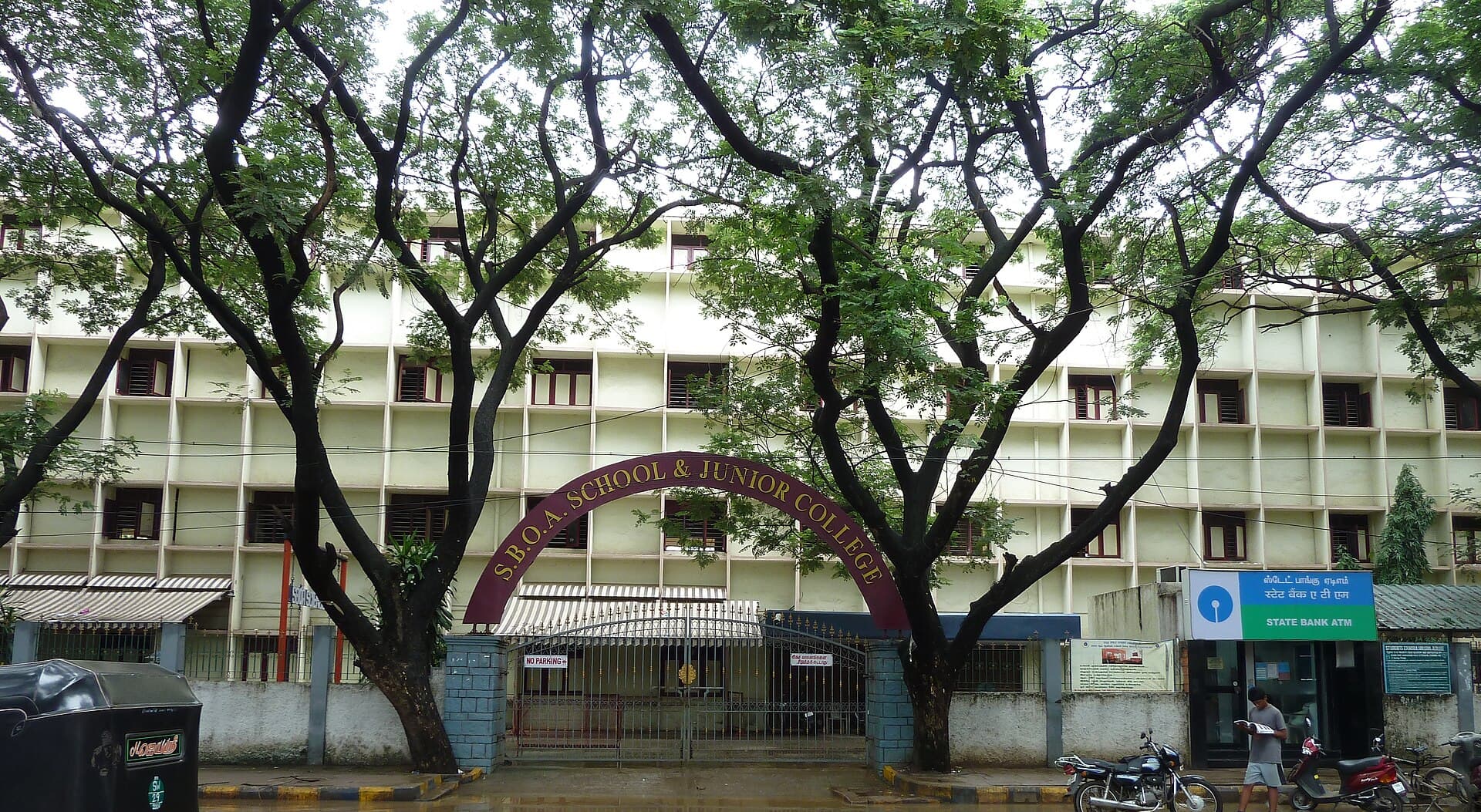
Anna Nagar
Planned residential neighborhood - wide roads, Tower Park, good schools, hospitals, and a family-friendly atmosphere with modern amenities.
Best for: Families with children who want spacious apartments, parks, and a well-planned suburban environment.
Rent ₹15,000–₹30,000/month for 1-BR ($180–$360)
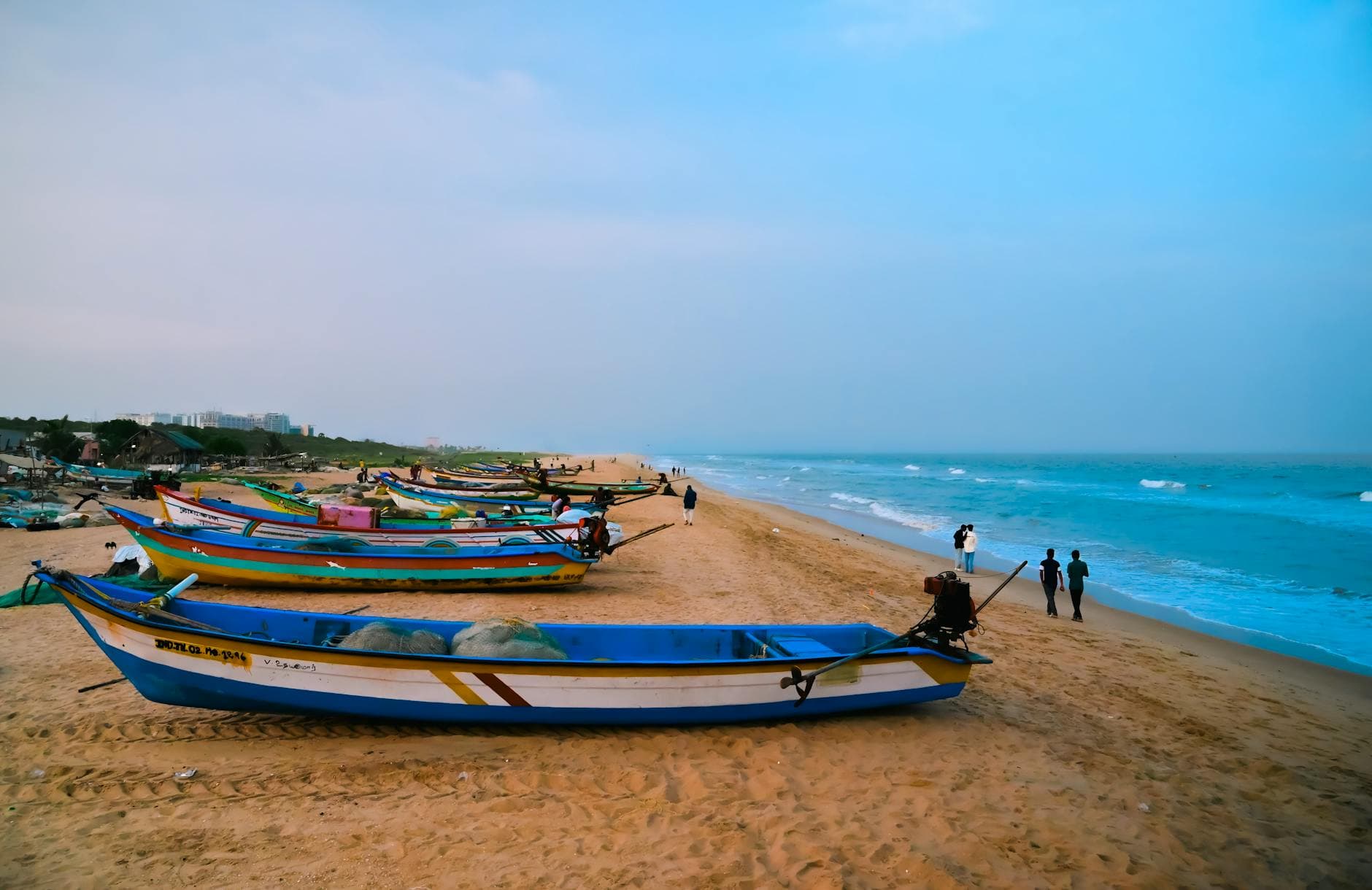
Besant Nagar / Elliot's Beach
Beachfront living at its best - Elliot's Beach promenade, seafood restaurants, bohemian cafes, and a relaxed coastal vibe in the city.
Best for: Beach lovers and creative professionals who want seaside living without leaving the city.
Rent ₹20,000–₹38,000/month for 1-BR ($240–$455)
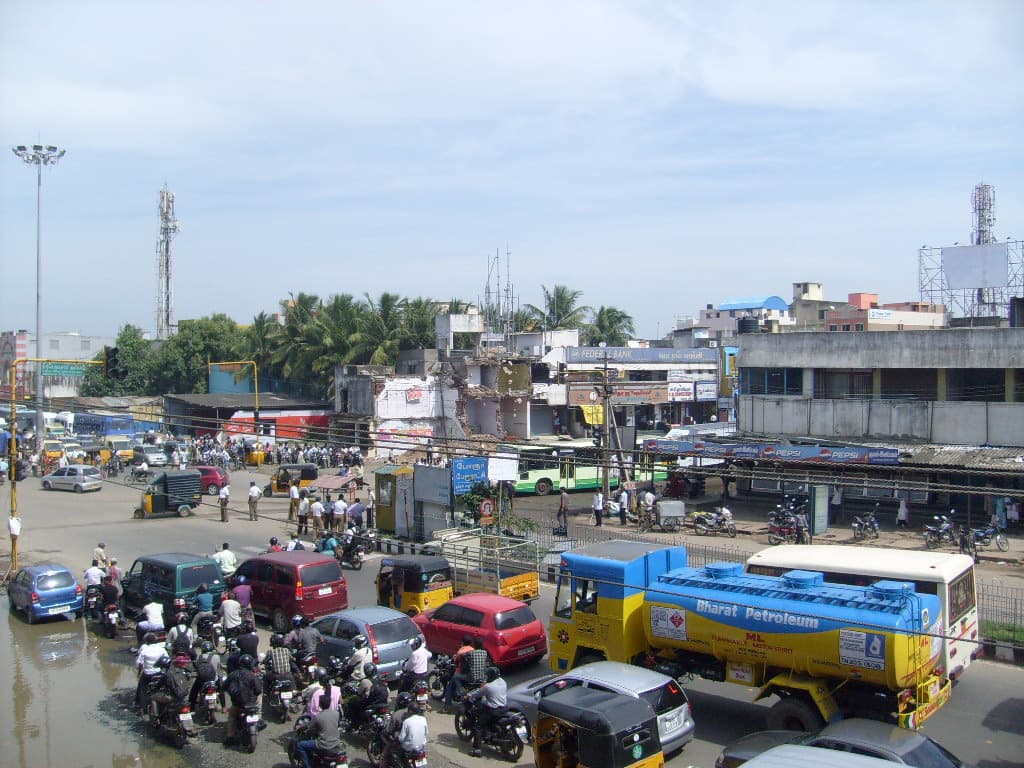
Porur
Affordable IT corridor area on the western fringe - new apartments, tech parks, and significantly lower rents than central Chennai.
Best for: Budget-conscious IT workers and expats who want modern housing at the lowest prices with tech park proximity.
Rent ₹8,000–₹16,000/month for 1-BR ($96–$190)
The truth about Chennai
The bits the brochures skip - what expats love, and what tests their patience.
What you’ll love
- 01Incredibly affordable: significantly cheaper than Bangalore or Mumbai for similar quality of life
- 02Medical tourism hub: Apollo, Fortis, and MIOT hospitals attract patients from across Asia
- 03Rich cultural scene: Bharatanatyam, Carnatic music, December music season is world-famous
- 04Strong IT industry: TCS, Infosys, Cognizant HQs and countless startups along OMR/SHR corridors
- 05Beach city: Marina Beach (13 km) and Elliot's Beach offer seaside living within the city
- 06Friendly locals: Chennai is consistently rated one of India's safest and most welcoming cities
- 07Excellent South Indian food: dosas, idlis, Chettinad cuisine, and filter coffee at unbeatable prices
What might bug you
- 01Extreme heat and humidity: April–June temperatures hit 40°C+ with oppressive humidity
- 02Cyclone and flood risk: October–December monsoon can cause severe flooding (2015 was catastrophic)
- 03Tamil language barrier: outside business contexts, Tamil dominates - learning basics is essential
- 04Traffic congestion: OMR IT corridor and key arterials gridlocked during rush hours
- 05Limited nightlife: Chennai is culturally conservative; bars close early and options are limited
- 06Water scarcity: recurring water shortages; tanker water common in summer months
Where to plug in
Hand-picked coworking spaces - premium business addresses, community hubs, and budget-friendly options.
WeWork Chennai
Premium spaces in Nungambakkam and OMR - global-standard amenities and community
Regus / Spaces
Multiple Chennai locations - professional business address and meeting rooms included
GoFloaters Network
App-based access to 50+ partner spaces across Chennai - pay per use, maximum flexibility
iKeva
OMR and T. Nagar locations - affordable, reliable WiFi, and startup-friendly community
How Chennai moves
Metro, buses, walkability - what works, what to avoid, and how much you'll actually spend.

- 01
Chennai Metro: 2 lines operational, expanding rapidly; ₹20–50/trip ($0.24–$0.60)
- 02
MRTS (suburban rail): elevated railway along the coast - Velachery to Beach Station; ₹5–15 ($0.06–$0.18)
- 03
Auto-rickshaw: ubiquitous three-wheelers; ₹30–150/trip ($0.36–$1.80) - use meter or negotiate
- 04
Ola/Uber: widely available; typical cross-city fare ₹150–400 ($1.80–$4.80)
- 05
MTC Bus: extensive city bus network; ₹5–25/trip ($0.06–$0.30) - crowded but covers everywhere
- 06
Suburban train: connections to Tambaram, Chengalpattu, and surrounding areas
- 07
Airport (MAA): 20 km from city center - direct flights to Singapore, Dubai, London, and Frankfurt
Key takeaways
If you only remember five things about Chennai, make it these.
Budget
₹30,000–50,000 ($360–$600)/mo · rent from ₹15,000–30,000 ($180–$360)
Where to live
Adyar, T. Nagar, Velachery
Top advantage
Incredibly affordable: significantly cheaper than Bangalore or Mumbai for similar quality of life
Watch out
Extreme heat and humidity: April–June temperatures hit 40°C+ with oppressive humidity
Remote work
4+ coworking spaces, from ₹10,000–15,000/mo ($120–$180)/mo
More on India
Drill into the country-level guides - visa rules, healthcare, schools, taxes, and more.
Tools to plan your move to Chennai
Practical tools to turn an idea into a real plan - pick a season, time your visa, build a budget, even live a day before you go.
Chennai cost of living
Full monthly budget breakdown - rent, food, transport, utilities
Best time to move to India
Season-by-season - weather, visa timing, rental markets
Country match quiz
Eight quick questions, AI-matched country shortlist
Visa finder
Search visa options by nationality, budget, and stay length
A day in Chennai
Live a perfect day with AI - real cafés, costs, and routes
Relocation plan
Step-by-step AI moving timeline tailored to you
City rankings
See where Chennai sits in our independent expat city rankings.
Cheapest Cities for Digital Nomads
Ranked list of the most affordable cities for digital nomads in 2026. Budget, internet speed, English level, and coworking info for each city.
Cities With the Fastest Internet
Ranked list of cities with the fastest broadband internet for remote workers and digital nomads. Speed, cost of living, and English level for each city.
Best Cities for English Speakers
Cities where English is widely spoken - ranked by cost of living. Perfect for expats who want to settle abroad without a language barrier.
Most Affordable Cities in Europe
Cheapest European cities for expats ranked by monthly cost of living. Budget breakdowns, internet speeds, and English levels for each city.
Best Cities in Southeast Asia for Expats
Top cities in Southeast Asia for expats and digital nomads. Ranked by budget with internet speed, English level, and lifestyle highlights.
Best Cities in Latin America for Expats
Top Latin American cities for expats and digital nomads. Ranked by budget with internet speed, English level, and lifestyle highlights.
Also in India
7 other cities worth a look - each with its own rhythm, costs, and character.

Goa
India's beach paradise and digital nomad hub - where tropical vibes meet affordable coworking and a global community
$600–$1,000 (₹50,000–₹84,000) /mo
Read guide
Bangalore
India's Silicon Valley - world-class tech ecosystem, garden city vibes, and the best expat infrastructure in the country
$800–$1,400 (₹67,000–₹1,17,000) /mo
Read guide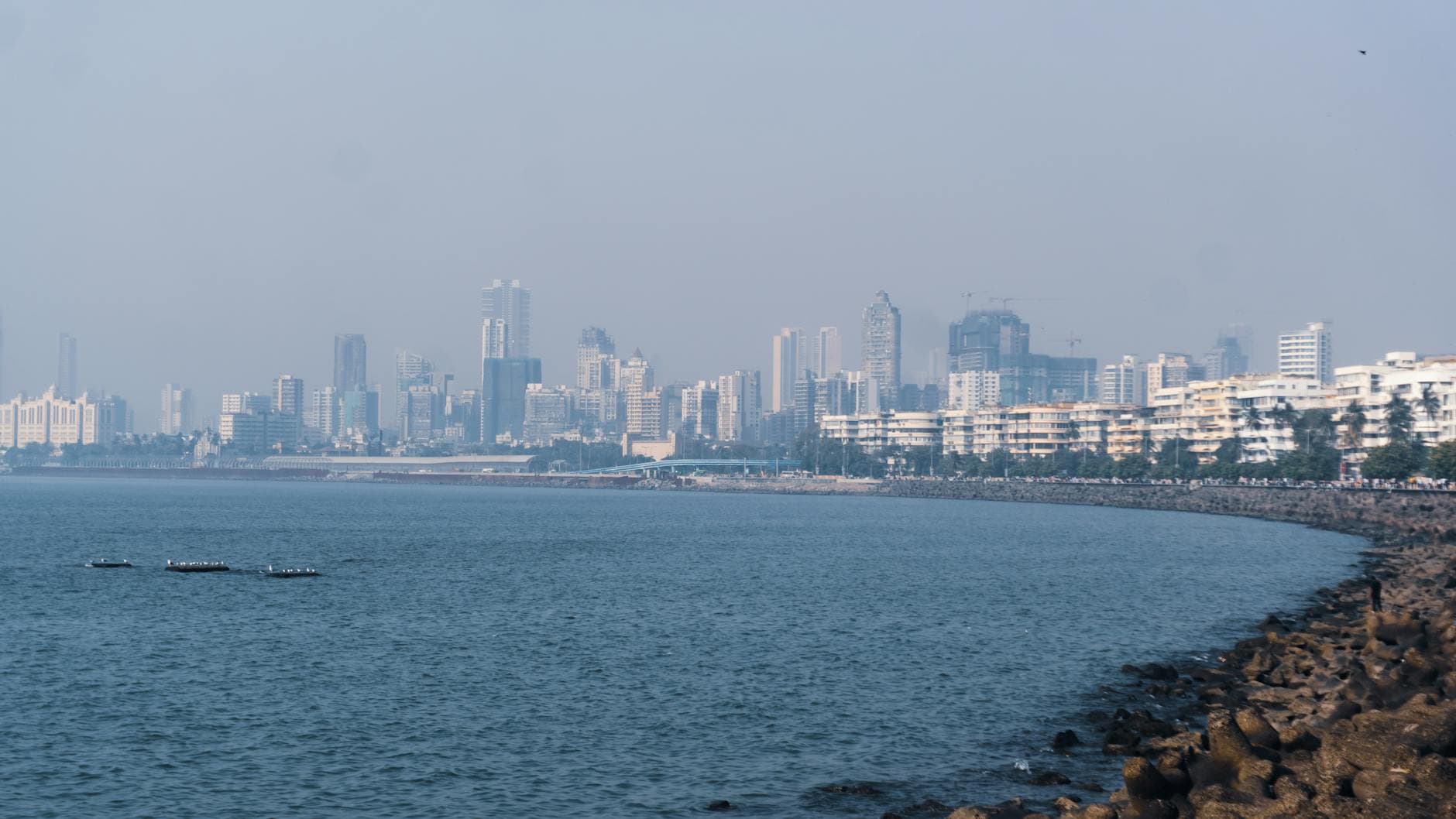
Mumbai
India's financial capital - Bollywood glamour, relentless energy, and the most expensive real estate in the country
$1,200–$2,000 (₹1,00,000–₹1,67,000) /mo
Read guide
Jaipur
The Pink City - royal palaces, digital nomad hub, and incredible India at $400/month
₹25,000–50,000 ($300–$600) /mo
Read guide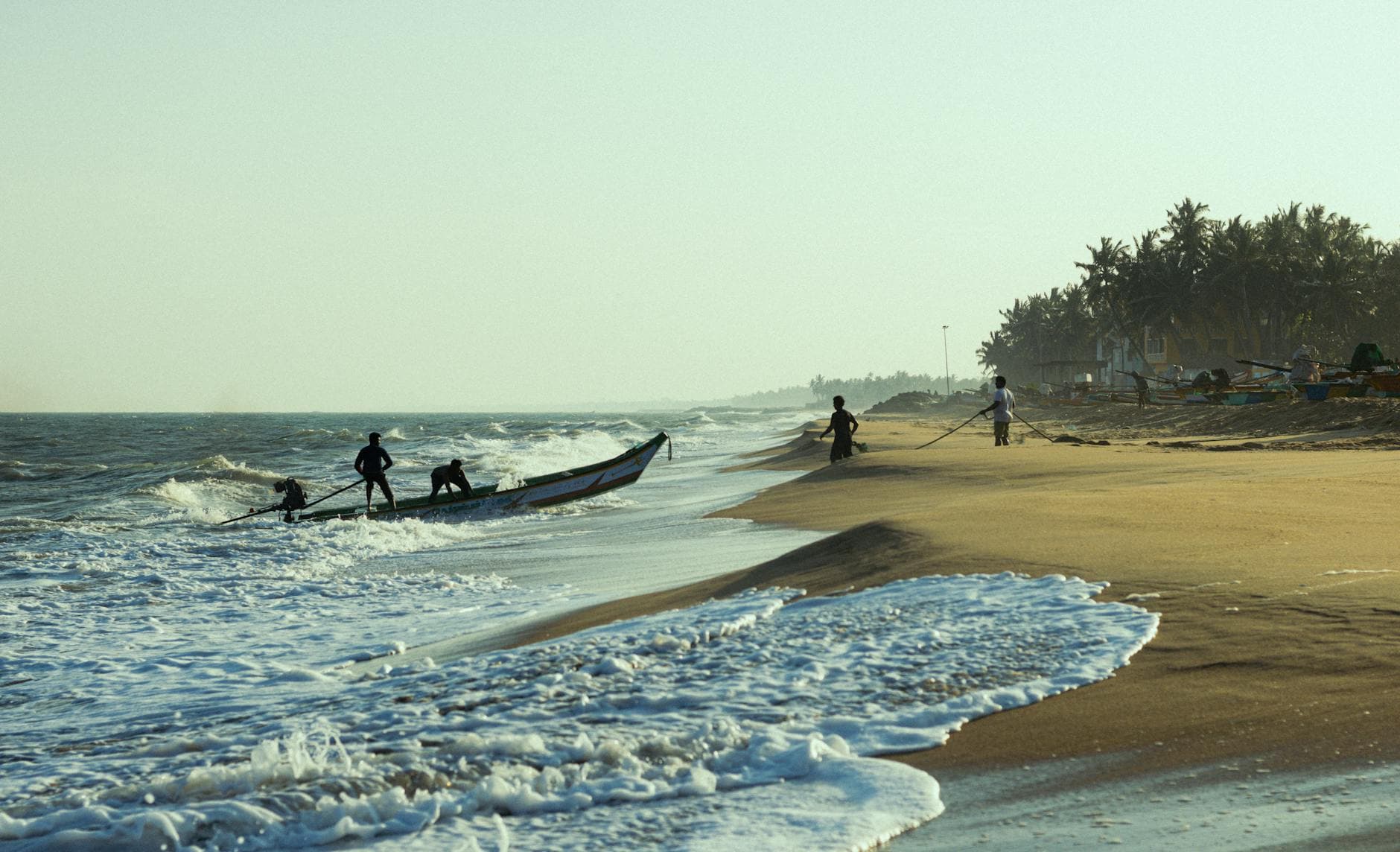
Pondicherry
India's French Riviera - colonial charm, Auroville spiritual community, and beachfront living at $350/month
₹20,000–40,000 ($240–$480) /mo
Read guide
Delhi
India's power capital - Mughal grandeur, startup explosion, and the gateway to South Asia
₹30,000–70,000 ($360–$840) /mo
Read guide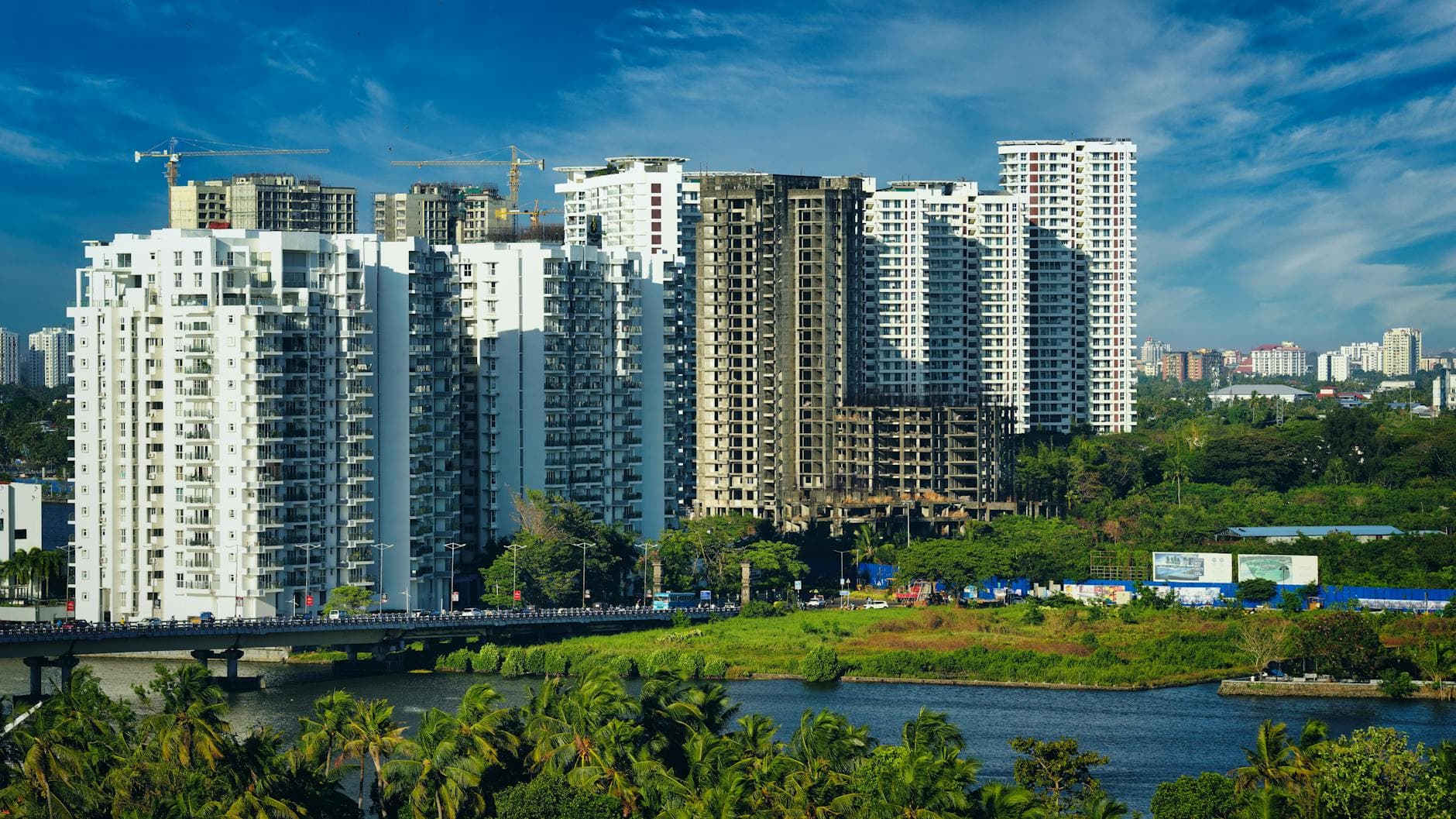
Kochi
Kerala's cosmopolitan port - backwaters, spice trade heritage, and India's most livable coastal city
₹20,000–40,000 ($240–$480) /mo
Read guideCommon questions
Honest answers about life in Chennai.
How much does it cost to live in Chennai per month?
What are the best neighborhoods in Chennai for expats?
Is Chennai good for digital nomads?
What are the pros and cons of living in Chennai?
How do you get around in Chennai?
Can you actually move to Chennai?
Everything above is general. This is not. Our relocation expert researches your nationality, income, household and timeline against the law as it stands today, names the instrument behind every figure, and tells you where you actually qualify.
What you’ll get
Where you qualify
Routes open to your passport, today
The real numbers
Current thresholds, fees and timelines
The paperwork
What you must prove, and how
What goes wrong
The three risks for a case like yours
Sources named
Every figure traced to its instrument
Written by an expert. Delivered in 3 working days.
Is Chennai right for you?
Eight quick questions, an AI-matched shortlist of countries and cities for your budget and lifestyle.
Take the free quizExpat Insights, weekly
Cost-of-living shifts, visa updates, real expat stories from Chennai and beyond.