Western Europe
Central & Eastern Europe
Asia & Middle East
Americas
Oceania & Africa
Expat Topics
🕌 Living in India · 2026
Delhi.
India's power capital - Mughal grandeur, startup explosion, and the gateway to South Asia
Best For
Entrepreneurs, history buffs, foodies, journalists, diplomats
Monthly Budget
₹30,000–70,000 ($360–$840)
Population
20,000,000
Verified August 13, 2026
Can you actually move to Delhi?
We research your nationality, income and timeline against the law as it stands, and tell you whether Delhi works and what it takes.
The Delhi you’ll actually live in
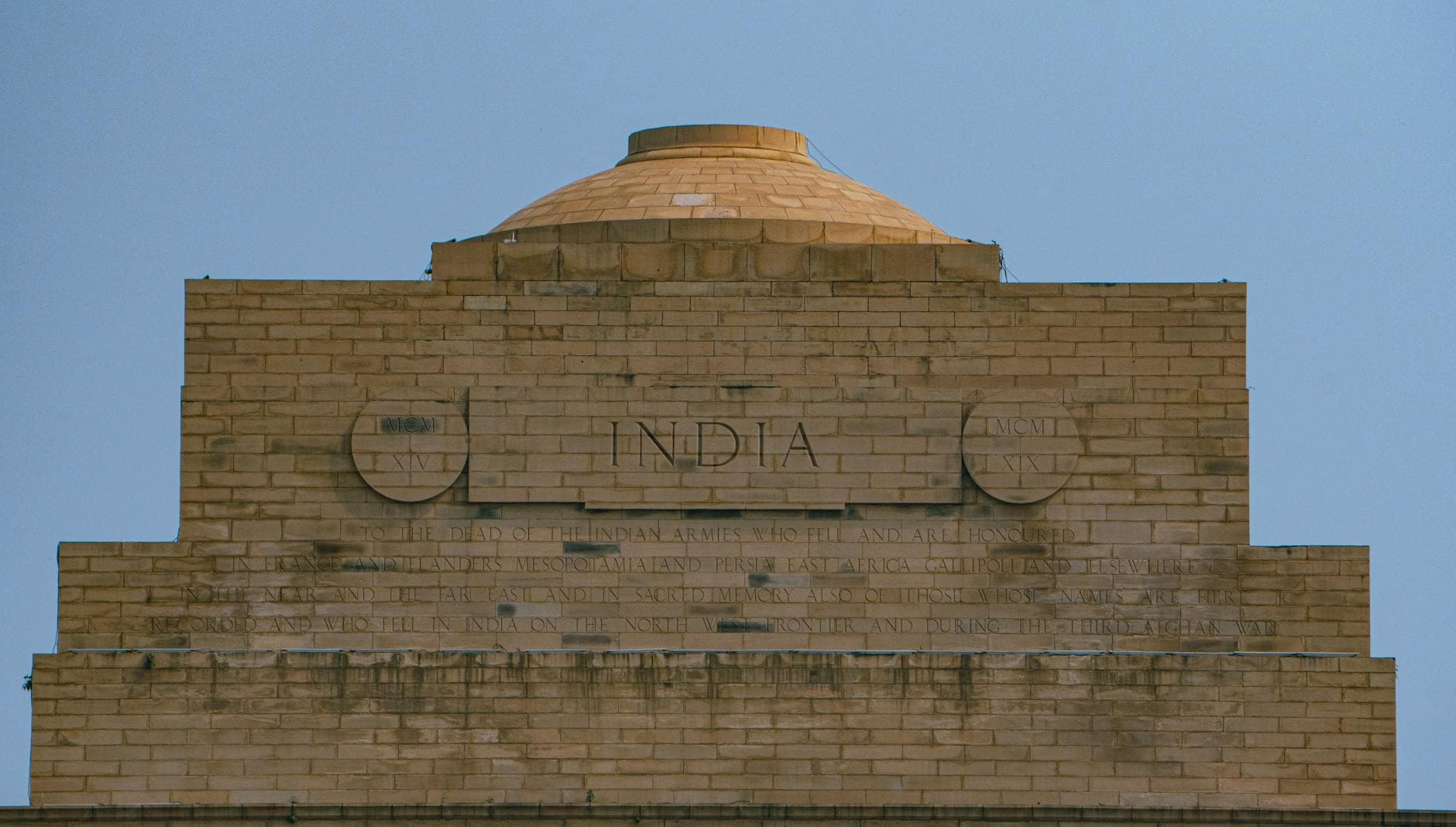
Delhi is India's sprawling capital territory and the political, cultural, and increasingly entrepreneurial heart of South Asia. The National Capital Region (NCR) spanning Delhi, Gurgaon, Noida, and Faridabad is home to 32 million people and a booming startup ecosystem rivaling Bangalore. Living costs range from ₹30,000–70,000/month ($360–$840) depending on lifestyle, with one-bedroom apartments from ₹15,000–40,000 ($180–$480). From Mughal-era monuments like the Red Fort and Humayun's Tomb to Hauz Khas Village's rooftop bars and Connaught Place's colonial arcades, Delhi offers an intensity of history, food, and ambition found nowhere else in India.
The Delhi basics
The full picture - 8 key numbers covering budget, internet, English level, beach access, and airport reach.
Best For
Entrepreneurs, history buffs, foodies, journalists, diplomats
Monthly Budget
₹30,000–70,000 ($360–$840)
1-BR Apartment Rent
₹15,000–40,000/mo ($180–$480)
Internet Speed
~60–100 Mbps (fiber in most areas)
English Level
Widely spoken in business and educated circles
Climate
Extreme - scorching summers (45°C+), cold winters (4°C), monsoon Jul–Sep
Airport
DEL (Indira Gandhi Intl) - India's busiest; global connections
Visa
e-Tourist, Business Visa, Employment Visa ($25K min salary)
Is Delhi actually your best option?
This page tells you what Delhi is like. It cannot tell you whether it beats the four other countries you should be looking at, because that answer changes with your passport. Income thresholds, tax treaties and citizenship timelines are all nationality specific, and the general rule is often not the rule that applies to you.
A Personal Relocation Assessment answers it for your case. You tell us your nationality, income, household and timeline, and we our expert researches it against the law as it stands: which countries you actually qualify for, the route, the current threshold with the instrument it comes from, and what is most likely to go wrong in a position like yours.

Food culture
Chaat, chole bhature, kebabs, butter chicken - Delhi's legendary street and Mughlai food
Explore
Green spaces
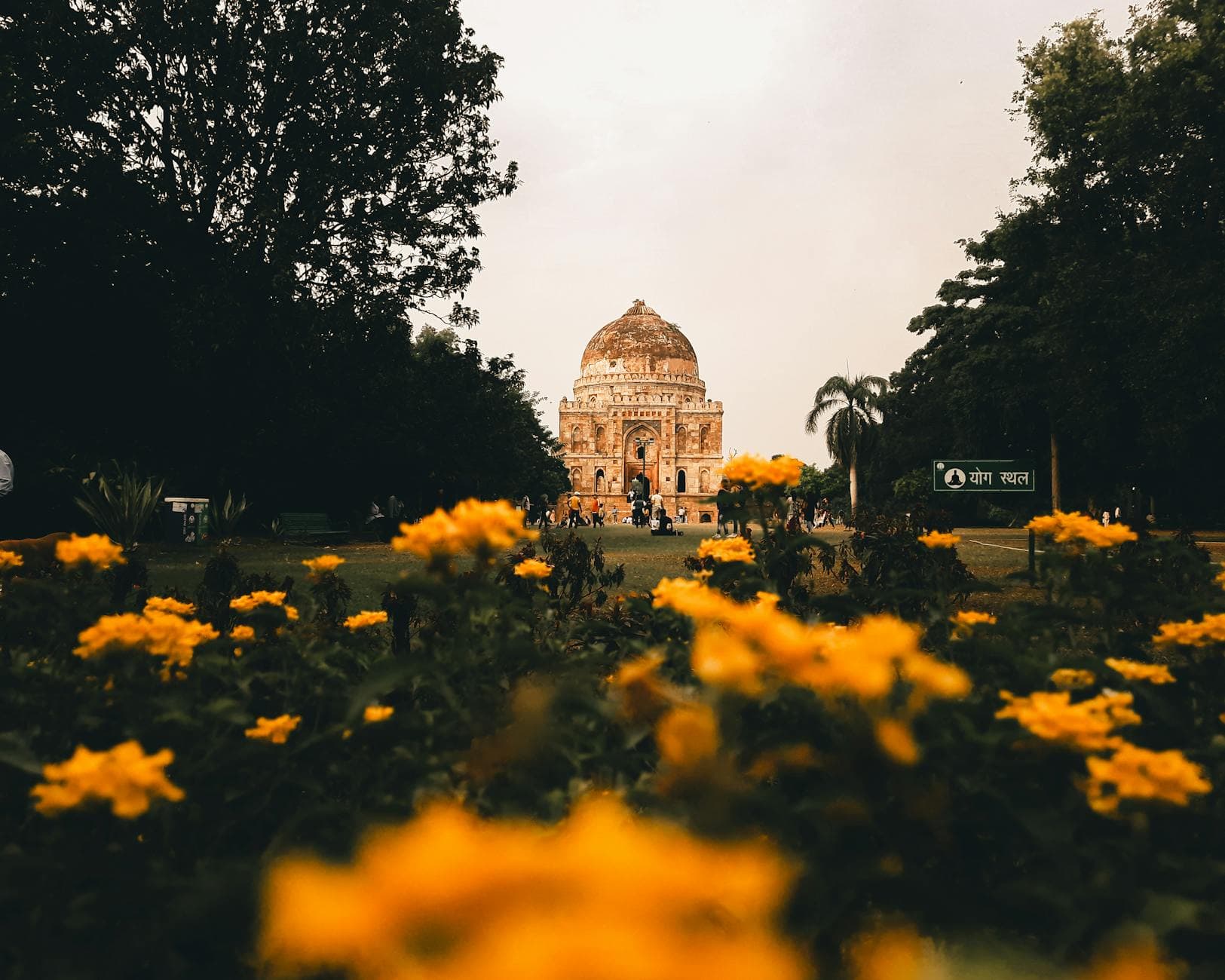
Lodhi Garden + Hauz Khas ruins - Delhi's Mughal-era gardens and lakeside parks
Explore
Markets
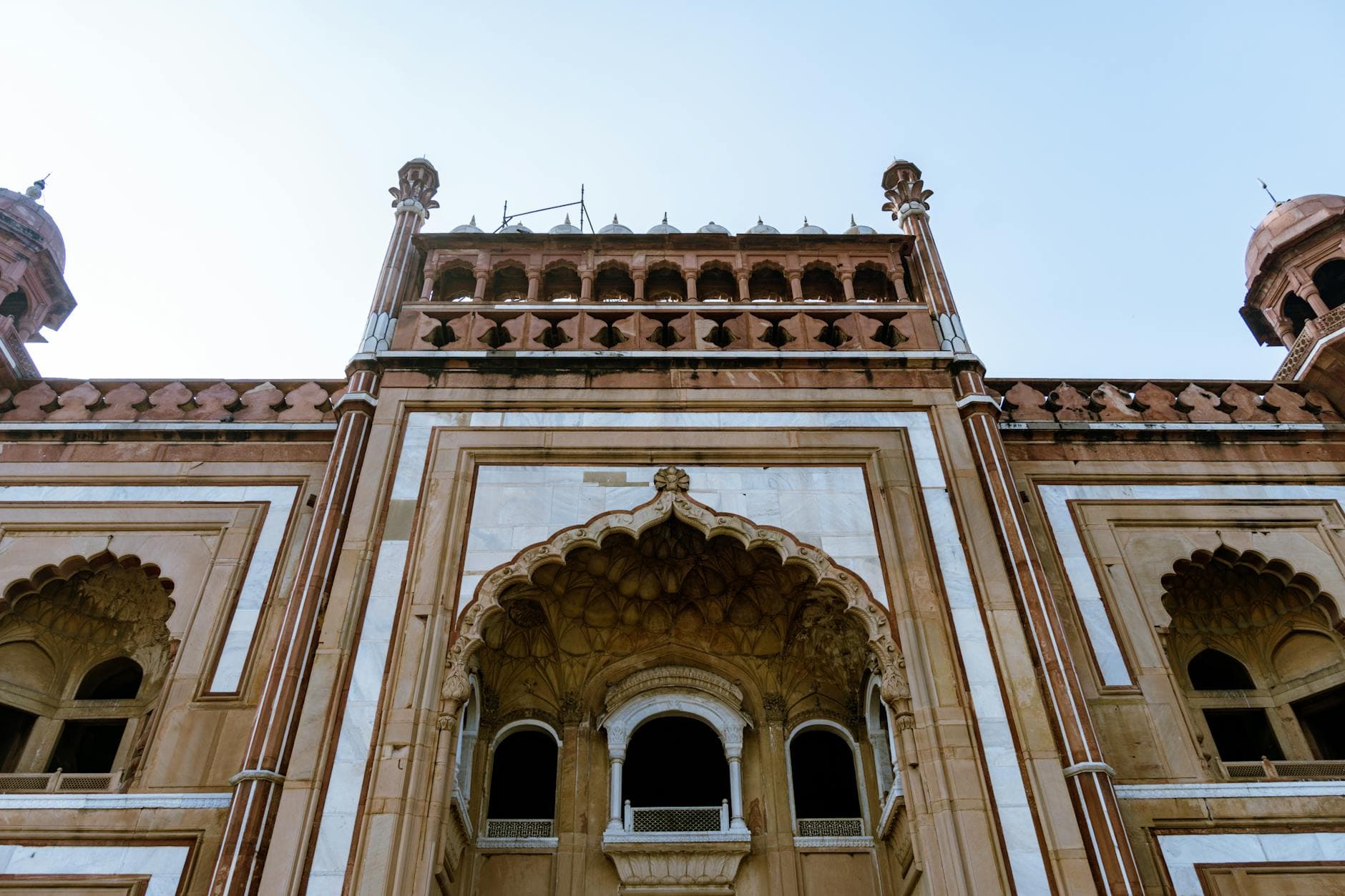
Chandni Chowk + Sarojini Nagar - Delhi's 400-year-old spice lane and street-shopping mecca
Explore
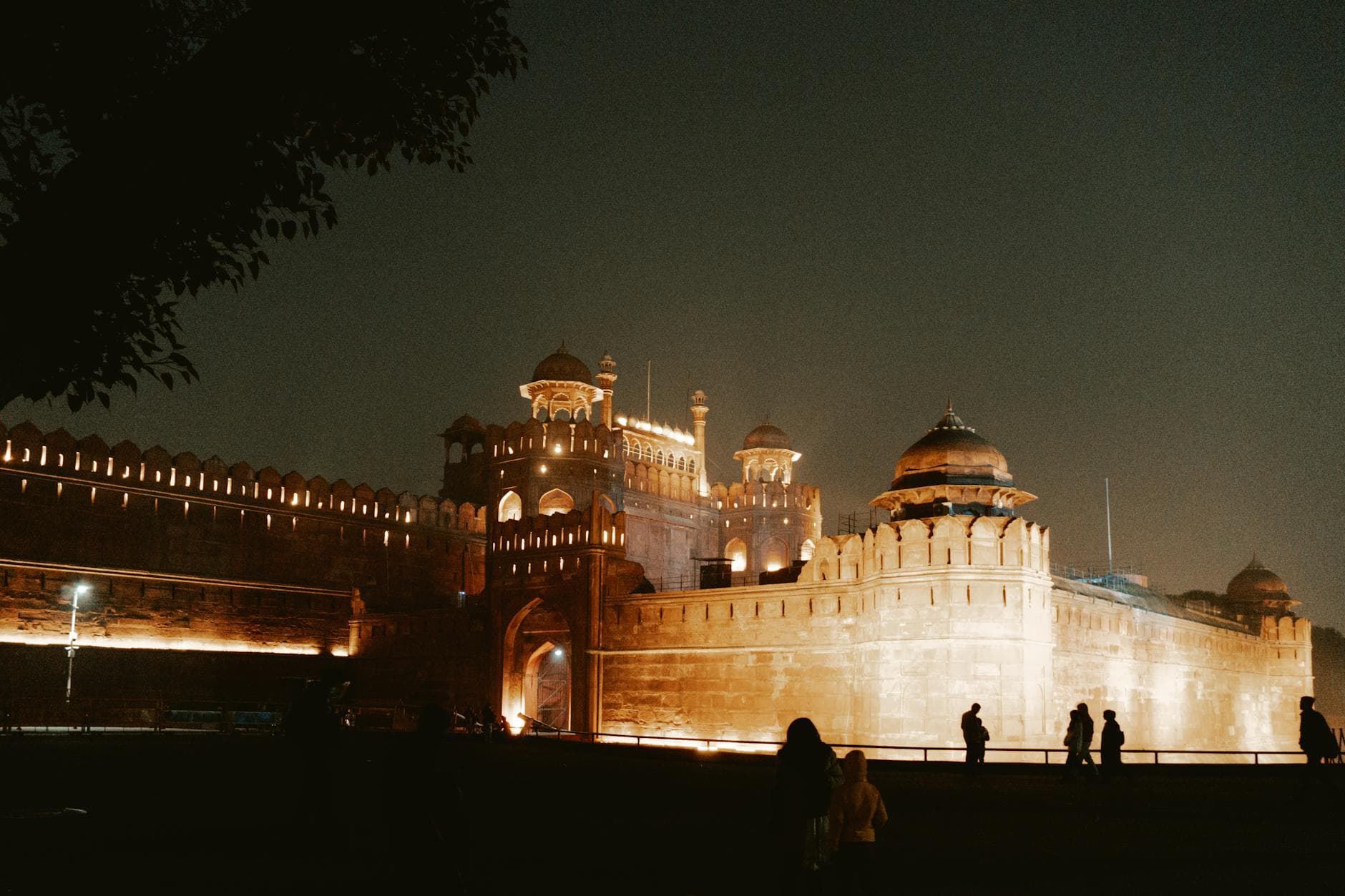
Nightlife
Hauz Khas Village + Connaught Place - Delhi's rooftop bars, jazz clubs, and nightlife
Explore
What a month actually costs
No padding, no underestimates. Real expat numbers - central neighborhood, comfortable lifestyle, eating out a few times a week.
All-in monthly
₹40,000–70,000 ($480–$840)
Single expat, comfortable lifestyle, central area.
Rent (1-BR, South Delhi)
₹20,000–40,000 ($240–$480)
Full breakdown
Rent (1-BR, South Delhi)
₹20,000–40,000 ($240–$480)
Rent (1-BR, Dwarka/Rohini)
₹10,000–18,000 ($120–$215)
Groceries (local markets + supermarket)
₹5,000–8,000 ($60–$96)
Metro/transport
₹1,500–3,000 ($18–$36)
Utilities (electricity, water, internet)
₹3,000–6,000 ($36–$72)
Health insurance
₹2,000–5,000 ($24–$60)
Dining out
₹4,000–10,000 ($48–$120)
Entertainment & misc.
₹3,000–6,000 ($36–$72)
Total (comfortable mid-range)
₹40,000–70,000 ($480–$840)
Where to actually live
6 neighborhoods, 6 different versions of Delhi.
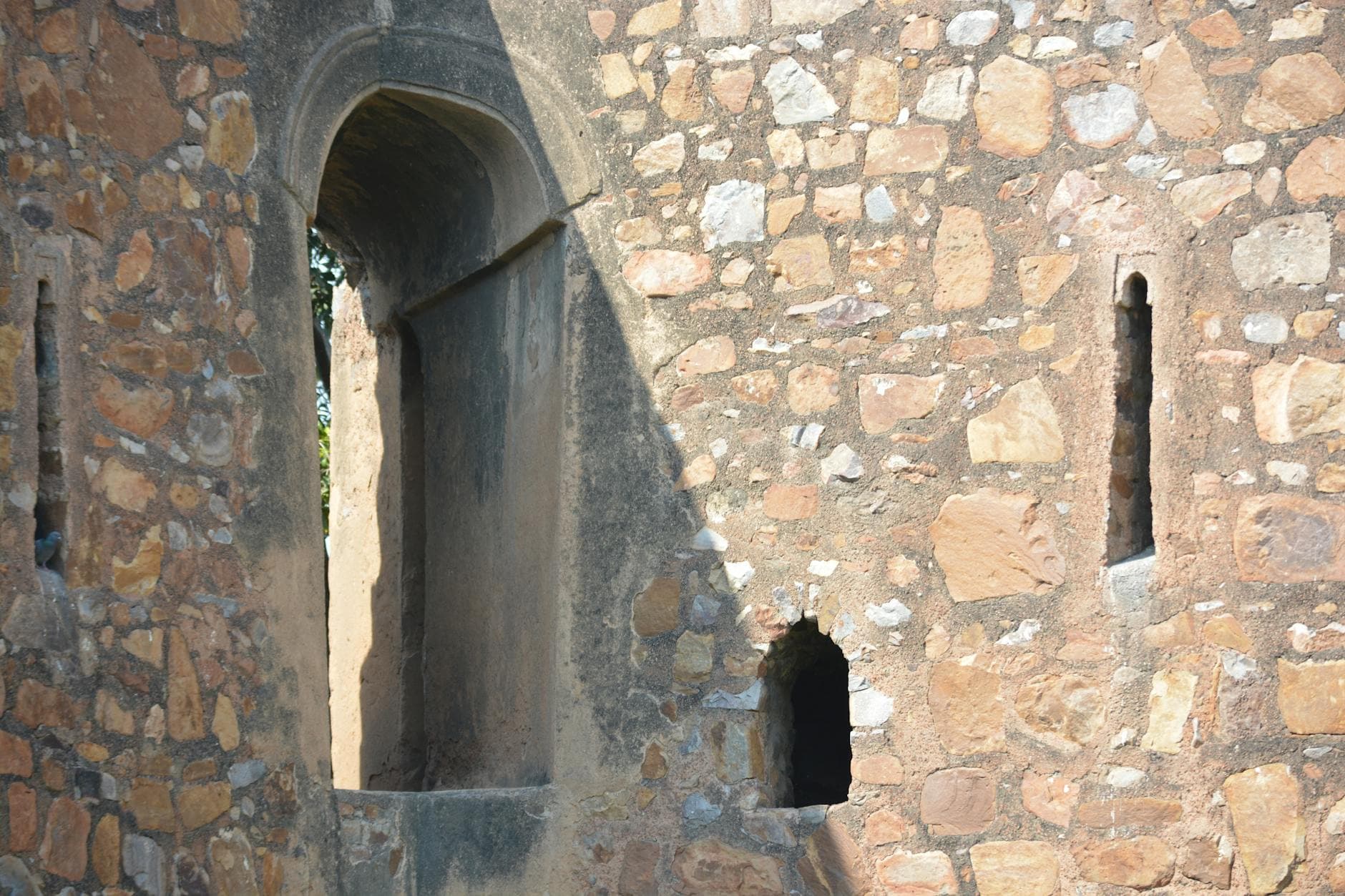
Hauz Khas
Delhi's hipster heartland - medieval ruins turned art village, rooftop bars, boutique stores, and a deer park. South Delhi's cultural epicenter.
Best for: Creative professionals, young expats, and foodies who want heritage charm with modern nightlife.
Rent ₹25,000–₹50,000/month for 1-BR ($300–$600)
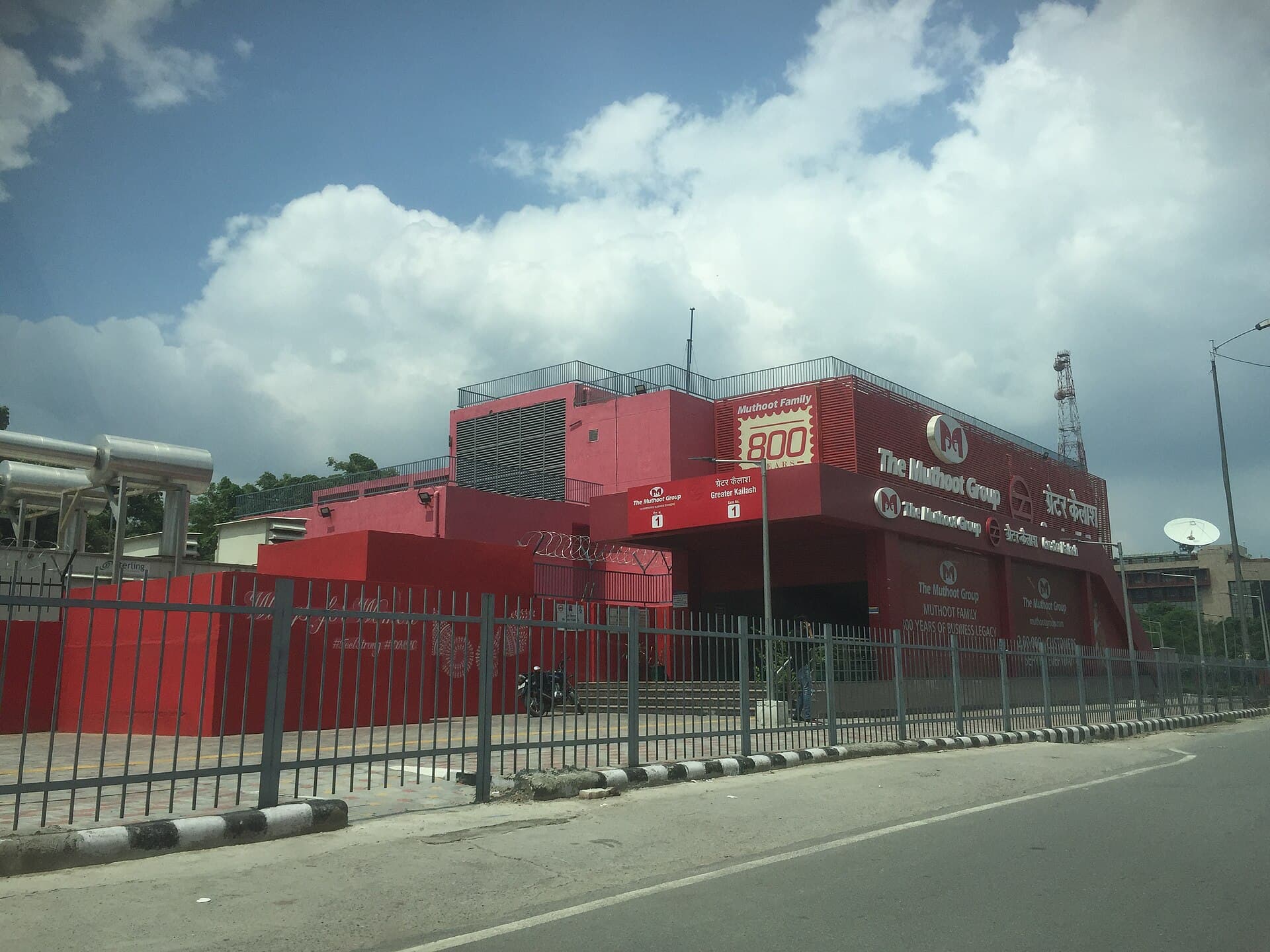
Greater Kailash
Upscale residential colony with tree-lined streets, M-Block and N-Block markets, international restaurants, and a well-established expat community.
Best for: Expat families and professionals who want safe, leafy residential living with premium dining and shopping.
Rent ₹30,000–₹60,000/month for 1-BR ($360–$720)
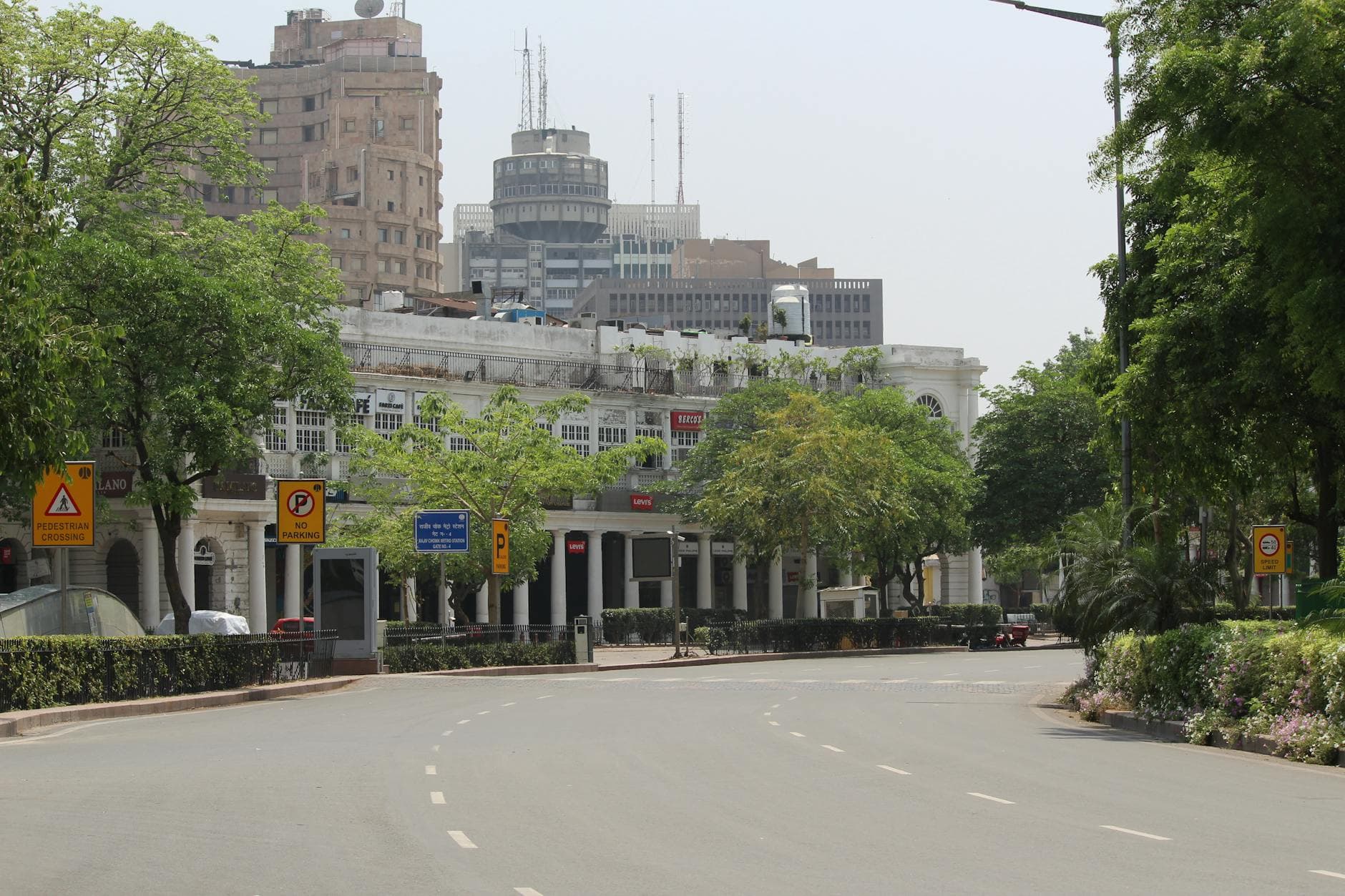
Connaught Place
Colonial-era commercial center - concentric circles of white colonnaded buildings, flagship stores, rooftop restaurants, and excellent Metro connectivity.
Best for: Business professionals and short-term expats who want central location, walkability, and landmark living.
Rent ₹35,000–₹75,000/month for 1-BR ($420–$900)
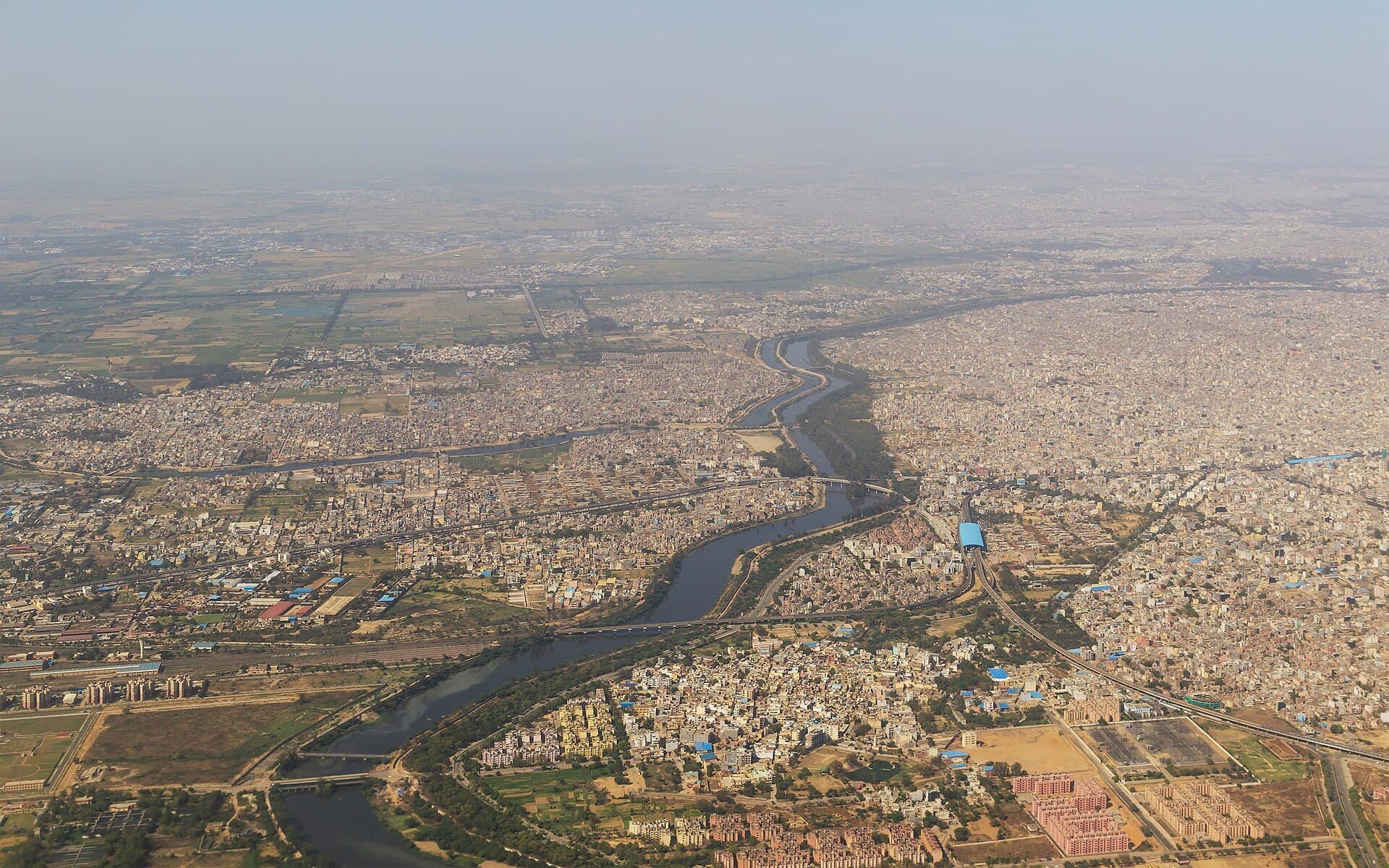
Dwarka
Modern planned sub-city in southwest Delhi - wide roads, Metro-connected, affordable housing, and proximity to the airport.
Best for: Budget-conscious expats and families who want modern apartments, green spaces, and easy airport access.
Rent ₹12,000–₹22,000/month for 1-BR ($145–$265)
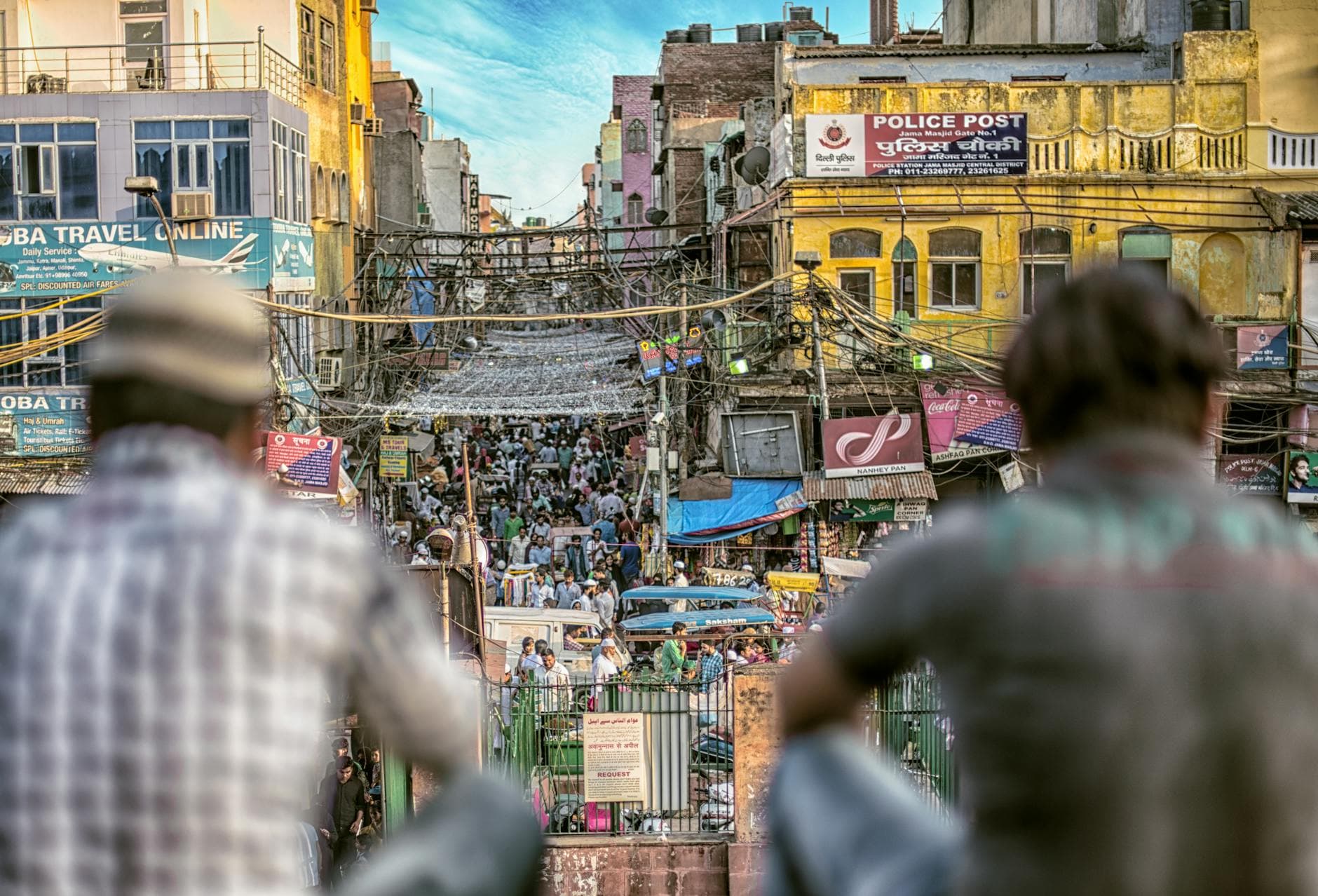
Paharganj
Chaotic backpacker district near New Delhi Railway Station - budget hotels, street food, and the raw energy of old Delhi compressed into narrow lanes.
Best for: Budget travelers and adventurous expats who want rock-bottom prices and don't mind sensory overload.
Rent ₹6,000–₹12,000/month for 1-BR ($72–$145)

Vasant Kunj
Modern residential area near malls and the airport - Ambience Mall, DLF Promenade, good schools, and a family-friendly suburban atmosphere.
Best for: Families with children who want mall proximity, international schools, and a quieter suburban lifestyle.
Rent ₹18,000–₹35,000/month for 1-BR ($215–$420)
The truth about Delhi
The bits the brochures skip - what expats love, and what tests their patience.
What you’ll love
- 01Incredible food capital: from Mughlai kebabs to Chandni Chowk street food to world-class fine dining
- 02Delhi Metro: modern, extensive, and affordable - connects the entire NCR region
- 03Rich history: UNESCO World Heritage sites, Mughal architecture, and millennia of civilization
- 04Startup ecosystem: Gurgaon and Noida nearby with major tech hubs and coworking culture
- 05International connectivity: IGI Airport is South Asia's busiest with direct flights worldwide
- 06Cultural richness: museums, galleries, performing arts, and festivals year-round
- 07Shopping variety: from Janpath and Sarojini Nagar bargains to luxury malls
What might bug you
- 01Air pollution: Delhi's AQI regularly exceeds 300+ in winter (Oct–Feb) - serious health concern
- 02Extreme weather: brutal summers (45°C+) and cold winters (4°C) with only pleasant weather Oct–Nov and Feb–Mar
- 03Traffic congestion: despite Metro, roads are chronically jammed during peak hours
- 04Safety concerns: women should exercise extra caution, especially at night in less-developed areas
- 05Water quality: tap water not drinkable; RO purifiers essential
- 06Bureaucratic hassles: government paperwork and processes can be slow and frustrating
Where to plug in
Hand-picked coworking spaces - premium business addresses, community hubs, and budget-friendly options.
91springboard
Multiple Delhi/NCR locations - reliable infrastructure, community events, and networking opportunities
WeWork India
Premium spaces in Connaught Place, Gurugram - enterprise-grade amenities and global network
Innov8
Quirky themed spaces across Delhi - Connaught Place, Saket, and Nehru Place locations
Cafe coworking (various)
Hauz Khas and Khan Market cafes popular with freelancers - order food and work all day
How Delhi moves
Metro, buses, walkability - what works, what to avoid, and how much you'll actually spend.
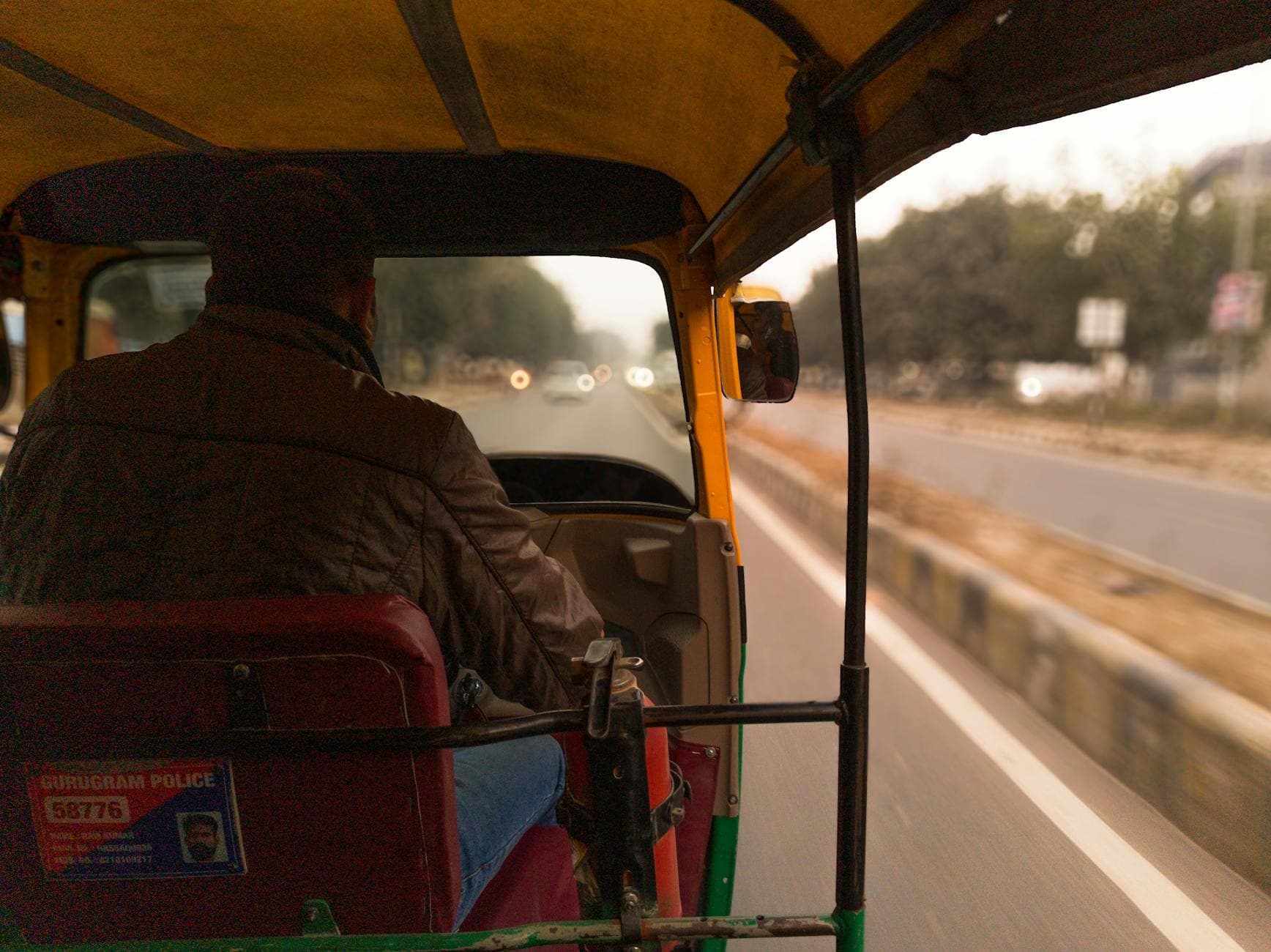
- 01
Delhi Metro: 12 lines, 250+ stations - the backbone of city transport; ₹20–60/trip ($0.24–$0.72)
- 02
Auto-rickshaw: metered three-wheelers; ₹30–150/trip ($0.36–$1.80) - insist on meter
- 03
Ola/Uber: widely available and affordable; cross-city fares ₹200–500 ($2.40–$6)
- 04
DTC Bus: extensive network; ₹10–25/trip ($0.12–$0.30) - crowded but comprehensive
- 05
E-rickshaw: electric three-wheelers for short distances; ₹10–30 ($0.12–$0.36)
- 06
Cycle-rickshaw: Old Delhi specialty for narrow lanes; negotiate fare first
- 07
Airport Express Metro: direct line from New Delhi station to IGI Airport (20 min, ₹60/$0.72)
Key takeaways
If you only remember five things about Delhi, make it these.
Budget
₹40,000–70,000 ($480–$840)/mo · rent from ₹20,000–40,000 ($240–$480)
Where to live
Hauz Khas, Greater Kailash, Connaught Place
Top advantage
Incredible food capital: from Mughlai kebabs to Chandni Chowk street food to world-class fine dining
Watch out
Air pollution: Delhi's AQI regularly exceeds 300+ in winter (Oct–Feb) - serious health concern
Remote work
4+ coworking spaces, from ₹8,000/mo ($96)/mo
More on India
Drill into the country-level guides - visa rules, healthcare, schools, taxes, and more.
Tools to plan your move to Delhi
Practical tools to turn an idea into a real plan - pick a season, time your visa, build a budget, even live a day before you go.
Delhi cost of living
Full monthly budget breakdown - rent, food, transport, utilities
Best time to move to India
Season-by-season - weather, visa timing, rental markets
Country match quiz
Eight quick questions, AI-matched country shortlist
Visa finder
Search visa options by nationality, budget, and stay length
A day in Delhi
Live a perfect day with AI - real cafés, costs, and routes
Relocation plan
Step-by-step AI moving timeline tailored to you
Delhi vs other cities
See how Delhi stacks up against other popular expat cities - cost, lifestyle, neighborhoods.
City rankings
See where Delhi sits in our independent expat city rankings.
Cheapest Cities for Digital Nomads
Ranked list of the most affordable cities for digital nomads in 2026. Budget, internet speed, English level, and coworking info for each city.
Cities With the Fastest Internet
Ranked list of cities with the fastest broadband internet for remote workers and digital nomads. Speed, cost of living, and English level for each city.
Best Cities for English Speakers
Cities where English is widely spoken - ranked by cost of living. Perfect for expats who want to settle abroad without a language barrier.
Most Affordable Cities in Europe
Cheapest European cities for expats ranked by monthly cost of living. Budget breakdowns, internet speeds, and English levels for each city.
Best Cities in Southeast Asia for Expats
Top cities in Southeast Asia for expats and digital nomads. Ranked by budget with internet speed, English level, and lifestyle highlights.
Best Cities in Latin America for Expats
Top Latin American cities for expats and digital nomads. Ranked by budget with internet speed, English level, and lifestyle highlights.
Also in India
7 other cities worth a look - each with its own rhythm, costs, and character.

Goa
India's beach paradise and digital nomad hub - where tropical vibes meet affordable coworking and a global community
$600–$1,000 (₹50,000–₹84,000) /mo
Read guide
Bangalore
India's Silicon Valley - world-class tech ecosystem, garden city vibes, and the best expat infrastructure in the country
$800–$1,400 (₹67,000–₹1,17,000) /mo
Read guide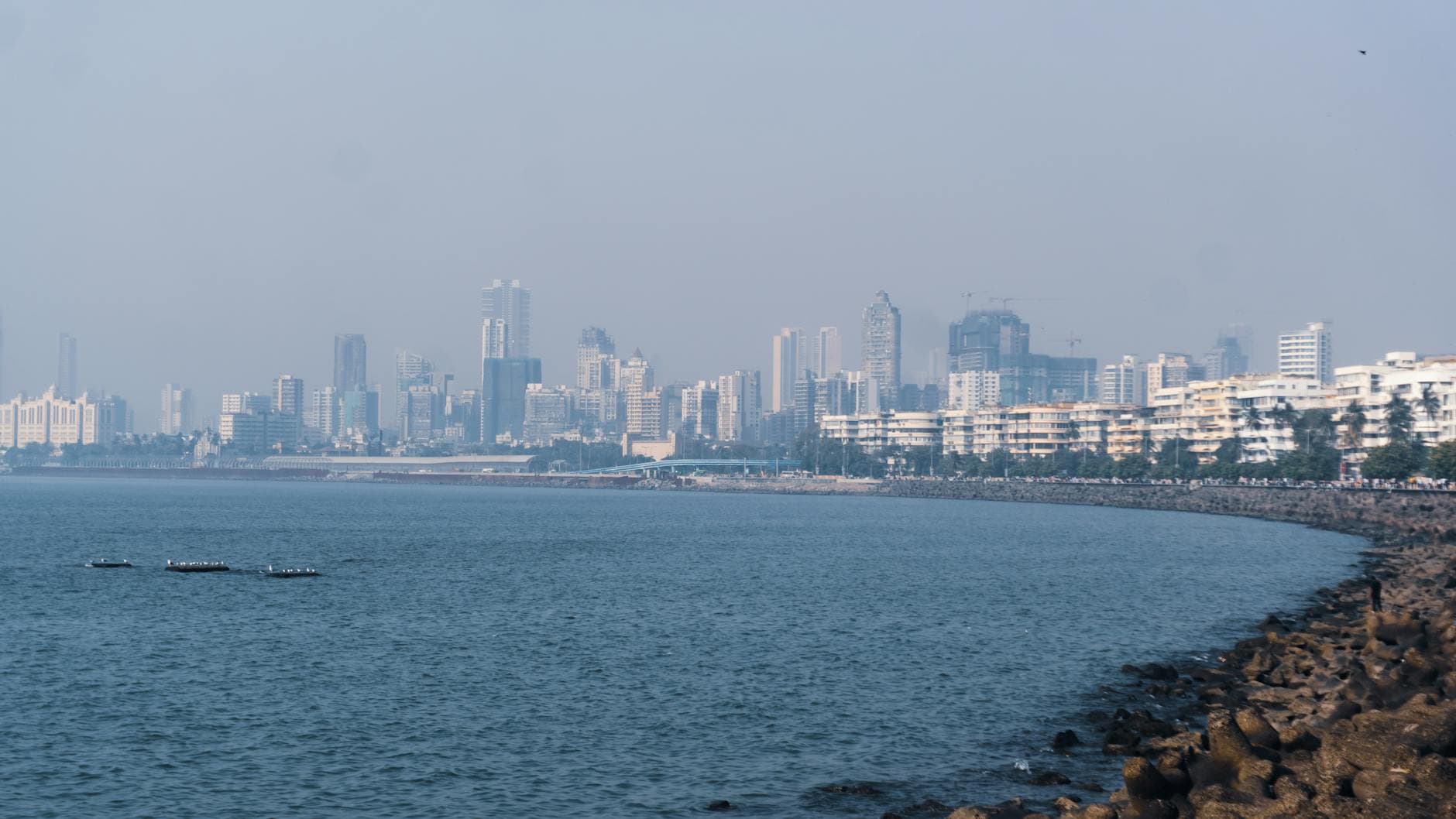
Mumbai
India's financial capital - Bollywood glamour, relentless energy, and the most expensive real estate in the country
$1,200–$2,000 (₹1,00,000–₹1,67,000) /mo
Read guide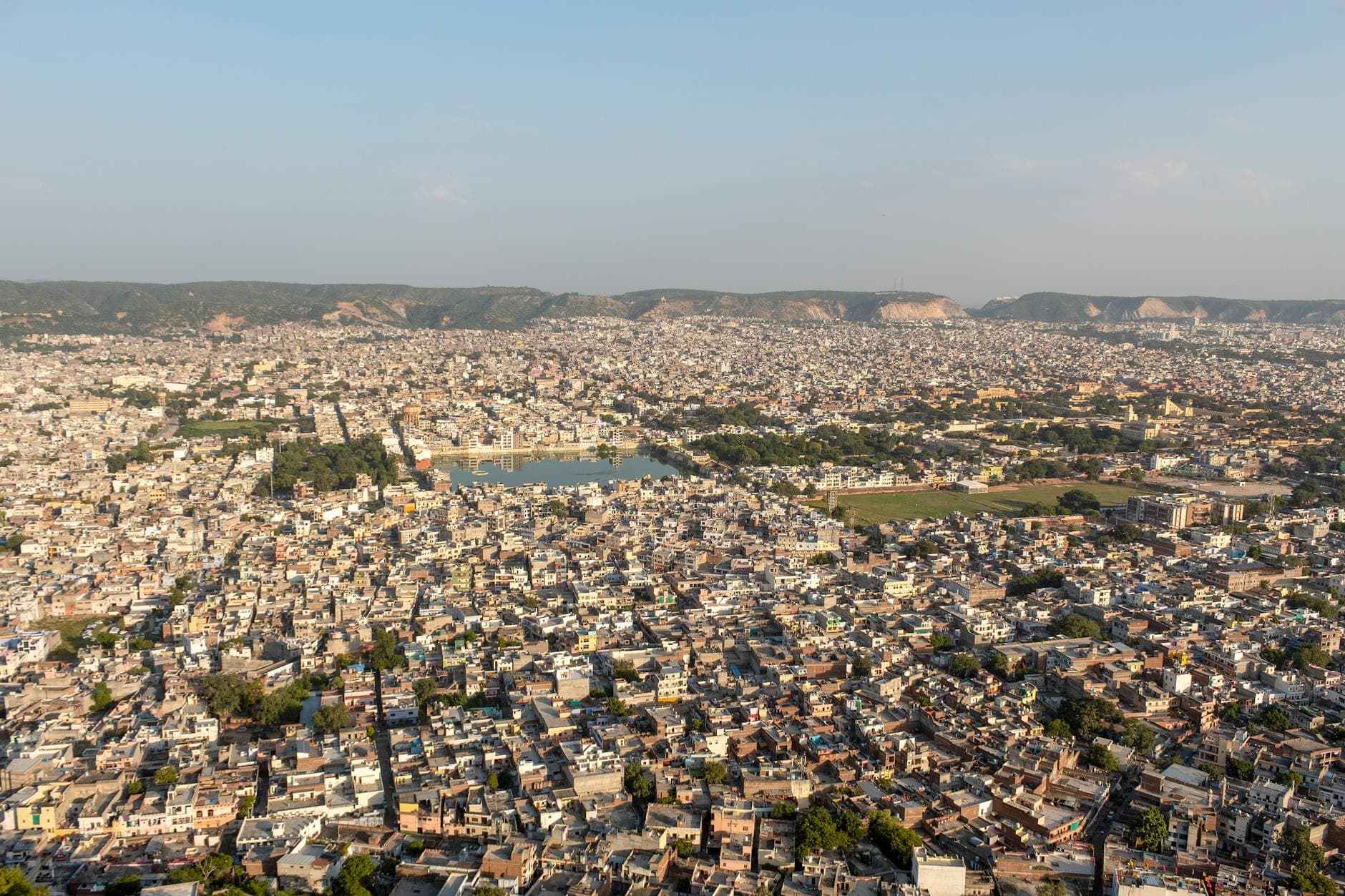
Jaipur
The Pink City - royal palaces, digital nomad hub, and incredible India at $400/month
₹25,000–50,000 ($300–$600) /mo
Read guide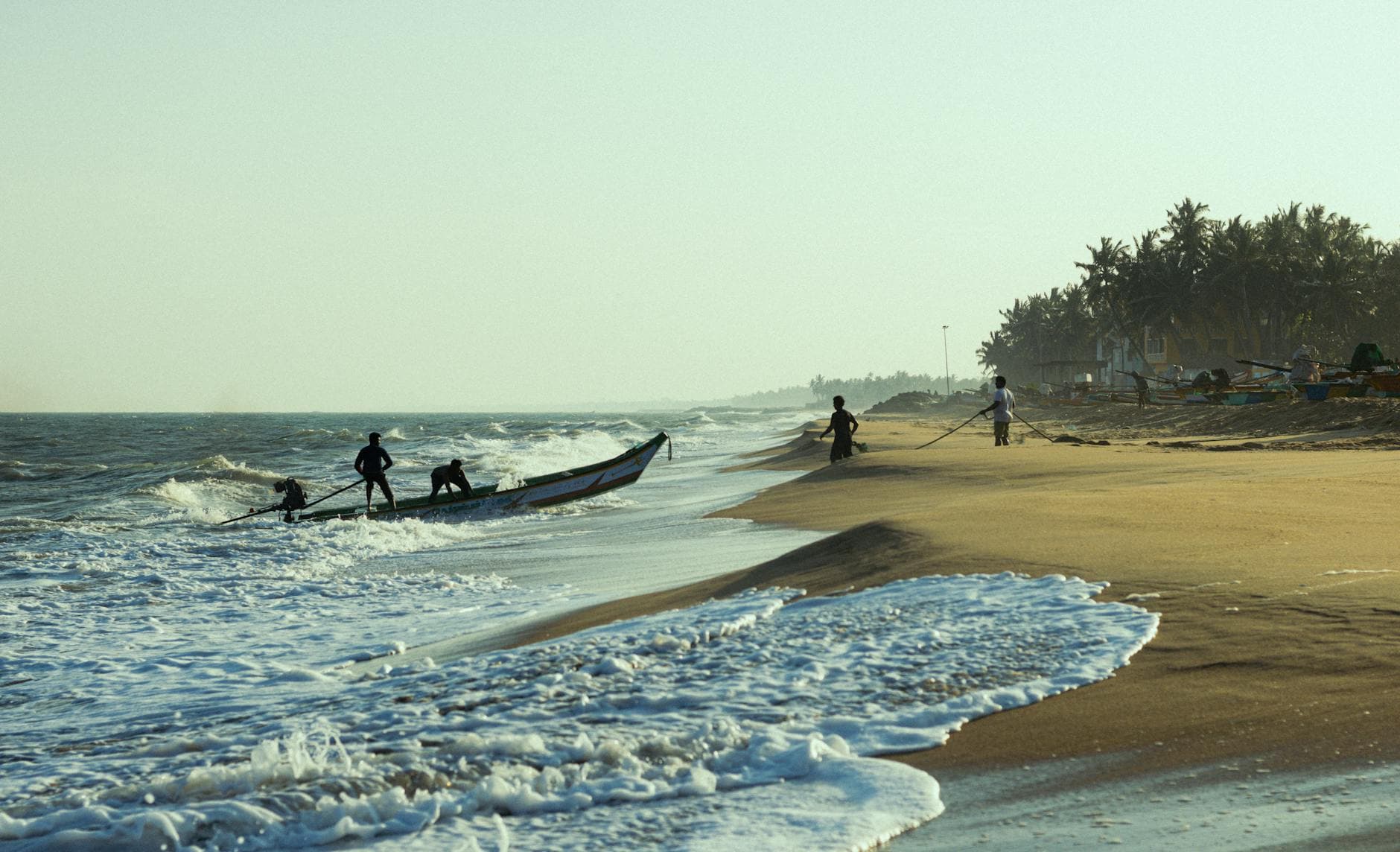
Pondicherry
India's French Riviera - colonial charm, Auroville spiritual community, and beachfront living at $350/month
₹20,000–40,000 ($240–$480) /mo
Read guide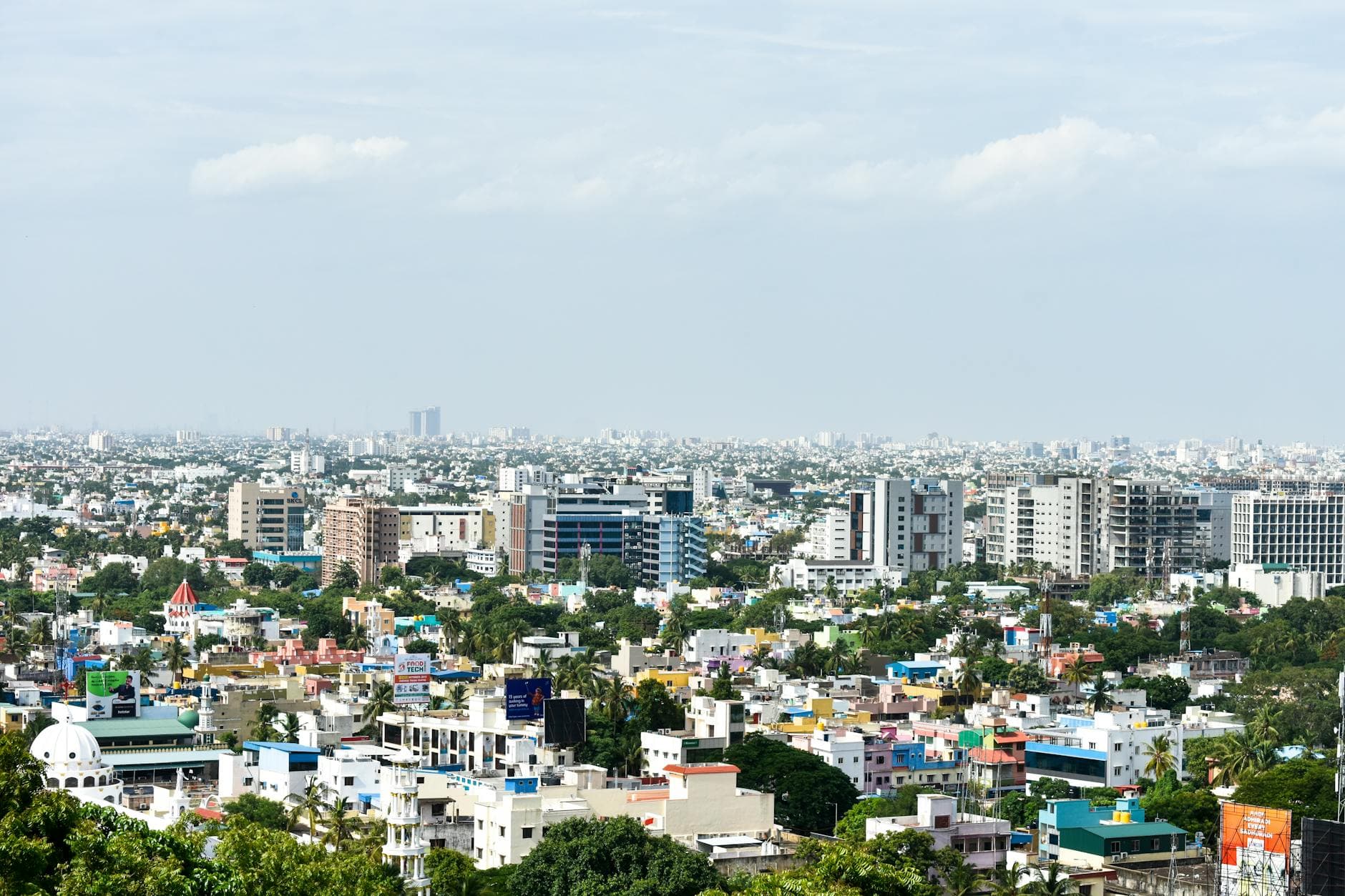
Chennai
India's cultural capital - classical arts, IT powerhouse, and South India's gateway to the world
₹25,000–50,000 ($300–$600) /mo
Read guide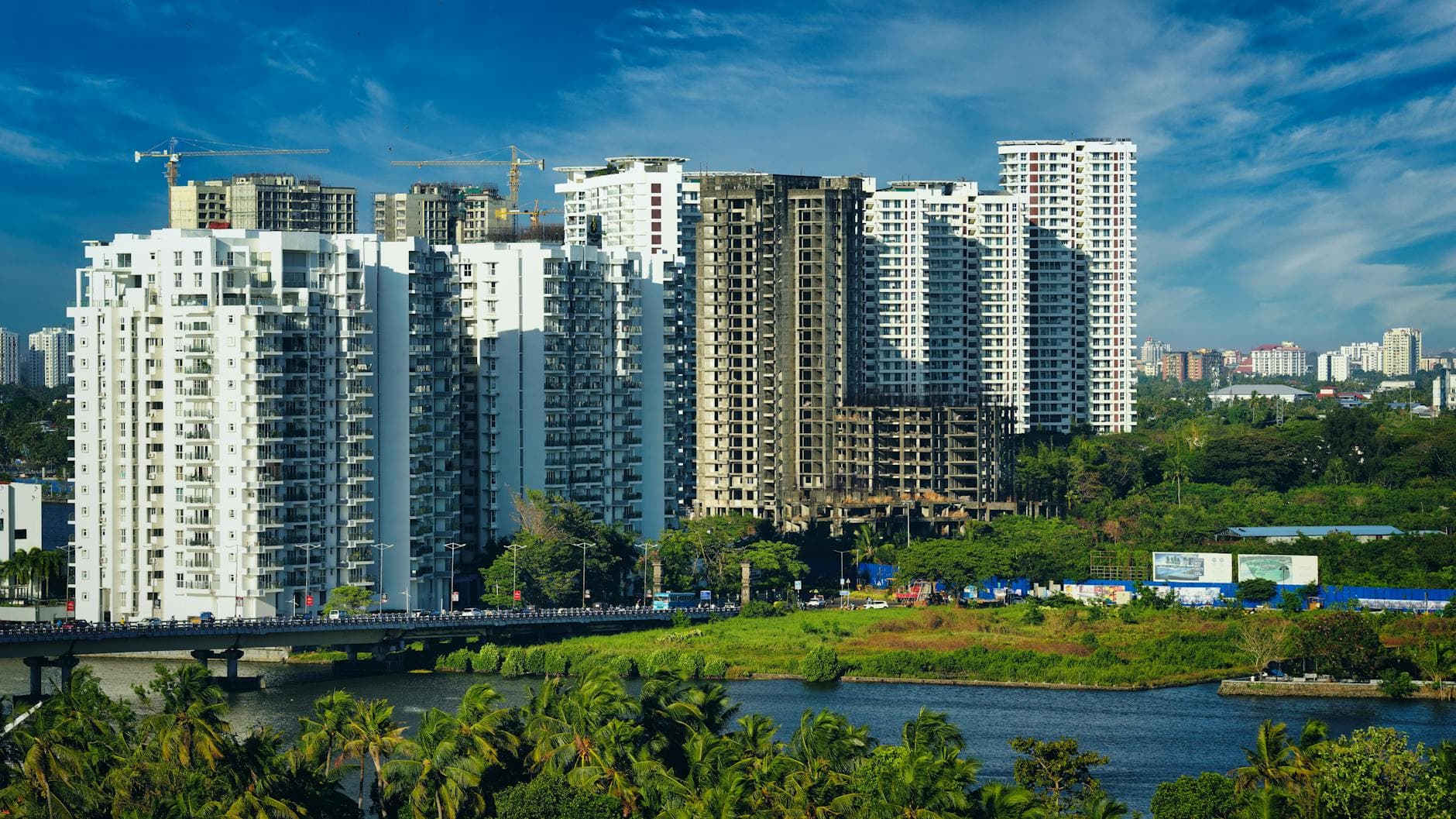
Kochi
Kerala's cosmopolitan port - backwaters, spice trade heritage, and India's most livable coastal city
₹20,000–40,000 ($240–$480) /mo
Read guideCommon questions
Honest answers about life in Delhi.
How much does it cost to live in Delhi per month?
What are the best neighborhoods in Delhi for expats?
Is Delhi good for digital nomads?
What are the pros and cons of living in Delhi?
How do you get around in Delhi?
Can you actually move to Delhi?
Everything above is general. This is not. Our relocation expert researches your nationality, income, household and timeline against the law as it stands today, names the instrument behind every figure, and tells you where you actually qualify.
What you’ll get
Where you qualify
Routes open to your passport, today
The real numbers
Current thresholds, fees and timelines
The paperwork
What you must prove, and how
What goes wrong
The three risks for a case like yours
Sources named
Every figure traced to its instrument
Written by an expert. Delivered in 3 working days.
Is Delhi right for you?
Eight quick questions, an AI-matched shortlist of countries and cities for your budget and lifestyle.
Take the free quizExpat Insights, weekly
Cost-of-living shifts, visa updates, real expat stories from Delhi and beyond.