
Japan's cabinet approved the new residence fee schedule on 25 August. It takes effect on 1 October 2026, and the headline number is the one everybody has already seen: a permanent residence application goes from ¥10,000 to ¥200,000. That is twenty times the current fee, or roughly $63 to $1,250.
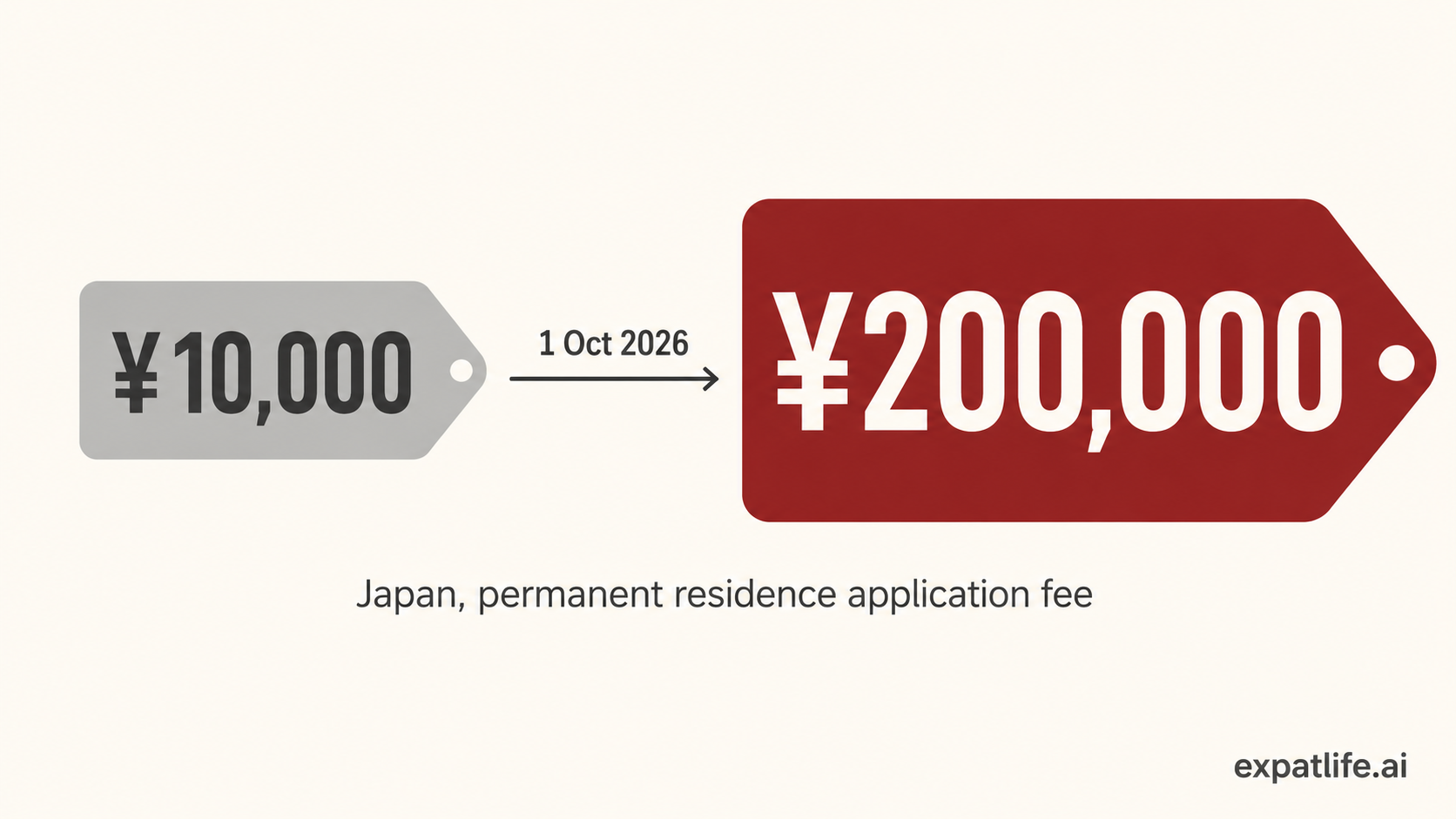
The advice attached to that number, in more or less every article written about it, is to file before 30 September and lock in the old rate.
That advice is correct. It is also impossible to follow for a large share of the people being given it, and the reason has nothing to do with how fast you move.
What actually changes
Two things. The flat fee becomes a sliding scale, and permanent residence stops being cheap.
Right now a change of status or an extension of stay costs ¥6,000 at the counter, ¥5,500 online, no matter what period you are granted. From 1 October the fee depends on the length of the residence period you receive:
| Period granted | Counter | Online | Counter, in USD |
|---|---|---|---|
| 3 months or less | ¥10,000 | ¥10,000 | about $63 |
| Over 3 to 6 months | ¥18,000 | ¥15,000 | about $113 |
| Over 6 months to under 1 year | ¥25,000 | ¥21,000 | about $157 |
| 1 year | ¥33,000 | ¥27,000 | about $207 |
| Over 1 to under 3 years | ¥48,000 | ¥42,000 | about $300 |
| 3 to under 5 years | ¥64,000 | ¥56,000 | about $401 |
| 5 years or more | ¥75,000 | ¥65,000 | about $470 |
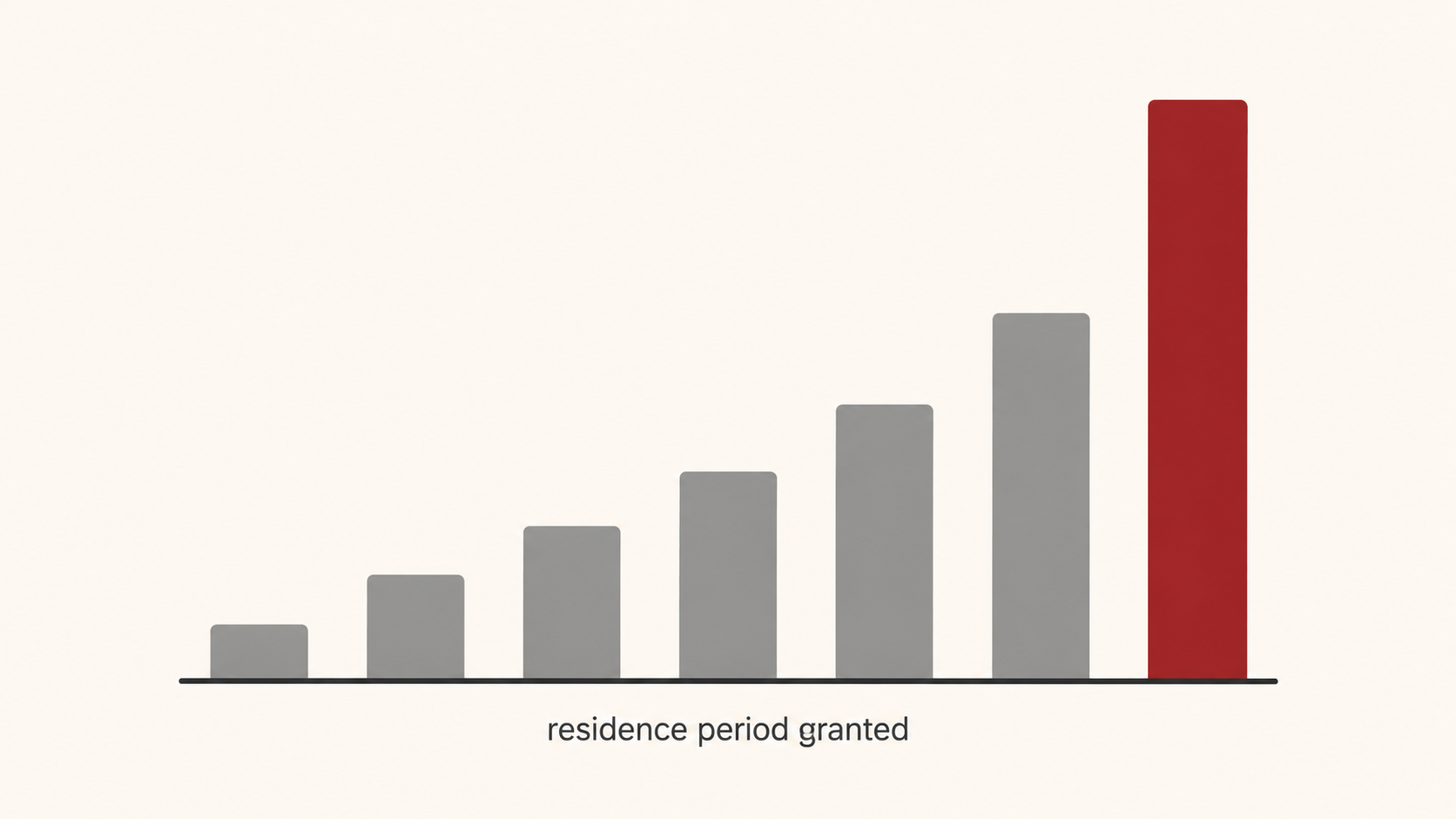
Permanent residence goes from ¥10,000 to ¥200,000 at the counter. There is no online rate for it, because permanent residence applications still have to be filed in person.
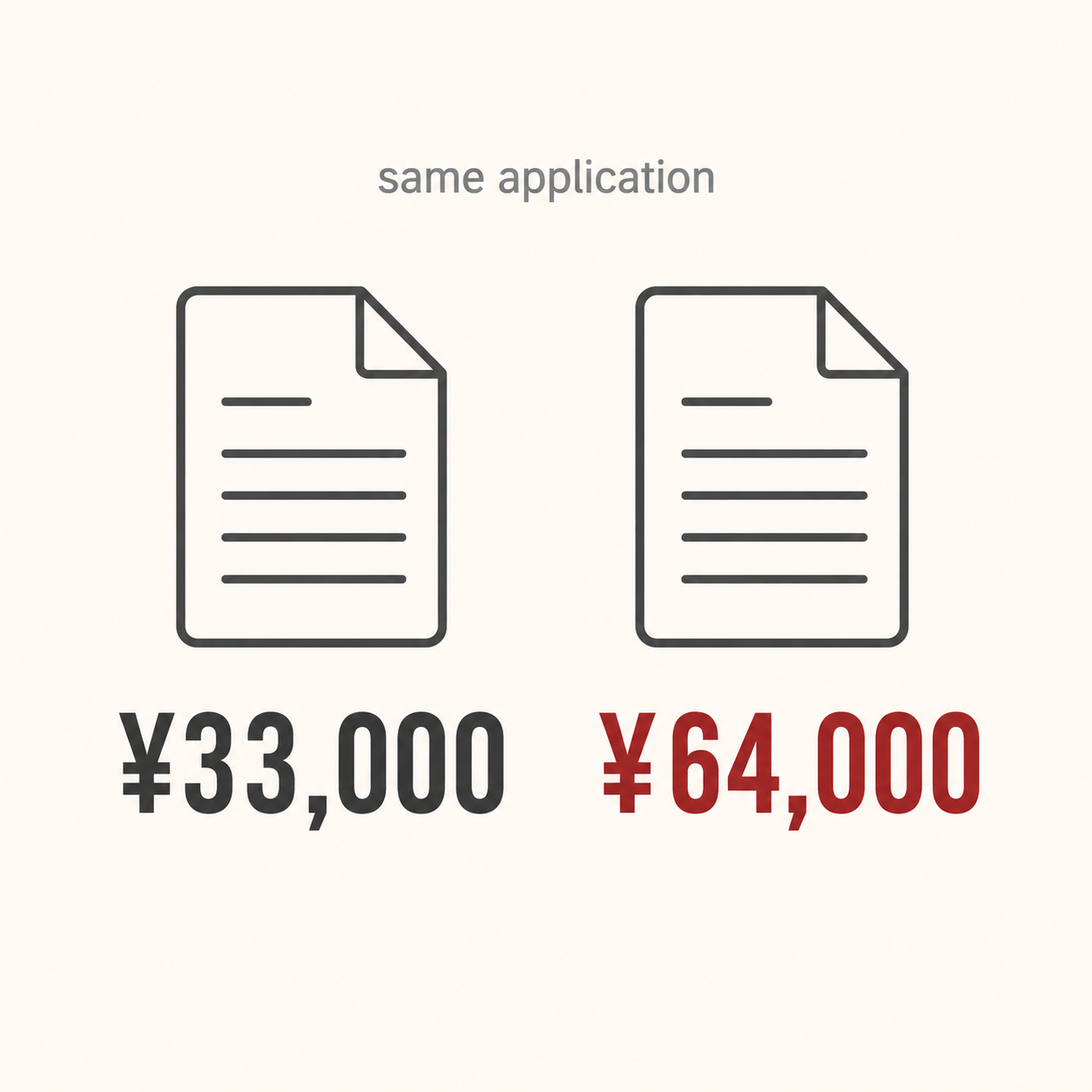
Note what the fee is keyed to. It is not the type of application. It is the residence period you are actually granted, which you do not know when you file. Two people submitting identical renewal paperwork on the same day pay ¥33,000 and ¥64,000 if one gets a year and the other gets three.
There is a logic to that. Immigration's position is that a longer permit means fewer renewals, so the cost per year of residence falls as the period rises. ¥75,000 once every five years is ¥15,000 a year. ¥33,000 every year is ¥33,000 a year. On that arithmetic the structure rewards the people who qualify for long permits and charges the people who do not.
One thing that has not changed: the Certificate of Eligibility, the document used to bring someone in from abroad, still carries no fee. If you are moving to Japan for the first time, the entry step is unaffected. You meet the new schedule at your first renewal. Our Japan visa guide covers which status you would be applying for.
The rule almost nobody is mentioning
The cutoff is based on the date your application is received, not the date it is decided. File on 30 September and get approved in December, you pay the old fee. That part is widely reported and it is right.
Here is what is missing. You cannot file a renewal whenever you like.
If you hold a residence period of six months or more, an extension application can be submitted from roughly three months before your permit expires. Filing earlier than that requires special circumstances, an explanatory letter, and acceptance by immigration, which is not guaranteed. The examples given are hospitalisation and extended time abroad, not saving money on fees.
Work the calendar backwards. To be received by 30 September 2026, your permit needs to expire by roughly the end of December 2026. So:
- Permit expires by about 31 December 2026: you can file in September. Old fee available if your documents are ready.
- Permit expires January 2027 or later: you cannot file in September. There is no version of moving quickly that changes this. You will pay the new fee.
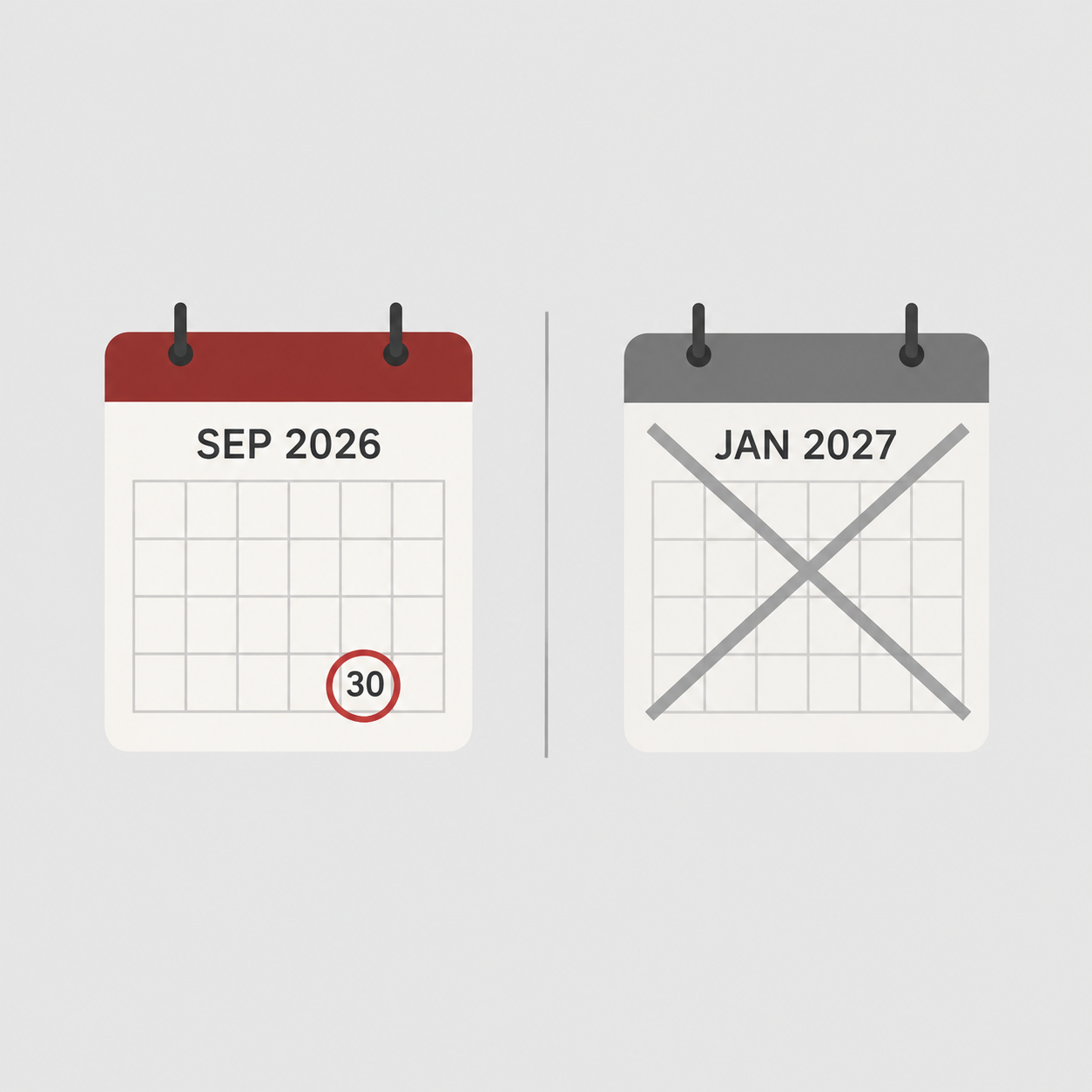
That second group is most people. A one-year permit issued in, say, March 2026 runs to March 2027. Nothing about the 30 September deadline is available to that person, and any article telling them to hurry is wasting their time.
Change of status applications are different. There is no earliest filing date for those. You can apply as soon as the reason for the change exists. If you are switching employers, moving from a training status to a work status, or otherwise have a genuine reason already in hand, that paperwork can be brought forward into September. This is the group with real room to act.
If you are in the group that cannot file early
The deadline is not your lever. The residence period is.
Because the fee scales with the period granted, the thing that lowers your long-run cost is qualifying for a longer permit rather than repeatedly receiving one-year grants. Immigration weighs your overall residence record when deciding the period: tax payments, social insurance enrolment, whether the required notifications were filed on time, whether your employment matches your status. Those are the same things that were always worth keeping clean. They now have a price attached.
Two smaller changes worth knowing
Revenue stamps are going away for online applications. From 1 October, fees for applications filed through the online system must be paid by convenience store or bank transfer, not by revenue stamp, whether you collect the result by post or in person. A separate payment processing charge applies on top of the fee, which narrows the gap between the online and counter prices a little. Counter applications still use revenue stamps, still cash only to buy, and the denominations you need now depend on the period granted.

There is a hardship reduction, and it is narrow. The amended act allows fees to be reduced or waived. The guideline requires two conditions to be met at the same time: financial hardship comparable to that of a person eligible for public assistance, and a humanitarian ground such as refugee or complementary protection status, being a victim of trafficking, or being the single parent of a Japanese child. Immigration has stated explicitly that meeting one of the two is not enough. Where it does apply, permits over three months are capped at ¥10,000 and permanent residence at ¥20,000. A full exemption is narrower still, reaching only diplomatic and official status. Someone on an ordinary work visa will not qualify.
What to do this week
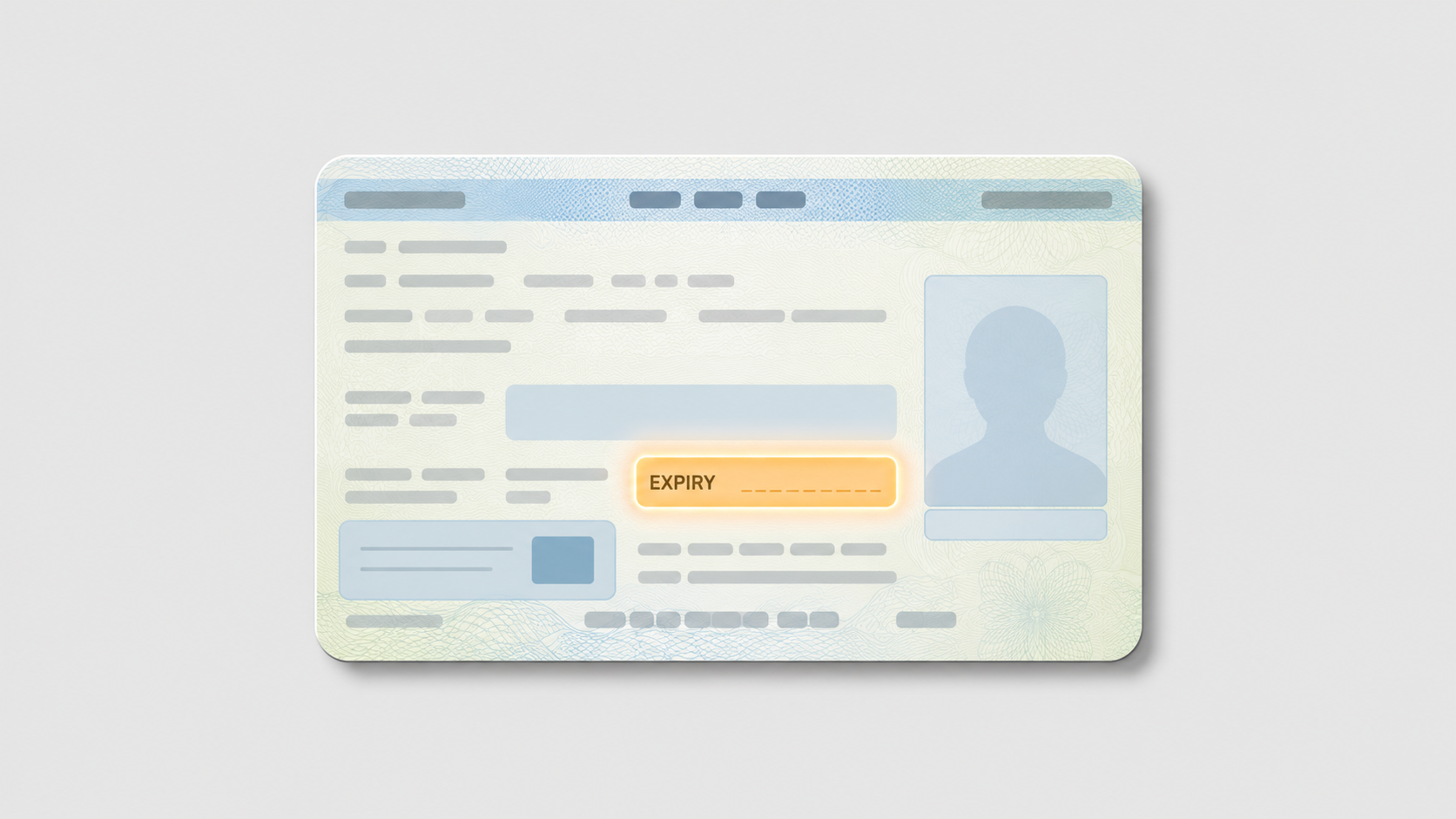
- Find your residence card and read the expiry date. Everything follows from that one field.
- If it falls on or before about 31 December 2026, decide now whether your documents can realistically be complete before 30 September. Rushing an incomplete application is worse than paying the higher fee, because corrections cost weeks.
- If it falls in January 2027 or later, stop thinking about the deadline. Put the new figure in next year's budget and turn your attention to qualifying for a longer period.
- If you have grounds for a change of status that already exist, that application has no earliest filing date. That is the one place where moving this month genuinely pays.
Immigration asks that renewals be filed between three months and 45 days before expiry if you want a decision before your current permit runs out. That is good practice regardless of what the fees are doing.
For the wider picture on living there, our Japan country guide covers cost of living, healthcare and the rest, and we tracked this year's earlier immigration changes separately.
If you want your own timeline checked against the rules rather than against an article, that is what a Personal Relocation Assessment is for.
Sources
- Jiji Press, cabinet order decision, 25 August 2026
- Fragomen, Japan fee structure alert, updated 26 August 2026
- Immigration Services Agency, "令和8年10月1日付け在留許可手数料の額の改定等について" and the accompanying Q&A, as summarised by a licensed gyoseishoshi on 28 August 2026
- Immigration Services Agency guidance on the extension filing window
- Japan Today and Business Standard, 27 August 2026, on the hardship and humanitarian criteria
Currency conversions use the ECB reference rate for 28 August 2026, 1 JPY = 0.00626 USD. They are indicative only. You pay in yen.
Research and drafting assistance: Claude (Anthropic). Verification against the published fee schedule and the Immigration Services Agency filing rules, editing and final responsibility: ExpatLife Editorial Team, 31 August 2026.
Personal Relocation Assessment
This article is general. Your situation is not.
Tell us your nationality, income and timeline and we research it by hand: where you actually qualify, the route, the current threshold with the law it comes from, and what usually goes wrong in a position like yours. Written by an expert, in 3 working days.
Enjoyed this article?
Subscribe for more expat tips and guides.
Which country is right for you?
Answer 6 quick questions about your budget, lifestyle, and priorities. Our AI ranks 122 countries and builds a personalised relocation plan.
Enjoyed this article? Share it with fellow expats


