
Western Europe
Central & Eastern Europe
Asia & Middle East
Americas
Oceania & Africa
Expat Topics
🥩 Living in Argentina · 2026
Buenos Aires.
South America's most European city - extraordinary culture, world-class steak, and a pace of life unlike anywhere else
Monthly Budget
$800–$1,200
Best For
Digital nomads, culture lovers, foodies
Population
3 million
Verified August 13, 2026
Can you actually move to Buenos Aires?
We research your nationality, income and timeline against the law as it stands, and tell you whether Buenos Aires works and what it takes.
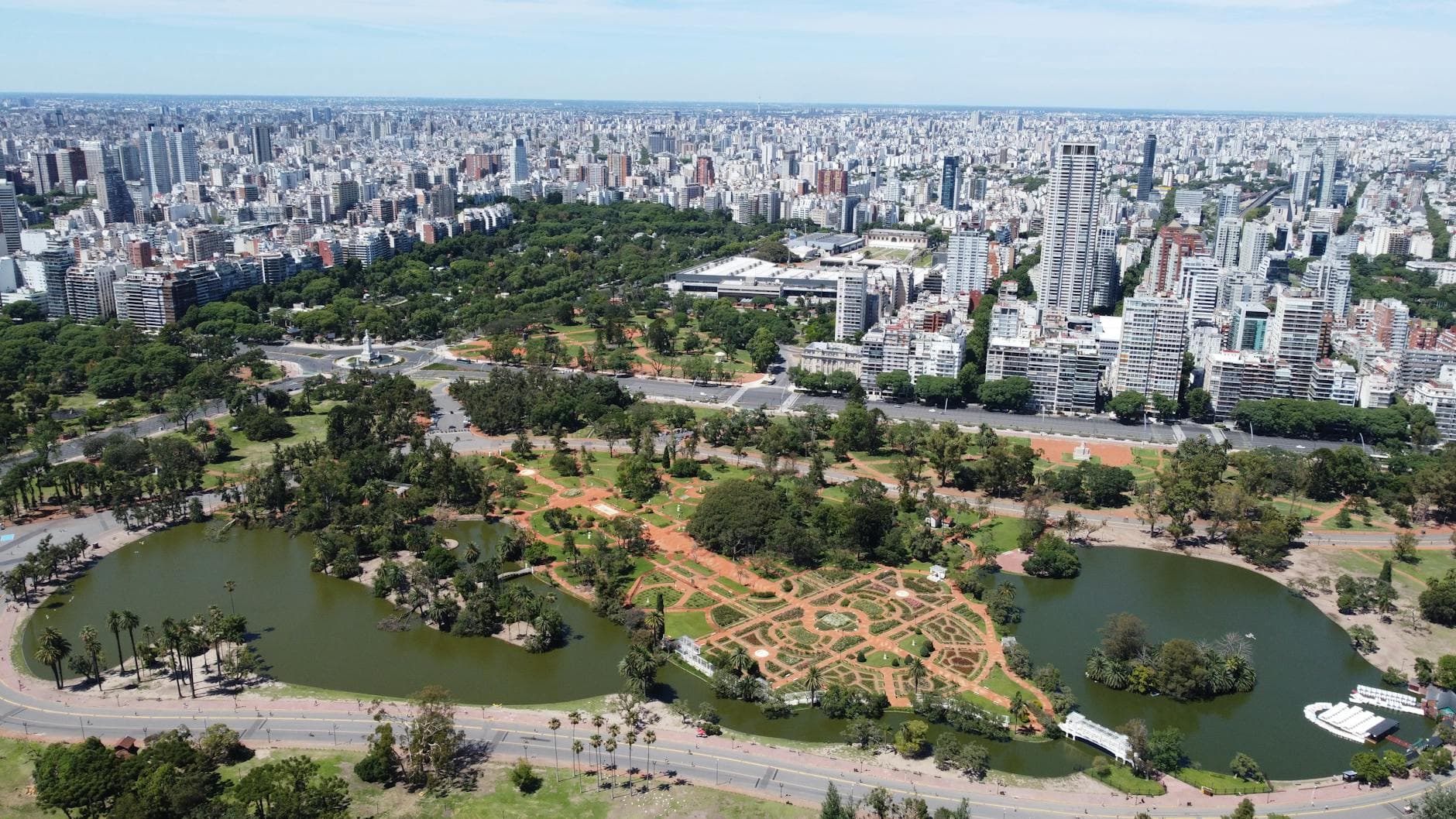
The Buenos Aires you’ll actually live in
Buenos Aires is a city of 3 million (15 million in Greater BA) that operates on its own schedule, its own cultural logic, and its own culinary religion. Dubbed the 'Paris of the South' more for its Haussmann-influenced boulevards and café culture than mere flattery, it is a genuine world city that happens to be significantly cheaper than Paris. The city stretches from the working-class warmth of La Boca and San Telmo to the elegant Recoleta and the vibrant expat hub of Palermo. For remote workers, Buenos Aires combines world-class internet infrastructure, an established coworking scene, and a food-and-social culture that rewards lingering.
The Buenos Aires basics
The full picture - 10 key numbers covering budget, internet, English level, beach access, and airport reach.
Monthly Budget
$800–$1,200
Best For
Digital nomads, culture lovers, foodies
Internet Speed
~35 Mbps avg.
English Level
Moderate
Palermo 1BR furnished rent
$700–$1,000/month USD
Recoleta 1BR rent
$800–$1,200/month USD
Subte (subway) fare
ARS 1,206 (~$0.85 USD)
Climate
Humid subtropical; hot summers, mild winters
Airports
Ezeiza (EZE) international; Aeroparque (AEP) domestic
Time zone
UTC-3, no daylight saving
Is Buenos Aires actually your best option?
This page tells you what Buenos Aires is like. It cannot tell you whether it beats the four other countries you should be looking at, because that answer changes with your passport. Income thresholds, tax treaties and citizenship timelines are all nationality specific, and the general rule is often not the rule that applies to you.
A Personal Relocation Assessment answers it for your case. You tell us your nationality, income, household and timeline, and we our expert researches it against the law as it stands: which countries you actually qualify for, the route, the current threshold with the instrument it comes from, and what is most likely to go wrong in a position like yours.

Food culture
Parrilla, empanadas, milanesa, Malbec - Palermo's top steakhouses and closed-door restaurants
Explore

Green spaces
Bosques de Palermo + Jardín Japonés - Buenos Aires' central parks and rose gardens
Explore
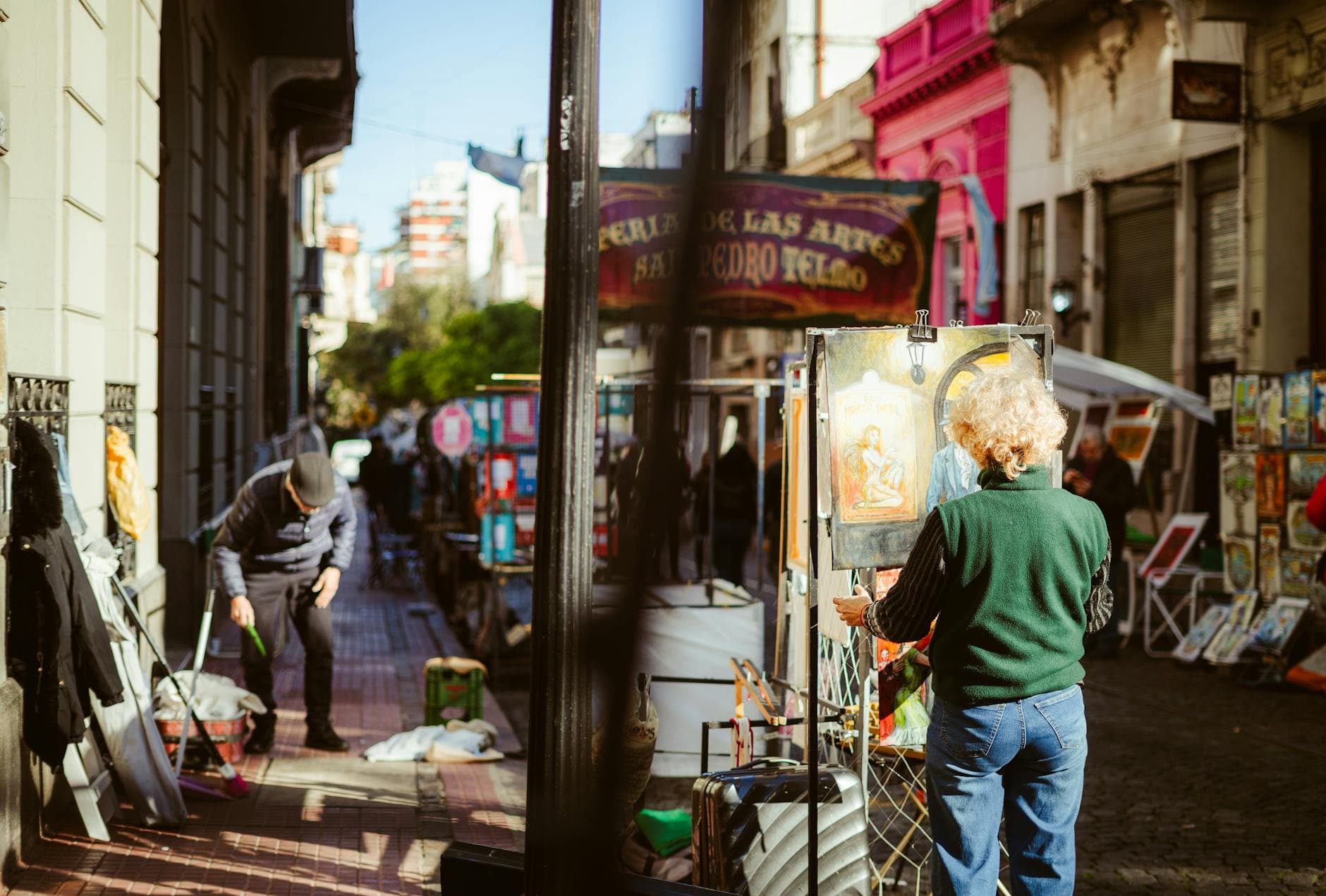
Markets
Feria de San Telmo - Buenos Aires' Sunday antiques and tango street fair
Explore
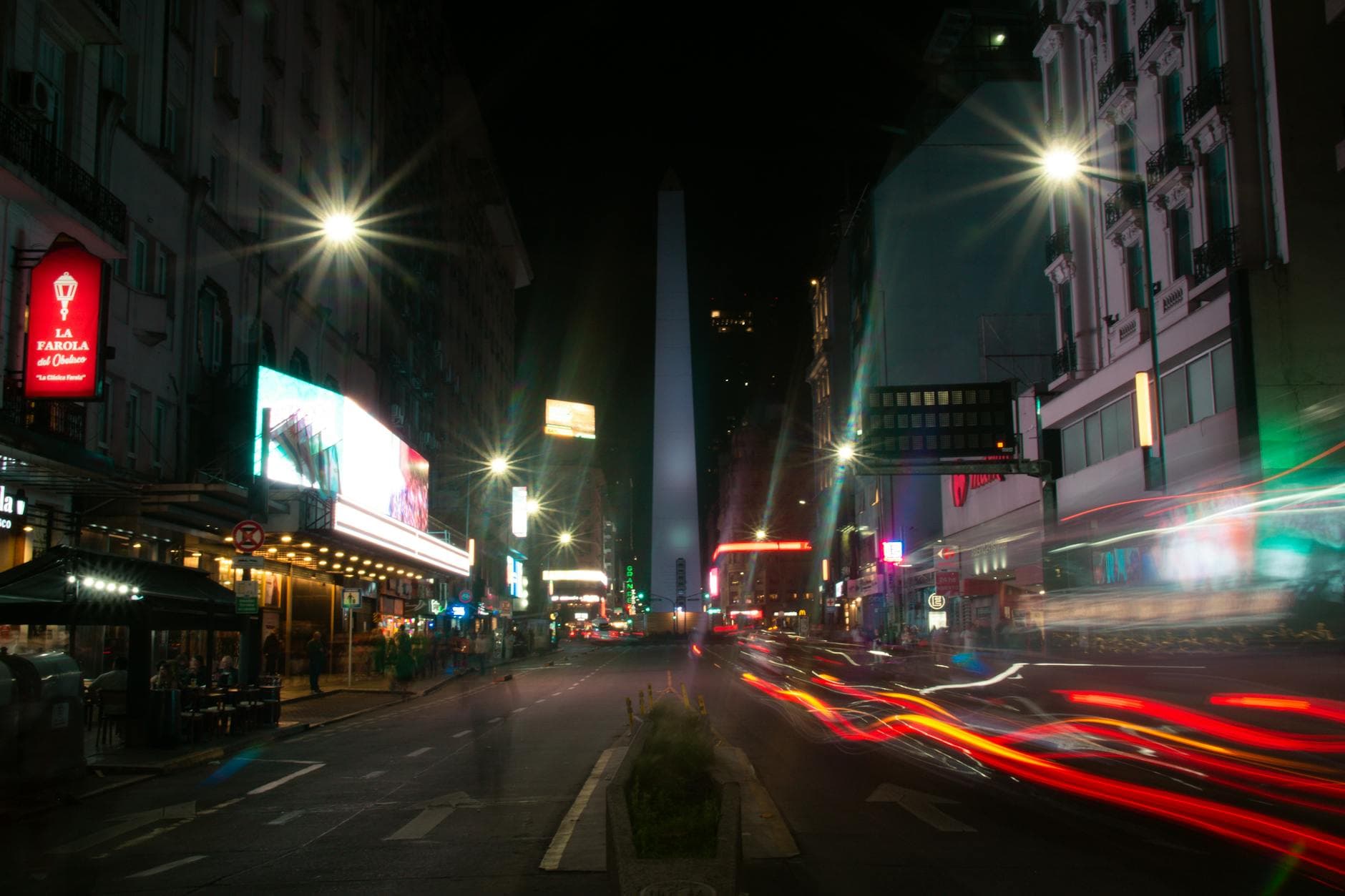
Nightlife
Palermo Soho + San Telmo - Buenos Aires' bar hopping and tango clubs
Explore
What a month actually costs
No padding, no underestimates. Real expat numbers - central neighborhood, comfortable lifestyle, eating out a few times a week.
All-in monthly
$1,785
Single expat, comfortable lifestyle, central area.
Rent (1BR Palermo furnished)
$850
Full breakdown
Rent (1BR Palermo furnished)
$850
Groceries
$200
Dining out
Mix of local restaurants + cafés
$300
Transport (SUBE + Uber)
$45
Utilities
$30
Internet + mobile
$20
Health insurance (OSDE)
$90
Entertainment & misc
$250
Total (comfortable)
USD at March 2026 rates
$1,785
Where to actually live
5 neighborhoods, 5 different versions of Buenos Aires.

Palermo Soho / Hollywood
Expat heartland; cafés, coworking, parks, restaurants, nightlife
Best for: Digital nomads, new arrivals, young professionals - the default starting point
Rent ARS 450,000–800,000/month ($350–$620 USD) for 1-BR
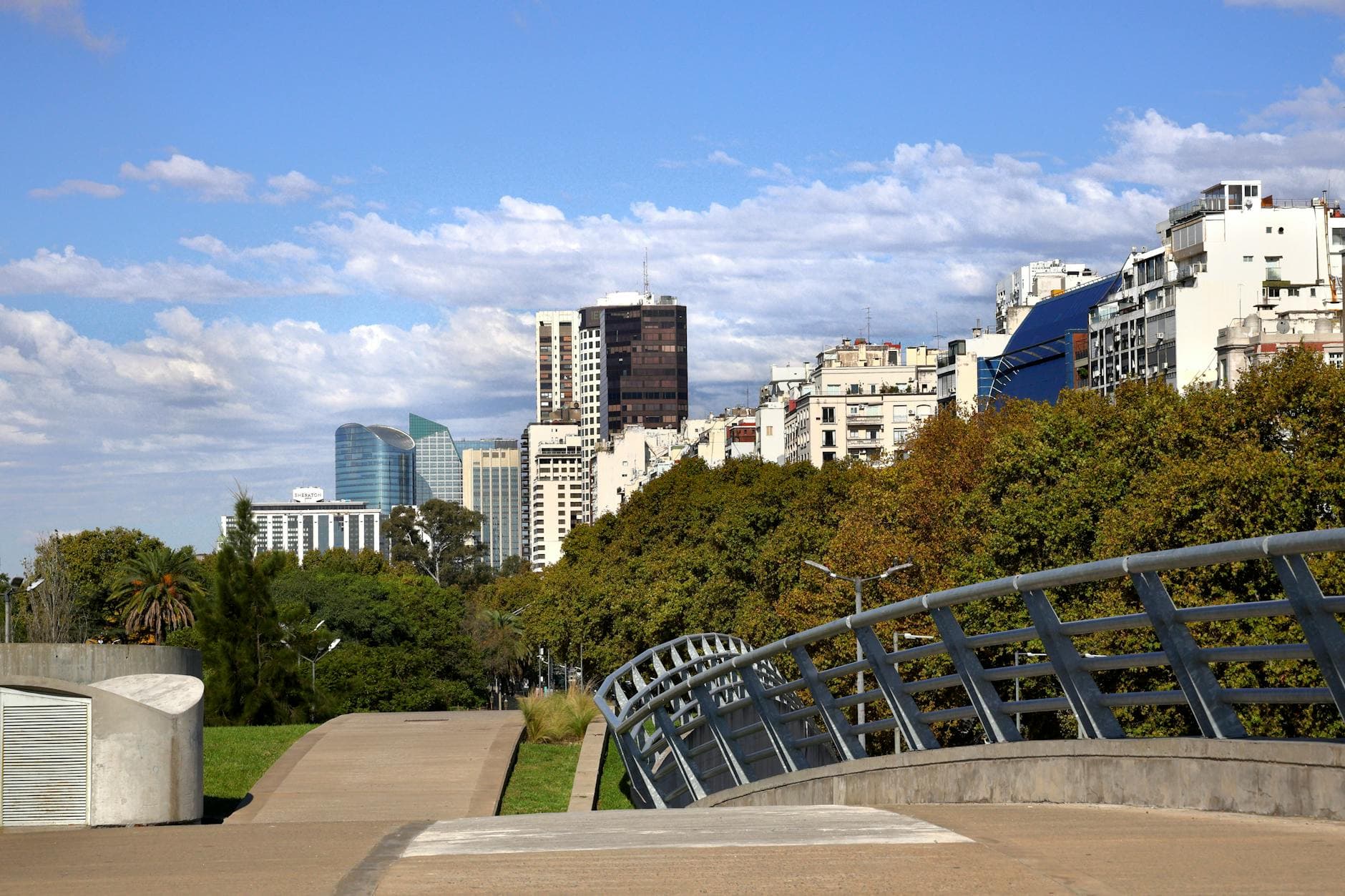
Recoleta
Elegant, French architecture, museums, cemetery (Evita's tomb), quieter pace
Best for: Expats wanting upscale, cultured, quieter living; senior professionals
Rent ARS 400,000–750,000/month ($310–$580 USD) for 1-BR
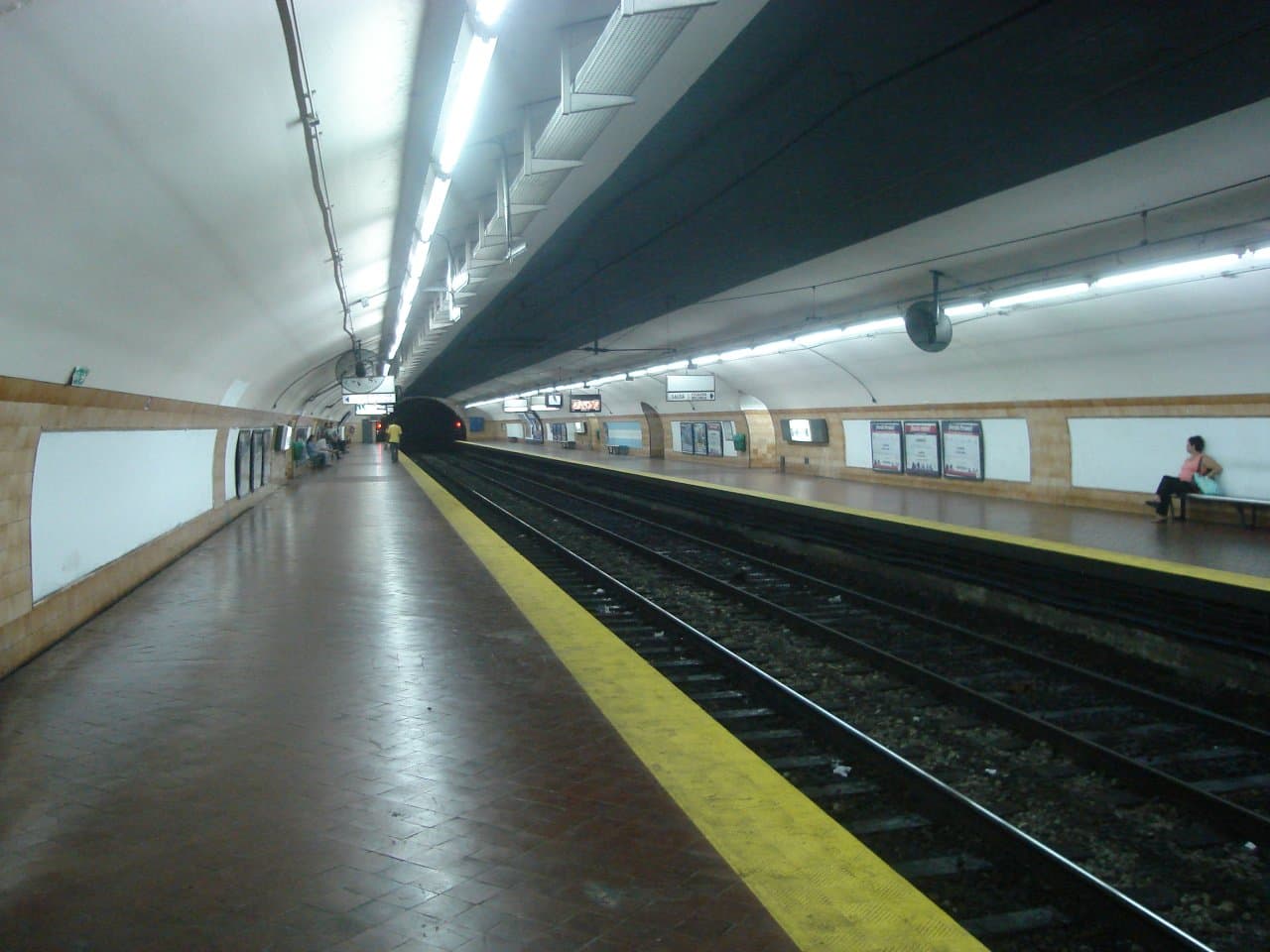
Belgrano
Residential, family-oriented, strong infrastructure, less touristy than Palermo
Best for: Families, couples wanting a more local neighbourhood feel with good services
Rent ARS 380,000–700,000/month ($295–$540 USD) for 1-BR
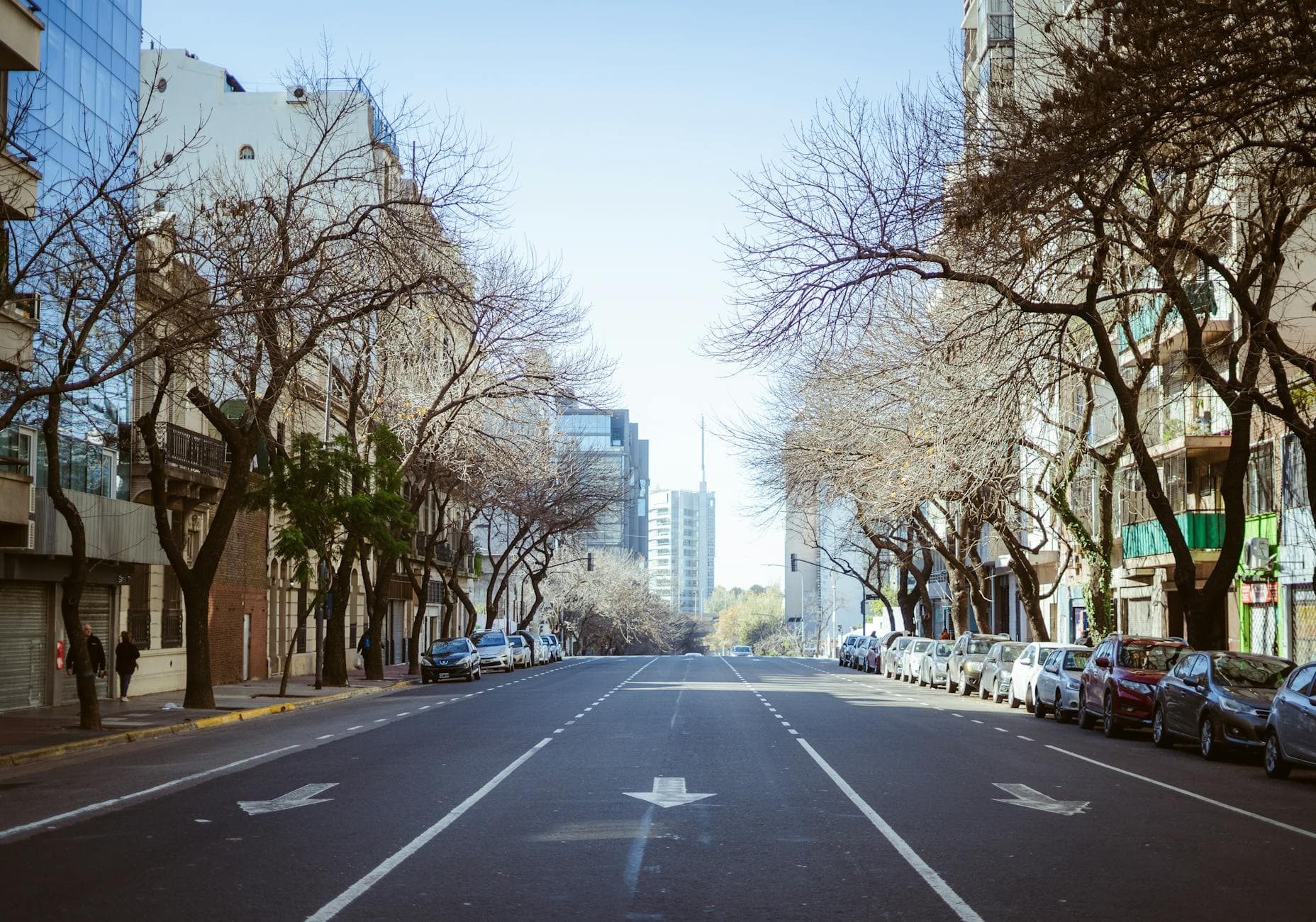
Villa Crespo
Palermo-adjacent, artsy, gentrifying, excellent food scene, 20–30% cheaper
Best for: Budget-conscious expats wanting Palermo's vibe at lower cost
Rent ARS 320,000–550,000/month ($250–$425 USD) for 1-BR
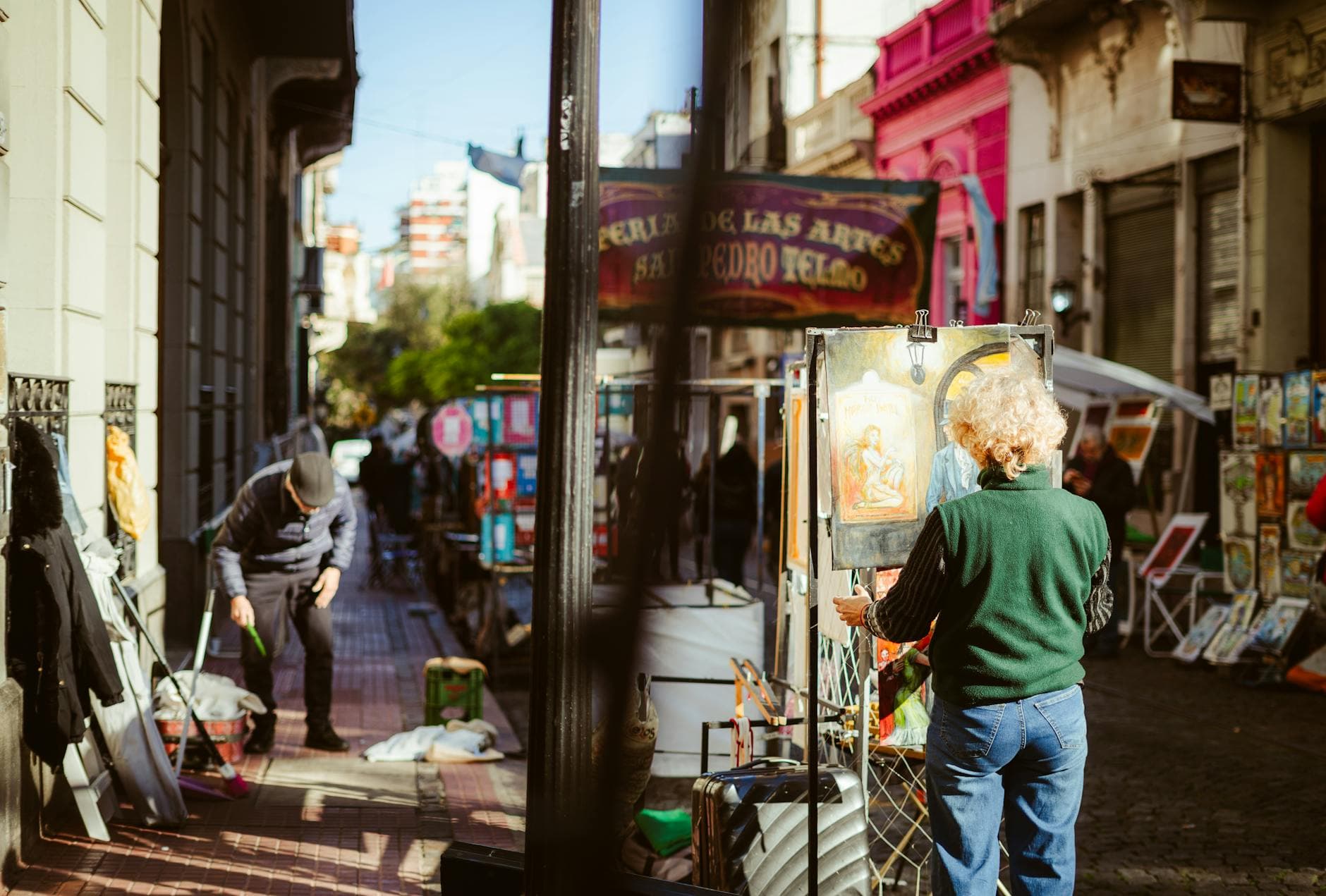
San Telmo
Colonial, bohemian, street art, Sunday antique market, older housing stock
Best for: Short-term visitors, cultural explorers; less practical for daily life
Rent ARS 280,000–500,000/month ($220–$390 USD) for 1-BR
The truth about Buenos Aires
The bits the brochures skip - what expats love, and what tests their patience.
What you’ll love
- 01World-class food, arts, and nightlife at 40–60% below Western European costs
- 02Top-tier private healthcare (Hospital Alemán, Hospital Británico) at $65–$168/month insurance
- 03Excellent fibre internet (100–300 Mbps) and established coworking infrastructure
- 04Latin America's safest major city - Palermo/Recoleta crime profile comparable to Rome or Lisbon
- 05Ezeiza Airport is South America's major hub - good connections to Europe, USA, and Latam
What might bug you
- 01Bureaucracy - CUIL, CUIT, residency paperwork, and bank accounts require significant patience
- 02Rental guarantor system makes long-term ARS leases difficult without Finaer or guarantor workaround
- 03Spanish is non-negotiable outside the expat bubble and government offices
- 04Inflation still ~20% annually - prices adjust regularly; keep savings in USD
- 052025 residency decree resets PR clock on any departure - restricts travel for those on PR timeline
Where to plug in
Hand-picked coworking spaces - premium business addresses, community hubs, and budget-friendly options.
WeWork Alem 1087 / Arcos 3576
International brand; multiple BA locations; strong facilities and community
Areatres (Palermo/Núñez)
Buenos Aires' original major coworking brand; tech and startup community
Urban Station (multiple locations)
Good value, multiple neighbourhoods, reliable internet; popular with nomads
Sinergia (Palermo)
Community-focused; strong creative and tech community; Palermo Soho location
How Buenos Aires moves
Metro, buses, walkability - what works, what to avoid, and how much you'll actually spend.

- 01
Subte (subway): 6 lines covering the central city; ARS 1,206/ride (~$0.85 USD); runs until midnight
- 02
Bus (colectivo): 140+ routes covering entire metro area; ARS 593/ride (~$0.40 USD); Google Maps/Moovit show real-time routes
- 03
SUBE card: rechargeable smart card covering all transit modes; buy at subway stations or kiosks
- 04
Uber/Cabify: widely used, reliable, legal; typical Palermo-to-Recoleta ride ~$2–$4 USD
- 05
Cycling: EcoBici free public bike scheme in central Buenos Aires; dedicated ciclovías (bike lanes) expanding
Key takeaways
If you only remember five things about Buenos Aires, make it these.
Budget
$1,785/mo · rent from $850
Where to live
Palermo Soho / Hollywood, Recoleta, Belgrano
Top advantage
World-class food, arts, and nightlife at 40–60% below Western European costs
Watch out
Bureaucracy - CUIL, CUIT, residency paperwork, and bank accounts require significant patience
Remote work
4+ coworking spaces, from ~$150–$300/mo
More on Argentina
Drill into the country-level guides - visa rules, healthcare, schools, taxes, and more.
Tools to plan your move to Buenos Aires
Practical tools to turn an idea into a real plan - pick a season, time your visa, build a budget, even live a day before you go.
Buenos Aires cost of living
Full monthly budget breakdown - rent, food, transport, utilities
Best time to move to Argentina
Season-by-season - weather, visa timing, rental markets
Country match quiz
Eight quick questions, AI-matched country shortlist
Visa finder
Search visa options by nationality, budget, and stay length
A day in Buenos Aires
Live a perfect day with AI - real cafés, costs, and routes
Relocation plan
Step-by-step AI moving timeline tailored to you
Buenos Aires vs other cities
See how Buenos Aires stacks up against other popular expat cities - cost, lifestyle, neighborhoods.
Buenos Aires vs Mexico City
Cost · Lifestyle · Neighborhoods
Buenos Aires vs Bogotá
Cost · Lifestyle · Neighborhoods
Buenos Aires vs Medellín
Cost · Lifestyle · Neighborhoods
Buenos Aires vs Córdoba
Cost · Lifestyle · Neighborhoods
City rankings
See where Buenos Aires sits in our independent expat city rankings.
Cheapest Cities for Digital Nomads
Ranked list of the most affordable cities for digital nomads in 2026. Budget, internet speed, English level, and coworking info for each city.
Cities With the Fastest Internet
Ranked list of cities with the fastest broadband internet for remote workers and digital nomads. Speed, cost of living, and English level for each city.
Best Cities for English Speakers
Cities where English is widely spoken - ranked by cost of living. Perfect for expats who want to settle abroad without a language barrier.
Most Affordable Cities in Europe
Cheapest European cities for expats ranked by monthly cost of living. Budget breakdowns, internet speeds, and English levels for each city.
Best Cities in Southeast Asia for Expats
Top cities in Southeast Asia for expats and digital nomads. Ranked by budget with internet speed, English level, and lifestyle highlights.
Best Cities in Latin America for Expats
Top Latin American cities for expats and digital nomads. Ranked by budget with internet speed, English level, and lifestyle highlights.
Also in Argentina
3 other cities worth a look - each with its own rhythm, costs, and character.
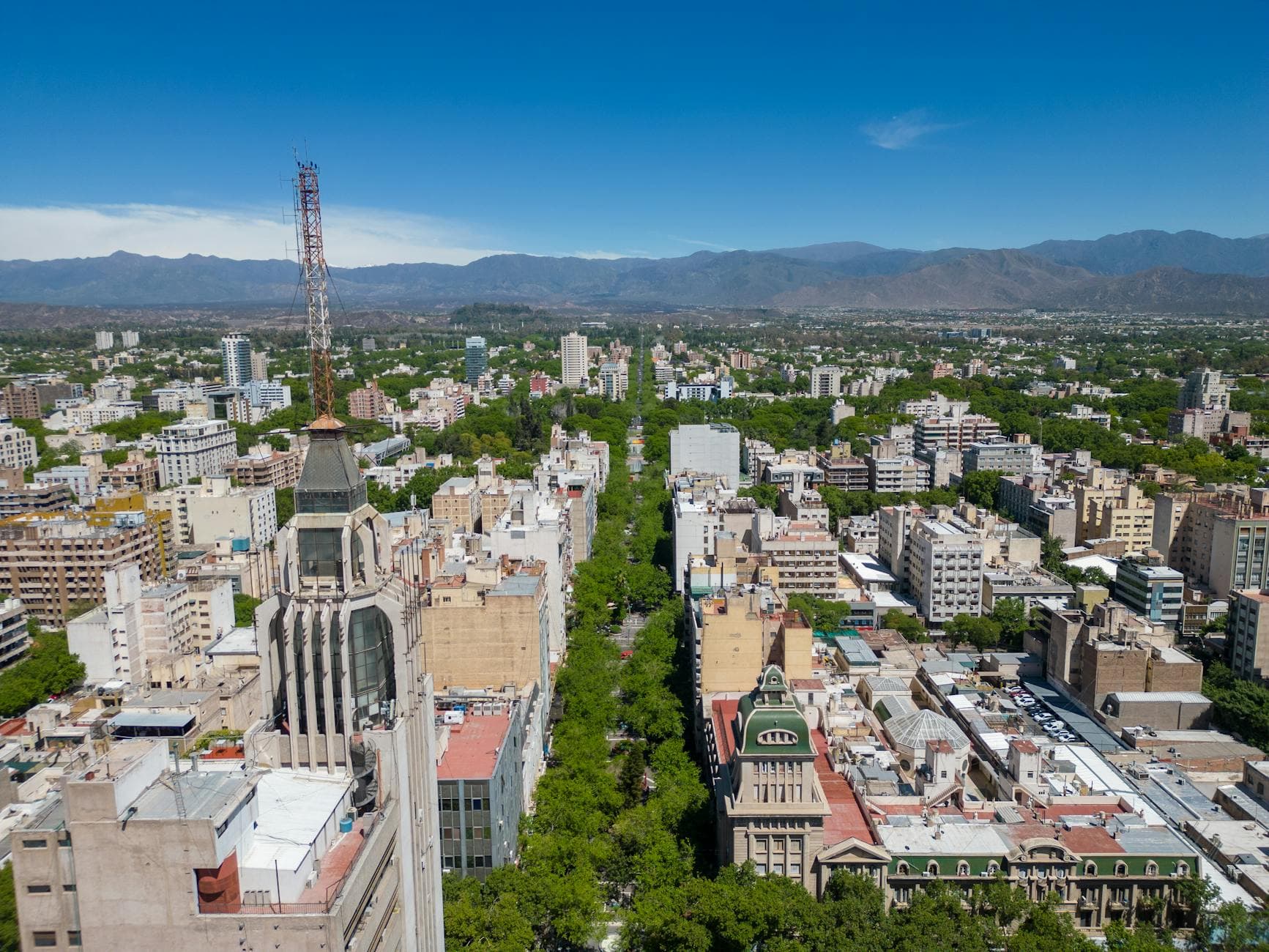
Mendoza
Malbec capital of the world - Andes backdrop, wine country, and a comfortable mid-size city at a fraction of Buenos Aires costs
$700–$1,000 /mo
Read guide
Bariloche
Patagonian paradise - Andean lakes, world-class skiing, Swiss chocolates, and South America's most dramatic scenery
$800–$1,100 /mo
Read guide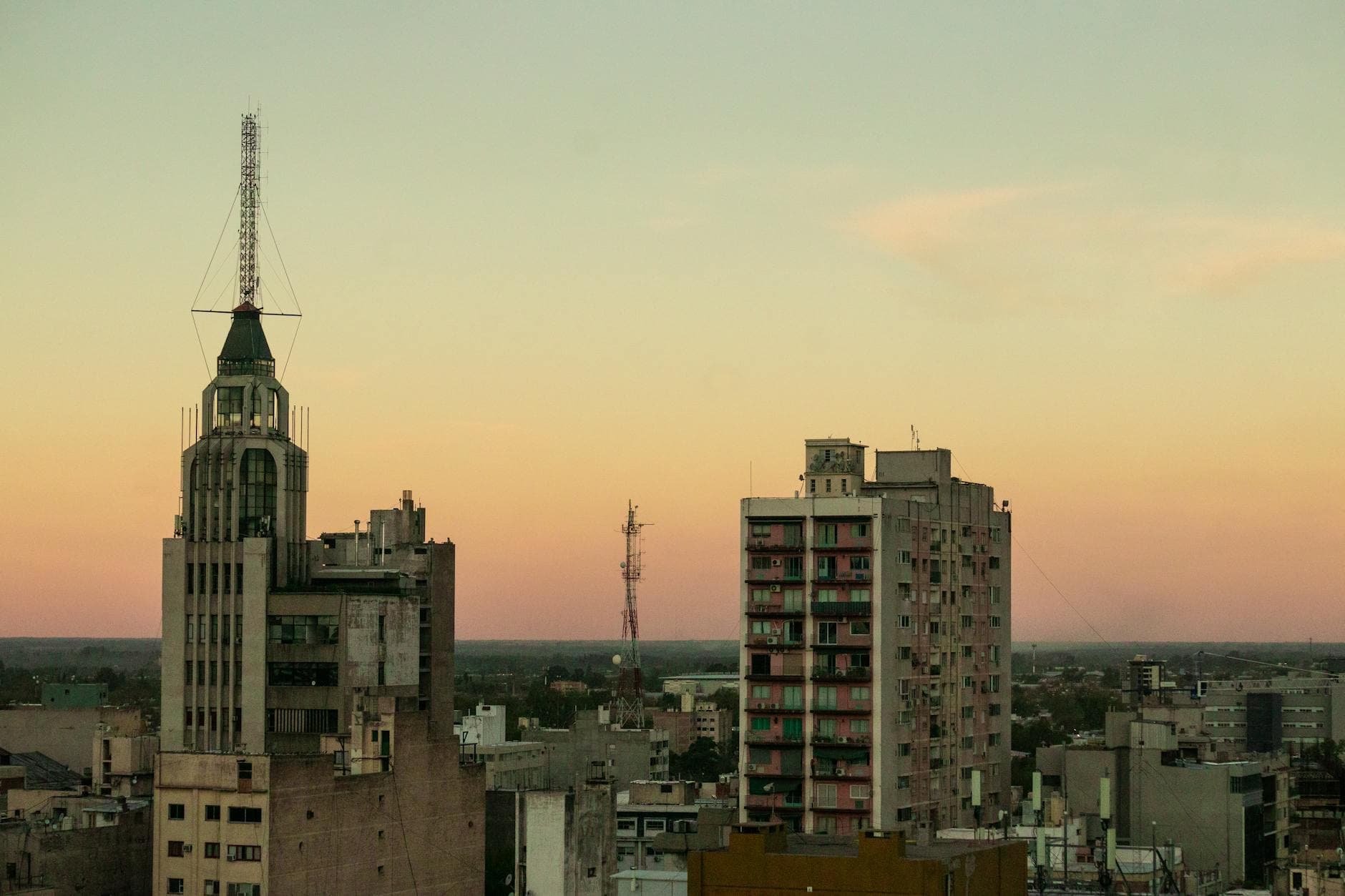
Córdoba
Argentina's university capital - vibrant student energy, Fernet culture, and 20% cheaper than Buenos Aires
$700–$1,200 /mo
Read guideCommon questions
Honest answers about life in Buenos Aires.
How much does it cost to live in Buenos Aires per month?
What are the best neighborhoods in Buenos Aires for expats?
Is Buenos Aires good for digital nomads?
What are the pros and cons of living in Buenos Aires?
How do you get around in Buenos Aires?
Can you actually move to Buenos Aires?
Everything above is general. This is not. Our relocation expert researches your nationality, income, household and timeline against the law as it stands today, names the instrument behind every figure, and tells you where you actually qualify.
What you’ll get
Where you qualify
Routes open to your passport, today
The real numbers
Current thresholds, fees and timelines
The paperwork
What you must prove, and how
What goes wrong
The three risks for a case like yours
Sources named
Every figure traced to its instrument
Written by an expert. Delivered in 3 working days.
Is Buenos Aires right for you?
Eight quick questions, an AI-matched shortlist of countries and cities for your budget and lifestyle.
Take the free quizExpat Insights, weekly
Cost-of-living shifts, visa updates, real expat stories from Buenos Aires and beyond.