Western Europe
Central & Eastern Europe
Asia & Middle East
Americas
Oceania & Africa
Expat Topics
Best Time to Move to Argentina (2026)
Seasonal planning guide - weather, visa timing, rental markets & expert tips
Last updated: September 2026
The best time to move to Argentina is March – May (autumn). Southern Hemisphere. Buenos Aires: humid subtropical (5–30°C). Patagonia: cold and windy. Mendoza: dry Mediterranean. Seasons reversed from Northern Hemisphere. Avoid moving during January – February (extreme summer heat in Buenos Aires) if possible.
March – May (autumn)
January – February (extreme summer heat in Buenos Aires)
Argentina Climate Overview
Southern Hemisphere. Buenos Aires: humid subtropical (5–30°C). Patagonia: cold and windy. Mendoza: dry Mediterranean. Seasons reversed from Northern Hemisphere.
Season-by-Season Guide
Autumn (Mar–May)
12–24°C
- Best time to arrive - beautiful weather in Buenos Aires
- School year starts in March - good for families
- Rent in pesos at favorable exchange rates
Winter (Jun–Aug)
5–15°C
- Buenos Aires: cool but not harsh (8–15°C)
- Ski season in Bariloche and Mendoza
- Cheapest rents and lowest tourist crowds
Spring (Sep–Nov)
14–25°C
- Jacarandas bloom in Buenos Aires - stunning purple streets
- Weather warming up, outdoor café culture returns
- Good time to negotiate annual rental contracts
Summer (Dec–Feb)
22–35°C
- Hot and humid in Buenos Aires (30–38°C)
- Porteños leave for coast - city empties in January
- Beach season in Mar del Plata and Uruguay
Visa & Immigration
Tourist entry: 90 days visa-free for most nationalities (extendable once). Temporary Residency: 2–6 months processing. Digital Nomad Visa: 180 days + 180-day renewal (12 months total); renewal requires staying ≥50% of initial period in Argentina; benchmark ~$2,500/mo. Rentista for passive income. **Any departure resets the 2-year permanent residency clock.** Senate passed labour reform 27 Feb 2026 (severance caps, company-level bargaining).
Rental Market
Buenos Aires Palermo 1-bed: USD-priced furnished $700-1,300 (Soho $800-1,300, Hollywood $700-1,100); unfurnished ARS-priced ~50% cheaper. Premium leases now in dollars (most in Palermo). Rents up 15-30% YoY. USD/ARS ~1,388 (May 2026). Min wage ARS 363,000 (May 2026, rising to 376,600 by Aug). Inflation ~20% expected for 2026.
Argentina Relocation Timeline
Research Argentina visa options and residency pathways. Consult an immigration lawyer. Start gathering documents (apostilles, translations, police clearances).
Submit your Argentina visa application. Arrange international health insurance. Open a multi-currency bank account (Wise, Revolut). Start learning the local language.
Book temporary accommodation in Argentina for your first 2–4 weeks. Arrange international shipping if needed. Downsize and sell belongings. Get apostilles on remaining documents.
Book flights to Argentina. Set up mail forwarding. Cancel local subscriptions and memberships. Download offline maps and translation apps.
Get a local SIM card. Open a local bank account. Register with local authorities. Explore neighborhoods before signing a long-term lease.
Frequently Asked Questions
When is the best time to move to Argentina?
The best months to move to Argentina are March – May (autumn). Southern Hemisphere. Buenos Aires: humid subtropical (5–30°C). Patagonia: cold and windy. Mendoza: dry Mediterranean. Seasons reversed from Northern Hemisphere.
What visa do I need for Argentina?
Tourist entry: 90 days visa-free for most nationalities (extendable once). Temporary Residency: 2–6 months processing. Digital Nomad Visa: 180 days + 180-day renewal (12 months total); renewal requires staying ≥50% of initial period in Argentina; benchmark ~$2,500/mo. Rentista for passive income. **Any departure resets the 2-year permanent residency clock.** Senate passed labour reform 27 Feb 2026 (severance caps, company-level bargaining).
How much does rent cost in Argentina?
Buenos Aires Palermo 1-bed: USD-priced furnished $700-1,300 (Soho $800-1,300, Hollywood $700-1,100); unfurnished ARS-priced ~50% cheaper. Premium leases now in dollars (most in Palermo). Rents up 15-30% YoY. USD/ARS ~1,388 (May 2026). Min wage ARS 363,000 (May 2026, rising to 376,600 by Aug). Inflation ~20% expected for 2026.
When should I avoid moving to Argentina?
Try to avoid moving during January – February (extreme summer heat in Buenos Aires). This is typically the most challenging period due to weather extremes, peak pricing, or administrative slowdowns.
Explore Argentina Cities
Buenos Aires
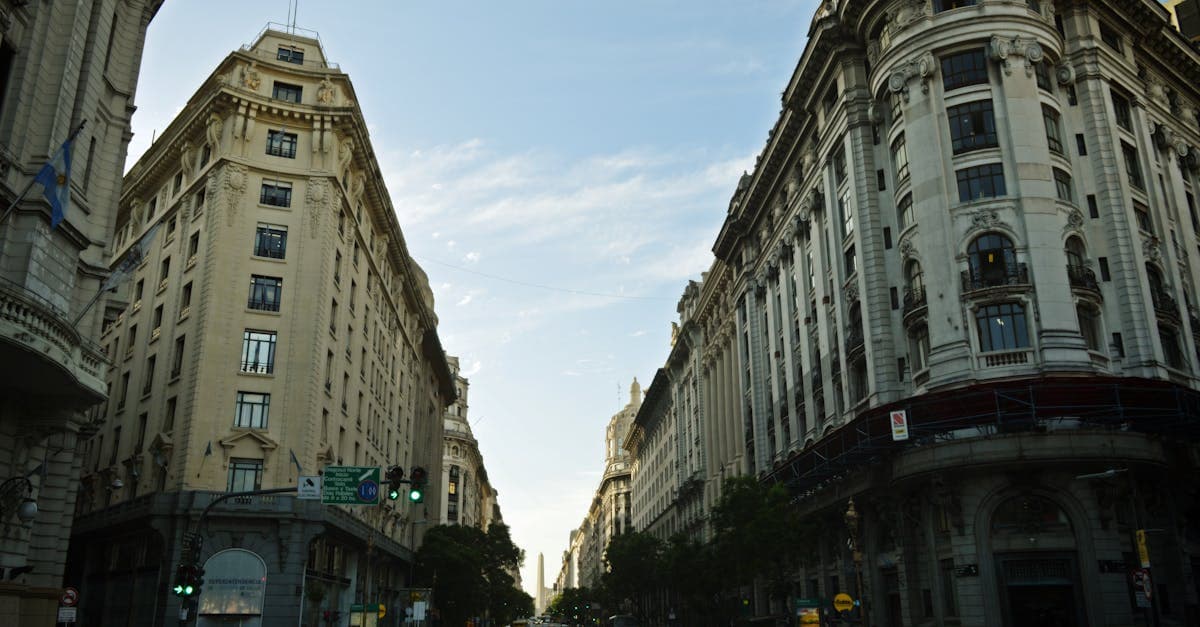
South America's most European city - extraordinary culture, world-class steak, and a pace of life unlike anywhere else
Mendoza
Malbec capital of the world - Andes backdrop, wine country, and a comfortable mid-size city at a fraction of Buenos Aires costs
Bariloche
Patagonian paradise - Andean lakes, world-class skiing, Swiss chocolates, and South America's most dramatic scenery
Córdoba
Argentina's university capital - vibrant student energy, Fernet culture, and 20% cheaper than Buenos Aires