Western Europe
Central & Eastern Europe
Asia & Middle East
Americas
Oceania & Africa
Expat Topics
🇺🇾 The expat guide · 2026
Uruguay.
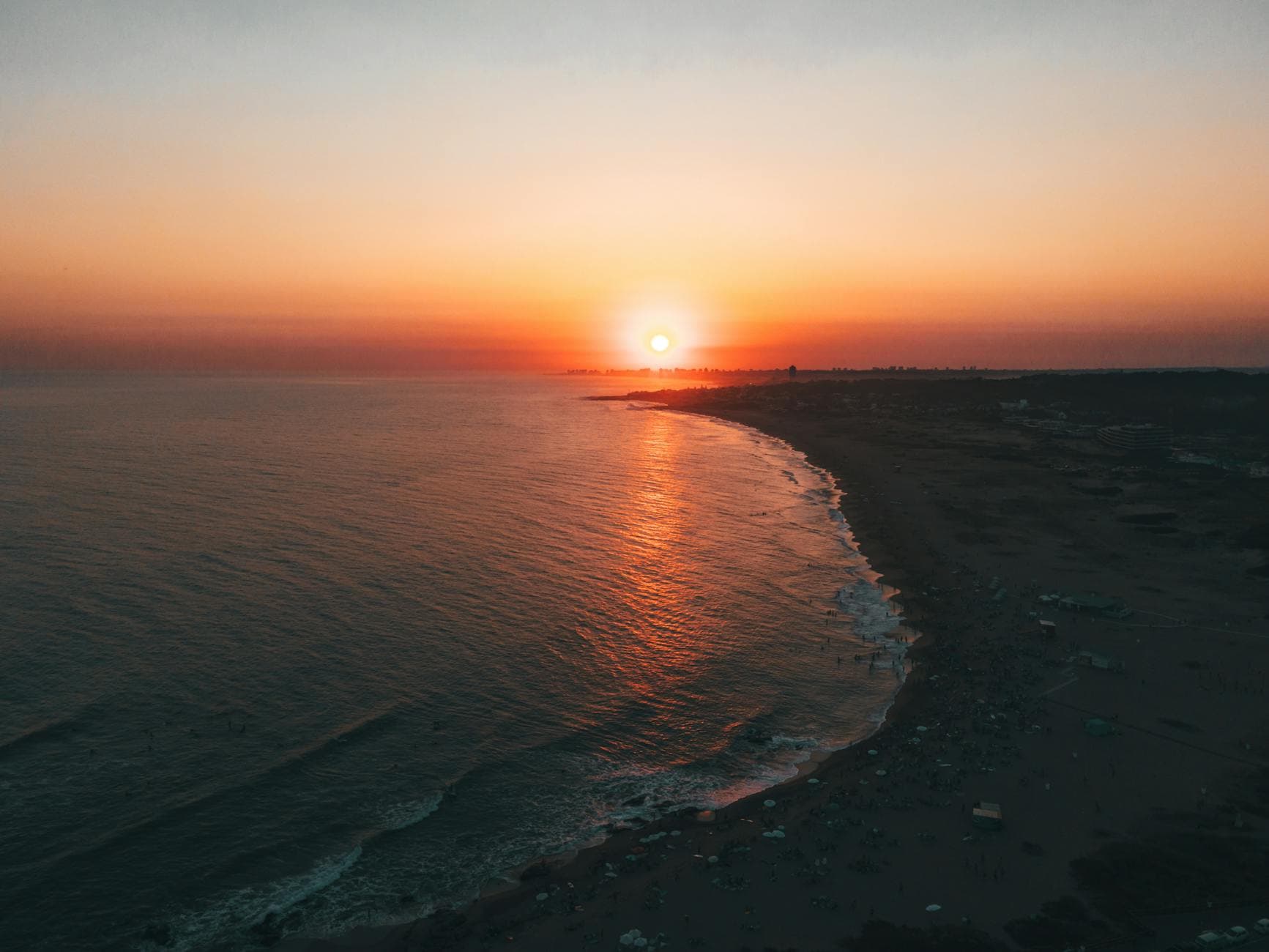
South America's most stable democracy - Atlantic beaches, a 10-year foreign income tax holiday, straightforward residency, and a relaxed, European-influenced quality of life
Monthly Budget (Montevideo)
from $1,500
Single expat, comfortable lifestyle
Rentista Visa Income
$1,500/mo
Passive income requirement for residency
Foreign Income Tax Holiday
10 years
Tax Holiday 2.0 from 1 Jan 2026: 10-yr exemption on foreign-source capital income (dividends, interest, capital gains) under National Budget Law 2025–2029
Exchange Rate
$1 ≈ UYU 39.5
May 2026; peso slightly stronger vs USD vs early 2025
Mutualista Healthcare
$100–200/mo
Comprehensive IAMC private cooperative coverage
Path to Permanent Residency
~3 years
Citizenship after 5 years (3 if married)
Verified August 13, 2026
See 6 more figuresCan you actually move to Uruguay?
We research your nationality, income and timeline against Uruguay's current rules, and tell you whether you qualify and what it actually costs.
Why move to Uruguay?
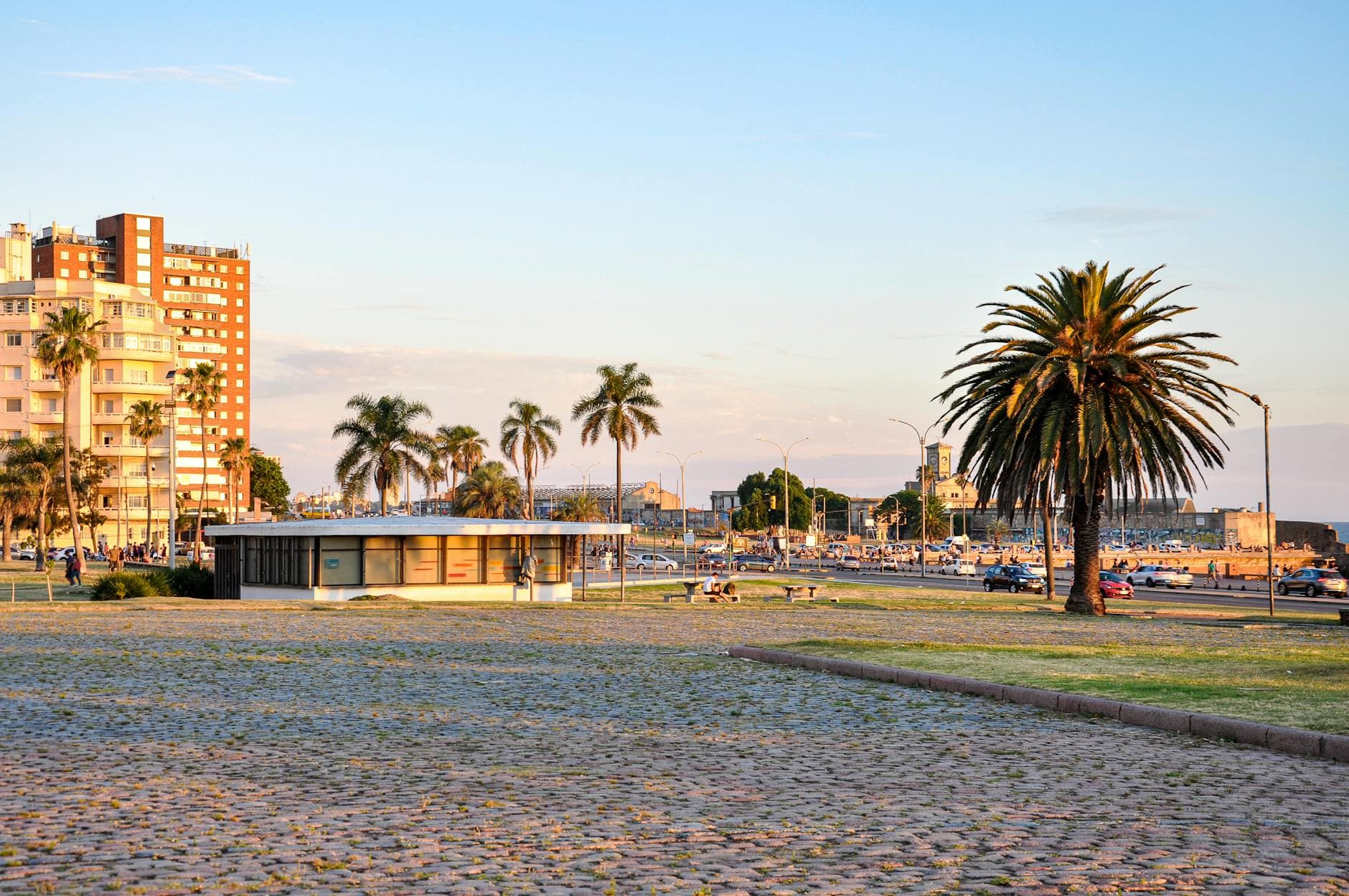
Uruguay punches far above its weight. A country of 3.5 million people wedged between Argentina and Brazil, it consistently tops Latin America's rankings for political stability, press freedom, transparency, and quality of life. Montevideo - the capital, home to 40% of the population - combines a walkable rambla coastline, a thriving food and wine scene, excellent private healthcare, and a well-organized residency system that grants 10 years of zero tax on foreign income. **Tax Holiday 2.0** is in force from 1 Jan 2026: new tax residents can elect a 10-year exemption on foreign-source capital income (dividends, interest, capital gains) under the National Budget Law 2025–2029. The Rentista visa requires roughly $1,500/month in passive income and opens a clear path to permanent residency. Min wage 2026: UYU 24,572/mo (~$622 from 1 Jan 2026), rising to UYU 25,383 by July 2026. A comfortable single-expat life in Montevideo runs $1,500–$2,500/month, with the peso hovering around UYU 39.5 per USD. Beyond the capital, Punta del Este delivers upscale resort living ($2,200-$3,300/mo budget) and Colonia del Sacramento offers colonial charm just one hour by ferry from Buenos Aires. Cannabis is legal, same-sex marriage has been recognized since 2013, and gun culture is minimal - Uruguay is, by any measure, the region's most progressive and liveable nation.
The rest of the Uruguay numbers
The figures that did not fit in the summary above.
| Figure | Detail |
|---|---|
| Holiday Tiers (Orsi reform)$2M RE / 183 days / $100K x 11 | Ley 20.446: RE ≥US$2M OR 183 days/yr OR $100K/yr × 11 yrs into Innovation Fund - 60-day route abolished |
| Post-Holiday Tax12% then 5-yr at 6% | Foreign capital income 12% IRPF after the 11-yr exemption; 5-yr step-down at 6%; existing holders grandfathered |
| IRPF Resident0–36% (8 bands) | 0% up to $U 552,384/yr; 36% top above $U 9,074,880; bands +6.1% inflation index for 2026 |
| Min Wage Path+7.5% by Jul 2026 | UYU 24,572/mo Jan 2026 → UYU 25,383/mo Jul 2026 |
| Jul 2026 Inflation4.27% YoY | Uruguay Jul CPI +0.07% m/m (below 0.16% consensus); annual 4.27% near BCU 4.5% target — strong macro anchor for peso and RE |
| Min-Wage Take-Home~UYU 19,500 net | Full-time employee on UYU 24,572 SMN nets ~UYU 19,500/mo after BPS + FONASA (min-wage earners below IRPF exempt threshold — 0% PIT) |
The Uruguay basics
11 essentials every expat should know - from the practical to the political.
Is Uruguay actually your best option?
This page tells you what Uruguay is like. It cannot tell you whether it beats the four other countries you should be looking at, because that answer changes with your passport. Income thresholds, tax treaties and citizenship timelines are all nationality specific, and the general rule is often not the rule that applies to you.
A Personal Relocation Assessment answers it for your case. You tell us your nationality, income, household and timeline, and we our expert researches it against the law as it stands: which countries you actually qualify for, the route, the current threshold with the instrument it comes from, and what is most likely to go wrong in a position like yours.

Food culture
Asado, chivito, mate, Tannat wine - Montevideo leads Uruguay's gaucho food culture
Explore

Festivals & traditions
Tango, candombe drums, gaucho heritage - Uruguay's Rioplatense cultural soul
Explore
Coast & nature
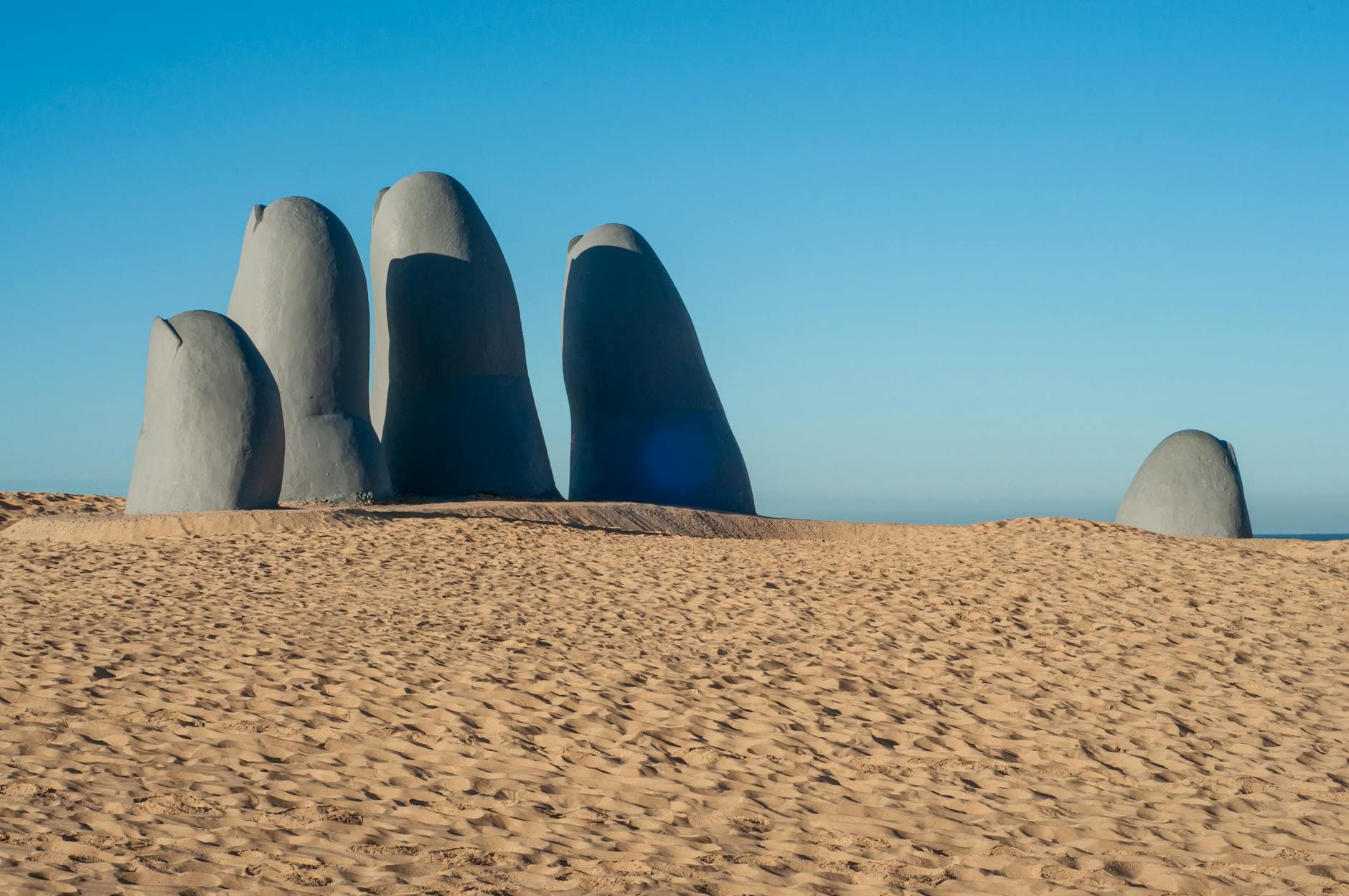
Punta del Este, José Ignacio, Cabo Polonio - Uruguay's glamorous Atlantic coastline
Explore
Heritage & landmarks
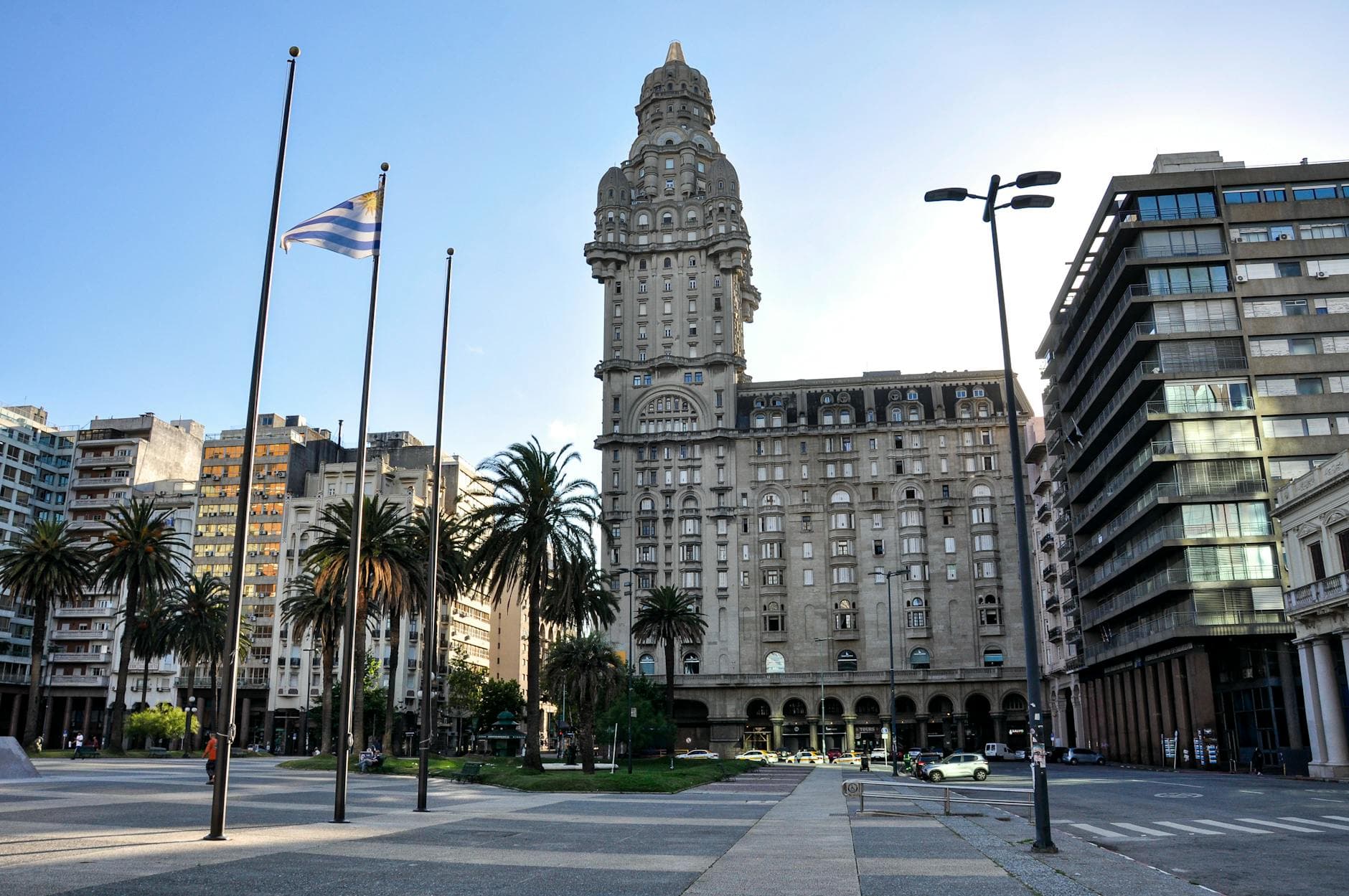
Palacio Salvo, Casapueblo, Colonia del Sacramento - Uruguay's Art Deco and colonial icons
Explore
8 reasons people stay longer than they planned
The pull of Uruguay isn't one big thing - it's a stack of small ones, each compounding the others.
South America's Most Stable Democracy
Uruguay ranks first in Latin America on Transparency International's Corruption Perceptions Index, first in press freedom, and first for rule of law. Its institutions function, its courts are independent, and its bureaucracy - while slow - is honest. For expats investing, purchasing property, or building a business, this predictability is invaluable.
10-Year Foreign Income Tax Holiday
New residents pay zero Uruguayan tax on all foreign-source income - dividends, rental income, capital gains, pension payments, and remote work earnings - for the first 10 years of tax residency. As of January 2026, Uruguay's updated Tax Holiday 2.0 preserves this benefit under the National Budget Law 2025–2029, making it one of the world's most generous tax regimes for incoming expats.
Atlantic Coastline Lifestyle
Montevideo's rambla - a 22-kilometre coastal promenade - is one of South America's great urban spaces. Punta del Este and the Costa de Oro offer world-class beaches, watersports, and resort living within two hours of the capital. Uruguay's Atlantic coast is safe, clean, and uncrowded compared to Brazilian beach cities.
Excellent, Affordable Healthcare
Uruguay's mutualista system (IAMCs) delivers comprehensive hospital-based care with no deductibles or lifetime caps for $100–200/month. The British Hospital in Montevideo is JCI-accredited with English-speaking staff. Life expectancy approaches 78 years and the doctor-to-population ratio exceeds 5 per 1,000 - among Latin America's highest.
Straightforward Residency Process
Uruguay's Rentista visa has no legally fixed minimum but in practice requires demonstrating around $1,500/month in passive income. The process is document-heavy but well-understood, with no income cap, no arbitrary quotas, and clear rules. Permanent residency follows after approximately 3 years of active physical presence; citizenship after 5 years (3 if married to a Uruguayan national).
Progressive Society & Personal Freedoms
Uruguay legalized cannabis in 2013 (the world's first national legalization), same-sex marriage in 2013, and abortion rights in 2012. Gun ownership exists but gun culture is minimal. The country is genuinely tolerant, diverse, and secular - making it one of the most socially comfortable destinations in Latin America for international expats.
Strong Property Rights & Safe Investment Climate
Uruguay allows foreigners to purchase property with the same rights as citizens - no restrictions, no special permits, no residency requirement to buy. Title transfer is straightforward, property records are public, and expropriation risk is essentially nil. The country has never defaulted on sovereign debt in over 60 years.
Gateway Between Argentina & Brazil
Montevideo is one hour by ferry from Buenos Aires and just over an hour by air from São Paulo. Uruguay's central position in the Southern Cone makes it an ideal base for regional travel and business. Punta del Este draws Argentina's elite every summer - keeping the cultural energy and restaurant scene at a high level year-round.
2 cities, 2 different lives
Pick the rhythm that fits - capital buzz, beach mornings, or a slow-living escape.

Montevideo
South America's most liveable capital - rambla coastline, world-class beef, and a progressive expat-friendly culture
$1,500–$2,200 /mo
Retirees, digital nomads, families

Punta del Este
South America's Riviera - Atlantic beaches, upscale year-round living, and an evolving expat hub 2 hours from Montevideo
$2,200–$3,300 /mo
Retirees, beach lovers, seasonal expats
Everything, in plain words
Visa rules, healthcare, schools, taxes - written like a friend would explain it, not like a brochure.
Visa & Residency
Uruguay's residency framework is one of Latin America's most accessible for financially independent expats. The Rentista (independent means) visa, Pensionista visa for retirees, and Investor visa cover the main pathways. Uruguay also operates a Digital Nomad Permit (since 2023) - 180 days extendable to 360 days, ~$11 government fee, no fixed legal income minimum (though $1,500-2,000/mo recommended). Tourist entry allows 90 days visa-free, and residency applications can be lodged from within Uruguay on a tourist stay.
Read 🏥Healthcare
Uruguay's mutualista (IAMC) system delivers comprehensive private hospital-based healthcare with no deductibles and no lifetime caps for $100–200/month. The British Hospital in Montevideo is JCI-accredited with English-speaking staff. Life expectancy is ~78 years, the doctor-to-population ratio exceeds 5 per 1,000, and the public ASSE system provides a universal safety net for all legal residents.
Read 💰Cost of Living
Uruguay offers a uniquely compelling financial proposition: a 10-year exemption on all foreign-source income tax, no capital gains tax, no inheritance tax, and a stable peso that has depreciated gradually rather than catastrophically. A comfortable single-expat life in Montevideo runs $1,500–$2,200/month. Uruguay is not cheap by Latin American standards but delivers excellent value for USD and EUR earners.
Read 🏠Housing
Montevideo's rental market is well-organized and expat-friendly, with furnished apartments abundant in coastal neighborhoods like Pocitos and Punta Carretas. Long-term leases are peso-denominated but often indexed to inflation - USD-denominated leases are common in premium areas. One-bedroom apartments in top expat neighborhoods run $900–1,500/month.
Read 💼Work & Business
Uruguay does not have a digital nomad visa as of 2026, but remote workers earn foreign income that falls entirely within the 10-year tax holiday - making it effectively a zero-tax jurisdiction for remote workers during that period. The local job market is small; most expats work remotely for foreign employers. Uruguay's startup scene (Zonamerica free trade zone, ANDE entrepreneurship agency) attracts tech talent.
Read 🌆Daily Life
Daily life in Uruguay combines European-influenced culture with South American warmth. Montevideo's rambla provides a unique urban-coastal lifestyle; the country's progressive values, minimal gun culture, legal cannabis, and low corruption create a genuinely comfortable daily environment. Safety is high by regional standards, food quality (especially beef and wine) is exceptional, and the pace of life is pleasantly unhurried.
Read ✈️Moving Guide
Moving to Uruguay is logistically accessible for most Western nationalities - arrive visa-free for 90 days, settle in Montevideo's furnished apartment market, and begin your residency application. The main challenge is document-heavy paperwork: apostilled criminal checks, certified translations, and a structured DNM process that takes 6–12 months to complete.
Read 📚Education
Uruguay has the strongest public education system in Latin America, with near-universal literacy and free university education. For expat families, Montevideo offers a growing international school sector with English, bilingual, and IB curricula at $6,000–18,000/year. The Universidad de la República is one of South America's most respected public universities.
Read 🌅Lifestyle
Uruguay's lifestyle combines South America's most peaceful daily environment with genuine beach access, world-class beef and wine culture, and a warmly tolerant society. Montevideo's 22-kilometre rambla is one of the great urban promenades; Punta del Este offers resort-level luxury; the interior's rolling campo (countryside) provides a serene rural alternative. The pace is unhurried, the people are warm, and Uruguay's small size means the entire country is accessible on a weekend.
Read 📈Investing
Everything expats need to know about investing in Uruguay - from property and stocks to tax-efficient strategies, brokerage access, and building wealth abroad.
ReadTools to plan your move to Uruguay
Practical tools to turn an idea into a real plan - pick a season, time your visa, build a budget, even live a day before you go.
Best time to move to Uruguay
Season-by-season - weather, visa timing, rental markets, and expert tips
Montevideo cost of living
Full monthly budget breakdown - rent, food, transport, utilities
Country match quiz
Eight quick questions, AI-matched country shortlist for your lifestyle
Visa finder
Search visa options by nationality, budget, and stay length
A day in Uruguay
Live a perfect day with AI - real cafés, costs, and routes
Relocation plan
Step-by-step AI moving timeline tailored to your situation
Uruguay vs the rest
See how Uruguay stacks up against other popular expat destinations.
Where Uruguay ranks
See where Uruguay sits in our independent expat rankings - cost, safety, healthcare, and more.
Cheapest Countries for Expats
Ranked list of the most affordable countries for expats in 2026. Monthly budget, cost of living, internet speed, and city guides for each destination.
Countries Under $1,500/Month Cost of Living
Complete list of countries where a single expat can live comfortably on under $1,500 per month. Budget breakdowns, internet speeds, and city guides included.
Countries Where $2,000/Month Is Enough
All countries where a single expat can live well on $2,000 per month or less. Ranked by cost of living with budget details, internet, and English proficiency.
Best Countries for Remote Workers
Top countries for remote workers ranked by internet speed, cost of living, and English proficiency. Find your ideal work-from-anywhere destination in 2026.
Countries With the Fastest Internet
Ranked list of countries with the fastest broadband internet speeds for expats. Average Mbps, cost of living, and city guides for each destination.
Best Countries for Retirement Abroad
Warm-climate countries where one person can live on $2,500/month, ranked safest first by Global Peace Index. Portugal leads, then Malaysia and the Maldives. 2026.
Honest answers
The questions everyone asks before they pack a single box.
How much does it cost to live in Uruguay as an expat?
What visa do I need to move to Uruguay?
What is healthcare like in Uruguay for expats?
What are the best cities to live in Uruguay as an expat?
Is Uruguay a good place to live as an expat in 2026?
Personal Relocation Assessment
Can you actually move to Uruguay?
This page is general. Your case is not. Our relocation expert researches your nationality, income and timeline against the law as it stands, names the instrument behind every figure, and tells you where you actually qualify.
Get my assessmentExpat Insights, weekly
Visa updates, cost-of-living shifts, and real expat stories from Uruguay - straight to your inbox.
Which country is right for you?
Answer 6 quick questions about your budget, lifestyle, and priorities. Our AI ranks 122 countries and builds a personalised relocation plan.