
Western Europe
Central & Eastern Europe
Asia & Middle East
Americas
Oceania & Africa
Expat Topics
🏖️ Living in Uruguay · 2026
Punta del Este.
South America's Riviera - Atlantic beaches, upscale year-round living, and an evolving expat hub 2 hours from Montevideo
Best For
Retirees, beach lovers, seasonal expats
English Level
Moderate
Population
~15,000 permanent / 500,000+ high season
Verified August 13, 2026
Can you actually move to Punta del Este?
We research your nationality, income and timeline against the law as it stands, and tell you whether Punta del Este works and what it takes.
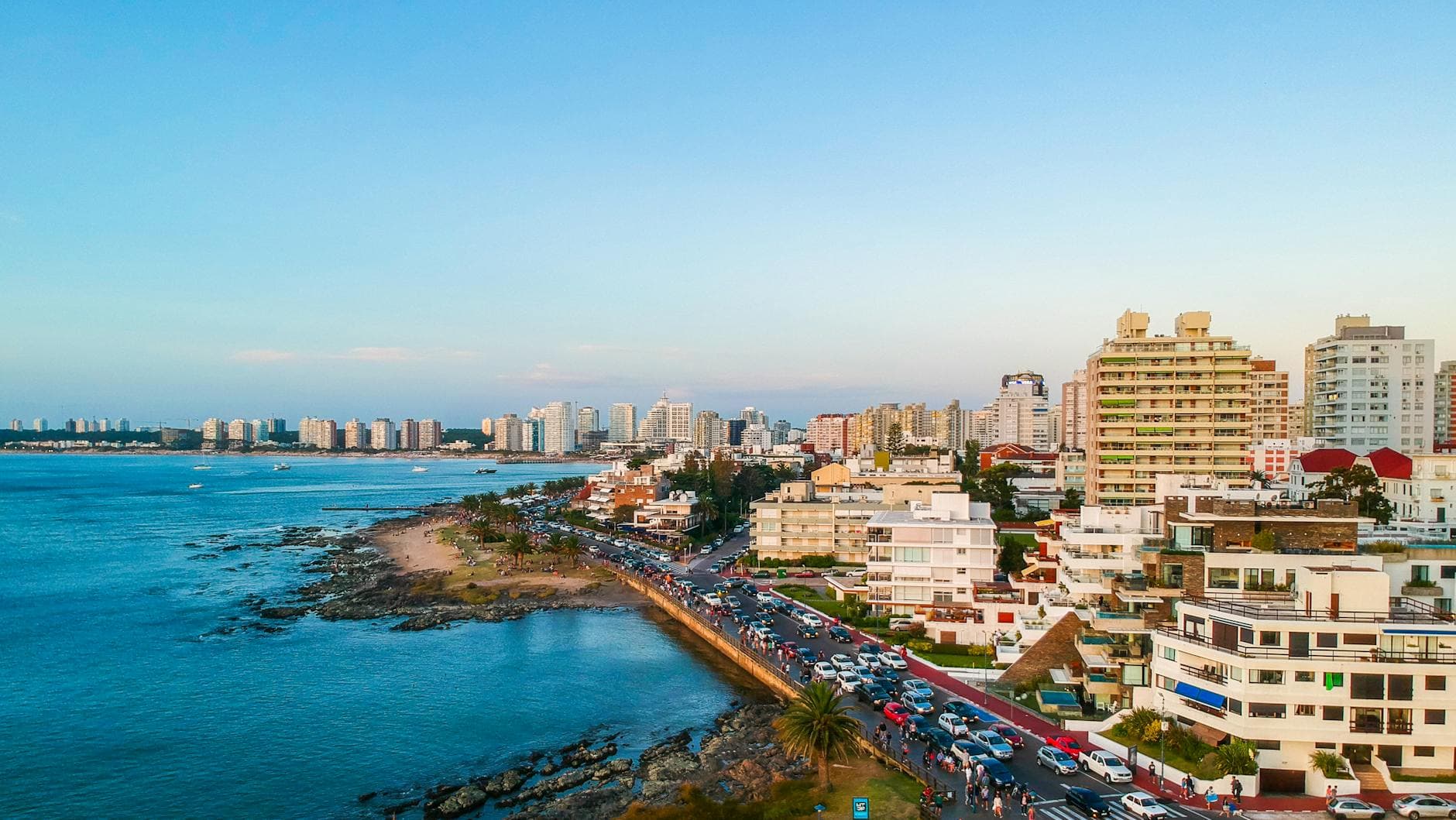
The Punta del Este you’ll actually live in
Punta del Este occupies a narrow Atlantic peninsula 130km east of Montevideo, historically famous as South America's most glamorous summer resort but increasingly established as a serious year-round expat destination. The city divides between Playa Mansa (calm bay, families, watersports) and Playa Brava (Atlantic waves, surfers) flanking the central peninsula. Winter brings a quieter, more authentic quality of life - excellent restaurants, coworking spaces, and healthcare year-round - at 30–50% lower rents than the summer peak. Bodega Garzón (world-class Tannat winery) and Chef Francis Mallmann's Restaurant Garzón are nearby; José Ignacio, the world's most understatedly chic beach village, is 25 minutes away. For expats who want beach lifestyle, world-class food and wine, and a relaxed Riviera pace at $2,200–$3,300/month, Punta del Este is one of South America's most compelling destinations.
The Punta del Este basics
The full picture - 8 key numbers covering budget, internet, English level, beach access, and airport reach.
Best For
Retirees, beach lovers, seasonal expats
English Level
Moderate
Monthly Budget
$2,200–$3,300
1-BR Rent (year-round)
$800–$1,200/mo
Climate
Temperate Atlantic - 28°C summer, 12°C winter min
Best Expat Areas
Peninsula, Roosevelt, Cantegril, Aidy Grill
Internet Speed
~145 Mbps (ANTEL fiber)
Distance to Montevideo
130km - 2 hrs by car or bus
Is Punta del Este actually your best option?
This page tells you what Punta del Este is like. It cannot tell you whether it beats the four other countries you should be looking at, because that answer changes with your passport. Income thresholds, tax treaties and citizenship timelines are all nationality specific, and the general rule is often not the rule that applies to you.
A Personal Relocation Assessment answers it for your case. You tell us your nationality, income, household and timeline, and we our expert researches it against the law as it stands: which countries you actually qualify for, the route, the current threshold with the instrument it comes from, and what is most likely to go wrong in a position like yours.

Food culture
Fresh Atlantic seafood, parrilla, port fish market - Punta's glamorous seaside dining
Explore

Green spaces
José Ignacio beaches + Garzón lagoon - Punta del Este's wild and windswept coast
Explore
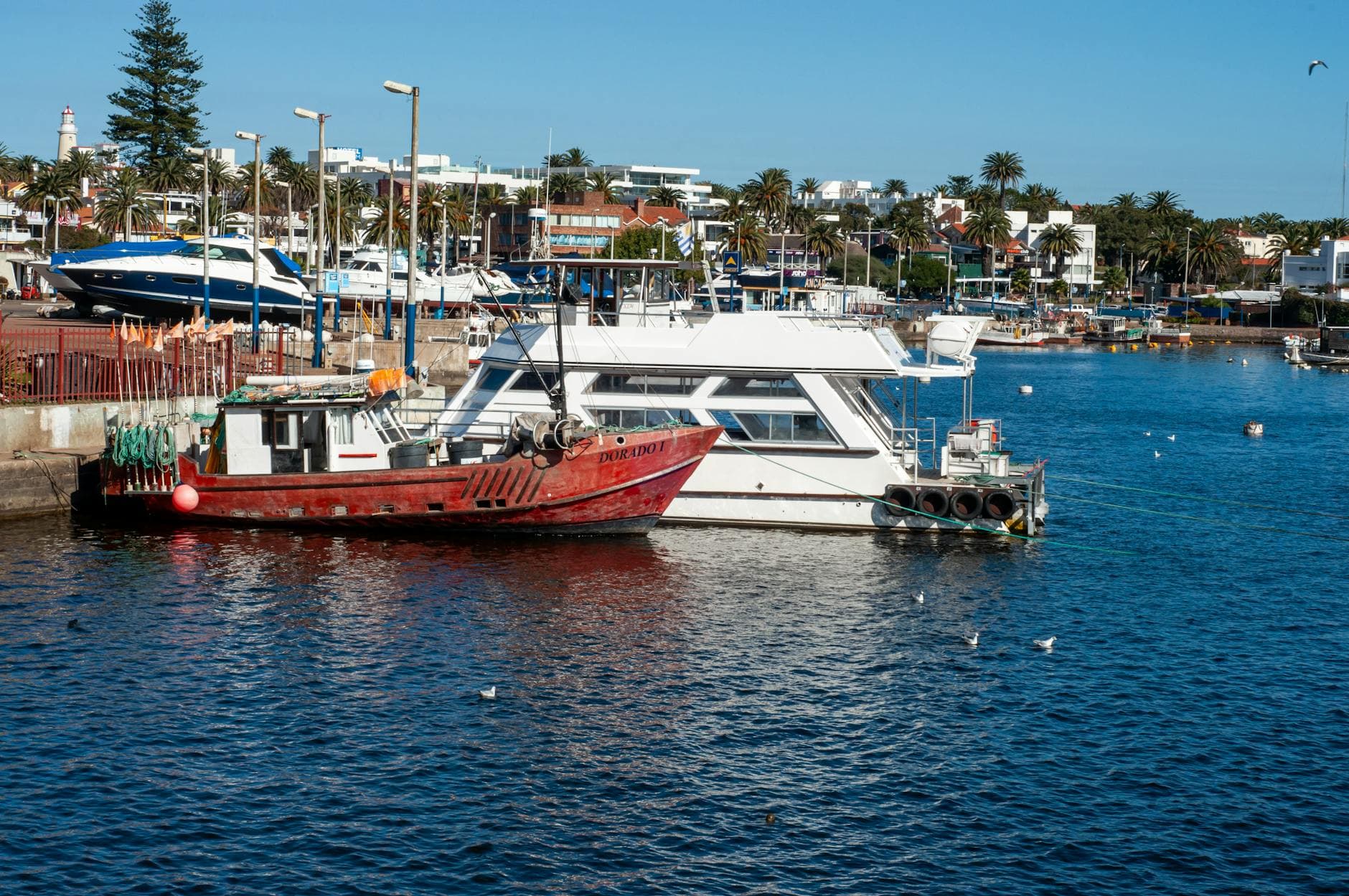
Markets
Port fish market + Feria de los Artesanos - Punta's fresh catch and weekend craft fair
Explore
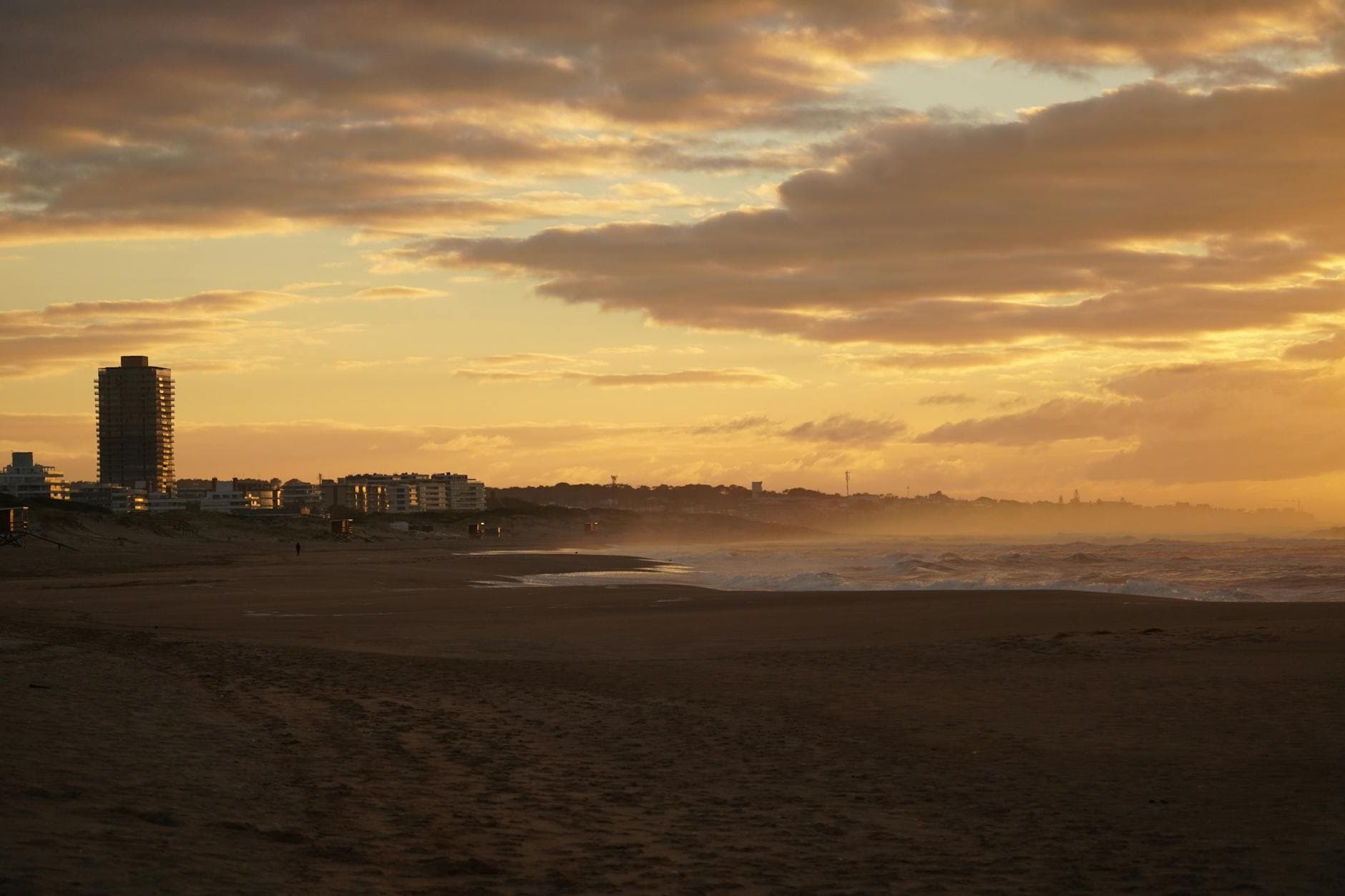
Nightlife
La Barra + Peninsula rooftops - Punta del Este's summer club and cocktail scene
Explore
What a month actually costs
No padding, no underestimates. Real expat numbers - central neighborhood, comfortable lifestyle, eating out a few times a week.
All-in monthly
$2,200–3,300
Single expat, comfortable lifestyle, central area.
Full breakdown
1BR Apartment (year-round lease, off-season)
$800–1,200
2BR Apartment (Cantegril or Roosevelt)
$1,200–1,800
Groceries (home cooking)
$300–450
Dining out (mid-range)
Excellent restaurants year-round
$250–450
Transport (car recommended)
Car ownership common; limited public transit
$200–400
Utilities (electricity + water)
$100–180
Internet (ANTEL fiber)
$35–55
Mutualista healthcare (IAMC)
$100–200
Activities + beach + leisure
$100–200
Total (comfortable)
Single expat; car recommended
$2,200–3,300
Where to actually live
4 neighborhoods, 4 different versions of Punta del Este.

La Península
The original Punta del Este core - densely walkable with constant foot traffic, restaurants on every block, yacht club views, and the most urban feel of any Punta del Este area; vibrant year-round
Best for: Expats wanting walkable year-round living with restaurant access and the full Punta del Este social scene; car not required in this zone
Rent UYU 50,000–80,000/month (~$1,200–$1,950)

Roosevelt & Aidy Grill
Established residential neighborhoods behind the Mansa beach - quiet, tree-lined streets, year-round services, Argentine and Uruguayan upper-middle-class families; most practical for long-term living
Best for: Families, long-term residents, and professionals wanting a genuine residential feel with good schools and services within easy reach
Rent UYU 35,000–60,000/month (~$850–$1,450)

Cantegril & San Rafael
Golf course community with large houses, gated complexes, and manicured streets - the most exclusive year-round residential addresses; ultra-quiet off-season
Best for: Upscale retirees, families with children, golfers, and those wanting maximum privacy and space at the higher end of the Punta del Este market
Rent UYU 80,000–160,000/month (~$1,950–$3,900)
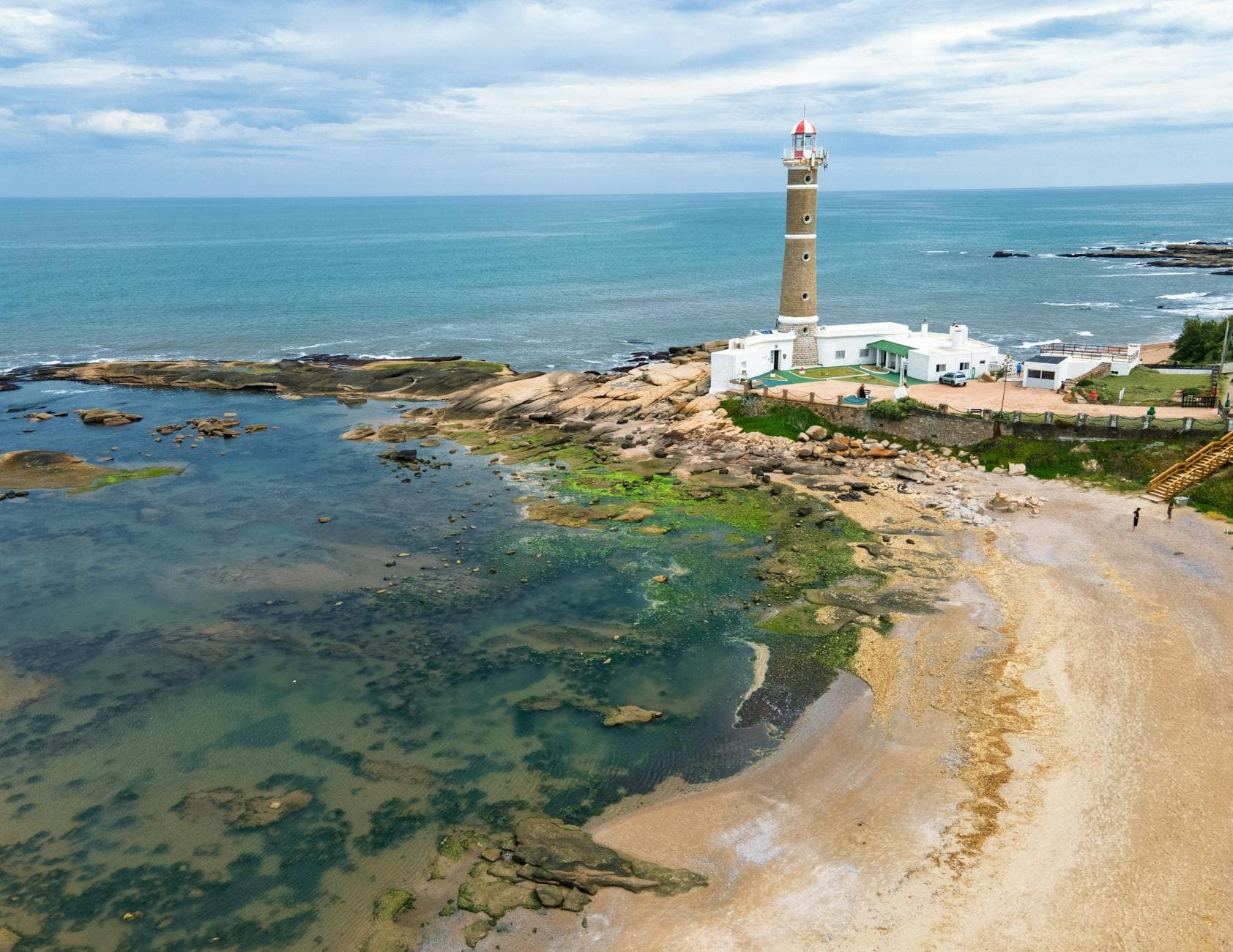
José Ignacio (village, 25 min east)
The world's most understatedly chic beach village - no traffic lights, whitewashed houses, world-class restaurants, and a winter silence that borders on magical; Bodega Garzón is 15 minutes inland
Best for: Luxury lifestyle seekers, creative professionals, wine enthusiasts, and anyone wanting the Hamptons experience without the crowds - at serious high-end prices
Rent UYU 100,000–250,000/month (~$2,450–$6,100) - highly seasonal
The truth about Punta del Este
The bits the brochures skip - what expats love, and what tests their patience.
What you’ll love
- 01World-class Atlantic beaches - Playa Brava and Playa Mansa immediately accessible; some of South America's best surf at Playa Brava
- 02Bodega Garzón and José Ignacio nearby - world-class wine and fine dining on your doorstep
- 03Significantly safer than virtually any comparable beach resort in Brazil or Argentina
- 04Off-season (March–November) offers authentic quiet living at 30–50% lower rents with full services
- 05Excellent infrastructure for its size - hospitals, international schools, and coworking year-round (post-2022)
- 06Internations and digital nomad communities are active - social isolation is not the issue it was pre-2020
What might bug you
- 01Expensive by Uruguay standards - particularly in high season (Dec–Feb) when rents can double or triple on short-term leases
- 02Car is practically necessary for daily life in most neighborhoods outside La Península
- 03Winter quiet can feel isolating for those who depend on urban buzz - the city's permanent population of ~15,000 feels small from April–November
- 04Public transport is limited - bus connections to Montevideo exist but are infrequent; a car or a good relationship with rideshares is essential
- 05Healthcare, while improved, is less comprehensive than Montevideo - Asociación Española has a branch here, but the British Hospital requires the 2-hour drive
- 06High-season noise and traffic in the Peninsula can be intense in January–February
Where to plug in
Hand-picked coworking spaces - premium business addresses, community hubs, and budget-friendly options.
Punta del Este Coworking (La Península)
Central Peninsula location; hot desks and private offices; fast fiber Wi-Fi; 3D printer and meeting rooms on-site; most established coworking in the city
WorkHouse Punta del Este
Relaxed coworking near Mansa beach; popular with digital nomads and seasonal remote workers; flexible membership; good community vibe
Café Bacacay (informal coworking)
Café in the Peninsula with fast Wi-Fi and all-day welcome policy; the budget option for lighter workloads and solo remote sessions
How Punta del Este moves
Metro, buses, walkability - what works, what to avoid, and how much you'll actually spend.
- 01
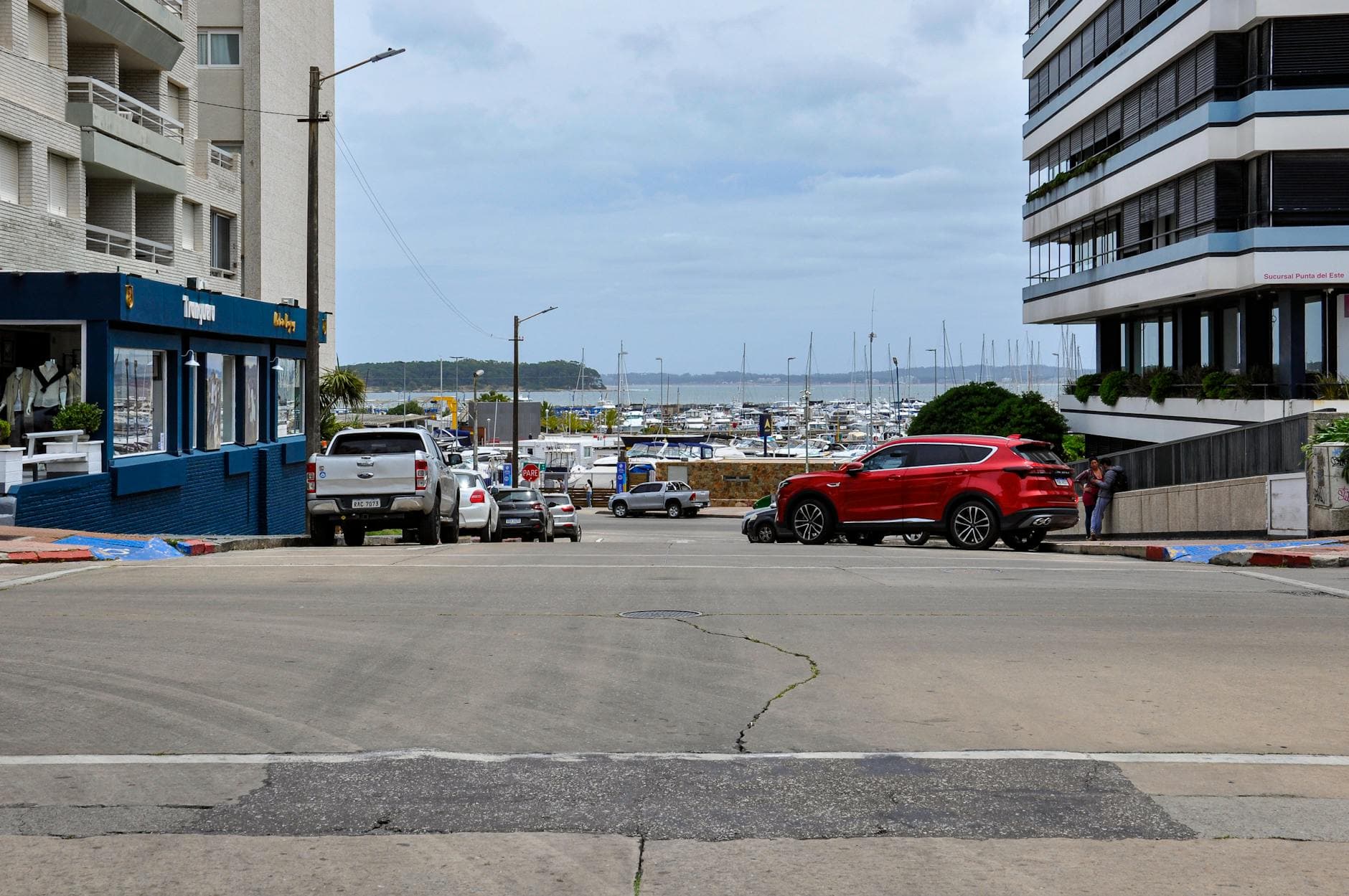
Car: strongly recommended for year-round living outside the Peninsula - Punta del Este's geography spreads across multiple neighborhoods; car rental from $40/day at Carrasco airport or Punta del Este agencies
- 02
Buses (COT, Cynsa): regular departures to and from Montevideo (~2 hours, UYU 450–600/$11–15); local bus service within Punta del Este is limited and infrequent
- 03
Uber/Remís: Uber operates in Punta del Este; local remís (registered radio taxis) available by phone for areas with limited Uber coverage
- 04
Bicycle: flat terrain makes cycling practical in the Peninsula and along Mansa beach; bike rentals available from November–March; less practical off-season
- 05
Ferry connection: no direct ferry - Montevideo is the ferry hub for Buenos Aires; drive or bus to Montevideo for Buquebus departures
Key takeaways
If you only remember five things about Punta del Este, make it these.
Budget
$2,200–3,300/mo
Where to live
La Península, Roosevelt & Aidy Grill, Cantegril & San Rafael
Top advantage
World-class Atlantic beaches - Playa Brava and Playa Mansa immediately accessible; some of South America's best surf at Playa Brava
Watch out
Expensive by Uruguay standards - particularly in high season (Dec–Feb) when rents can double or triple on short-term leases
Remote work
3+ coworking spaces, from $120/mo
More on Uruguay
Drill into the country-level guides - visa rules, healthcare, schools, taxes, and more.
Tools to plan your move to Punta del Este
Practical tools to turn an idea into a real plan - pick a season, time your visa, build a budget, even live a day before you go.
Punta del Este cost of living
Full monthly budget breakdown - rent, food, transport, utilities
Best time to move to Uruguay
Season-by-season - weather, visa timing, rental markets
Country match quiz
Eight quick questions, AI-matched country shortlist
Visa finder
Search visa options by nationality, budget, and stay length
A day in Punta del Este
Live a perfect day with AI - real cafés, costs, and routes
Relocation plan
Step-by-step AI moving timeline tailored to you
City rankings
See where Punta del Este sits in our independent expat city rankings.
Cheapest Cities for Digital Nomads
Ranked list of the most affordable cities for digital nomads in 2026. Budget, internet speed, English level, and coworking info for each city.
Cities With the Fastest Internet
Ranked list of cities with the fastest broadband internet for remote workers and digital nomads. Speed, cost of living, and English level for each city.
Best Cities for English Speakers
Cities where English is widely spoken - ranked by cost of living. Perfect for expats who want to settle abroad without a language barrier.
Most Affordable Cities in Europe
Cheapest European cities for expats ranked by monthly cost of living. Budget breakdowns, internet speeds, and English levels for each city.
Best Cities in Southeast Asia for Expats
Top cities in Southeast Asia for expats and digital nomads. Ranked by budget with internet speed, English level, and lifestyle highlights.
Best Cities in Latin America for Expats
Top Latin American cities for expats and digital nomads. Ranked by budget with internet speed, English level, and lifestyle highlights.
Also in Uruguay
1 other cities worth a look - each with its own rhythm, costs, and character.

Common questions
Honest answers about life in Punta del Este.
How much does it cost to live in Punta del Este per month?
What are the best neighborhoods in Punta del Este for expats?
Is Punta del Este good for digital nomads?
What are the pros and cons of living in Punta del Este?
How do you get around in Punta del Este?
Can you actually move to Punta del Este?
Everything above is general. This is not. Our relocation expert researches your nationality, income, household and timeline against the law as it stands today, names the instrument behind every figure, and tells you where you actually qualify.
What you’ll get
Where you qualify
Routes open to your passport, today
The real numbers
Current thresholds, fees and timelines
The paperwork
What you must prove, and how
What goes wrong
The three risks for a case like yours
Sources named
Every figure traced to its instrument
Written by an expert. Delivered in 3 working days.
Is Punta del Este right for you?
Eight quick questions, an AI-matched shortlist of countries and cities for your budget and lifestyle.
Take the free quizExpat Insights, weekly
Cost-of-living shifts, visa updates, real expat stories from Punta del Este and beyond.