Western Europe
Central & Eastern Europe
Asia & Middle East
Americas
Oceania & Africa
Expat Topics
Copenhagen
Denmark · 794,000 city (1.3M metro)
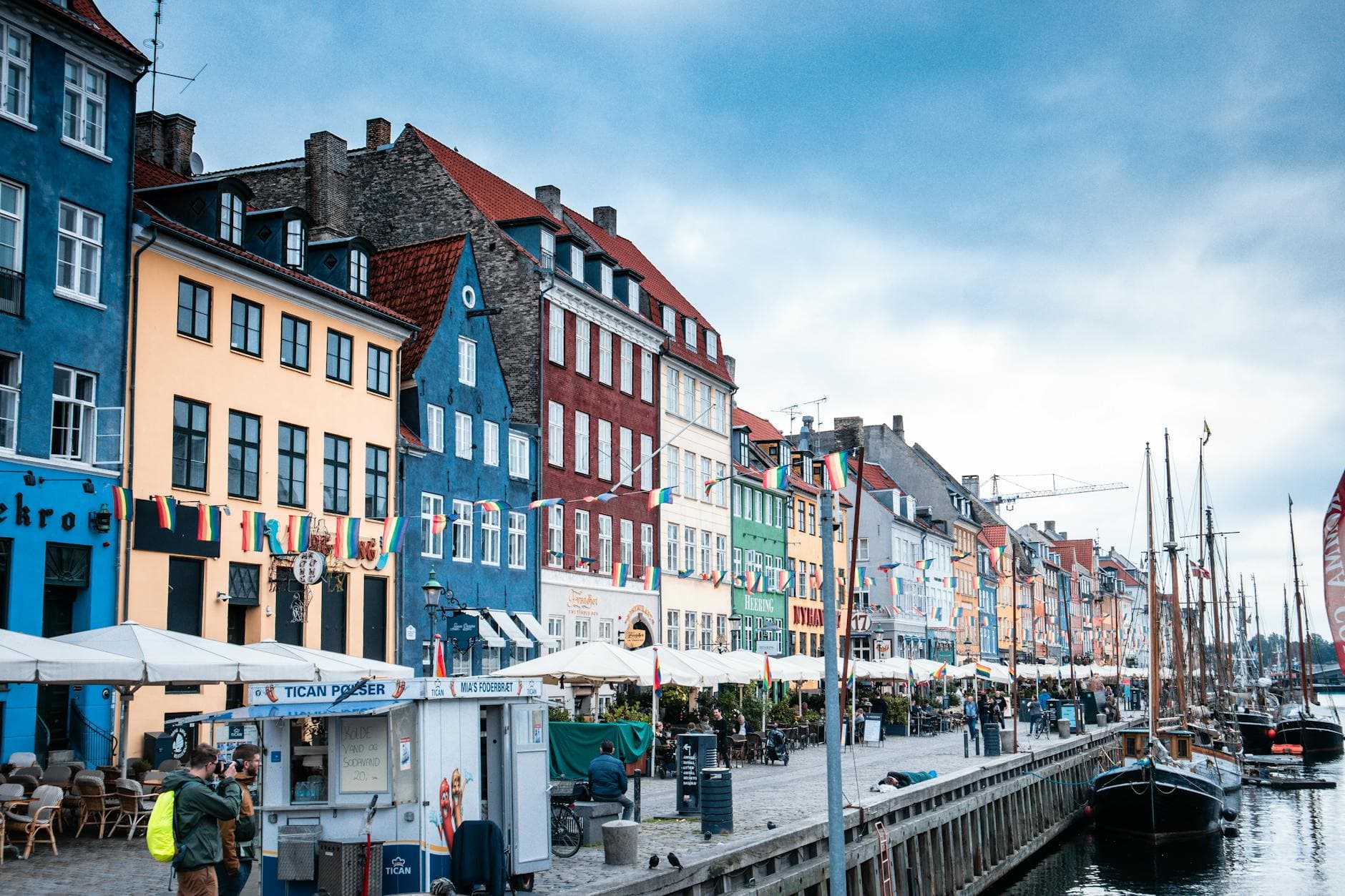
Europe's most liveable capital - Nyhavn canals, world-class design, a booming tech scene, and 390 km of cycle lanes
Data verified August 13, 2026
Last updated September 2026
Tech, pharma, finance, design, and maritime professionals
Best For
DKK 22,000–35,000 (~€2,950–€4,700)
Monthly Budget
DKK 12,000–18,000/mo (~€1,600–€2,400)
1-BR Center Rent
DKK 45,000–75,000/mo gross
Avg. Tech Salary
200+ Mbps avg; widespread fibre
Internet Speed
Excellent - near-universal among working-age adults
English Level
CPH (Kastrup) - 14 min by metro; 150+ direct routes
Airport
Can you actually move to Copenhagen?
We research your nationality, income and timeline against the law as it stands, and tell you whether Copenhagen works and what it takes.
Copenhagen is consistently ranked Europe's most liveable city - and once you live here, it is easy to understand why. The Danish capital combines stunning architecture (from baroque palaces to Bjarke Ingels's latest marvel), a Michelin-dense culinary scene, a thriving tech and life sciences ecosystem, and a cycling culture so embedded it defines the city's identity. Housing is expensive and the rental market is tight, but salaries in pharma, tech, shipping, and finance are commensurate. The city is compact and supremely walkable - most of its neighbourhoods are within 20 minutes of the centre by bike. International companies including Novo Nordisk, Maersk, Carlsberg, and a growing number of tech scale-ups make Copenhagen one of Europe's strongest job markets for skilled expats.
DKK 22,000–35,000
Monthly Budget
DKK 12,000–18,000
1-BR Rent
6
Neighborhoods
5+
Coworking Spaces
💰 Monthly Budget in Copenhagen
| Expense | Monthly Cost |
|---|---|
| Rent (1-BR, city center) | DKK 12,000–18,000 |
| Rent (1-BR, outside center) | DKK 8,500–13,000 |
| Groceries | DKK 2,500–3,800 |
| Rejsekort / monthly transport pass | DKK 430–540 |
| Utilities (electricity, internet) | DKK 1,000–2,000 |
| Dining out (2–3×/week) | DKK 2,000–3,500 |
| Entertainment & fitness | DKK 1,200–2,200 |
| Total (comfortable, central Copenhagen) | DKK 22,000–35,000 |
Best Neighborhoods in Copenhagen
Where expats actually live - with honest assessments of vibe, cost, and who each area suits.
Vesterbro
Higher-endOnce a red-light district, now Copenhagen's most vibrant gentrified quarter. The Kødbyen (Meatpacking District) is the city's culinary and nightlife epicentre - craft breweries, award-winning restaurants, gallery spaces, and late-night bars. Young, creative, and unapologetically cool.
Best for: Young professionals, creatives, and expats who want Copenhagen's best social scene within cycling distance of the centre.
View full neighborhood guide →
Nørrebro
Mid-rangeCopenhagen's most diverse and densely populated neighbourhood - Turkish barbershops beside Danish design boutiques, ramen joints next to organic bakeries, and a thriving café culture around Sankt Hans Torv and the lakes. Energetic, multicultural, and genuinely lived-in.
Best for: Budget-conscious expats, digital nomads, and anyone who wants cultural diversity and central access without paying Østerbro premiums.
View full neighborhood guide →
Østerbro
Higher-endCopenhagen's polished, upscale residential quarter north of the centre. Wide tree-lined boulevards, independent boutiques on Østerbrogade, excellent parks and playgrounds, and a calm family-friendly atmosphere. The Copenhagen International School is nearby in Nordhavn.
Best for: Expat families, corporate transferees, and professionals who want safety, space, and excellent amenities - and are willing to pay for them.
View full neighborhood guide →
Frederiksberg
LuxuryAn independent municipality entirely surrounded by Copenhagen, Frederiksberg is stately, green, and elegant. Wide boulevards, the Frederiksberg Gardens, Copenhagen Zoo, and some of Denmark's priciest real estate. Quiet and refined - the city's most sought-after address for families.
Best for: Senior executives, diplomats, and expat families who want Copenhagen's most prestigious address, excellent schools, and abundant green space.
View full neighborhood guide →
Nordhavn
LuxuryCopenhagen's newest district - a former industrial harbour transformed into a stunning modern urban quarter with waterfront living, sustainable architecture, the M4 metro line, and a growing expat community. Polished, international, and increasingly popular.
Best for: International professionals and couples who want new-build apartments, harbour views, and direct metro access to the airport and city centre.
View full neighborhood guide →
Amager / Islands Brygge
Mid-rangeIslands Brygge is Copenhagen's hippest affordable waterfront neighbourhood - a beloved harbour bath, independent cafés, and a relaxed vibe. Amager Øst and Sundby offer a more genuinely local feel with lower rents and good S-train connections.
Best for: Budget-conscious expats who want waterfront access and a local neighbourhood feel at prices significantly below the city centre.
View full neighborhood guide →
Pros & Cons of Living in Copenhagen
What Expats Love
- Ranked Europe's most liveable capital - consistently top-3 globally for quality of life
- 390+ km of cycle paths; 62% of residents commute by bike - cheapest and fastest way to get around
- World-class food scene: more Michelin stars per capita than almost any other city in Europe; Noma put Copenhagen on the global map
- CPH Airport 14 minutes by metro - one of Europe's best-connected hubs with 150+ direct routes
- Novo Nordisk, Maersk, Carlsberg, and a fast-growing tech ecosystem make it one of Europe's strongest expat job markets
- Universal healthcare and free education for resident children - exceptional quality of life for families
- Extremely safe: Frederiksberg, Østerbro, and Nordhavn rank among Europe's safest urban neighbourhoods
Watch Out For
- Very high cost of living - 1-BR rent DKK 12,000–18,000/mo; dining out for two easily DKK 500–900
- Danish housing market extremely competitive: vacancy ~1–2%; affordable listings rent within hours
- Top marginal income tax exceeds 60% in 2026 - take-home pay significantly lower than gross salary suggests
- Grey, damp winters with limited daylight from November to February - Seasonal Affective Disorder is real
- CPR number required for almost everything - can take weeks after arrival to complete registration
- Danish language is notoriously difficult; long-term integration and career progression benefit significantly from learning it
Coworking Spaces in Copenhagen
Best options for remote workers, digital nomads, and freelancers.
Rainmaking Loft Copenhagen
Flagship startup hub at the old Copenhagen docks; strong tech and investor community; multiple flexible membership tiers
SOHO Copenhagen
Design-led coworking in Vesterbro; lounge access, meeting rooms, and strong creative community; popular with digital nomads
Republikken
Creative coworking space near Vesterbro; focus on sustainability and social innovation; café on site
Copenhagen Fintech Hub
Specialist hub for fintech professionals and startups; strong networking events and investor access; application required for membership
Impact Hub Copenhagen
Purpose-driven coworking in the city centre; global Impact Hub network; popular with sustainability and social-impact professionals
Getting Around Copenhagen
- 1Metro (M1/M2/M3 Cityringen/M4 Orientkilen): 4 lines; runs 24 hours daily - one of Europe's few 24/7 metros; DKK 26 per journey or monthly pass from DKK 430
- 2S-Tog (S-train): 7 commuter rail lines linking the city to suburbs and greater Copenhagen region
- 3Rejsekort: smartcard covering all metro, S-train, and bus travel; cheaper than buying single tickets
- 4Cycling: 390 km of dedicated cycle tracks; Copenhagen City Bikes (Bycyklen) e-bikes available from DKK 30/hr; the fastest and most common way to get around the city
- 5Buses: comprehensive network filling metro gaps; many routes run 24/7 at reduced frequency
- 6Harbour buses: scenic commuter ferries across the harbour - covered by standard transport pass
- 7Copenhagen Airport (CPH): metro M2 direct from Nørreport in 14 minutes; serves 150+ direct international routes
- 8Taxis / Bolt / Uber: widely available; typical cross-city fare DKK 130–250
Copenhagen Cost of Living
Full monthly budget breakdown - rent, food, transport & lifestyle costs
Best Time to Move to Denmark
Season-by-season guide - weather, visa timing & rental market tips
Copenhagen Expat Guides by Topic
Compare Copenhagen with Other Cities
City Rankings
Cheapest Cities for Digital Nomads
Ranked list of the most affordable cities for digital nomads in 2026. Budget, internet speed, English level, and coworking info for each city.
Cities With the Fastest Internet
Ranked list of cities with the fastest broadband internet for remote workers and digital nomads. Speed, cost of living, and English level for each city.
Best Cities for English Speakers
Cities where English is widely spoken - ranked by cost of living. Perfect for expats who want to settle abroad without a language barrier.
Most Affordable Cities in Europe
Cheapest European cities for expats ranked by monthly cost of living. Budget breakdowns, internet speeds, and English levels for each city.
Best Cities in Southeast Asia for Expats
Top cities in Southeast Asia for expats and digital nomads. Ranked by budget with internet speed, English level, and lifestyle highlights.
Best Cities in Latin America for Expats
Top Latin American cities for expats and digital nomads. Ranked by budget with internet speed, English level, and lifestyle highlights.
Also Explore in Denmark
Key Takeaways: Living in Copenhagen
- 1Budget: A comfortable lifestyle costs DKK 22,000–35,000/month, with 1-BR rent from DKK 12,000–18,000.
- 2Best areas: Vesterbro, Nørrebro, Østerbro are the most popular neighborhoods for expats.
- 3Top advantage: Ranked Europe's most liveable capital - consistently top-3 globally for quality of life
- 4Watch out: Very high cost of living - 1-BR rent DKK 12,000–18,000/mo; dining out for two easily DKK 500–900
- 5Remote work: 5+ coworking spaces available, from DKK 2,400/mo.
Frequently Asked Questions About Living in Copenhagen
How much does it cost to live in Copenhagen per month?
A comfortable monthly budget in Copenhagen is DKK 22,000–35,000. This includes rent, groceries, transport, utilities, dining out, and entertainment. One-bedroom apartments in the city center rent for DKK 12,000–18,000/month.
What are the best neighborhoods in Copenhagen for expats?
The most popular neighborhoods for expats in Copenhagen are Vesterbro, Nørrebro, Østerbro. Vesterbro is known for: Once a red-light district, now Copenhagen's most vibrant gentrified quarter. The Kødbyen (Meatpacking District) is the c
Is Copenhagen good for digital nomads?
Ranked Europe's most liveable capital - consistently top-3 globally for quality of life There are 5+ coworking spaces, with monthly memberships from DKK 2,800/mo/month.
What are the pros and cons of living in Copenhagen?
Key advantages: Ranked Europe's most liveable capital - consistently top-3 globally for quality of life. 390+ km of cycle paths; 62% of residents commute by bike - cheapest and fastest way to get around. Main drawbacks: Very high cost of living - 1-BR rent DKK 12,000–18,000/mo; dining out for two easily DKK 500–900. Danish housing market extremely competitive: vacancy ~1–2%; affordable listings rent within hours.
How do you get around in Copenhagen?
Metro (M1/M2/M3 Cityringen/M4 Orientkilen): 4 lines; runs 24 hours daily - one of Europe's few 24/7 metros; DKK 26 per journey or monthly pass from DKK 430 S-Tog (S-train): 7 commuter rail lines linking the city to suburbs and greater Copenhagen region Rejsekort: smartcard covering all metro, S-train, and bus travel; cheaper than buying single tickets
Live a day in Copenhagen before you move
Our AI simulates your perfect day - real cafes, actual costs in local currency, mapped routes on Google Maps, and insider tips. Hour by hour, personalized to you.
Is Copenhagen right for you?
Answer a few quick questions and our AI matches you with the best countries and cities for your lifestyle, budget, and priorities.
Take the Free QuizExpat Insights, Weekly
Visa updates, cost-of-living data, and real expat stories from Copenhagen and beyond.