🌆

🇩🇰 Denmark

Daily Life

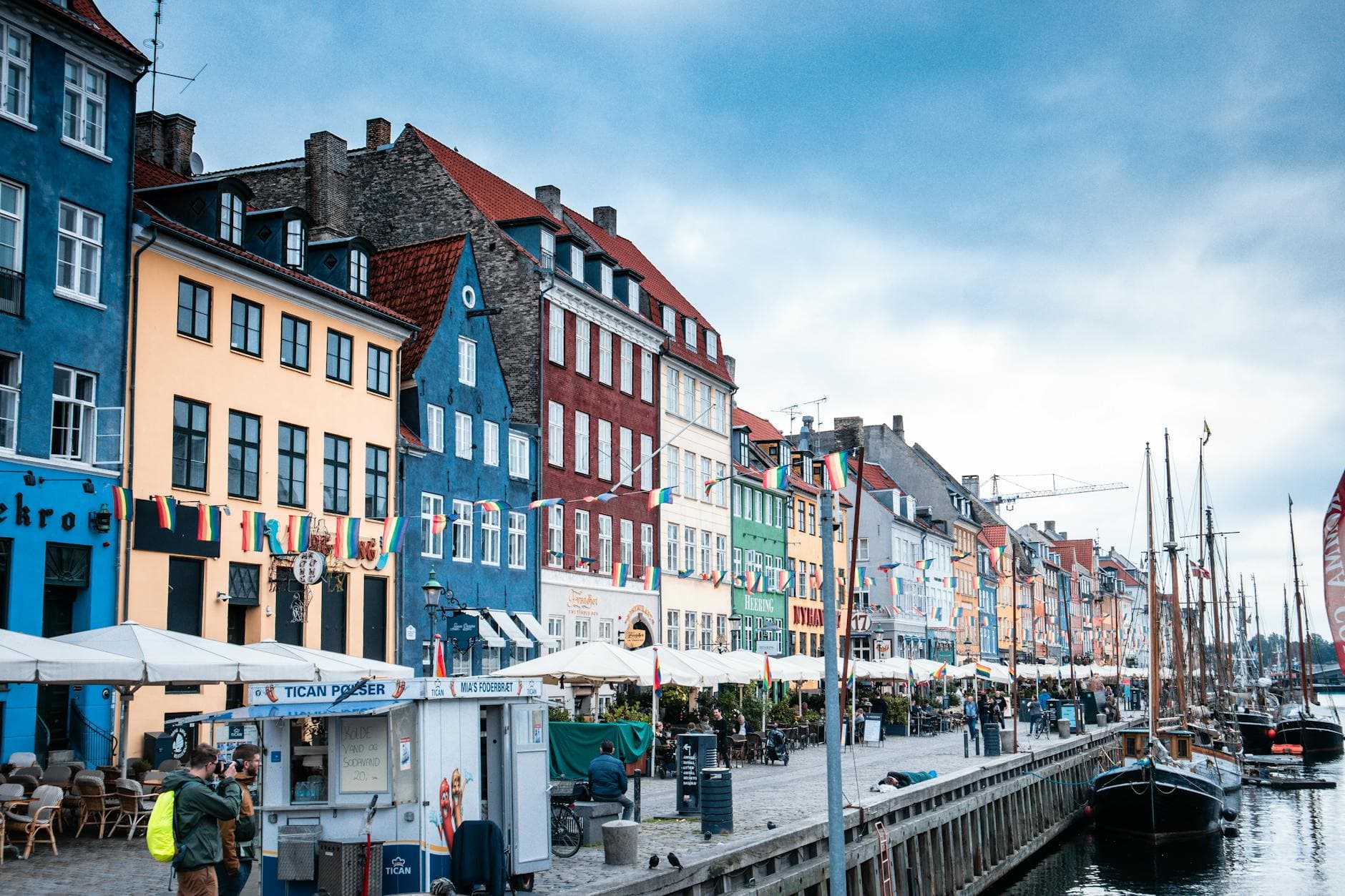
Daily life in Denmark is built around a set of values that most people discover and never want to leave behind: trust, equality, work-life integration, cycling, candlelit evenings, and an almost obsessive commitment to quality time with people you care about. The country is safe, highly digitised (MitID handles everything), and English-friendly enough that the first years are genuinely manageable without Danish.

Top 5 globally

EF English Proficiency

Near-universal among working-age adults in cities

Top 10 globally

Safety Ranking

Consistently among Europe's safest countries

Top 3 EU

Digital Government

MitID, borger.dk, and NemKonto handle most public services

62% commute by bike

Cycling Culture

Copenhagen; 390+ km of dedicated cycle paths

~1,850 hours

Annual Sunshine

Similar to northern England; summers are bright and long

200+ Mbps average

Internet Speed

Excellent broadband and mobile coverage nationally

Overview

Daily life in Denmark is built around a set of values that most people discover and never want to leave behind: trust, equality, work-life integration, cycling, candlelit evenings, and an almost obsessive commitment to quality time with people you care about. The country is safe, highly digitised (MitID handles everything), and English-friendly enough that the first years are genuinely manageable without Danish. Winters are grey and can feel long, but Danish culture has a seasonal answer for almost everything — hygge exists in part because of the dark months, not despite them.

Key Takeaways

  • Hygge is best translated as 'intentional cosiness' or 'purposeful intimacy' — the deliberate creation of warm, safe, present moments with people you care about
  • Copenhagen has 390+ km of dedicated cycle paths; 62% of residents commute by bike daily regardless of weather
  • MitID: Denmark's national digital identity; replaces the older NemID chip card; required for tax returns, banking, government services, signing leases, and medical bookings
  • New Nordic Cuisine: Copenhagen has more Michelin stars per capita than almost any other city; Noma, Geranium, and Alchemist are world-famous; the scene is genuinely extraordinary
1

Hygge — More Than a Marketing Term

Hygge is the centrepiece of Danish culture and the primary reason Denmark consistently tops global happiness rankings. Understanding what it actually means — and living it — is essential for genuine integration and wellbeing in Denmark.

  • Hygge is best translated as 'intentional cosiness' or 'purposeful intimacy' — the deliberate creation of warm, safe, present moments with people you care about
  • In practice: candles everywhere (Danes burn more candles per capita than almost anywhere on earth), soft lighting, good food, board games, long dinners, and real conversation
  • Hygge is not about things — it is about being fully present; phones are often put away; the moment is what matters
  • Work hygge (arbejdshygge): workplaces genuinely try to create hygge — shared coffee breaks, team lunches, Christmas parties, and social rituals that build camaraderie
  • Hygge in winter is particularly pronounced: the grey months from November to February are countered with warm interiors, knitwear, hot drinks, and an almost defiant cheerfulness
  • For expats: leaning into hygge — accepting dinner invitations, hosting evenings, joining clubs — is the fastest path to real social integration
2

Cycling Culture and Getting Around Daily Life

Denmark — and Copenhagen especially — is the world's cycling capital. Cycling is not a subculture or a lifestyle statement; it is simply how life works. Investing in a good bike is one of the best decisions a new expat can make.

  • Copenhagen has 390+ km of dedicated cycle paths; 62% of residents commute by bike daily regardless of weather
  • Aarhus has 350+ km of cycle paths; equally bike-friendly; flat terrain makes cycling effortless year-round
  • Buy a secondhand bike from Facebook Marketplace or a genbrug (charity shop): DKK 800–2,000 for a reliable commuter
  • Bike theft is common — invest in a quality Abus or Kryptonite lock; some expats use two locks; never lock to a light pole
  • Electric cargo bikes (ladcykel): used by families to transport children and shopping — Danes cycle year-round with children in tow
  • Cycling etiquette: signal turns with your arm, ring your bell on shared paths, keep right on cycle lanes, and never walk in the cycle track
  • Metro and S-tog provide excellent backup; Rejsekort smartcard works on all public transport across Denmark
3

Digital Denmark — MitID, borger.dk, and NemKonto

Denmark is one of the world's most digitally advanced societies. Government services, banking, healthcare, and daily transactions are overwhelmingly digital. Setting up MitID as quickly as possible after your CPR registration is your highest digital priority.

  • MitID: Denmark's national digital identity; replaces the older NemID chip card; required for tax returns, banking, government services, signing leases, and medical bookings
  • borger.dk: the central Danish government portal; most public services — tax, CPR, address changes, health, benefits — are handled here with MitID
  • NemKonto: every Danish resident has a NemKonto (Easy Account) — a designated bank account for receiving all government payments, tax refunds, and official transfers
  • E-Boks / Digital Post: all official letters from authorities, banks, and doctors are sent digitally to your e-Boks inbox; paper mail from authorities is nearly eliminated
  • MobilePay: peer-to-peer payment app; used by 4+ million Danes; essential for splitting bills, market purchases, and private rentals
  • App-based life: Rejseplanen (transport planning), DSB (train tickets), MinSundhed (health records), and Skat (tax) all have excellent English-language apps
4

Food, Social Life, and Integration

Denmark has undergone a food revolution in the last two decades — Noma's influence on New Nordic Cuisine has elevated the country's food scene to global prominence. Beyond restaurants, social life in Denmark takes time to build but is deeply rewarding once established.

  • New Nordic Cuisine: Copenhagen has more Michelin stars per capita than almost any other city; Noma, Geranium, and Alchemist are world-famous; the scene is genuinely extraordinary
  • Everyday eating: smørrebrød (open-faced rye bread sandwiches) remains the quintessential Danish lunch; pølsevogn (sausage stands) and bakeries are beloved daily rituals
  • Supermarkets close relatively early — most close at 8pm; convenience stores (7-Eleven, S-Tog stations) fill the gap
  • Alcohol culture: Danes enjoy a drink; beer (Carlsberg, Tuborg, Mikkeller) and craft beer are central to social life; bars close at 5am; social drinking is common but not obligatory
  • Making Danish friends: Danes can seem reserved to newcomers but are warmly loyal once trust is established; join sports clubs (foreninger), hobby groups, or volunteer organisations — foreningslivet (association life) is a cornerstone of Danish social culture
  • International community: Copenhagen has a large and active expat community — InterNations, Copenhagen Expats, and company-organised social events provide rapid social networks
FAQs

Common Questions — Daily Life in Denmark

Find Your Perfect City with AI

Describe your lifestyle and our AI matches you to the best expat cities — then simulates a full day there.

Take the Free Quiz

Expat Insights, Weekly

Visa updates, cost-of-living data, and expat stories from Denmark in your inbox.

More Denmark Guides

🇩🇰

Ready to explore Denmark?

Browse our city guides to find the perfect base for your expat life in Denmark.