
Western Europe
Central & Eastern Europe
Asia & Middle East
Americas
Oceania & Africa
Expat Topics
👑 Living in Spain · 2026
Madrid.
Spain's beating heart - business, culture, and nightlife at the centre of Europe
Best For
Professionals, families, business expats
Monthly Budget
€2,000–€2,800
Population
3.3 million
Verified August 13, 2026
Can you actually move to Madrid?
We research your nationality, income and timeline against the law as it stands, and tell you whether Madrid works and what it takes.

The Madrid you’ll actually live in
Madrid is Spain's capital and largest city, a world-class metropolis that combines grand boulevards, world-famous art museums, and a nightlife scene that doesn't start until midnight. As Spain's business and financial hub, Madrid attracts expats across every profession. The city is more traditional and Spanish than Barcelona, with a strong local identity, excellent transport, and a central location that makes the rest of Spain and Europe easily accessible.
The Madrid basics
The full picture - 7 key numbers covering budget, internet, English level, beach access, and airport reach.
Best For
Professionals, families, business expats
Monthly Budget
€2,000–€2,800
1-BR Center Rent
€1,200–€1,600/mo
Internet Speed
~235 Mbps avg.
English Level
Good in business districts
Beach Access
~5 hr to coast (fly 1 hr)
Airport
MAD - 180+ direct routes
Is Madrid actually your best option?
This page tells you what Madrid is like. It cannot tell you whether it beats the four other countries you should be looking at, because that answer changes with your passport. Income thresholds, tax treaties and citizenship timelines are all nationality specific, and the general rule is often not the rule that applies to you.
A Personal Relocation Assessment answers it for your case. You tell us your nationality, income, household and timeline, and we our expert researches it against the law as it stands: which countries you actually qualify for, the route, the current threshold with the instrument it comes from, and what is most likely to go wrong in a position like yours.

Food culture
Bocadillo de calamares, cocido madrileño - La Latina's tapas crawl
Explore

Green spaces
El Retiro - 125 hectares of green next to upmarket Salamanca
Explore

Markets
Mercado de San Miguel + La Cebada - Madrid's iconic food halls
Explore

Nightlife
Malasaña after dark - Madrid's late-night heart since the 80s
Explore
What a month actually costs
No padding, no underestimates. Real expat numbers - central neighborhood, comfortable lifestyle, eating out a few times a week.
All-in monthly
€2,000–€2,800
Single expat, comfortable lifestyle, central area.
Rent (1-BR, city center)
€1,200–€1,600
Full breakdown
Rent (1-BR, city center)
€1,200–€1,600
Rent (1-BR, outside center)
€850–€1,100
Groceries
€250–€350
Transport (Abono Transportes monthly)
€54
Utilities (electricity, water, internet)
€140–€190
Private health insurance
€60–€120
Dining out (2–3×/week)
€150–€220
Entertainment & misc.
€100–€200
Total (comfortable, central Madrid)
€2,000–€2,800
Where to actually live
6 neighborhoods, 6 different versions of Madrid.

Salamanca
Madrid's most prestigious barrio - luxury boutiques, embassies, wide tree-lined streets, upscale restaurants. Spain's answer to Paris's 7th arrondissement.
Best for: Senior executives, diplomats, and families who want the best address in Madrid regardless of cost.
Rent €1,600–€2,500/month for 1-BR

Malasaña
Bohemian and hipster - independent coffee shops, vintage stores, street art, and lively bars. The heartbeat of young creative Madrid.
Best for: Digital nomads, creatives, and young expats who want a vibrant social scene at mid-range prices.
Rent €1,000–€1,400/month for 1-BR
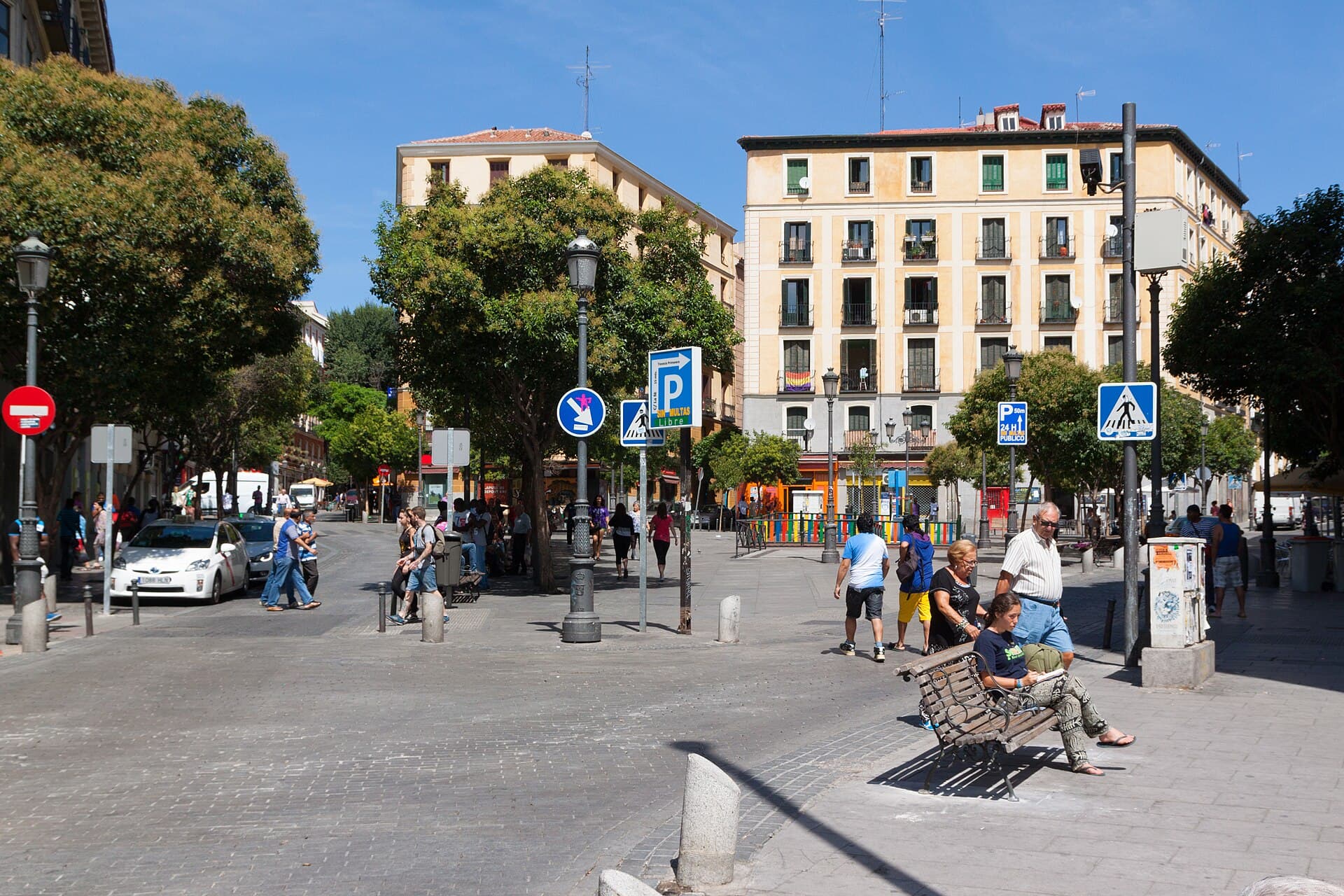
Lavapiés
Madrid's most multicultural and affordable neighbourhood - immigrant-owned restaurants, indie theatres, and authentic local tapas bars.
Best for: Budget-conscious expats and newcomers who want authentic Madrid without tourist premiums.
Rent €800–€1,100/month for 1-BR
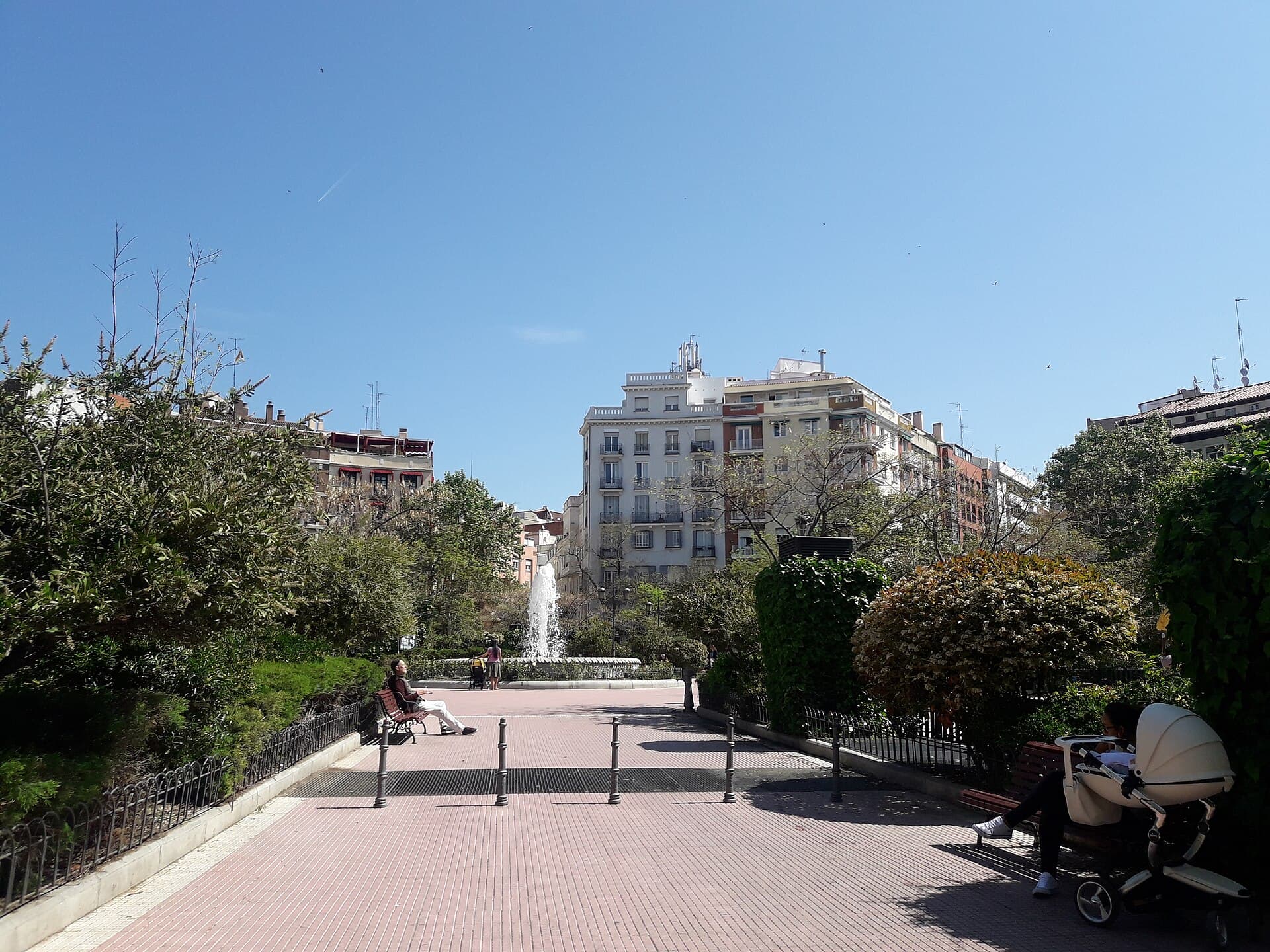
Chamberí
Elegant, residential, and genuinely Madrileño - beautiful architecture, excellent local bars, and quieter streets than central Madrid.
Best for: Expat professionals and families who want a high-quality residential area with easy metro access.
Rent €1,200–€1,700/month for 1-BR

La Latina
Historic and social - famous for Sunday El Rastro flea market, medieval squares, and some of Madrid's best tapas crawls.
Best for: Social expats who want to be at the centre of Madrid's food and nightlife scene.
Rent €1,000–€1,400/month for 1-BR

Getafe / Leganés
Southern suburbs - modern apartment complexes, good schools, car-dependent but very affordable by Madrid standards.
Best for: Families on a budget who don't mind commuting and want maximum space for money.
Rent €650–€900/month for 1-BR
The truth about Madrid
The bits the brochures skip - what expats love, and what tests their patience.
What you’ll love
- 01Spain's largest job market - headquarters of IBEX 35 companies, global banks, and tech multinationals
- 02World-class museums: Prado, Reina Sofía, and Thyssen-Bornemisza are all free on certain evenings
- 03Excellent metro network - one of the largest in Europe, fast and cheap at €54/month unlimited
- 04Central location: every major Spanish city reachable by AVE high-speed train in 1–4 hours
- 05Fantastic food scene from €10 menú del día lunches to Michelin-starred restaurants
- 063-hour drive to both the Atlantic coast and the Mediterranean - best domestic travel access in Spain
- 07Madrid Barajas airport: 180+ direct routes, excellent connection to Latin America
What might bug you
- 01Rents have risen sharply - 1-BR in centre now €1,200–€1,600/month; prices up 40% since 2020
- 02Landlocked - no beach within easy daily reach; summers are very hot (40°C+ in July/August)
- 03Spanish language barriers more significant than in Barcelona's international tech scene
- 04NIE and empadronamiento bureaucracy can take weeks - AEAT and immigration queues are long
- 05Summer heat from June to September can be brutal for those not accustomed to 35–42°C days
Where to plug in
Hand-picked coworking spaces - premium business addresses, community hubs, and budget-friendly options.
WeWork Paseo de la Castellana
Premium business address on Madrid's main artery - ideal for client-facing work
Spaces Recoletos
Central location near the Prado; professional environment with great amenities
Lab Coworking Madrid
Affordable, community-focused, multiple central locations including Malasaña
Talent Garden Madrid
Tech and startup-focused campus; regular networking events and good fast WiFi
How Madrid moves
Metro, buses, walkability - what works, what to avoid, and how much you'll actually spend.

- 01
Metro: 13 lines, 302 stations - covers virtually the entire city; €54/month unlimited Abono zone A
- 02
Bus (EMT): comprehensive network operating 24/7 with night owl buses (búhos)
- 03
Cercanías (commuter rail): connects Madrid to suburbs, Toledo, Alcalá de Henares, and beyond
- 04
AVE high-speed trains: Barcelona 2.5 hr, Seville 2.5 hr, Valencia 1.5 hr from Atocha station
- 05
Uber/Cabify/Bolt: widely available; cross-city fare typically €10–€20
Key takeaways
If you only remember five things about Madrid, make it these.
Budget
€2,000–€2,800/mo · rent from €1,200–€1,600
Where to live
Salamanca, Malasaña, Lavapiés
Top advantage
Spain's largest job market - headquarters of IBEX 35 companies, global banks, and tech multinationals
Watch out
Rents have risen sharply - 1-BR in centre now €1,200–€1,600/month; prices up 40% since 2020
Remote work
4+ coworking spaces, from €300/mo
More on Spain
Drill into the country-level guides - visa rules, healthcare, schools, taxes, and more.
Tools to plan your move to Madrid
Practical tools to turn an idea into a real plan - pick a season, time your visa, build a budget, even live a day before you go.
Madrid cost of living
Full monthly budget breakdown - rent, food, transport, utilities
Best time to move to Spain
Season-by-season - weather, visa timing, rental markets
Country match quiz
Eight quick questions, AI-matched country shortlist
Visa finder
Search visa options by nationality, budget, and stay length
A day in Madrid
Live a perfect day with AI - real cafés, costs, and routes
Relocation plan
Step-by-step AI moving timeline tailored to you
Madrid vs other cities
See how Madrid stacks up against other popular expat cities - cost, lifestyle, neighborhoods.
City rankings
See where Madrid sits in our independent expat city rankings.
Cheapest Cities for Digital Nomads
Ranked list of the most affordable cities for digital nomads in 2026. Budget, internet speed, English level, and coworking info for each city.
Cities With the Fastest Internet
Ranked list of cities with the fastest broadband internet for remote workers and digital nomads. Speed, cost of living, and English level for each city.
Best Cities for English Speakers
Cities where English is widely spoken - ranked by cost of living. Perfect for expats who want to settle abroad without a language barrier.
Most Affordable Cities in Europe
Cheapest European cities for expats ranked by monthly cost of living. Budget breakdowns, internet speeds, and English levels for each city.
Best Cities in Southeast Asia for Expats
Top cities in Southeast Asia for expats and digital nomads. Ranked by budget with internet speed, English level, and lifestyle highlights.
Best Cities in Latin America for Expats
Top Latin American cities for expats and digital nomads. Ranked by budget with internet speed, English level, and lifestyle highlights.
Also in Spain
6 other cities worth a look - each with its own rhythm, costs, and character.

Barcelona
Mediterranean glamour, world-class beaches, and Europe's most dynamic tech scene
€2,200–€3,000 /mo
Read guide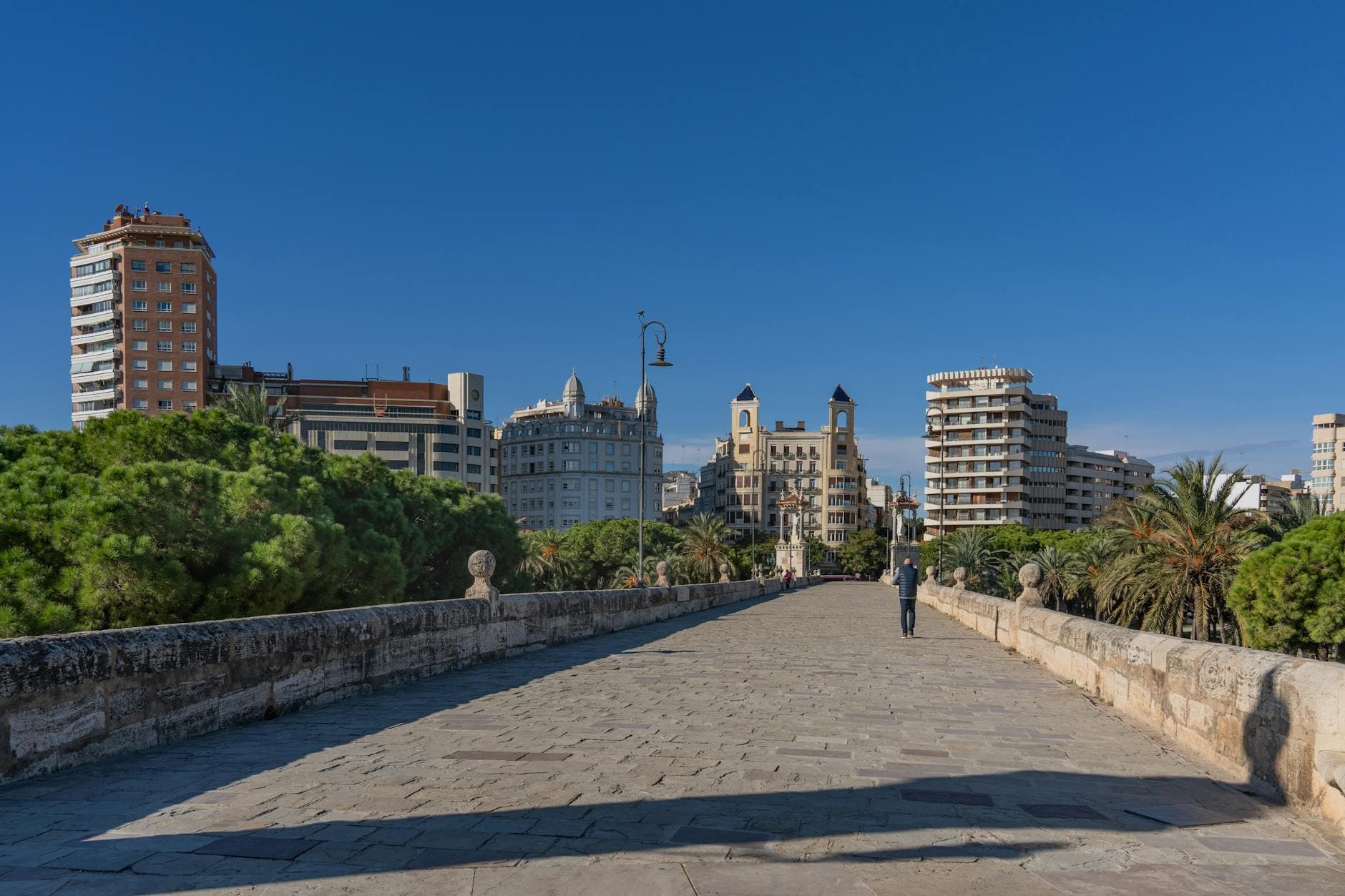
Valencia
Spain's best-value city - beaches, culture, and sunshine without the big-city price tag
€1,600–€2,200 /mo
Read guide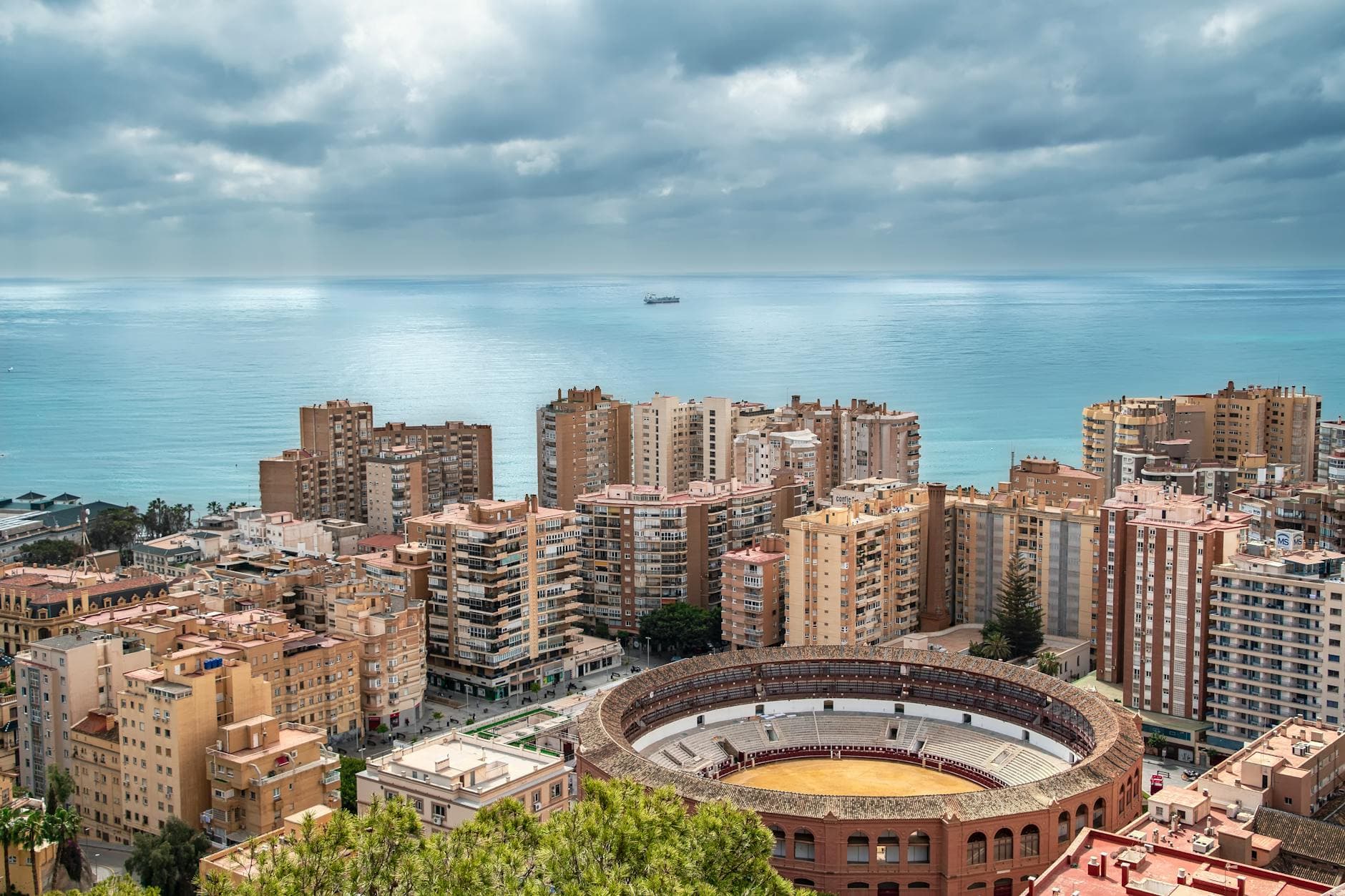
Málaga
Spain's rising tech capital - Costa del Sol sunshine, digital nomad paradise, and 40% cheaper than Madrid
€1,600–€2,400 /mo
Read guide
Alicante
Costa Blanca's expat capital - Mediterranean sunshine, unbeatable affordability, and Spain's top retiree destination
€1,200–€1,800 /mo
Read guide
Seville
The soul of Spain - flamenco capital, tapas paradise, and Andalusian charm at €500/month rent
€1,200–€1,800 /mo
Read guide
Tenerife
Year-round spring in the Atlantic - Canary Island paradise, 7% tax, and digital nomad haven
€1,400–€2,000 /mo
Read guideCommon questions
Honest answers about life in Madrid.
How much does it cost to live in Madrid per month?
What are the best neighborhoods in Madrid for expats?
Is Madrid good for digital nomads?
What are the pros and cons of living in Madrid?
How do you get around in Madrid?
Can you actually move to Madrid?
Everything above is general. This is not. Our relocation expert researches your nationality, income, household and timeline against the law as it stands today, names the instrument behind every figure, and tells you where you actually qualify.
What you’ll get
Where you qualify
Routes open to your passport, today
The real numbers
Current thresholds, fees and timelines
The paperwork
What you must prove, and how
What goes wrong
The three risks for a case like yours
Sources named
Every figure traced to its instrument
Written by an expert. Delivered in 3 working days.
Is Madrid right for you?
Eight quick questions, an AI-matched shortlist of countries and cities for your budget and lifestyle.
Take the free quizExpat Insights, weekly
Cost-of-living shifts, visa updates, real expat stories from Madrid and beyond.