
Western Europe
Central & Eastern Europe
Asia & Middle East
Americas
Oceania & Africa
Expat Topics
🌊 Living in Ecuador · 2026
Guayaquil.
Ecuador's largest city - tropical coast, business hub, and gateway to the Galápagos
Best For
Business professionals, budget expats
Internet Speed
~40 Mbps avg.
Population
2.7M metro
Verified August 13, 2026
Can you actually move to Guayaquil?
We research your nationality, income and timeline against the law as it stands, and tell you whether Guayaquil works and what it takes.

The Guayaquil you’ll actually live in
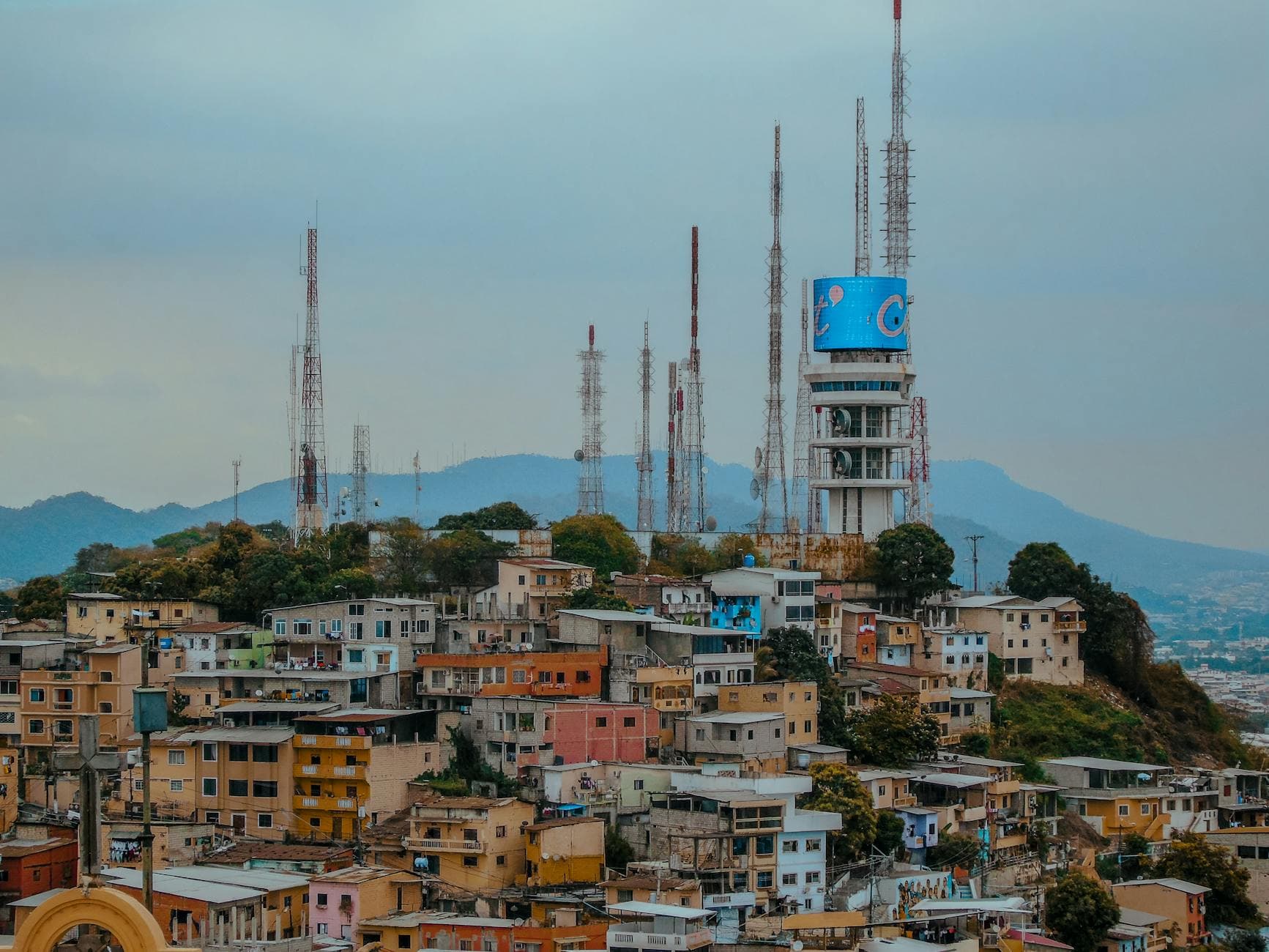
Guayaquil is Ecuador's largest city (2.7 million metro), its economic engine, and its main Pacific port. Hot and tropical (25–32°C year-round), it's a stark contrast to the highland cities of Cuenca and Quito. The Malecón 2000 waterfront promenade, the colorful Las Peñas hillside neighborhood, and the upscale Samborondón suburb are the highlights. Guayaquil is the primary gateway to the Galápagos Islands and Ecuador's main business and trade hub. It has a smaller expat community than Cuenca but offers advantages for those in business, import/export, and those who prefer coastal tropical living. The city has undergone significant urban renewal in the past two decades but requires more safety awareness than the highland cities.
The Guayaquil basics
The full picture - 8 key numbers covering budget, internet, English level, beach access, and airport reach.
Best For
Business professionals, budget expats
Internet Speed
~40 Mbps avg.
English Level
Basic
Monthly Budget
$1,100–$1,600
1-BR Rent (Samborondón)
$500–$800/mo
Climate
25–32°C year-round, tropical humid
Best Expat Areas
Samborondón, Urdesa, Kennedy Norte
Airport
José Joaquín de Olmedo (GYE) - Galápagos gateway
Is Guayaquil actually your best option?
This page tells you what Guayaquil is like. It cannot tell you whether it beats the four other countries you should be looking at, because that answer changes with your passport. Income thresholds, tax treaties and citizenship timelines are all nationality specific, and the general rule is often not the rule that applies to you.
A Personal Relocation Assessment answers it for your case. You tell us your nationality, income, household and timeline, and we our expert researches it against the law as it stands: which countries you actually qualify for, the route, the current threshold with the instrument it comes from, and what is most likely to go wrong in a position like yours.

Food culture
Encebollado, ceviche, bolón, encocado - Guayaquil's coastal Pacific seafood cuisine
Explore
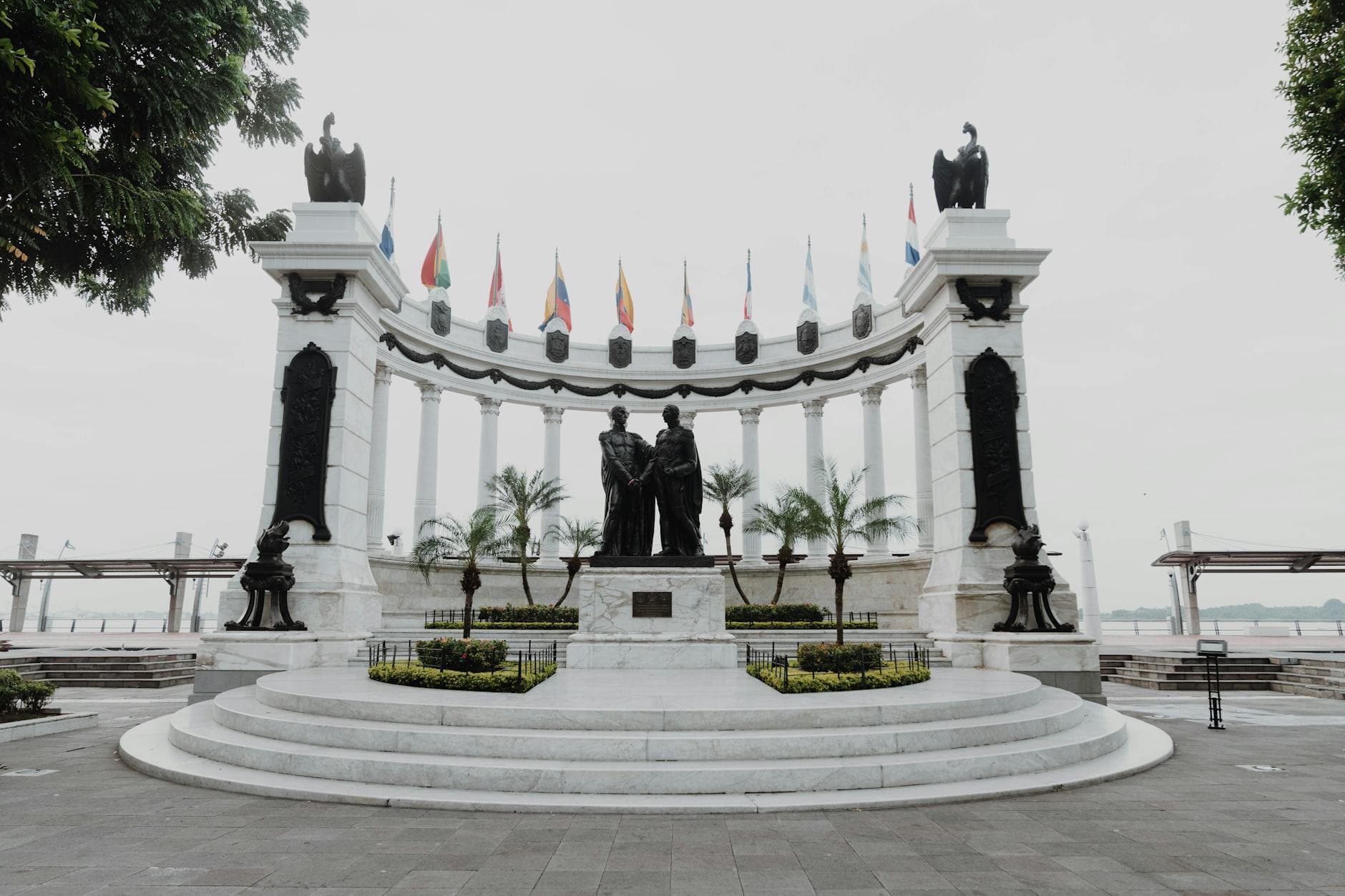
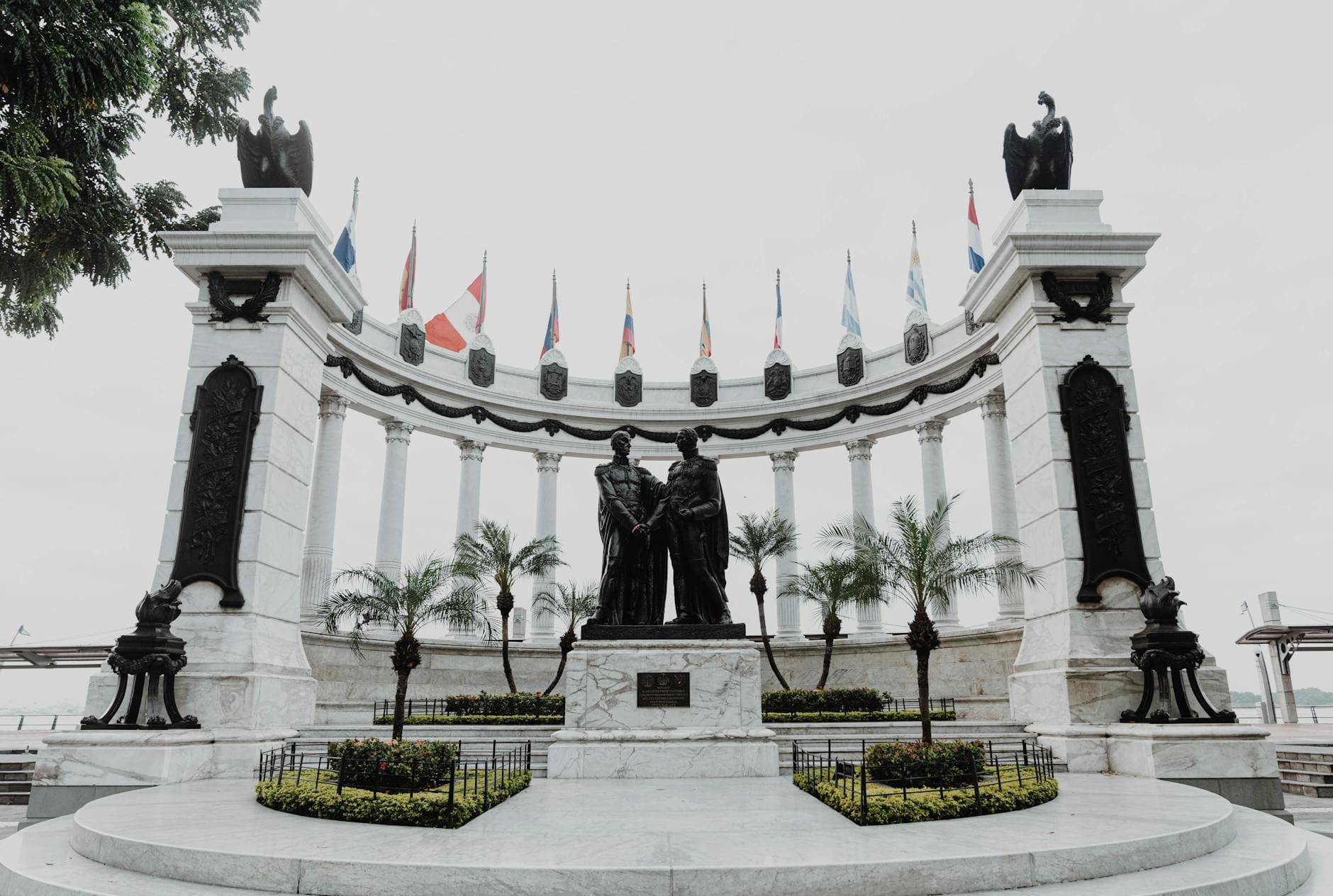
Green spaces
Parque Histórico + Malecón 2000 - Guayaquil's riverfront and historic-house parks
Explore
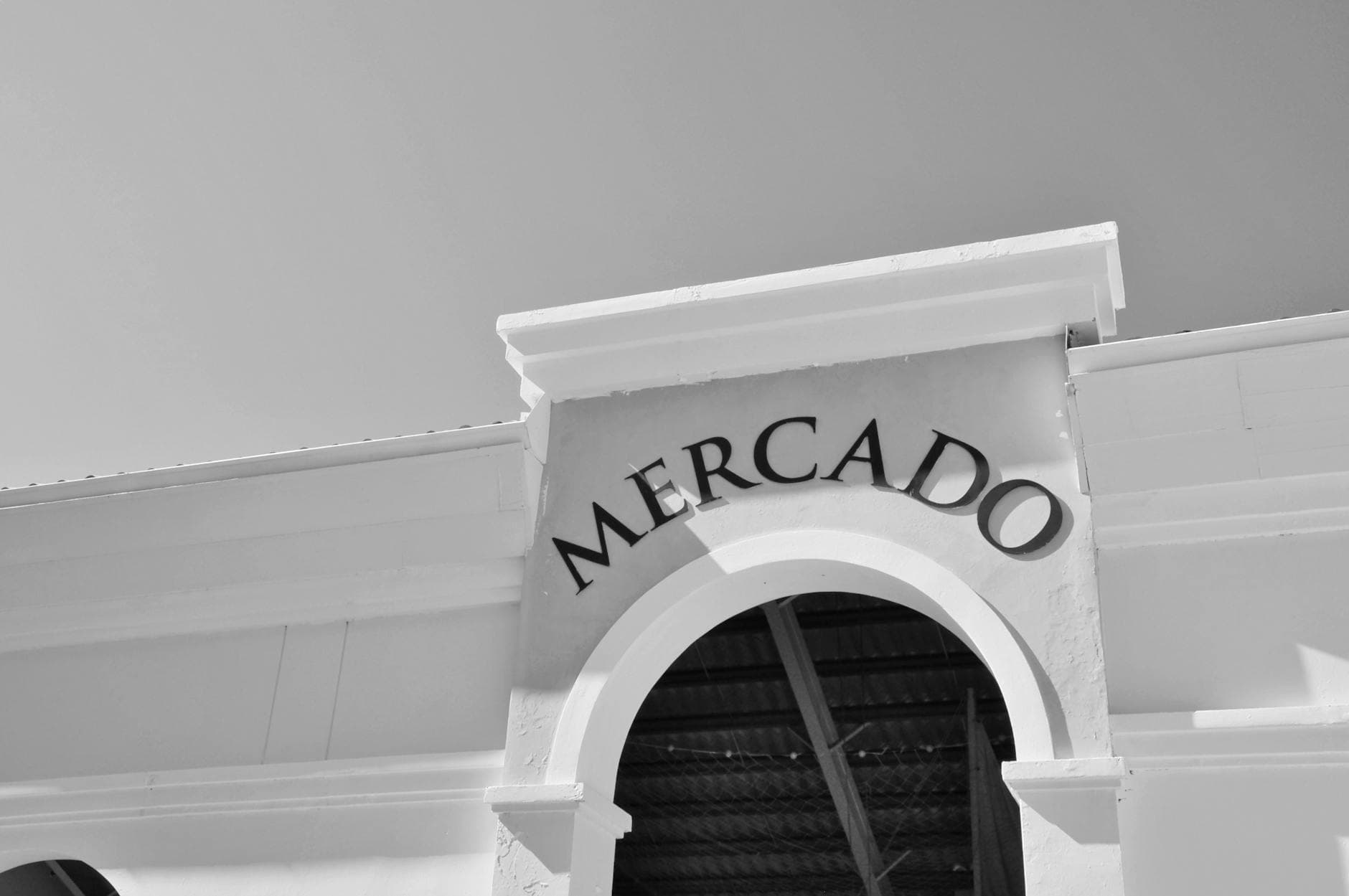
Markets
Mercado Caraguay - Guayaquil's iconic fish, ceviche, and Pacific seafood market
Explore

Nightlife
Las Peñas Cerro Santa Ana + Zona Rosa - Guayaquil's colorful artisan steps and bar district
Explore
What a month actually costs
No padding, no underestimates. Real expat numbers - central neighborhood, comfortable lifestyle, eating out a few times a week.
All-in monthly
$1,100–1,600
Single expat, comfortable lifestyle, central area.
Full breakdown
1BR Furnished Apartment (Samborondón)
$500–800
1BR Furnished Apartment (Urdesa)
$350–550
Groceries (market + supermarket)
$160–260
Dining out (ceviche + restaurants)
$120–220
Transport (bus + Uber)
$50–90
Utilities (electricity - AC heavy)
Air conditioning is essential in tropical heat
$80–140
Internet (fiber 30–50 Mbps)
$25–40
Health insurance (IESS or private)
$85–150
Total (comfortable)
Single expat, Samborondón/Urdesa
$1,100–1,600
Where to actually live
4 neighborhoods, 4 different versions of Guayaquil.
Samborondón
Upscale suburban area with gated communities, modern shopping centers, fine dining, and a safe, family-oriented atmosphere - Guayaquil's most desirable address
Best for: Families, business professionals, safety-conscious expats wanting modern suburban comfort with all amenities
Rent $600–$1,200/month for 1-BR
Urdesa
Vibrant mid-range neighborhood - Víctor Emilio Estrada street lined with restaurants, cafés, bars, and shops; walkable and lively; Guayaquil's cultural hub
Best for: Young professionals, digital nomads, foodies, those wanting walkable urban life with nightlife and dining
Rent $350–$650/month for 1-BR
Kennedy Norte
Modern commercial and residential district - malls, offices, apartment towers, central location near the airport
Best for: Working professionals, business travelers, those wanting a convenient central location with modern infrastructure
Rent $350–$600/month for 1-BR

Las Peñas / Cerro Santa Ana
Colorful hillside neighborhood with colonial architecture, art galleries, restaurants, and panoramic river views - Guayaquil's most picturesque area
Best for: Artists, culture lovers, short-term visitors wanting charm and character - less practical for long-term expat living due to location
Rent $200–$400/month for 1-BR
The truth about Guayaquil
The bits the brochures skip - what expats love, and what tests their patience.
What you’ll love
- 01Ecuador's largest city and economic hub - best for business, trade, and import/export opportunities
- 02Gateway to the Galápagos Islands - direct flights, shorter and cheaper than from Quito
- 03No altitude issues - sea level location, no adjustment period needed
- 04Excellent seafood - ceviche culture is world-class, with incredible variety at low prices
- 05Major urban renewal - Malecón 2000, Las Peñas, and infrastructure improvements have transformed the city
What might bug you
- 01Hot and humid year-round (25–32°C) - air conditioning is essential and increases utility costs significantly
- 02Higher crime rates than highland cities - requires more safety awareness, especially in southern neighborhoods
- 03Smaller expat community than Cuenca - fewer English-speaking services and social networks
- 04Less aesthetically charming than Cuenca or Quito - more modern and commercial than colonial
Where to plug in
Hand-picked coworking spaces - premium business addresses, community hubs, and budget-friendly options.
Regus Guayaquil
Professional corporate environment; Kennedy Norte and Mall del Sol locations; meeting rooms and virtual office services
Co-Working GYE
Local coworking space with good internet, central location, coffee included; friendly community
WeWork Guayaquil
International brand presence; Samborondón location; corporate-grade facilities and networking events
How Guayaquil moves
Metro, buses, walkability - what works, what to avoid, and how much you'll actually spend.

- 01
Metrovía: Guayaquil's bus rapid transit system - $0.30 per ride; extensive routes through the city; can be very crowded
- 02
Uber: the preferred transport for expats - reliable, safe, affordable ($2–6 for most trips); essential for getting to Samborondón
- 03
Taxis: yellow metered cabs - $2–5 for city trips; always use metered or app-based taxis; avoid unmarked cars
- 04
Walking: limited walkability due to heat and safety - Urdesa and Malecón 2000 are the most walkable areas; elsewhere Uber is recommended
Key takeaways
If you only remember five things about Guayaquil, make it these.
Budget
$1,100–1,600/mo
Where to live
Samborondón, Urdesa, Kennedy Norte
Top advantage
Ecuador's largest city and economic hub - best for business, trade, and import/export opportunities
Watch out
Hot and humid year-round (25–32°C) - air conditioning is essential and increases utility costs significantly
Remote work
3+ coworking spaces, from $199–299/mo
More on Ecuador
Drill into the country-level guides - visa rules, healthcare, schools, taxes, and more.
Tools to plan your move to Guayaquil
Practical tools to turn an idea into a real plan - pick a season, time your visa, build a budget, even live a day before you go.
Guayaquil cost of living
Full monthly budget breakdown - rent, food, transport, utilities
Best time to move to Ecuador
Season-by-season - weather, visa timing, rental markets
Country match quiz
Eight quick questions, AI-matched country shortlist
Visa finder
Search visa options by nationality, budget, and stay length
A day in Guayaquil
Live a perfect day with AI - real cafés, costs, and routes
Relocation plan
Step-by-step AI moving timeline tailored to you
City rankings
See where Guayaquil sits in our independent expat city rankings.
Cheapest Cities for Digital Nomads
Ranked list of the most affordable cities for digital nomads in 2026. Budget, internet speed, English level, and coworking info for each city.
Cities With the Fastest Internet
Ranked list of cities with the fastest broadband internet for remote workers and digital nomads. Speed, cost of living, and English level for each city.
Best Cities for English Speakers
Cities where English is widely spoken - ranked by cost of living. Perfect for expats who want to settle abroad without a language barrier.
Most Affordable Cities in Europe
Cheapest European cities for expats ranked by monthly cost of living. Budget breakdowns, internet speeds, and English levels for each city.
Best Cities in Southeast Asia for Expats
Top cities in Southeast Asia for expats and digital nomads. Ranked by budget with internet speed, English level, and lifestyle highlights.
Best Cities in Latin America for Expats
Top Latin American cities for expats and digital nomads. Ranked by budget with internet speed, English level, and lifestyle highlights.
Also in Ecuador
2 other cities worth a look - each with its own rhythm, costs, and character.


Common questions
Honest answers about life in Guayaquil.
How much does it cost to live in Guayaquil per month?
What are the best neighborhoods in Guayaquil for expats?
Is Guayaquil good for digital nomads?
What are the pros and cons of living in Guayaquil?
How do you get around in Guayaquil?
Can you actually move to Guayaquil?
Everything above is general. This is not. Our relocation expert researches your nationality, income, household and timeline against the law as it stands today, names the instrument behind every figure, and tells you where you actually qualify.
What you’ll get
Where you qualify
Routes open to your passport, today
The real numbers
Current thresholds, fees and timelines
The paperwork
What you must prove, and how
What goes wrong
The three risks for a case like yours
Sources named
Every figure traced to its instrument
Written by an expert. Delivered in 3 working days.
Is Guayaquil right for you?
Eight quick questions, an AI-matched shortlist of countries and cities for your budget and lifestyle.
Take the free quizExpat Insights, weekly
Cost-of-living shifts, visa updates, real expat stories from Guayaquil and beyond.