
Western Europe
Central & Eastern Europe
Asia & Middle East
Americas
Oceania & Africa
Expat Topics
🏖️ Living in Brazil · 2026
Rio de Janeiro.
The Cidade Maravilhosa — iconic beaches, dramatic mountains, and an unrivaled lifestyle
English Level
Moderate
Best For
Beach lovers, outdoor enthusiasts, lifestyle seekers, creatives
Population
6.7 million
Verified August 13, 2026
Can you actually move to Rio de Janeiro?
We research your nationality, income and timeline against the law as it stands, and tell you whether Rio de Janeiro works and what it takes.

The Rio de Janeiro you’ll actually live in
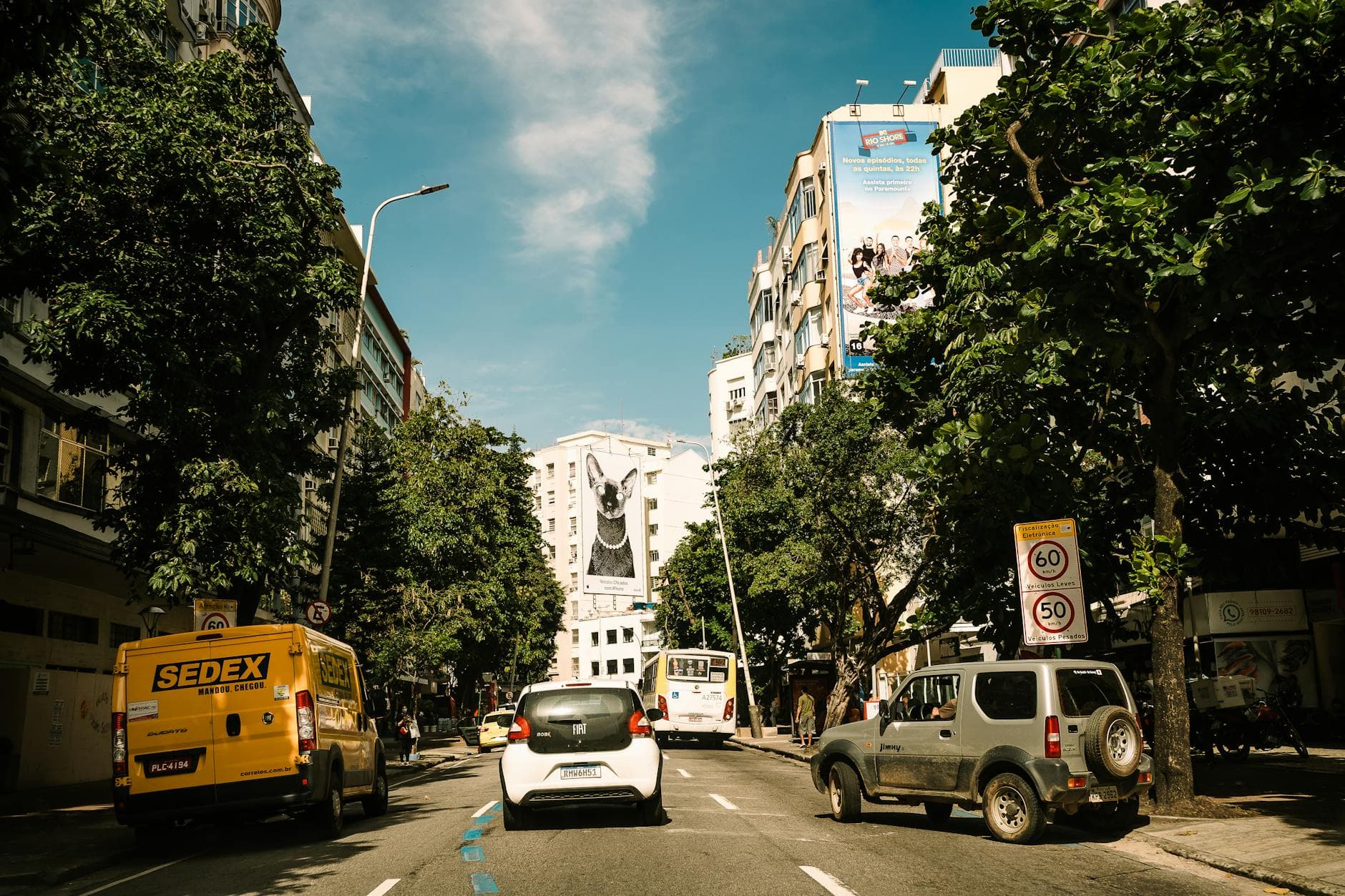
Rio de Janeiro needs no introduction. The Cidade Maravilhosa (Marvelous City) is one of the world's most spectacular urban settings, with Sugarloaf Mountain, Christ the Redeemer, Copacabana and Ipanema beaches, and the Tijuca Forest (the world's largest urban rainforest) all within city limits. For expats, Rio offers an unbeatable lifestyle: morning surf, afternoon work from a beachside café, sunset hikes, and evening samba. The cost of living is lower than São Paulo, the culture is more relaxed, and the natural beauty is extraordinary. Safety concerns are real but manageable with neighborhood awareness. Rio's economy is diversified across oil & gas, tech, tourism, and creative industries, and the city has a growing digital nomad community centered around Botafogo, Flamengo, and the South Zone beaches.
The Rio de Janeiro basics
The full picture - 6 key numbers covering budget, internet, English level, beach access, and airport reach.
English Level
Moderate
Best For
Beach lovers, outdoor enthusiasts, lifestyle seekers, creatives
Monthly Budget
R$6,000–R$10,000 ($1,100–$1,850)
1-BR Center Rent
R$2,500–R$4,500/mo ($460–$830)
Internet Speed
80–300 Mbps (fiber in South Zone)
Climate
Tropical; warm year-round (22–35°C), rainy Dec–Mar
Is Rio de Janeiro actually your best option?
This page tells you what Rio de Janeiro is like. It cannot tell you whether it beats the four other countries you should be looking at, because that answer changes with your passport. Income thresholds, tax treaties and citizenship timelines are all nationality specific, and the general rule is often not the rule that applies to you.
A Personal Relocation Assessment answers it for your case. You tell us your nationality, income, household and timeline, and we our expert researches it against the law as it stands: which countries you actually qualify for, the route, the current threshold with the instrument it comes from, and what is most likely to go wrong in a position like yours.

Food culture
Feijoada, pão de queijo, caipirinhas - Rio's beachfront boteco food scene
Explore

Green spaces
Tijuca Forest + Parque Lage - Rio's urban rainforest and mountain parks
Explore

Markets
Feira de São Cristóvão + Ipanema Hippie Fair - Rio's markets of northeast flavors and crafts
Explore

Nightlife
Lapa Arches + Santa Teresa - Rio's samba clubs and bohemian nightlife
Explore
What a month actually costs
No padding, no underestimates. Real expat numbers - central neighborhood, comfortable lifestyle, eating out a few times a week.
Rent (1-BR, good area)
R$2,800–R$4,500
Full breakdown
Rent (1-BR, good area)
Botafogo, Flamengo, Copacabana
R$2,800–R$4,500
Groceries
Supermarkets and local feiras
R$1,200–R$2,000
Transport
Metro + bus + Uber
R$250–R$500
Dining Out
Por quilo, botecos, restaurants
R$700–R$1,200
Health Insurance
Private plan
R$300–R$800
Utilities + Internet
Electricity, water, fiber internet
R$350–R$600
Where to actually live
5 neighborhoods, 5 different versions of Rio de Janeiro.

Botafogo
Young, hip, and increasingly the digital nomad hub of Rio. Great restaurants, coworking, and Sugarloaf views.
Best for: Digital nomads, young professionals, couples
Rent R$2,800–R$4,500/month ($520–$830 USD) for 1-BR

Copacabana
Iconic beachfront living. Bustling, touristy, diverse. The classic Rio experience at every budget level.
Best for: Beach lovers, first-time expats, budget seekers
Rent R$2,200–R$4,000/month ($410–$740 USD) for 1-BR

Ipanema / Leblon
Upscale beach neighborhoods with designer shops, top restaurants, and beautiful people. Rio's most desirable addresses.
Best for: Professionals, families, luxury seekers
Rent R$4,500–R$8,000/month ($830–$1,480 USD) for 1-BR

Flamengo / Laranjeiras
Residential, tree-lined, close to metro. Great value with Flamengo Park and bay views.
Best for: Budget-conscious expats, families, long-term residents
Rent R$2,000–R$3,500/month ($370–$650 USD) for 1-BR
Santa Teresa
Hilltop bohemian village with colonial architecture, art studios, and panoramic views. Charming but hilly.
Best for: Artists, creatives, those seeking character
Rent R$1,500–R$3,000/month ($280–$555 USD) for 1-BR
The truth about Rio de Janeiro
The bits the brochures skip - what expats love, and what tests their patience.
What you’ll love
- 01One of the most spectacular natural settings of any city in the world — beaches, mountains, and forest within city limits
- 02Incredible outdoor lifestyle: surf, hike, run, cycle year-round in stunning scenery
- 03Lower cost of living than São Paulo with a dramatically better lifestyle quality
- 04Rich cultural scene: samba, Carnival, live music, art, and a deeply welcoming local culture
- 05Growing digital nomad and remote work community, especially in Botafogo and South Zone
What might bug you
- 01Safety concerns are real: petty crime (phone snatching) is common; neighborhood choice matters enormously
- 02Hot and humid summers (35°C+) with heavy rain from December to March
- 03Fewer corporate job opportunities compared to São Paulo; smaller formal economy
- 04Traffic is terrible; public transit coverage is more limited than São Paulo's
Where to plug in
Hand-picked coworking spaces - premium business addresses, community hubs, and budget-friendly options.
WeWork Botafogo
Best location for digital nomads, Sugarloaf views
Habitat Coworking
Local favorite in Botafogo, great community
Selina Copacabana
Coliving + coworking combo near the beach
Templo Co
Affordable, friendly atmosphere in Centro/Lapa area
How Rio de Janeiro moves
Metro, buses, walkability - what works, what to avoid, and how much you'll actually spend.

- 01
Metro: 3 lines connecting key South Zone neighborhoods to Centro and North Zone; clean and safe (R$6.90/trip)
- 02
Bus: extensive but confusing network; useful for routes not covered by metro; R$4.30 per trip
- 03
Uber/99: the go-to for most expats, especially at night; rides R$10–35 within South Zone
- 04
Cycling: growing bike lane network along the beachfront (Copacabana–Ipanema–Leblon); Tembici bike-share available
Key takeaways
If you only remember five things about Rio de Janeiro, make it these.
Budget
-/mo · rent from R$2,800–R$4,500
Where to live
Botafogo, Copacabana, Ipanema / Leblon
Top advantage
One of the most spectacular natural settings of any city in the world — beaches, mountains, and forest within city limits
Watch out
Safety concerns are real: petty crime (phone snatching) is common; neighborhood choice matters enormously
Remote work
4+ coworking spaces, from R$1,200–R$2,500/mo
More on Brazil
Drill into the country-level guides - visa rules, healthcare, schools, taxes, and more.
Tools to plan your move to Rio de Janeiro
Practical tools to turn an idea into a real plan - pick a season, time your visa, build a budget, even live a day before you go.
Rio de Janeiro cost of living
Full monthly budget breakdown - rent, food, transport, utilities
Best time to move to Brazil
Season-by-season - weather, visa timing, rental markets
Country match quiz
Eight quick questions, AI-matched country shortlist
Visa finder
Search visa options by nationality, budget, and stay length
A day in Rio de Janeiro
Live a perfect day with AI - real cafés, costs, and routes
Relocation plan
Step-by-step AI moving timeline tailored to you
Rio de Janeiro vs other cities
See how Rio de Janeiro stacks up against other popular expat cities - cost, lifestyle, neighborhoods.
City rankings
See where Rio de Janeiro sits in our independent expat city rankings.
Cheapest Cities for Digital Nomads
Ranked list of the most affordable cities for digital nomads in 2026. Budget, internet speed, English level, and coworking info for each city.
Cities With the Fastest Internet
Ranked list of cities with the fastest broadband internet for remote workers and digital nomads. Speed, cost of living, and English level for each city.
Best Cities for English Speakers
Cities where English is widely spoken - ranked by cost of living. Perfect for expats who want to settle abroad without a language barrier.
Most Affordable Cities in Europe
Cheapest European cities for expats ranked by monthly cost of living. Budget breakdowns, internet speeds, and English levels for each city.
Best Cities in Southeast Asia for Expats
Top cities in Southeast Asia for expats and digital nomads. Ranked by budget with internet speed, English level, and lifestyle highlights.
Best Cities in Latin America for Expats
Top Latin American cities for expats and digital nomads. Ranked by budget with internet speed, English level, and lifestyle highlights.
Also in Brazil
5 other cities worth a look - each with its own rhythm, costs, and character.

São Paulo
Latin America's megacity — business capital, cultural powerhouse, and global gastronomy hub
R$7,000–R$12,000 ($1,300–$2,200) /mo
Read guide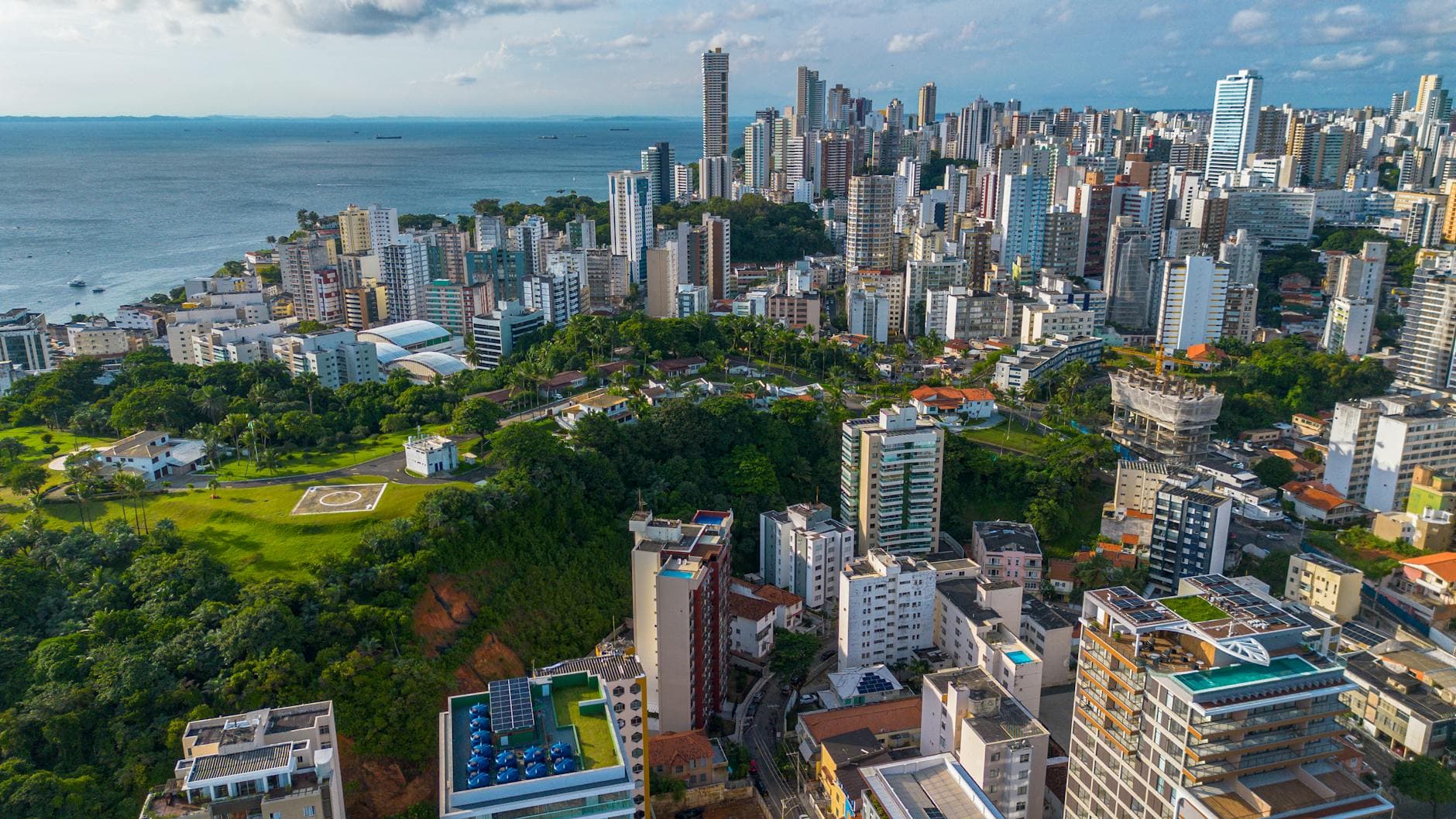
Florianópolis
Brazil's Silicon Valley meets beach paradise — tech hub, surf culture, and the highest quality of life
R$5,000–R$9,000 ($925–$1,660) /mo
Read guide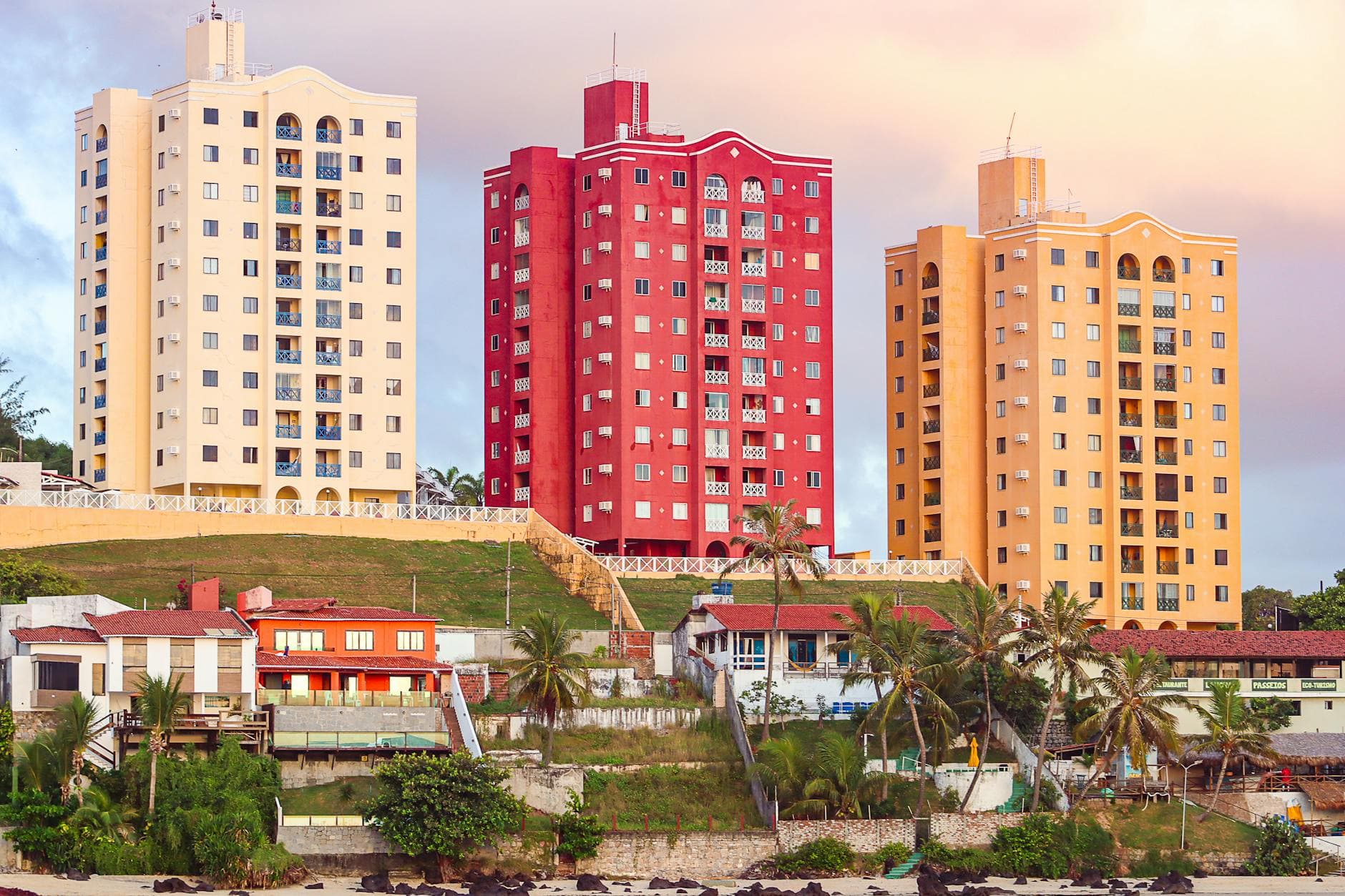
Natal
Brazil's 'City of the Sun' - year-round beach paradise, sand dunes, and coastal living from $600/month
R$3,200–6,500 ($600–$1,200) /mo
Read guide
Curitiba
Brazil's most livable city - world-class urban planning, green parks, and multicultural South Brazilian charm
R$3,000–5,500 ($560–$1,030) /mo
Read guide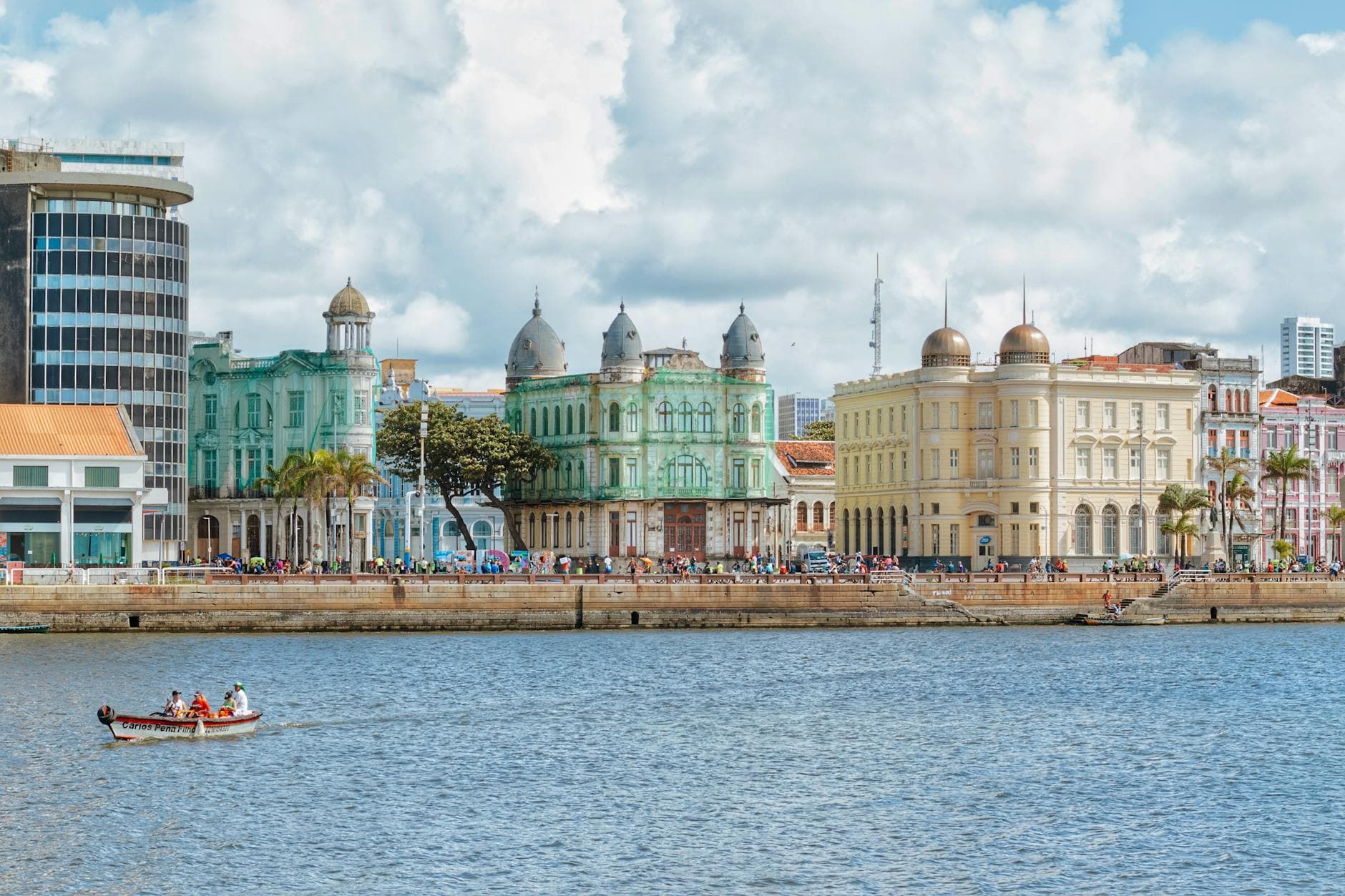
Recife
Brazil's 'Venice' - reef-protected beaches, Porto Digital tech hub, and Northeast Brazilian soul
R$2,500–4,500 ($470–$840) /mo
Read guideCommon questions
Honest answers about life in Rio de Janeiro.
How much does it cost to live in Rio de Janeiro per month?
What are the best neighborhoods in Rio de Janeiro for expats?
Is Rio de Janeiro good for digital nomads?
What are the pros and cons of living in Rio de Janeiro?
How do you get around in Rio de Janeiro?
Can you actually move to Rio de Janeiro?
Everything above is general. This is not. Our relocation expert researches your nationality, income, household and timeline against the law as it stands today, names the instrument behind every figure, and tells you where you actually qualify.
What you’ll get
Where you qualify
Routes open to your passport, today
The real numbers
Current thresholds, fees and timelines
The paperwork
What you must prove, and how
What goes wrong
The three risks for a case like yours
Sources named
Every figure traced to its instrument
Written by an expert. Delivered in 3 working days.
Is Rio de Janeiro right for you?
Eight quick questions, an AI-matched shortlist of countries and cities for your budget and lifestyle.
Take the free quizExpat Insights, weekly
Cost-of-living shifts, visa updates, real expat stories from Rio de Janeiro and beyond.