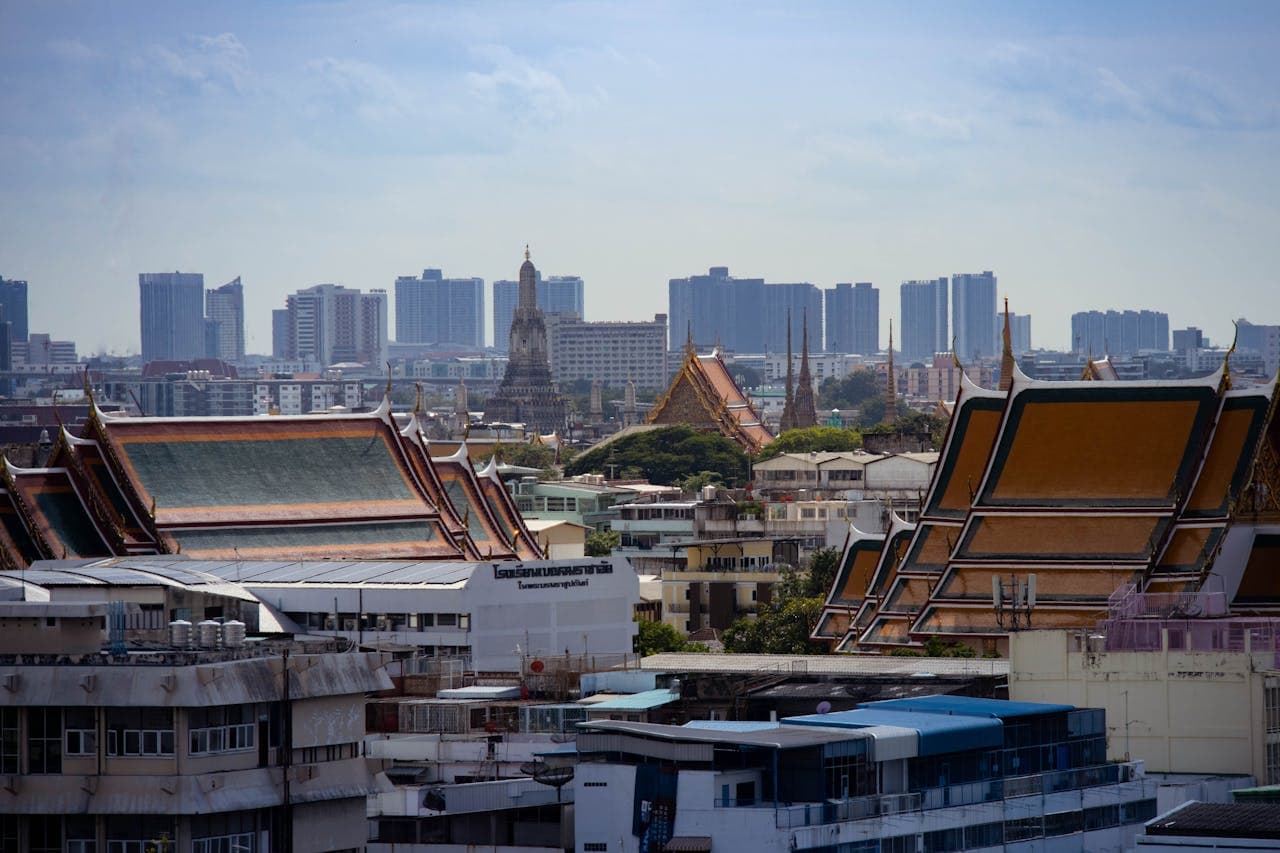
Thailand's Destination Thailand Visa (DTV) launched in mid-2024, and it's now one of the most popular digital nomad visas in Southeast Asia. But the application process is confusing — especially if you're a freelancer without a traditional employer. No corporate contract. No payslips. Just you, your laptop, and a bank account.
This guide answers every question freelancers actually ask about the DTV, from savings requirements to border runs, with real numbers from 2026.
Key Takeaways
- The DTV is a 5-year multi-entry visa with 180-day stays (extendable to 360 days). Cost: ฿10,000 (~$290).
- No employer required. Freelancers need ฿500,000 (~$14,500) in savings for 3 months + proof of remote work.
- Monthly cost: $665–$1,640 depending on city (Chiang Mai cheapest, Phuket most expensive).
- Health insurance isn't required but strongly recommended. Immigration officers increasingly ask for it.
- Apply at thaievisa.go.th — processing takes 5–15 business days.
- Don't confuse it with the LTR visa ($80K/yr income requirement). The DTV is the freelancer-friendly option.
What is the DTV, and why should freelancers care?
The DTV is a 5-year multi-entry visa that allows stays of up to 180 days per entry, extendable by another 180 days at a local immigration office. That's up to 360 consecutive days in Thailand before you need to exit and re-enter.
For freelancers, this is a game-changer. Before the DTV, your options were:
- Tourist visa (60 days, one 30-day extension) — constant border runs
- Education visa — requires enrolling in a language school
- Elite visa — ฿600,000+ ($17,500) for 5 years, overkill for most budgets
The DTV sits in the sweet spot: legitimate long-term stay, reasonable cost, no employer required.
Cost: ฿10,000 (~$290) application fee.
Do I need a job contract to apply?
No. This is the most common misconception. The DTV was designed for remote workers and freelancers — you don't need an employment contract.
What you do need:
| Requirement | Detail |
|---|---|
| Savings proof | ฿500,000 (~$14,500) in a bank account for the last 3 months |
| Passport | Valid for at least 6 months |
| Application form | Completed online via Thai e-visa portal |
| Photo | Passport-size, recent |
| Proof of work | Freelance portfolio, client contracts, invoices, or business registration |
The savings requirement is the key. Thailand doesn't require a monthly income threshold like Spain ($3,500/mo) or Portugal (€3,510/mo). Instead, they want to see ฿500,000 sitting in your account for 3 consecutive months. For most freelancers, this is more achievable than a high monthly income floor.
Pro tip on transferring funds: If your savings are in a foreign bank and you need to move money to show proof, avoid high-fee wire transfers. Wise uses the real mid-market exchange rate with transparent fees — typically saving 3–5% compared to traditional banks. Most expats in Thailand use it for regular transfers.
 Coworking cafés in Bangkok's Ari and Ekkamai neighborhoods are popular with DTV holders.
How long can I actually stay?
The DTV structure:
- Per entry: 180 days
- Extension: +180 days at immigration (฿1,900 fee)
- Total per cycle: up to 360 days
- Visa validity: 5 years (multiple entries)
After 360 days, you exit Thailand (a day trip to Malaysia, Laos, or Cambodia counts), re-enter, and the 180+180 cycle resets. You can do this for the full 5 years.
Compare this to the LTR visa (Long-Term Resident), which offers 10 years but requires $80,000/year income or a significant investment. The DTV is the realistic option for freelancers earning $2,000–$6,000/month.
What does it actually cost to live in Thailand as a freelancer?
Monthly budgets vary by city. Here's what real freelancers spent in early 2026:
| Expense | Bangkok | Chiang Mai | Phuket |
|---|---|---|---|
| Rent (1BR, furnished) | $500–$800 | $300–$500 | $600–$900 |
| Coworking | $80–$150 | $60–$100 | $100–$180 |
| Food & dining | $250–$400 | $200–$300 | $300–$450 |
| Transport | $50–$100 | $30–$60 | $80–$150 |
| Health insurance | $45–$120 | $45–$120 | $45–$120 |
| Utilities + internet | $40–$70 | $30–$50 | $50–$80 |
| Total | $965–$1,640 | $665–$1,130 | $1,175–$1,880 |
Chiang Mai remains the budget champion. Bangkok offers the best infrastructure and nightlife. Phuket is the splurge — beach lifestyle, international schools, resort-town pricing.
Health insurance note: Thailand doesn't officially require health insurance for the DTV, but immigration officers increasingly ask for it. SafetyWing's Nomad Insurance starts at $42/month, covers 175+ countries, and works month-to-month with no commitment — built specifically for freelancers moving between countries. Get covered before you land; don't gamble on a ฿50,000 hospital bill.
Step-by-step: How to apply for the DTV as a freelancer
Step 1: Build your savings proof (3 months before applying) Park ฿500,000 (~$14,500) in a bank account. Don't touch it. You'll need 3 months of statements showing this balance. Use Wise to transfer from your home currency at the real rate.
Step 2: Gather your freelance documentation Immigration wants to see that you actually work remotely. Prepare:
- 3–6 recent client invoices or contracts
- A link to your portfolio or business website
- Business registration (if you have one — not required)
- A brief letter explaining your freelance work
Step 3: Apply via the Thai e-visa portal Go to thaievisa.go.th. Select DTV. Upload documents. Pay ฿10,000. Processing takes 5–15 business days.
Step 4: Enter Thailand Once approved, you have 6 months to make your first entry. Your 180-day clock starts on arrival — not on approval.
Step 5: Extend if needed At day 150, visit your local immigration office with your passport + ฿1,900 fee to extend for another 180 days.
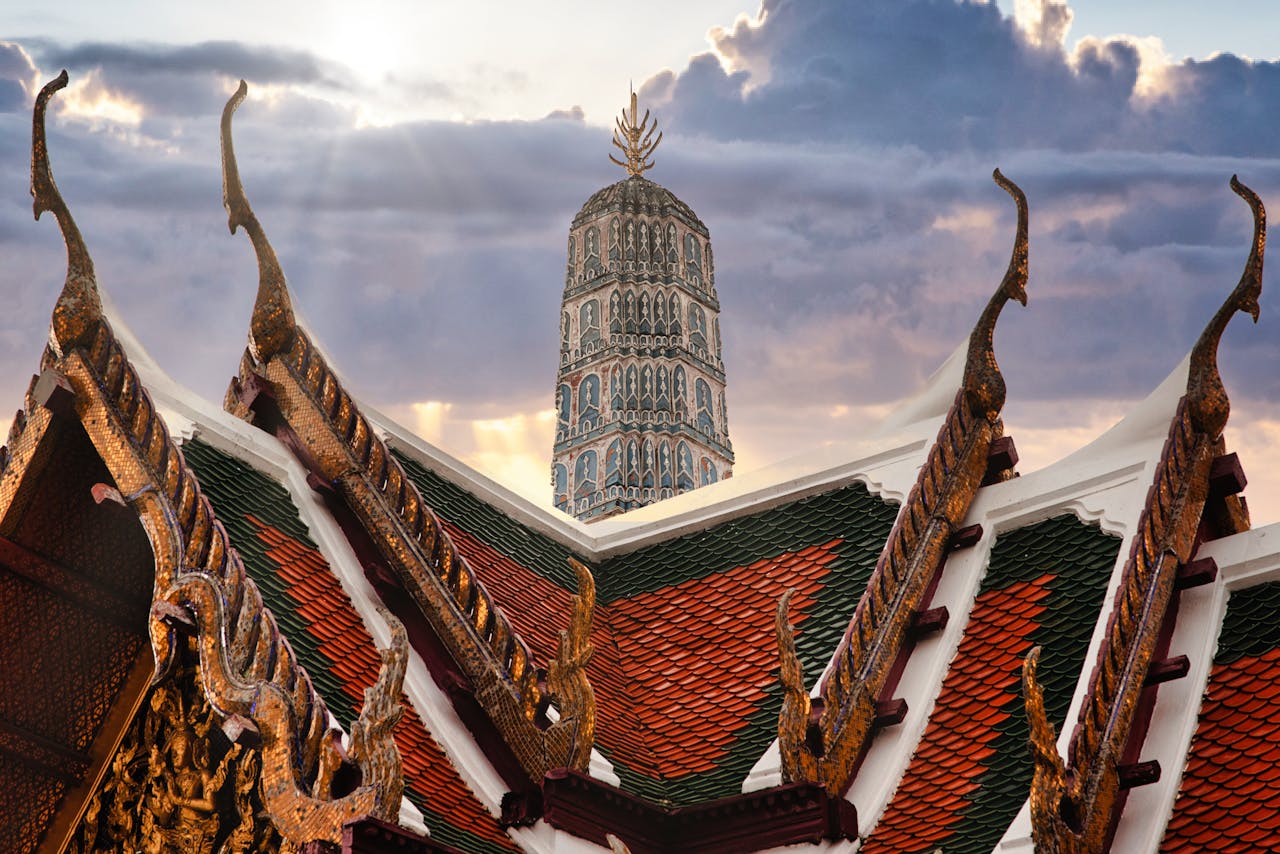 The view from a Chao Phraya riverside coworking spot — not a bad commute.
Common mistakes freelancers make
1. Applying with insufficient savings history. The ฿500,000 must be in your account for 3 months before you apply. Depositing it the week before will get you rejected.
2. No proof of freelance work. "I'm a freelancer" isn't enough. Bring invoices, contracts, or a business website. Immigration wants evidence, not a job title.
3. Skipping health insurance. It's not technically required, but border officers are increasingly asking for it. A $42/month SafetyWing plan is cheaper than one night in a Bangkok hospital.
4. Overstaying. Thailand takes overstays seriously — ฿500/day fine, potential blacklisting. Set a calendar reminder 30 days before your 180-day (or 360-day) limit.
5. Confusing DTV with the LTR visa. The LTR (Long-Term Resident) visa requires $80,000/year income. The DTV requires ฿500,000 savings. Very different thresholds, very different visas. If someone quotes you $80K, they're talking about the wrong visa.
Is the DTV worth it in 2026?
For freelancers earning $2,000–$6,000/month: yes, without question. No other Southeast Asian country offers a 5-year multi-entry visa at this price point with this few requirements. Indonesia's B211A requires an agent and caps at 60 days. Vietnam has no nomad visa at all. Malaysia's DE Rantau targets tech workers specifically.
The DTV's only real competition is the Portugal D8 (cheaper cost of living isn't true anymore) and the Spain DNV (higher income requirement, but EU access). If your priority is Asia, affordable living, and warm weather year-round, Thailand with a DTV is hard to beat.
Planning your move to Thailand? Start with our full Thailand country guide — visa options, city comparisons, neighborhoods, and healthcare. Or use the Country Match Quiz to see if Thailand ranks in your top 5.
Personal Relocation Assessment
This article is general. Your situation is not.
Tell us your nationality, income and timeline and we research it by hand: where you actually qualify, the route, the current threshold with the law it comes from, and what usually goes wrong in a position like yours. Written by an expert, in 3 working days.
Enjoyed this article?
Subscribe for more expat tips and guides.
Which country is right for you?
Answer 6 quick questions about your budget, lifestyle, and priorities. Our AI ranks 122 countries and builds a personalised relocation plan.
Enjoyed this article? Share it with fellow expats


