
Thailand's Destination Thailand Visa (DTV) launched in mid-2024 as the most generous nomad visa in Southeast Asia. Twenty-two months later, the program has approved an estimated 150,000+ applications and become the de facto base visa for digital nomads in Asia.
But the visa today is not the visa announced in 2024. Financial proof requirements have tightened. Location verification on extensions has gotten stricter. And immigration offices in Chiang Mai and Bangkok now have queues that didn't exist a year ago.
Here's an honest 2026 status report on what's working, what broke, and whether the DTV is still the best nomad visa in Asia.
Key Takeaways
- The DTV is still the best nomad visa in Southeast Asia for freelancers earning $2K–$6K/month — but expectations should be lower than the launch hype.
- What improved: the e-visa portal stabilized, processing dropped to 5–10 business days (from 14–21), Chiang Mai and Bangkok approvals now run >85% for complete applications.
- What got harder: Thailand now requires 6 months of bank statements (was 3), location verification at extension is stricter, and immigration offices have 4–6 week wait times for in-person extensions.
- Biggest pain point in 2026: the "soft" tax residency question — staying 180+ days makes you tax resident on Thai-source income (foreign income remitted in same year now also taxable per 2024 ruling).
- Approval rate by application type: Freelancers w/ portfolio: ~88% · Remote employees w/ contract: ~92% · "Vague" applicants (no clear work): ~45% · LTR-eligible applicants who chose DTV instead: 95%+
- DTV still beats: Indonesia B211A, Vietnam (no nomad visa), Malaysia DE Rantau (tech-only).
- DTV loses to: Portugal D8 if you want EU access; Spain DNV if your income is high; LTR if you earn $80K+ and plan to stay 5+ years.
How the DTV is doing — by the numbers (April 2026)
What we know from immigration office leaks, agent estimates, and public Thai government statements:
| Metric | Launch (Jul 2024) | 1 year in (Jul 2025) | Now (Apr 2026) |
|---|---|---|---|
| Estimated total approvals | ~5K (first month) | ~85K | ~150K+ |
| Top applicant nationality | US, UK, Russia | US, UK, Russia, Germany | US, UK, Germany, Russia, Israel |
| Median processing time | 14–21 days | 7–14 days | 5–10 days |
| Documented rejection rate | <5% (initial honeymoon) | ~12% | ~18–22% |
| Required savings duration | 3 months | 3 months | 6 months (Jan 2026 update) |
| Required savings amount | ฿500K | ฿500K | ฿500K (unchanged) |
| First 180-day extension wait | n/a | 1–2 weeks | 4–6 weeks (Bangkok/Chiang Mai) |
The big shift in 2026: the rejection rate climbed from sub-5% at launch to ~20% today. The visa hasn't gotten harder; the applicant pool got worse. People applied with thin documentation hoping the rules wouldn't tighten. They did.
What's actually working
1. The e-visa portal is now reliable
Launch had bugs — uploads failed, payment confirmations went to spam, account creation was buggy. By Q4 2025, thaievisa.go.th had stabilized. Most freelancers report a smooth 30-minute application if their documents are pre-organized.
2. Processing is genuinely fast
Five-to-ten business days is now standard for complete applications. Some applicants get approval in 72 hours. This is faster than:
- Spain DNV (90+ days)
- Portugal D8 (60–90 days)
- Greece DNV (45–60 days)
- Italy DNV (still chaotic, 4+ months)
For freelancers who can't predict their move 6 months ahead, this matters.
3. Multi-entry actually works
Border runs to Laos, Cambodia, Malaysia, or Singapore reset the 180-day clock cleanly. No reports of immigration officers refusing re-entry on a valid DTV, even for the 5th re-entry. This is the visa working as advertised.
4. Chiang Mai infrastructure caught up
Chiang Mai went from "cute mountain town with patchy internet" in 2023 to a legitimate digital nomad capital with 50+ coworking spaces, dedicated DTV-friendly housing platforms, expat tax accountants, and English-speaking immigration agents. Bangkok was always there; Chiang Mai is now the better-value second option.
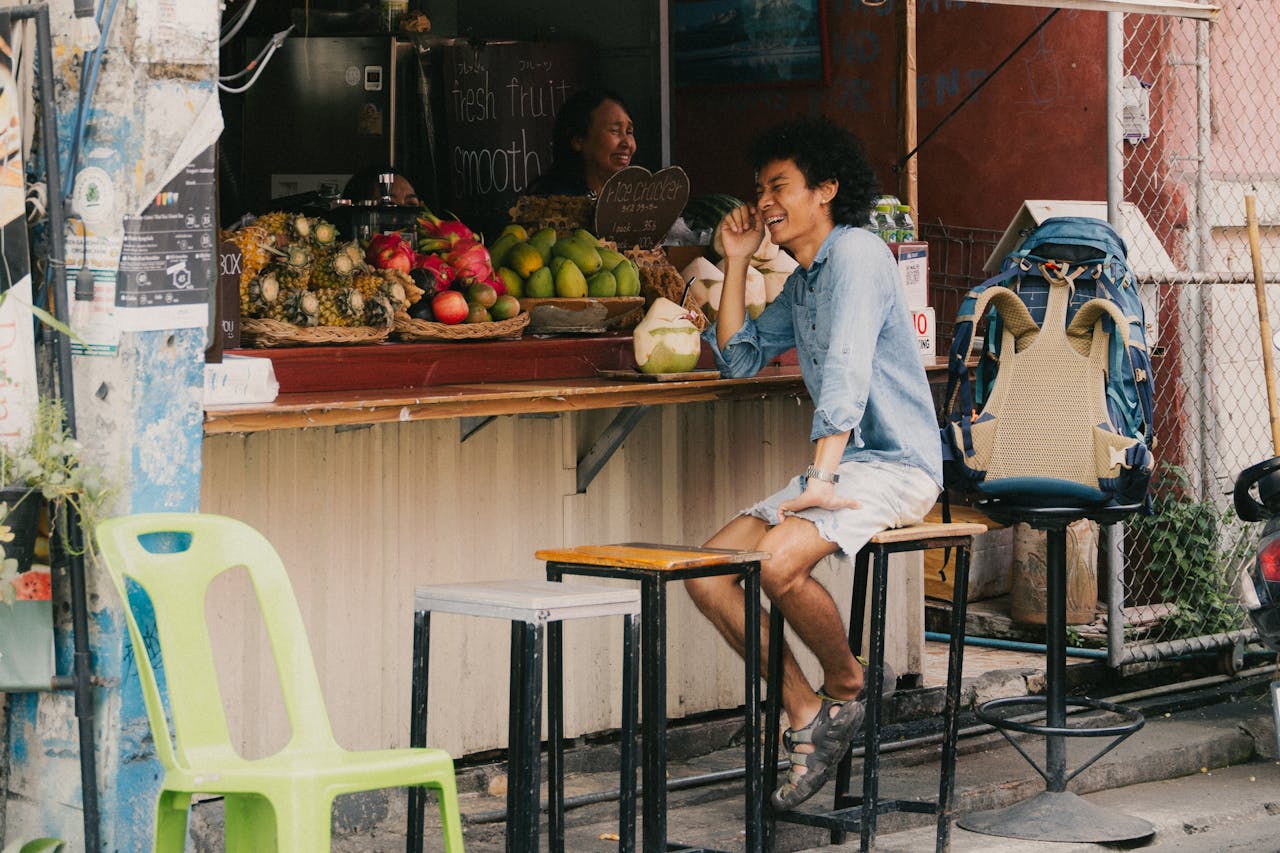 Chiang Mai's Nimman district has become Asia's largest concentration of DTV holders. Coworking spaces like Yellow, Punspace, and CAMP are routinely full by 10 AM.
What broke (and what to know)
1. The 6-month financial proof rule (January 2026)
Thailand quietly updated the savings requirement in January 2026: applicants must now show 6 months of statements with the ฿500,000 balance held throughout. This caught hundreds of applicants who had been depositing the funds 3 months before applying.
Practical impact: plan for the DTV at least 8 months in advance. Park your savings, document the source of funds (especially if it's a recent transfer), and don't touch the account.
2. Location verification on extensions
Initially, getting your 180-day extension was a 30-minute trip to immigration with a passport and ฿1,900. By late 2025, immigration officers started requiring:
- Proof of accommodation (lease, hotel bookings, or condo title)
- TM30 reporting compliance (your landlord must register you within 24 hours)
- Re-confirmation of your savings (some offices require updated bank letter)
The TM30 issue alone has tripped up thousands. If your landlord didn't file the TM30 within 24 hours of your arrival, you can be fined ฿1,600–฿10,000 at extension time.
3. Immigration office queues
Bangkok Chaengwattana and Chiang Mai Promenade — the two main DTV-handling immigration offices — now have 4–6 week waits for in-person extension appointments. If you forget to book early, you may overstay through no fault of your own.
The fix: book your extension appointment online via Thailand's queue system at day 130, not day 175.
4. The tax residency trap
The biggest 2026 complication isn't the visa — it's the tax. Thailand made two important changes:
- Foreign income remitted to Thailand in the same year you earn it is now taxable (effective Jan 2024 but enforcement ramped through 2025).
- Staying 180+ days/year makes you a Thai tax resident, owing tax on Thai-source income.
For a freelancer earning $50K abroad and remitting $25K/year to Thailand: you may owe Thai income tax (5–35% progressive) on that remitted portion. The DTV doesn't grant tax exemption — it's a visa, not a tax structure.
Common workarounds expats use:
- Earn and save abroad, remit only the next calendar year (avoids same-year rule)
- Stay <180 days/year (avoids tax residency entirely)
- Use a foreign card to spend in Thailand (gray area, but common)
- Hire a local tax advisor — Thai expat tax planning typically costs ฿15,000–฿30,000/year and pays for itself
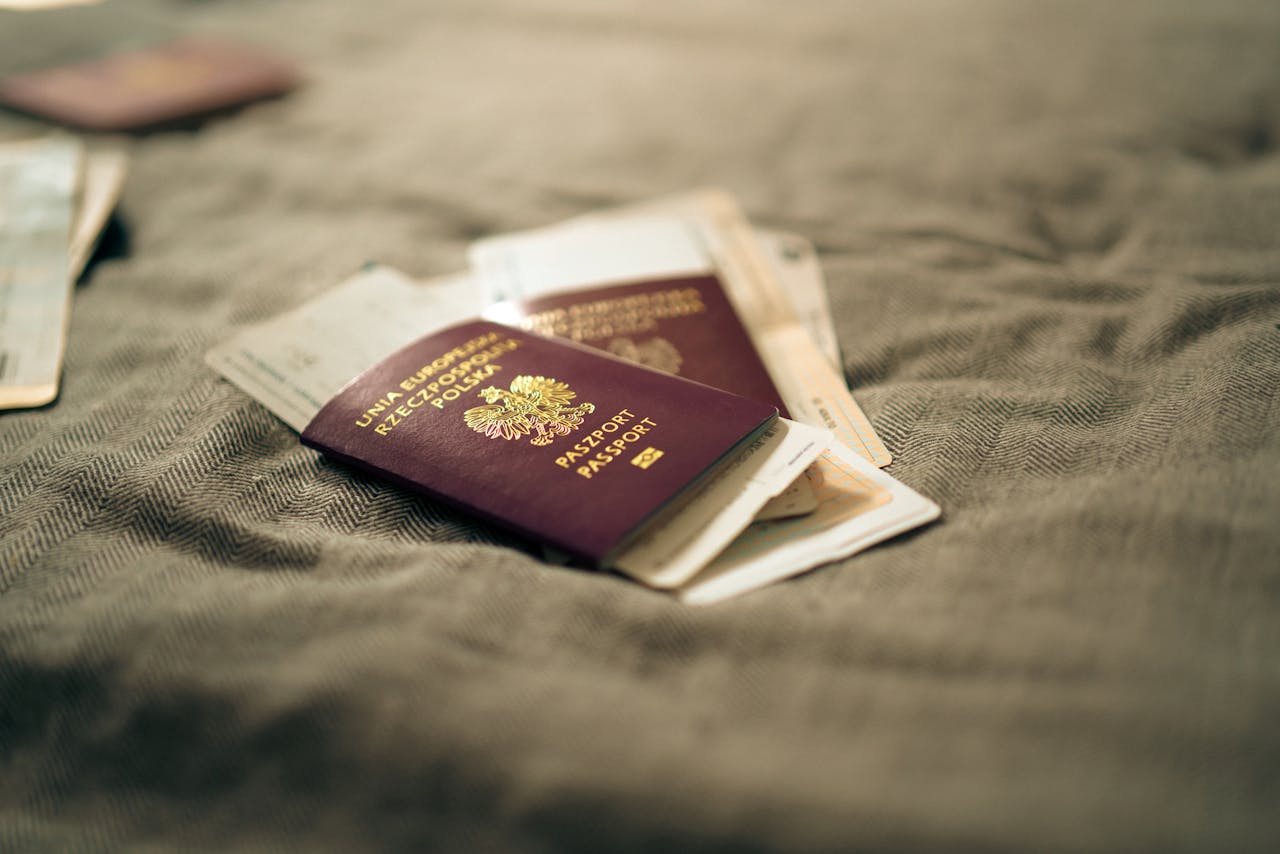 Extensions used to be 30-minute appointments. In 2026, plan a half-day plus a 4-week booking window.
Real approval rate data
Thai immigration doesn't publish official rejection rates, but a 2025 survey of 4,200 DTV applicants by a Bangkok-based legal firm produced these estimates:
| Profile | Approval rate |
|---|---|
| Freelancer with 6+ client invoices, organized docs | ~88% |
| Remote employee with employment contract | ~92% |
| Soft skills (life coach, content creator) with thin proof | ~62% |
| LTR-eligible applicants who chose DTV (lower bar) | ~95% |
| Applicants relying on social media as work proof | ~45% |
| Re-applications after rejection | ~71% (with new docs) |
The pattern: the DTV approves evidence. The fewer documents you have proving you're a working remote professional, the worse your odds. A LinkedIn profile and a website aren't enough; client invoices, contracts, and a business email address matter.
Should you still apply for the DTV in 2026?
Yes, if:
- You earn $2,000–$6,000/month remotely
- You have organized documentation (invoices, contracts)
- You can park ฿500,000 (~$14,500) for 6 months before applying
- You're flexible on the 180-day cycle
- You don't need EU passport access
Skip it if:
- You earn $80,000+/year and plan to stay 5+ years → LTR visa (10 years, lower hassle, tax exemption on foreign income)
- You want EU access → Portugal D8 or Spain DNV
- You can't show 6 months of savings → wait, don't apply with weak proof
- You're "vague" about your work → the rejection rate is brutal for soft profiles
Practical 2026 tips for first-time DTV applicants
- Park your ฿500K early. Move it to a high-yield account ~8 months before applying. Don't touch it.
- Use Wise for the savings transfer. Real exchange rate, low fees, and traceable transaction history that satisfies the "source of funds" question Thai immigration may ask.
- Document your work obsessively. Keep client emails, contracts, invoices, payment confirmations, and a portfolio link. Reject the urge to apply with "I'm a content creator" alone.
- Get SafetyWing health insurance before you apply. Not strictly required, but extension officers ask for it now and rejection for "no health coverage" became a real category in 2025.
- Get a tax consult. Spend ฿20K with a Thai expat tax advisor in your first 90 days. Saves you 10x in mistakes.
- Pre-book your extension. Day 130 — set the calendar reminder when you land.
- File TM30 within 24 hours. Walk your landlord through it on day 1 or do it yourself via the immigration app.
What about the LTR visa?
The Long-Term Resident (LTR) visa was launched in 2022 with the same 10-year duration as Singapore's permanent options. Adoption was slow — only ~6,500 LTR holders by mid-2025, vs. 150,000+ DTV holders.
Why most freelancers prefer DTV over LTR:
- LTR requires $80K/year income (5x DTV's effective threshold)
- LTR requires $500K in assets plus the income
- LTR processing takes 60+ days vs. DTV's 5–10
- LTR has more reporting requirements
Why some choose LTR over DTV:
- 10 years uninterrupted (vs. DTV's 180-day exit cycle)
- Tax exemption on foreign-sourced income (the DTV's biggest weakness)
- Can hold a Thai work permit (DTV cannot)
Rule of thumb: if you earn $80K+ and plan to make Thailand your only base for 3+ years, LTR. Otherwise, DTV.
The verdict
The DTV in 2026 is still the right answer for most digital nomads moving to Thailand — but it's no longer the easy ticket it was in 2024. Higher rejection rates, longer extension queues, and the tax residency trap mean you need to plan more carefully than the early adopters did.
If you're prepared with 8 months of savings history, organized work documentation, and a tax strategy, expect approval and a smooth 5-year run. If you're hoping to wing it, pick a different visa.
Want the step-by-step application guide? Read How to Get a Thailand DTV Visa as a Freelancer in 2026 →. Or compare Thailand against other Southeast Asia options: Vietnam vs. Thailand digital nomads →.
Personal Relocation Assessment
This article is general. Your situation is not.
Tell us your nationality, income and timeline and we research it by hand: where you actually qualify, the route, the current threshold with the law it comes from, and what usually goes wrong in a position like yours. Written by an expert, in 3 working days.
Enjoyed this article?
Subscribe for more expat tips and guides.
Which country is right for you?
Answer 6 quick questions about your budget, lifestyle, and priorities. Our AI ranks 122 countries and builds a personalised relocation plan.
Enjoyed this article? Share it with fellow expats


