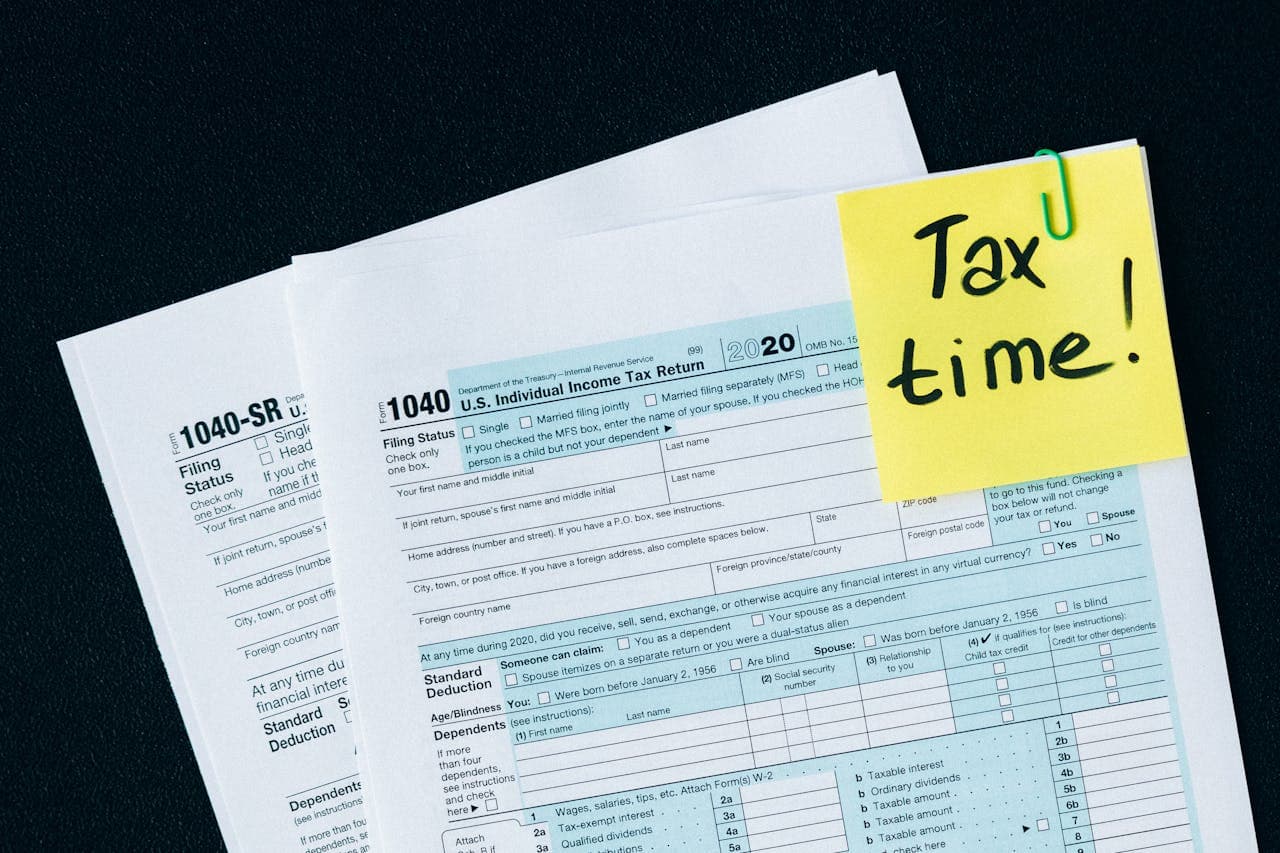
The US tax deadline for expats is June 15, 2026 — and 2026 brought a stack of changes that catch even seasoned expats off guard. New FBAR thresholds. Tighter FATCA reporting. A higher Foreign Earned Income Exclusion (FEIE) cap. And the IRS is finally cracking down on crypto held in foreign exchanges.
If you're an American living abroad, here's everything that changed in 2026 — and the deadlines you can't afford to miss.
Key Takeaways
- Filing deadline for expats: June 15, 2026 (automatic 2-month extension from April 15). Tax owed is still due April 15 to avoid interest.
- Foreign Earned Income Exclusion (FEIE) cap: raised to $130,000 (up from $126,500 in 2025).
- FBAR threshold unchanged: $10,000 aggregate across all foreign accounts at any point in the year. Filed separately via FinCEN Form 114.
- FATCA threshold: $200,000 (single, abroad) / $400,000 (married filing jointly, abroad) in foreign assets — Form 8938.
- New for 2026: Crypto held in foreign exchanges (Binance, Bybit, KuCoin) now explicitly reportable under FBAR if combined with cash exceeds $10K.
- State taxes: California, New York, New Mexico, Virginia, and South Carolina still chase you abroad. Establish residency elsewhere before you leave.
What changed in 2026?
Five things, ranked by how often they trip people up:
1. FEIE cap raised to $130,000
The Foreign Earned Income Exclusion lets qualifying expats exclude foreign-earned income from US federal tax. For 2026, the cap rose from $126,500 to $130,000 per qualifying individual. If you and your spouse both qualify, that's $260,000 of combined excluded income.
To qualify, you need to pass either the Physical Presence Test (330 days outside the US in any 12-month period) or the Bona Fide Residence Test (a tax home in a foreign country for an entire tax year).
The trap: Many digital nomads spend just enough time in the US to break the 330-day rule by a few days. Track every entry/exit. Keep a calendar with passport stamps as backup.
2. FBAR enforcement is stricter — and now includes crypto
The Bank Secrecy Act requires you to file an FBAR (FinCEN Form 114) if your foreign accounts totaled $10,000 or more at any point during the year — even for a single day.
New for 2026: The IRS clarified that crypto held on foreign exchanges counts toward the $10,000 threshold if combined with cash holdings. Binance, Bybit, KuCoin, OKX — all foreign. If you've been reporting only your bank account and ignoring your $4,000 in stablecoins on Bybit, you're likely under-reporting.
Penalty for non-filing: Up to $10,000 per violation for non-willful, $100,000+ or 50% of account balance for willful. The IRS is no longer accepting "I didn't know" as an excuse.
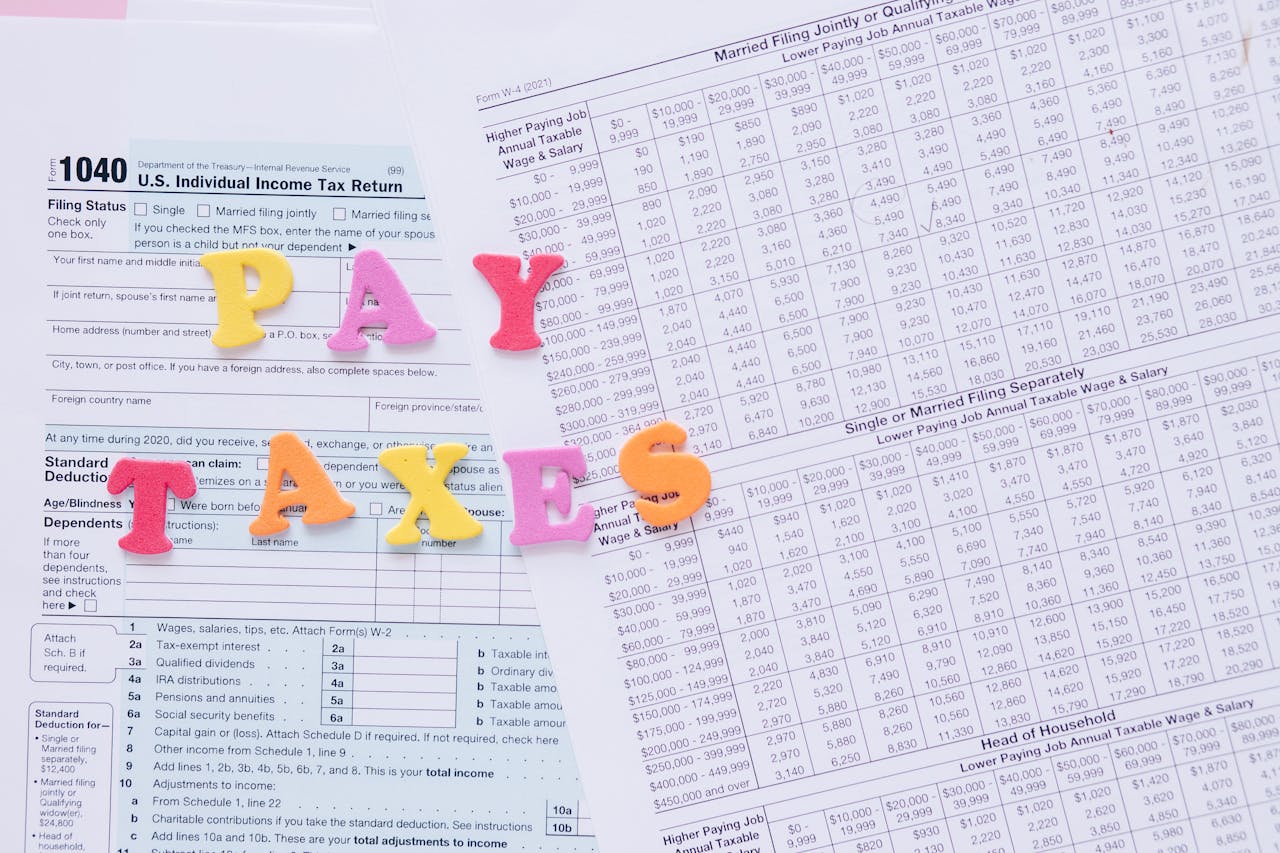 The IRS extended the FATCA reporting threshold scrutiny in 2026 — expect more letters, not fewer.
3. FATCA Form 8938 thresholds — same numbers, more scrutiny
Form 8938 is separate from FBAR (yes, you might file both). It's required if your specified foreign financial assets exceed:
| Filing Status | Living in US | Living Abroad |
|---|---|---|
| Single | $50,000 (year-end) / $75,000 (any time) | $200,000 / $300,000 |
| Married Filing Jointly | $100,000 / $150,000 | $400,000 / $600,000 |
The thresholds didn't change in 2026, but the IRS got 2,400 new auditors specifically focused on international compliance. Expect more letters.
4. State taxes still chase you (these 5 are the worst)
Federal taxes are unavoidable, but state taxes are a choice — if you're strategic. Five "sticky" states continue to claim you as a resident even after you move abroad:
- California — assumes you're still a resident unless you sever every tie (driver's license, voter registration, bank account, mailing address).
- New York — uses a 183-day rule and a "permanent place of abode" test.
- New Mexico — domicile-based; hard to leave.
- Virginia — also domicile-based.
- South Carolina — known for aggressive audits of "former" residents.
Before you move: establish residency in a no-income-tax state (Florida, Texas, Tennessee, Nevada, Wyoming, South Dakota, Washington, Alaska). Get a driver's license, register to vote, file at least one tax return there. Then move abroad.
5. Currency conversion: the IRS uses spot rates
When reporting foreign income or accounts in USD, you must use the year-end exchange rate (or spot rate on transaction date for individual events). The IRS's official rates are published annually.
The trap: Most expats use the wrong source — Google, X-rates, or their bank's rate. The IRS specifically requires the US Treasury's quarterly Foreign Currency Reporting Rate for FBAR. Mismatch = audit risk.
Pro tip: Use Wise for transfers — they show the real mid-market rate (which is closer to the IRS spot rate than your bank's rate) and provide downloadable transaction history with exact USD values. Saves hours during tax season.
The deadline timeline you actually need
For US expats filing for the 2025 tax year (filed in 2026):
| Date | What's due |
|---|---|
| April 15, 2026 | Tax payment due (interest accrues after this date if you owe) |
| April 15, 2026 | First estimated tax payment for 2026 |
| June 15, 2026 | Tax return filing deadline (automatic 2-month extension for expats) |
| June 15, 2026 | Second estimated tax payment for 2026 |
| September 15, 2026 | Third estimated tax payment for 2026 |
| October 15, 2026 | Final extended deadline (if you filed Form 4868) |
| October 15, 2026 | FBAR deadline (FinCEN Form 114, automatic extension from April 15) |
| January 15, 2027 | Fourth estimated tax payment for 2025 |
Key thing most expats miss: The June 15 extension is for filing, not paying. If you owe, you need to pay by April 15 to avoid interest charges. Even if you can't file the return that early, send an estimated payment.
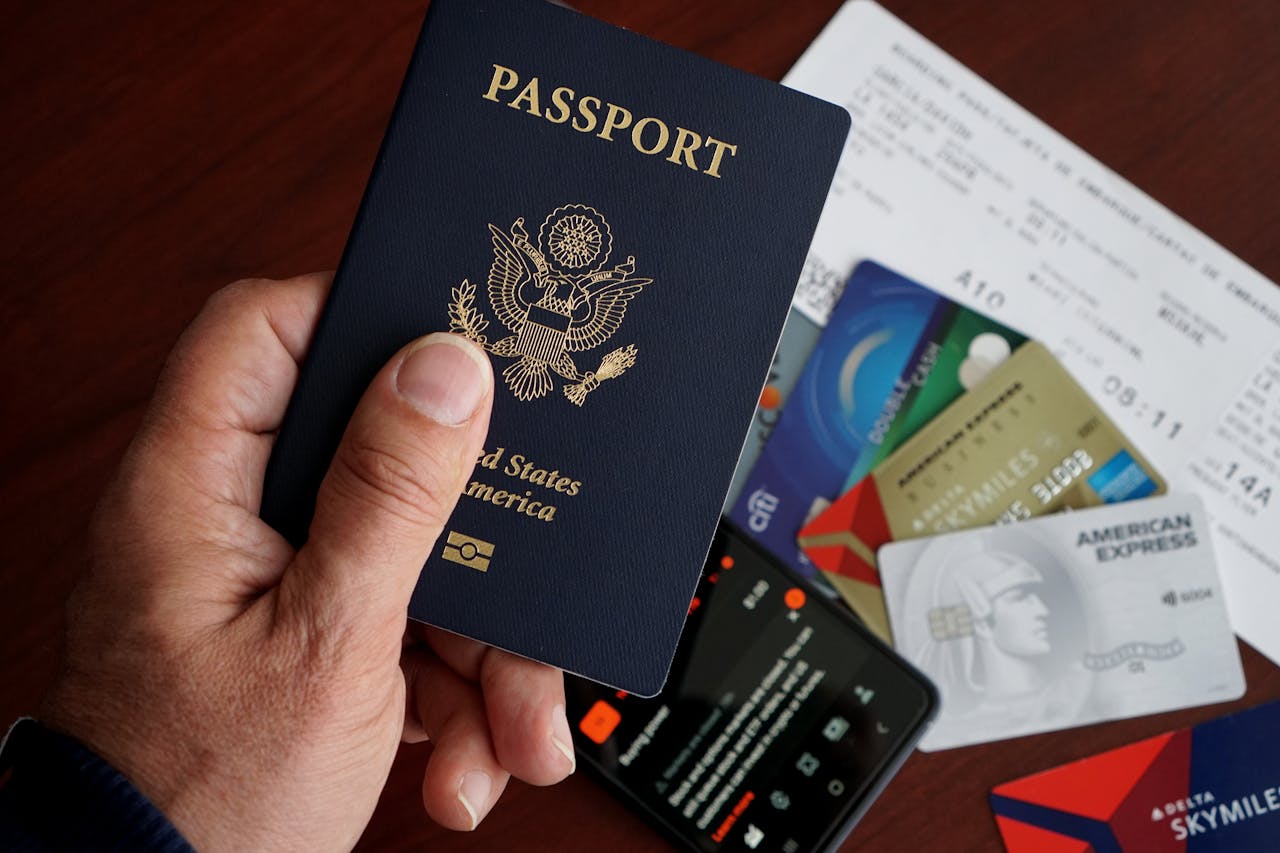 Where you live changes when you file. It rarely changes whether you file.
Common 2026 mistakes (and how to avoid them)
1. Skipping FBAR because the account is "small." Anything that pushed you over $10,000 at any moment during the year requires FBAR. Even if it's just for one day. Even if it dropped back down.
2. Forgetting a closed account. If you opened and closed a foreign account in 2025 — even briefly — it still counts toward the FBAR threshold and requires reporting.
3. Not reporting crypto on foreign exchanges. The IRS's 2026 guidance was explicit: foreign exchange crypto counts. If you held $5K in stablecoins on Bybit + $6K in your foreign bank, you needed to file FBAR.
4. Using the wrong exchange rate. US Treasury Reporting Rate for FBAR. IRS yearly average for income. Don't mix them up.
5. Assuming the 2-month extension means "no penalty." You get the filing extension. You don't get a payment extension. If you owe and pay after April 15, interest starts accruing immediately.
6. Ignoring state-level tax obligations. Federal might be sorted, but California, NY, and the other "sticky" states will keep sending you letters until you formally sever residency.
Should you hire an expat tax pro or DIY?
DIY works if:
- Your only income is W-2 wages or freelance work paid in USD
- You have a single foreign bank account under $50,000
- You don't own foreign businesses, investments, or real estate
- You're confident with FBAR + Form 8938 + Schedule B
Hire a pro if:
- You own a foreign business or LLC (Form 5471, Form 8865 — these get expensive fast)
- You have foreign mutual funds or pensions (PFIC reporting)
- You're behind on multiple years (Streamlined Filing Compliance Procedures)
- You earn over the FEIE cap and need Foreign Tax Credit optimization
Cost expectation: $300–$800 for a simple return. $1,500–$3,500 for complex situations. Specialized expat tax firms (Greenback, Bright!Tax, MyExpatTaxes, H&R Block Expat) all offer flat-fee pricing — get quotes from at least two.
What to do this week
If you're an American expat reading this in April 2026:
- Calculate what you owe — even an estimate. Send it to the IRS by April 15 to stop interest accruing.
- Pull your foreign account balances for the highest day of 2025. That's your FBAR number.
- Confirm your FEIE eligibility — count your US days for 2025. If you went over 35 days, you may need the Foreign Tax Credit instead.
- Set a calendar reminder for June 15 — the actual filing deadline.
- Use Wise to download annual transaction history in USD — saves hours when filling out forms.
The 2026 changes aren't existential, but they're real. Filing on time, with the right thresholds, is the difference between $0 in penalties and a $10,000 FBAR fine.
Need help planning your move with US tax in mind? Use our Country Match Quiz to find countries with US tax treaties (which can dramatically simplify your situation). Or read our full guide to US taxes when you move abroad.
Personal Relocation Assessment
This article is general. Your situation is not.
Tell us your nationality, income and timeline and we research it by hand: where you actually qualify, the route, the current threshold with the law it comes from, and what usually goes wrong in a position like yours. Written by an expert, in 3 working days.
Enjoyed this article?
Subscribe for more expat tips and guides.
Which country is right for you?
Answer 6 quick questions about your budget, lifestyle, and priorities. Our AI ranks 122 countries and builds a personalised relocation plan.
Enjoyed this article? Share it with fellow expats