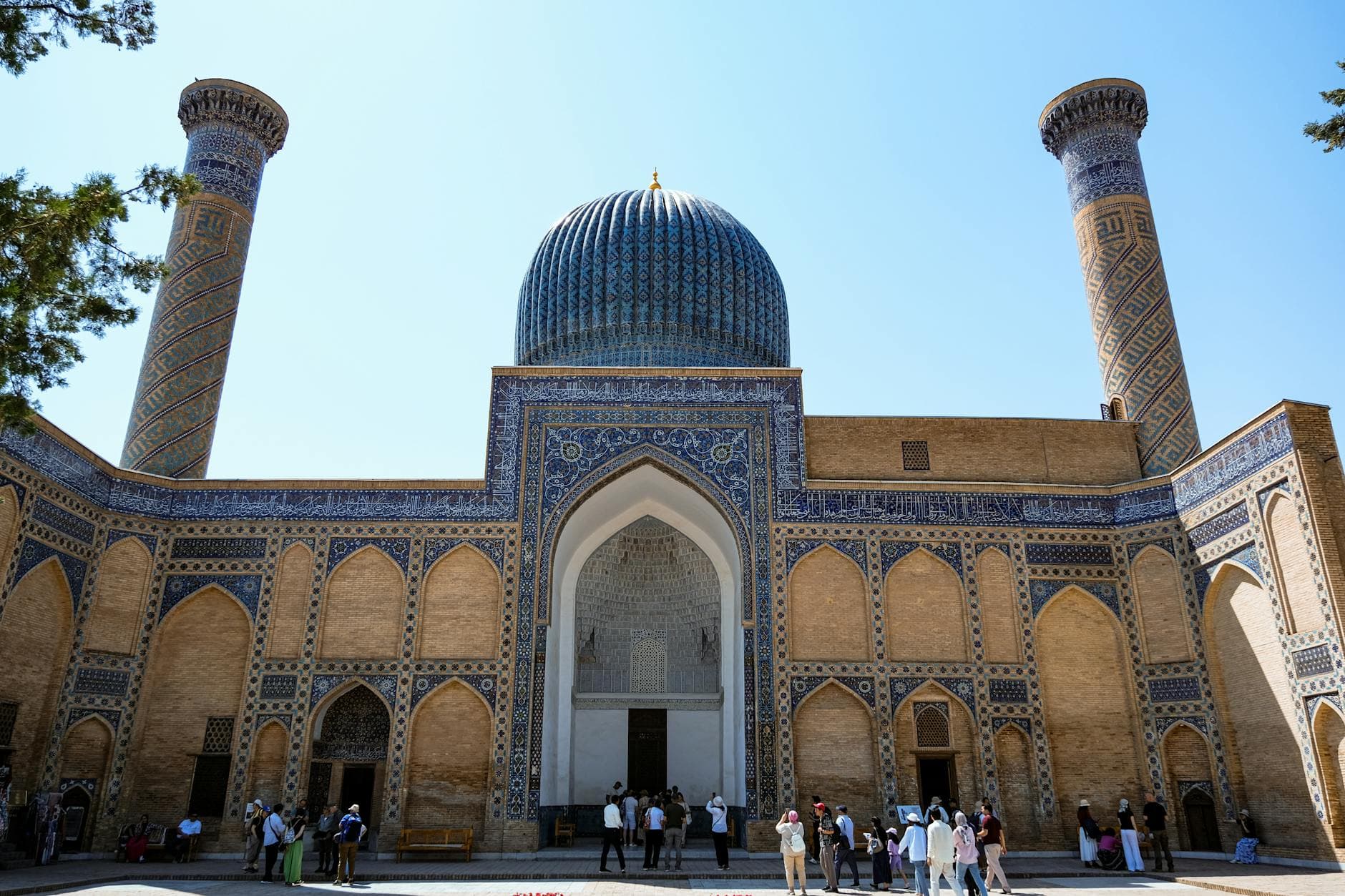
🌆

🇺🇿 Uzbekistan

Daily Life

Daily life in Uzbekistan combines ancient Silk Road traditions with rapid modernization. From bustling bazaars and legendary hospitality to modern shopping malls and an evolving café culture, life here is affordable, culturally rich, and genuinely different from anywhere in Europe or Southeast Asia..

Uzbek

Official Language

Russian widely used

Continental

Climate

Hot summers, cold winters

Low crime

Safety

Safest in Central Asia

Improving

Internet

Fiber expanding in cities

Overview

Daily life in Uzbekistan combines ancient Silk Road traditions with rapid modernization. From bustling bazaars and legendary hospitality to modern shopping malls and an evolving café culture, life here is affordable, culturally rich, and genuinely different from anywhere in Europe or Southeast Asia.

Key Takeaways

  • Breakfast culture: fresh non bread, kaymak (clotted cream), tea, and seasonal fruits from the bazaar
  • Uzbek: official language, Turkic family — similar to Turkish; Latin script
  • Plov (osh): the national dish — rice pilaf with lamb, carrots, chickpeas, and spices. $2–$4 per serving
  • Violent crime: very rare against foreigners — Uzbekistan has one of Central Asia's lowest rates
1

What Daily Life Looks Like

Life in Uzbekistan moves at a different rhythm. Mornings begin with fresh non (flatbread) from the neighborhood tandir (clay oven). Bazaars bustle with seasonal produce, spices, and friendly banter. Tea (chai) is offered everywhere — declining is almost rude. The pace is social, warm, and community-oriented. Modern Tashkent also has malls, international restaurants, and a growing nightlife scene, giving expats the best of both worlds.

  • Breakfast culture: fresh non bread, kaymak (clotted cream), tea, and seasonal fruits from the bazaar
  • Bazaars: Chorsu (Tashkent) and Siab (Samarkand) are daily shopping experiences — fresh, cheap, vibrant
  • Tea culture: chai is central to social life — always accept when offered
  • Malls and supermarkets: Tashkent has modern shopping centers (Samarqand Darvoza, Mega Planet)
  • Nightlife: growing in Tashkent — rooftop bars, clubs, and live music; quiet elsewhere
  • Weekend activities: bazaar shopping, park picnics, tea houses, and day trips to mountains or historic cities
2

Language & Communication

Uzbek is the official language, written in Latin script (switched from Cyrillic in 1993). Russian remains widely spoken, especially among older generations and in professional settings. English is growing among young people in Tashkent but is very limited elsewhere. Learning basic Uzbek or Russian phrases will dramatically improve your experience and earn enormous goodwill from locals.

  • Uzbek: official language, Turkic family — similar to Turkish; Latin script
  • Russian: widely spoken in cities, especially by 30+ age group and in business contexts
  • English: limited — growing among young people in Tashkent; very rare outside the capital
  • Google Translate: works well for Uzbek and Russian — essential tool for daily interactions
  • Language schools: available in Tashkent for Uzbek and Russian; private tutors from $5–$10/hour
  • Key phrases to learn: Rahmat (thank you), Salom (hello), Qancha? (how much?), Choy (tea)
3

Food & Dining

Uzbek cuisine is arguably Central Asia's finest, centered around hearty dishes made with fresh ingredients and aromatic spices. The national dish, plov (rice pilaf cooked with lamb, carrots, and cumin), is served at every gathering and celebrated at dedicated plov centers where massive kazan (cauldrons) feed hundreds daily. Dining out is extraordinarily affordable.

  • Plov (osh): the national dish — rice pilaf with lamb, carrots, chickpeas, and spices. $2–$4 per serving
  • Shashlik: grilled meat skewers — lamb, beef, chicken — found on every street corner. $1–$3
  • Lagman: hand-pulled noodle soup with vegetables and spicy broth. $2–$4
  • Somsa: baked pastries stuffed with meat and onions — the ultimate street food. $0.30–$0.50
  • Non: freshly baked flatbread from clay ovens — bought daily from neighborhood bakeries. $0.10–$0.30
  • Mid-range restaurant (dinner for two): $15–$30 with drinks
  • International cuisine: growing options in Tashkent — Korean, Japanese, Italian, Georgian restaurants
4

Safety & Security

Uzbekistan is widely considered the safest country in Central Asia. Tashkent ranks among the region's safest capitals, with low crime rates and strong police presence. Violent crime against foreigners is extremely rare. Tourist police patrol major cities including Samarkand and Bukhara, ensuring visitor safety. The main concerns are road safety and petty theft in crowded areas.

  • Violent crime: very rare against foreigners — Uzbekistan has one of Central Asia's lowest rates
  • Petty crime: pickpocketing possible in crowded metro stations and bazaars — standard precautions apply
  • Tourist police: dedicated units in Tashkent, Samarkand, and Bukhara — helpful and English-aware
  • Road safety: the biggest genuine risk — erratic driving, use metro or trusted taxi apps
  • Areas to avoid: border areas with Afghanistan (Termez region) as advised by foreign governments
  • Police presence: visible and generally helpful, though language barriers can complicate interactions
  • Women travelers: generally safe; conservative dress recommended outside Tashkent
FAQs

Common Questions — Daily Life in Uzbekistan

Find Your Perfect City with AI

Describe your lifestyle and our AI matches you to the best expat cities — then simulates a full day there.

Take the Free Quiz

Expat Insights, Weekly

Visa updates, cost-of-living data, and expat stories from Uzbekistan in your inbox.

More Uzbekistan Guides

🇺🇿

Ready to explore Uzbekistan?

Browse our city guides to find the perfect base for your expat life in Uzbekistan.