NEWMoving abroad? Get your case researched against the law as it stands, not a two year old blog postTry it
EXPATLIFE.AI
GuidesAssessmentCompareBlog
🌆

🇷🇴 Romania

Daily Life

Daily life in Romania combines the warmth and hospitality of a Balkan culture with EU standards of infrastructure and rights. Bucharest is loud, messy, and genuinely exciting - a city that feels alive.

Data verified August 13, 2026

Generally Safe

Safety

Low violent crime; Bucharest traffic is the main hazard

Excellent

Coffee Culture

€0.80–€1.50 espresso; specialty coffee scene growing rapidly

€10–€18

Restaurant Meal

Mid-range in Bucharest; €8–€15 in Cluj

Continental

Climate

Cold winters, hot summers; mountains and coast accessible

Outstanding value

Beer/Wine Culture

Local wine bottles from €3–€8 at restaurants

Low in cities

Language Barrier

Excellent English among under-40s in Bucharest and Cluj

Overview

Daily life in Romania combines the warmth and hospitality of a Balkan culture with EU standards of infrastructure and rights. Bucharest is loud, messy, and genuinely exciting - a city that feels alive. Cluj is more refined, more academic, and better organised. Romanian food culture is excellent and remarkably cheap. The country's natural and heritage landscape - Transylvania, the Carpathians, the Danube Delta, medieval Saxon towns - provides extraordinary quality of life for those who explore it.

Key Takeaways

  • Sarmale (cabbage rolls stuffed with pork and rice): the national dish; typically served with sour cream and polenta; every Romanian grandmother makes it differently
  • Bucharest National Museum of Art: housed in the Royal Palace; excellent collection of European and Romanian art
  • Violent crime against foreigners: rare; Romania ranks reasonably well in EU safety statistics
  • Carpathian Mountains: skiing at Poiana Brașov (2 hrs from Bucharest) and Sinaia (1.5 hrs); bear-watching near Zărnești; hiking Piatra Craiului ridge and Bucegi Mountains
1

Food, Wine, and Dining Culture

Romanian cuisine is underrated internationally but deeply satisfying - hearty, flavourful, and extraordinarily affordable.

  • Sarmale (cabbage rolls stuffed with pork and rice): the national dish; typically served with sour cream and polenta; every Romanian grandmother makes it differently
  • Mici (mici/mititei): small grilled minced meat rolls; the quintessential Romanian street food and barbecue staple
  • Mămăligă (polenta): served with sour cream, cheese, and eggs; Romania's answer to pasta or rice
  • Ciorbă de burtă: tripe sour soup; a polarising but beloved classic; cures hangovers and warms winters
  • Romanian wines: the Dealu Mare, Cotnari, Murfatlar, and Jidvei regions produce excellent wines; a restaurant bottle of good-quality Romanian wine €3–€8
  • Bucharest restaurant scene: internationally excellent; rooftop bars and tasting menus in Floreasca for €25–€40/person; traditional restaurants for €8–€12/meal
  • Tuică and palincă: Romanian plum brandy; always home-produced; always offered at social gatherings
2

Culture, Social Life, and Community

Bucharest and Cluj both have vibrant cultural and social scenes far exceeding what their prices would suggest.

  • Bucharest National Museum of Art: housed in the Royal Palace; excellent collection of European and Romanian art
  • Bucharest Old Town (Lipscani): medieval quarter; cobblestone streets; bars, clubs, and restaurants open until dawn; central social hub
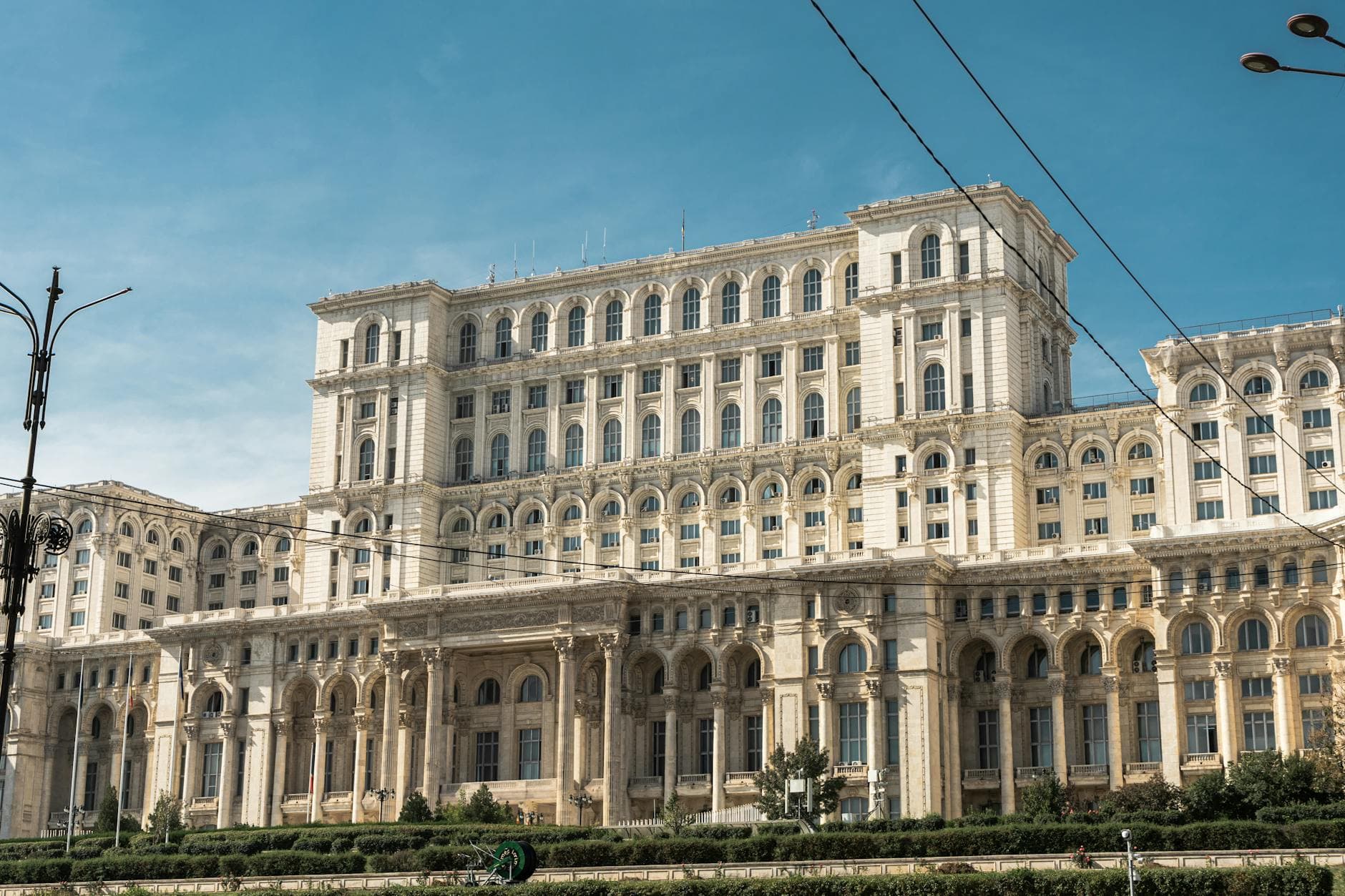
  • Palace of the Parliament: the world's second-largest building by volume; 1,100 rooms; communist megalomania made stone; extraordinary tours available
  • TIFF (Transylvania International Film Festival, Cluj, June): one of Southeast Europe's leading film events; 10 days of international cinema
  • Untold Festival (Cluj, August): consistently ranked among Europe's top electronic music festivals; 400,000+ attendees over 4 days
  • LGBTQ+: Bucharest Pride has grown significantly; Romania is conservative in rural areas but Bucharest and Cluj have welcoming communities; legal situation improving
  • 'Expats in Bucharest' and 'Cluj Expats' Facebook groups: active; monthly events; housing leads; the fastest path to community
3

Safety and Security

Romania is generally safe for expats, with traffic being the main practical hazard.

  • Violent crime against foreigners: rare; Romania ranks reasonably well in EU safety statistics
  • Petty crime (pickpocketing): possible in Bucharest city centre, public transport, and crowded areas - normal urban vigilance
  • Traffic: Bucharest has notoriously aggressive and chaotic traffic; pedestrian safety requires care; always use designated crossings
  • Stray dogs: once a significant issue in Bucharest; dramatically reduced since 2013–2015 municipal management programme; still occasional encounter in outer areas and smaller towns
  • Emergency: 112 (all services); works from any phone including mobiles without SIM
  • Corruption: significantly reduced since EU accession and DIICOT (anti-corruption directorate) prosecutions; expats' daily life is rarely affected
4

Outdoors, Nature, and Day Trips

Romania's natural and heritage landscape is one of the most diverse in Europe - and almost entirely free of mass tourism.

  • Carpathian Mountains: skiing at Poiana Brașov (2 hrs from Bucharest) and Sinaia (1.5 hrs); bear-watching near Zărnești; hiking Piatra Craiului ridge and Bucegi Mountains
  • Brașov: perfectly preserved medieval Saxon city; 2 hours from Bucharest; Bran Castle ('Dracula's Castle') nearby; one of Romania's most visited cities deservedly
  • Sighișoara (UNESCO): birthplace of Vlad the Impaler (the real Dracula); best-preserved inhabited medieval citadel in Europe; medieval towers and coloured church
  • Sibiu: European Capital of Culture 2007; German-heritage city; one of Eastern Europe's most beautiful old towns; Brukenthal Museum
  • Danube Delta (UNESCO Biosphere Reserve): Europe's largest river delta; 5,800 km of waterways; extraordinary birdwatching (pelicans, herons); accessible from Tulcea by boat
  • Turda Gorge (near Cluj): one of Europe's most dramatic canyon landscapes; hiking and rock climbing; stunning geology
  • Painted Monasteries of Bukovina (UNESCO): exterior frescoes from the 15th–16th century; completely unique in world art history; extraordinary colours and scenes
FAQs

Common Questions - Daily Life in Romania

Personal Relocation Assessment

Can you actually move to Romania?

This page is general. A Personal Relocation Assessment is not: our relocation expert researches your nationality, income and timeline against the law as it stands and names the instrument behind every figure.

Get my assessment

Find Your Perfect City with AI

Describe your lifestyle and our AI matches you to the best expat cities - then simulates a full day there.

Take the Free Quiz

Expat Insights, Weekly

Visa updates, cost-of-living data, and expat stories from Romania in your inbox.

More Romania Guides

🇷🇴

Ready to explore Romania?

Browse our city guides to find the perfect base for your expat life in Romania.

Ask about living in Romania...