🏠

🇮🇷 Iran

Housing

Housing in Iran works differently from most countries — the rahn (deposit) system means landlords often require massive upfront deposits (equivalent to 6–18 months' rent) in exchange for very low monthly payments. For expats, negotiating a higher monthly rent with a lower deposit is possible and increasingly common.

$300–$450/mo

1-BR Center (Tehran)

North Tehran higher

$150–$250/mo

1-BR Center (Isfahan)

Historic center

6–18 months

Rahn Deposit

Traditional system

+30–50%

Furnished Rental

Above unfurnished rate

Overview

Housing in Iran works differently from most countries — the rahn (deposit) system means landlords often require massive upfront deposits (equivalent to 6–18 months' rent) in exchange for very low monthly payments. For expats, negotiating a higher monthly rent with a lower deposit is possible and increasingly common. Tehran's northern neighborhoods command premium prices, while Isfahan and other cities offer remarkable value.

Key Takeaways

  • Rahn (deposit): traditional system — $5,000–$30,000 upfront for low/no monthly rent
  • North Tehran (Elahiyeh, Zafaraniyeh): $500–$800/month for 1-BR furnished apartment
  • City center (Chaharbagh, Jolfa): $150–$250/month for 1-BR
  • Always have an Iranian speaker help with viewings and negotiations
1

Understanding Iran's Housing Market

Iran's rental market has a unique feature: the rahn system. Instead of a small security deposit, landlords traditionally require a large upfront deposit (rahn) — often equivalent to $5,000–$30,000 — in exchange for very low or zero monthly rent (ejare). The deposit is returned when you leave. As an expat, you can negotiate a 'mixed' arrangement with a smaller rahn and higher monthly rent, which is increasingly common.

  • Rahn (deposit): traditional system — $5,000–$30,000 upfront for low/no monthly rent
  • Ejare (monthly rent): the monthly payment — lower with higher rahn, higher with lower rahn
  • Mixed system: negotiate higher monthly rent to reduce the upfront deposit
  • Furnished apartments: available in expat-heavy areas of Tehran at 30–50% premium
  • Lease terms: typically 1 year, renewable by mutual agreement
  • Real estate agents (bongah): charge 0.5–1 month's rent as commission — standard practice
2

Housing in Tehran

Tehran's housing market varies dramatically from north to south. Northern neighborhoods (Elahiyeh, Zafaraniyeh, Niavaran) are the most expensive — comparable to mid-range European cities in local purchasing power. Central areas (Vanak, Yousef Abad, Jordan) offer good value with urban convenience. Southern Tehran is very affordable but less suited to most expats.

  • North Tehran (Elahiyeh, Zafaraniyeh): $500–$800/month for 1-BR furnished apartment
  • Central Tehran (Vanak, Jordan): $300–$450/month for 1-BR furnished apartment
  • Budget areas (Yousef Abad, Enghelab): $180–$300/month for 1-BR
  • Apartment sizes: 50–80 sqm for 1-BR, 80–120 sqm for 2-BR is typical
  • Most rentals include building amenities: lobby, parking, sometimes pool and gym
  • Winter heating costs can add $30–$50/month (gas heating is common)
  • Websites: Divar.ir and Sheypoor.com are Iran's main property listing platforms
3

Housing in Isfahan

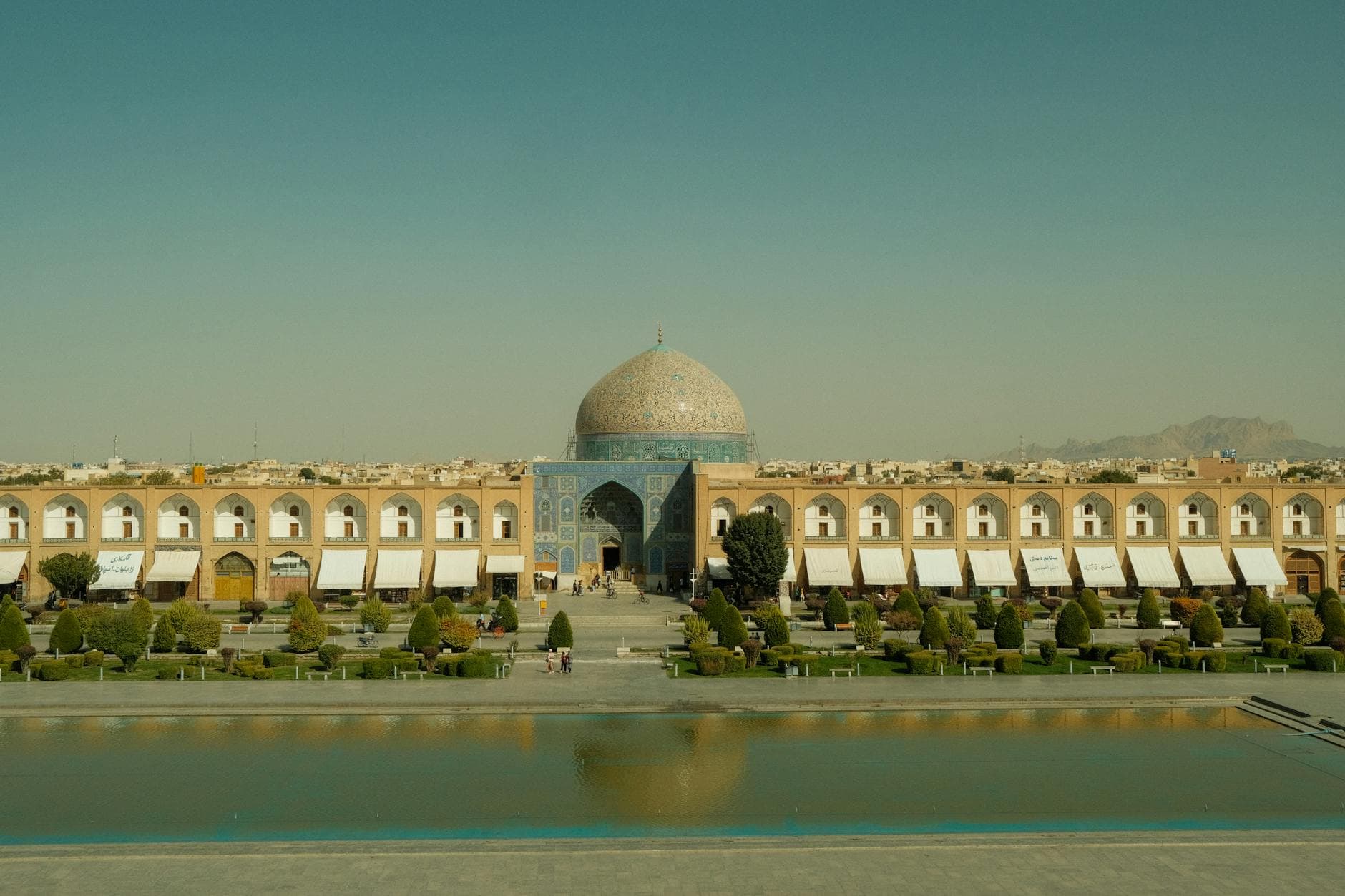
Isfahan offers significantly cheaper housing than Tehran. The historic center and Jolfa (Armenian Quarter) are popular with foreigners, offering charming older buildings with character. Newer developments on the outskirts provide modern apartments at rock-bottom prices.

  • City center (Chaharbagh, Jolfa): $150–$250/month for 1-BR
  • Modern suburbs (Baharestan, Khorasgan): $80–$150/month for 1-BR
  • Upscale area (Abbas Abad): $200–$350/month for furnished 1-BR
  • Traditional houses: some available for rent in the old quarter — unique living experience
  • Short-term furnished rentals: available through guesthouses and Airbnb alternatives
  • Less agent infrastructure than Tehran — word of mouth and local connections help
4

Practical Housing Tips for Expats

Finding housing in Iran as a foreigner requires patience and local help. The process is conducted entirely in Farsi, contracts are in Farsi, and the rahn negotiation can be complex. Having an Iranian colleague, friend, or fixer assist you is almost essential.

  • Always have an Iranian speaker help with viewings and negotiations
  • Contracts must be registered at a real estate office (bongah) — don't skip this step
  • Check utilities: water pressure, heating system, hot water, and internet connectivity
  • North-facing apartments stay cooler in summer but colder in winter — consider orientation
  • Earthquake readiness: Tehran is in a seismic zone — check building construction quality
  • Noise levels: Tehran traffic is intense — higher floors and north-facing units are quieter
  • Verify the landlord's property ownership documents before paying any deposit
FAQs

Common Questions — Housing in Iran

Find Your Perfect City with AI

Describe your lifestyle and our AI matches you to the best expat cities — then simulates a full day there.

Take the Free Quiz

Expat Insights, Weekly

Visa updates, cost-of-living data, and expat stories from Iran in your inbox.

More Iran Guides

🇮🇷

Ready to explore Iran?

Browse our city guides to find the perfect base for your expat life in Iran.