Western Europe
Central & Eastern Europe
Asia & Middle East
Americas
Oceania & Africa
Expat Topics
Living in Iran
Expat Guide 2026
Ancient civilization meets modern hospitality - an affordable and culturally rich expat frontier
Data verified August 13, 2026
IRR 166M/mo
Minimum Wage (Mar 2026)
+60% from IRR 103M (effective 20 Mar 2026); ~$104 at IRR 1.6M/$ free market
$200–$400/mo
1-BR Rent (Tehran)
Central Tehran area
~44–45%
Inflation 2026
Annual CPI; minimum wage still well below ~580M IRR basic family basket
Iran-Israel-US, Apr 2026
War & Ceasefire
5+ weeks of fighting; US-Iran ceasefire 7–8 Apr 2026, fragile
~25 Mbps
Internet Speed
Fixed broadband avg.
#125 of 130
Business Resilience
FM Insurance Index - near bottom for shock recovery
~1.65M IRR/$
FX Crisis 2026
Mid-2026 free-market rate; rial down ~50% vs USD over 12 mo; preferential 285K IRR/$ subsidy ended
Dec 28 2025 onward
Protests 2025-26
Nationwide unrest sparked by economic crisis; ongoing through 2026
35% flat
Foreign National PIT
Income of foreign nationals taxed at 35% regardless of residence status
Suspended 2026
US Visa Status
Full US visa suspension on Iranian nationals; exceptions for LPRs, dual nationals, persecuted minorities
~1.42M IRR/$
Rial New Low
Q1 2026 record; +50% YoY inflation; Bazaar merchants closed shops in protest — economic-hardship demonstrations continue
10+ years
Reconstruction Warning
Senior officials told Pezeshkian rebuilding war-battered economy could take a decade+; CBI Governor Hemmati urged US peace deal + full internet restoration
Can you actually move to Iran?
We research your nationality, income and timeline against Iran's current rules, and tell you whether you qualify and what it actually costs.
Iran is one of the world's most underrated expat destinations, offering a staggeringly low cost of living, world-class historical sites, and a warmth of hospitality that consistently surprises newcomers. With a population of 90+ million and a GDP that ranks in the top 20 globally by PPP, Iran boasts modern infrastructure in its major cities, highly educated professionals, and a healthcare system that punches above its weight. The Iranian rial's depreciation means that expats earning in foreign currency can live exceptionally well - a comfortable life in Tehran costs $800–$1,200/month, while Isfahan and other cities are even cheaper.
Why Expats Choose Iran
Incredibly Low Cost of Living
Earning in USD or EUR means living like royalty. A full meal at a quality restaurant costs $3–$5, a one-bedroom apartment in Tehran center runs $300–$450/month, and public transport is nearly free at under $0.50 per ride.
Unmatched Cultural Heritage
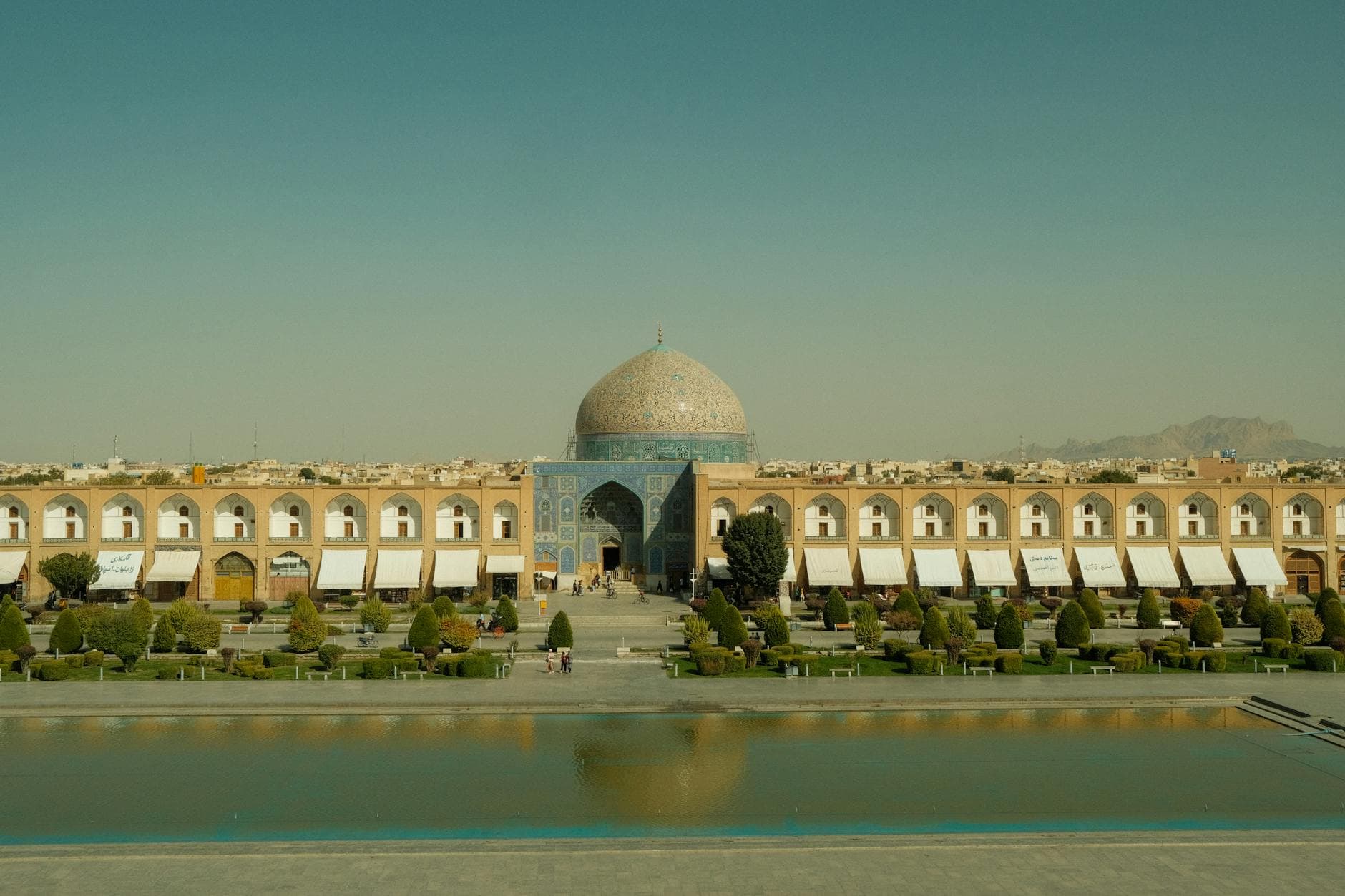
Home to 27 UNESCO World Heritage Sites - from Persepolis and Isfahan's Naqsh-e Jahan Square to the ancient ziggurats of Chogha Zanbil. Iran's 7,000-year history is visible at every turn.
Legendary Hospitality
Iranian taarof (hospitality culture) is world-renowned. Expats consistently rank Iranians among the friendliest and most generous people they've encountered, with strangers regularly offering meals, rides, and genuine friendship.
Exceptional Food Culture
Persian cuisine is a UNESCO-recognized culinary tradition. From saffron-infused tahdig to kebab koobideh and fesenjan, every meal is an experience. Fresh fruits, nuts, and spices are abundant and remarkably cheap.
Stunning Natural Diversity
From the Alborz Mountains (ski resorts 2 hours from Tehran) to Caspian Sea coastline, Dasht-e Kavir desert, and Persian Gulf beaches - Iran's geography rivals countries ten times its tourist numbers.
Affordable Quality Healthcare
Iran's healthcare system features modern private hospitals in Tehran and Isfahan at a fraction of Western prices. A specialist consultation costs $10–$20, and dental work runs 80–90% cheaper than the US or Europe.
Highly Educated Population
Iran has one of the highest university enrollment rates in the Middle East, with over 4.5 million university students. Many professionals speak English, especially in tech, medicine, and academia.
Modern Urban Infrastructure
Tehran's metro carries 3 million passengers daily across 7 lines. Isfahan has a modern BRT system. Intercity trains and domestic flights connect major cities efficiently and cheaply.
Best Cities for Expats
Detailed guides for the top Iran expat destinations
Tehran
9.6 million (15M metro area)
A sprawling 9-million-person capital at the foot of the Alborz - vibrant, chaotic, and shockingly affordable
$800–$1,200
~25 Mbps avg.
Isfahan
2.3 million (3.2M metro area)
Half the world in one city - Persia's cultural jewel with unbeatable affordability
$500–$800
~20 Mbps avg.
Everything You Need to Know
In-depth guides on every aspect of expat life in Iran
Visa & Residency
Iran's visa system is relatively accessible for tourists but more complex for long-term residents and workers. Tourist visas (30 days) are available on arrival or via e-visa for nationals of many countries, while work permits require employer sponsorship and Ministry of Labour approval. Permanent residency is reserved for investors, spouses of Iranian nationals, or those with exceptional contributions.
Healthcare
Iran's healthcare system is a mix of public and private facilities, with major cities like Tehran and Isfahan offering hospitals that meet international standards. Private healthcare is affordable by global standards - a specialist consultation costs $10–$20 and major procedures run 70–90% cheaper than in the US. However, the system faces challenges including medication shortages due to sanctions and a growing brain drain of medical professionals.
Cost of Living
Iran offers one of the lowest costs of living for expats anywhere in the world, but navigating finances is uniquely challenging due to international sanctions. There are no Visa, Mastercard, or international banking connections. All transactions are cash-based or via local debit cards and apps. Expats earning in foreign currency benefit enormously from the rial's depreciation - a comfortable life in Tehran costs just $800–$1,200/month.
Housing
Housing in Iran works differently from most countries - the rahn (deposit) system means landlords often require massive upfront deposits (equivalent to 6–18 months' rent) in exchange for very low monthly payments. For expats, negotiating a higher monthly rent with a lower deposit is possible and increasingly common. Tehran's northern neighborhoods command premium prices, while Isfahan and other cities offer remarkable value.
Work & Business
Working in Iran as a foreigner typically requires employer sponsorship and a work permit from the Ministry of Labour. The local job market is challenging due to high unemployment among educated Iranians, but opportunities exist in oil & gas, teaching English, international NGOs, and diplomatic missions. Remote workers earning foreign income find Iran an incredibly affordable base, though internet restrictions and banking limitations present real challenges.
Daily Life
Daily life in Iran is a rich tapestry of ancient traditions and modern urban energy. Tehran buzzes with 24-hour bakeries, mountain hiking trails, and a thriving café culture, while Isfahan moves at a gentler pace around its stunning historic center. Expats must adapt to cultural norms including dress codes, gender-segregated spaces, and alcohol prohibition, but the trade-off is immersion in one of the world's oldest and most hospitable cultures.
Moving Guide
Moving to Iran requires careful planning around sanctions, banking, and cultural adaptation. Unlike moves to most countries, you cannot rely on international moving companies, bank transfers, or online services working as expected. Bringing sufficient cash, arranging local support, and managing expectations about internet and banking are the three most important preparations.
Education
Iran has a strong education system with free public schooling and over 50 universities ranked internationally. Literacy rates exceed 97% for youth, and higher education enrollment is among the highest in the Middle East. For expat children, a handful of international schools operate in Tehran, though options are far more limited than in typical expat hubs. Persian-language immersion schools offer an alternative for long-term residents.
Lifestyle
Iran offers a lifestyle rich in culture, nature, and human connection that few countries can match. From skiing the Alborz Mountains to exploring 3,000-year-old ruins, from sipping tea in a traditional teahouse to hiking trails with panoramic views, the variety is extraordinary. The trade-offs - no alcohol, dress codes, internet restrictions - fade into the background for most expats who stay longer than a few months.
Investing
Everything expats need to know about investing in Iran - from property and stocks to tax-efficient strategies, brokerage access, and building wealth abroad.
Iran at a Glance
Capital
Tehran
Population
~90.6 million (2025)
Government
President Masoud Pezeshkian (reformist, since Jul 2024); Supreme Leader Ayatollah Khamenei
Currency
Iranian Rial (IRR) / Toman - ~IRR 1.6M / $1 free market (Feb 2026)
Official Language
Persian (Farsi)
English
Limited but growing among youth
Time Zone
IRST (UTC+3:30)
Climate
Arid to semi-arid, continental
Avg. Internet Speed
~25 Mbps fixed
Emergency Number
115 (ambulance), 110 (police)
Driving Side
Right
Plan Your Move to Iran
Where Does Iran Rank?
Cheapest Countries for Expats
Ranked list of the most affordable countries for expats in 2026. Monthly budget, cost of living, internet speed, and city guides for each destination.
Countries Under $1,500/Month Cost of Living
Complete list of countries where a single expat can live comfortably on under $1,500 per month. Budget breakdowns, internet speeds, and city guides included.
Countries Where $2,000/Month Is Enough
All countries where a single expat can live well on $2,000 per month or less. Ranked by cost of living with budget details, internet, and English proficiency.
Best Countries for Remote Workers
Top countries for remote workers ranked by internet speed, cost of living, and English proficiency. Find your ideal work-from-anywhere destination in 2026.
Countries With the Fastest Internet
Ranked list of countries with the fastest broadband internet speeds for expats. Average Mbps, cost of living, and city guides for each destination.
Best Countries for Retirement Abroad
Warm-climate countries where one person can live on $2,500/month, ranked safest first by Global Peace Index. Portugal leads, then Malaysia and the Maldives. 2026.
Frequently Asked Questions About Iran
How much does it cost to live in Iran as an expat?
What visa do I need to move to Iran?
What is healthcare like in Iran for expats?
What are the best cities to live in Iran as an expat?
Is Iran a good place to live as an expat in 2026?
Is Iran right for you?
Answer a few quick questions about your budget, lifestyle, and priorities. Our AI matches you with the best countries and builds a personalised relocation plan.
Expat Insights, Weekly
Get the latest visa updates, cost-of-living data, and expat stories from Iran straight to your inbox.
Free: The Ultimate Expat Checklist
Everything you need to prepare before moving abroad - visa, finances, healthcare, housing, and more.