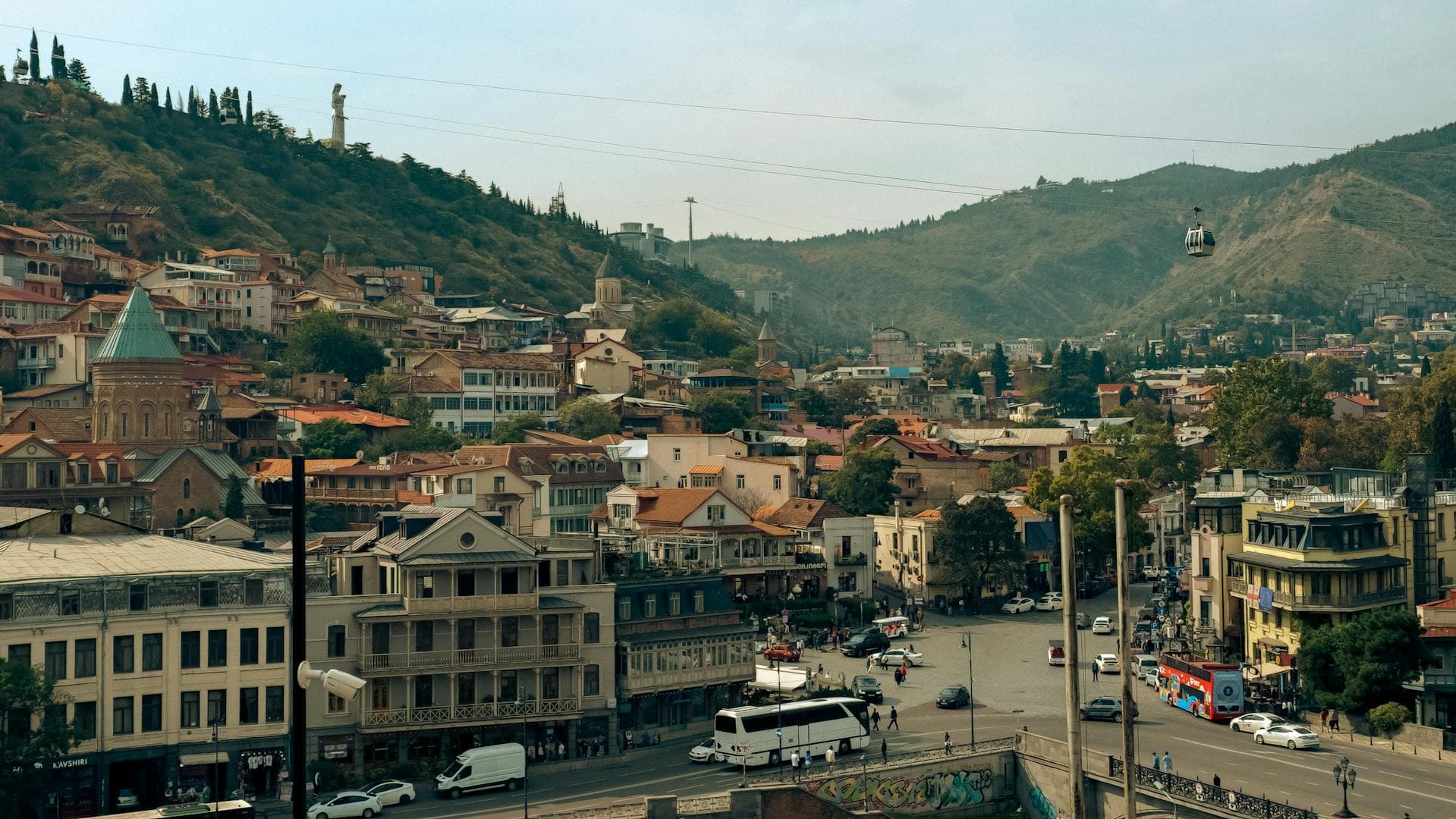
🌆

🇬🇪 Georgia

Daily Life

Tbilisi is one of Europe's most underrated cities for daily quality of life — extraordinary food culture, a thriving arts scene, remarkable safety, and warm Georgian hospitality. The nomad community is large and instantly welcoming.

22.5/100

Crime Index

One of Europe's safest capitals

8,000 years

Wine Heritage

UNESCO-recognized qvevri wine tradition

Thousands

Nomad Community

Large US, EU, Israeli, and CIS expat community

30–38°C

Summer Temperature (Tbilisi)

July–August can be oppressively hot

0–8°C

Winter Temperature

December–February; occasional snow

Overview

Tbilisi is one of Europe's most underrated cities for daily quality of life — extraordinary food culture, a thriving arts scene, remarkable safety, and warm Georgian hospitality. The nomad community is large and instantly welcoming. Winters are cold; summers are brutally hot.

Key Takeaways

  • Coffee culture: world-class specialty coffee scene concentrated in Vera — Linville, Kala, Fabrika cafes are excellent
  • Language: Georgian (Kartuli) has its own unique alphabet and grammar — one of the world's most difficult languages. Street signs are increasingly bilingual; younger Georgians speak some English
1

Day-to-Day Life in Tbilisi

Tbilisi's daily rhythm is slower than Western capitals — cafes stay open until 2AM, dinner starts at 9PM, and the supra (traditional feast) can last 4 hours. The city rewards those who embrace its pace.

  • Coffee culture: world-class specialty coffee scene concentrated in Vera — Linville, Kala, Fabrika cafes are excellent
  • Food: Georgian cuisine is extraordinary — khinkali (soup dumplings), khachapuri (cheese bread), chakapuli (lamb stew), churchkhela (walnut-grape candy)
  • Wine: natural wine bars are everywhere; qvevri amber wine is unique to Georgia; a good bottle costs $5–$15
  • Markets: Dezerter Bazaar is Tbilisi's legendary open market — fresh produce, spices, churchkhela, pickles
  • Nightlife: Tbilisi's techno club scene (Bassiani, Khidi, Mtkvarze) is genuinely world-class — regularly featured in Resident Advisor's top global clubs
  • Arts: a thriving gallery scene, street art in Fabrika area, regular film and music festivals
  • Nomad events: Tbilisi has active expat meetups organized through Facebook groups, coworking spaces, and language exchanges
2

Challenges of Living in Georgia

Georgia is not without its challenges — the language barrier, summer heat, and bureaucratic friction are real. Being informed about them makes the experience much smoother.

  • Language: Georgian (Kartuli) has its own unique alphabet and grammar — one of the world's most difficult languages. Street signs are increasingly bilingual; younger Georgians speak some English
  • Summer heat: Tbilisi in July–August regularly hits 35–38°C with high humidity — most expats retreat to Batumi, the mountains, or leave the country
  • Bureaucracy: registering a company, getting a residence permit, and opening a bank account all involve Georgian paperwork — hire help
  • Air quality: central Tbilisi has poor air quality due to old vehicles and traffic — getting worse in summer
  • Power outages: less common than 5 years ago but still occur, especially in summer during AC overload
  • Conservative culture: LGBTQ+ rights are limited; public displays of affection from same-sex couples attract attention and potential hostility in some areas
FAQs

Common Questions — Daily Life in Georgia

Find Your Perfect City with AI

Describe your lifestyle and our AI matches you to the best expat cities — then simulates a full day there.

Take the Free Quiz

Expat Insights, Weekly

Visa updates, cost-of-living data, and expat stories from Georgia in your inbox.

More Georgia Guides

🇬🇪

Ready to explore Georgia?

Browse our city guides to find the perfect base for your expat life in Georgia.