Western Europe
Central & Eastern Europe
Asia & Middle East
Americas
Oceania & Africa
Expat Topics
🏖️ Living in Colombia · 2026
Santa Marta.
Colombia's Caribbean gem - Sierra Nevada backdrop, Lost City trek, and beach living from $500/month
Best For
Beach lovers, nature seekers, budget nomads
Monthly Budget
$600–$1,200
Population
530,000
Verified August 13, 2026
Can you actually move to Santa Marta?
We research your nationality, income and timeline against the law as it stands, and tell you whether Santa Marta works and what it takes.
The Santa Marta you’ll actually live in
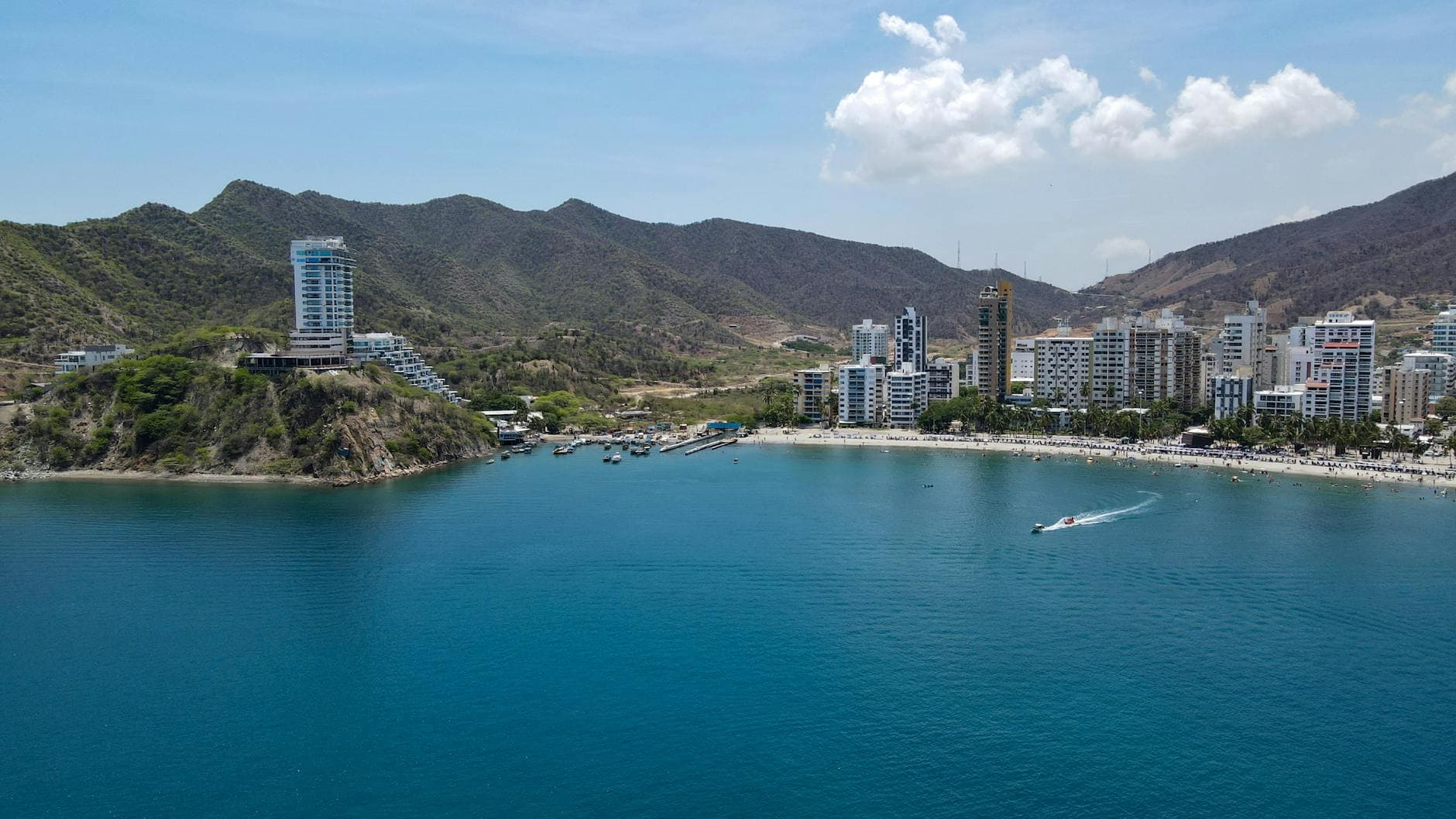
Santa Marta is Colombia's oldest city and its most dramatically situated - a Caribbean beach town backed by the snow-capped Sierra Nevada de Santa Marta, the world's highest coastal mountain range. Where Cartagena delivers colonial luxury, Santa Marta offers raw natural beauty: Tayrona National Park (one of South America's most stunning beaches) is 45 minutes away, the Lost City trek rivals Machu Picchu without the crowds, and the mountain village of Minca offers cool-air coffee farms just 40 minutes uphill. At $600–$1,200/month for a comfortable lifestyle, it's one of the cheapest beach destinations in the Americas, attracting a growing community of backpackers-turned-residents, digital nomads, and retirees who want Caribbean living without Cartagena's tourist markup.
The Santa Marta basics
The full picture - 8 key numbers covering budget, internet, English level, beach access, and airport reach.
Best For
Beach lovers, nature seekers, budget nomads
Monthly Budget
$600–$1,200
1-BR Center Rent
$225–$500/mo
Internet Speed
~25 Mbps avg.
Climate
28–33°C year-round, Caribbean tropical
Tayrona Park
45 min away - top beach/jungle national park
Airport
SMR - direct to Bogotá, Medellín, Panama
Founded
1525 - Colombia's oldest surviving city
Is Santa Marta actually your best option?
This page tells you what Santa Marta is like. It cannot tell you whether it beats the four other countries you should be looking at, because that answer changes with your passport. Income thresholds, tax treaties and citizenship timelines are all nationality specific, and the general rule is often not the rule that applies to you.
A Personal Relocation Assessment answers it for your case. You tell us your nationality, income, household and timeline, and we our expert researches it against the law as it stands: which countries you actually qualify for, the route, the current threshold with the instrument it comes from, and what is most likely to go wrong in a position like yours.
Food culture
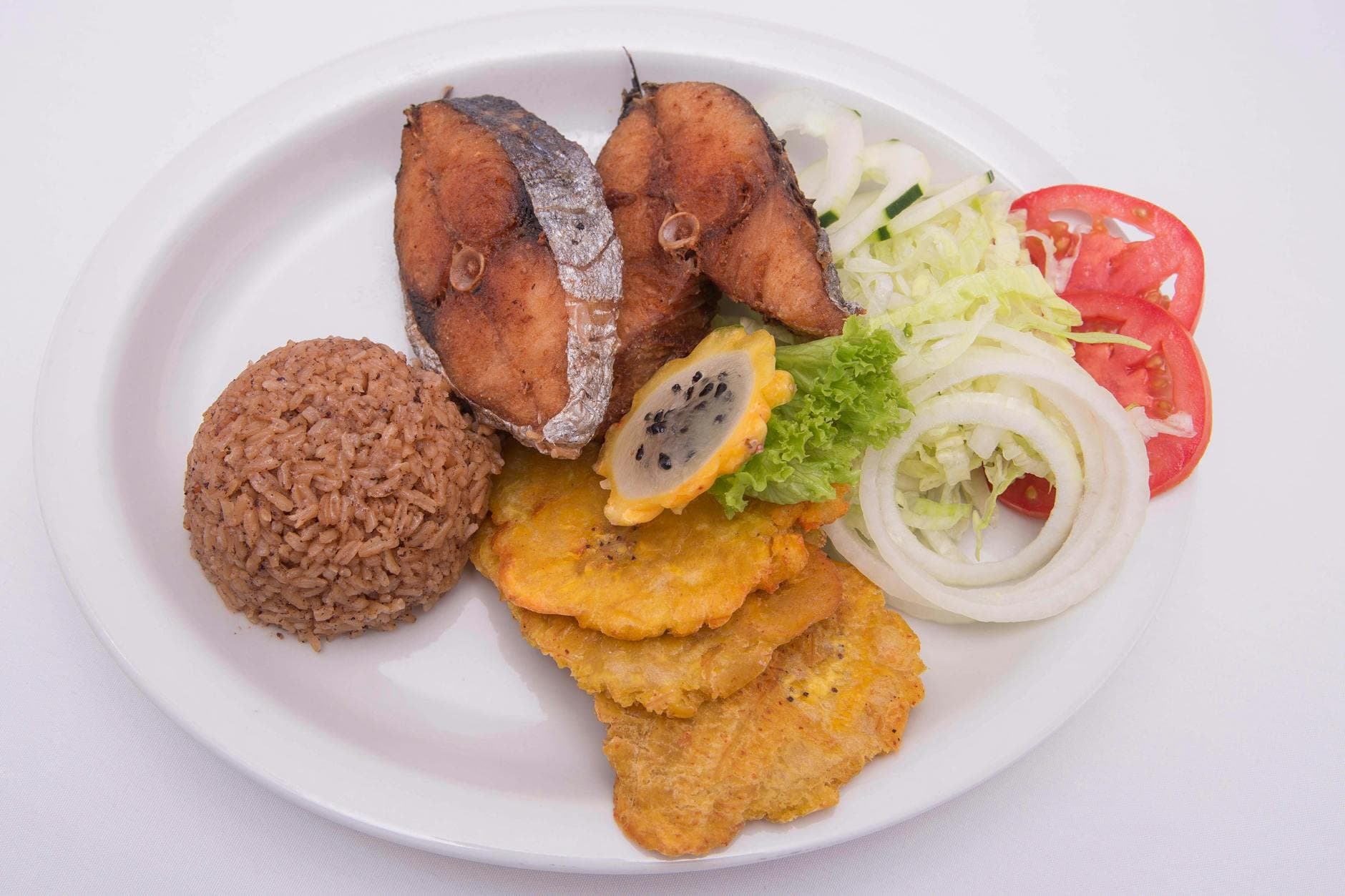
Fresh Caribbean fish, ceviche, patacones - Centro's seafront restaurants
Explore
Green spaces
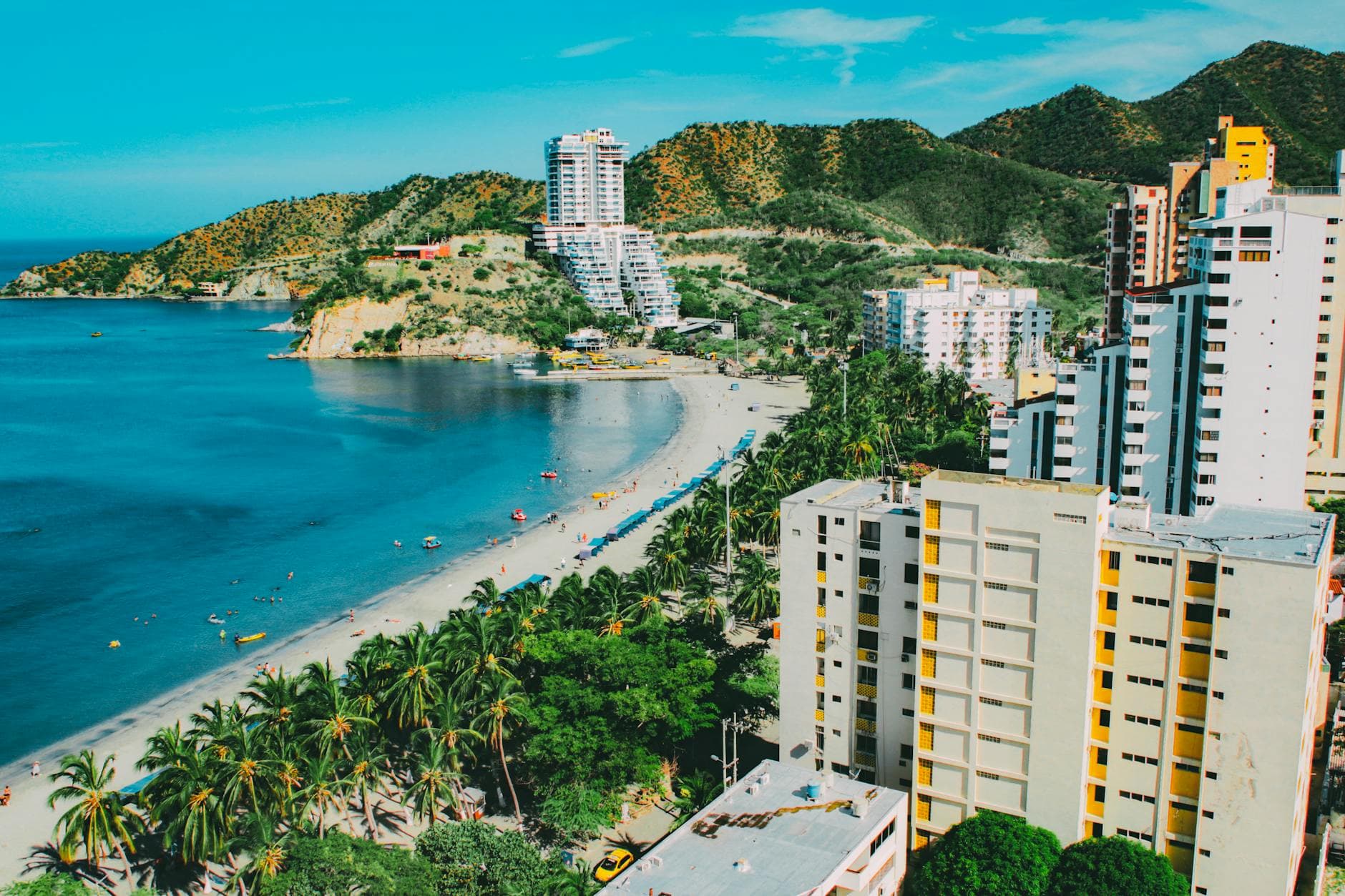
Parque Nacional Tayrona + Sierra Nevada + Minca - Colombia's wildest coastal wilderness
Explore
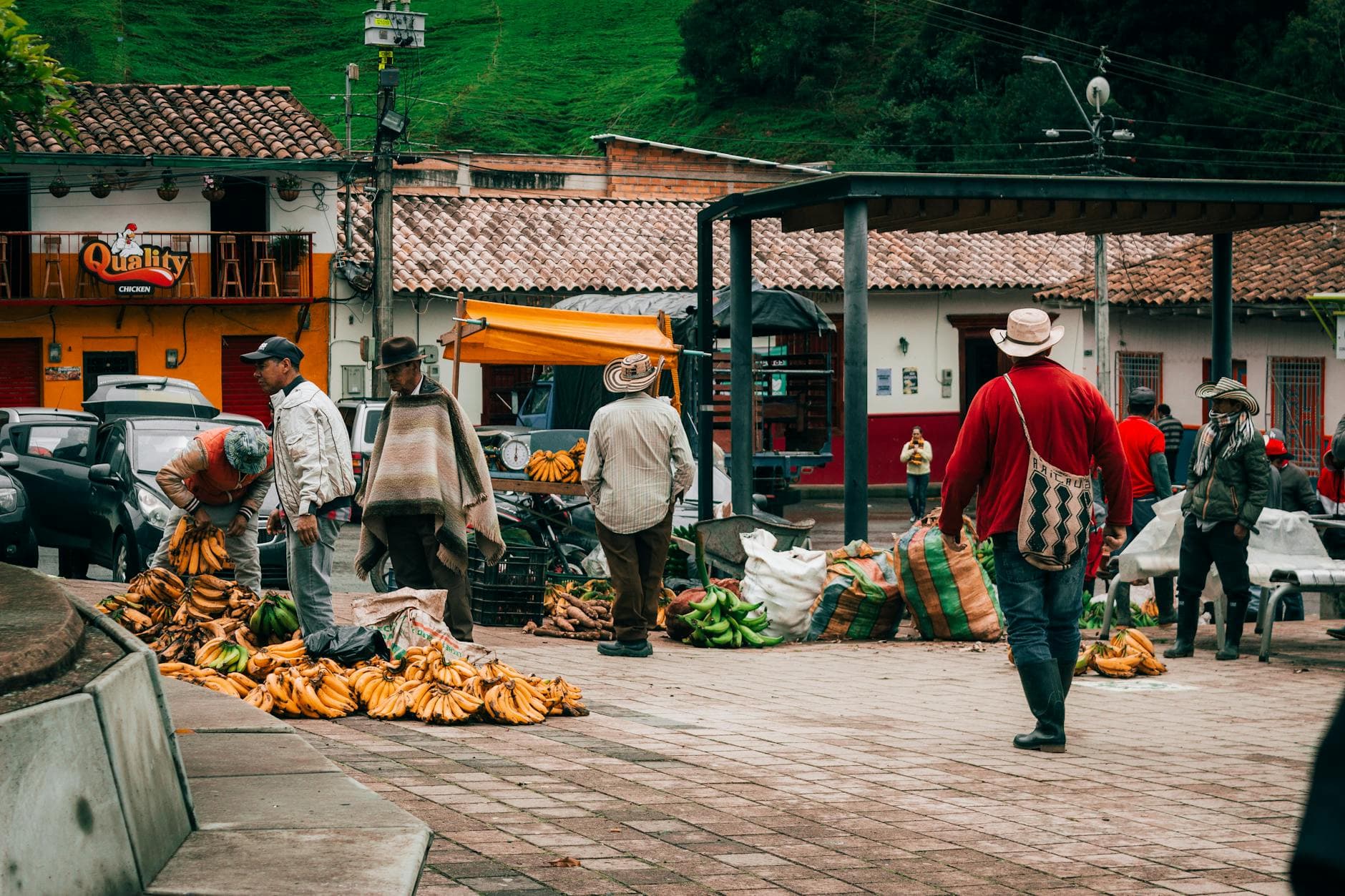
Markets
Mercado Público Santa Marta - the Caribbean port's working food market
Explore
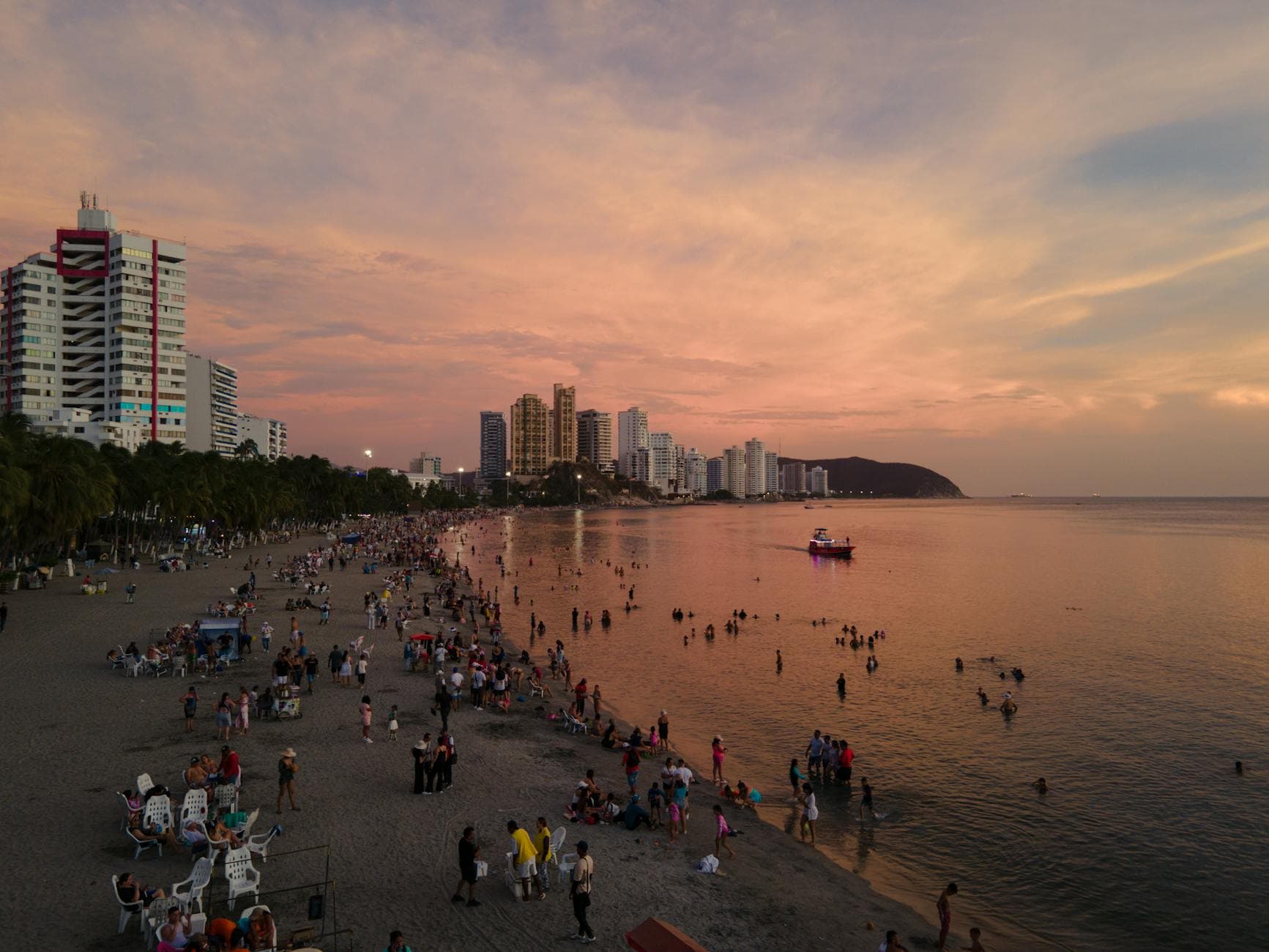
Nightlife
Taganga fishing village + Rodadero - Santa Marta's contrasting nightlife scenes
Explore
What a month actually costs
No padding, no underestimates. Real expat numbers - central neighborhood, comfortable lifestyle, eating out a few times a week.
All-in monthly
$600–$1,200
Single expat, comfortable lifestyle, central area.
Rent (1-BR, El Rodadero)
$300–$500
Full breakdown
Rent (1-BR, El Rodadero)
$300–$500
Rent (1-BR, Centro/Bavaria)
$225–$350
Groceries (home cooking)
$100–$180
Dining out (local seafood + street food)
$80–$160
Transport (mototaxis + buses)
$30–$60
Utilities (electricity - AC heavy)
AC is essential in Caribbean heat
$60–$120
Internet (fiber / cable)
$20–$40
Health insurance
$40–$100
Total (comfortable)
Single expat, El Rodadero area
$600–$1,200
Where to actually live
6 neighborhoods, 6 different versions of Santa Marta.
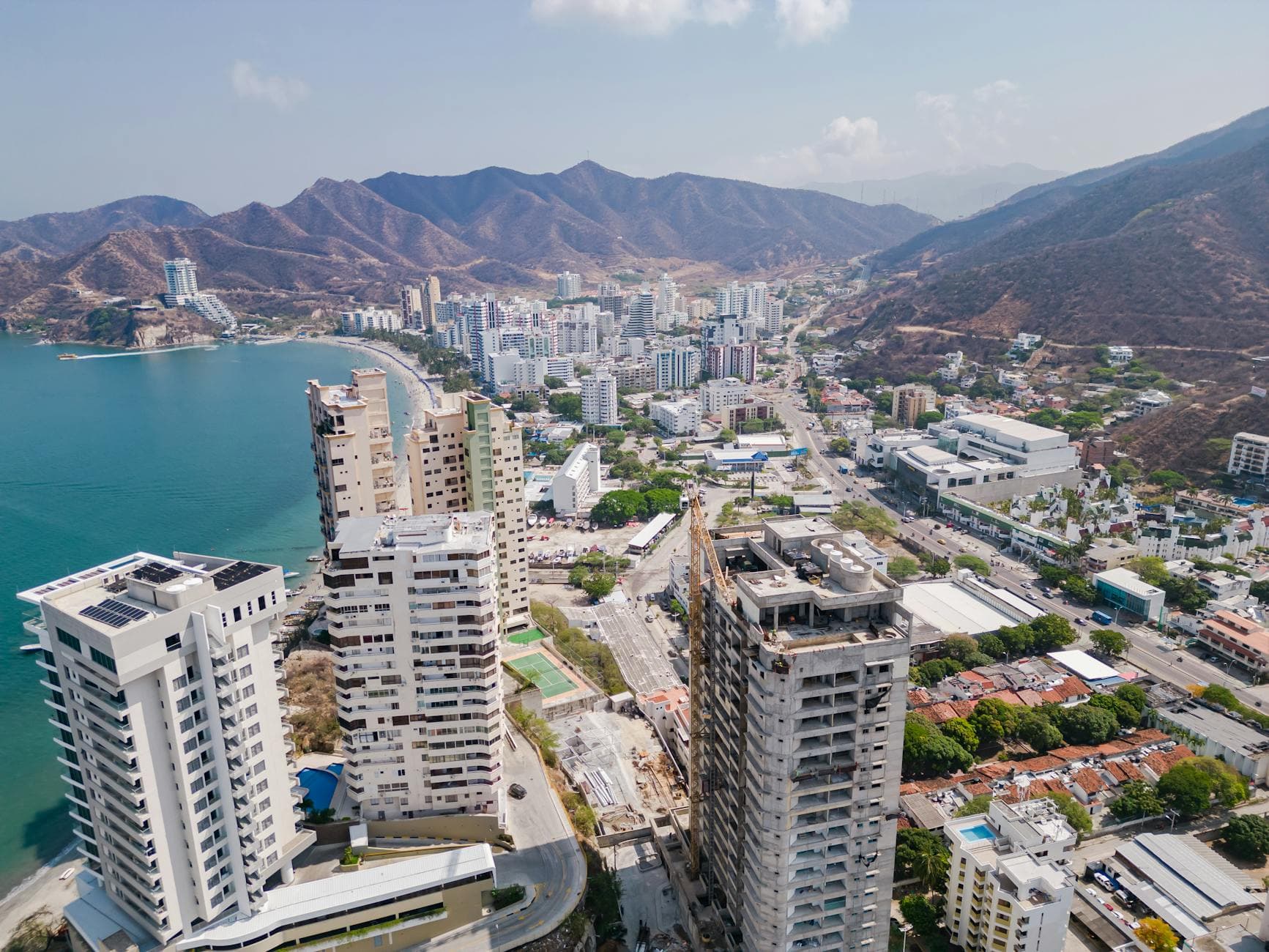
El Rodadero
Santa Marta's main beach resort area - beachfront promenade, seafood restaurants, water sports, and the highest concentration of expat-friendly apartments and services.
Best for: Beach-focused expats and nomads who want ocean access, restaurants, and a social scene within walking distance.
Rent COP 1,200,000–2,500,000/month ($300–$625 USD) for furnished 1-BR
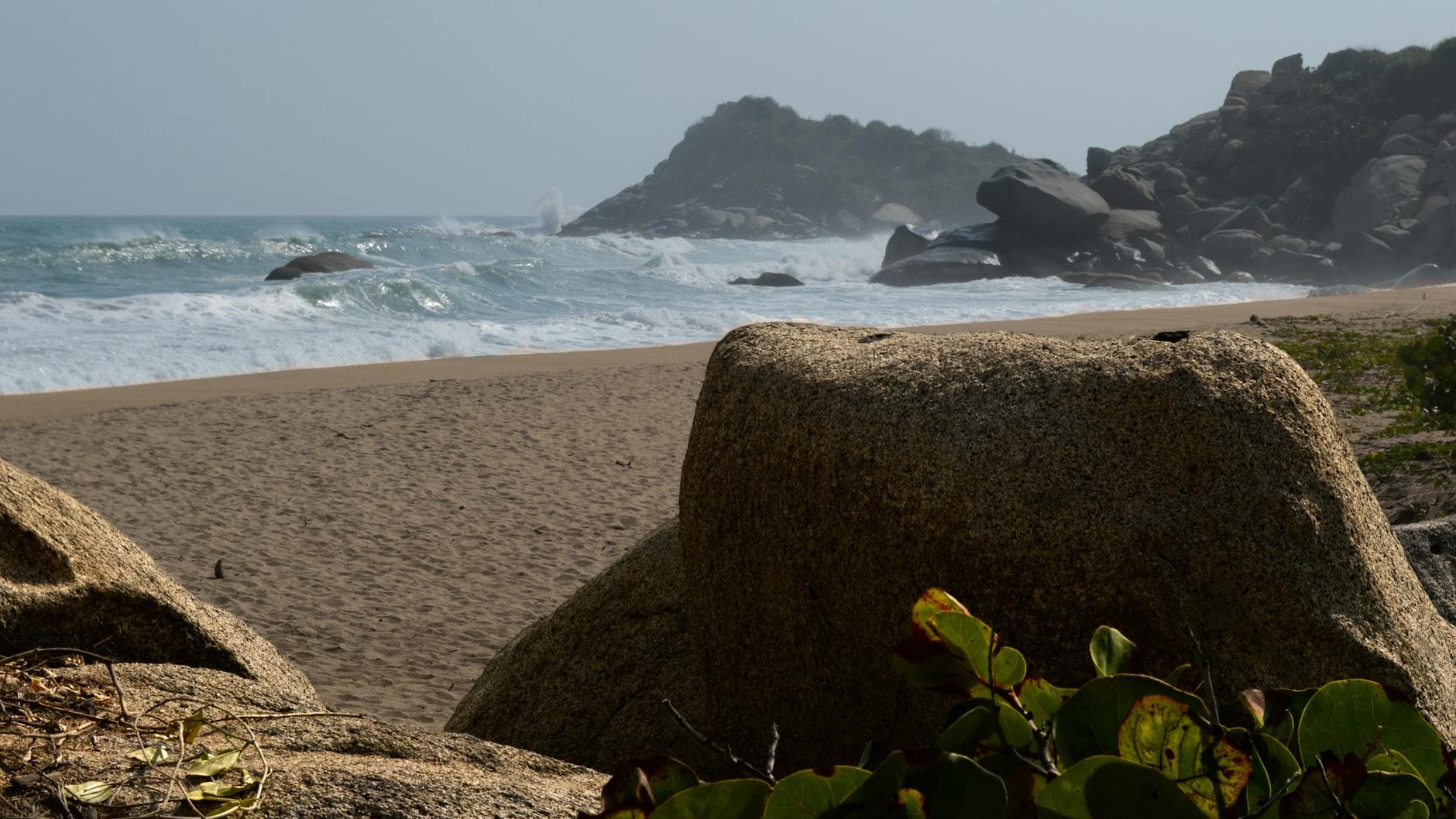
Bello Horizonte
Upscale coastal neighborhood between El Rodadero and Taganga - quieter beaches, luxury condos, ocean views, and a more exclusive, resort-like atmosphere.
Best for: Affluent retirees and long-term residents who want premium beachfront living with privacy and space.
Rent COP 2,500,000–5,000,000/month ($625–$1,250 USD) for furnished 1-BR
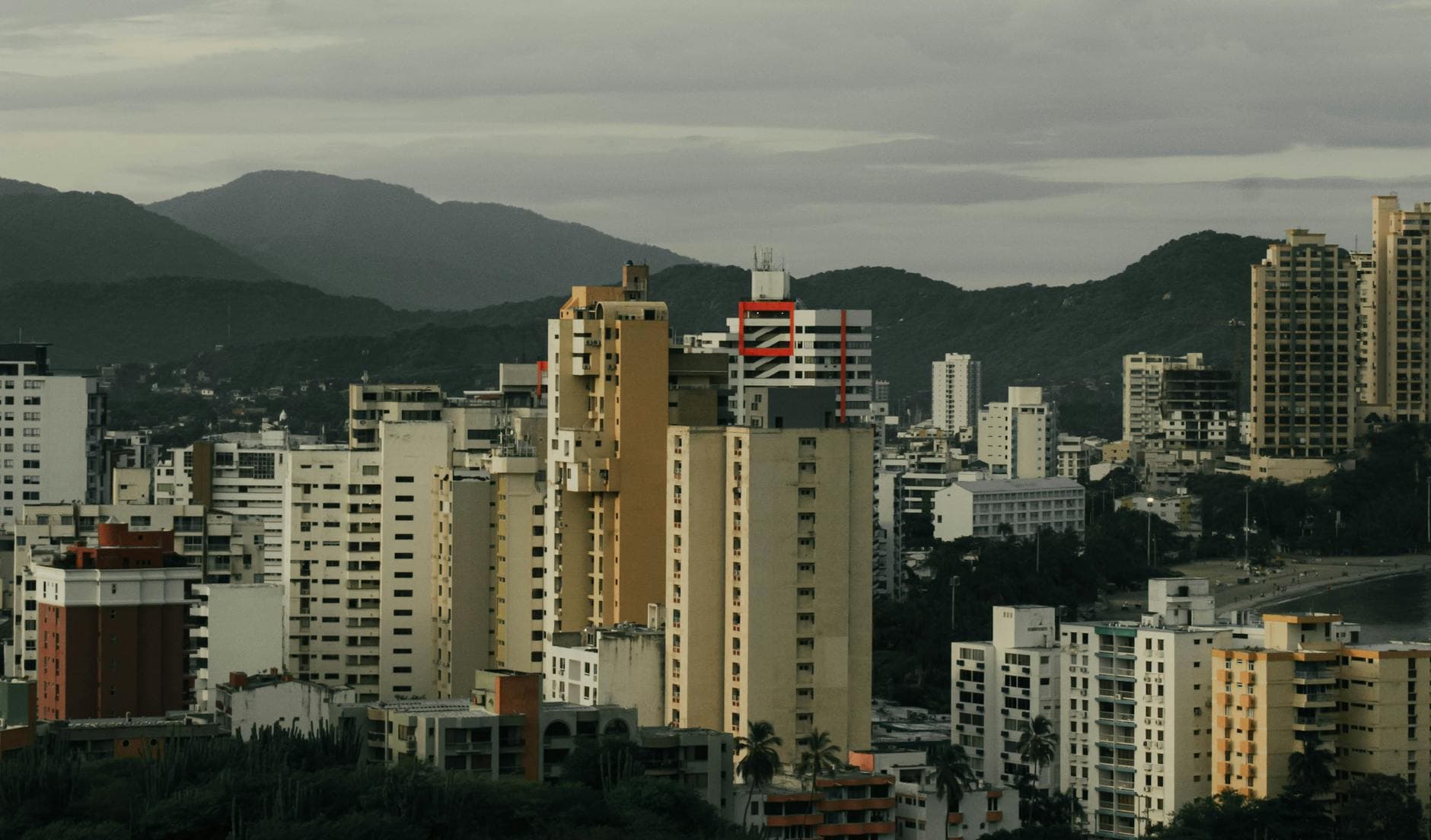
Bavaria
Inland residential neighborhood - quiet streets, local families, affordable apartments, and a genuine Colombian neighborhood feel away from tourist areas.
Best for: Budget-conscious long-term residents who want low rent and local immersion without beach proximity.
Rent COP 700,000–1,400,000/month ($175–$350 USD) for furnished 1-BR

Taganga
Former fishing village turned backpacker haven - hostels, dive shops, beach bars, and a laid-back traveler community in a scenic bay surrounded by mountains.
Best for: Backpackers, divers, and budget travelers who want a village feel, nightlife, and easy access to diving spots.
Rent COP 800,000–1,800,000/month ($200–$450 USD) for furnished 1-BR

Minca
Mountain village 40 min uphill from Santa Marta - cool-air coffee farms, jungle waterfalls, bird watching, yoga retreats, and an escape from Caribbean heat.
Best for: Nature lovers, wellness seekers, and digital nomads wanting mountain tranquility with city access nearby.
Rent COP 800,000–1,600,000/month ($200–$400 USD) for basic 1-BR or cabin

Centro Histórico
Santa Marta's colonial core - the cathedral, Simón Bolívar plaza, local markets, and a mix of restored buildings and authentic Colombian street life.
Best for: Culture seekers and budget expats who want historic character and walkability to the waterfront.
Rent COP 1,000,000–2,000,000/month ($250–$500 USD) for furnished 1-BR
The truth about Santa Marta
The bits the brochures skip - what expats love, and what tests their patience.
What you’ll love
- 01Tayrona National Park 45 min away - world-class beaches and jungle trails at your doorstep
- 02Ultra-affordable: $600–$1,200/month for comfortable Caribbean living with beach access
- 03Sierra Nevada backdrop: snow-capped mountains rising directly from the Caribbean coast - unique scenery
- 04Lost City trek: 4-day jungle hike to Ciudad Perdida - rivals Machu Picchu without the crowds
- 05Minca escape: cool-air mountain village with coffee farms and waterfalls just 40 min uphill
What might bug you
- 01Internet is slower and less reliable than Medellín or Bogotá - fiber coverage is limited
- 02Extreme heat: 28–33°C year-round with high humidity; AC is not optional and drives up electricity costs
- 03Smaller expat community and fewer English-speaking services than Medellín or Cartagena
- 04Limited coworking infrastructure - most nomads work from cafés or their apartments
- 05Rainy season (May–November) brings heavy downpours; some roads and trails become impassable
Where to plug in
Hand-picked coworking spaces - premium business addresses, community hubs, and budget-friendly options.
Selina Santa Marta
Beachside coliving + coworking - pool, social events, nomad community; the main digital nomad hub in the city
Masaya Santa Marta
Hostel-coworking hybrid with rooftop terrace, reliable WiFi, and a social backpacker-turned-nomad crowd
Café del Muelle
Popular waterfront café with decent WiFi - informal laptop-friendly spot with ocean views
Minca coworking spaces
Several mountain village coworking/café spaces - cooler temperatures, jungle views, slower internet
How Santa Marta moves
Metro, buses, walkability - what works, what to avoid, and how much you'll actually spend.
- 01
Mototaxis: motorbike taxis are the primary transport - fast, cheap (COP 3,000–8,000 / $0.75–$2), and everywhere
- 02
Local buses: cover the city and suburbs; COP 2,500 ($0.60); routes to El Rodadero, Taganga, and beyond
- 03
Taxis: available in main areas; negotiate fare first; city trips COP 8,000–15,000 ($2–$4)
- 04
Walking: El Rodadero beachfront and Centro Histórico are walkable; heat is the main challenge
- 05
Colectivos: shared minivans to Minca ($1.50), Taganga ($1), and Tayrona Park entrance ($3)
- 06
Uber/DiDi: available but with limited drivers; mototaxis are usually faster and cheaper
- 07
Airport (SMR): 20 min from Centro; domestic flights to Bogotá (1hr) and Medellín (1.5hr)
Key takeaways
If you only remember five things about Santa Marta, make it these.
Budget
$600–$1,200/mo · rent from $300–$500
Where to live
El Rodadero, Bello Horizonte, Bavaria
Top advantage
Tayrona National Park 45 min away - world-class beaches and jungle trails at your doorstep
Watch out
Internet is slower and less reliable than Medellín or Bogotá - fiber coverage is limited
Remote work
4+ coworking spaces, from $90/mo
More on Colombia
Drill into the country-level guides - visa rules, healthcare, schools, taxes, and more.
Tools to plan your move to Santa Marta
Practical tools to turn an idea into a real plan - pick a season, time your visa, build a budget, even live a day before you go.
Santa Marta cost of living
Full monthly budget breakdown - rent, food, transport, utilities
Best time to move to Colombia
Season-by-season - weather, visa timing, rental markets
Country match quiz
Eight quick questions, AI-matched country shortlist
Visa finder
Search visa options by nationality, budget, and stay length
A day in Santa Marta
Live a perfect day with AI - real cafés, costs, and routes
Relocation plan
Step-by-step AI moving timeline tailored to you
City rankings
See where Santa Marta sits in our independent expat city rankings.
Cheapest Cities for Digital Nomads
Ranked list of the most affordable cities for digital nomads in 2026. Budget, internet speed, English level, and coworking info for each city.
Cities With the Fastest Internet
Ranked list of cities with the fastest broadband internet for remote workers and digital nomads. Speed, cost of living, and English level for each city.
Best Cities for English Speakers
Cities where English is widely spoken - ranked by cost of living. Perfect for expats who want to settle abroad without a language barrier.
Most Affordable Cities in Europe
Cheapest European cities for expats ranked by monthly cost of living. Budget breakdowns, internet speeds, and English levels for each city.
Best Cities in Southeast Asia for Expats
Top cities in Southeast Asia for expats and digital nomads. Ranked by budget with internet speed, English level, and lifestyle highlights.
Best Cities in Latin America for Expats
Top Latin American cities for expats and digital nomads. Ranked by budget with internet speed, English level, and lifestyle highlights.
Also in Colombia
4 other cities worth a look - each with its own rhythm, costs, and character.

Medellín
The City of Eternal Spring - Latin America's most exciting expat hub
$900–$1,500 /mo
Read guide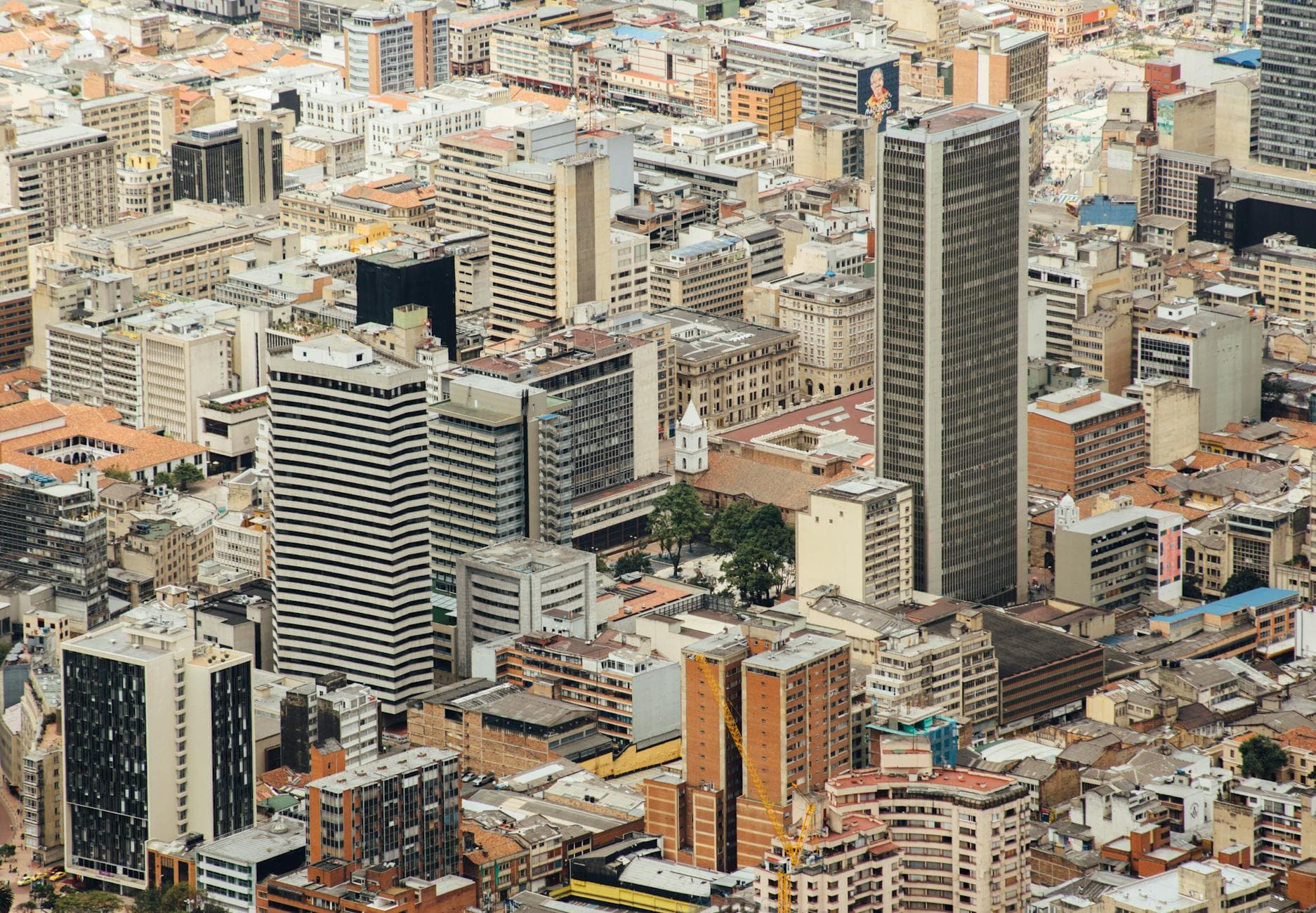
Bogotá
Colombia's cosmopolitan capital - culture, career opportunities, and 2,600m altitude cool
$1,000–$1,800 /mo
Read guide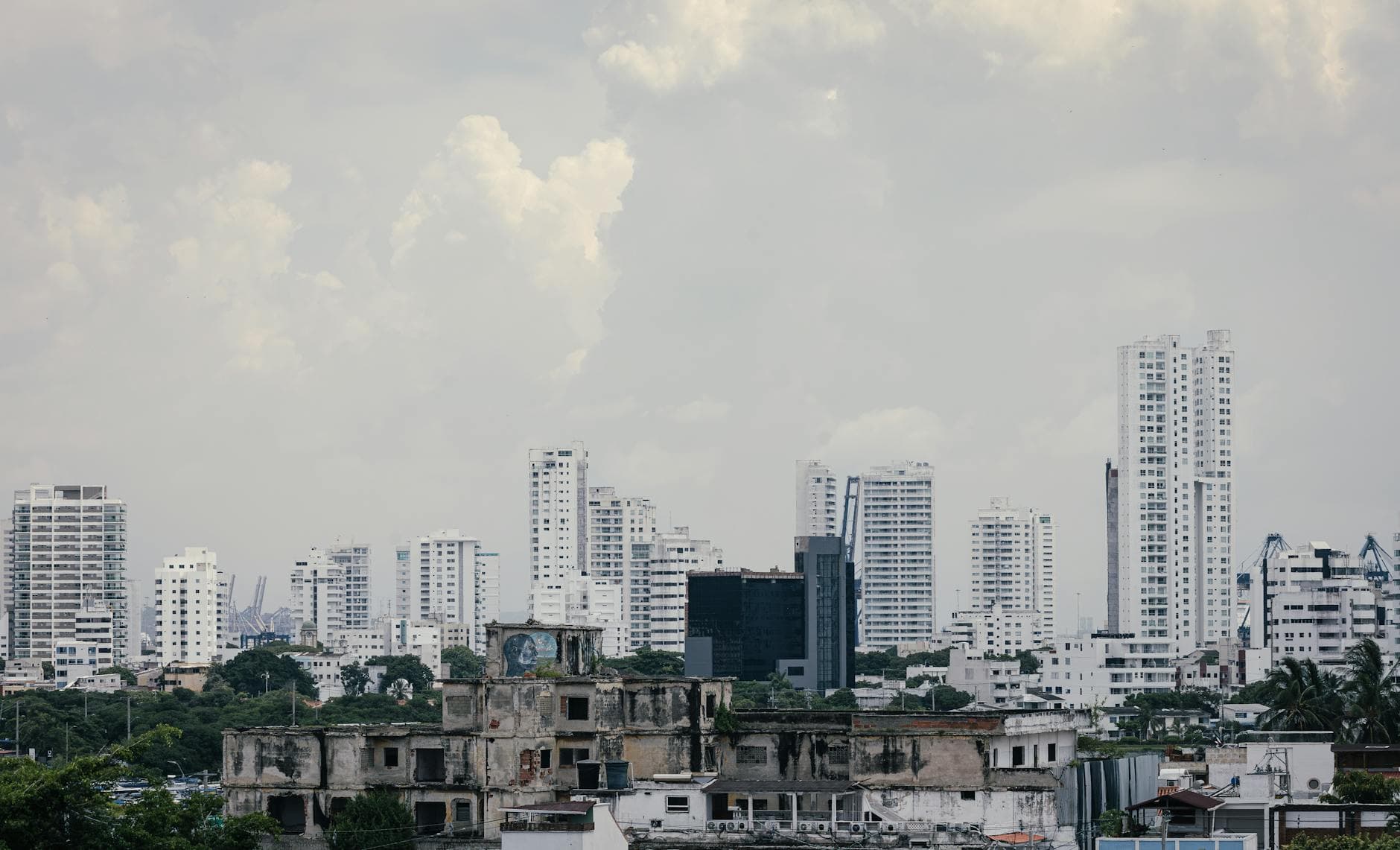
Cartagena
Caribbean colonial jewel - UNESCO walls, tropical beaches, and salt-air living
$900–$1,400 /mo
Read guide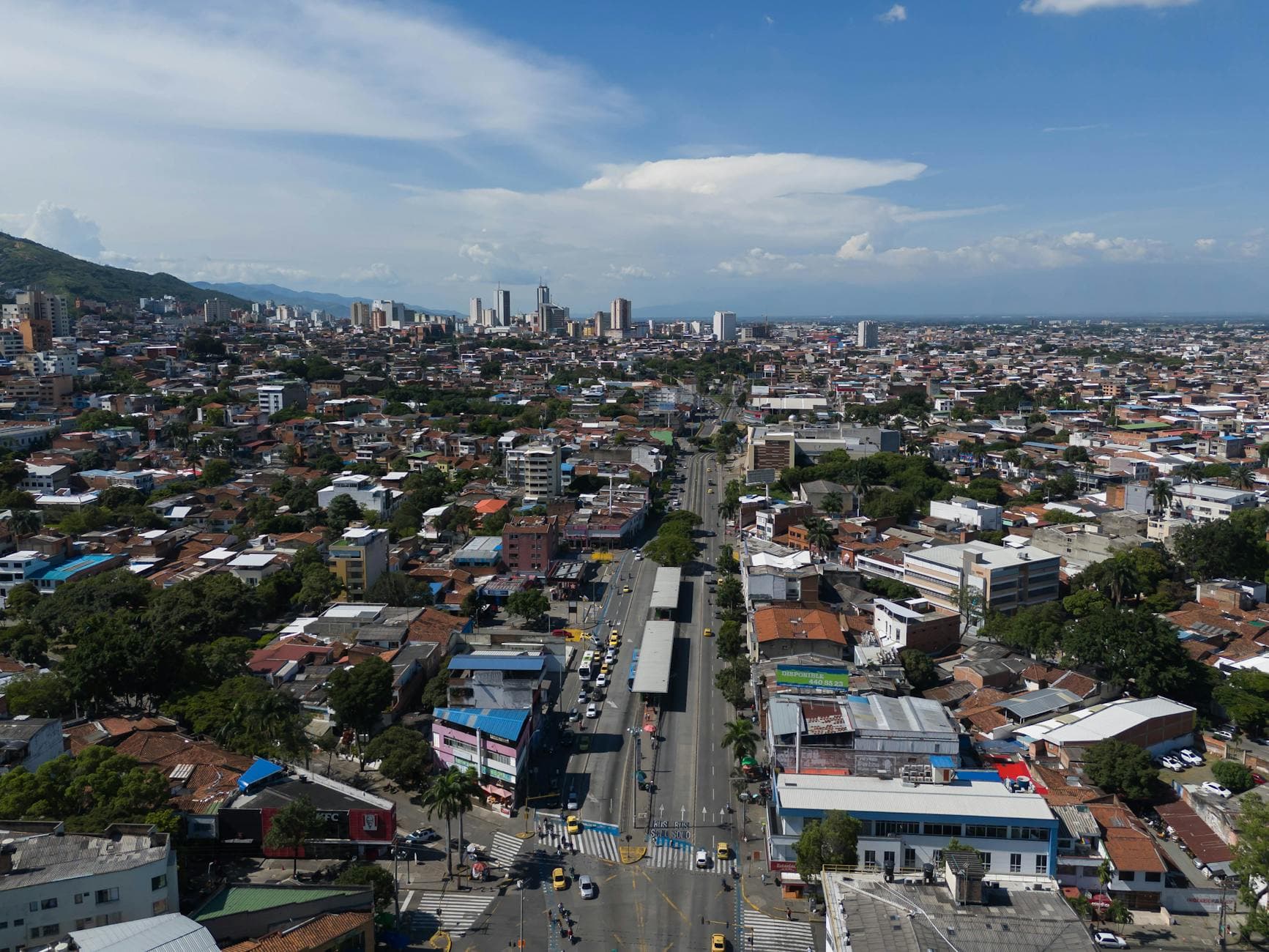
Cali
The world's salsa capital - dance culture, tropical energy, and Colombia's most affordable major city
$700–$1,200 /mo
Read guideCommon questions
Honest answers about life in Santa Marta.
How much does it cost to live in Santa Marta per month?
What are the best neighborhoods in Santa Marta for expats?
Is Santa Marta good for digital nomads?
What are the pros and cons of living in Santa Marta?
How do you get around in Santa Marta?
Can you actually move to Santa Marta?
Everything above is general. This is not. Our relocation expert researches your nationality, income, household and timeline against the law as it stands today, names the instrument behind every figure, and tells you where you actually qualify.
What you’ll get
Where you qualify
Routes open to your passport, today
The real numbers
Current thresholds, fees and timelines
The paperwork
What you must prove, and how
What goes wrong
The three risks for a case like yours
Sources named
Every figure traced to its instrument
Written by an expert. Delivered in 3 working days.
Is Santa Marta right for you?
Eight quick questions, an AI-matched shortlist of countries and cities for your budget and lifestyle.
Take the free quizExpat Insights, weekly
Cost-of-living shifts, visa updates, real expat stories from Santa Marta and beyond.