🌆

🇨🇴 Colombia

Daily Life

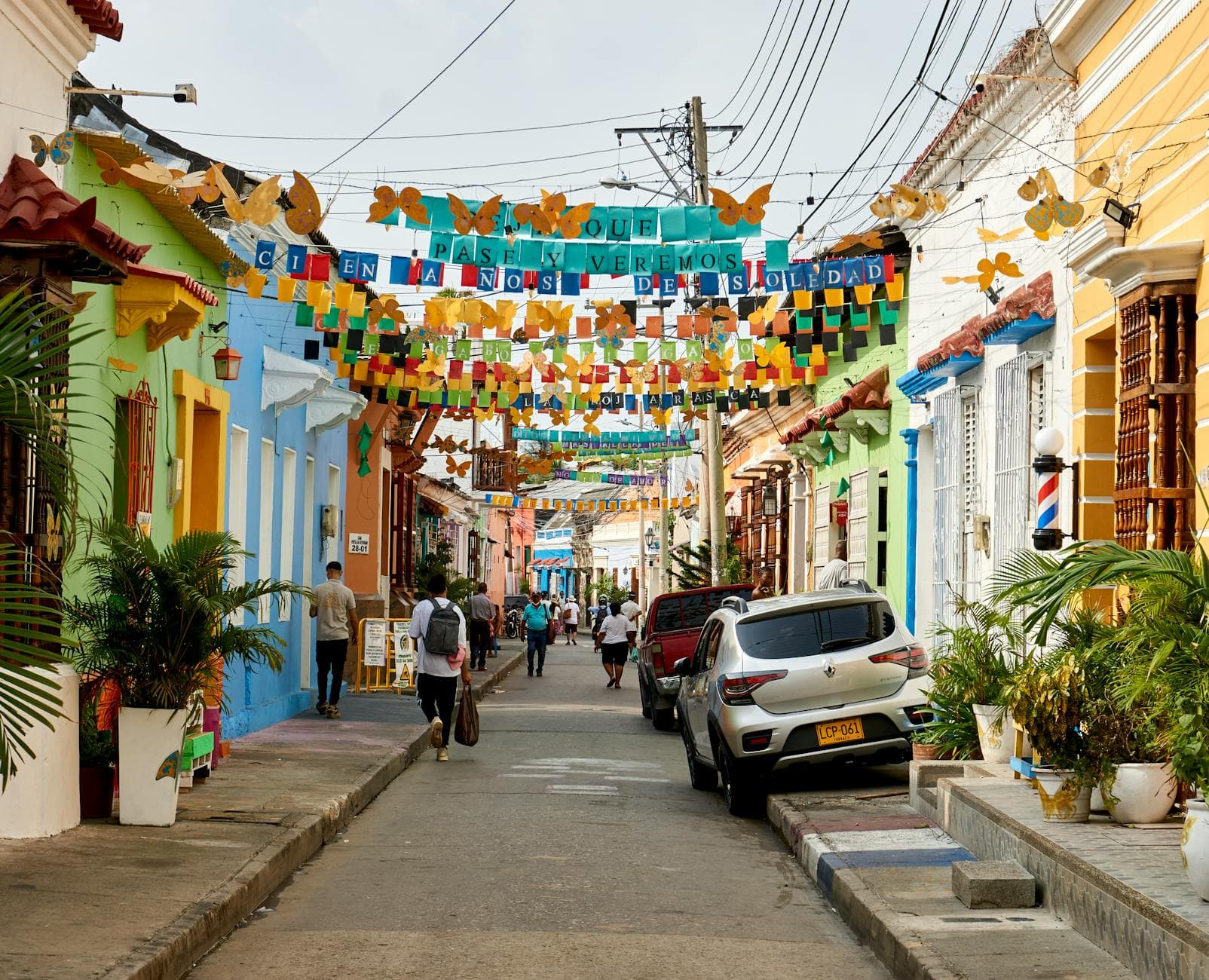
Daily life in Colombia blends vibrant street culture, exceptional food, passionate fútbol, cumbia rhythms, and the extraordinary warmth of its people — a lived experience that consistently surprises and delights expats..

$2–4 USD

Almuerzo (Lunch Set Menu)

3 courses: soup, main, juice — everywhere

COP 3,100 (~$0.78)

Medellín Metro Ride

Flat rate, cleanest metro in Latin America

COP 500–2,000

Tinto (Black Coffee)

$0.13–0.50; specialty cafés slightly more

Religion

Fútbol Culture

Atlético Nacional and Millonarios are top clubs

~95%

WhatsApp Penetration

Primary communication tool for everything

Overview

Daily life in Colombia blends vibrant street culture, exceptional food, passionate fútbol, cumbia rhythms, and the extraordinary warmth of its people — a lived experience that consistently surprises and delights expats.

Key Takeaways

  • Morning tinto (small black coffee) is a near-sacred ritual — local tiendas sell it for COP 500–1,000 ($0.13–0.25)
  • Bandeja paisa: the iconic Antioqueño plate — rice, beans, chicharrón, egg, chorizo, avocado, plantain — a full meal for $4–7
  • Feria de las Flores (Medellín, August): 10-day flower festival with the iconic silletero parade — Colombia's most beautiful festival
  • El Poblado (Medellín), Laureles, Envigado: considered safe for expats — petty theft is the main concern, violent crime is rare in these areas
  • Colombian Spanish (especially Bogotá and Medellín accents) is widely regarded as among the clearest in Latin America — excellent for learners
1

Daily Life & Colombian Rhythm

Colombian daily life has a warm, social cadence centered on family, food, coffee, and community. Expats who embrace this rhythm — rather than fighting it — settle in quickly and deeply.

  • Morning tinto (small black coffee) is a near-sacred ritual — local tiendas sell it for COP 500–1,000 ($0.13–0.25)
  • Almuerzo (lunch) is the main meal of the day — a 3-course sopa, bandeja, and jugo (juice) for $2–4 at any local restaurante de menú
  • Dinner is lighter and later — arepas, empanadas, or a small meal around 7–8pm
  • WhatsApp is the primary communication tool for everything: restaurants, landlords, doctors, friends — get a Colombian number immediately
  • Siesta culture is not strong in urban Colombia — cities are busy all day, but pace slows on Sundays
  • Social life is loud, warm, and expressive — music in the streets, extended family gatherings on weekends, neighborhood fiestas
  • Punctuality: 'Colombian time' means events start 30–60 minutes late — embrace it, don't fight it
2

Food, Coffee & Drink Culture

Colombian cuisine is hearty, regional, and deeply affordable. Combined with the world's finest coffee and a growing craft beer and cocktail scene, the food and drink experience is a major expat attraction.

  • Bandeja paisa: the iconic Antioqueño plate — rice, beans, chicharrón, egg, chorizo, avocado, plantain — a full meal for $4–7
  • Ajiaco: Bogotá's signature chicken and potato soup with cream and capers — deeply comforting at 2,600m altitude
  • Arepas: corn cakes eaten at any meal — plain, with cheese (arepa de choclo), or stuffed — $0.50–2
  • Empanadas: fried pastry with meat or potato filling — everywhere on street corners for COP 1,000–2,000 ($0.25–0.50)
  • Coffee: Colombia grows some of the world's best single-origin beans — specialty cafés in El Poblado and Chapinero are excellent ($1.50–3 for a specialty drink)
  • Craft beer: boom in Colombian craft brewing — Medellín and Bogotá have 20+ craft breweries; local brands like Bogotá Beer Company, 3 Cordilleras
  • Aguardiente: the national spirit — anise-flavored liquor, cheap (~$5/bottle), essential at any party
3

Culture, Festivals & Local Life

Colombia has one of Latin America's richest festival cultures. From Medellín's world-famous Flower Festival to Barranquilla's Carnival, there is always something happening.

  • Feria de las Flores (Medellín, August): 10-day flower festival with the iconic silletero parade — Colombia's most beautiful festival
  • Carnaval de Barranquilla (February): UNESCO-recognized, second-largest carnival in the world after Rio — 4 days of Colombian coastal culture at its peak
  • Bogotá's Ciclovía: every Sunday, 120km of roads close for cyclists, joggers, and skaters — 2 million participants weekly
  • Christmas: Colombia goes all-in on novenas (December 16–24), elaborate street lights, and massive family gatherings — one of the world's best Christmas atmospheres
  • Fútbol: Atlético Nacional (Medellín) and Millonarios (Bogotá) are beloved — attending a match is a bucket-list experience (~$5–15 tickets)
  • Cumbia, vallenato, salsa: the musical heartbeat of Colombia — salsatecas in Cali, vallenato festivals in Valledupar, cumbia everywhere on the coast
  • Bogotá has 50+ museums, including the Botero Museum (free), Gold Museum (COP 5,000), and MAMBO (Museum of Modern Art)
4

Safety: Reality vs. Reputation

Colombia's safety has improved dramatically since the 1990s. Major expat areas in Medellín, Bogotá, and Cartagena are safe for daily life, but street smarts remain essential.

  • El Poblado (Medellín), Laureles, Envigado: considered safe for expats — petty theft is the main concern, violent crime is rare in these areas
  • Chapinero, Zona Rosa, Usaquén (Bogotá): generally safe; avoid La Candelaria at night and the south of the city
  • Scopolamine (burundanga): Colombia-specific concern — drug slipped into drinks causing memory loss — never accept drinks from strangers
  • Express kidnapping: extremely rare in expat areas but keep a low profile — don't display expensive watches, jewelry, or electronics
  • Virtual kidnapping (phone call scams): common — don't trust unexpected calls claiming a family member is in trouble
  • Taxis: use only Uber, InDrive, or app-ordered taxis — never hail taxis off the street (risk of 'millionaire's ride' robbery)
  • Night safety: stay in El Poblado/Laureles at night; taxis home after midnight rather than walking, even in 'safe' areas
5

Spanish Language & Communication

Spanish is essential for daily life in Colombia outside the main expat enclaves. The good news: Colombian Spanish — especially the paisa accent — is considered one of the clearest and most learnable in Latin America.

  • Colombian Spanish (especially Bogotá and Medellín accents) is widely regarded as among the clearest in Latin America — excellent for learners
  • English fluency: limited outside El Poblado, Zona Rosa, and major hotel zones — minimal in local markets, government offices, clinics
  • Spanish classes: abundant and affordable — $80–150/mo for intensive group classes; private tutors from $15–25/hr
  • Language exchange (intercambio): weekly events in Laureles (Medellín) and Chapinero (Bogotá) — Colombians eager to practice English in exchange for Spanish conversation
  • Duolingo + local tutor: the most common expat combination for rapid Spanish progress
  • Local expressions: parcero/parce (friend/buddy), chévere (cool/great), bacano (awesome), ¿Qué más? (how's it going?) — learning these earns instant respect
  • Google Translate camera function is invaluable for menus, leases, and government documents in the early months
FAQs

Common Questions — Daily Life in Colombia

Find Your Perfect City with AI

Describe your lifestyle and our AI matches you to the best expat cities — then simulates a full day there.

Take the Free Quiz

Expat Insights, Weekly

Visa updates, cost-of-living data, and expat stories from Colombia in your inbox.

More Colombia Guides

🇨🇴

Ready to explore Colombia?

Browse our city guides to find the perfect base for your expat life in Colombia.