🌅

🇹🇷 Turkey

Lifestyle

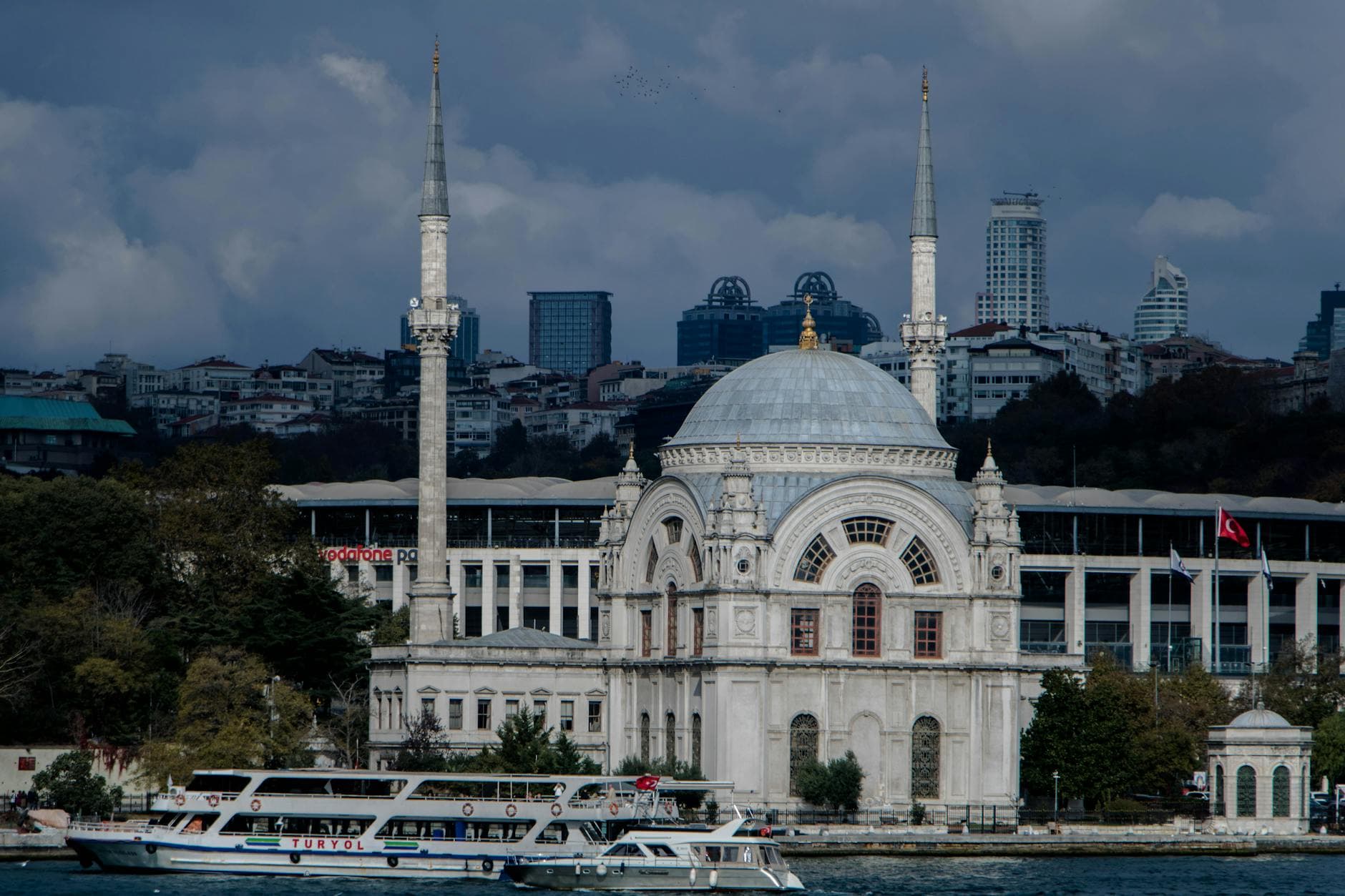
Turkish lifestyle is rich in contrasts: ancient and modern, secular and religious, European and Anatolian. Istanbul's art, music, and food scenes are world-class.

1.1M+

Registered Foreign Residents

Official permits; Turkey total

21 in Turkey

UNESCO Sites

Hagia Sophia, Ephesus, Göreme...

$1–$3

Street Food Meal

Quality simit, midye, balık ekmek

$25–$45

Mid-Range Dinner for 2

With wine; comparable to $120 in London

~$1.50–$3/glass

Raki (national spirit)

Traditional anise spirit

$150–$300

Hot Air Balloon (Cappadocia)

Per person; sunrise flight

Overview

Turkish lifestyle is rich in contrasts: ancient and modern, secular and religious, European and Anatolian. Istanbul's art, music, and food scenes are world-class. The coast offers Mediterranean ease. Cappadocia is unlike anywhere on Earth. Expat communities of over 1 million registered foreign residents provide immediate social networks. The hospitality culture — çay in every shop, warmth to strangers — is one of Turkey's most compelling qualities.

Key Takeaways

  • Istanbul street staples: simit (sesame bread ring, $0.30), midye dolma (stuffed mussels, $0.30 each), balık ekmek (fish sandwich under Galata Bridge, $2–$3), köfte (meatball sandwich)
  • Museums: Hagia Sophia (Sultanahmet), Topkapi Palace, Istanbul Modern (contemporary art), Pera Museum, Sakip Sabanci Museum
  • Over 1.1 million registered foreign residents nationally; Istanbul accounts for the majority
  • Shoes off at house entrance: universal; always remove shoes when entering a Turkish home
1

Food Culture

Turkish cuisine is legitimately one of the world's great food traditions — regional, seasonal, and deeply tied to culture and hospitality. Gastronomy in Gaziantep (southeastern Turkey) is recognised by UNESCO as a City of Gastronomy.

  • Istanbul street staples: simit (sesame bread ring, $0.30), midye dolma (stuffed mussels, $0.30 each), balık ekmek (fish sandwich under Galata Bridge, $2–$3), köfte (meatball sandwich)
  • Anatolian cuisine: dairy-rich, meat-centric; Gaziantep (southeastern Turkey) considered the gastronomic heartland — baklava, katmer, lahmacun
  • Seafood: Black Sea anchovy (hamsi), Bosphorus sea bass (levrek), meyhane meze culture with rakı
  • Turkish breakfast (kahvaltı): elaborate spread — olives, cheeses, honey, clotted cream, tomatoes, eggs, bread; a weekend ritual in itself
  • Tea culture: çay (black tea) is ubiquitous — offered free in shops, banks, and offices; 3kg average Turkish per-capita annual consumption (world's highest per capita)
  • Alcohol: widely available in tourist areas and major cities; increasingly restricted in conservative neighbourhoods; Efes beer and rakı are national staples
2

Arts, Culture & Nightlife

Istanbul is one of the world's great cultural cities — 21 UNESCO World Heritage sites in Turkey, world-class museums, an annual arts calendar, and a nightlife scene that draws international visitors.

  • Museums: Hagia Sophia (Sultanahmet), Topkapi Palace, Istanbul Modern (contemporary art), Pera Museum, Sakip Sabanci Museum
  • Festivals: Istanbul Film Festival (April), Istanbul Jazz Festival (July), Istanbul Biennial (contemporary art, September, biennial)
  • Nightlife: Bosphorus-side clubs (Sortie, Reina legacy venues in Kuruçeşme), Kadife Sokak bar street (Kadıköy), Asmalımescit (Beyoglu), underground electronic music scene
  • Concerts: KüçükÇiftlik Park (outdoor concerts), Babylon (electronic/indie venue), İKSV (classical music)
  • Historical day trips from Istanbul: Ephesus (3.5hr by plane or 8hr by bus to Izmir), Troy, Bursa, Cappadocia (1hr flight), Pamukkale
  • Cappadocia: sunrise hot air balloon rides ($150–$300), cave hotel stays, underground city tours (Derinkuyu), fairy chimney hikes
3

Expat Community

Turkey hosts over 1.1 million registered foreign residents — one of the highest in the region. Istanbul's expat community spans Russians, Iranians, Ukrainians, Germans, and a growing Western digital nomad scene. Antalya's coastal communities are dominated by British, German, and Dutch retirees.

  • Over 1.1 million registered foreign residents nationally; Istanbul accounts for the majority
  • Largest nationalities: Russian, Iranian, Ukrainian, German, Iraqi, Azerbaijani, Afghan
  • Western expat digital nomads concentrate in Kadıköy, Cihangir, Beşiktaş (Istanbul) and Antalya old town
  • Antalya / Konyaaltı / Lara: large British, German, and Dutch retiree communities with English-language social infrastructure
  • Online communities: Expats in Istanbul (Facebook), InterNations Istanbul & Izmir, Reddit r/expats Turkey
  • Monthly expat meetups, pub quizzes, and language exchange events in Istanbul and Izmir
4

Cultural Norms & Integration

Turkish culture values hospitality (misafirperverlik) above almost everything else. Trust is earned through personal relationships, not institutions. Dress codes matter near religious sites; the cultural divide between secular coastal Turkey and conservative Anatolian heartland is real.

  • Shoes off at house entrance: universal; always remove shoes when entering a Turkish home
  • Çay (tea) offering: declining is mild rudeness — accept tea in shops, offices, and negotiations
  • Dress: modest near mosques (cover shoulders and knees); swimwear/beachwear confined to pools and beaches
  • Ramadan: observed nationally; some restaurants in conservative areas close during daylight fasting hours
  • Time: Turkish time is flexible — social appointments run 15–30 minutes late; business meetings are generally punctual
  • Political topics: Atatürk and Turkish military are sensitive subjects; approach carefully or avoid in casual conversation
FAQs

Common Questions — Lifestyle in Turkey

Find Your Perfect City with AI

Describe your lifestyle and our AI matches you to the best expat cities — then simulates a full day there.

Take the Free Quiz

Expat Insights, Weekly

Visa updates, cost-of-living data, and expat stories from Turkey in your inbox.

More Turkey Guides

🇹🇷

Ready to explore Turkey?

Browse our city guides to find the perfect base for your expat life in Turkey.