🌆

🇹🇳 Tunisia

Daily Life

Daily life in Tunisia blends French-influenced café culture with Arab-Mediterranean warmth. The pace of life is relaxed, the food is exceptional, and the social fabric is welcoming — though bureaucracy can test your patience and French language skills are essential for smooth daily interactions..

Level 2 (US)

Safety Rating

Exercise increased caution; low street crime

Mediterranean

Climate

300+ sunny days; dry summers, mild winters

Arabic & French

Languages

French essential for daily life; some English

26.5 Mbps mobile

Internet

Fixed broadband averaging 11.5 Mbps

Overview

Daily life in Tunisia blends French-influenced café culture with Arab-Mediterranean warmth. The pace of life is relaxed, the food is exceptional, and the social fabric is welcoming — though bureaucracy can test your patience and French language skills are essential for smooth daily interactions.

Key Takeaways

  • French is used in business, education, government administration, and most signage
  • A full restaurant meal costs TND 10–25 ($3–$8); street food like brik and fricassé costs TND 2–5
  • The US State Department rates Tunisia Level 2: Exercise Increased Caution
1

Language & Culture

Tunisia is a bilingual country where Arabic is the official language and French is widely used in business, education, media, and daily interactions. Learning at least basic French is essential for expat life.

  • French is used in business, education, government administration, and most signage
  • Tunisian Arabic (Derja) is the everyday spoken language — distinct from Modern Standard Arabic
  • English proficiency is low to moderate — limited mainly to tourism and younger professionals
  • Tunisian culture is relatively liberal by North African standards — especially in Tunis and coastal cities
  • Ramadan is widely observed and affects restaurant hours, working hours, and daily rhythms for about a month
2

Food & Dining

Tunisian cuisine is a delicious blend of North African, Mediterranean, and French influences. Eating out is remarkably affordable, and fresh local ingredients are available year-round.

  • A full restaurant meal costs TND 10–25 ($3–$8); street food like brik and fricassé costs TND 2–5
  • Café culture is central to social life — coffee costs TND 2–4 ($0.60–$1.30) at local cafés
  • Fresh produce markets (marchés) offer excellent fruits, vegetables, and seafood at very low prices
  • Harissa, couscous, brik, lablabi, and grilled fish are staple dishes worth trying
  • French-style bakeries and pâtisseries are found in every neighborhood
  • Alcohol is available in licensed restaurants, bars, and supermarkets — less restricted than other North African countries
3

Safety & Security

Tunisia is generally safe for expats in major cities, though some border areas and remote regions carry elevated risk. Petty crime is the main concern in urban areas.

  • The US State Department rates Tunisia Level 2: Exercise Increased Caution
  • Petty crime (pickpocketing, bag-snatching) occurs in crowded areas like the Medina and souks
  • Violent crime against foreigners is rare in major cities and tourist areas
  • Avoid border areas with Libya and Algeria, and mountainous areas in the northwest due to security concerns
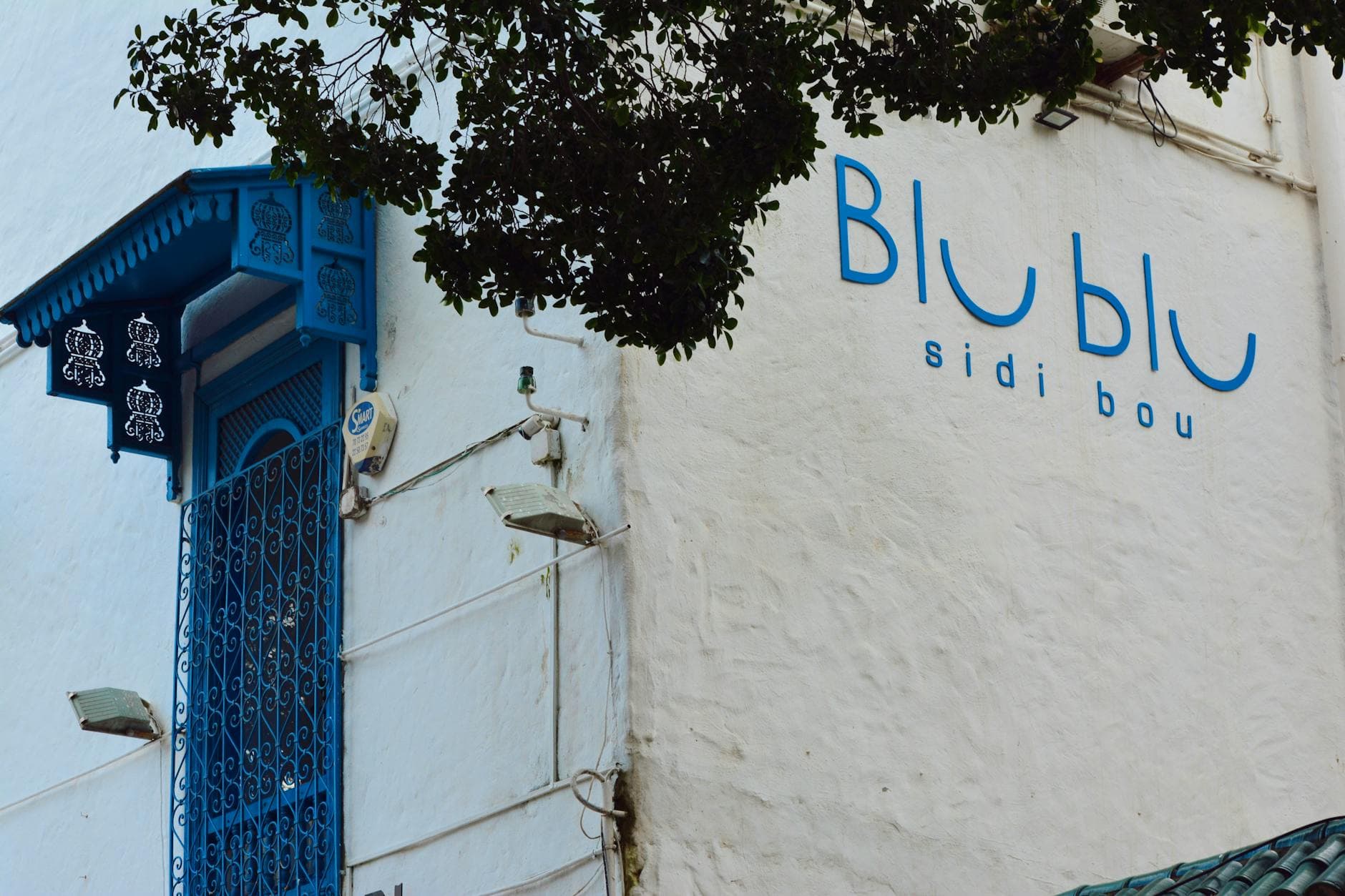
  • La Marsa, Sidi Bou Said, Les Berges du Lac, and Carthage are among the safest areas for expats
  • Police presence is visible in major cities; emergency number is 197
FAQs

Common Questions — Daily Life in Tunisia

Find Your Perfect City with AI

Describe your lifestyle and our AI matches you to the best expat cities — then simulates a full day there.

Take the Free Quiz

Expat Insights, Weekly

Visa updates, cost-of-living data, and expat stories from Tunisia in your inbox.

More Tunisia Guides

🇹🇳

Ready to explore Tunisia?

Browse our city guides to find the perfect base for your expat life in Tunisia.