🌆

🇱🇦 Laos

Daily Life

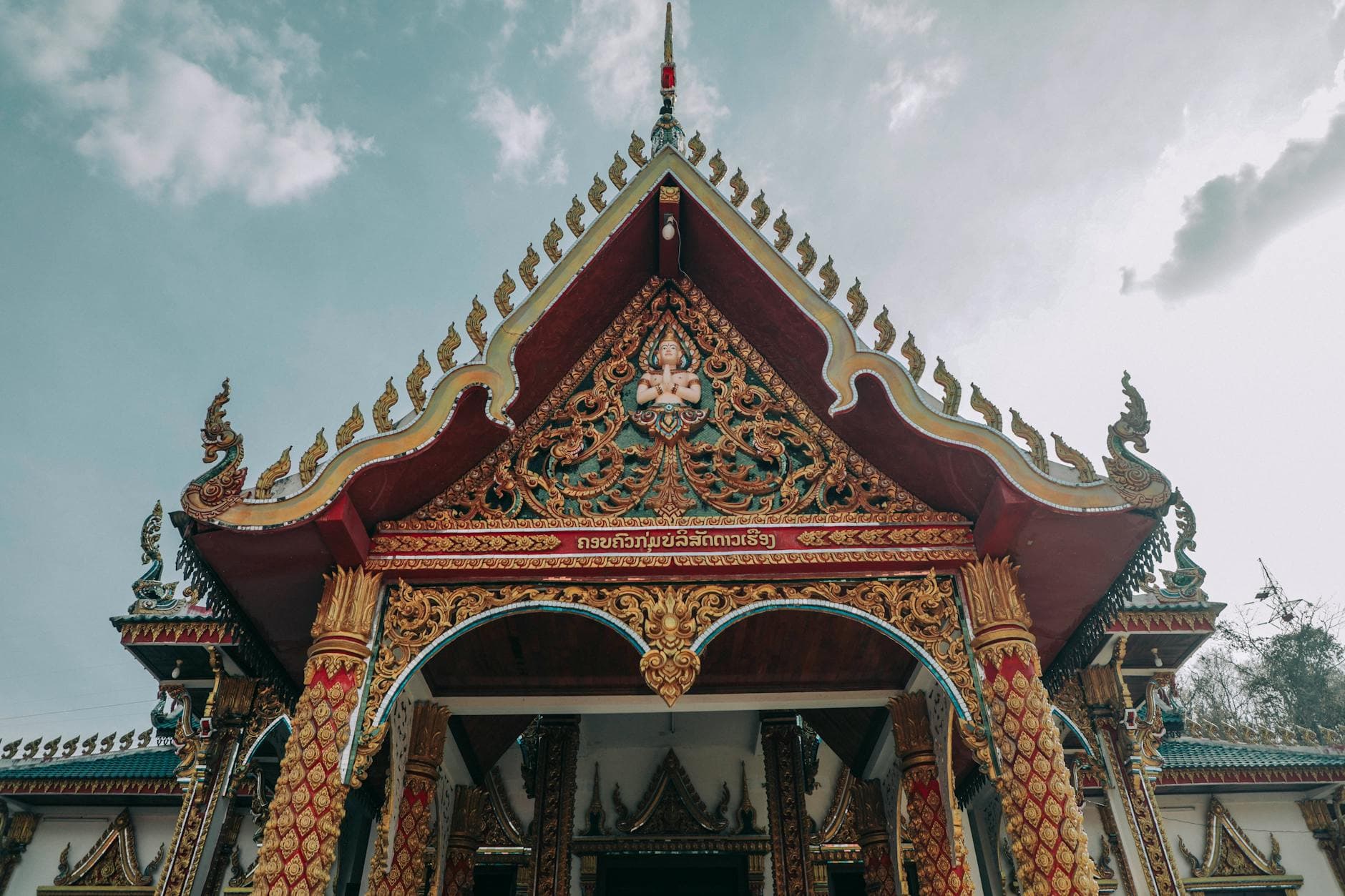
Daily life in Laos moves at a uniquely relaxed pace. Buddhist traditions shape the rhythm of days, markets overflow with fresh produce, and the Mekong River is a constant companion.

Tropical

Climate

Hot, rainy, cool seasons

Very safe

Safety

Low violent crime

Moderate

Language Barrier

Limited English outside tourist areas

Small but warm

Expat Community

Mainly in Vientiane

Overview

Daily life in Laos moves at a uniquely relaxed pace. Buddhist traditions shape the rhythm of days, markets overflow with fresh produce, and the Mekong River is a constant companion. Expats find a slower, simpler lifestyle here — with excellent local food, friendly neighbors, and a genuine sense of community.

Key Takeaways

  • Morning alms: monks collect rice and food at dawn — a daily spiritual practice, especially in Luang Prabang
  • Sticky rice: the foundation of every Lao meal — served in woven baskets, eaten with hands
  • Violent crime: extremely rare against expats — Laos has some of the lowest rates in the region
  • Cool season (Nov–Feb): 15–28°C, dry, pleasant — the best months for outdoor activities and tourism
1

Daily Life in Laos

Life in Laos follows the rhythm of Buddhist culture and the Mekong River. Mornings start with the alms-giving ceremony (tak bat), markets fill with fresh produce by 6am, and evenings revolve around the river promenade. The concept of 'bor pen nyang' (never mind / no worries) pervades daily interactions. Shops close early, Sundays are genuinely quiet, and the pace of everything — from restaurant service to government offices — is slower than neighboring Thailand or Vietnam.

  • Morning alms: monks collect rice and food at dawn — a daily spiritual practice, especially in Luang Prabang
  • Markets: morning markets (talat sao) sell fresh produce, meat, and flowers; night markets offer street food and handicrafts
  • Mekong sunsets: the daily ritual of watching the sun set over the river — free and spectacular
  • Buddhist holidays: frequent national holidays tied to the lunar calendar — expect closures
  • Baci ceremony: traditional Lao spirit-calling ceremony — you'll be invited to one eventually
  • Sabaidee greeting: 'sabaidee' (hello/well-being) with a slight bow — the universal Lao greeting
2

Food & Dining

Lao cuisine is distinct from Thai food, though they share roots. Sticky rice (khao niew) is the staple — eaten with your hands, rolled into balls, and dipped into dishes. Laap (minced meat salad with herbs and lime), tam mak hoong (spicy papaya salad), and Or Lam (a rich Luang Prabang stew) are national favorites. The French colonial influence lives on in excellent baguettes, drip coffee, and pâté — creating a unique fusion cuisine.

  • Sticky rice: the foundation of every Lao meal — served in woven baskets, eaten with hands
  • Laap: Laos's national dish — minced meat with mint, lime, fish sauce, toasted rice powder, and chili
  • Tam mak hoong: spicy green papaya salad — Lao version uses padaek (fermented fish paste) for depth
  • Khao piak sen: Lao rice noodle soup — comfort food, available at every morning market
  • Baguettes (khao jee): French-Lao fusion — stuffed with pâté, vegetables, and chili sauce for $1–$2
  • Lao coffee: strong drip coffee with condensed milk — a colonial legacy that's now a national obsession
  • Beerlao: the national beer, widely considered one of Southeast Asia's best lagers — $1–$2 everywhere
3

Safety & Security

Laos is one of the safest countries in Southeast Asia for expats. Violent crime against foreigners is extremely rare, and the Lao people are genuinely warm and non-confrontational. The main safety concerns are petty theft in tourist areas, road accidents (Lao roads and driving standards are poor), and unexploded ordnance (UXO) in certain rural areas — a legacy of Vietnam War-era bombing.

  • Violent crime: extremely rare against expats — Laos has some of the lowest rates in the region
  • Petty theft: pickpocketing occurs at night markets and tourist areas — keep valuables secure
  • Road safety: the biggest genuine risk — poor road conditions, reckless driving, limited emergency services
  • UXO (unexploded ordnance): a concern in rural areas, especially near the Vietnamese border — stick to marked paths
  • Scams: minimal compared to neighboring countries — occasional taxi/tuk-tuk overcharging for tourists
  • Drug spiking: reported in some tourist bars, particularly in Vang Vieng — watch your drinks
  • Methanol poisoning: cases reported from cheap alcohol — buy drinks from reputable establishments
4

Climate & Weather

Laos has a tropical monsoon climate with three distinct seasons. The cool dry season (November–February) is the most pleasant with temperatures of 15–28°C. The hot season (March–May) is intense at 35–40°C. The rainy season (June–October) brings daily downpours, high humidity, and lush green landscapes. Most expats consider November–February the best time to be in Laos.

  • Cool season (Nov–Feb): 15–28°C, dry, pleasant — the best months for outdoor activities and tourism
  • Hot season (Mar–May): 35–40°C, high humidity, oppressive heat — AC is essential
  • Rainy season (Jun–Oct): 25–33°C, daily heavy rain, flooding possible — lush and green but challenging
  • Vientiane: slightly hotter year-round than Luang Prabang
  • Luang Prabang: cooler nights in the cool season (can drop to 10–15°C), surrounded by mountains
  • Best months overall: November, December, January — cool, dry, and the most comfortable for expats
FAQs

Common Questions — Daily Life in Laos

Find Your Perfect City with AI

Describe your lifestyle and our AI matches you to the best expat cities — then simulates a full day there.

Take the Free Quiz

Expat Insights, Weekly

Visa updates, cost-of-living data, and expat stories from Laos in your inbox.

More Laos Guides

🇱🇦

Ready to explore Laos?

Browse our city guides to find the perfect base for your expat life in Laos.