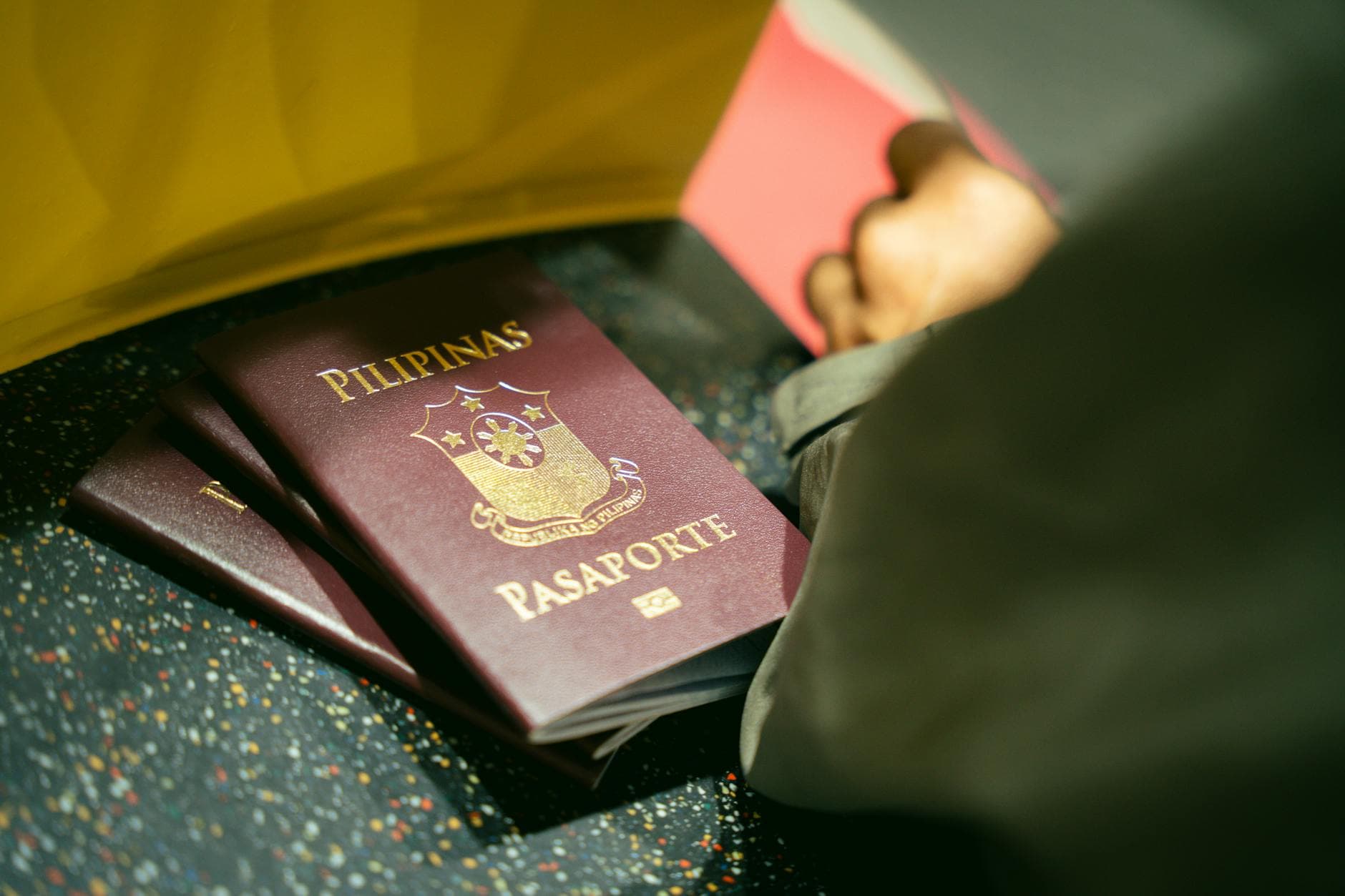
The March 2026 Visa Bulletin from the State Department is, by any measure, historic. The EB-2 category — which covers professionals with advanced degrees and individuals with exceptional ability — has seen one of the largest single-month advances in recent memory.
For hundreds of thousands of skilled workers stuck in the green card backlog, this bulletin changes timelines, planning, and in some cases, life decisions.
The numbers that matter
Quick answer: EB-2 India filing dates advanced by 335 days (roughly 11 months) in a single bulletin. EB-2 for Mexico, the Philippines, and all other countries is now "Current" — meaning no wait at all. EB-3 also advanced across all chargeability areas.
Here's the full picture:
EB-2 (Advanced Degree / Exceptional Ability):
- India: Filing date advanced from January 1, 2013 to December 1, 2013 — a leap of 335 days
- China: Filing date advanced from June 8, 2020 to September 1, 2020 — approximately 85 days
- Mexico, Philippines, Rest of World: Now CURRENT — no backlog, file immediately
EB-3 (Skilled Workers / Professionals):
- India: Advanced 60 days (approximately 2 months)
- China: Advanced approximately 75 days
- Mexico: Advanced by over 500 days — now approaching "Current"
- Rest of World: Advanced 120 days
EB-1 (Priority Workers):
- India and China remain backlogged but showed modest advancement
- Rest of World: Current
Why this bulletin is historic
To understand why immigration attorneys are calling this "the most significant bulletin in years," you need context. The EB-2 India backlog has been one of the most painful bottlenecks in US immigration for over a decade. At various points, Indian nationals with EB-2 priority dates faced estimated waits of 40–80 years. The backlog became so severe that it essentially broke the promise of employer-sponsored immigration for an entire generation of Indian tech workers.
A 335-day advance in a single month doesn't eliminate the backlog — the EB-2 India date is still in December 2013, meaning people who filed 12+ years ago are just now becoming eligible. But it signals that the backlog is moving at a pace that was unthinkable two years ago.
What's driving the movement: A combination of visa recapture from COVID-era unused numbers, improved USCIS processing efficiency, and lower-than-expected demand in some categories is freeing up visa numbers that are being redistributed to oversubscribed categories.
What this means for different groups
Tech workers on H-1B
If you're an Indian national on an H-1B with a pending EB-2 or EB-3 petition, check your priority date against the new filing dates. If your priority date is before December 1, 2013 (EB-2) or the current EB-3 date, you may be able to file your I-485 adjustment of status application — which comes with work authorization (EAD) and travel permission (Advance Parole) while you wait.
The practical impact: an approved I-485 means you're no longer tied to your sponsoring employer. You can change jobs freely, start a business, or take time off without jeopardizing your green card process.
Indian nationals early in their careers
For younger Indian professionals considering the US path, this is cautiously encouraging news. The EB-2 date moving to 2013 means the backlog is approximately 12–13 years as of March 2026. That's still long, but it's moving. If the current pace of advancement continues, someone filing today might see a 10–15 year wait rather than the previously estimated 40+.
However, there's no guarantee the pace will continue. Visa bulletin movement is notoriously unpredictable — large advances are often followed by retrogression (dates moving backward).
Healthcare workers
EB-3 advancement is particularly significant for healthcare workers — nurses, physical therapists, and allied health professionals who typically file under EB-3. With EB-3 dates advancing across most categories, processing times from petition to green card are compressing meaningfully.
Mexican and Filipino nationals
EB-2 going to "Current" for Mexico and the Philippines is transformative. It means zero backlog — qualified applicants can file their I-485 immediately after I-140 approval. This is especially significant for Filipino nurses and Mexican professionals in STEM fields.
The H-1B to Green Card timeline in 2026
With the March 2026 bulletin, here's a realistic timeline for the H-1B to green card path:
For non-India/non-China nationals (EB-2 Current):
- PERM labor certification: 8–14 months
- I-140 petition: 4–6 months (or 15 days with premium processing)
- I-485 adjustment: 8–18 months
- Total: approximately 2–3 years
For Indian nationals (EB-2):
- PERM + I-140: same as above (~1–2 years)
- Wait for priority date to become current: currently 12–13 years (improving)
- I-485 after date is current: 8–18 months
- Total: approximately 14–16 years (but compressing)
What to do now
If your priority date is close to the current filing dates, contact your immigration attorney immediately. The filing dates can retrogress (move backward) in future bulletins, so there's urgency to file your I-485 while dates are favorable.
If you're earlier in the process, use this as a data point — not a guarantee. The trend is positive, but immigration policy is subject to political shifts, legislative changes, and administrative decisions that can reverse progress quickly.
For those questioning whether the US green card wait is worth it, consider exploring alternatives. Many countries offer skilled worker visas with paths to permanent residency in 3–5 years, not 12–15.
Explore alternatives for Indian tech workers → | US immigration guide →
What does 'filing dates current' mean for EB-2?
When USCIS declares filing dates "current" for EB-2, it means there is no backlog for that category — you can file your I-485 adjustment of status application immediately without waiting for a priority date to become available. This is significant because historically, EB-2 applicants (especially from India and China) have faced multi-year waits just to file their green card applications. "Current" status means the pipeline is flowing freely, though it doesn't guarantee faster processing of your application once filed. The March 2026 bulletin shows EB-2 moving closer to current for all countries except India, where significant backlogs remain. Check the US working guide for details on employer-sponsored pathways.
How long does the EB-2 Green Card process take now?
As of March 2026, the total EB-2 timeline from labor certification (PERM) to green card approval is approximately 18–24 months for most countries — down from the 35+ months common in 2024. The breakdown: PERM processing (6–8 months), I-140 petition (4–6 months standard, or 15 days with premium processing), and I-485 adjustment of status (8–12 months). For Indian-born applicants, the wait remains significantly longer due to per-country caps, though the 17-month advancement is a meaningful improvement. If you're moving from India and considering the EB-2 route, factor in these timelines against alternative paths. Take our expat quiz to explore whether other countries might offer faster professional immigration routes.
Key Takeaways
- EB-2 India jumped 335 days — the largest single-month advance in recent memory
- EB-2 is now Current for Mexico, Philippines, and rest of world — no wait
- EB-3 advanced 2–17 months across all chargeability areas
- Indian nationals with priority dates before Dec 2013 should check I-485 eligibility immediately
- The H-1B to green card path is compressing — but still 12–15 years for Indian nationals
- No guarantee this pace continues — visa bulletins can retrogress in future months
Last updated: March 19, 2026
Which country is right for you?
Answer 6 quick questions about your budget, lifestyle, and priorities. Our AI ranks 122 countries and builds a personalised relocation plan.
Enjoyed this article?
Subscribe for more expat tips and guides.
Free: The Ultimate Expat Checklist
Everything you need to prepare before moving abroad — visa, finances, healthcare, housing, and more.
Enjoyed this article? Share it with fellow expats