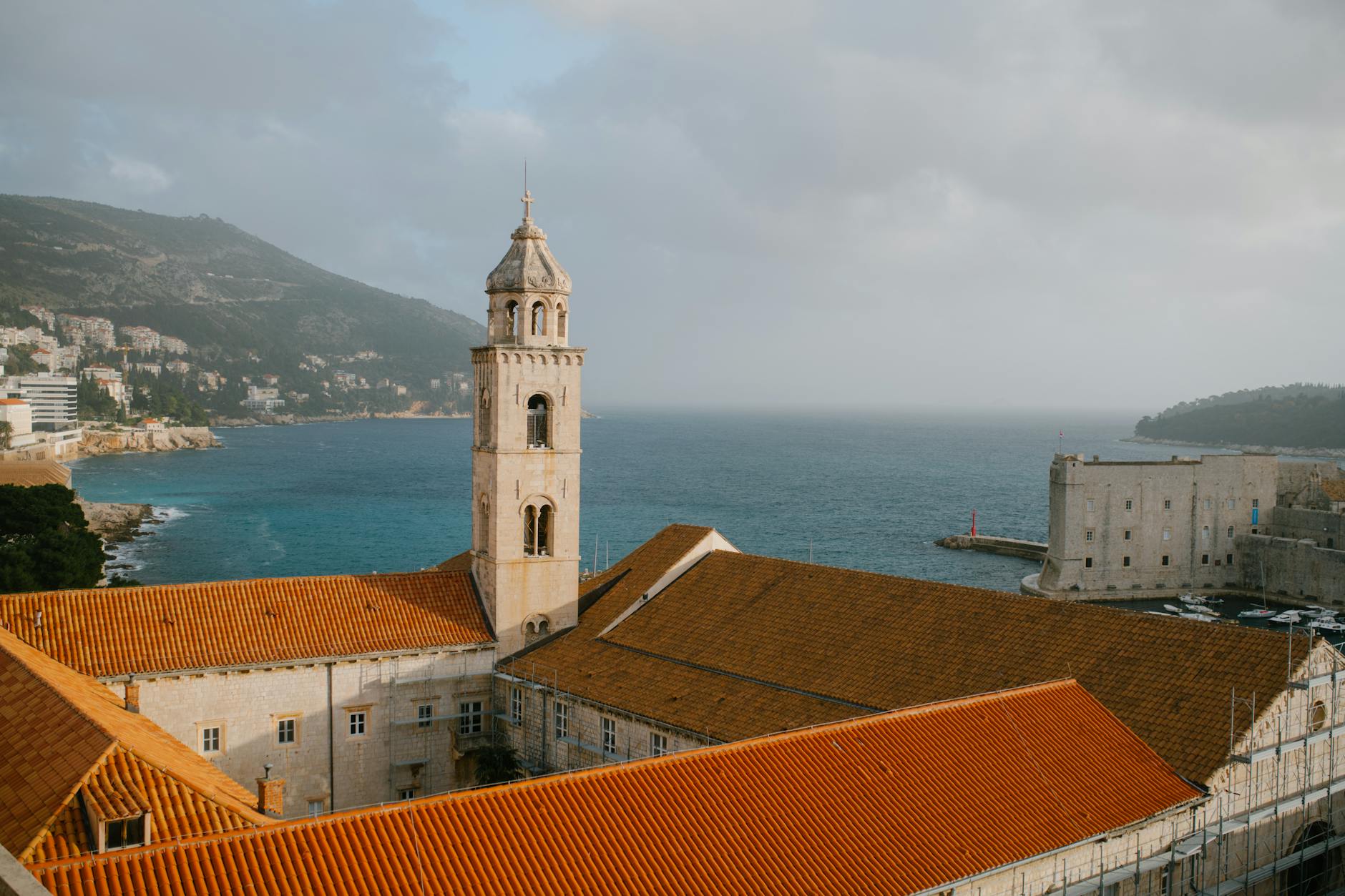
Croatia's pitch to digital nomads is pretty compelling on paper: live on the Adriatic coast, pay zero income tax on foreign earnings, and stay for up to 18 months. Oh, and you'll be walking through literal Game of Thrones filming locations on your lunch break.
But before you start googling flights to Split, let's talk about what the visa actually requires — and the things the tourism board doesn't mention.
What Are the Actual Requirements?
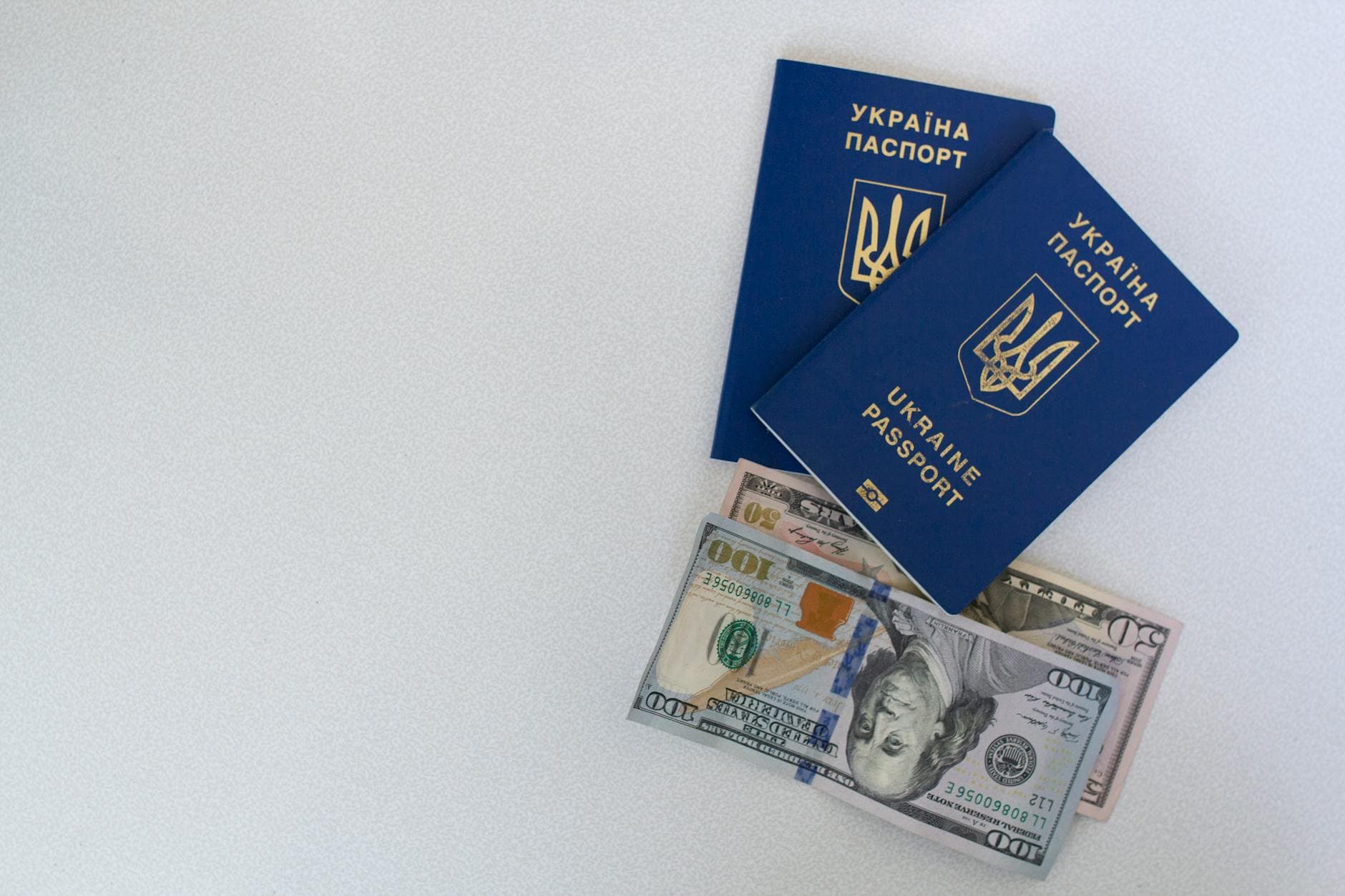
Croatia's digital nomad permit was one of Europe's first, launching in 2021. Here's what you need in 2026:
Income requirement:
- €3,295/month minimum (or savings of €39,540 for 12 months)
- For 18-month stays: €59,310 in savings
- Add 10% for each family member
Other requirements:
- Proof of employment or self-employment with a company registered outside Croatia
- Health insurance valid in Croatia
- Proof of accommodation (rental contract or hotel booking)
- Clean criminal record
- Application fee: €150–300
Duration: Originally 12 months, now extended to 18 months as of 2025. After 18 months, you must leave Croatia — but you can reapply after a break.
The big selling point: You're exempt from Croatian income tax on foreign earnings. If you work for a US, UK, or German company remotely, you pay $0 in Croatian taxes.
How Does It Compare to Other European Digital Nomad Visas?
| Country | Income Req. | Duration | Tax on Foreign Income? |
|---|---|---|---|
| Croatia | €3,295/mo | 18 months | No |
| Spain | €2,849/mo | 1 year (renewable) | 24% (Beckham Law) |
| Portugal (D7) | €820/mo | 1 year (renewable) | 20% (NHR 2.0) |
| Greece | €3,500/mo | 1 year | 50% reduction for 7 years |
| Estonia | €4,500/mo | 1 year | No (if short-term) |
Croatia's combination of no income tax + 18-month duration is unique in Europe. Spain and Portugal are cheaper to qualify for but will tax you. Estonia has a higher threshold.
For a full breakdown: Spain Just Raised the Bar for Digital Nomads.
What Does It Actually Cost to Live There?
Here's where reality kicks in. Croatia joined the Eurozone in 2023, and prices have crept up. It's no longer the bargain it was in 2019.
Realistic monthly budget (single person):
| Expense | Split | Zagreb | Dubrovnik |
|---|---|---|---|
| Rent (1-bed, center) | €625–800 | €600–850 | €700–1,000 |
| Rent (1-bed, outside) | €400–550 | €400–600 | €500–700 |
| Groceries | €250–350 | €250–350 | €300–400 |
| Coworking | €100–150 | €100–150 | €120–180 |
| Dining out | €150–200 | €150–200 | €200–300 |
| Transport | €30–50 | €40–60 | €30–50 |
| Utilities + internet | €100–150 | €120–170 | €120–160 |
| Total | €1,655–2,250 | €1,660–2,380 | €1,970–2,790 |
Dubrovnik is about 16% more expensive than Split. That adds up to roughly €4,500/year.
The sweet spot? Split. Best balance of cost, coastline, airport connections, and nomad community. Zagreb is slightly cheaper but you lose the Adriatic.
See our Croatia expat guide for city-by-city breakdowns.
The Hidden Catches Nobody Mentions
1. The €3,295/month threshold is per person, not per household. A couple both working remotely? You each need to prove €3,295. That's €6,590/month combined — not exactly backpacker territory.
2. You can't work for a Croatian company. The visa is strictly for remote workers employed by foreign entities. If you pick up a freelance gig from a Croatian client, you're technically in violation.
3. Housing is brutal in summer. From June to September, Croatia is a tourist destination. Landlords in Split and Dubrovnik switch apartments to Airbnb for summer, and year-round rental supply shrinks. Secure your lease before summer hits — or pay 30-40% more.
4. The 18-month clock is strict. When your 18 months are up, you leave. There's no automatic renewal path without departing first. Some nomads do 18 months in Croatia, then spend a few months in Montenegro or Italy before reapplying.
5. Banking is a hassle. Croatian banks are reluctant to open accounts for digital nomad visa holders. You'll likely rely on Wise, Revolut, or your home bank for the duration of your stay.
6. Winter is quiet — really quiet. The coastal cities that are paradise in summer become ghost towns from November to March. If you need social energy year-round, Zagreb handles winter better than Split or Dubrovnik.
Who Is This Visa Actually Best For?
Based on the requirements and reality:
- Established freelancers earning $3,500+/month who want a tax break
- Remote employees at foreign companies with stable contracts
- Couples where both partners work and can each meet the income threshold
- People who love the Mediterranean but want fewer crowds than Spain or Portugal
- EU passport holders who don't need the visa but want the tax exemption (yes, you can still apply)
Key Takeaways
- Croatia requires €3,295/month income — no exceptions
- 18-month permit with zero Croatian income tax on foreign earnings
- Monthly living costs: €1,650–2,800 depending on city
- Split offers the best value; Dubrovnik is 16% pricier
- Summer housing crunch means sign your lease early
- No path to work for Croatian companies on this visa
- After 18 months, you must leave before reapplying
Interested? Compare Croatia against Spain or Portugal using our tools, or explore the full Croatia guide.
Sources:
- Croatia Digital Nomad Visa 2026 (Get Golden Visa)
- Croatia Temporary Stay for Digital Nomads (Croatian Ministry of Interior)
- Croatia Cost of Living 2026 (Croatia Wise)
- Digital Nomad Visa Croatia: Harsh Realities (Expat in Croatia)
Last updated: March 14, 2026
Which country is right for you?
Answer 6 quick questions about your budget, lifestyle, and priorities. Our AI ranks 122 countries and builds a personalised relocation plan.
Enjoyed this article?
Subscribe for more expat tips and guides.
Free: The Ultimate Expat Checklist
Everything you need to prepare before moving abroad — visa, finances, healthcare, housing, and more.