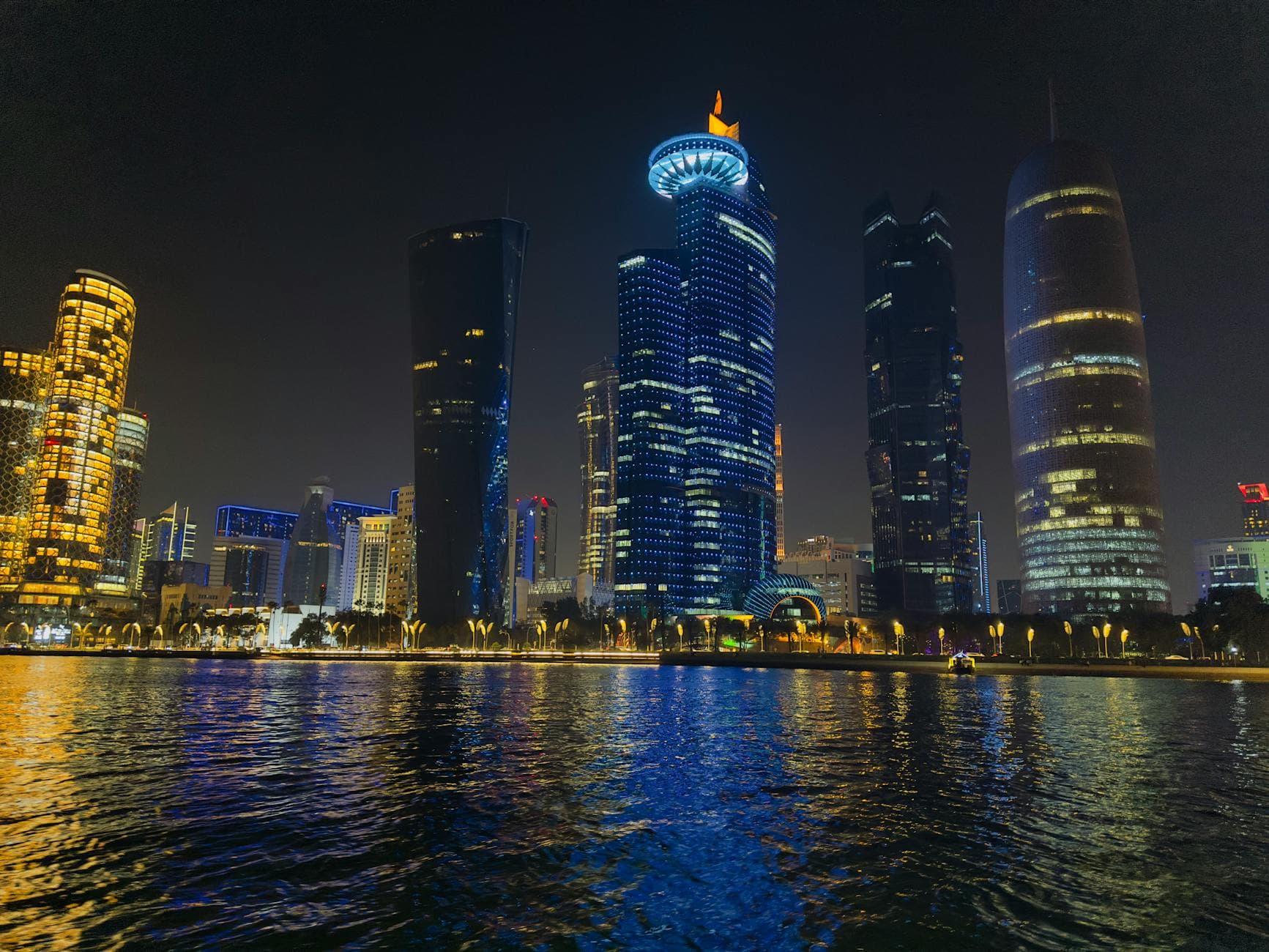
🌆

🇶🇦 Qatar

Daily Life

Daily life in Qatar blends modern Gulf luxury with traditional Arab hospitality. The Corniche promenade, Souq Waqif's bustling lanes, world-class museums, and The Pearl's waterfront restaurants create a lifestyle that is more intimate and culturally rich than Dubai — though with fewer entertainment options.

300+ days

Annual Sunshine

Best months: October–April

40–50°C

Summer Temp

June–September — primarily indoor

Top 5 globally

Safety Index

Among world's safest countries

100+

Nationalities

85% of population is expatriate

Widely spoken

English Usage

In business, retail, and services

Overview

Daily life in Qatar blends modern Gulf luxury with traditional Arab hospitality. The Corniche promenade, Souq Waqif's bustling lanes, world-class museums, and The Pearl's waterfront restaurants create a lifestyle that is more intimate and culturally rich than Dubai — though with fewer entertainment options. Qatar is conservative but welcoming, safe beyond measure, and surprisingly affordable for the quality of life offered.

Key Takeaways

  • October–April: warm, sunny, 20–30°C — perfect for outdoor dining, Corniche walks, desert trips, and beach days
  • Souq Waqif: Doha's social heart — traditional Qatari restaurants, Lebanese grills, Iranian kitchens, shisha cafés in restored 19th-century market lanes
  • Dress code: modest in public — shoulders and knees covered, particularly in malls and traditional areas; beach and pool areas are more relaxed
  • Museum of Islamic Art (MIA): I.M. Pei-designed masterpiece on the Corniche — one of the world's finest Islamic art collections
  • Doha Metro: Red, Green, Gold lines — covers West Bay, Msheireb, Education City, airport; QAR 2–6/journey
1

Climate and Seasons

Qatar has two distinct seasons: a glorious outdoor winter (October–April, 20–30°C) and an intense summer (May–September, 40–50°C with humidity) that drives life indoors. Planning your lifestyle around this calendar is essential.

  • October–April: warm, sunny, 20–30°C — perfect for outdoor dining, Corniche walks, desert trips, and beach days
  • May–September: 40–50°C, high humidity — outdoor activity is dangerous; life moves indoors to malls, hotels, and air-conditioned spaces
  • Sandstorms: occasional, particularly in spring — can reduce visibility and affect air quality
  • Rain: extremely rare — Doha averages ~75mm per year; when it rains, flooding can occur in low-lying areas
  • Sea temperature: pleasant October–May; too warm in August (33°C+) for refreshing swims
  • Air conditioning: runs year-round and is heavily subsidised — indoor spaces are always cool
2

Food, Restaurants, and Dining Culture

Qatar's dining scene punches well above its weight — from Michelin-quality hotel restaurants to Souq Waqif's atmospheric eateries and multicultural street food. The food diversity reflects the country's 100+ nationalities.

  • Souq Waqif: Doha's social heart — traditional Qatari restaurants, Lebanese grills, Iranian kitchens, shisha cafés in restored 19th-century market lanes
  • Hotel dining: Nobu Doha, Hakkasan, La Petite Maison, CUT by Wolfgang Puck — world-class dining concentrated in West Bay hotels
  • Cuisine diversity: Indian, Pakistani, Filipino, Lebanese, Egyptian, Iranian, Japanese, Korean — all excellent and affordable
  • Shawarma and street food: QAR 10–20 ($3–$5) for an outstanding wrap — the best-value food in the Gulf
  • Alcohol: only available in licensed hotel restaurants and bars — no retail sales; beer QAR 40–60 ($11–$16)
  • Ramadan: restaurants closed for daytime service; iftar (sunset meal) is a special cultural experience at hotel tents and Souq Waqif
  • All food is halal; pork is available in designated sections of some supermarkets
3

Social Life and Cultural Norms

Qatar is more conservative than the UAE but welcoming to respectful expats. The cultural framework is Islamic, and public norms reflect this — but within that framework, daily life for expats is comfortable and unrestricted.

  • Dress code: modest in public — shoulders and knees covered, particularly in malls and traditional areas; beach and pool areas are more relaxed
  • Public displays of affection: frowned upon — avoid kissing and intimate contact in public
  • Ramadan: no eating, drinking, or smoking in public during daylight hours — applies to everyone, including non-Muslims
  • Alcohol: legal for non-Muslims in licensed hotel venues only; public intoxication is a serious offence
  • Photography: avoid photographing government buildings, military installations, or people without permission
  • LGBTQ+: homosexuality is illegal under Qatari law — expats must exercise significant discretion
  • Hospitality: Qatari culture is genuinely hospitable — invitations to majlis (sitting room) gatherings are a privilege
4

Entertainment and Leisure

Qatar's entertainment options have expanded dramatically since the World Cup. From world-class museums to desert safaris and a growing events calendar, there is more to do in Qatar than many newcomers expect.

  • Museum of Islamic Art (MIA): I.M. Pei-designed masterpiece on the Corniche — one of the world's finest Islamic art collections
  • National Museum of Qatar: desert rose-shaped building by Jean Nouvel — Qatar's history and culture
  • Souq Waqif: evening social hub — restaurants, cafés, falcon market, art galleries, gold souk
  • Desert: inland sea (Khor Al Adaid), dune bashing, overnight camping, camel riding — 45 minutes from Doha
  • The Pearl-Qatar: waterfront dining, shopping, marina walks — Doha's lifestyle destination
  • Katara Cultural Village: amphitheatre, galleries, beach, international film festivals, concerts
  • World Cup stadiums: repurposed for concerts, sporting events, and cultural festivals
5

Getting Around Qatar

Qatar's transport infrastructure was transformed by World Cup investment. The Doha Metro (opened 2019) is clean, efficient, and air-conditioned. However, many areas still require a car, and the country's compact size means driving anywhere takes under 90 minutes.

  • Doha Metro: Red, Green, Gold lines — covers West Bay, Msheireb, Education City, airport; QAR 2–6/journey
  • Lusail Tram: connects Lusail districts to Doha Metro Red Line
  • Karwa Bus: extensive network, QAR 3 per journey — affordable but slow
  • Uber and Karwa Taxi: widely available; metered taxis start at QAR 10
  • Driving: most expats get a Qatar driving license by converting their home country license (many nationalities eligible)
  • Qatar is compact: Doha to Al Khor 50km (~40 min), Doha to Lusail 23km (~20 min), Doha to airport 10km (~15 min)
  • Corniche: 7km promenade — popular for walking, cycling, and running; dedicated cycle paths
FAQs

Common Questions — Daily Life in Qatar

Find Your Perfect City with AI

Describe your lifestyle and our AI matches you to the best expat cities — then simulates a full day there.

Take the Free Quiz

Expat Insights, Weekly

Visa updates, cost-of-living data, and expat stories from Qatar in your inbox.

More Qatar Guides

🇶🇦

Ready to explore Qatar?

Browse our city guides to find the perfect base for your expat life in Qatar.