1
Cycling Culture - Life on Two Wheels
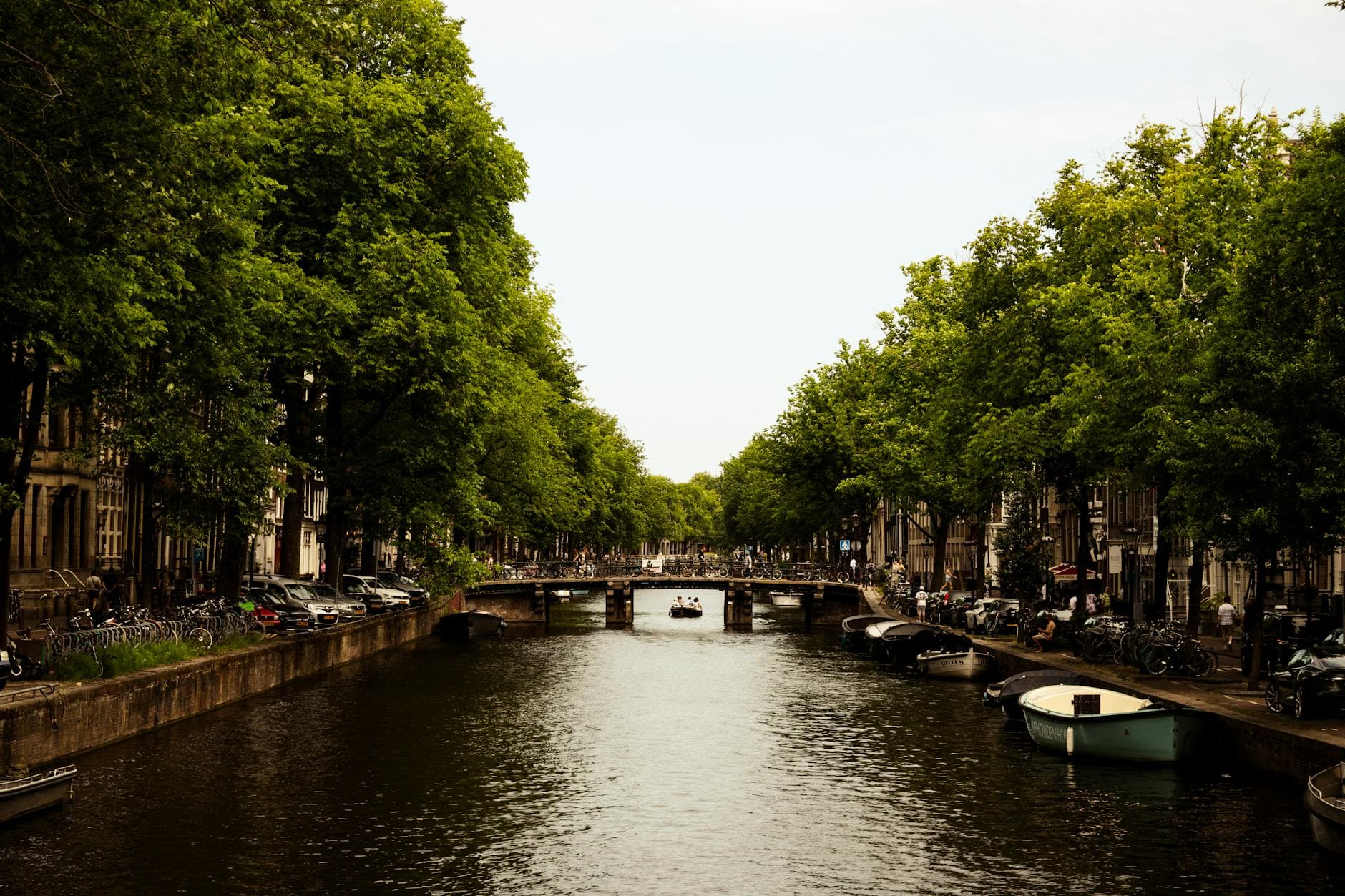
The Netherlands has the world's most developed cycling infrastructure. In Amsterdam, over 60% of all trips are made by bicycle. Cities are designed around cyclists, not cars. Within your first week, buy or rent a bicycle - it will become your primary mode of transport, replacing trams, taxis, and even walking for most journeys. Dutch cycling is not a sport or leisure activity; it is simply how people get around.
- 35,000 km of dedicated cycling paths (fietspaden) across the country - largely separated from traffic
- Buy a second-hand bike (tweedehands fiets) from Marktplaats.nl for €80–€200 - new Dutch bikes cost €300–€800
- Always lock your bike with a quality lock (good Abus or Kryptonite D-lock) - bike theft is very common, especially in Amsterdam
- Cycling etiquette: stay in the fietspad, signal turns with your arm, don't ride on pedestrian paths
- OV-fiets: NSNS public transport bike sharing available at train stations nationwide - €4.25/day with an OV-chipkaart
- Electric bikes (e-bikes): increasingly popular; cargo bikes (bakfietsen) common for family transport
2
Food, Supermarkets, and Eating Out
The Netherlands is not historically celebrated for its cuisine, but that underestimates the food scene in Dutch cities dramatically. Amsterdam in particular has one of Europe's most diverse restaurant landscapes - from Indonesian rijsttafel (a Dutch colonial legacy) to excellent sushi, Turkish, Surinamese, and contemporary European dining. Supermarkets are excellent and affordable. The traditional Dutch diet - stamppot, stroopwafels, herring, Dutch cheese - is an acquired taste, but one worth acquiring.
- Main supermarket chains: Albert Heijn (AH) is the largest and most convenient; Jumbo is very popular; Lidl and Aldi for budget shopping; Marqt and Ekoplaza for organic/premium
- Groceries for one: €250–€380/month depending on diet and shopping habits
- Indonesian food: the rijsttafel (rice table) is a Dutch national institution, a legacy of colonial ties to Indonesia; some of the world's best Indonesian food outside Indonesia is in the Netherlands
- Stroopwafels, Dutch cheese (Gouda, Edam, Boerenkaas), herring (haring), bitterballen, and poffertjes are iconic local foods
- Albert Cuyp Market (Amsterdam): legendary open-air market in De Pijp; open daily except Sundays; excellent fresh produce and street food
- Markthal Rotterdam: spectacular covered market hall with 100 food stalls and vendors - a Rotterdam landmark
3
Social Life, Culture, and Integration
The Dutch have a reputation for being reserved and hard to befriend initially. This is partly true - Dutch social networks are deep-rooted and slow to expand. But in the highly international environments of Amsterdam and The Hague, expat integration is relatively straightforward. Meetup groups, sports clubs (sportverenigingen), international churches, and language exchange programmes are excellent entry points. King's Day (Koningsdag) on April 27 is the single best day of the year to meet Dutch people en masse - the entire country celebrates outdoors.
- King's Day (Koningsdag) April 27: national holiday, the country turns orange; cities host giant outdoor parties with flea markets, music, and boat parades
- Liberation Day (Bevrijdingsdag) May 5: commemorates end of WWII occupation; free outdoor festivals in all major cities
- Sinterklaas (December 5): the Dutch Christmas equivalent; a big deal for families with children
- Meetup.com: active expat and interest-group communities in Amsterdam, Rotterdam, and The Hague across every interest
- Language exchange: HelloTalk, Tandem, and local 'uitwisseling' events connect Dutch speakers with those learning Dutch
- Sports: football (football culture is strong - Ajax Amsterdam and Feyenoord Rotterdam have devoted supporter cultures), cycling, swimming, field hockey, and korfball
4
Weather, Mental Health, and Wellbeing
The Netherlands receives approximately 1,700 hours of sunshine per year - comparable to London and significantly less than southern Europe. Winters are grey, wet, and windy from October to March. Seasonal Affective Disorder (SAD) is a real consideration for expats moving from sunnier climates. The Dutch cope through cycling (year-round), gezelligheid (cosiness - their version of hygge), and an excellent café culture. Light therapy lamps are widely available and many expats find them genuinely useful.
- Average January temperature in Amsterdam: 3°C; average July temperature: 22°C
- Rain is frequent but rarely heavy - drizzle, not downpour; cycling in light rain is the norm
- Gezelligheid (approximately: cosiness/togetherness): a central Dutch cultural concept; embrace it via candlelit cafés, good conversation, and hot drinks
- Light therapy lamps: widely sold in electronics stores; Philips makes excellent ones - worth the investment from October
- Outdoor activities year-round: Dutch people cycle, walk, and use parks in all weather - participation helps significantly
- Summer is glorious: long daylight hours (sunset after 10pm in June), festivals, terrace (terras) culture, and trips to the North Sea coast
5
Expat Communities and Integration Support
The Netherlands has large, well-organised expat communities in all major cities. Amsterdam in particular has an expat population of over 200,000. Multiple organisations, websites, and events cater specifically to the international community, making initial integration easier than in many European countries.
- IAmExpat.nl: the largest English-language expat information portal in the Netherlands; news, housing, jobs, forums, and events
- Expatica Netherlands: comprehensive expat guide and news service in English
- ACCESS NL (The Hague): long-established free information service specifically for The Hague's international community; helpdesk, workshops, social events
- Amsterdam Expatcenter: official city service providing one-stop support for international workers registering in Amsterdam
- Internations: global expat network with active Amsterdam, Rotterdam, and The Hague chapters; monthly events
- Company-supported integration: most large multinationals provide cultural training, relocation packages, and HR support for international hires