🌆

🇳🇵 Nepal

Daily Life

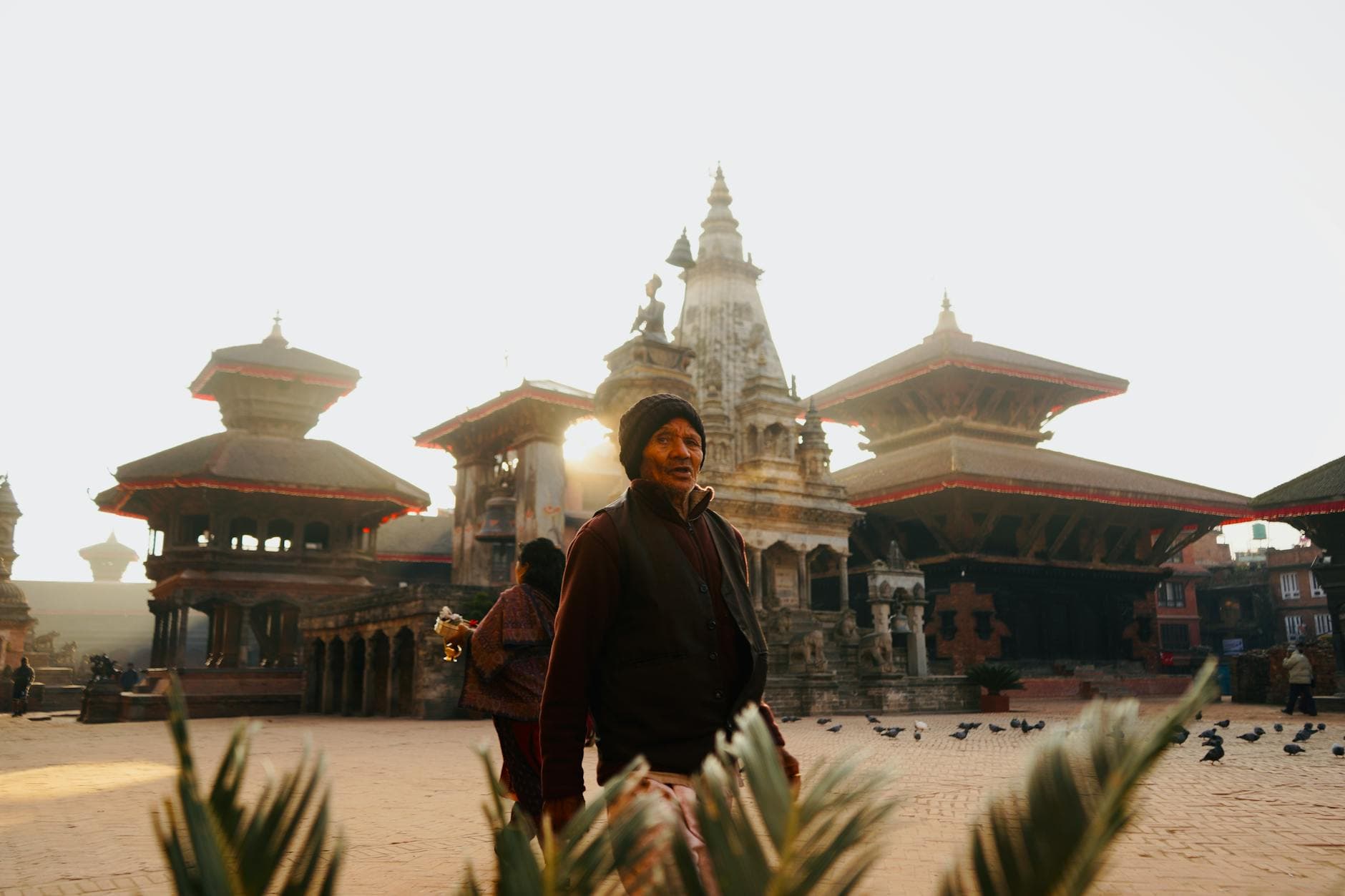
Daily life in Nepal is an extraordinary blend of ancient culture, natural grandeur, and the practical realities of a developing nation. Kathmandu is a sensory feast — temple incense, motorbike horns, street vendors, and the Himalayas visible on clear days.

$1–$3

Dal Bhat Meal

Unlimited refills at local eateries

$3–$10

Mid-Range Restaurant

Per person, Kathmandu

$0.50–$2

Pathao Ride

Motorbike ride across town

Moderate

English Proficiency

Good in tourist areas and educated circles

Generally safe

Safety

Low violent crime; traffic is the main risk

Overview

Daily life in Nepal is an extraordinary blend of ancient culture, natural grandeur, and the practical realities of a developing nation. Kathmandu is a sensory feast — temple incense, motorbike horns, street vendors, and the Himalayas visible on clear days. Pokhara offers a gentler rhythm: lake mornings, mountain views from every café, and a pace that invites slow living. Both cities are remarkably welcoming to foreigners, with 'Namaste' greetings and genuine hospitality defining daily interactions. The food is excellent and astonishingly cheap, the adventure opportunities are world-class, and the cultural depth — Hindu and Buddhist traditions interwoven into every aspect of life — is unmatched in Asia.

Key Takeaways

  • Dal bhat: the national staple; $1–$3 at local eateries with unlimited refills of rice, lentils, vegetables, and pickles — genuinely the best value meal in Asia
  • Pathao (ride-hailing app): the go-to for city transport in Kathmandu; motorbike rides $0.50–$2, car rides $2–$5; avoids fare negotiation
  • Hindu-Buddhist coexistence: temples and stupas sit side by side; Dashain (Nepal's biggest festival, October) and Tihar (festival of lights) are major celebrations that expats are warmly invited to join
  • Overall safety: low violent crime rate; Kathmandu and Pokhara tourist areas are safe for solo travelers including women
1

Food & Dining

Nepali cuisine revolves around dal bhat — lentils, rice, and seasonal vegetable curries — a nutritious, satisfying meal that forms the backbone of daily eating. Beyond dal bhat, both Kathmandu and Pokhara offer surprisingly diverse international dining at very low prices.

  • Dal bhat: the national staple; $1–$3 at local eateries with unlimited refills of rice, lentils, vegetables, and pickles — genuinely the best value meal in Asia
  • Momo (Tibetan-Nepali dumplings): steamed or fried, filled with buffalo, chicken, or vegetables; $0.50–$2 for a plate of 10; available everywhere
  • Thukpa (Tibetan noodle soup), chow mein, and Newari cuisine (beaten rice with spiced meat, choila) round out the local options
  • International dining in Kathmandu: Japanese, Korean, Italian, Middle Eastern, Indian, and Thai restaurants, particularly in Jhamsikhel and Thamel; $5–$15 per meal
  • Pokhara Lakeside café scene: wood-fired pizza, smoothie bowls, espresso, and international comfort food; $3–$10 per meal
  • Fresh produce at local markets (sabji mandi): extremely cheap — $0.50–$1 per kg for seasonal vegetables; $100–$150/month covers generous grocery shopping
  • Supermarkets: Bhat-Bhateni Supermarket in Kathmandu carries local and imported products; imported Western goods are 2–3x home prices
  • Alcohol: locally brewed Gorkha and Everest beer $1.50–$3; imported wine $8–$15; local spirits (raksi, tongba) are cultural experiences at rock-bottom prices
2

Transport & Getting Around

Nepal's internal transport system is functional but chaotic by Western standards. Within cities, ride-hailing apps and motorbikes dominate; between cities, buses and domestic flights are the options.

  • Pathao (ride-hailing app): the go-to for city transport in Kathmandu; motorbike rides $0.50–$2, car rides $2–$5; avoids fare negotiation
  • Taxis: widely available in Kathmandu; insist on the meter or agree on a fare before getting in; metered rates are very cheap
  • Local buses and microbuses: $0.10–$0.50 for urban routes; cheap but crowded, slow, and no AC
  • Tourist buses (Kathmandu–Pokhara): $10–$15 for a 6–7 hour journey through hills; comfortable with AC and assigned seats
  • Domestic flights: Kathmandu–Pokhara 25 minutes ($50–$100); Kathmandu–Lukla (Everest gateway) 30 minutes ($180–$250); airlines include Yeti, Buddha Air, Saurya Airlines
  • Motorbike/scooter rental: $5–$10/day; popular for freedom and exploration but traffic is chaotic — international driving license recommended
  • Walking: Thamel, Patan Durbar Square area, and Pokhara Lakeside are all walkable neighborhoods — the best way to experience the street-level culture
  • Long-distance buses to India: available from Kathmandu, Pokhara, and border towns; budget-friendly but slow (12–18 hours to Delhi)
3

Culture & Social Life

Nepal's culture is a unique blend of Hindu and Buddhist traditions, expressed through daily rituals, festivals, architecture, and an innate hospitality that expats consistently praise. The social scene for expats is active in Kathmandu and increasingly so in Pokhara.

  • Hindu-Buddhist coexistence: temples and stupas sit side by side; Dashain (Nepal's biggest festival, October) and Tihar (festival of lights) are major celebrations that expats are warmly invited to join
  • Dress modestly when visiting temples: cover shoulders and knees; remove shoes at temple entrances; leather items may not be allowed in certain Hindu temples
  • The 'Namaste' greeting (hands pressed together) is universal and genuinely warm — learn and use it daily
  • Expat communities: InterNations Kathmandu holds regular events; Facebook groups ('Expats in Nepal', 'Digital Nomads Nepal') are active for meetups and advice
  • Pokhara's nomad community: growing rapidly; coworking spaces organize regular social events, treks, and skill-sharing sessions
  • Nightlife: Kathmandu's Thamel has a lively bar and club scene; Pokhara is more relaxed with lakeside bars and live music
  • Yoga and meditation: Nepal is a world-class destination for spiritual practice; courses range from free monastery meditation to multi-week residential retreats ($300–$1,000)
4

Safety & Practical Considerations

Nepal is one of the safer countries in South Asia for expats. Violent crime against foreigners is rare, and the Nepali people are genuinely welcoming. The main risks are traffic, natural hazards, and health-related issues.

  • Overall safety: low violent crime rate; Kathmandu and Pokhara tourist areas are safe for solo travelers including women
  • Traffic is the biggest daily risk: chaotic driving, minimal traffic management, dust, and narrow roads — wear a helmet on motorbikes; be hyper-aware as a pedestrian
  • Petty theft: relatively uncommon but exercise standard awareness in crowded markets and tourist areas
  • Trekking safety: hire a licensed guide for remote routes; register your trek with TIMS; check weather conditions; carry altitude medication
  • Natural hazards: earthquakes (Nepal sits on an active seismic zone — the 2015 earthquake was magnitude 7.8), monsoon flooding, and landslides on mountain roads
  • Political strikes (bandhs): occasional — can disrupt transport for 1–2 days; stay informed through local news and expat Facebook groups
  • Emergency numbers: 100 (police), 101 (fire), 102 (ambulance), 103 (traffic police)
  • Stray dogs are common — maintain distance and ensure rabies vaccination is current
FAQs

Common Questions — Daily Life in Nepal

Find Your Perfect City with AI

Describe your lifestyle and our AI matches you to the best expat cities — then simulates a full day there.

Take the Free Quiz

Expat Insights, Weekly

Visa updates, cost-of-living data, and expat stories from Nepal in your inbox.

More Nepal Guides

🇳🇵

Ready to explore Nepal?

Browse our city guides to find the perfect base for your expat life in Nepal.